




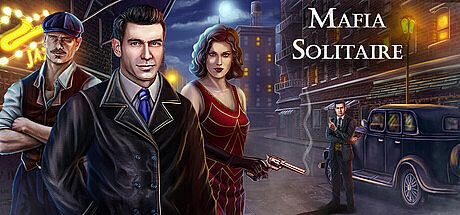


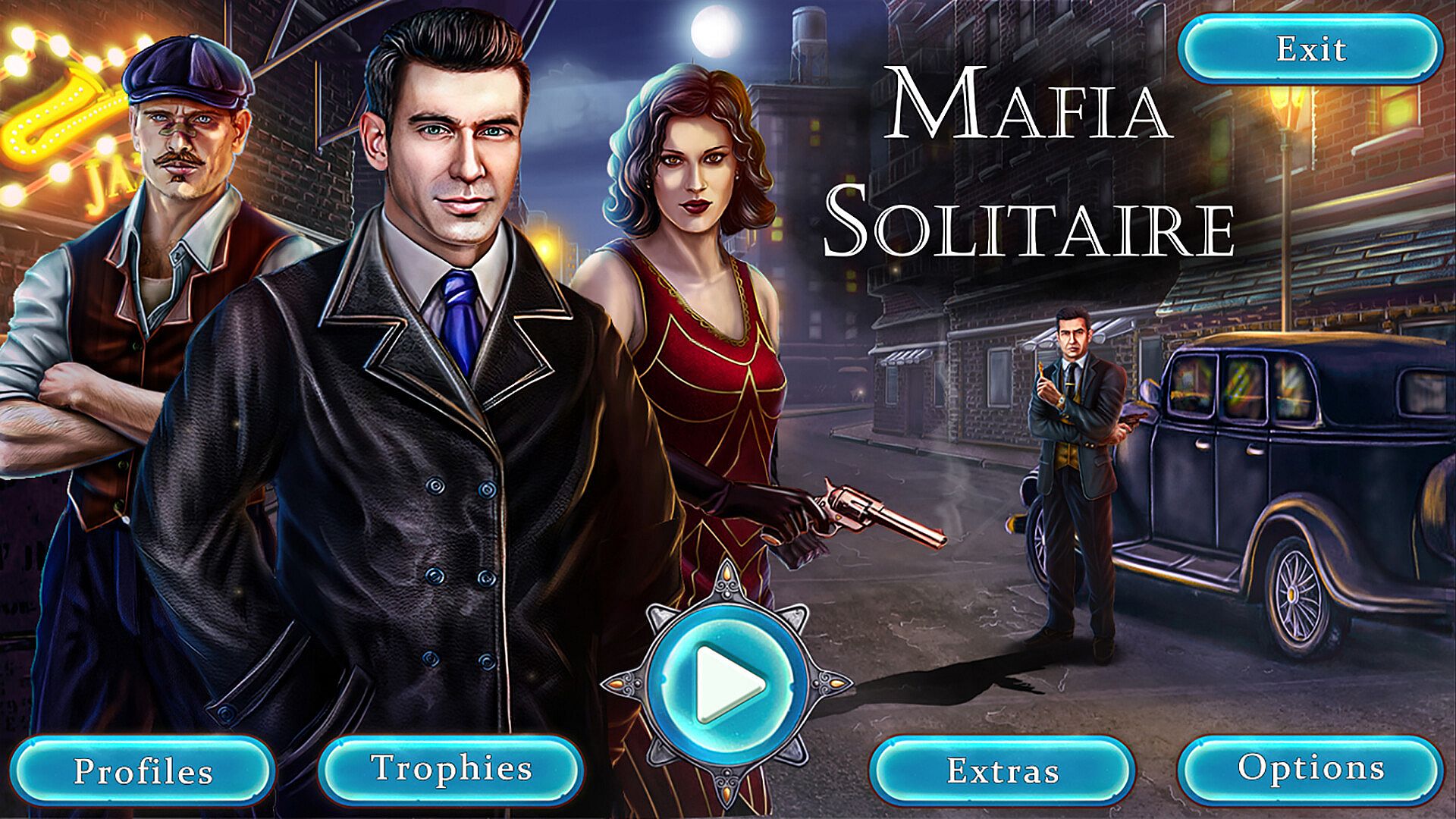
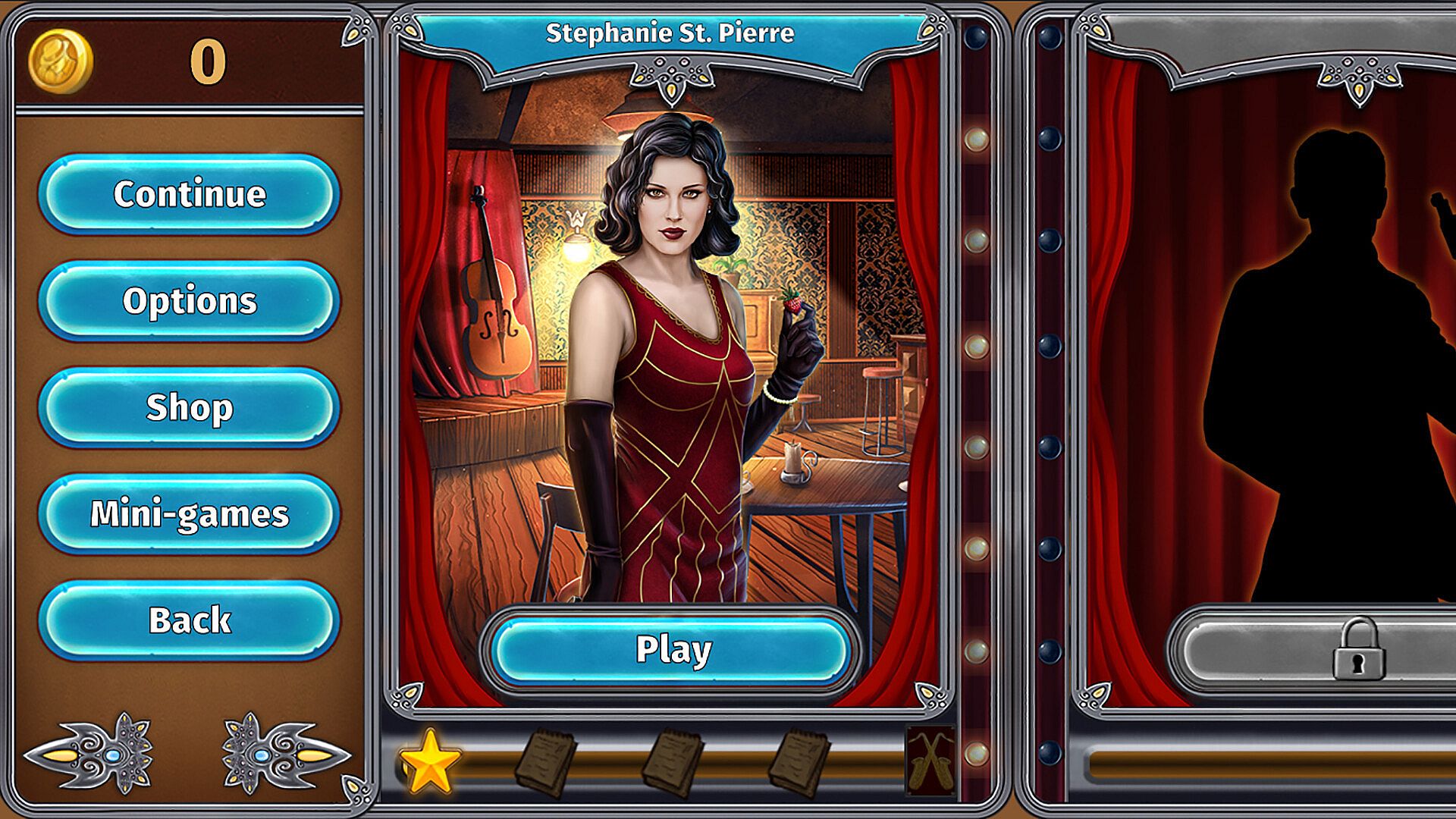

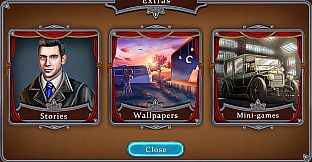

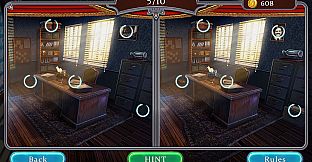
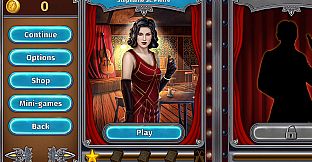
Mafia Solitaire is a casual solitaire game developed for PC that combines classic card matching with a narrative set in the 1920s underworld. Players take on the role of Frankie Barnes, an ordinary working-class man determined to challenge the power of nightclub kings and underground bosses. The experience centers on completing a series of card patterns while advancing through a story of ambition, intrigue, and justice.
Gameplay
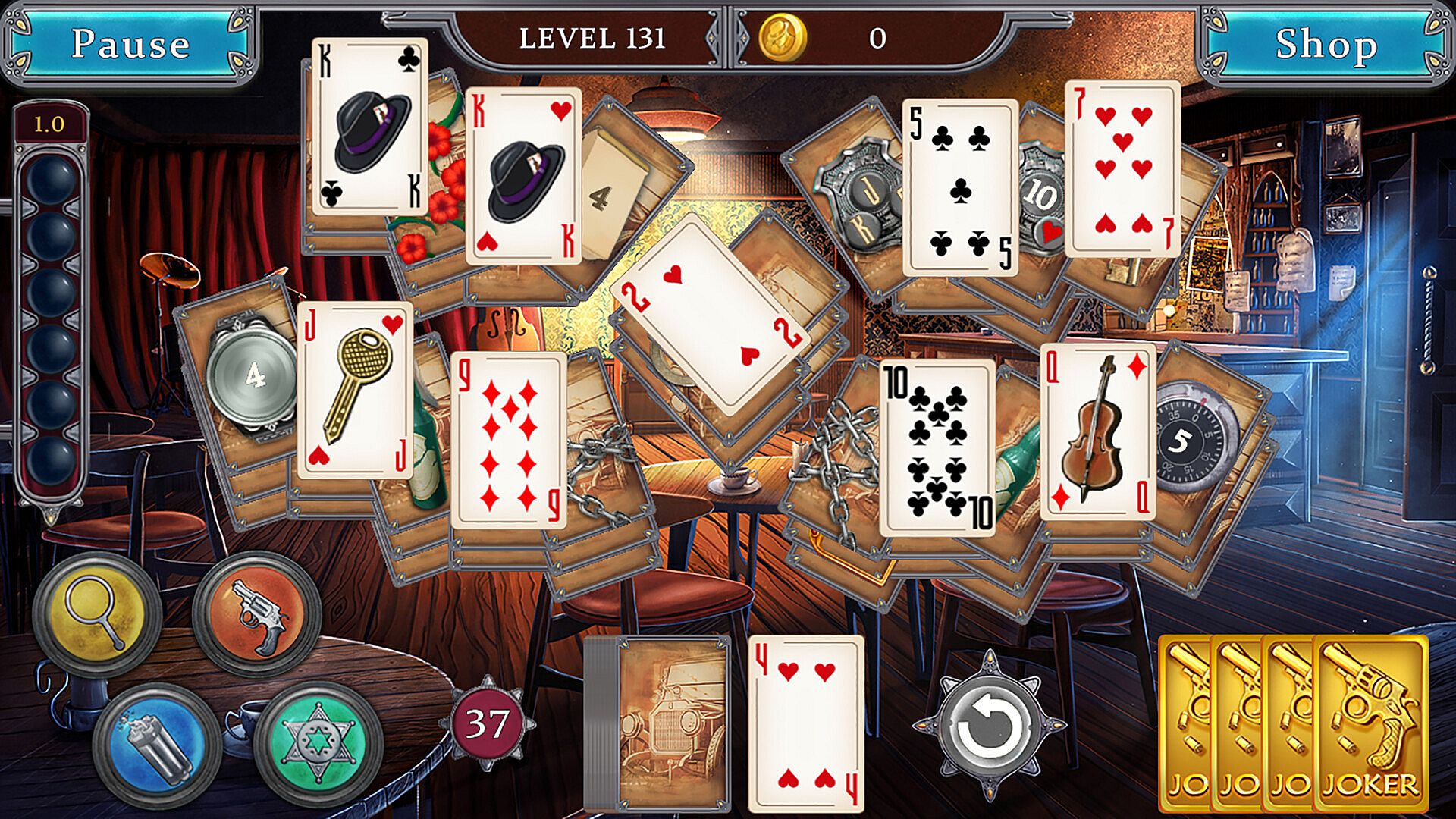
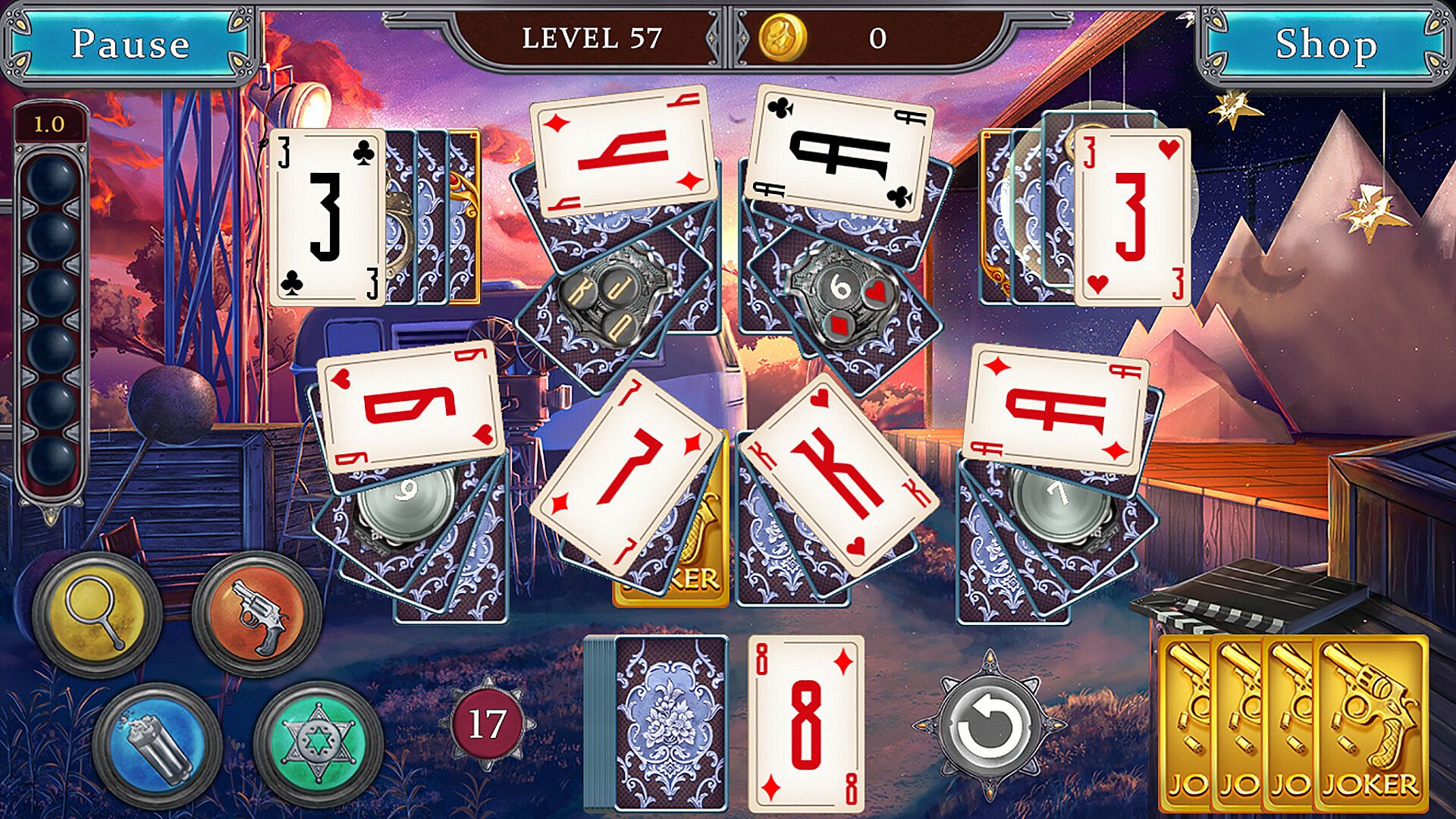
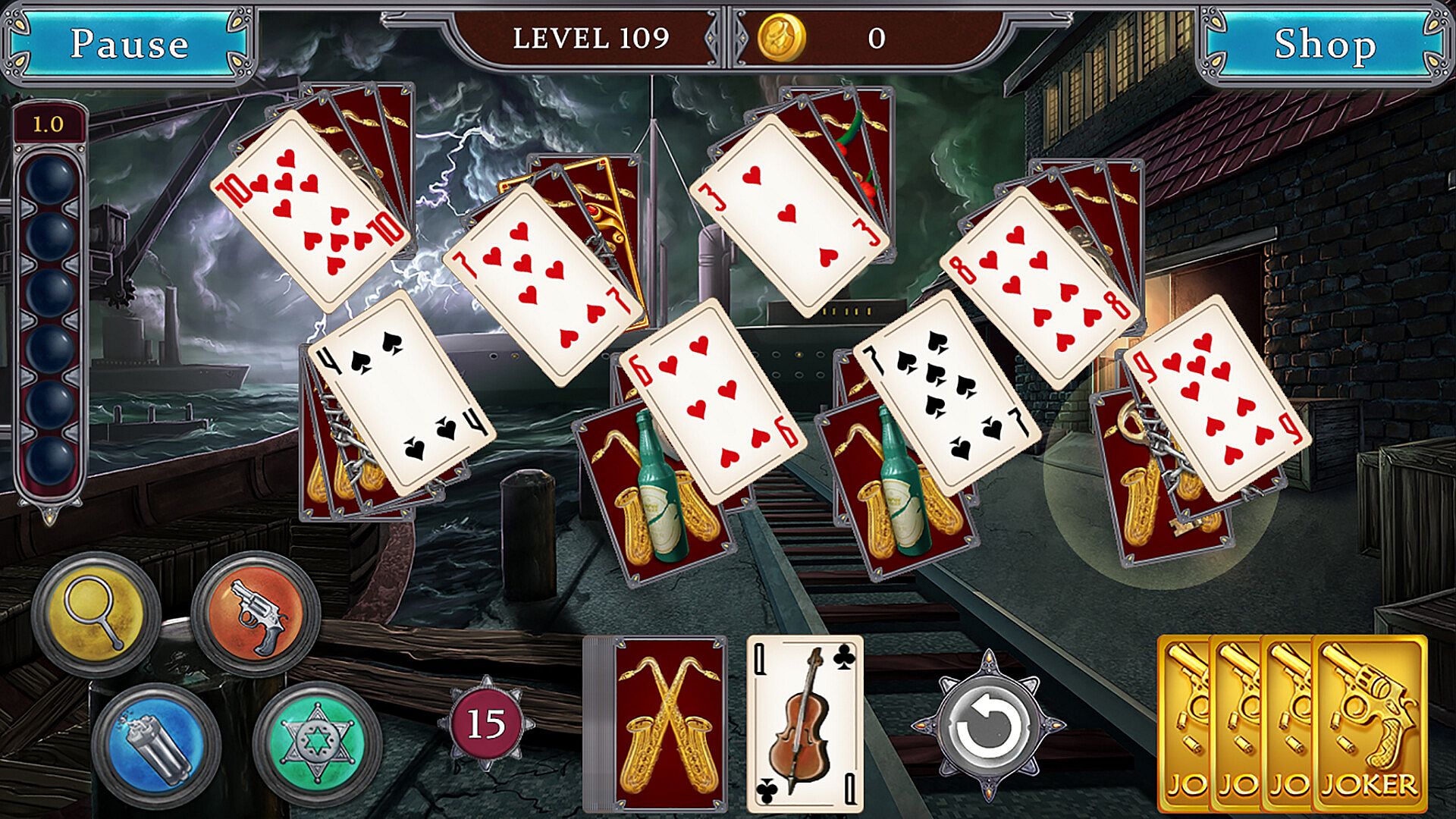
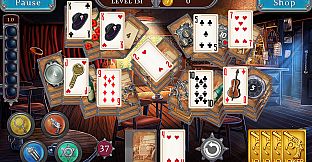
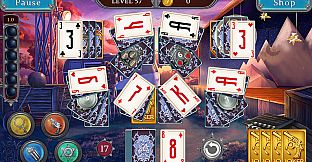
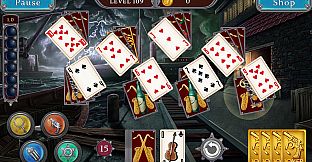
The core loop involves solving solitaire puzzles by arranging cards into specific patterns. Each pattern presents a unique layout that players clear through standard matching rules enhanced by the game's thematic elements. Progress comes from completing these arrangements across increasing levels of complexity, where timing and sequence matter for building longer chains of successful moves.
Atmospheric backgrounds place each puzzle in period-appropriate settings such as smoky clubs or city streets, reinforcing the mafia-era tone without altering the card mechanics. Players earn bonuses by forming maximum combos during a pattern, which in turn unlock temporary advantages. In-game helpers and buffs appear as options to clear obstacles or rearrange cards when a layout becomes particularly challenging, keeping the focus on steady advancement rather than frustration.
Intuitive controls allow quick selection and placement of cards, making the title accessible for short sessions or longer playthroughs. The 200 patterns range across difficulty levels, starting with straightforward arrangements and moving toward layouts that require more precise planning and repeated attempts.
Game Modes
Mafia Solitaire structures its content as a single continuous experience built around the 200 card patterns. Players move through these patterns in sequence while following the story of Frankie Barnes and his efforts against organized crime. Difficulty scales naturally as patterns grow more intricate, with no separate competitive or timed variants confirmed beyond the main progression.
Helpers and buffs integrate directly into the pattern-solving process, offering assistance on demand rather than through distinct mode switches. The emphasis remains on narrative progression tied to puzzle completion, where each solved pattern advances both the card challenges and the overarching tale of restoring justice to the city.
Story and Setting
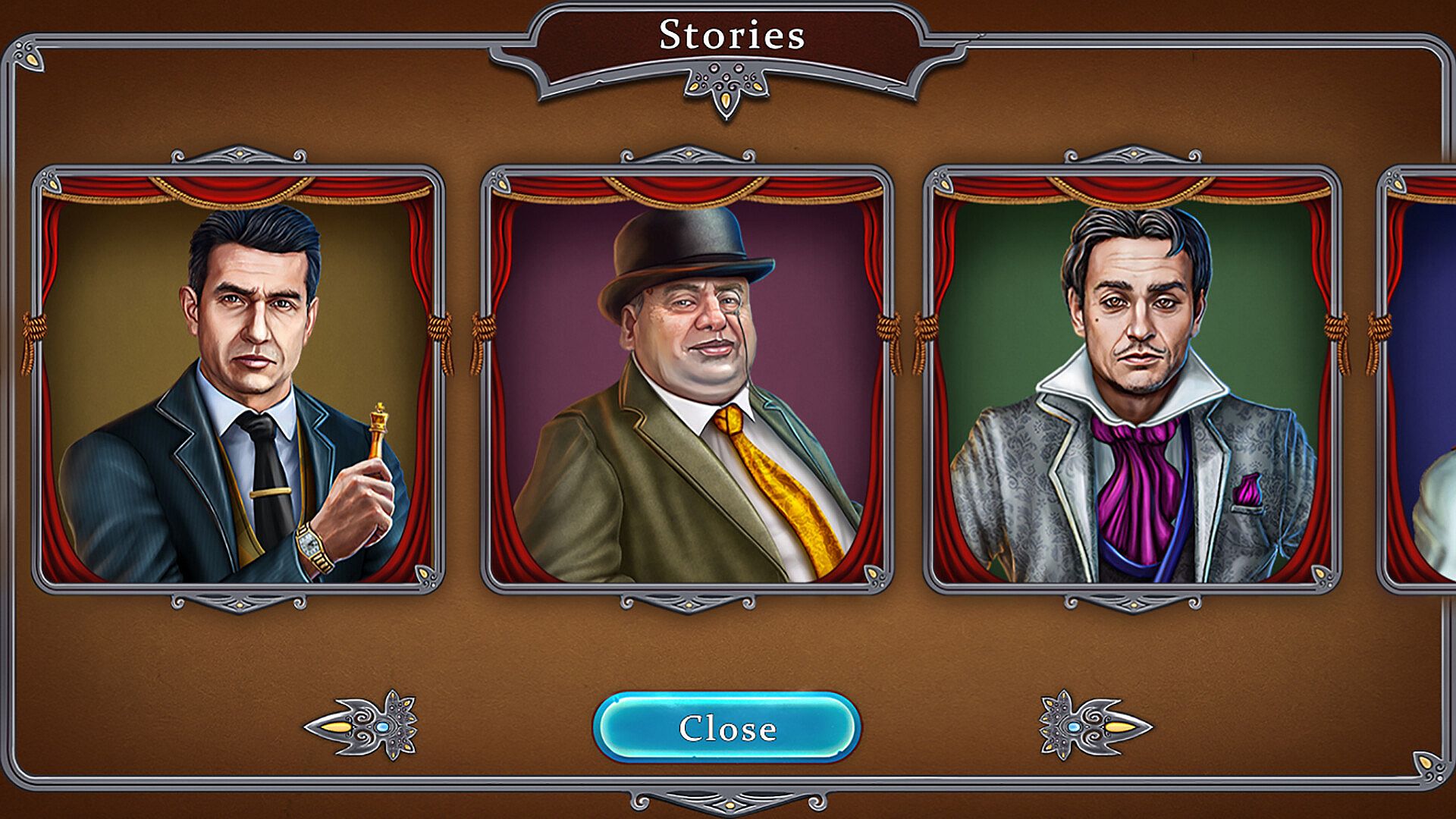
The 1920s backdrop supplies the visual and thematic frame for every pattern. Nightclub kings and underground bosses appear as narrative drivers, positioning Frankie Barnes as the lone figure willing to risk everything for change. Background art captures the era's energy through detailed scenes that accompany each new layout without interrupting the card play itself.
Story beats unfold alongside pattern completion, providing motivation to continue through the full set of 200 challenges. The narrative stays focused on themes of passion, ambition, and individual resolve against entrenched power, delivered through the progression of levels rather than separate cutscenes or dialogue trees.
Technical Details and Availability
Developed as an indie title by DigiMight and released on PC, Mafia Solitaire runs on modest hardware with straightforward system requirements. The game supports single-player sessions only and contains no online components. All content, including the complete roster of patterns, helpers, and story elements, is available from the start once the title is installed.
Controls remain consistent across patterns, relying on mouse input for card selection and placement. The design prioritizes clarity in layouts and feedback on successful combos or buff activations, allowing players to focus on strategy within the solitaire framework.
Is It Worth Playing?
Mafia Solitaire suits players who enjoy casual card games with added narrative flavor and steady progression through dozens of puzzles. The combination of 200 patterns, combo bonuses, and helper mechanics provides enough variety to sustain interest across multiple sittings while maintaining the familiar comfort of solitaire rules. Those seeking a light single-player experience on PC with a distinct 1920s theme will find the core loop consistent and approachable.
Because the game emphasizes puzzle completion over complex systems or multiplayer elements, it appeals most to fans of relaxed, story-tinged casual titles rather than action-heavy or competitive card games. Completion of the full set offers a clear sense of accomplishment tied directly to overcoming the escalating difficulties.