




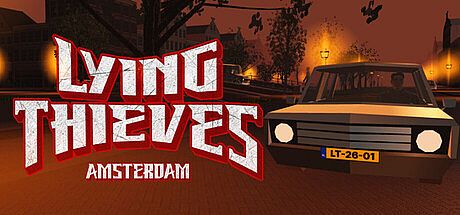



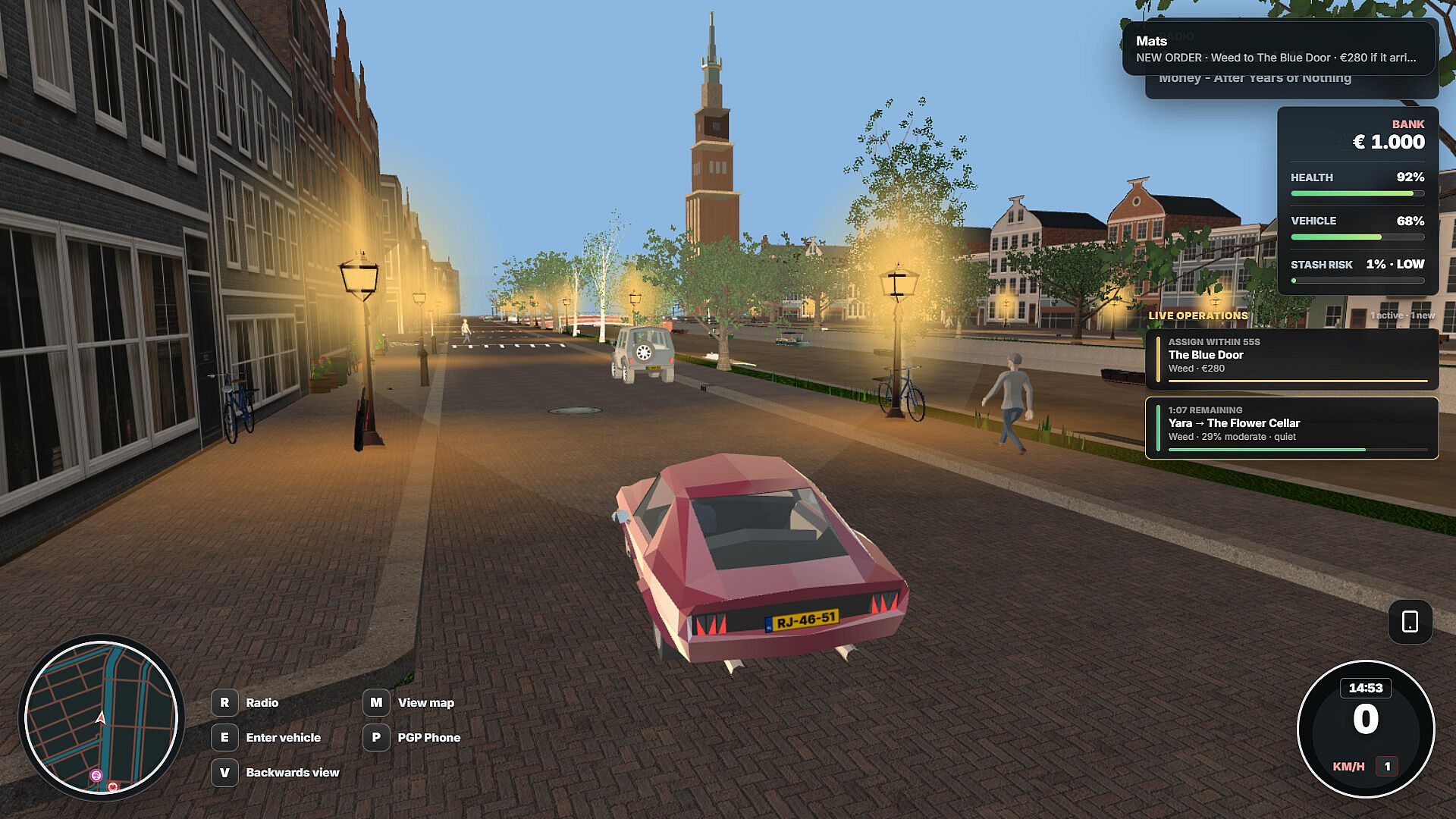
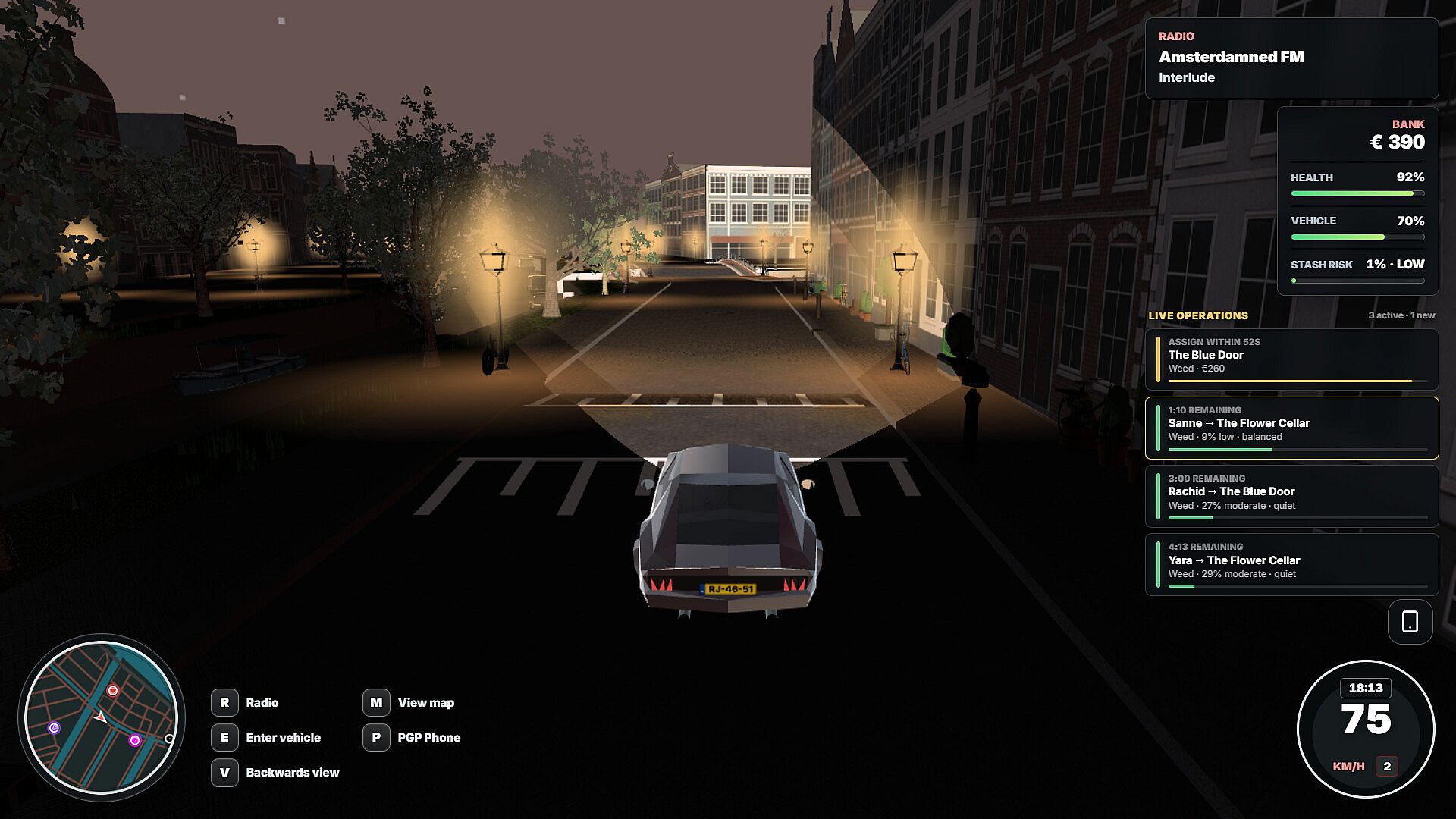
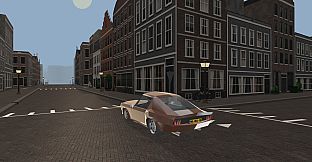
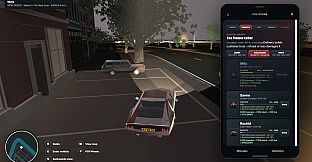
Lying Thieves: Amsterdam coloca o jogador no comando de uma operação criminosa em ascensão nas ruas da capital holandesa. Este jogo de mundo aberto para um jogador combina ação, estratégia, simulação e corridas enquanto você constrói uma rede de distribuição de drogas a partir de um ponto modesto. A experiência gira em torno do gerenciamento de fornecedores, entregadores e pedidos, além de missões pessoais que avançam uma história em constante evolução.
Gameplay
O ciclo principal envolve adquirir mercadoria, guardá-la em um esconderijo pessoal e atender pedidos que chegam em tempo real. O jogador começa com um pequeno capital e dez sacos de erva, expandindo o negócio ao contatar fornecedores, buscar produtos e retornar em segurança. O controle de estoque exige decisões cuidadosas sobre o volume de compra: investir demais reduz a margem para imprevistos, enquanto comprar pouco significa perder oportunidades lucrativas.
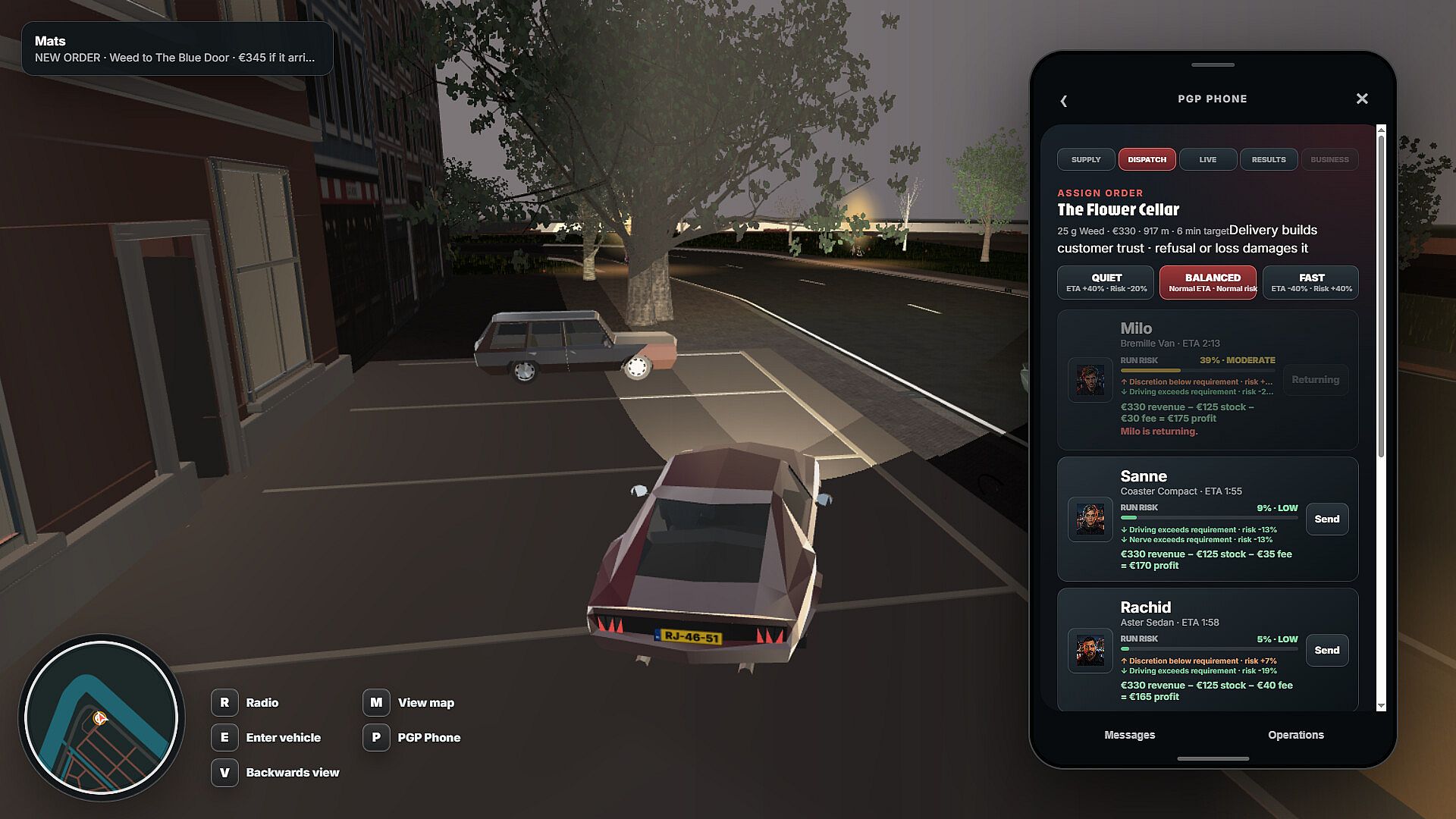
Com o crescimento da operação, entregadores assumem as rotas rotineiras. Cinco membros da equipe trazem características, custos e personalidades próprias que influenciam a confiabilidade em situações de pressão. O jogador define estratégias de entrega que equilibram velocidade e risco, recebendo chamadas quando surgem problemas como pane no veículo, disputas de pagamento ou atenção da polícia. Essas ocorrências exigem decisões rápidas que afetam o fluxo de caixa, a lealdade da equipe e o nível de perigo geral.
A intervenção direta continua disponível a qualquer momento. Quando um entregador não consegue completar uma corrida, o jogador pode assumir o objetivo, transformando a situação em uma tarefa dentro do mundo aberto em meio ao movimento da cidade. O apartamento funciona como base central para armazenar produtos, gerenciar veículos e reforçar a segurança conforme o valor do estoque aumenta. A progressão traz produtos de maior risco, com margens e níveis de exposição diferentes, enquanto a garagem permite consertar, repintar e melhorar carros que mantêm seu estado entre as sessões.
Game Modes
O jogo funciona como uma experiência contínua para um jogador, unindo gerenciamento de negócios e missões narrativas. Não existem modos multijogador ou competitivos. A operação continua em segundo plano enquanto o jogador cumpre objetivos da história, como seguir veículos, roubar carros, transportar passageiros em conversas dubladas ou defender o esconderijo de ataques. Várias tarefas podem permanecer ativas ao mesmo tempo, exigindo priorização entre emergências dos entregadores e missões pessoais.
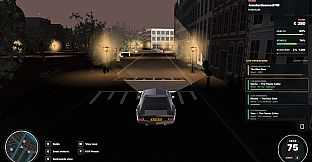
As abordagens de entrega funcionam como escolhas táticas. Rotas discretas reduzem o risco, mas aumentam o tempo; caminhos equilibrados oferecem um meio-termo; opções rápidas priorizam o lucro em detrimento da discrição. Essas decisões afetam toda a operação e interagem com o ambiente do mundo aberto, onde clima, trânsito e patrulhas policiais adicionam variáveis a cada trajeto.
Story and Progression
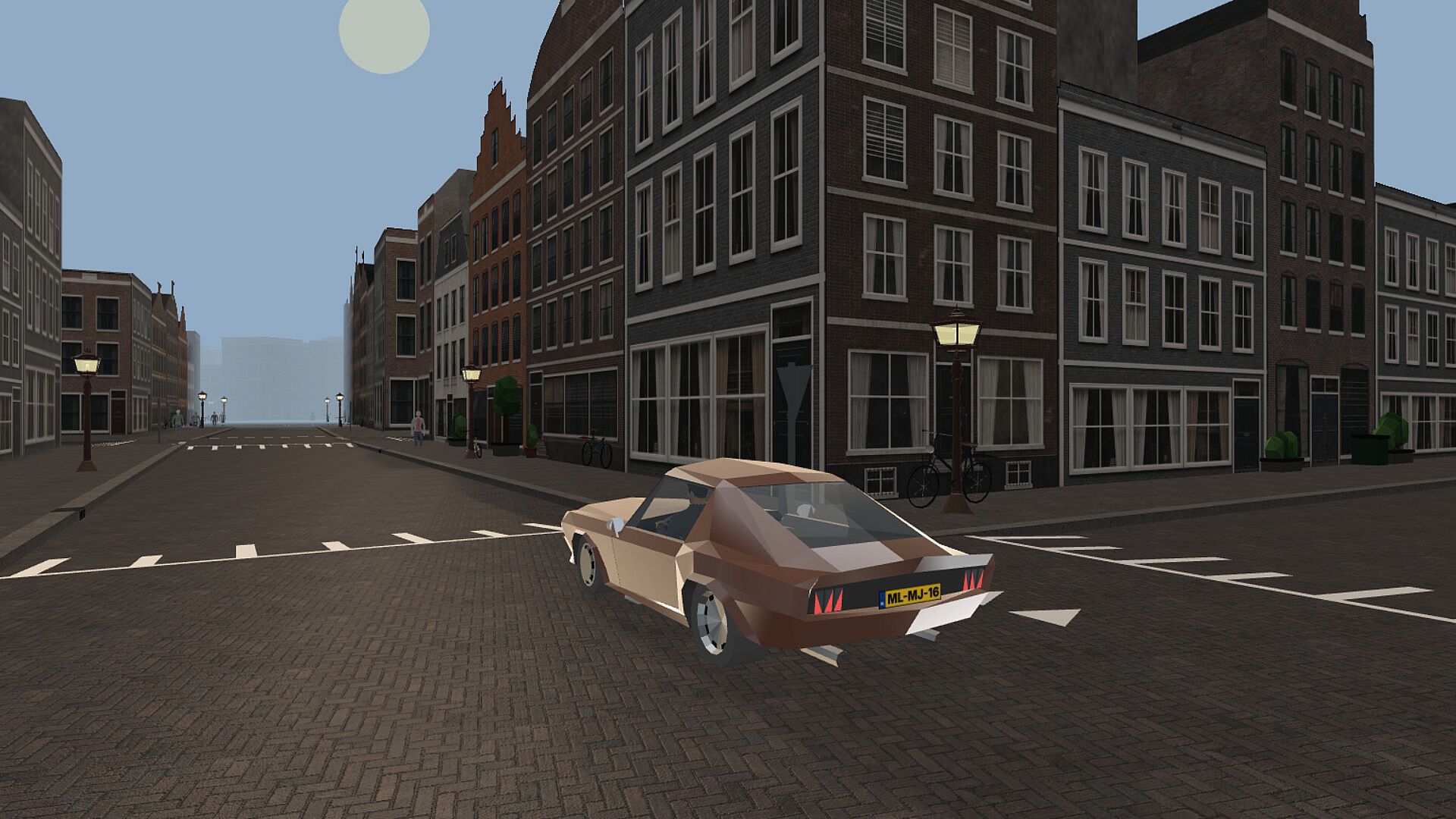
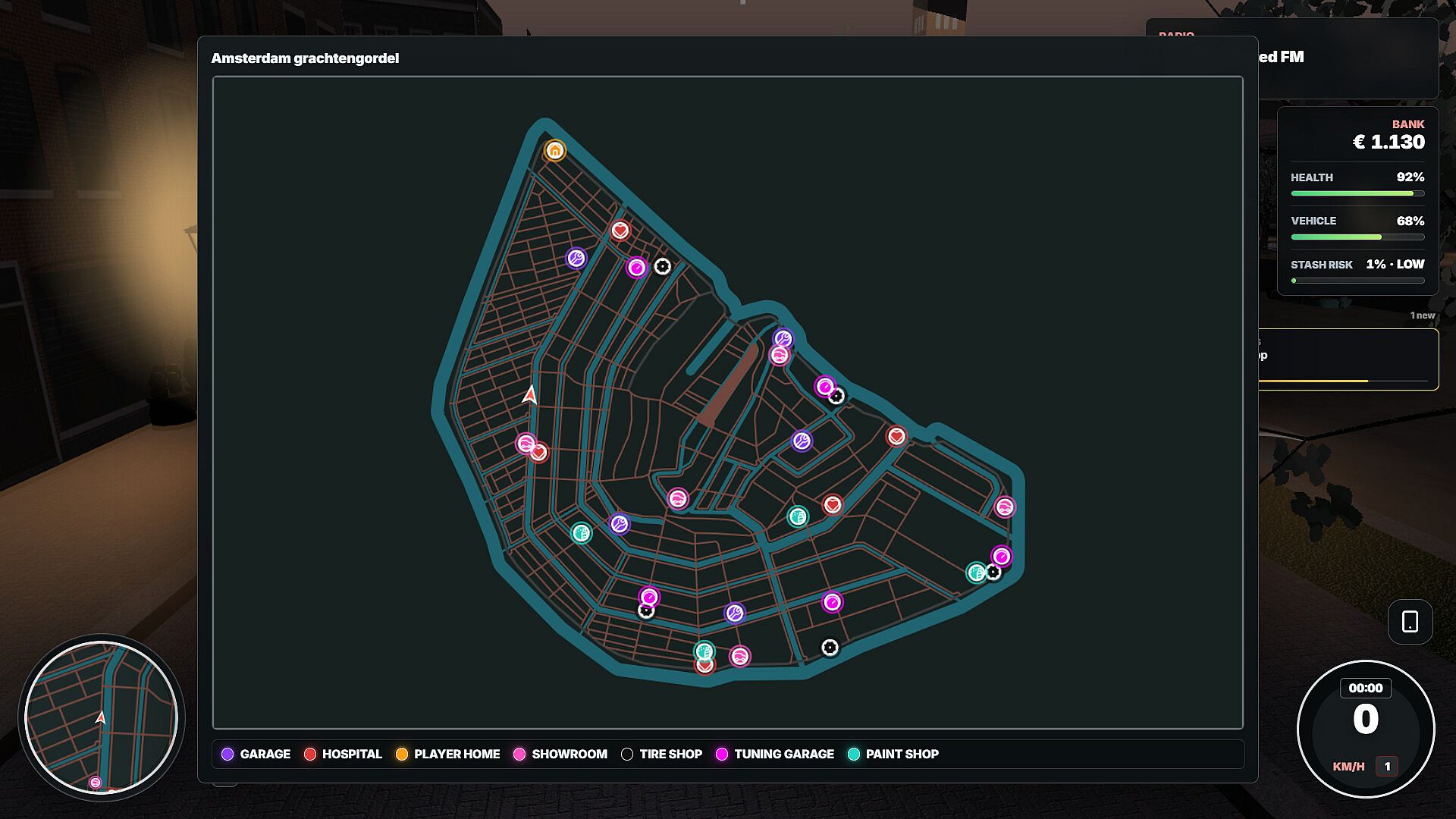
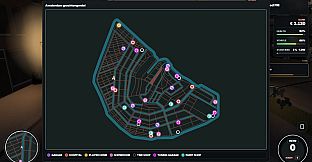
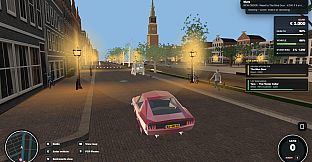
Uma narrativa criminal principal se desenvolve junto com as atividades do negócio. Personagens recorrentes entram em contato com o jogador para missões que não podem ser delegadas, revelando conflitos pessoais e motivações ocultas por meio de conversas dentro do carro e tarefas de vigilância. Completar elementos da história pode liberar novos fornecedores ou produtos sem apagar o progresso existente. A cidade reforça esse foco duplo, com uma área recriada dentro do Singelgracht que inclui canais, ruas estreitas e ciclos dinâmicos de dia e noite que afetam as condições de direção.
A coleção de veículos forma outra camada de progressão. Começando com um carro de passeio básico, o jogador adquire e customiza diversos modelos, cada um mantendo danos, melhorias e registro. Melhorias de desempenho e alterações visuais apoiam tanto o trabalho de entregas quanto as missões da história que envolvem perseguições ou fugas.
Is It Worth Playing?
Lying Thieves: Amsterdam é voltado para quem busca jogos de mundo aberto de crime para um jogador com forte componente de gerenciamento. A integração entre supervisão de entregadores, controle financeiro e intervenção direta cria uma sensação constante de responsabilidade que se torna mais complexa conforme a operação cresce. Quem aprecia logística detalhada combinada com sequências de ação encontrará sistemas recompensadores, especialmente o feedback visível de lucros e perdas que destaca quais decisões impulsionam o crescimento.
O jogo ainda está em desenvolvimento, com lançamento previsto para PC. Ainda não há avaliações de usuários ou campanhas concluídas, portanto as expectativas se baseiam nos mecânicas descritas: pedidos em tempo real, personalidades dos entregadores e enredos entrelaçados. Fãs de jogabilidade deliberada e repleta de decisões em um cenário urbano detalhado podem encontrar no título uma boa opção quando ele for lançado.
