


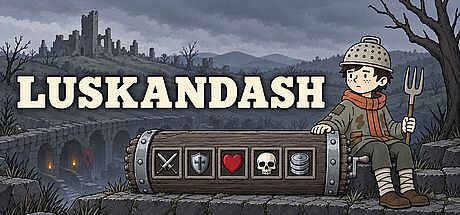


Luskandash is a strategy game for PC in which players build and refine a personal system of symbols and machine components to survive a descent through layered environments. The core experience centers on managing odds in combat encounters while making permanent choices about equipment that carry across attempts.
Gameplay
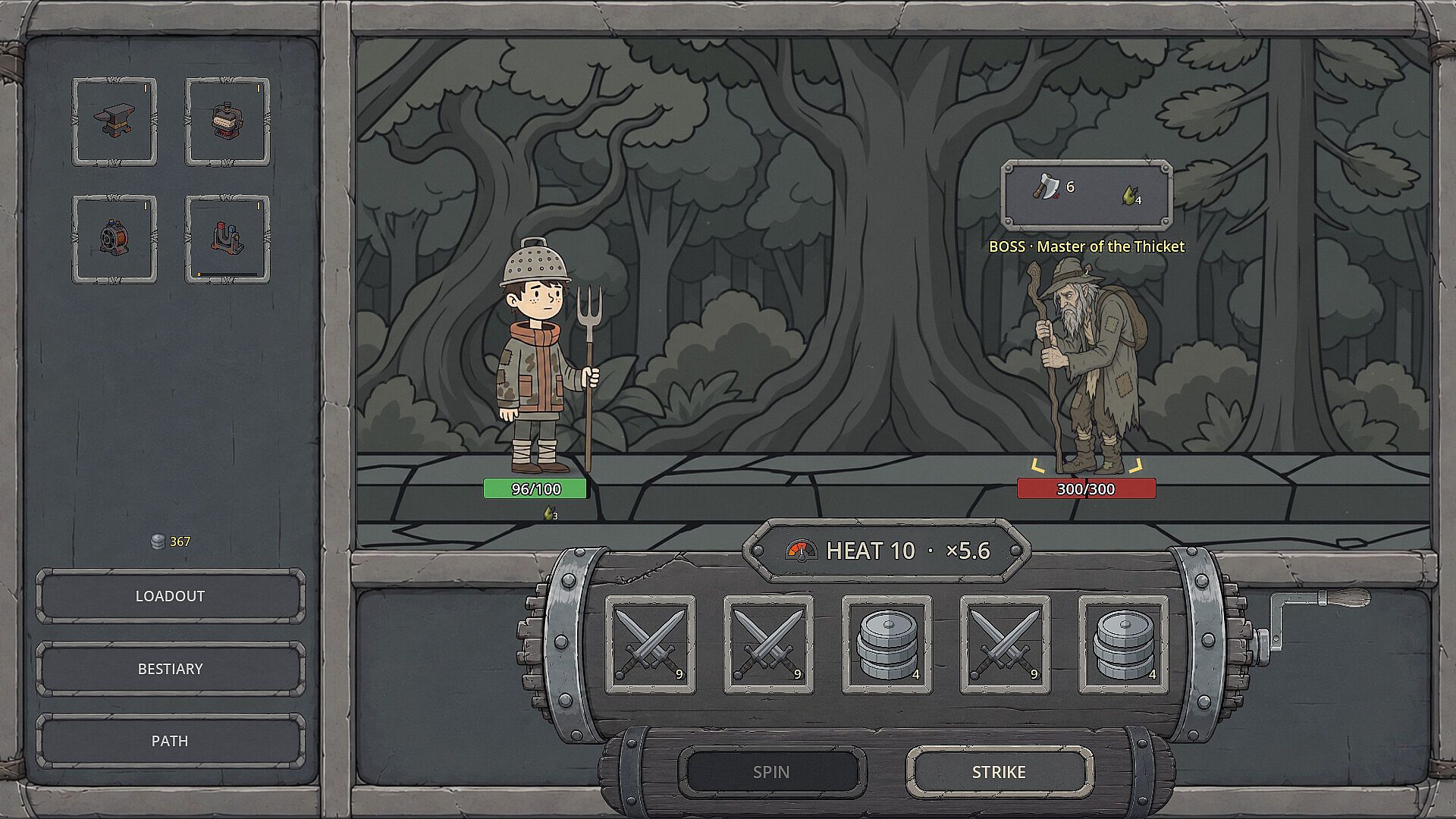
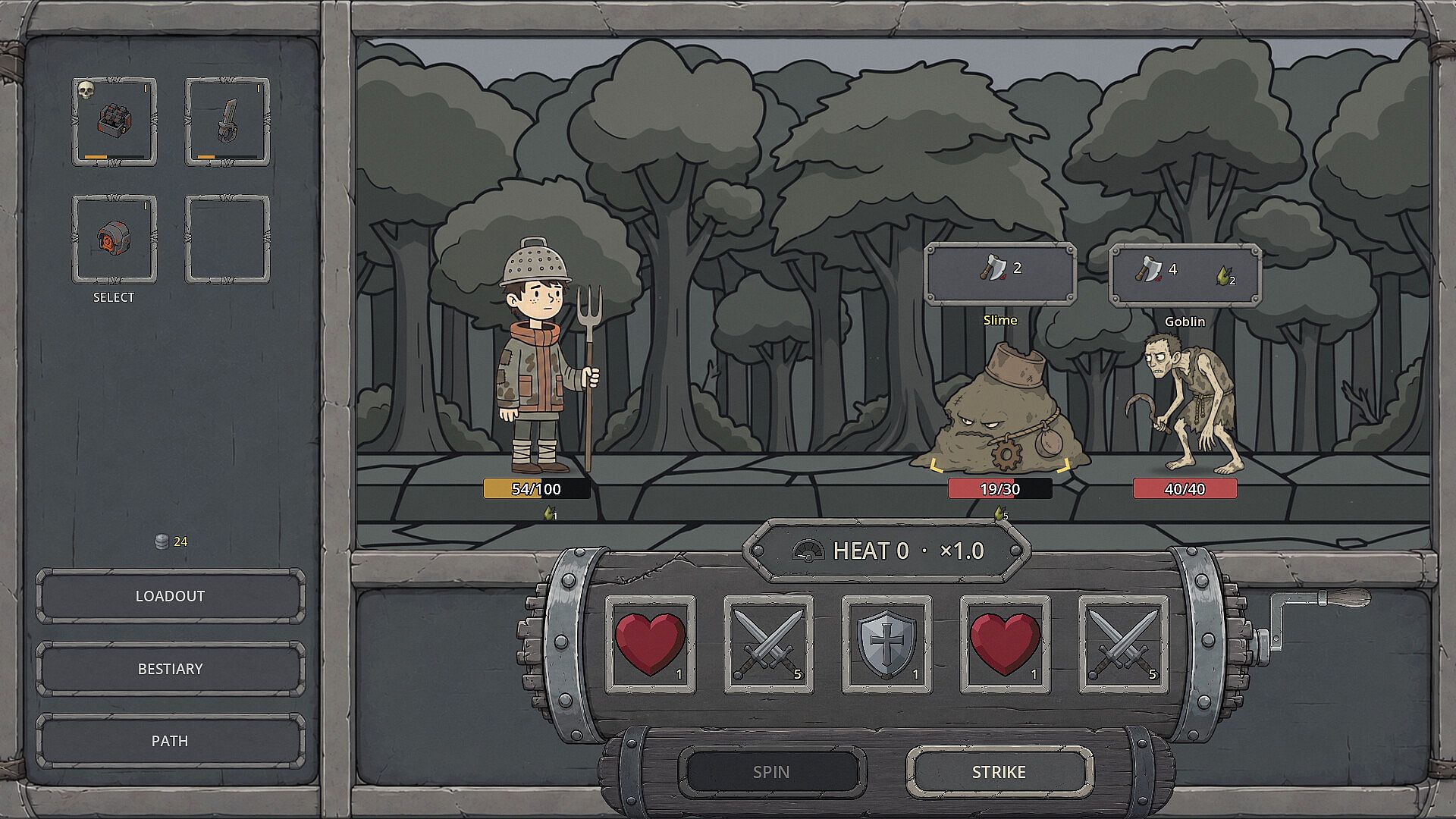
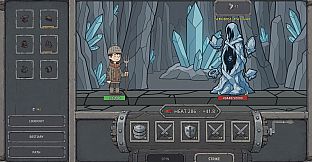
Five symbol types form the foundation of every encounter: swords for offense, shields for defense, hearts for recovery, skulls for special effects, and coins for resources. Players add symbols to a shared pool, remove those that no longer fit the current situation, and increase their individual values to shift combat probabilities. Rewards appear as random selections, so the exact upgrade needed for a build may remain unavailable.
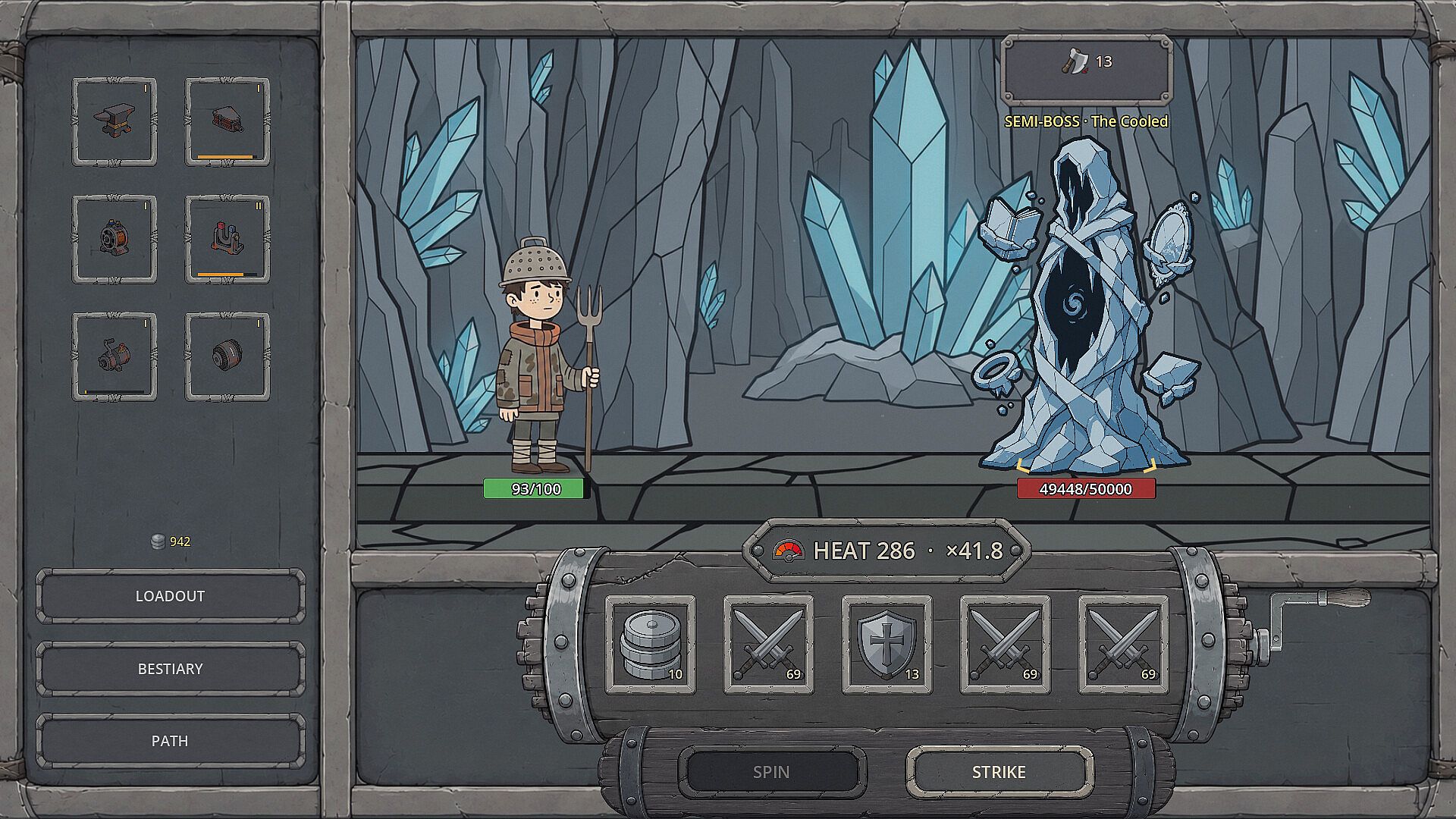
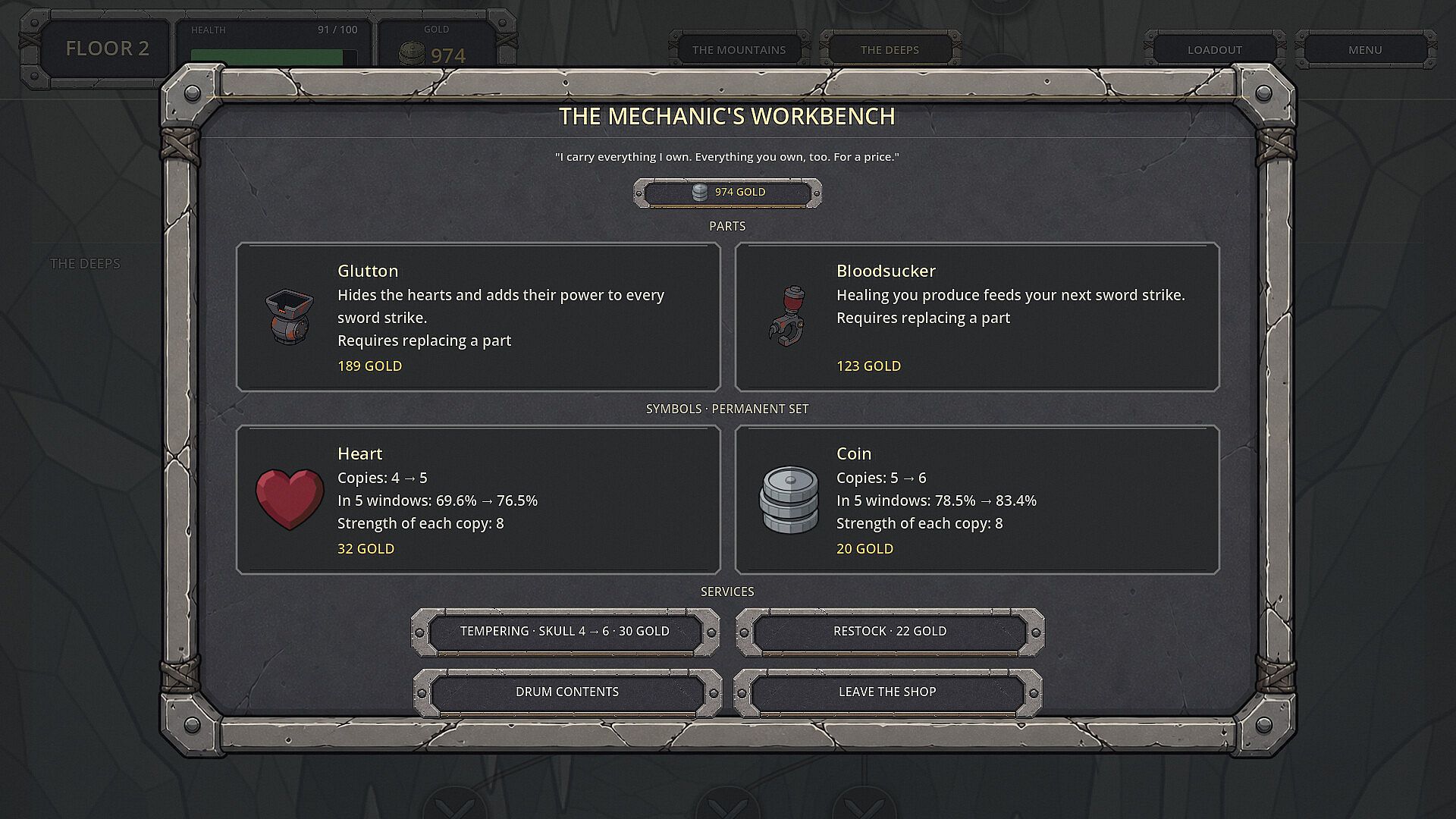
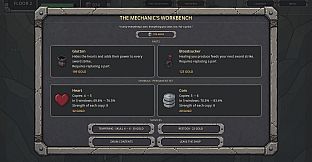
Machine parts attach to the symbol pool and alter how those symbols function. A part might convert defensive symbols into offensive heat, introduce poison, protect existing resources, or chain additional effects when certain conditions are met. Limited attachment space forces trade-offs; installing a new part often requires removing one that previously sustained the run.
Enemies display their planned actions in advance. Players choose which threat to neutralize first and when to activate the abilities granted by installed parts. Armor, healing, heat buildup, and persistent status effects can turn a difficult fight around provided the overall configuration supports them.
Game Modes
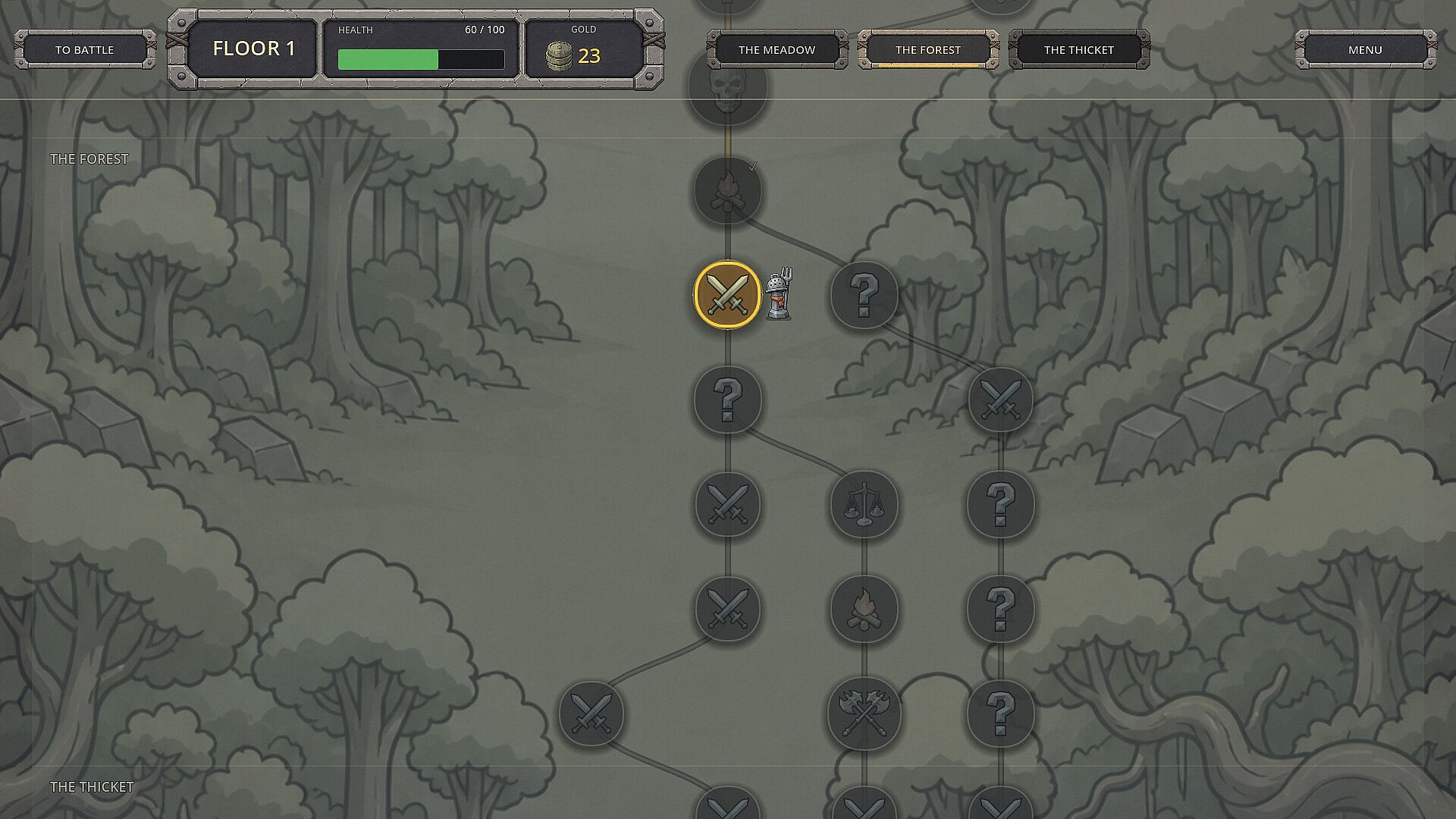
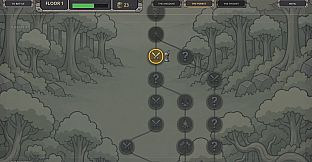
The game follows a single continuous descent structure. Players select paths that pass through combat encounters, narrative events, recovery locations, and merchant stops. Three distinct floors progress from open meadows and forests down through stone caverns to a frozen lower level and finally toward an upper destination. Each floor introduces new enemy behaviors that require adjustments to the symbol pool and part layout.
Death concludes the current attempt. Unlocked machine parts and bestiary entries carry forward, allowing subsequent attempts to begin with expanded options while the active configuration must be assembled again from the start.
Core Systems and Progression
Route selection adds strategic depth because different paths present varying combinations of risk and reward. Shops allow targeted purchases that can fill gaps in a symbol set, while rest stops provide opportunities to stabilize before the next series of fights. The limited space for parts encourages experimentation across multiple runs as players discover which combinations survive longer against later enemies.
Symbol values and part synergies determine success more than raw power. A configuration that converts protection into repeated heat damage can clear groups efficiently, yet the same setup may struggle against single high-health targets that require different priorities. Players learn through repeated attempts which parts preserve resources or trigger follow-up effects at the right moments.
Is It Worth Playing?
Luskandash suits players who enjoy deliberate planning and iterative refinement in a roguelike framework. The emphasis on pool management and part compatibility rewards careful observation of enemy patterns and willingness to rebuild after each loss. Those who prefer direct action or fixed character builds may find the constant reconfiguration less engaging. The game remains in active development with new content additions possible, and its PC availability makes it accessible for sessions focused on short to medium-length runs.