






Lucky Crafter é um jogo indie casual de estratégia para um jogador, desenvolvido em torno de um sistema roguelike de criação de poções para PC. O jogador administra uma loja de poções que depende de uma roda giratória exclusiva para gerar bebidas e atender aos pedidos que chegam. O ciclo principal mistura giros aleatórios com escolhas estratégicas que modificam a roda ao longo do tempo, transformando cada tentativa em um novo desafio de gerenciamento de recursos e controle de probabilidades.
Gameplay
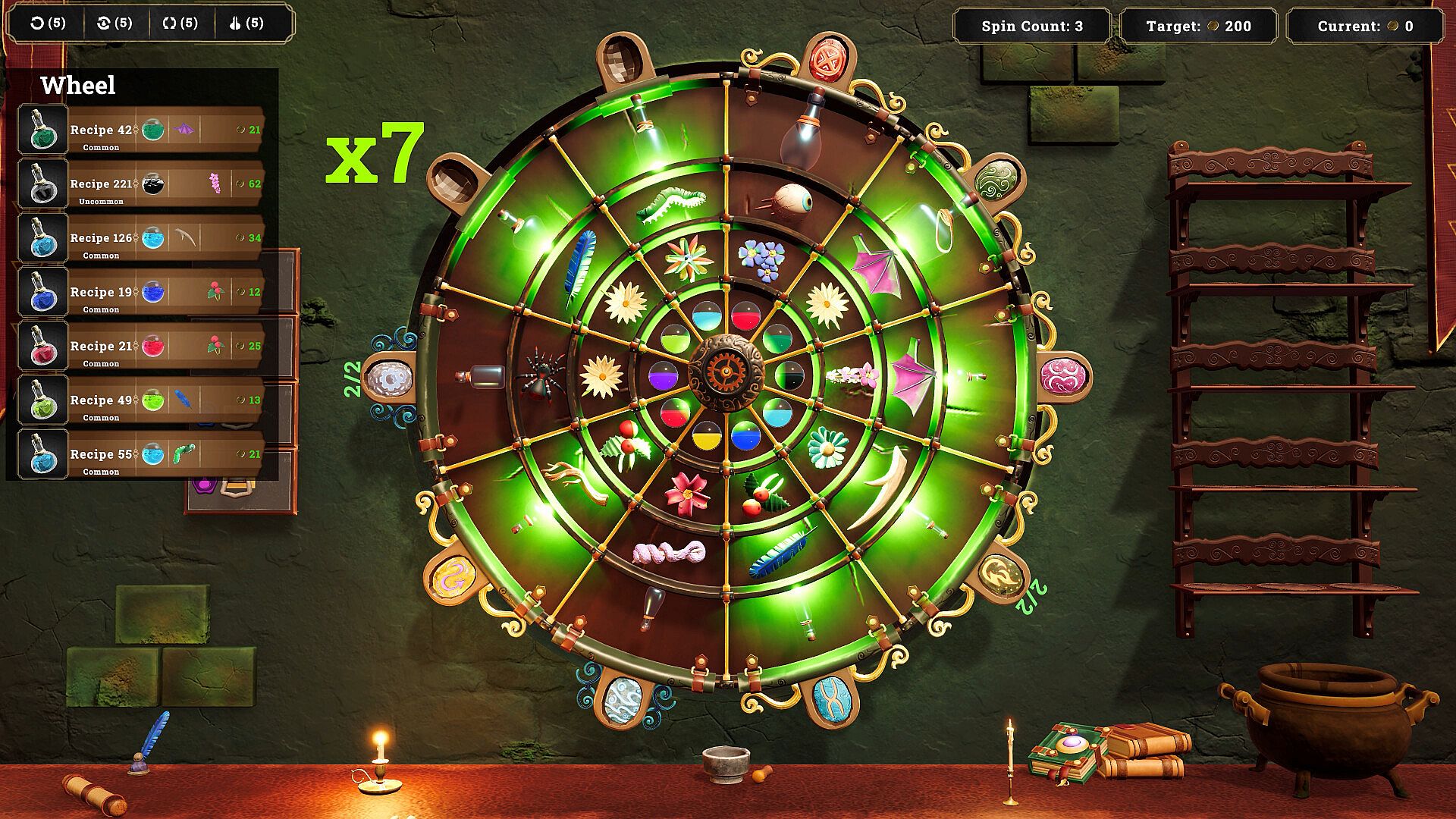
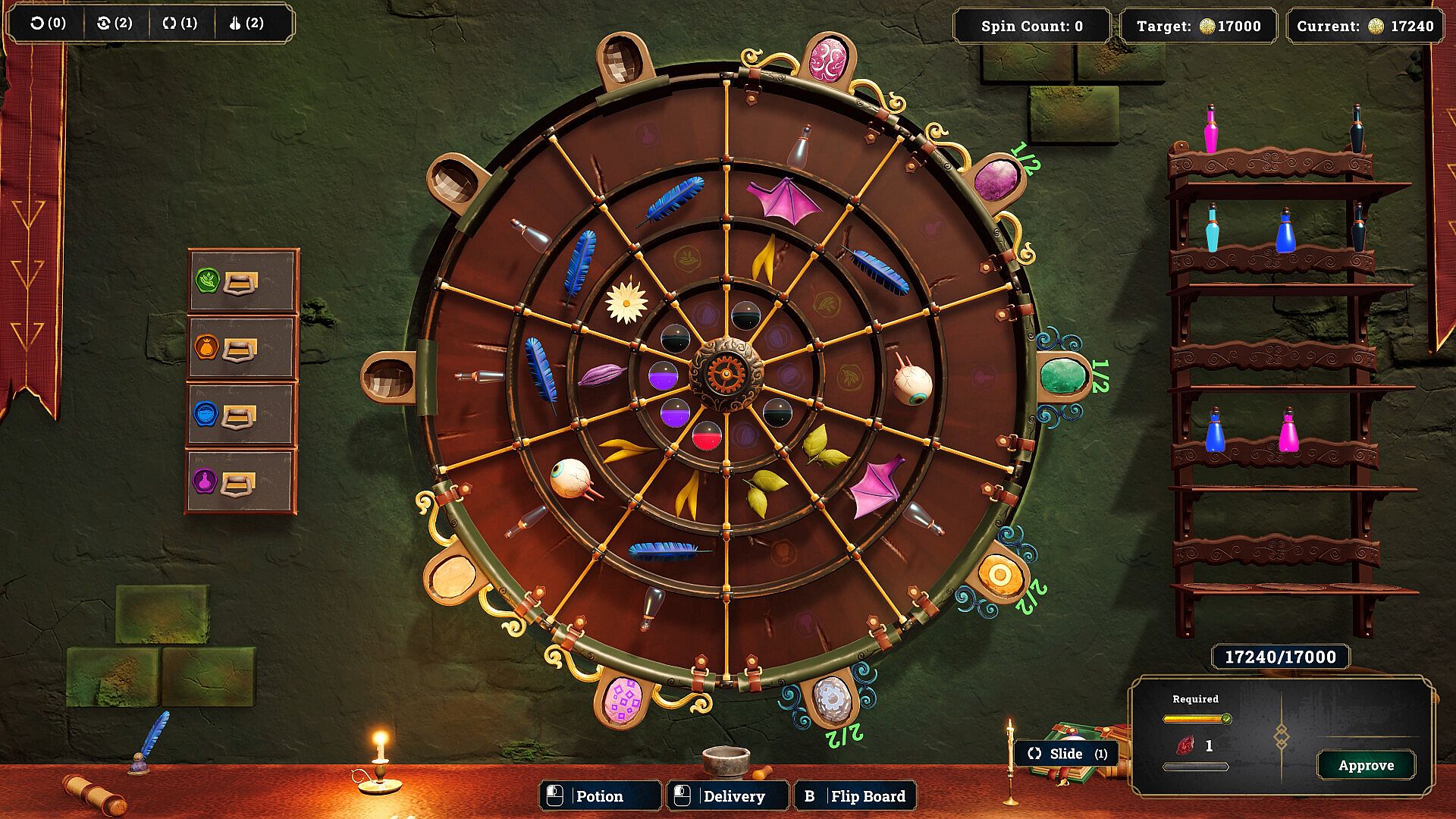
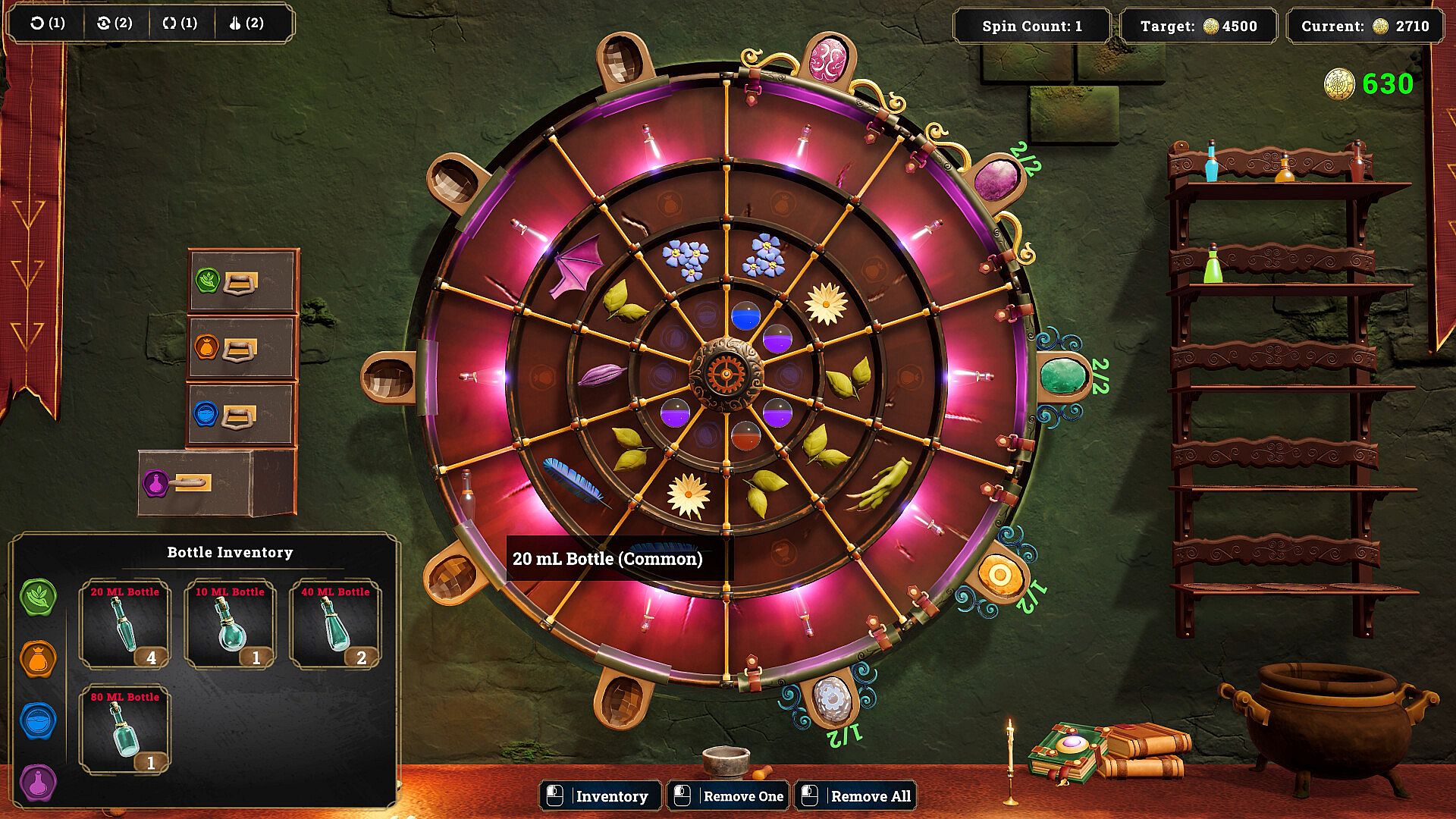
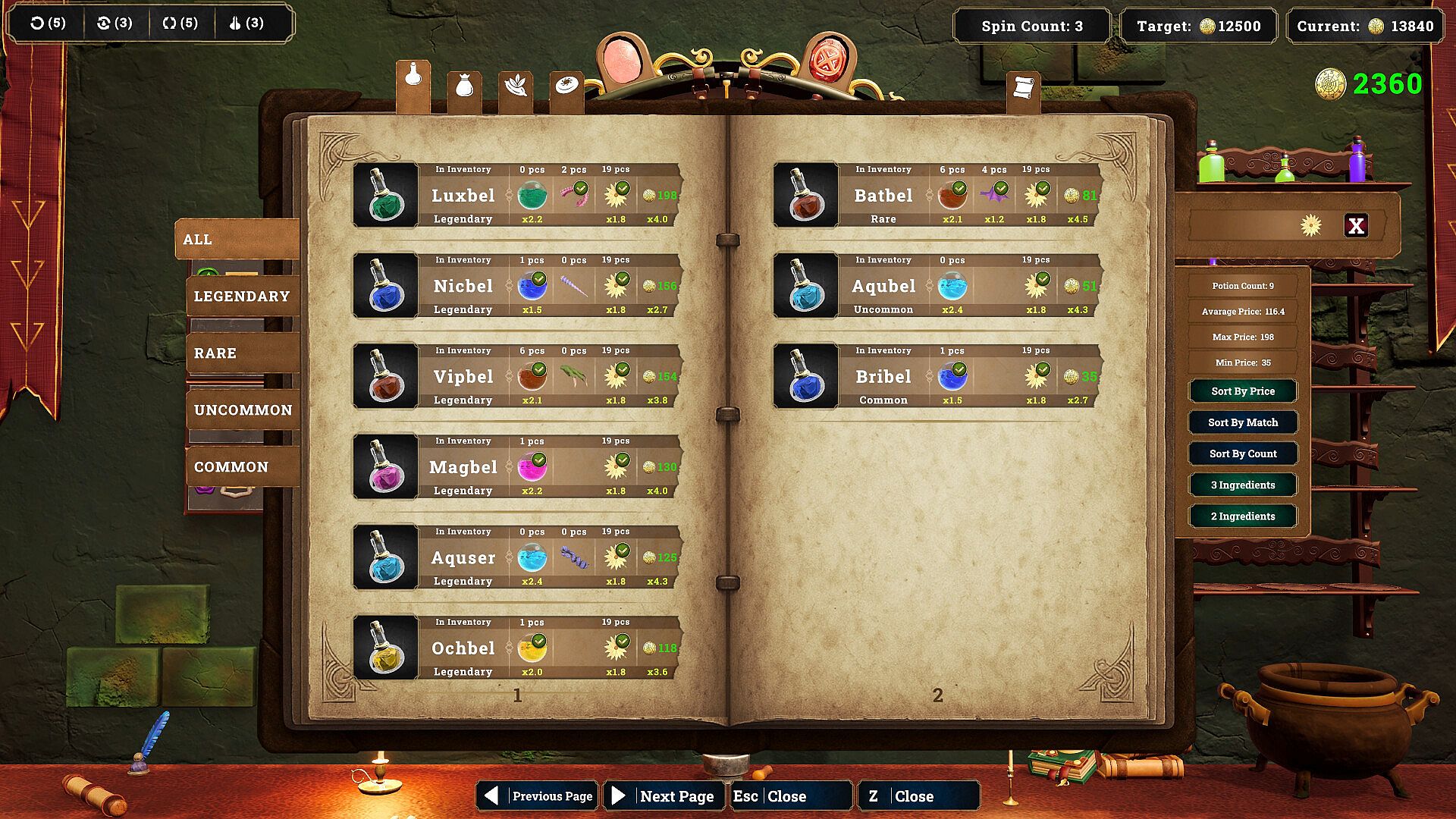
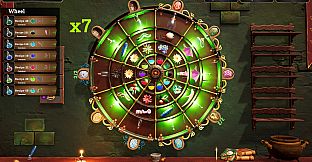
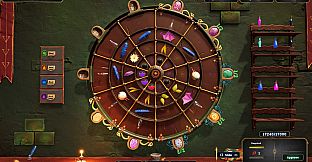
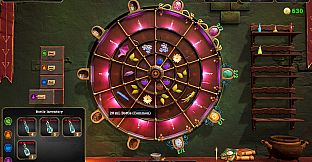
O mecanismo central gira em torno de quatro anéis independentes na roda de criação. O anel central contém líquidos, seguido por ervas e sementes, depois objetos e pedras, com frascos na borda externa. Ao girar, os ingredientes se alinham em colunas para produzir poções de valores variados. Cada entrega define um valor-alvo que precisa ser alcançado em um número limitado de giros, obrigando o jogador a equilibrar resultados seguros e de baixo valor com combinações mais arriscadas que oferecem recompensas maiores.
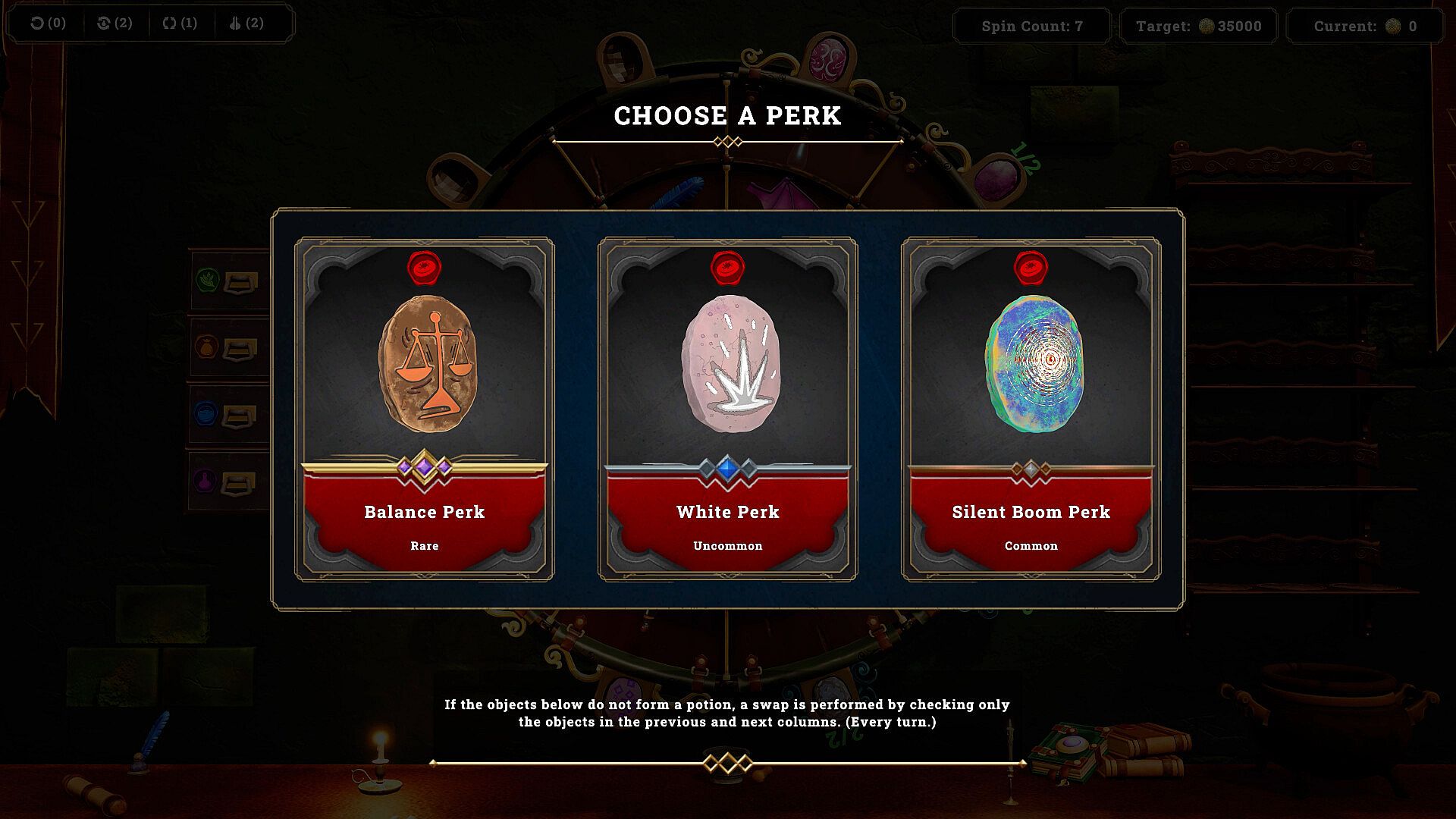
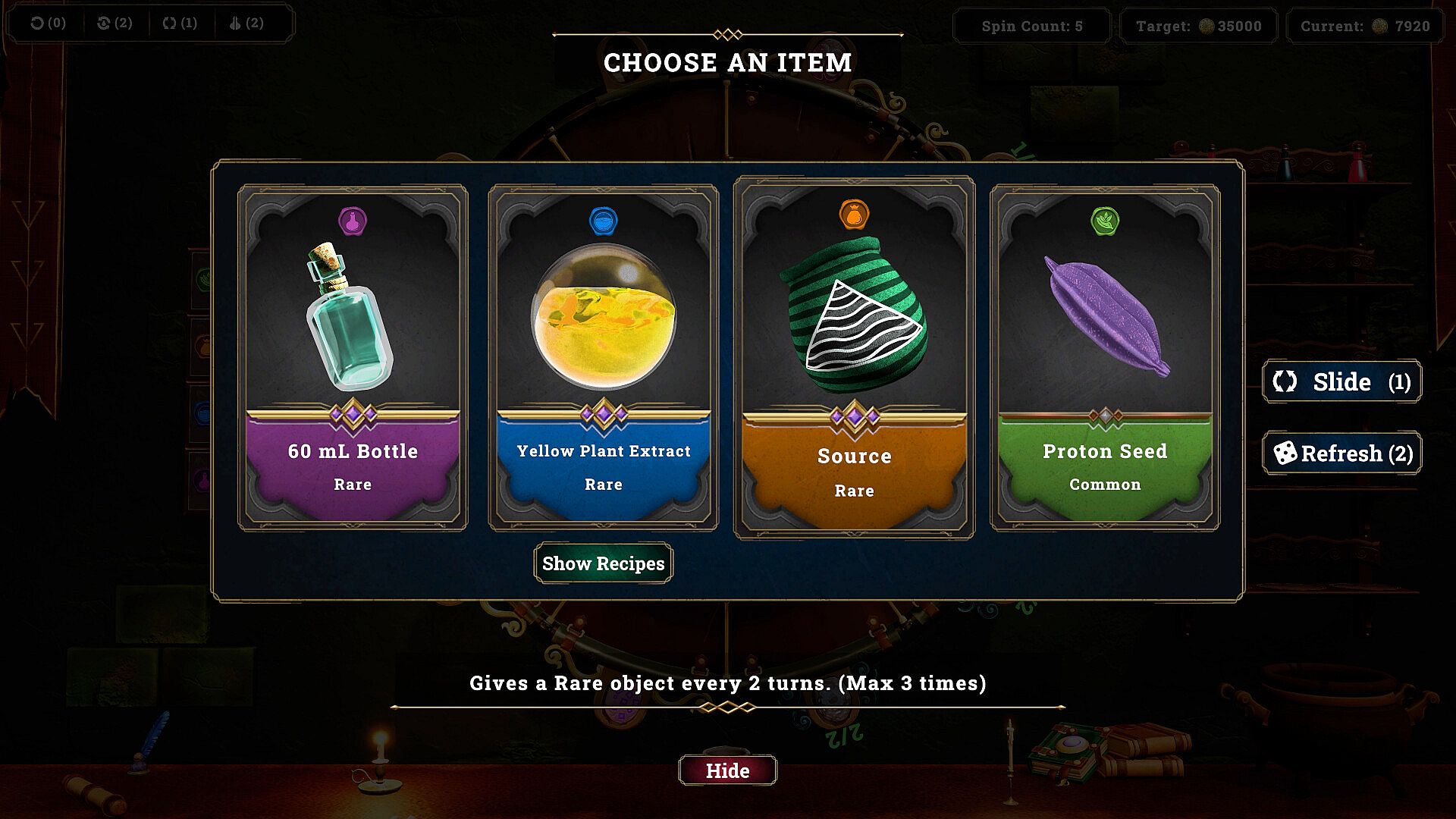
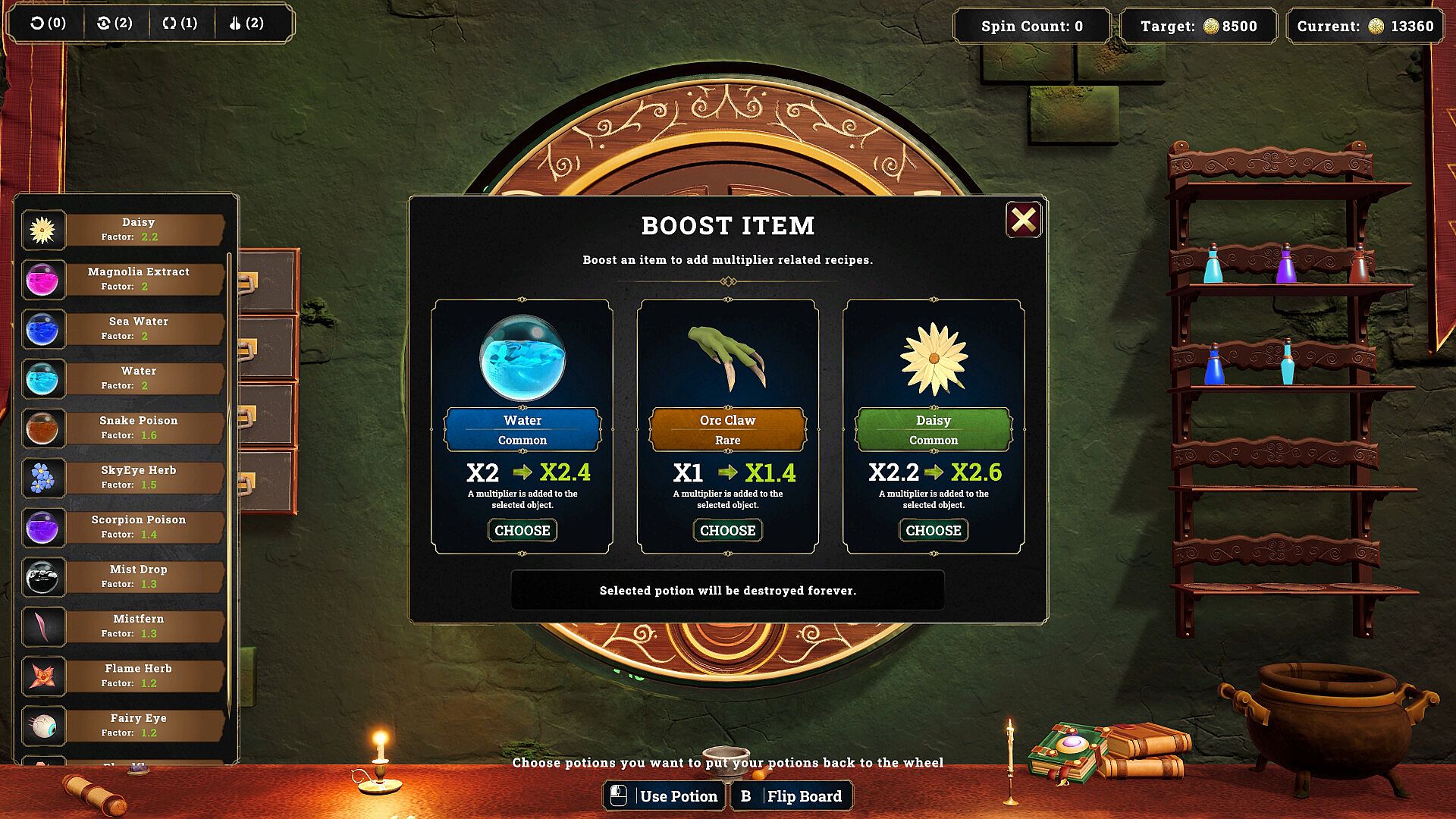
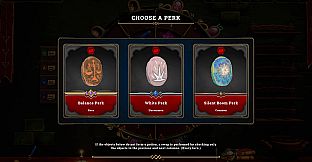
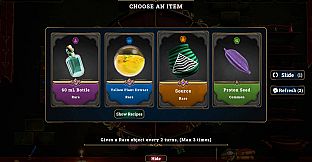
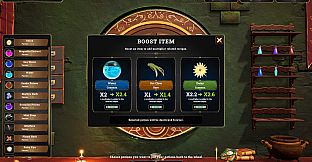
Após cada giro, é possível adicionar um novo ingrediente à roda. Quando uma entrega é concluída, bônus são aplicados diretamente aos anéis. Essas modificações permitem efeitos como duplicar poções em uma coluna, multiplicar ervas ou transformar poções comuns em versões lendárias. Outras ações incluem separar poções, decompor ingredientes, deslocar um anel para a esquerda ou direita para melhorar o alinhamento ou acionar um novo giro completo. Cada decisão altera o comportamento futuro da roda e as sinergias disponíveis.
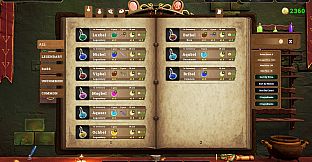
Conforme as tentativas avançam, novos bônus e frascos são desbloqueados, ampliando as opções para as próximas jogadas. Essa progressão faz com que a roda evolua, recompensando quem observa as combinações que surgem e adapta a estratégia às probabilidades em constante mudança. O sistema valoriza o planejamento em torno da sorte, em vez de depender exclusivamente dela, com cada sessão contribuindo para resultados mais controlados por meio das modificações acumuladas.
Modos de Jogo
Lucky Crafter é uma experiência para um único jogador, centrada em sequências de tentativas que se desenvolvem a partir do progresso anterior. O ciclo principal consiste em cumprir uma série de entregas dentro de um limite de giros, com escolhas sobre adição de ingredientes e posicionamento de bônus que determinam como cada tentativa se desenrola. Não há formatos multijogador ou competitivos, mantendo o foco na otimização pessoal da mecânica da roda em jogadas repetidas.
A progressão está diretamente ligada às tentativas concluídas, que introduzem novos elementos ao conjunto disponível. Essa estrutura permite sessões mais longas, nas quais o jogador refina sua abordagem ao sistema de giros, testando diferentes combinações de bônus e seleções de ingredientes para lidar com pedidos cada vez mais exigentes. A ausência de modos distintos significa que a variedade surge dos elementos roguelike que alteram a composição e as capacidades da roda a cada nova tentativa.
Mecânicas Principais e Progressão
A seleção de ingredientes após os giros e a aplicação de bônus após as entregas são as principais formas de influência do jogador. Essas ferramentas permitem manipular a roda para favorecer determinados alinhamentos ou potencializar tipos específicos de poções. O caráter roguelike faz com que uma falha em uma tentativa ainda contribua para o conjunto geral, ampliando gradualmente as opções para as próximas jogadas sem perder as vantagens acumuladas.
Sinergias surgem da exposição repetida a estados iguais ou semelhantes da roda, incentivando a observação de como os bônus interagem com as posições dos anéis e os tipos de ingredientes. O jogador aprende a priorizar modificações que multiplicam o valor ou permitem produções de alto nível de forma mais confiável, passando de um giro reativo para uma engenharia proativa da roda ao longo de várias sessões.
Vale a Pena Jogar?
Lucky Crafter é indicado para quem aprecia jogos de estratégia que combinam acessibilidade casual com profundidade roguelike em um contexto de criação. O foco em um único jogador, na manipulação da roda e no cumprimento de pedidos, oferece um ciclo contido que recompensa a experimentação e o planejamento de longo prazo. Com lançamento previsto para o 4º trimestre de 2026 e ainda sem avaliações de usuários, o interesse dependerá de quanto as mecânicas de giro e a progressão baseada em bônus se alinham às preferências por títulos indie centrados em gerenciamento de probabilidades e melhoria incremental. Quem busca sistemas de criação com tema de poções, sem competição externa ou conteúdo sazonal, encontrará nos sistemas principais exatamente o que é descrito.