






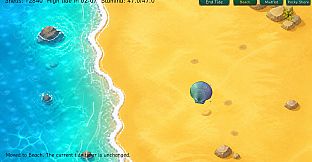
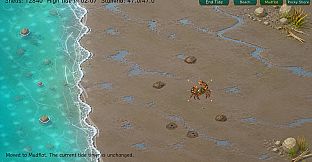
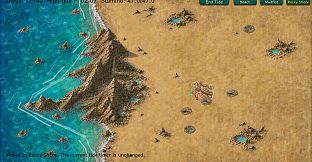
Low Tide Tales is an indie casual simulation game for PC that centers on the quiet satisfaction of beachcombing and digging during brief low tide windows. Players take on the role of someone starting fresh on familiar coastal grounds, using a shovel to uncover hidden sea life before the water returns. The experience blends exploration of varied shorelines with resource management and light progression systems, creating short, repeatable sessions that reward careful observation and steady improvement.
Gameplay
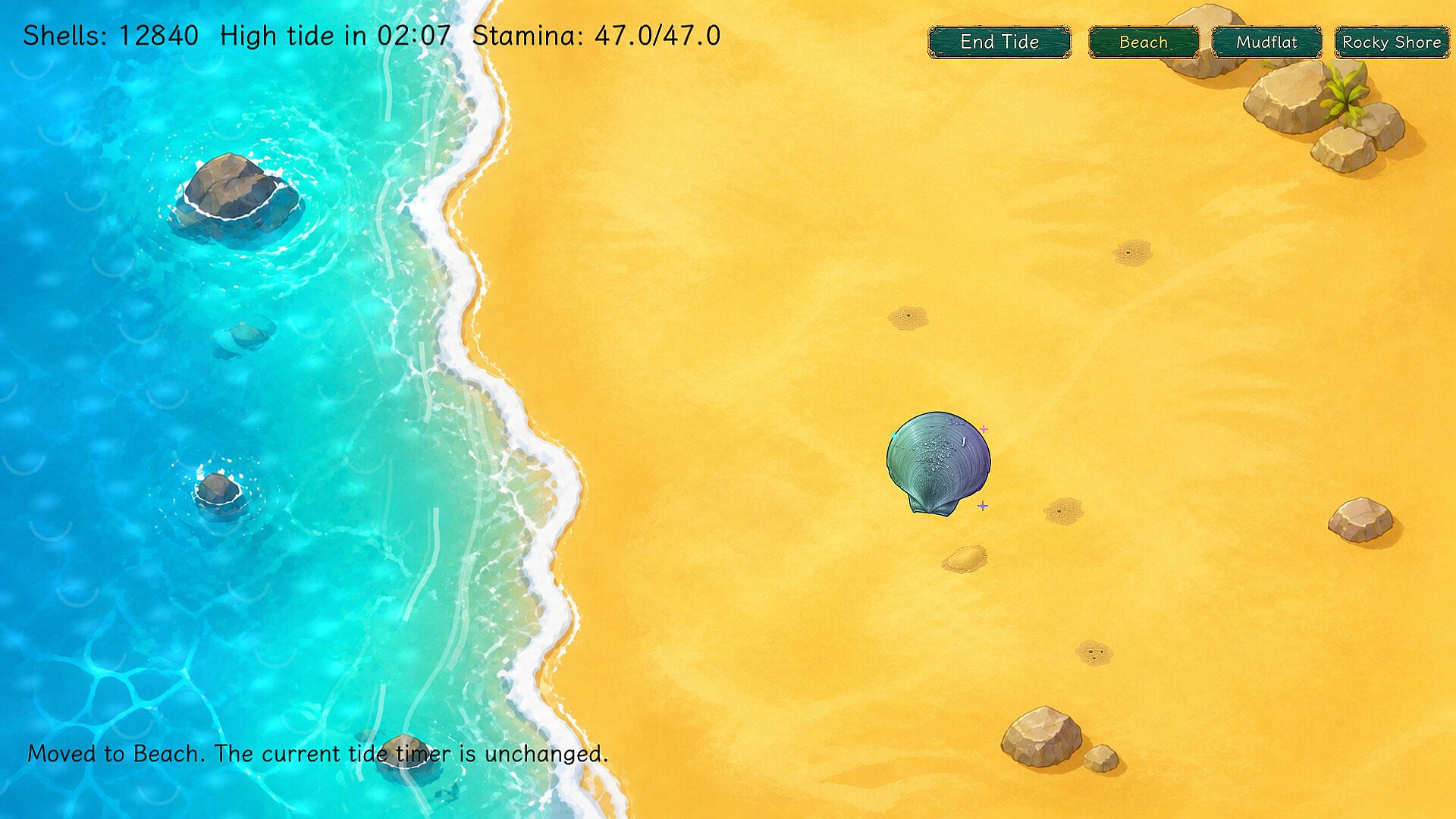
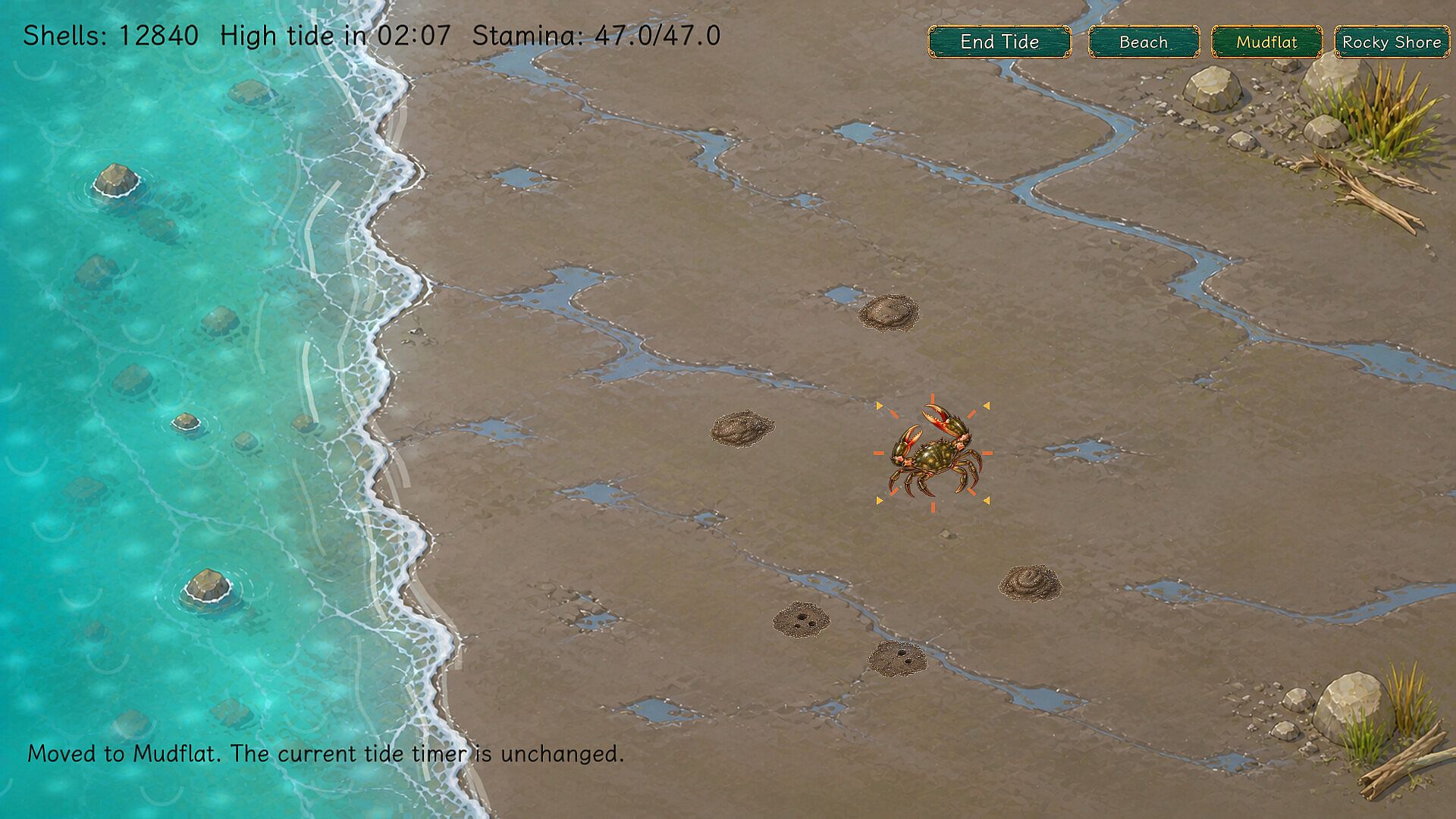
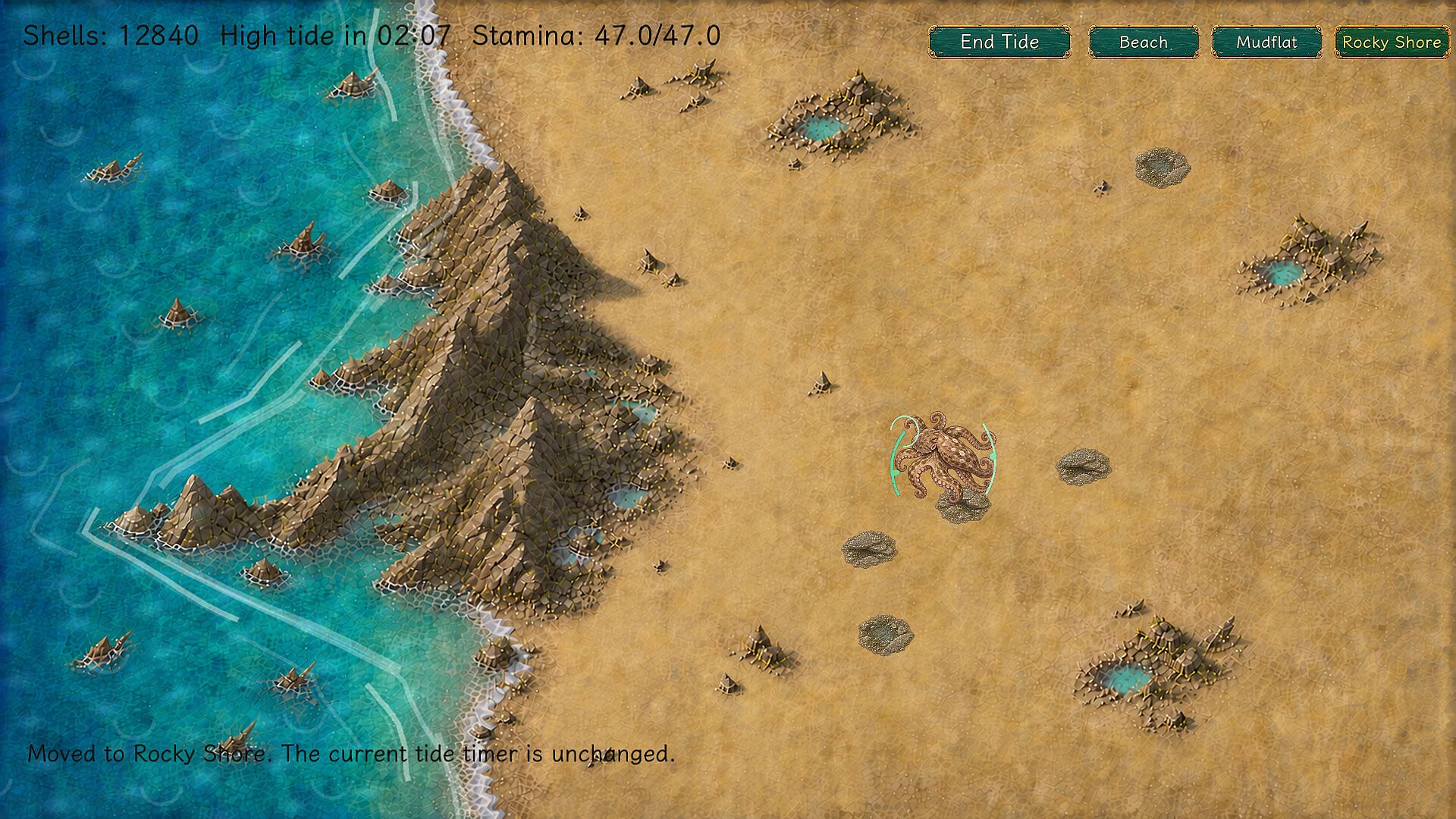
The core loop revolves around three-minute low tide periods across three distinct coastal maps, each with its own terrain and ecosystem. Players scan for visual cues like sand mounds, air holes, muddy patches, and gaps between rocks, then dig to reveal creatures that attempt to escape. Different areas feature unique wildlife, including clams, razor clams, fiddler crabs, mudskippers, starfish, and small octopuses, each behaving according to its habitat and requiring specific approaches to capture successfully.
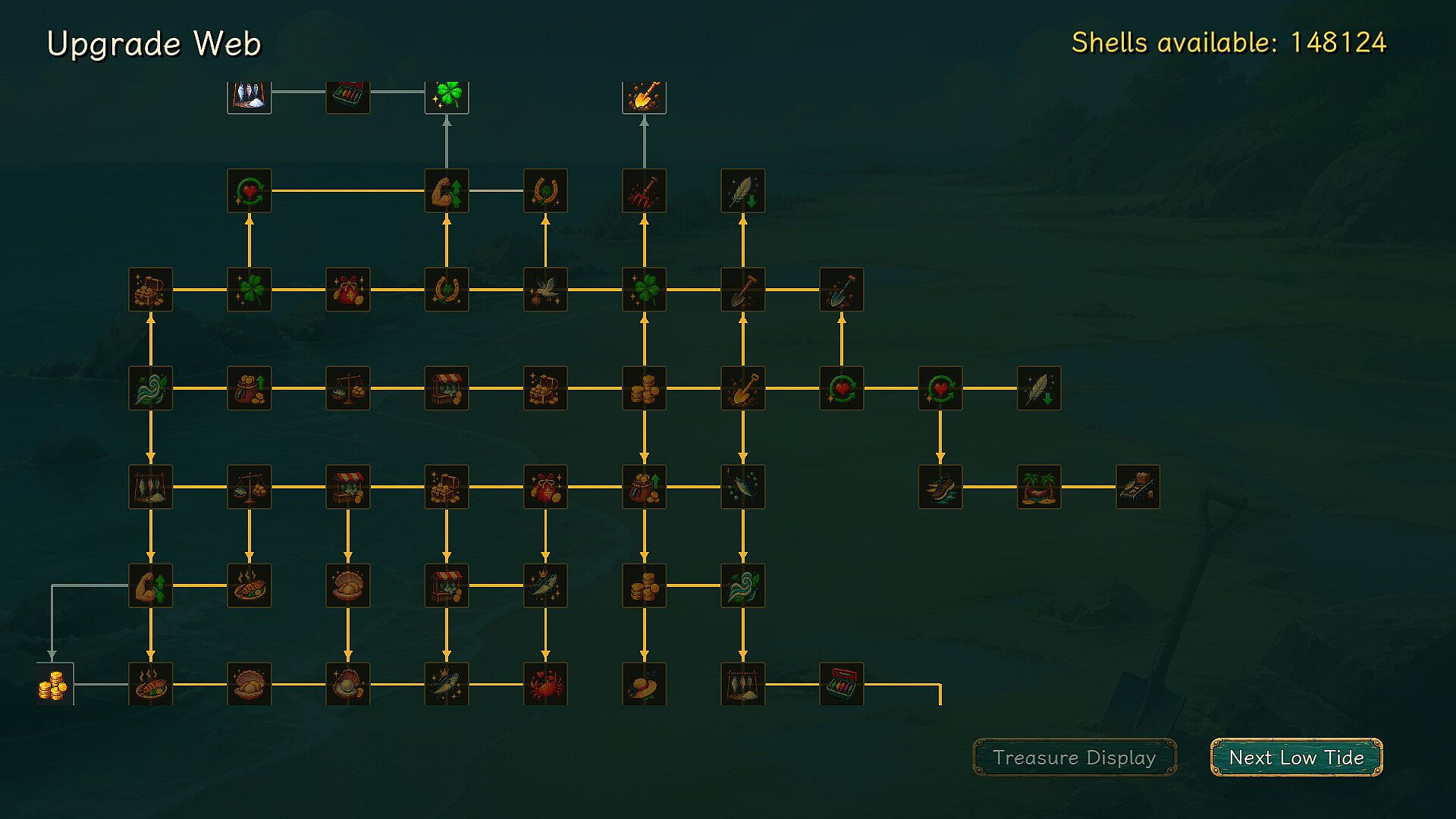
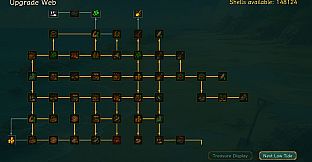
Stamina limits how long a player can search or dig in one outing, forcing decisions about when to push forward or return early with the haul. Catches are evaluated by species, weight, and occasional special traits, which directly influence earnings in the form of shell coins. These coins fund a branching upgrade tree that enhances stamina, shovel performance, luck, and overall haul value, with new paths unlocking as prerequisites are met.
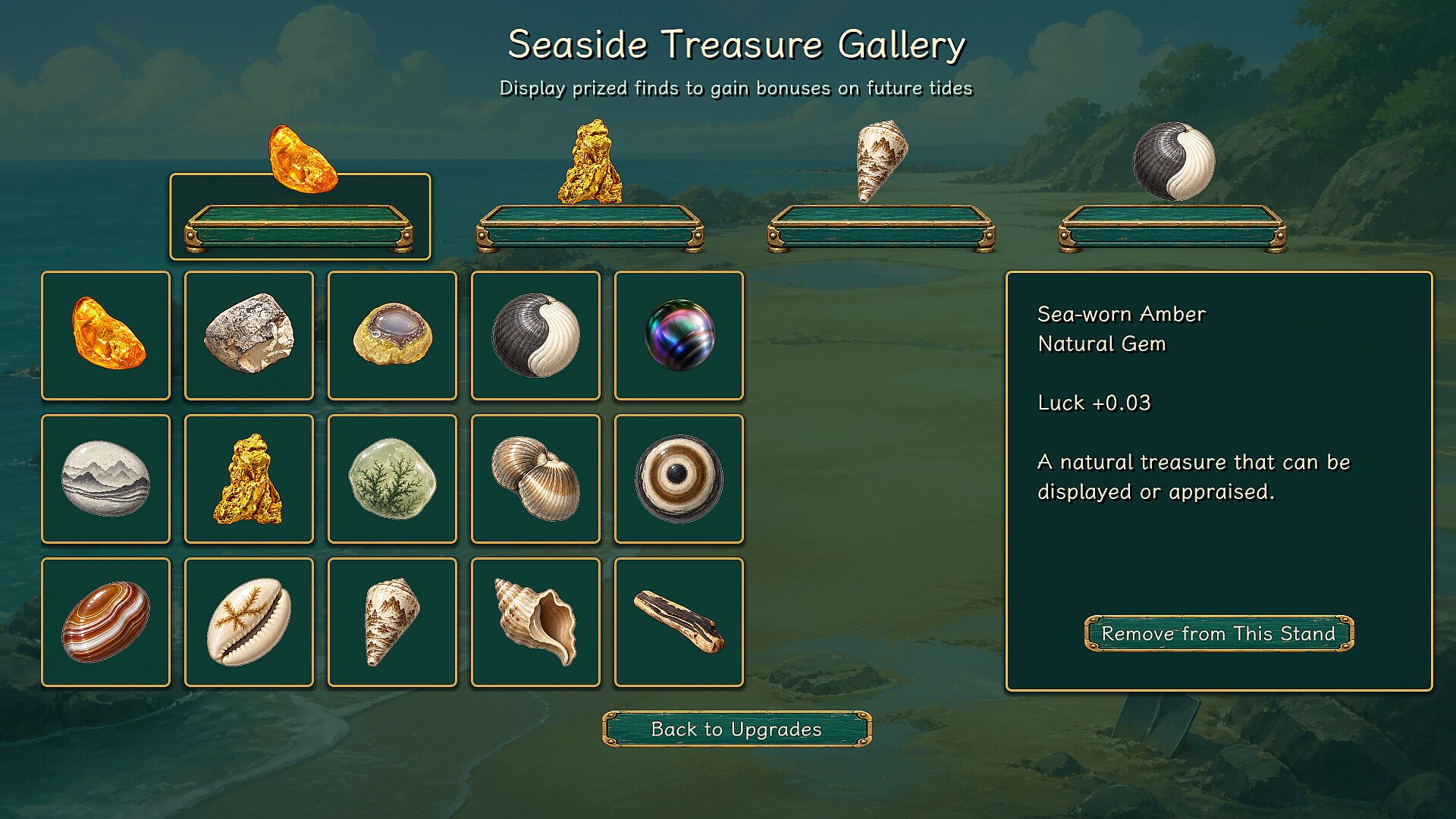
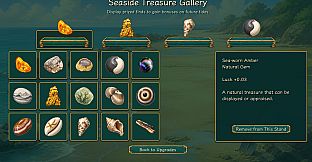
A catalog tracks every catch with details on typical size, personal records, scientific notes, and variants. Drift bottles found during runs permanently lower upgrade costs, while natural treasures can be identified for sale or displayed in limited slots to provide ongoing bonuses on future trips. Controls allow direct mouse interaction for digging and collecting, keeping the focus on precise, hands-on actions rather than complex menus.
Game Modes
Low Tide Tales operates as a single-player simulation with no separate multiplayer or competitive modes. All activity centers on the repeatable low-tide runs across the three maps, where the goal is to maximize catches before the tide returns. Players can choose to end a session early if stamina runs low or conditions change, adding a layer of personal pacing to each outing.
The structure encourages multiple short sessions rather than long continuous play, with progress carrying over through upgrades, catalog entries, and collected items. This format suits casual playstyles that value quick, self-contained experiences with cumulative rewards over time.
Progression and Discovery
Advancement comes through the upgrade system and the catalog, which together turn routine digs into measurable growth. Branching paths let players tailor improvements to preferred strategies, whether focusing on endurance for longer searches or efficiency for quicker hauls. Special traits on certain catches add variety and higher value, while displayed natural treasures create passive benefits that influence later runs.
Drift bottle letters provide small permanent advantages and a sense of ongoing connection to the coastal setting. The combination of record-keeping and incremental upgrades gives purpose to each outing without overwhelming the relaxed pace.
Is It Worth Playing?
Low Tide Tales appeals to players who enjoy casual simulation games built around observation, timing, and steady collection. Its short run length and mouse-driven digging make it accessible for brief sessions, while the upgrade branches and catalog provide enough depth to encourage repeated visits. Those drawn to beach or nature-themed sims will find the distinct ecosystems and creature behaviors engaging, especially when combined with the stamina management that adds light tension to each low tide window.
The game suits anyone seeking a low-pressure experience with tangible progress through upgrades and records. Its focus on three varied maps and direct interaction keeps sessions fresh without requiring long commitments, making it a solid choice for fans of indie casual titles centered on coastal exploration and incremental improvement.