




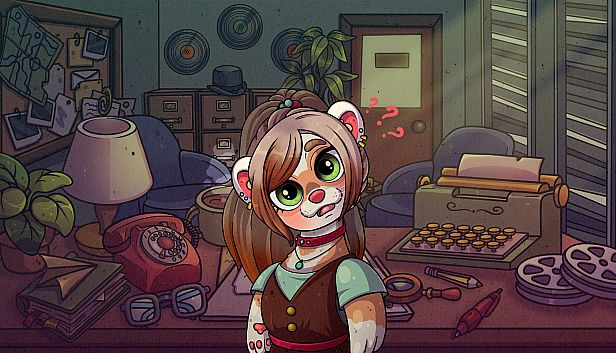



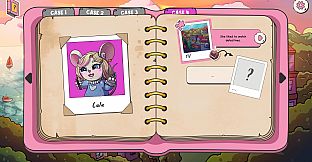


Lost in Loss is a casual hidden object puzzle adventure developed by Soroka Games. Players take on the role of a detective in a town where residents have begun to lose their sense of identity. The experience centers on exploring hand-drawn scenes to locate objects connected to personal histories and restore what has been forgotten.
Gameplay
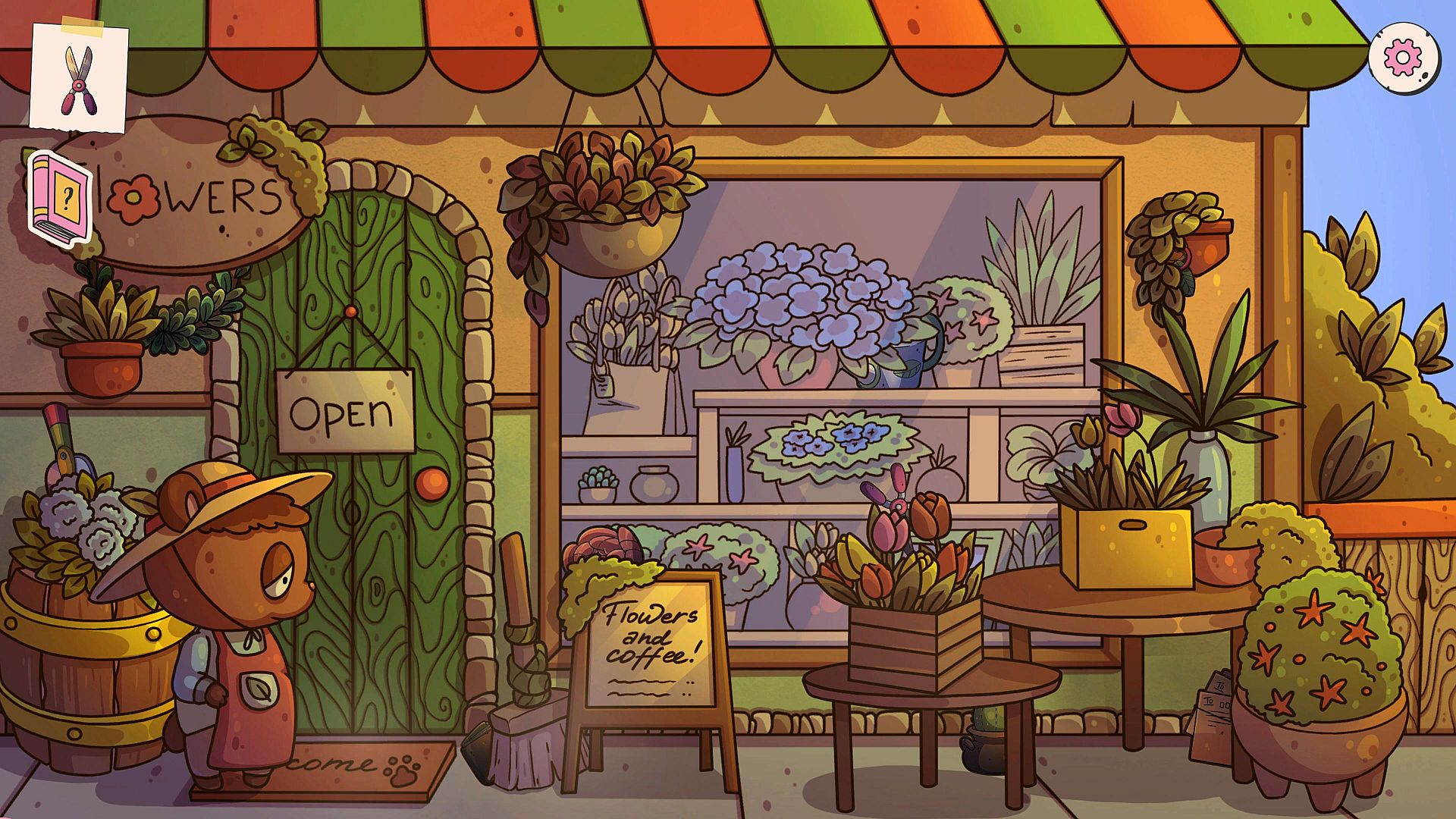
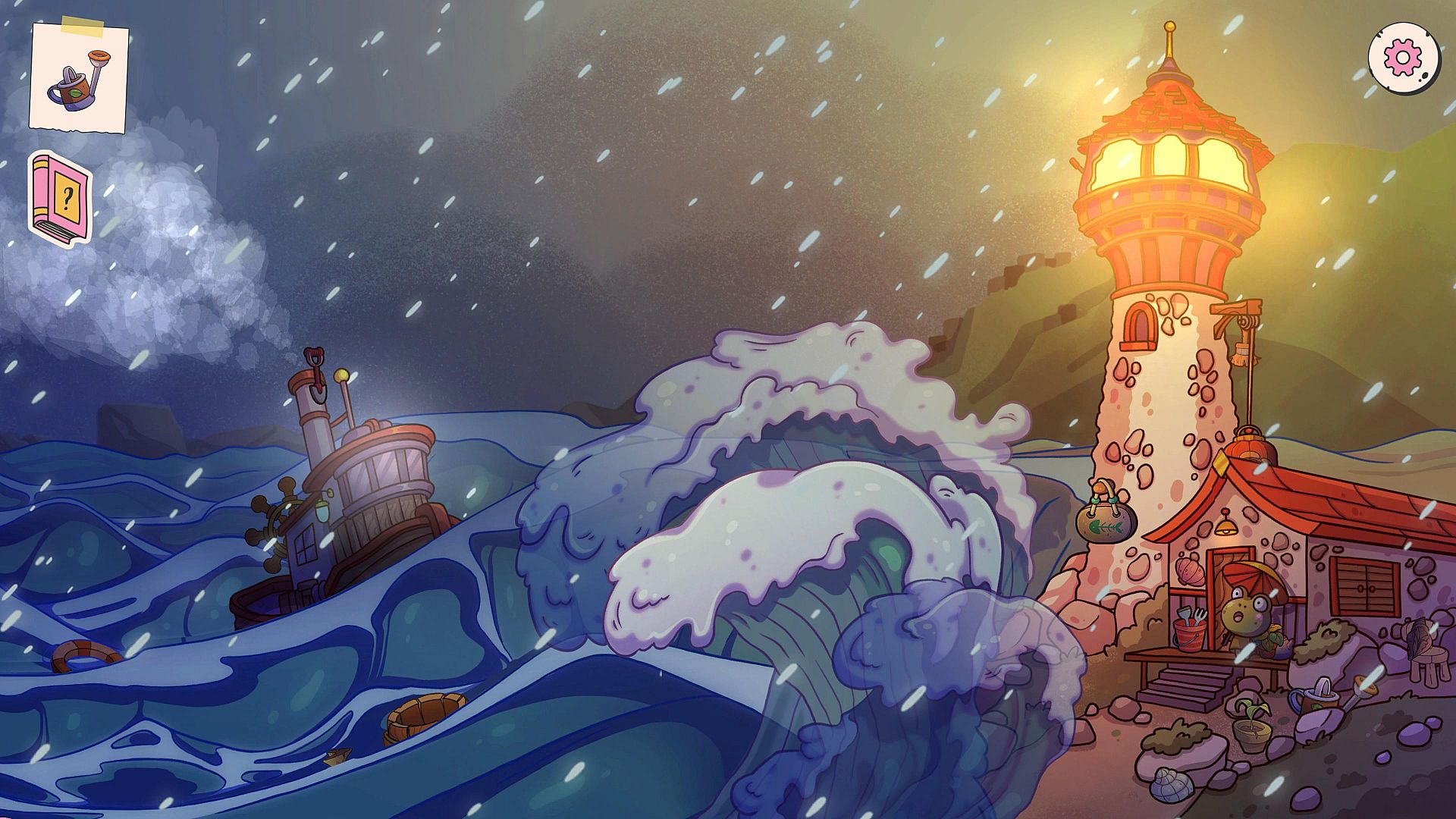
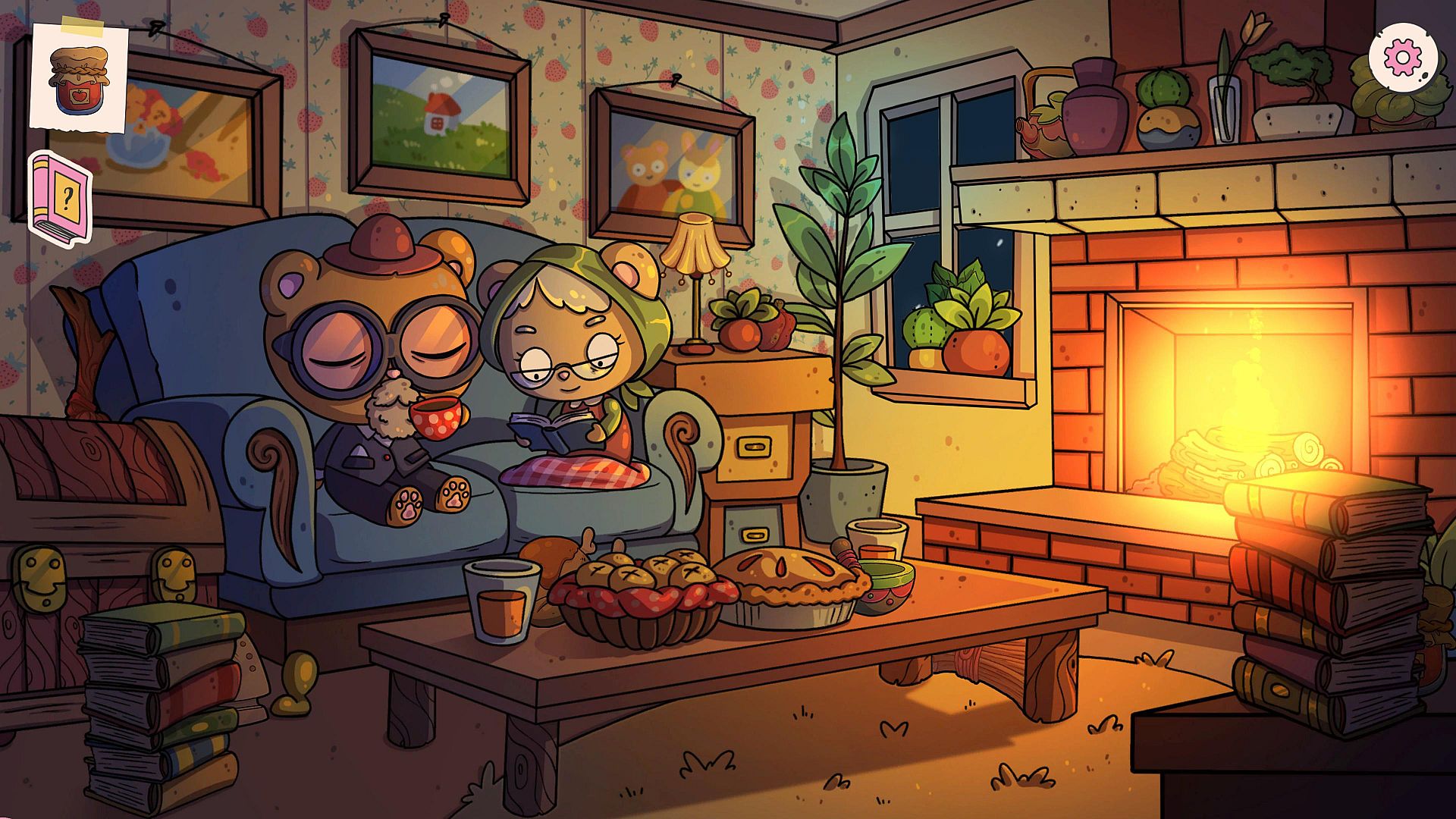
The core loop involves entering detailed, illustrated environments that represent fragments of memory. Each scene presents a list of items to locate, with objects varying in size and visibility. Some items blend into the background or appear in unexpected spots, requiring careful observation of lighting, shadows, and environmental details. Progress ties directly to character stories, as every found object contributes to piecing together a resident's past.
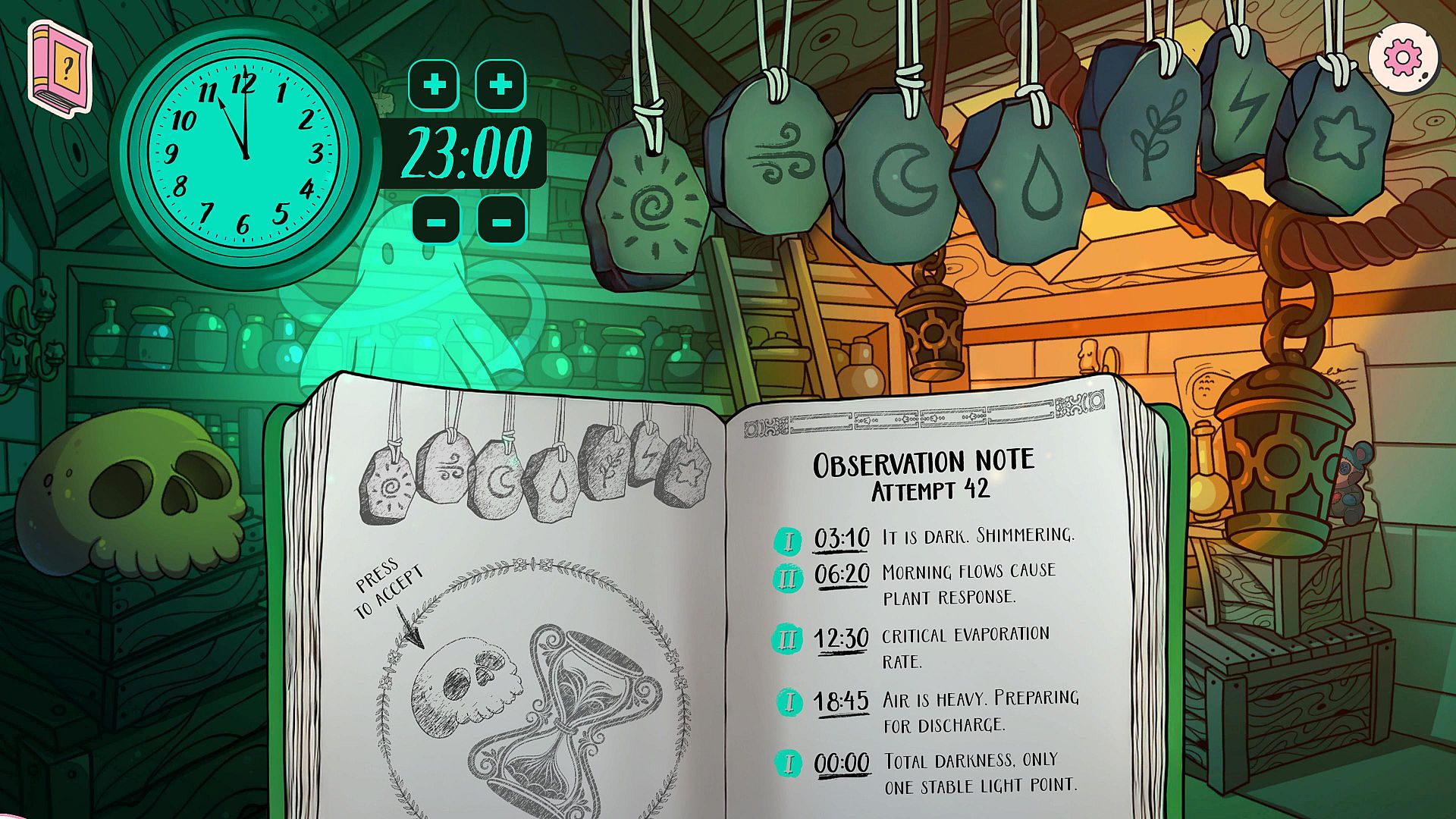
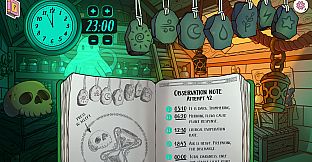
Additional challenges appear in the form of smaller puzzles integrated into the investigation. These may involve interpreting symbols, resolving contradictions within a scene, or manipulating elements like locks to reveal hidden clues. The game maintains a steady pace without timers or penalties for extended searching. Full gamepad support allows comfortable play on controller, and the entire journey lasts roughly two to three hours when played at a relaxed speed.
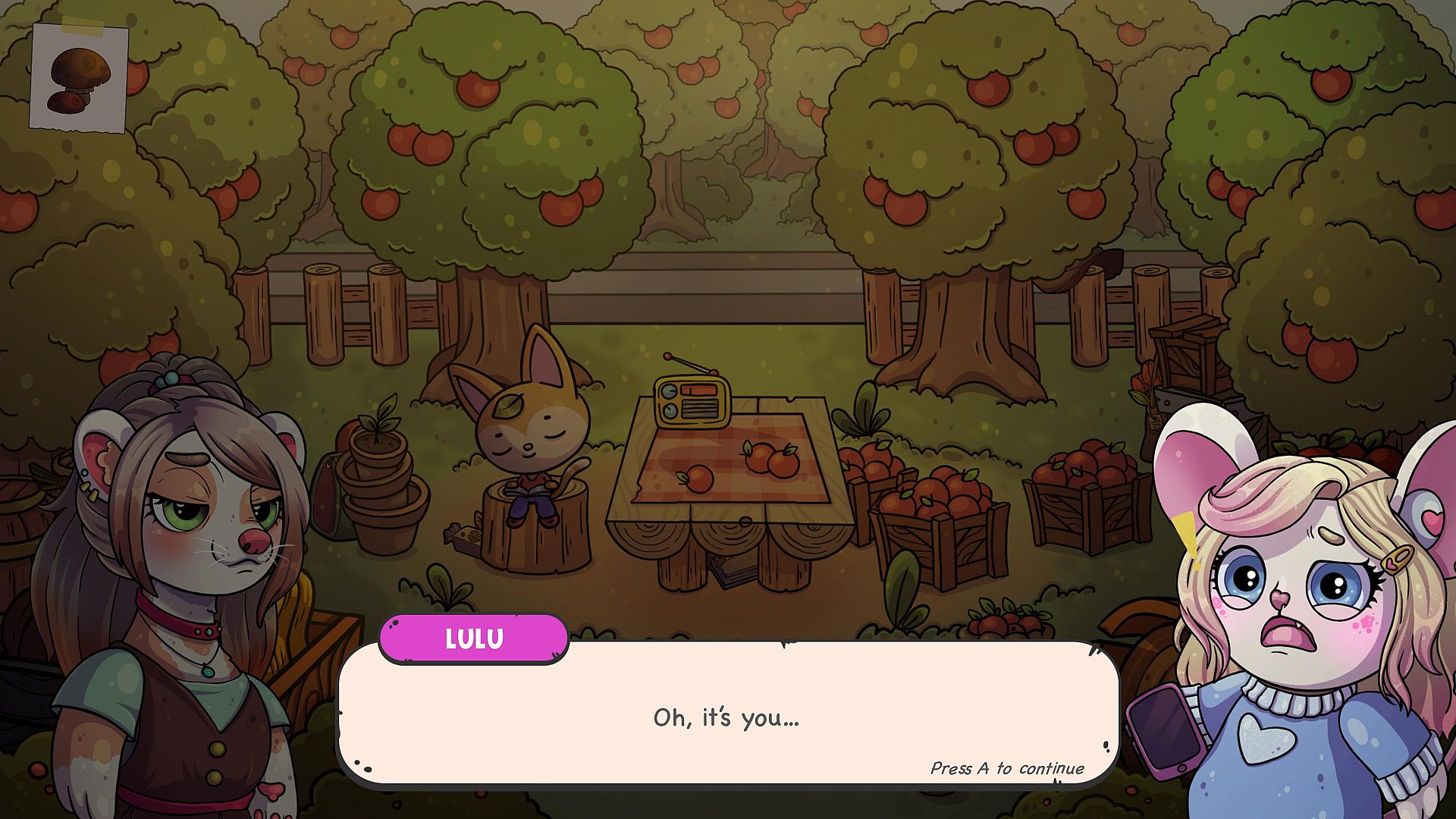
Characters encountered along the way provide context through brief interactions. Their personalities remain light and engaging even as their memories return in stages. The hand-drawn style emphasizes warm colors and intricate backgrounds that reward repeated glances across the same locations.
Game Modes
Lost in Loss offers a single-player experience only. The structure follows a linear sequence of cases, each built around one resident's story. No separate modes exist for competitive play, cooperative sessions, or alternative rulesets. Progression remains consistent across platforms, with cloud saves preserving progress when moving between Xbox consoles and PC via Play Anywhere support.
Within the single-player framework, the game alternates between object searches and the occasional integrated puzzle. These elements build on one another to advance the central narrative without branching paths or multiple endings. The focus stays on steady discovery rather than replayability through different difficulty levels or variants.
Story and Atmosphere
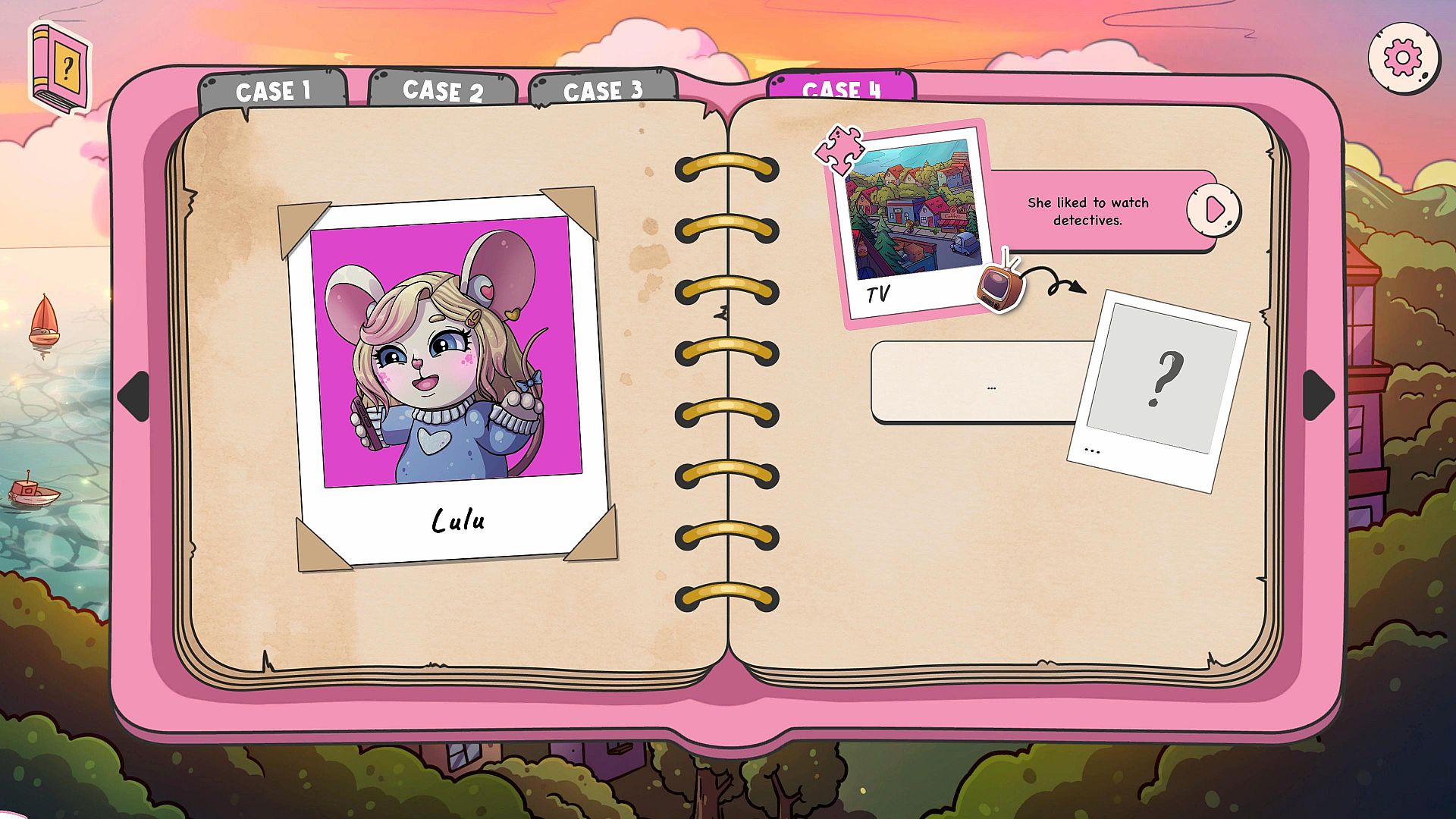
The narrative unfolds through the residents' recovered memories. Each case reveals small details about daily life, relationships, and personal quirks that have faded. The tone stays gentle and introspective, highlighting themes of identity and connection without heavy conflict. Scenes shift between indoor spaces and outdoor areas, maintaining visual variety through distinct artistic compositions.
Sound design supports the meditative quality with subtle audio cues that accompany object discoveries. The overall presentation encourages unhurried exploration, allowing players to absorb the details of each location at their own rhythm.
Is It Worth Playing?
Lost in Loss suits players who enjoy short, focused hidden object games with narrative elements. Its length makes it accessible for an evening or two of play, and the absence of time pressure creates a low-stress environment. Reviews highlight the charm of the artwork and the meaningful connection between objects and character backstories.
Those seeking longer campaigns or complex systems may find the experience brief. Some players note occasional repetition in the search mechanics and a few puzzles that require extra attention. The game remains available on Xbox consoles and PC through the Xbox Store with Play Anywhere functionality, alongside its earlier releases on other platforms.
Overall, it delivers a consistent, atmospheric puzzle journey for fans of the genre who appreciate cozy pacing and hand-crafted visuals. The straightforward single-player structure keeps attention on the core loop of discovery and restoration.
