


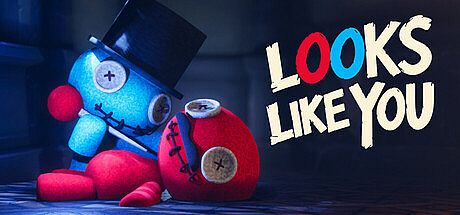


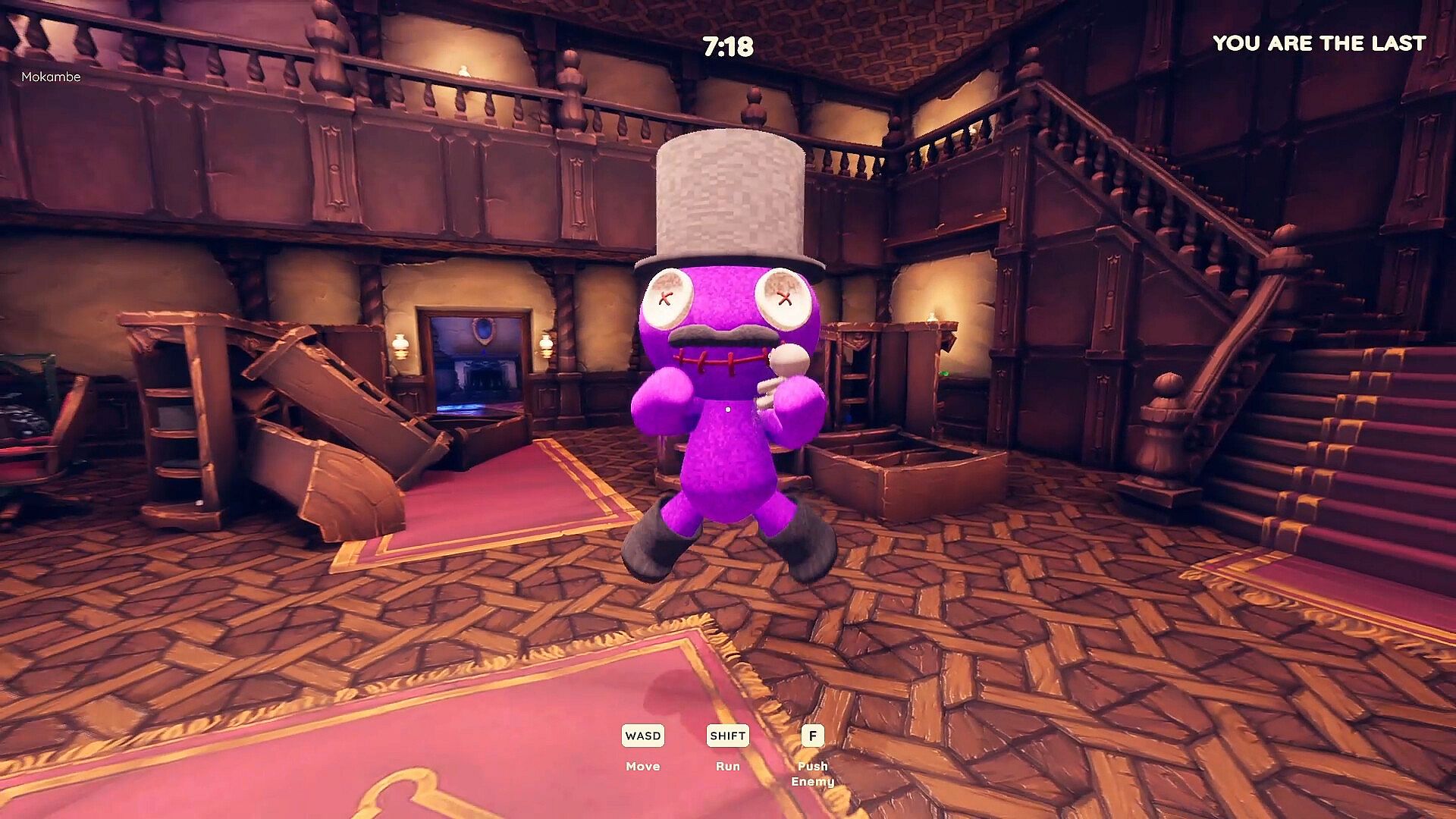
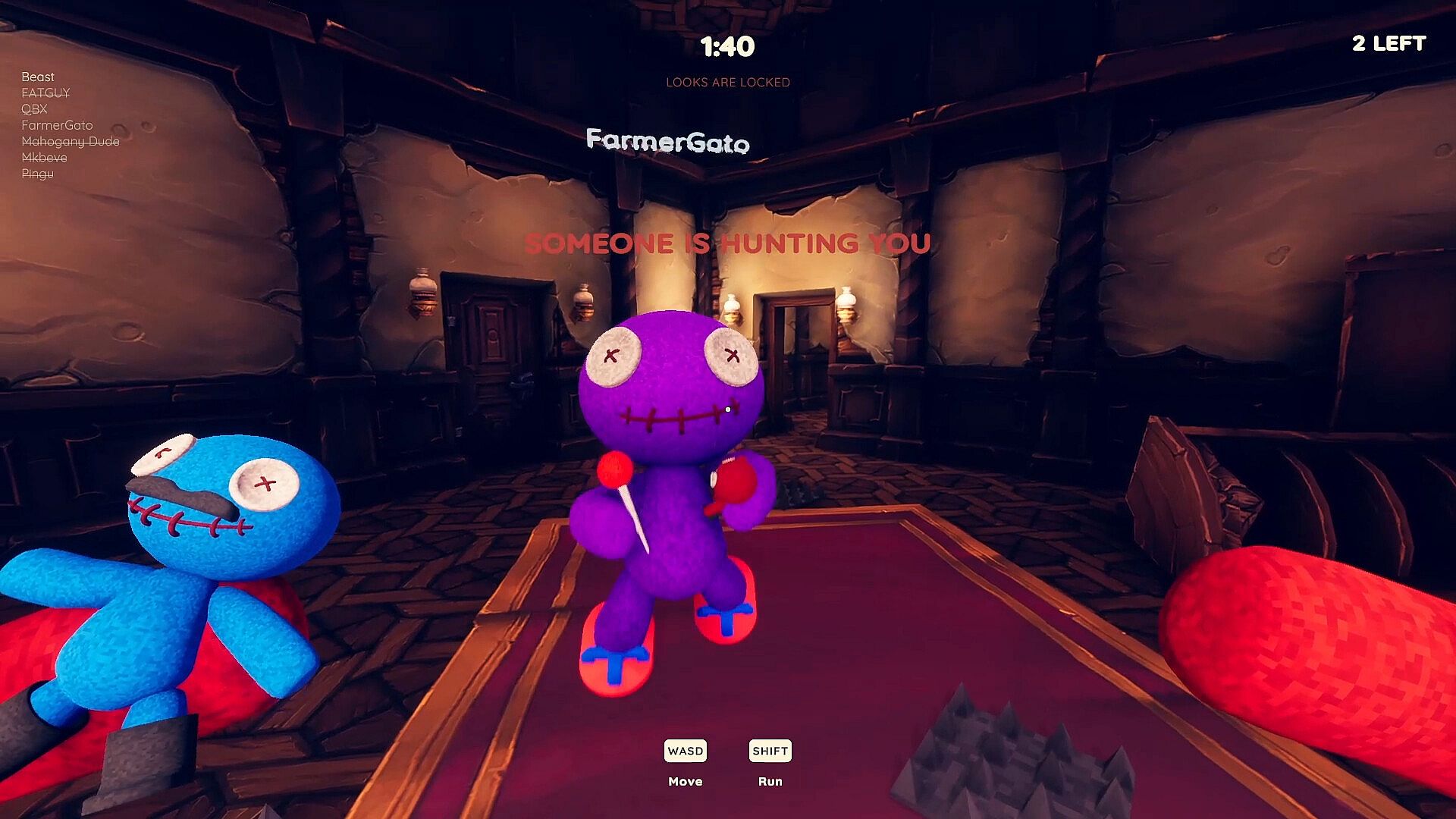
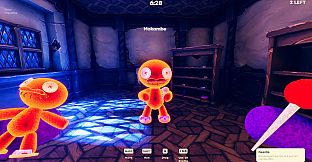
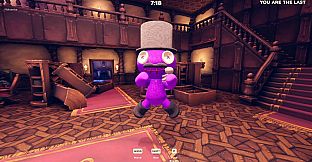
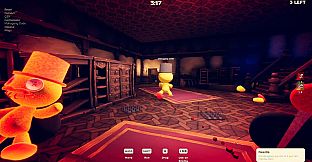
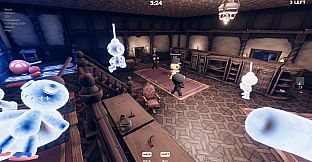
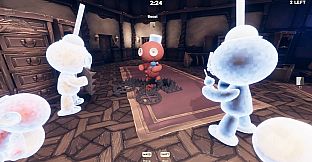
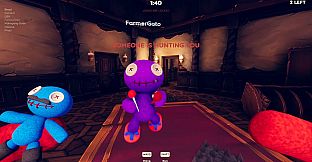
Looks Like You is a casual online multiplayer party game for PC that supports two to eight players in sessions built around deception, customization, and elimination. Players each control a voodoo doll that must match the appearance of a chosen target while protecting their own identity through constant changes and interference.
Gameplay
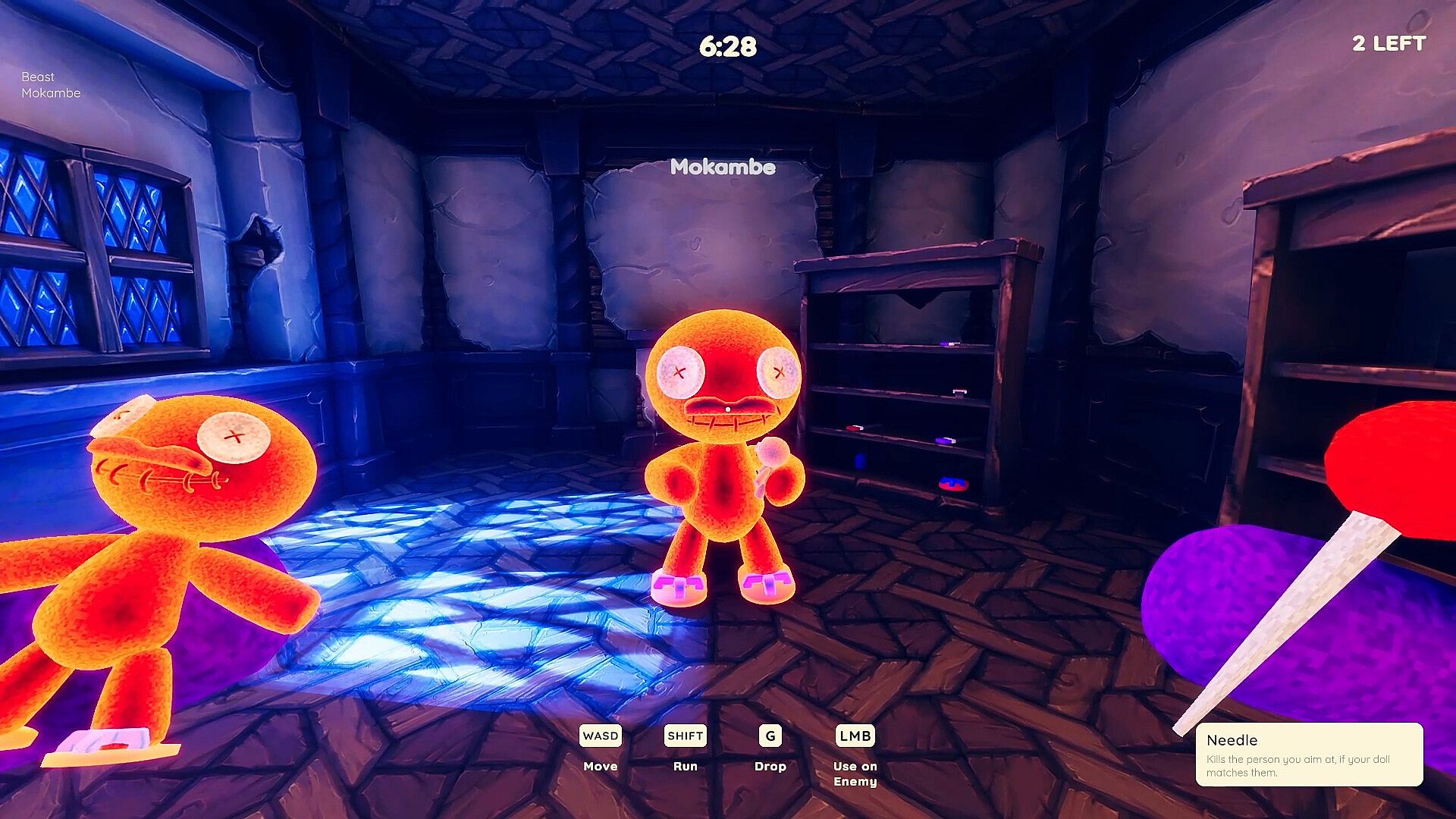
The central loop revolves around constructing and maintaining a voodoo doll that resembles an opponent. Each participant starts by shaping their doll to mirror one of the other players, creating a visual link that enables later actions. Appearance changes happen at any time, allowing a player to alter their own look or disrupt an enemy's doll so it no longer matches its intended target. This forces opponents to adjust their plans on the fly.
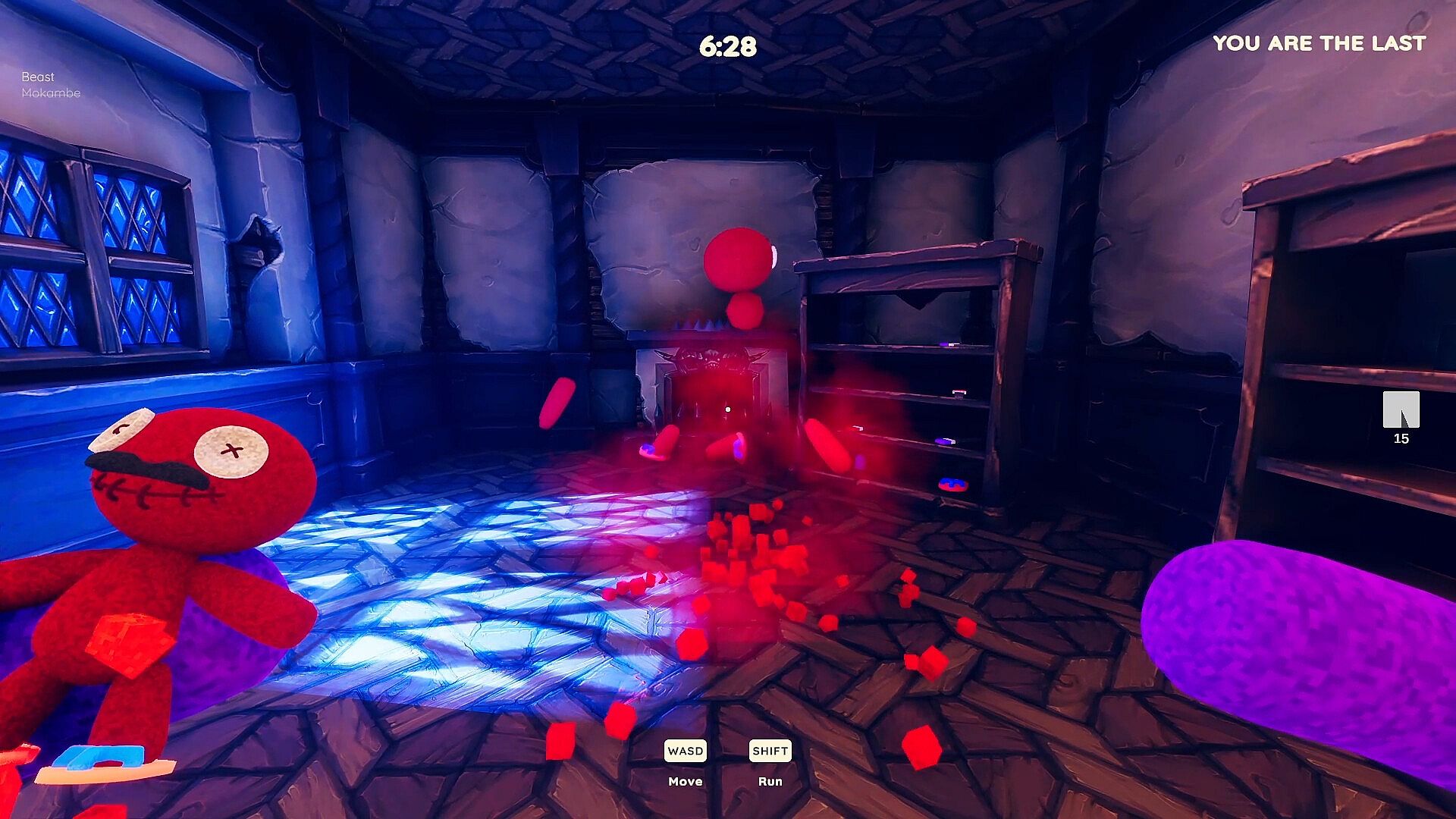
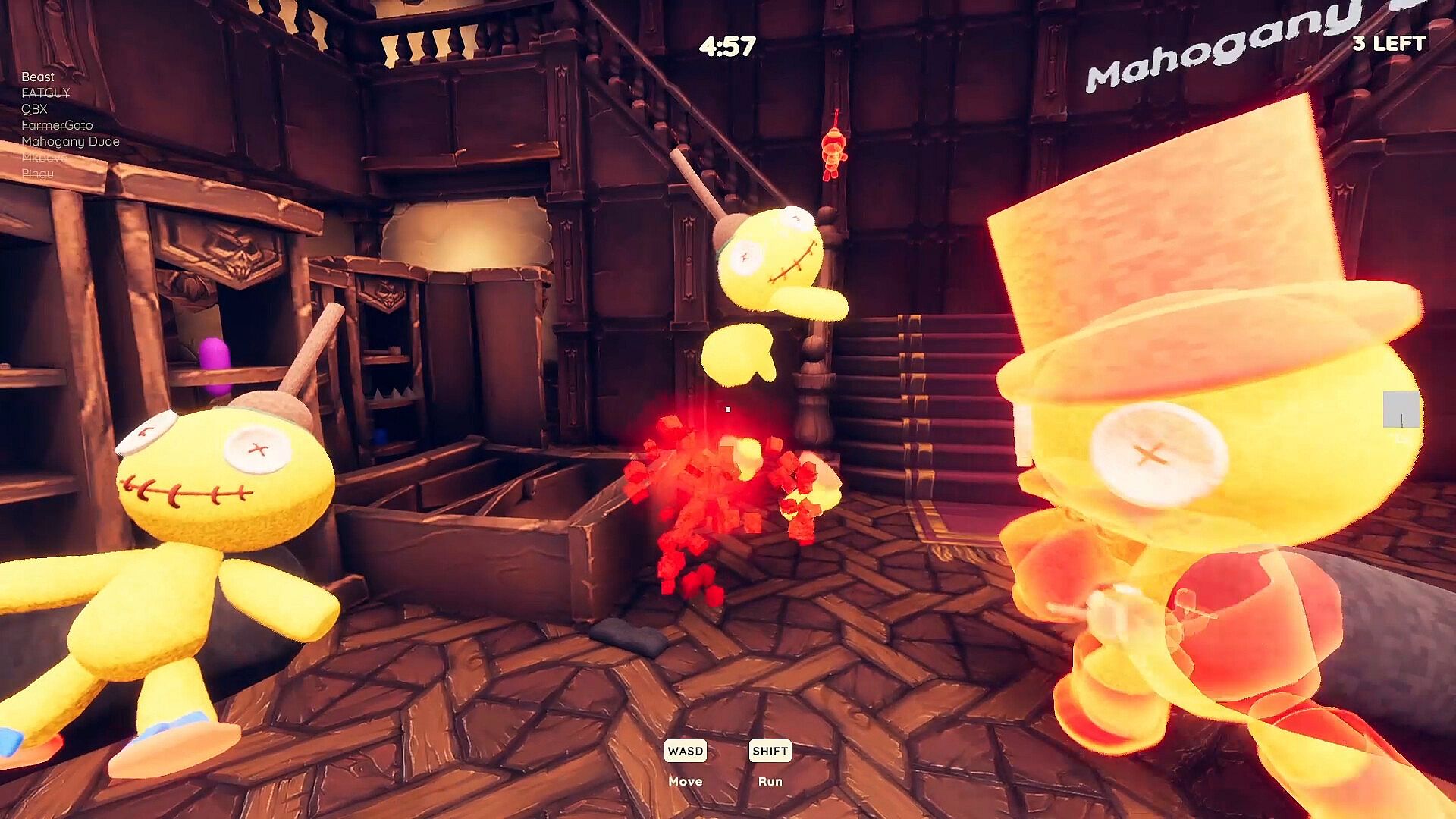
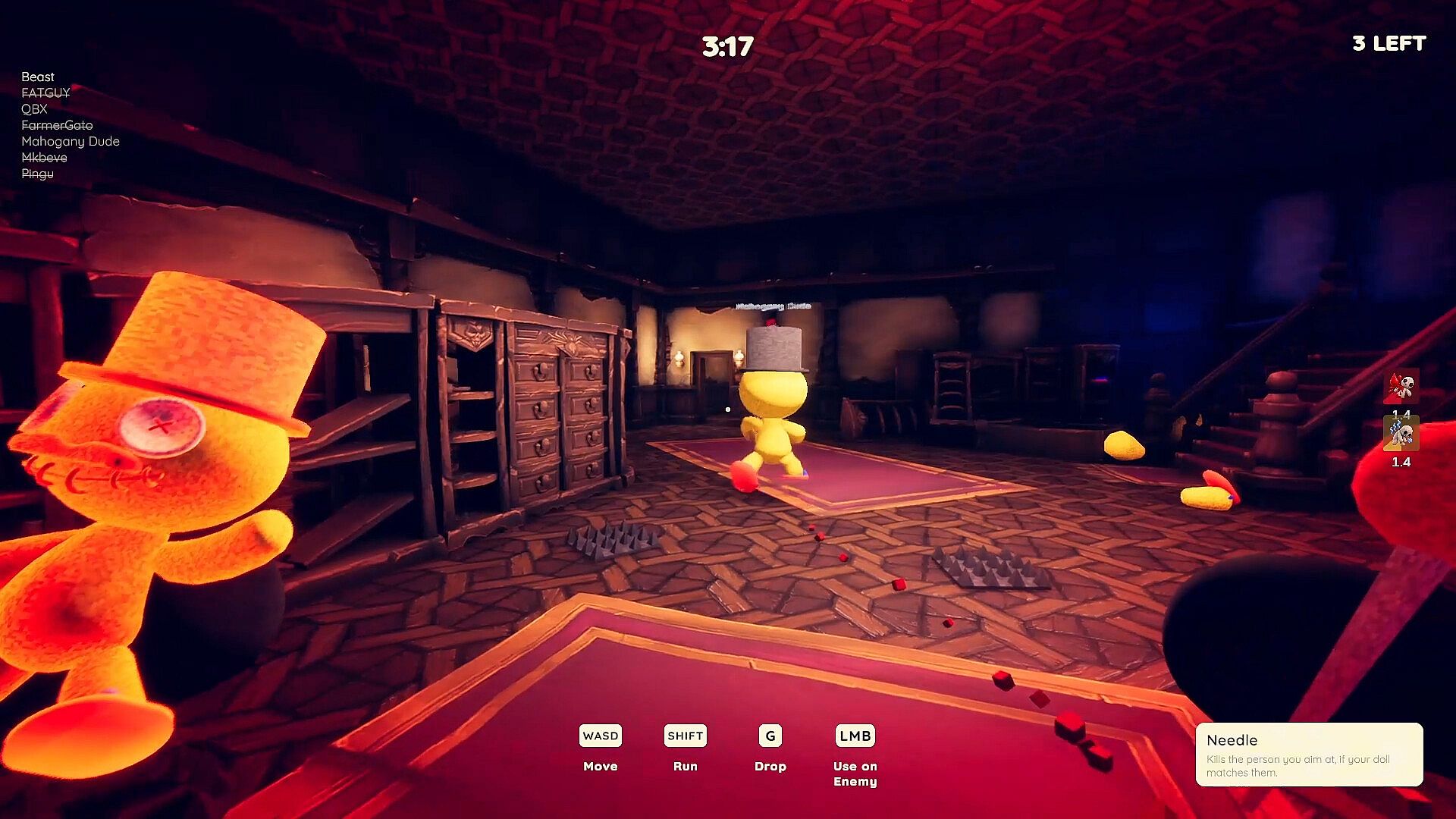
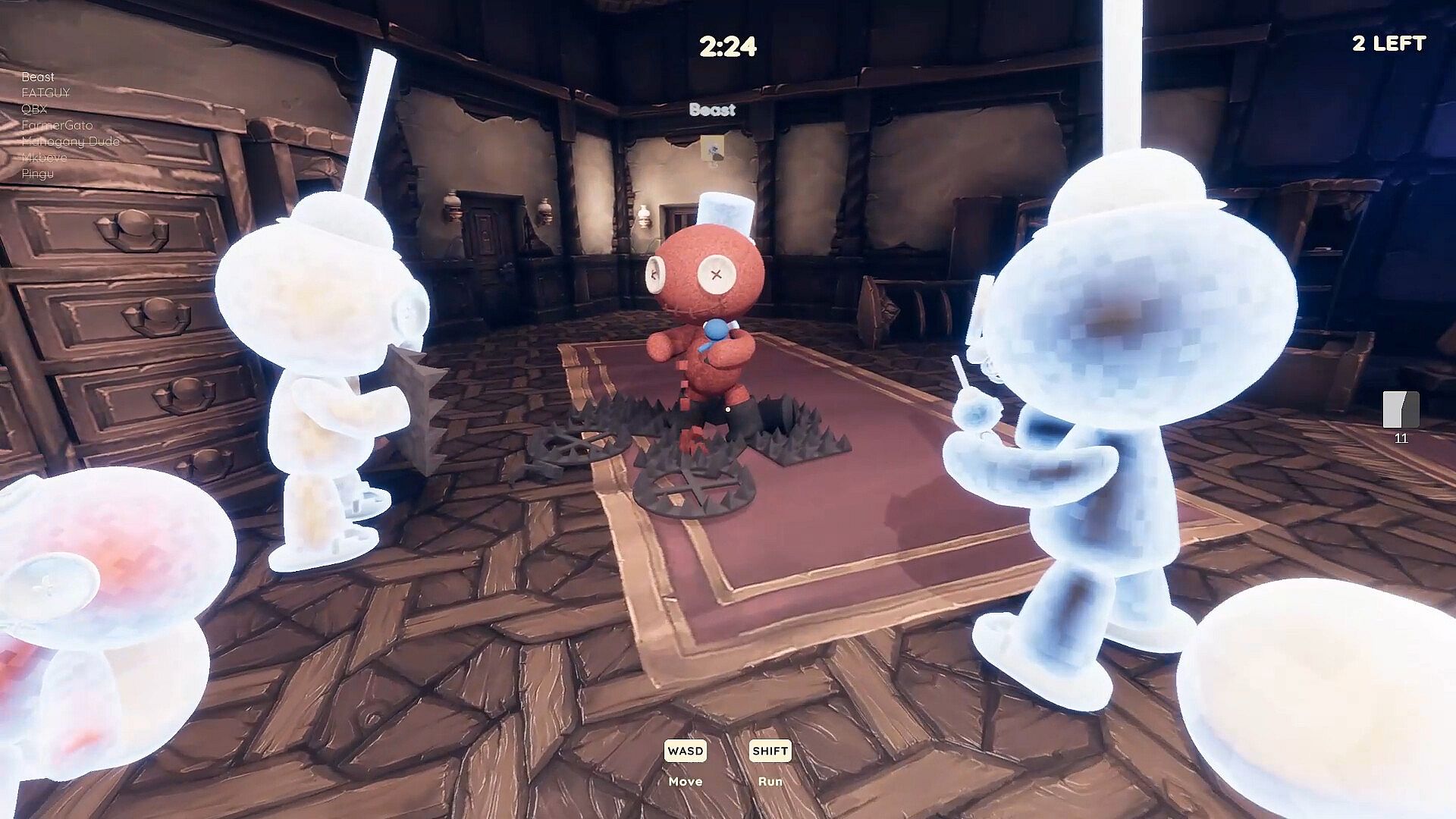
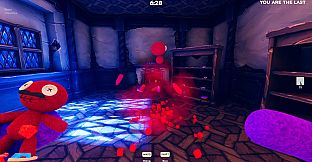
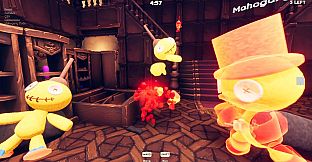
Traps and curses add layers of sabotage. Players can place hazards that activate when others move into position or apply curses that hinder progress. These tools create opportunities to gain an edge without direct confrontation. The final step involves using a needle on a completed doll to remove a player from the match, turning the visual matching into a decisive strike.
Success depends on balancing doll construction with defensive changes and opportunistic interference. The system rewards quick thinking because any alteration to appearances can invalidate an enemy's progress and open new paths to victory.
Game Modes
Matches take place in private or public online lobbies sized for two to eight participants. The format centers on simultaneous doll-building and interference phases that run until only one player remains. No separate named modes appear in available descriptions, so every session follows the same core structure of matching, sabotaging, and eliminating targets.
Players join through standard online matchmaking tools, with the game emphasizing short rounds that fit casual group play. The absence of additional variants keeps focus on the shared mechanics rather than shifting objectives or team structures.
Core Loop and Player Interaction
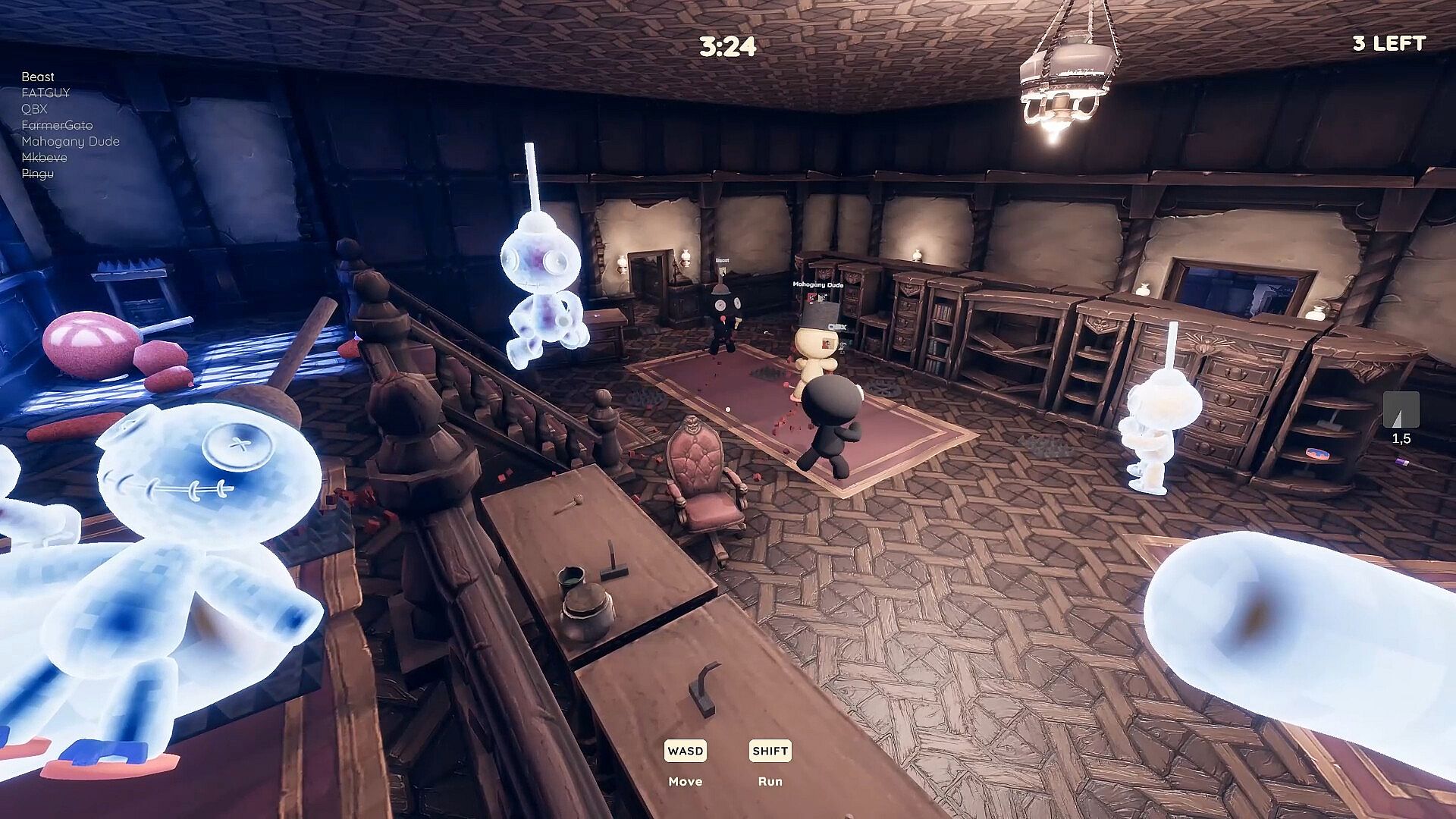
Each round begins with doll creation and quickly moves into active disruption. Participants must monitor multiple dolls at once while deciding whether to refine their own target match or break someone else's. The social element emerges naturally as players react to visible changes and attempt to hide their intentions until the right moment to strike.
Interference tools like traps and curses encourage creative timing. A well-placed trap can catch an opponent mid-adjustment, while a curse slows their ability to respond. These elements turn the game into a constant cycle of observation, reaction, and counterplay rather than straightforward progression.
Is It Worth Playing?
The game remains in a coming-soon state with no user reviews or completed sessions available for evaluation. Its concept centers on light-hearted deception and quick sabotage that suits groups looking for short, repeatable party sessions. Fans of casual multiplayer experiences that reward attention to detail and opportunistic play may find the voodoo-doll matching system engaging once it launches.
Because the title has not yet released, current support details and long-term updates are not confirmed. Prospective players can follow development through official channels to learn more about launch timing and any refinements to the core systems. The straightforward 2-8 player structure makes it accessible for small gatherings without requiring large teams or complex coordination.