




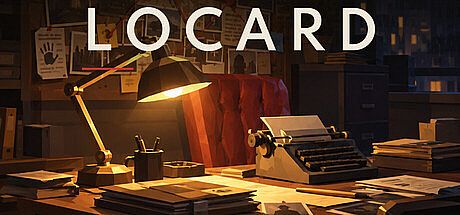


Locard is a first-person detective simulation game developed as an indie title for PC. It centers on forensic investigation principles, where players examine crime scenes, collect physical evidence, and question witnesses to build a case that holds up under scrutiny.
Gameplay
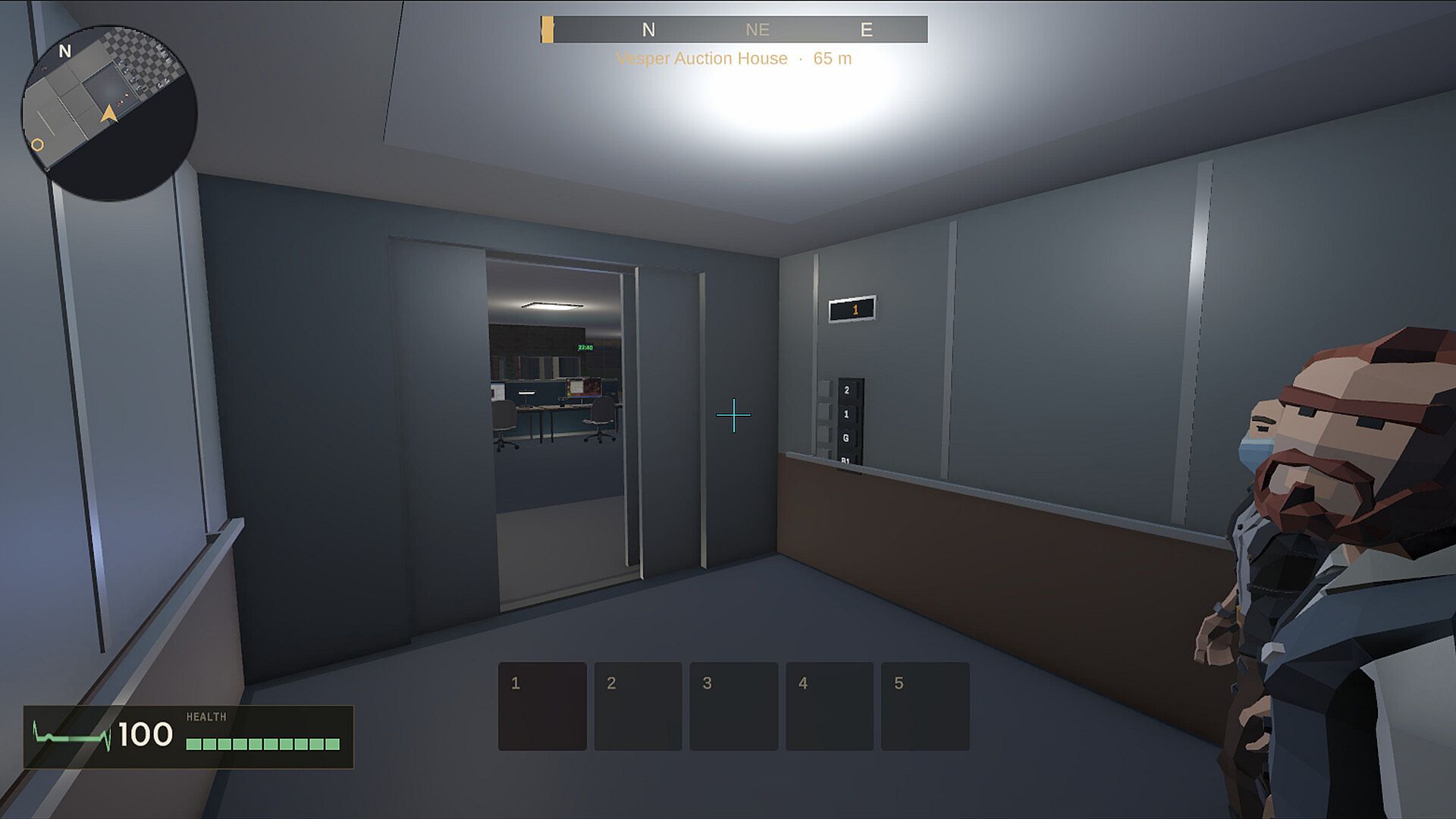
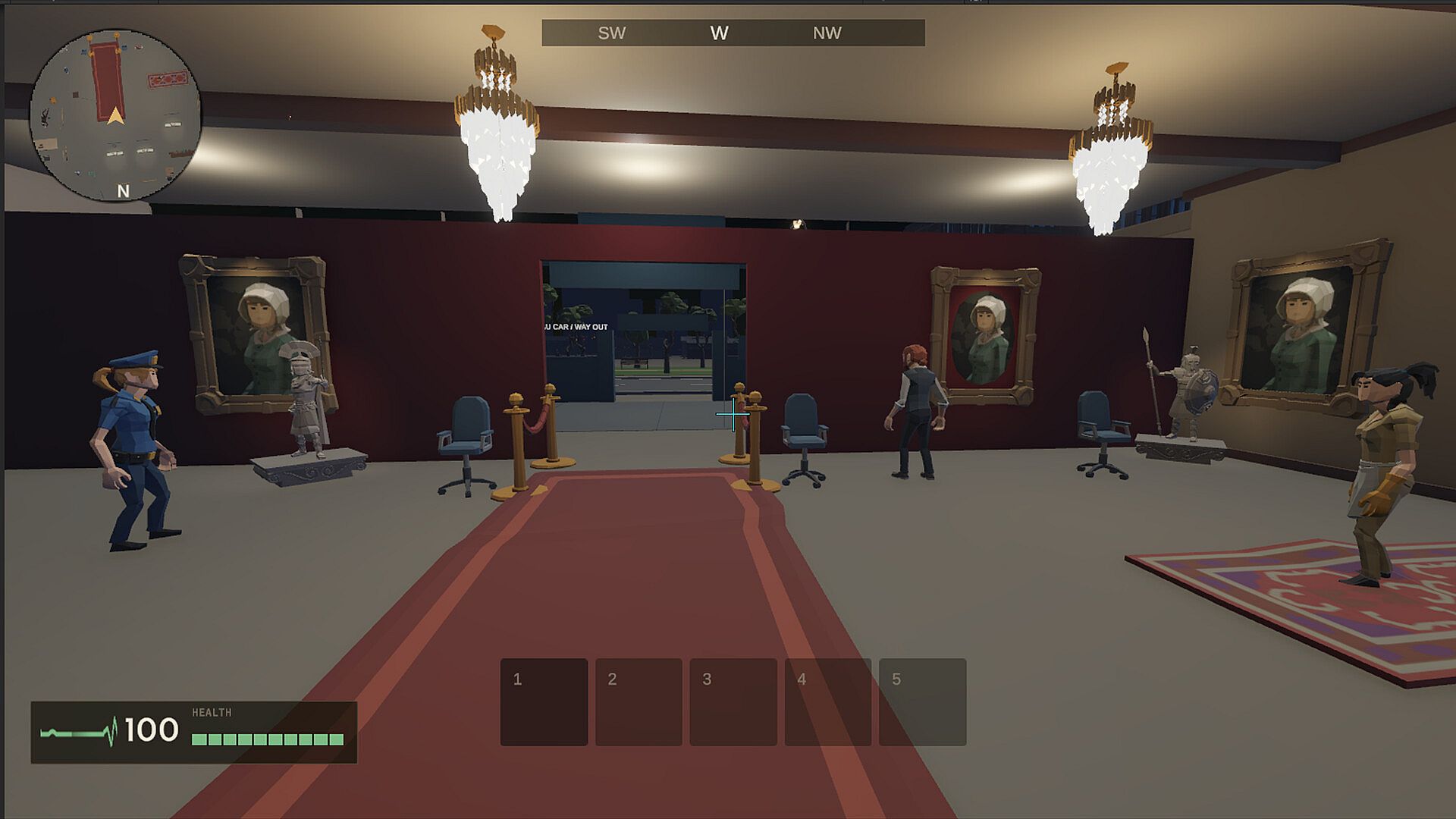
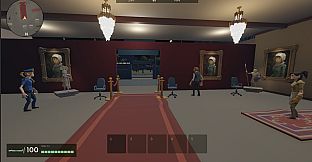
The core loop revolves around methodical scene work in locations such as the Regional Investigation Bureau and the Vesper Auction House. Players move in first person to inspect the body, furniture, documents, and other objects. Each item examined or collected populates a case file without on-screen markers or automatic solutions. This approach forces careful observation of every detail, as the principle that every contact leaves a trace guides what counts as usable evidence.
Witness interactions require separating direct observations from assumptions. Testimony arrives as statements that players must cross-reference against physical findings. The process builds toward an accusation only when evidence supports it fully. Rushing the confrontation risks ending the conversation, bringing in legal representation, and closing off further progress on that lead.
Key decisions carry permanent consequences within a single playthrough. Checkpoints allow replay of individual chapters to explore alternate paths, yet the chosen actions remain fixed for the ongoing investigation. Locations unlock progressively based on evidence gathered, expanding the case across the city to sites including a restoration workshop, an apartment, and a security firm.
Game Modes
Locard operates as a single-player experience with no multiplayer components. The structure follows a linear case that unfolds through sequential chapters. Each chapter focuses on a distinct location and set of investigative tasks, from initial body and room examination to witness questioning and evidence assembly. Replay options exist at the chapter level to test different choices, but the game does not feature separate modes such as free roam or competitive elements.
Investigation Mechanics
Evidence handling stays grounded in realistic constraints. Objects enter the case file only when picked up or noted, and nothing resolves without player initiative. The system avoids hand-holding, requiring players to connect details across the scene and interviews. This creates a deliberate pace where assumptions must be tested against concrete findings before any suspect can be confronted.
Progression ties directly to the accumulating case file. New locations become available only after sufficient evidence points the way, preventing premature exploration. The design reinforces the forensic theme by making every action reversible only through chapter replays rather than mid-investigation saves that alter prior outcomes.
Is It Worth Playing?
Locard suits players who enjoy deliberate, evidence-driven detective work without guidance systems or instant resolutions. Its focus on first-person examination and careful testimony analysis delivers a grounded simulation of investigative procedure. Those seeking fast-paced action or branching narratives with frequent saves may find the permanent decision structure and lack of external markers too restrictive. The game remains available on PC as an indie title built around its core forensic premise, with no additional seasons or major updates confirmed at this time.