


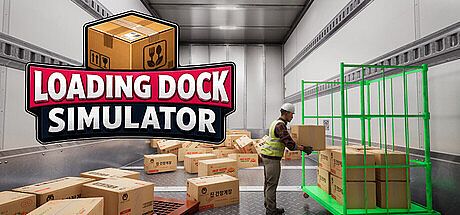


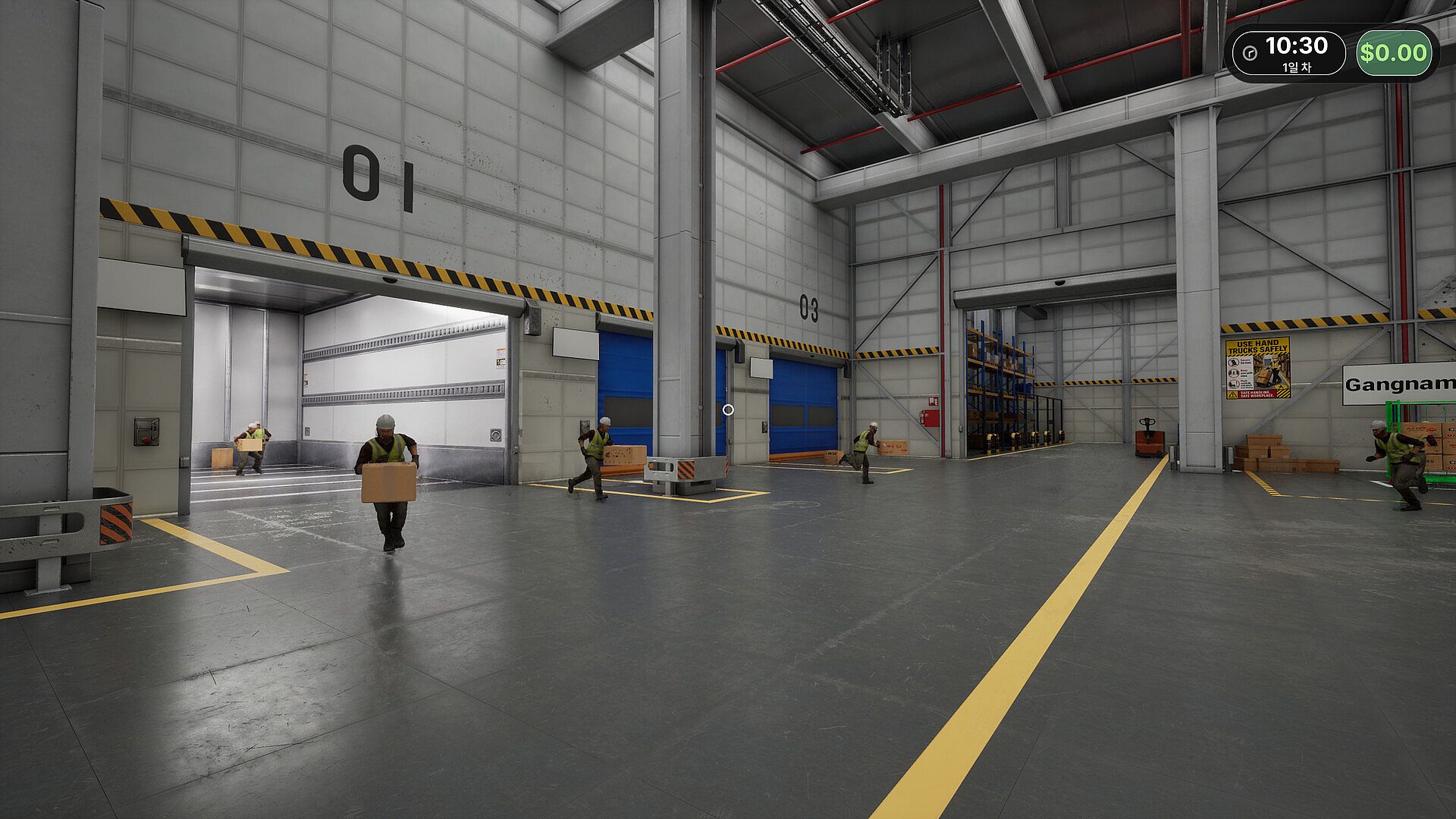
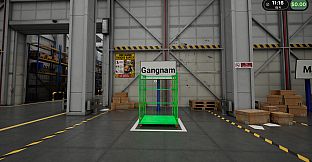
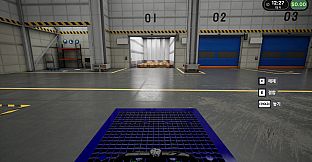
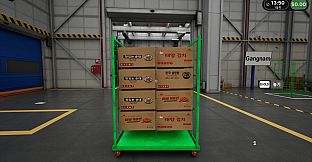
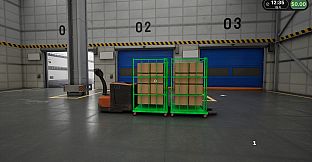
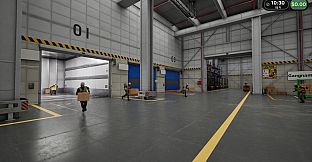
Loading Dock Simulator is a first-person warehouse simulation game set on PC. Players take on the role of a dock worker handling the daily flow of boxes, pallets, and trucks in a growing distribution center. The experience focuses on realistic logistics tasks like sorting shipments, operating equipment, and managing operations without any combat or action elements.
Gameplay
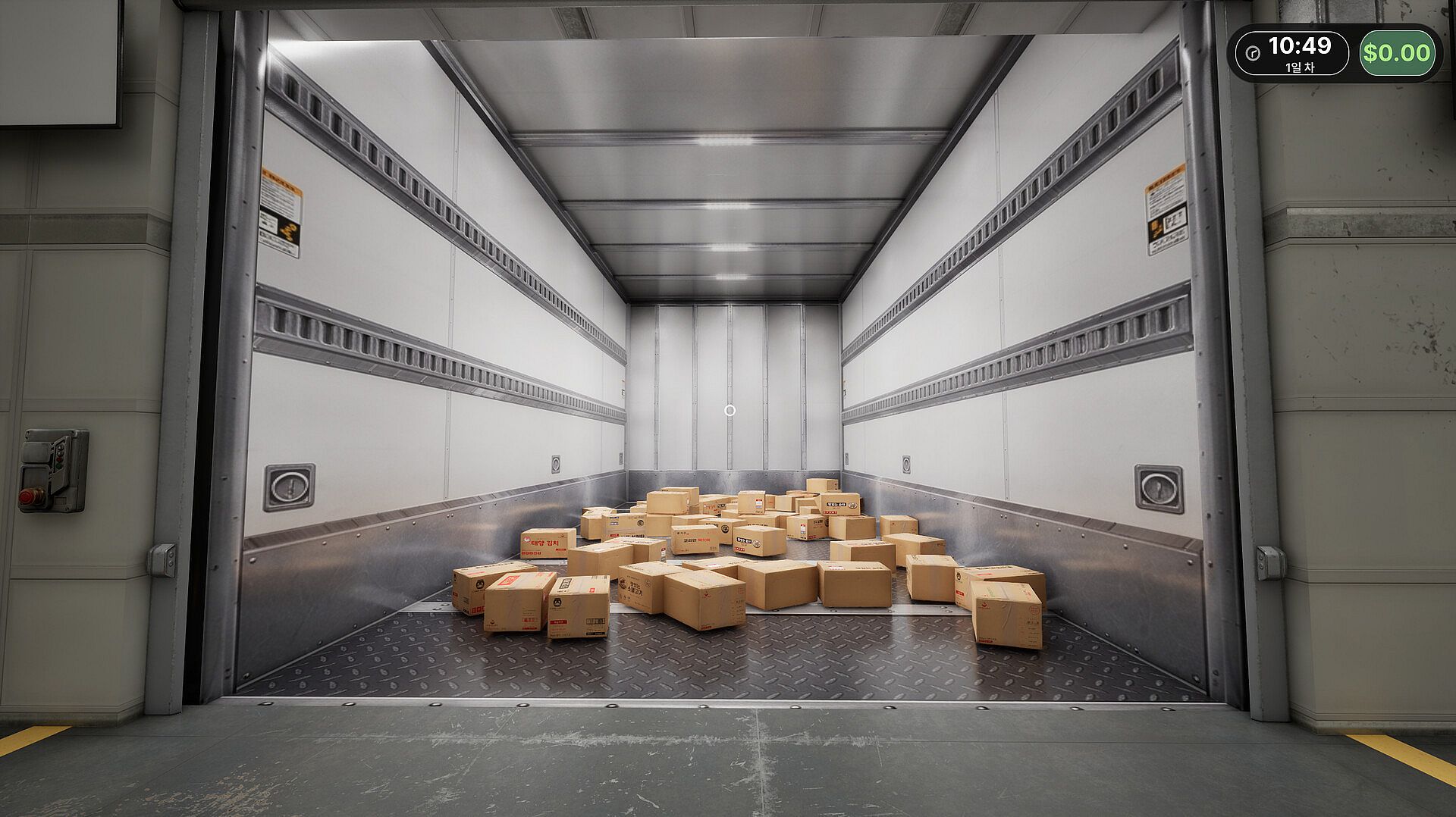
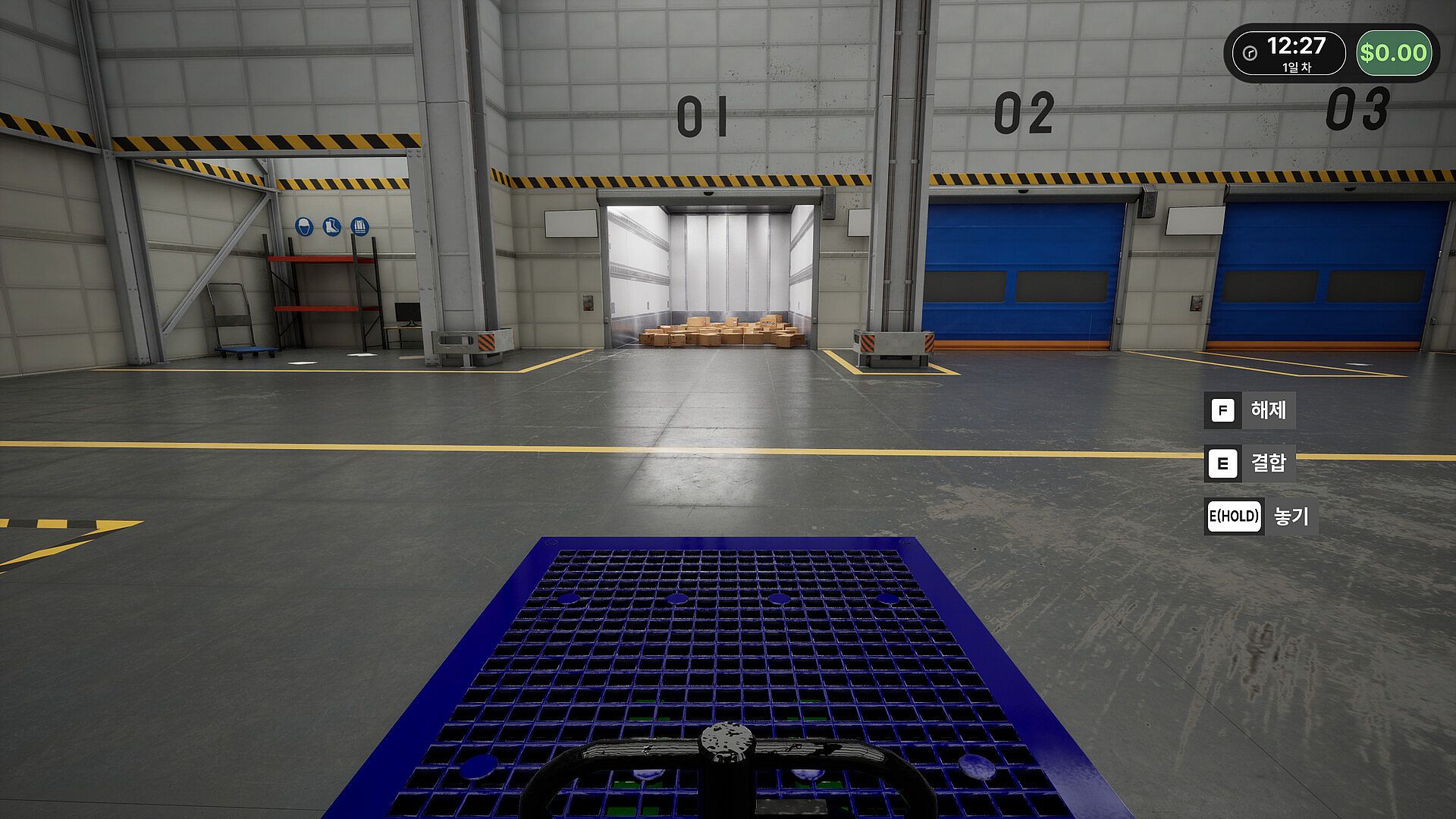
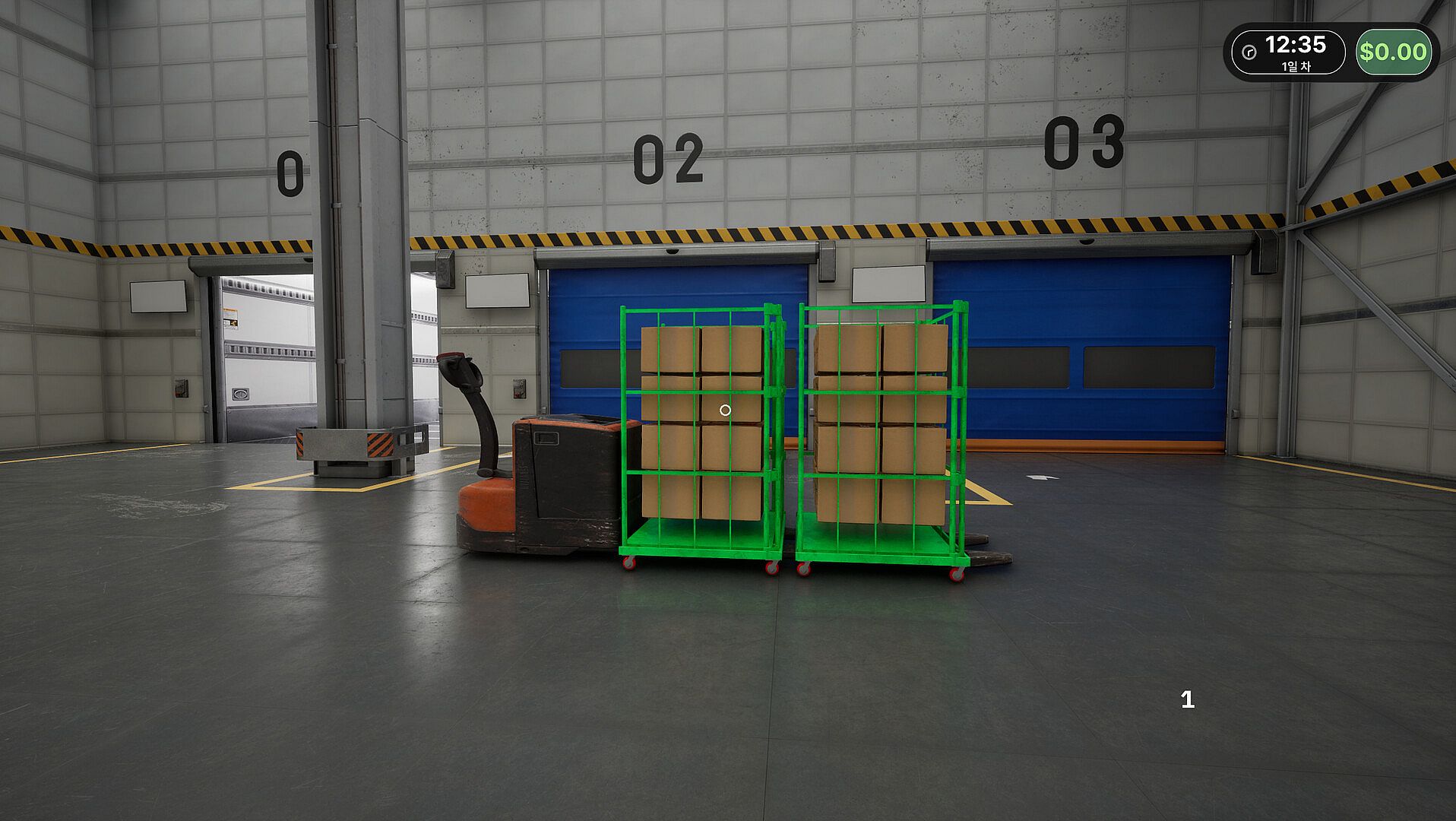
Each shift begins at a terminal where available jobs appear for selection. Once accepted, the work proceeds through inbound trucks delivering boxes that must be moved efficiently. Players load pallets onto a manual jack initially and pull them across the floor, with the goal of maximizing loads per trip to finish faster.
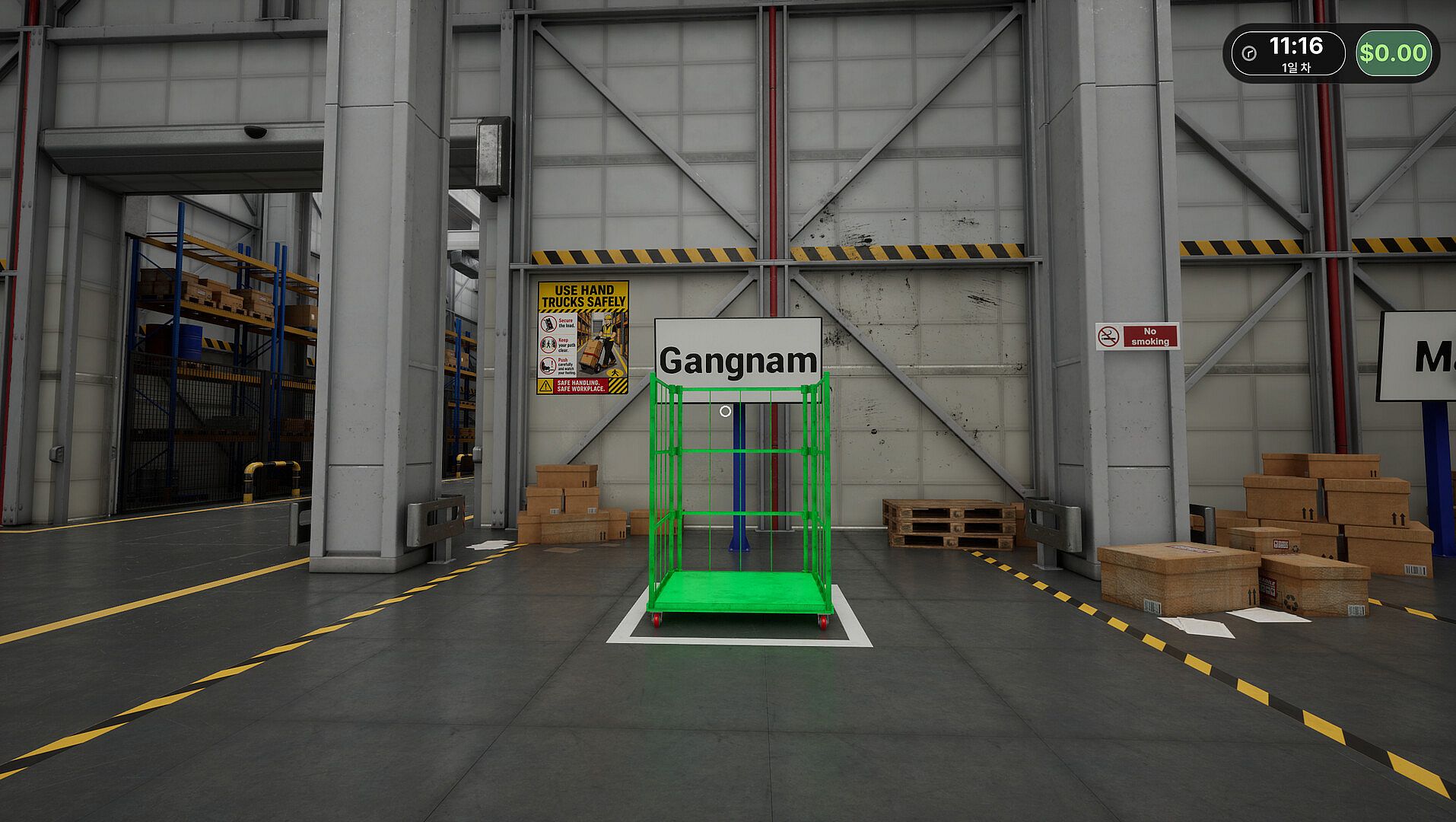
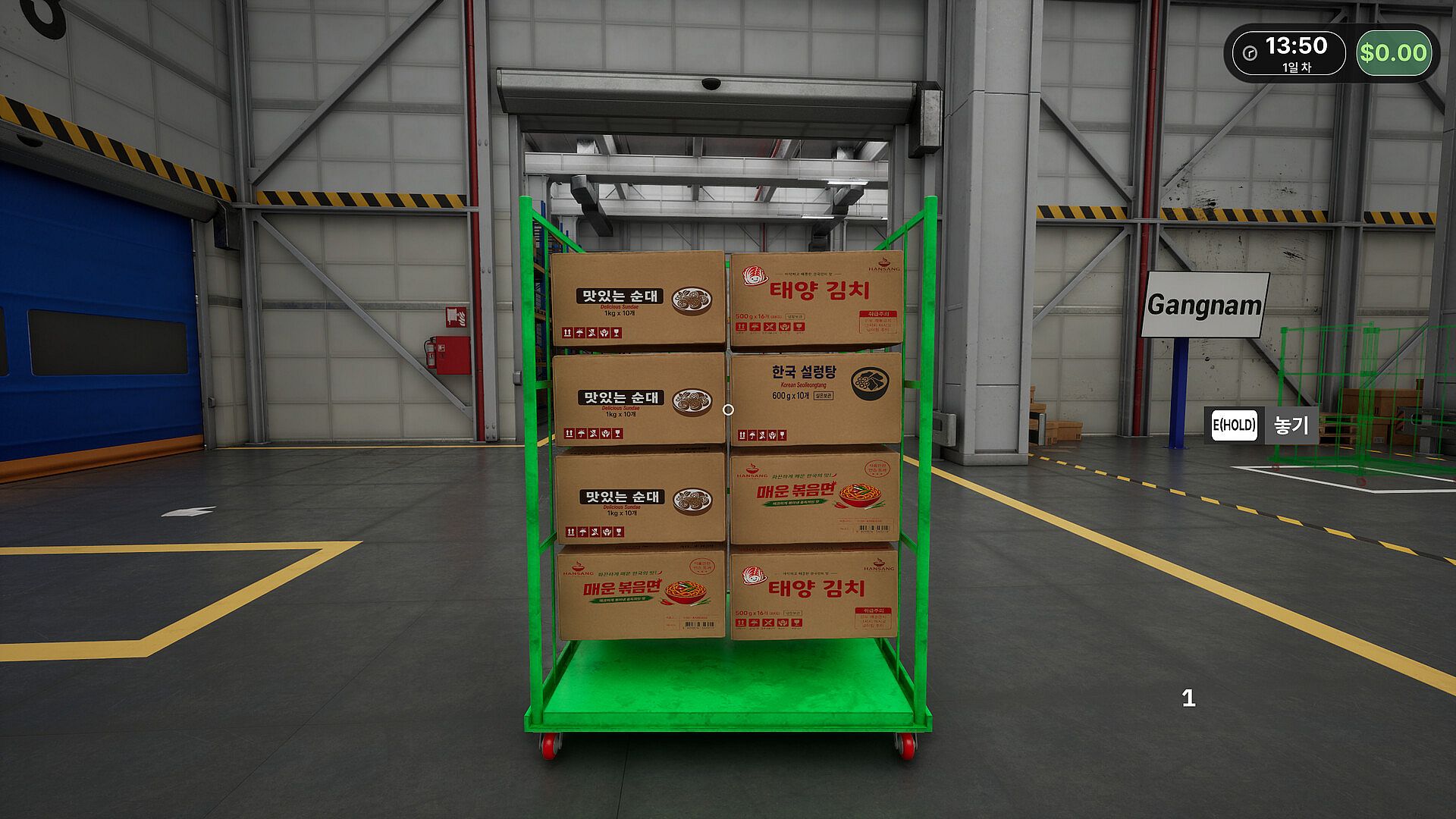
Boxes get sorted into roll containers designated for specific areas to maintain organization. At the sorting zone, labels determine the correct destination for each item, and errors create defects that require correction later. When inventory counts do not match, the PDA provides details to locate and swap misplaced boxes from the piles.
Once all areas are complete, full roll containers move to the loading bay for truck departure. Earnings fund skill improvements that increase speed, carrying capacity, and the ability to toss boxes directly into containers. Equipment upgrades start with trading the manual jack for an electric version, while facility expansions add docks and scale the warehouse into a larger operation.
Profits also support hiring assistants assigned to distribution, loading, or transport roles. These workers operate independently, though daily pay remains a constant factor. The core loop repeats with incoming trucks and ongoing box handling, turning initial small-scale work into a full distribution center through consistent effort and upgrades.
Game Modes
The game supports single-player sessions focused on personal progression through jobs and facility growth. Co-op allows up to three additional players to join and divide tasks such as distribution, loading, or searching for misplaced items.
No separate named modes exist beyond these options. Work revolves around shift-based jobs that players select and complete, with progression tied to earnings rather than distinct campaigns or competitive structures.
Progression and Upgrades
Skill points improve core abilities like movement speed and load handling. Equipment purchases replace basic tools with powered alternatives for greater efficiency. Building investments expand the physical space with new docks and areas, while hiring staff reduces the solo workload over time.
These systems create a steady loop of work, earnings, and expansion. Mistakes in sorting or counting lead to defects that must be resolved before the bay opens, adding a layer of attention to detail during each shift.
Is It Worth Playing?
Loading Dock Simulator suits players who enjoy methodical simulation experiences centered on logistics and warehouse operations. The single-player path offers focused progression through skill and facility upgrades, while co-op supports collaborative task division for those who prefer shared work.
Without released reviews or player counts available, the appeal rests on the detailed handling of boxes, equipment, and inventory management described in the core systems. Fans of precise, repetitive yet satisfying work in a growing operation will find the shift structure and upgrade paths align with that style. Those seeking fast-paced action or open exploration should look elsewhere.