







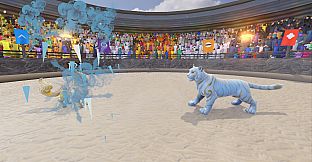
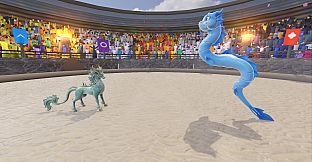
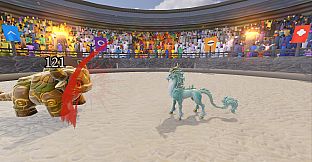
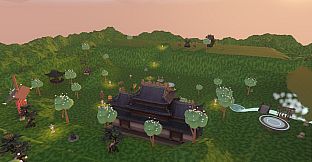
Linwu: Spirit Beast Ranch is a single-player RPG and simulation title for PC that centers on raising spirit beasts with a focus on their finite lifespans. Players summon creatures at a shrine and manage them on a ranch, balancing training, rest, and feeding to shape each beast's development and longevity. The core loop emphasizes meaningful choices around stress management, as overworking a beast without adequate recovery shortens its life in tangible ways that affect tournament performance and long-term lineage building.
Gameplay
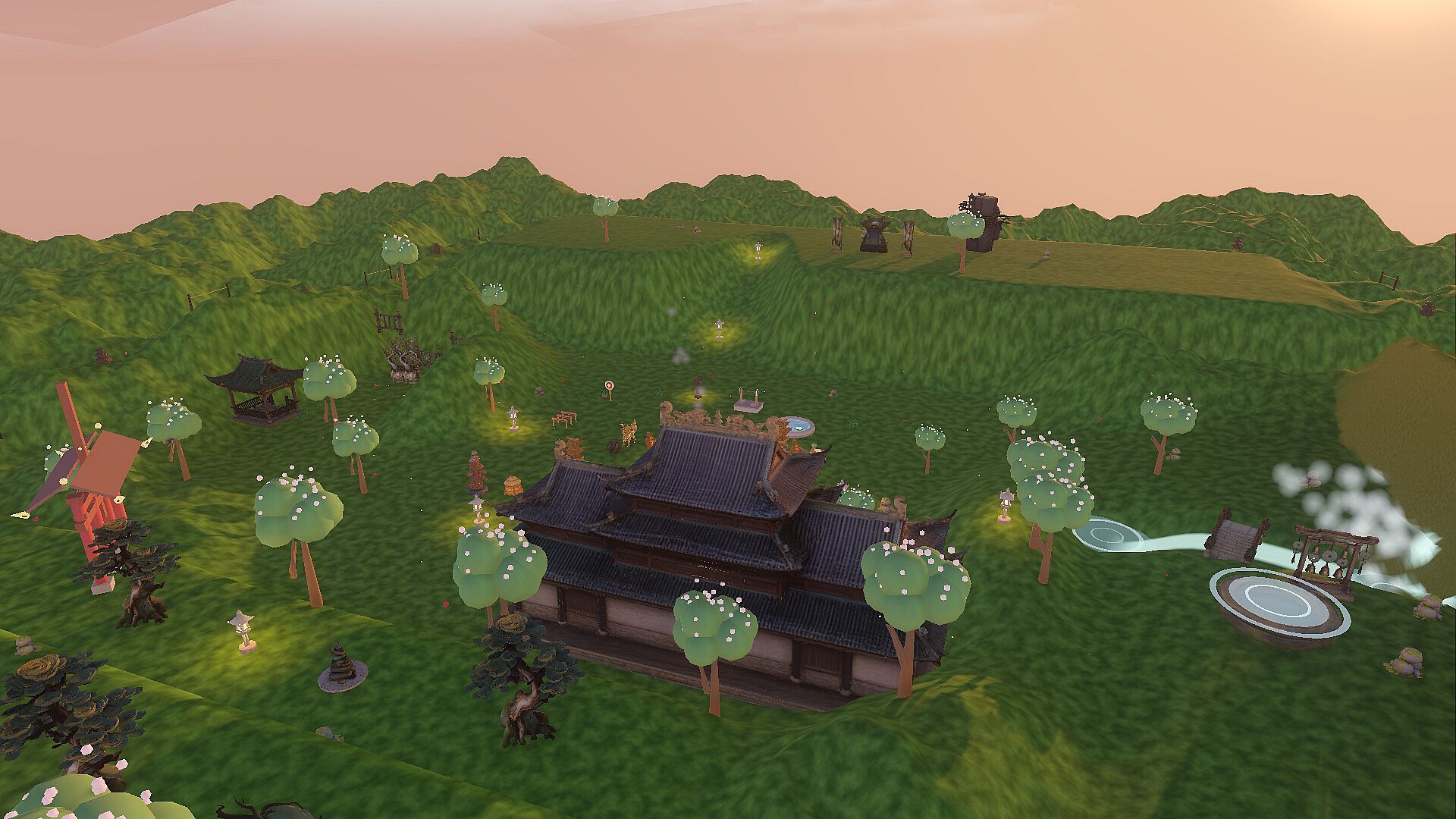
The gameplay revolves around weekly scheduling for each spirit beast. Players allocate time to drills that improve specific techniques, periods of rest to reduce stress, and feeding sessions that support growth. Stress accumulates from excessive drills and directly influences how long a beast remains viable, creating a persistent trade-off that influences every decision. Summoning begins at the shrine, after which beasts return to the ranch for ongoing care. This system extends beyond basic stats, as the limited lifespan forces players to plan for succession rather than indefinite progression with a single creature.
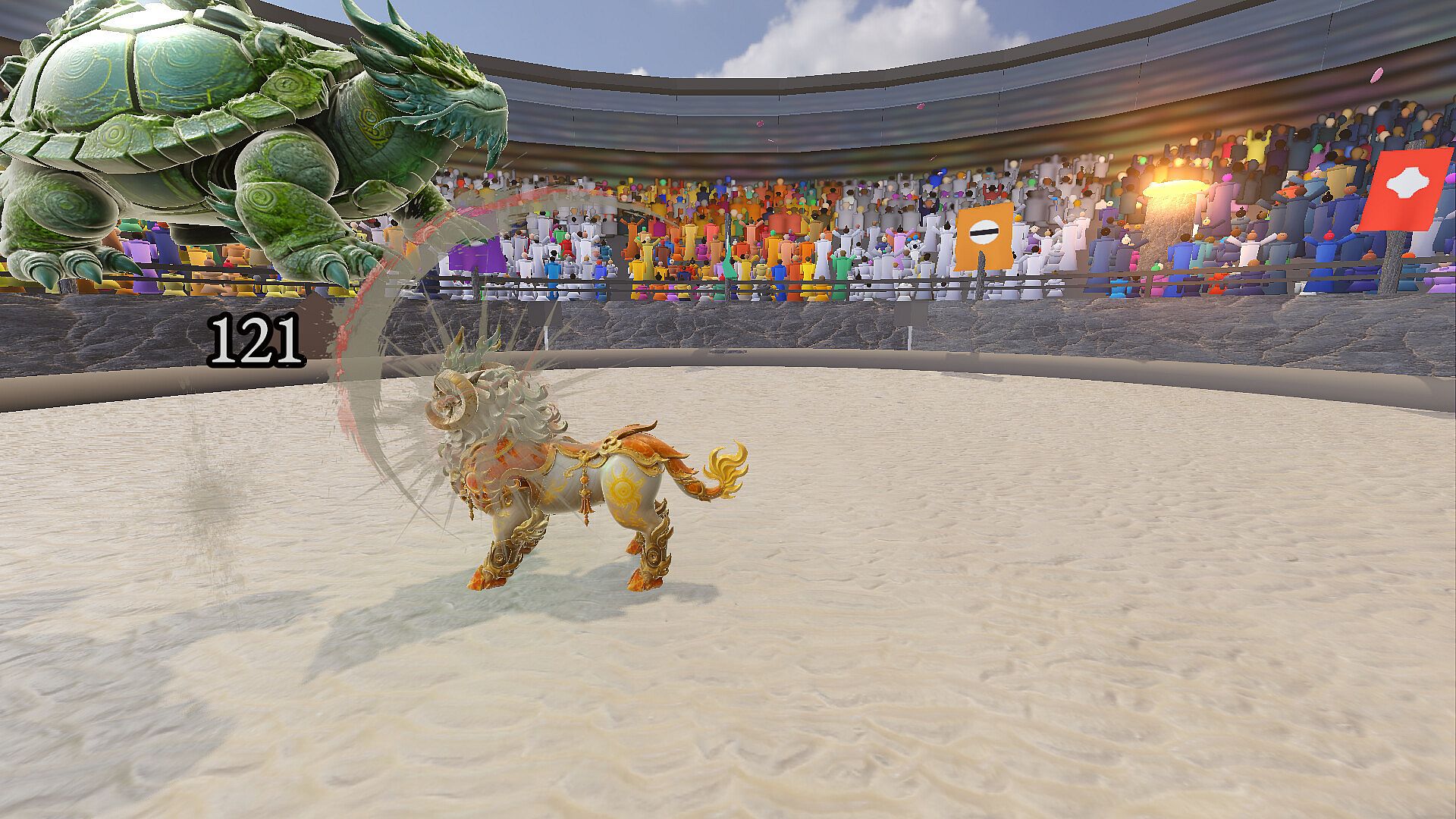
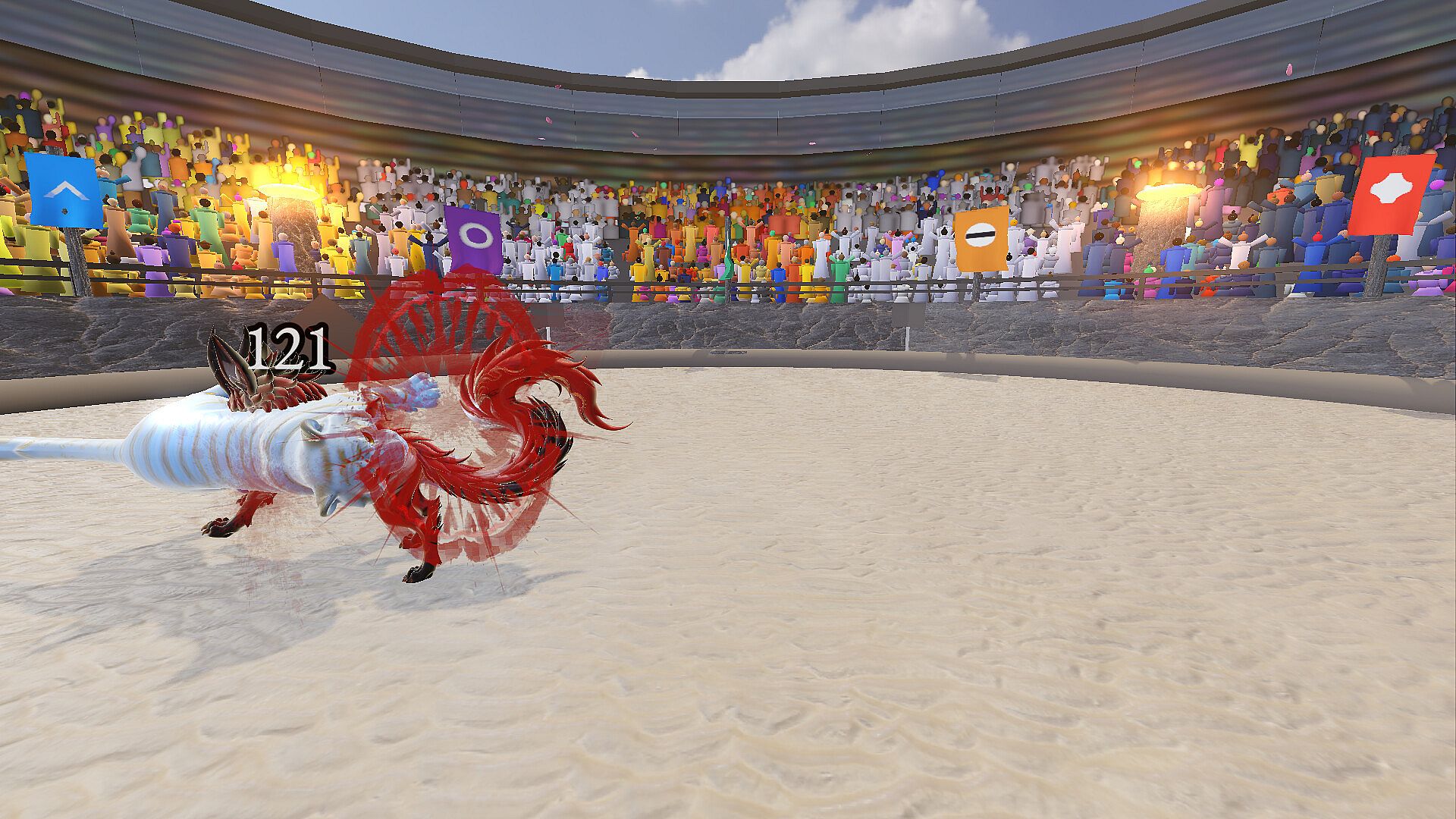
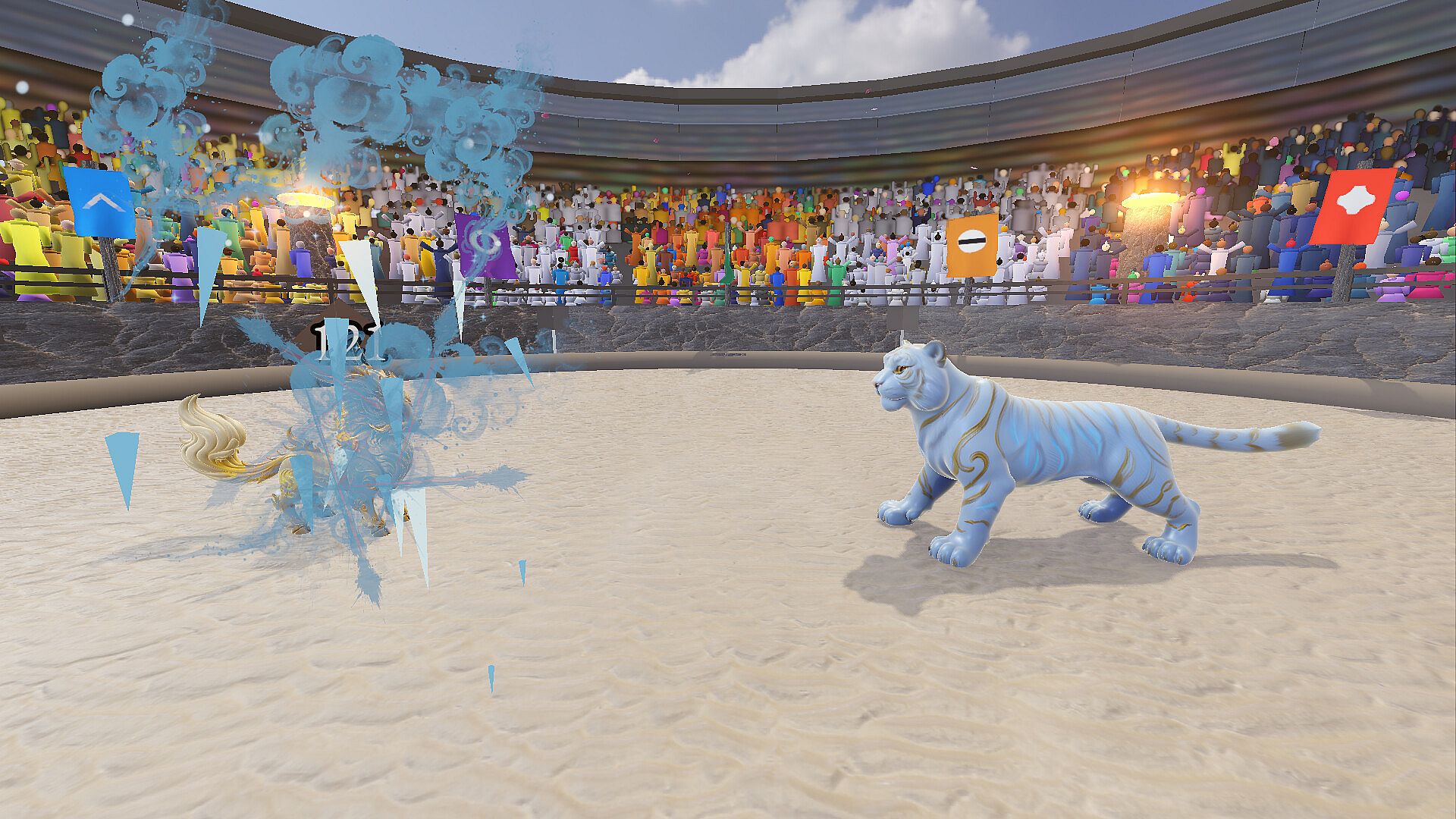
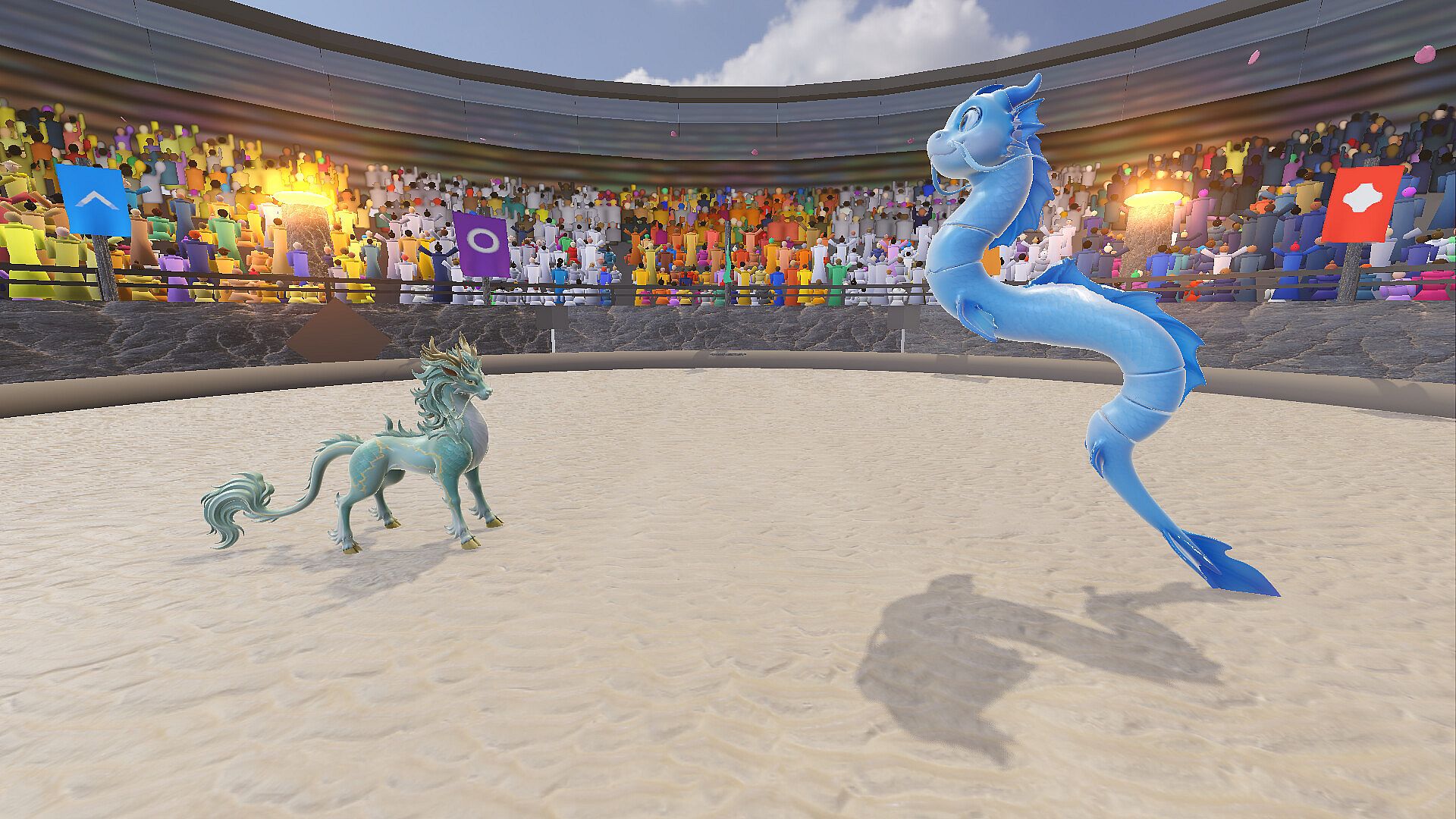
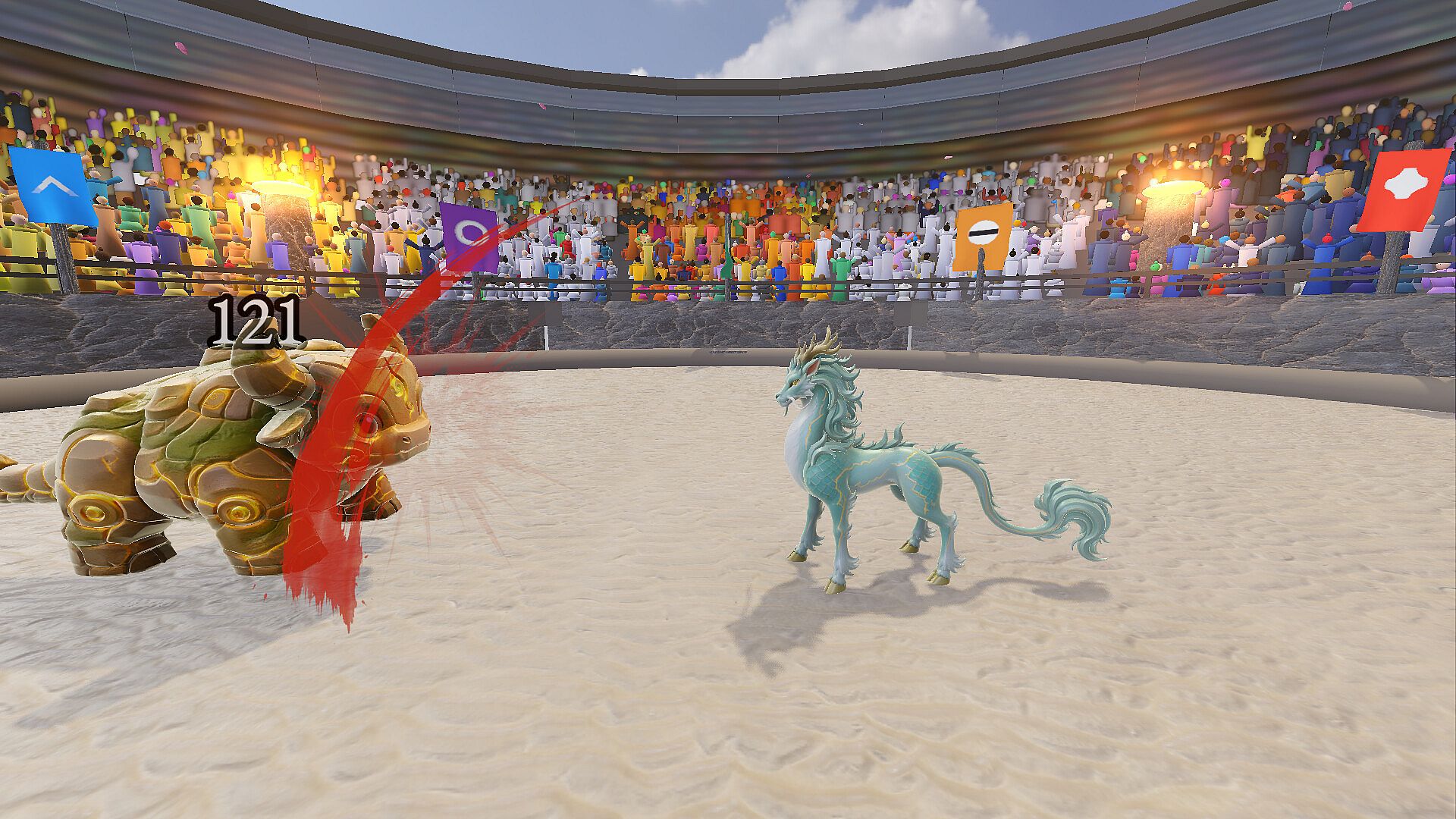
Combat integrates with ranch management through tournament participation. Players can control fights directly or enable auto-battle while handling ranch tasks. Each of the 35-plus breeds draws from 22 distinct attack archetypes, allowing varied technique builds that suit different playstyles. A season of standings tracks records, with placement rewards tied to performance in cups and rival courts. Journeys into distinct regions introduce new opponents and breeds, expanding the scope of raising and competition.
Game Modes
Tournament cups and rival courts form the primary competitive structure. These events run across a season, rewarding consistent performance with standings and placement benefits. Players manage multiple beasts across these events, using manual control for key matches or automation to maintain ranch operations simultaneously. The system supports both direct engagement and oversight-focused approaches.
Succession mechanics operate as a dedicated progression layer. When a beast reaches the end of its life, an Ascension ceremony concludes its story. Fusion then transfers accumulated progress to a new heir, which starts at a lower level but inherits discoveries. Certain fusion pairings unlock exclusive breeds unavailable through standard summoning, encouraging experimentation with lineage combinations. This mode ties directly into the game's emphasis on cycles rather than permanent power accumulation.
Key Mechanics and Progression
The training system stands out for its integration of stress as a core limiter. Weekly choices determine not only immediate power gains but also the total duration available for each beast, making rest a strategic resource alongside drills and feeding. Breeds vary in their archetype access, so roster building involves matching techniques to upcoming tournament demands while planning for replacements through Fusion.
Regional journeys add exploration layers, presenting fresh challenges and acquisition opportunities outside the ranch. These trips support the overall loop by supplying new breeds and opponents that test developed techniques. The combination of ranch simulation and competitive seasons creates a rhythm where short-term management decisions influence longer-term lineage success.
Is It Worth Playing?
Linwu: Spirit Beast Ranch suits players who enjoy simulation elements paired with RPG progression and a deliberate pace around resource management. The finite lifespan mechanic and Fusion system reward thoughtful planning over rapid power spikes, appealing to those interested in lineage building and seasonal competition. With the game in active development, features like the 35-plus breeds and 22 archetypes provide a solid foundation for ongoing updates. Those drawn to monster-raising experiences that incorporate meaningful trade-offs and succession will find the core systems engaging, particularly if they value single-player depth over multiplayer elements.