




Leeway: Lightkeeper is a first-person indie simulation game focused on the daily responsibilities of a watchkeeper at a remote maritime station. Players step into the role of Aiden and manage vessel traffic through the Leeway Strait from Cape Watch Station, where every decision rests on careful verification of documents and visual confirmation of approaching ships.
Gameplay
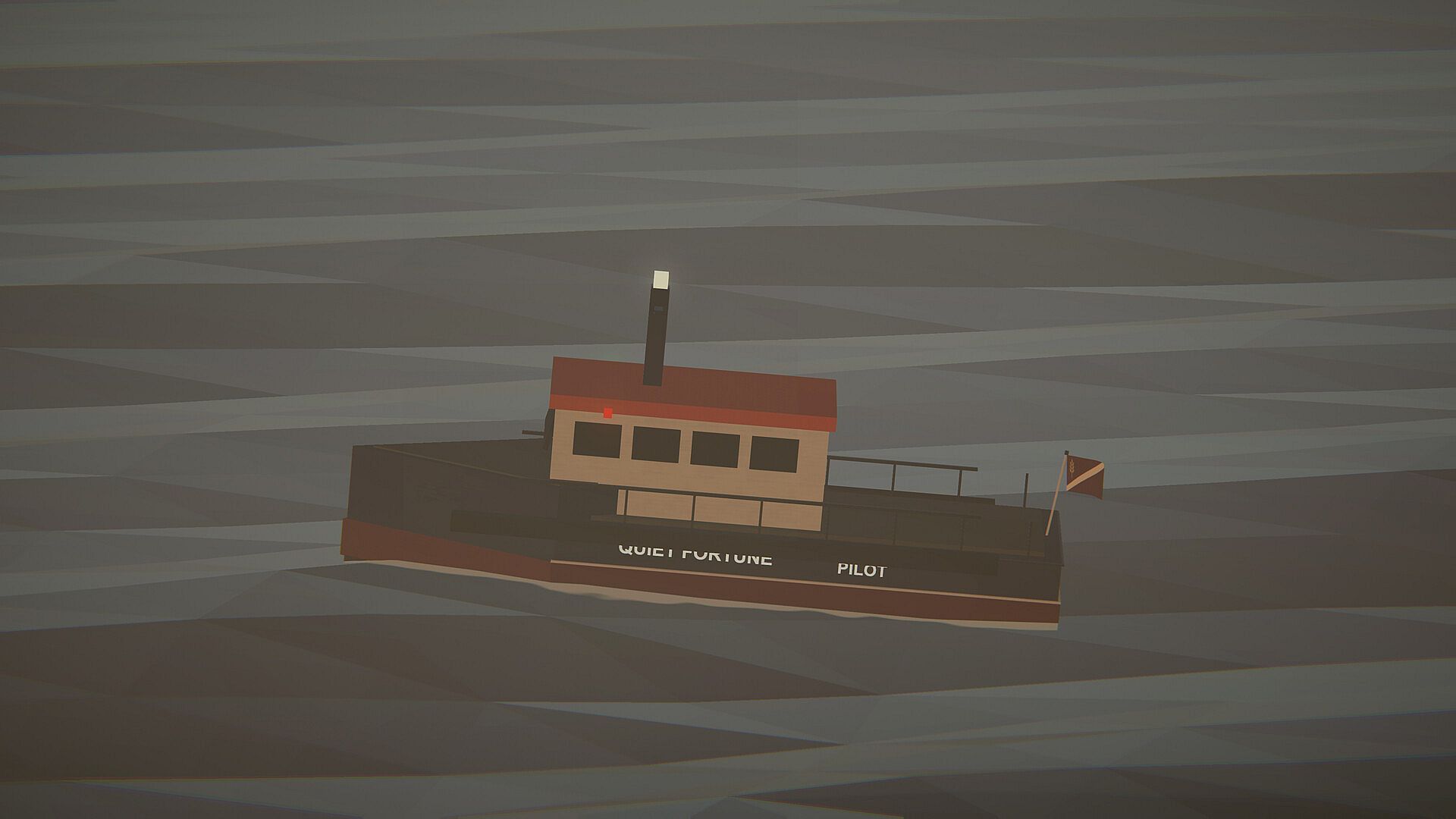
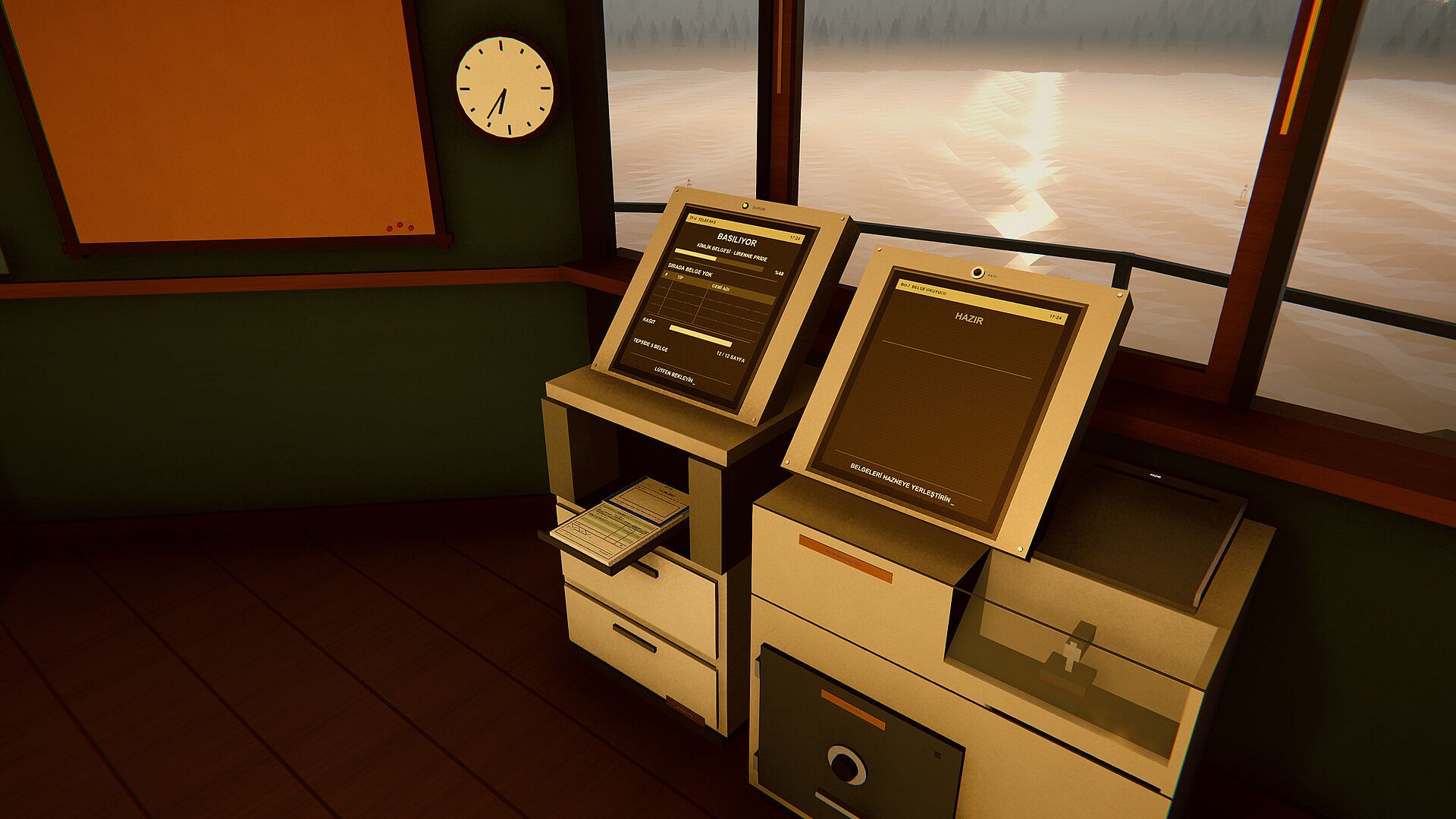
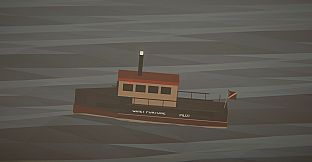
The core loop centers on processing incoming ships during assigned shifts. Each vessel appears outside the station window, and players use binoculars to note details such as name, flag, and call sign. These observations are then cross-checked against papers delivered by fax, including the Certificate of Identity and bill of lading. A government computer provides access to registry records, allowing players to flag inconsistencies with red pen marks before deciding to approve or reject passage.
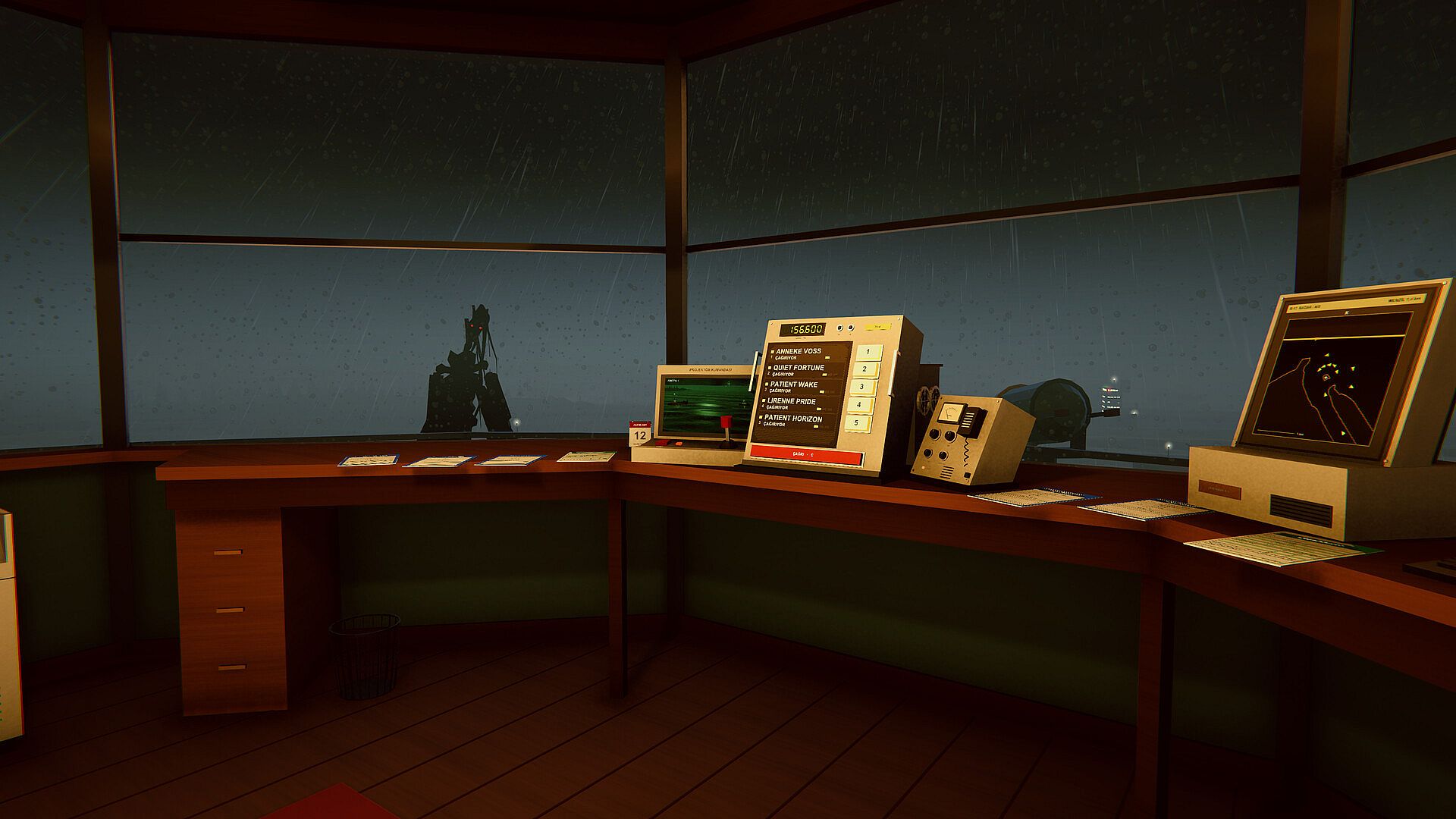
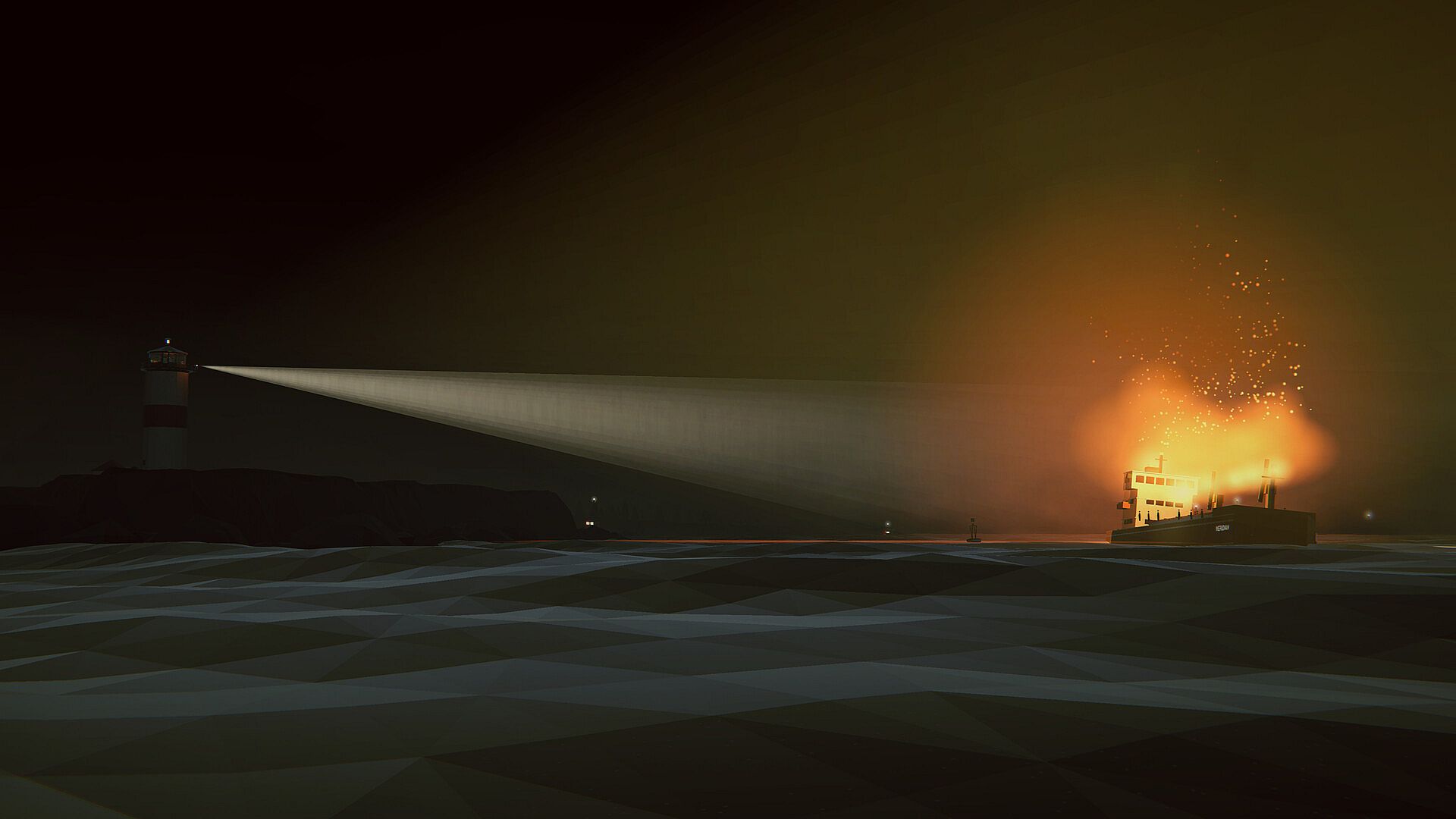
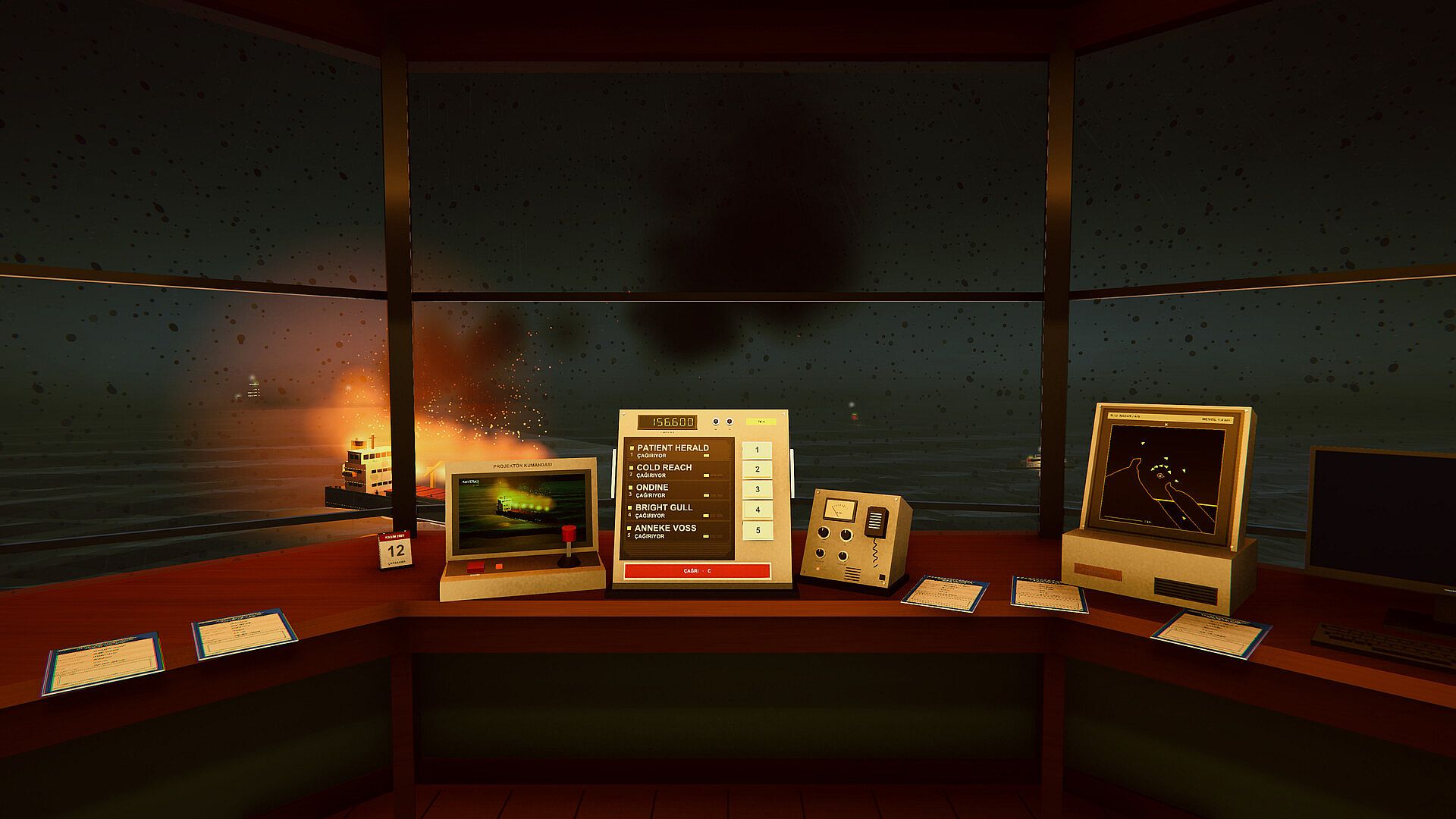
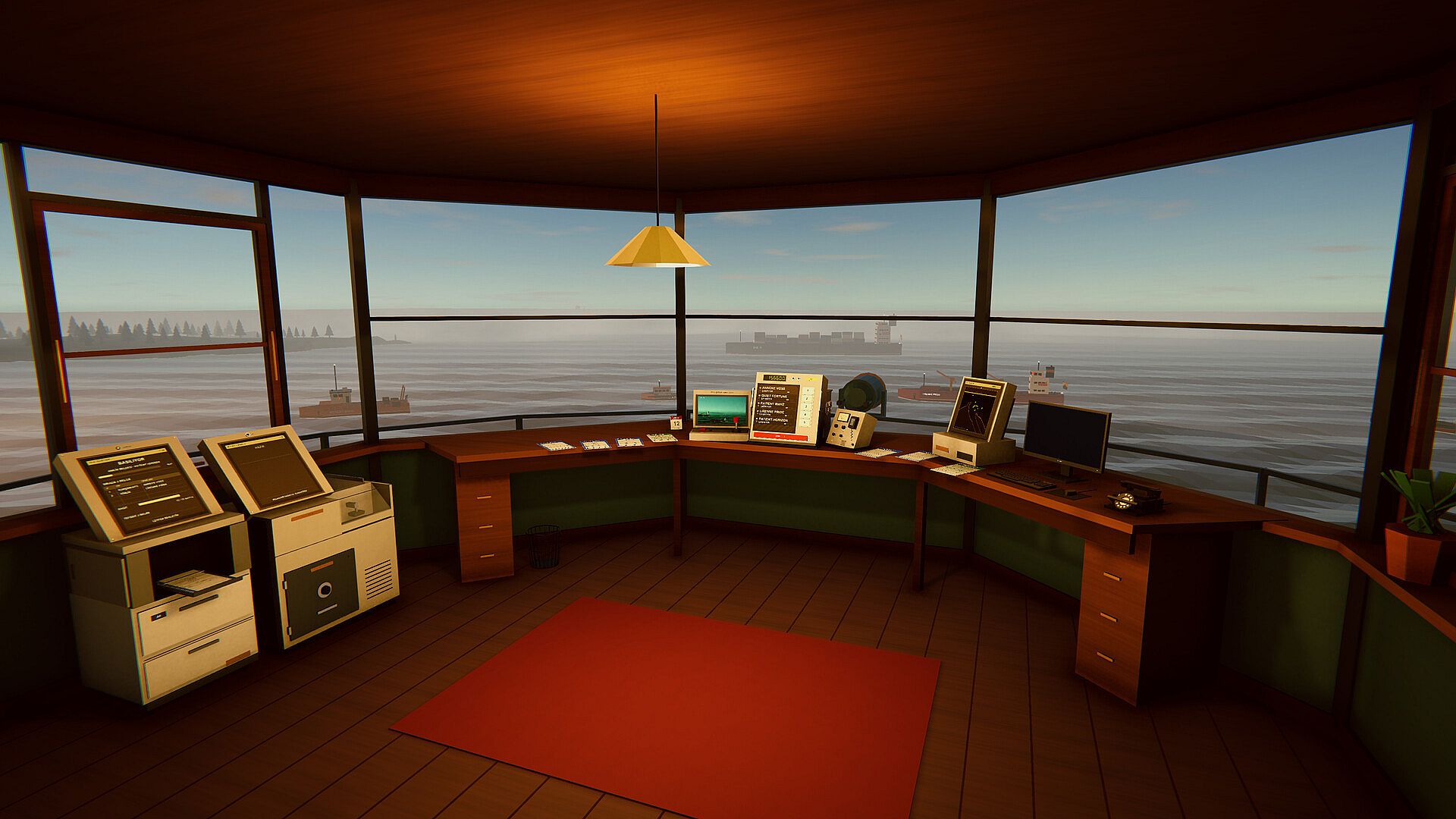
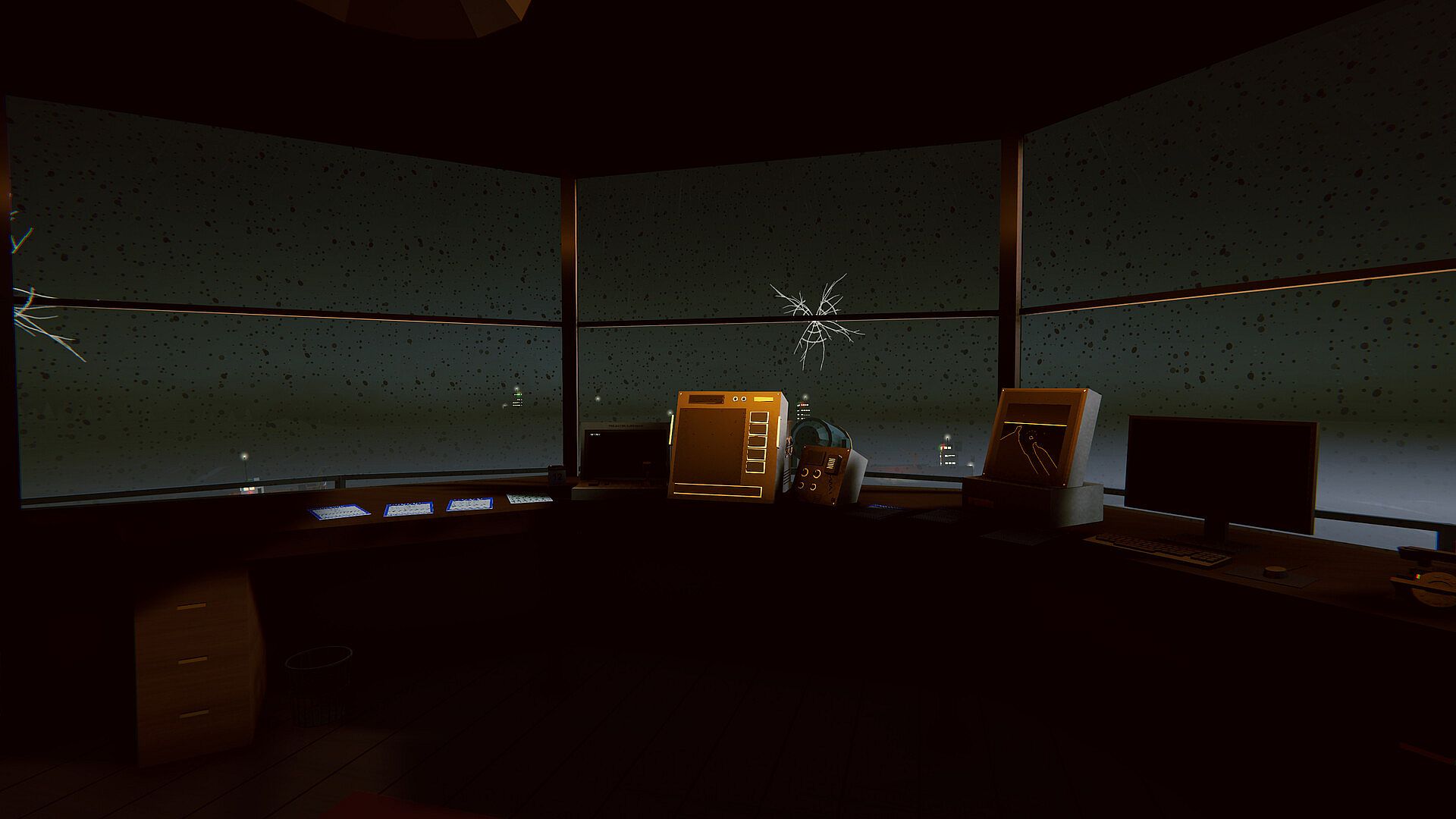
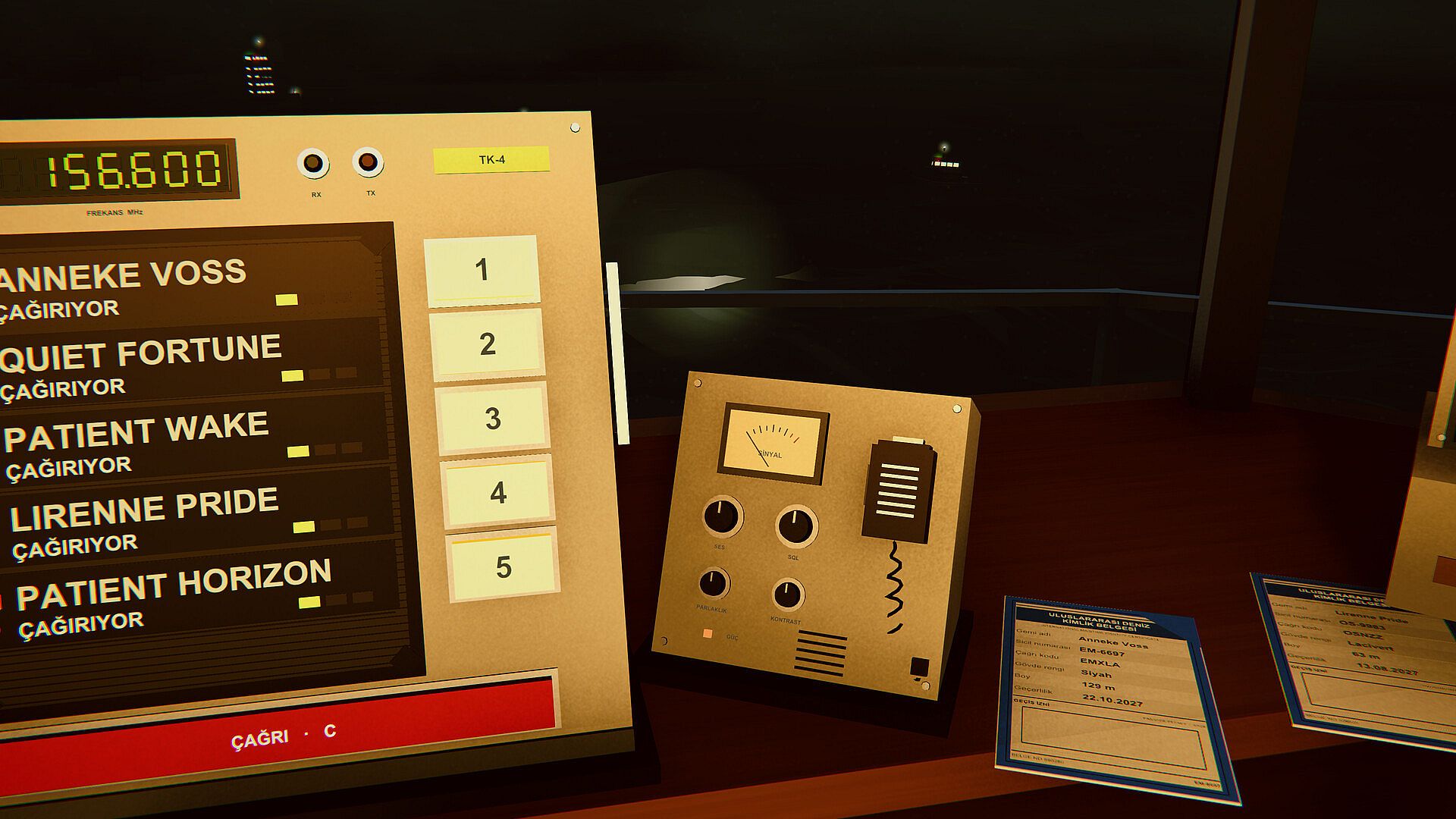
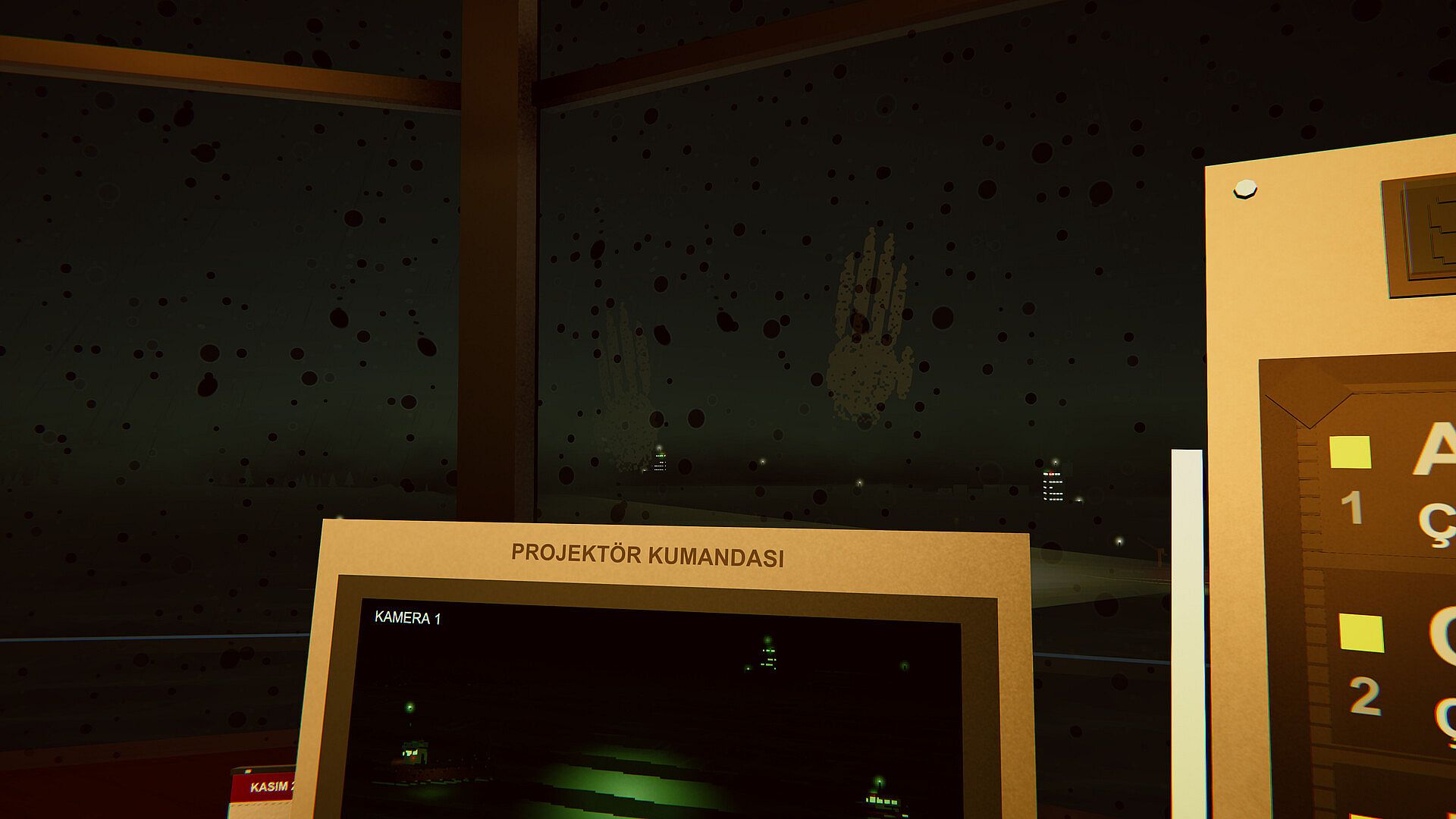
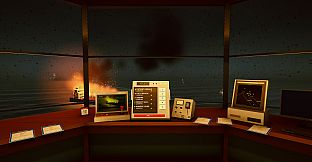
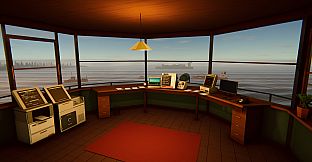
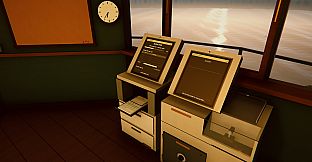
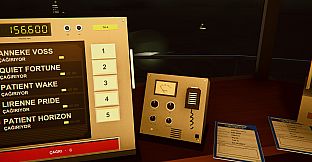
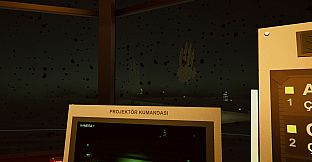
Physical interaction adds depth to the routine. Players handle real paper documents, marking them as needed and feeding them into a reader. The station equipment includes a five-channel VHF radio console for communications, a marine radar display of the strait, and a fax machine that occasionally requires maintenance like clearing jams or replacing paper. When visibility drops, the searchlight helps locate vessels in fog or darkness, while weather shifts from calm daylight to stormy nights alter the atmosphere and challenge perception.
Voiced radio and phone conversations introduce dialogue choices that influence how captains respond to rejections or requests for clarification. Eight fictional states supply distinct flags, call signs, and ports, with each captain featuring a unique portrait on their certificate. A colorblind setting distinguishes paper types through patterns rather than color alone.
Game Modes
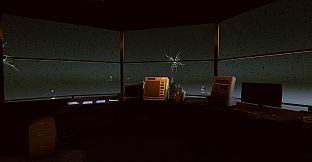
The experience unfolds through sequential shifts that advance day by day, with each segment concluding via a faxed report. There are no separate competitive or cooperative modes; the structure remains a continuous single-player narrative progression built around these daily watchkeeping duties. Rainy or foggy conditions introduce additional layers of uncertainty, such as unexplained radio signals or vessels that appear outside expected registry parameters, without altering the fundamental shift-based format.
Story and Atmosphere
The narrative builds around the isolation of the station and the moral weight of each approval or rejection. A ship turned away may radio back with questions, prompting further reflection on the evidence gathered. Over time, discrepancies in records and strange occurrences during poor weather create a sense of unease that contrasts with the calm, slightly melancholy tone of clear days. The small station fills with personal touches like notices on the corkboard and the steady presence of the blue-screened computer, grounding the procedural tasks in a lived-in environment.
Is It Worth Playing?
Leeway: Lightkeeper suits players who enjoy deliberate, detail-oriented simulation experiences with a strong narrative thread. The emphasis on document verification, equipment management, and decision-making under varying conditions creates a focused loop that rewards patience and observation. Those drawn to indie titles centered on routine jobs with subtle story elements will find the shift progression and environmental changes engaging. The game remains available on PC as a complete single-player package without additional modes or ongoing seasonal content confirmed at this time.