




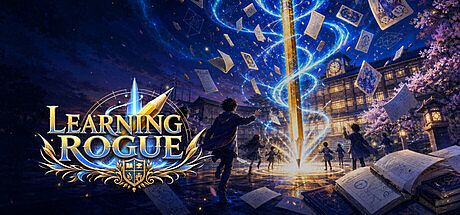



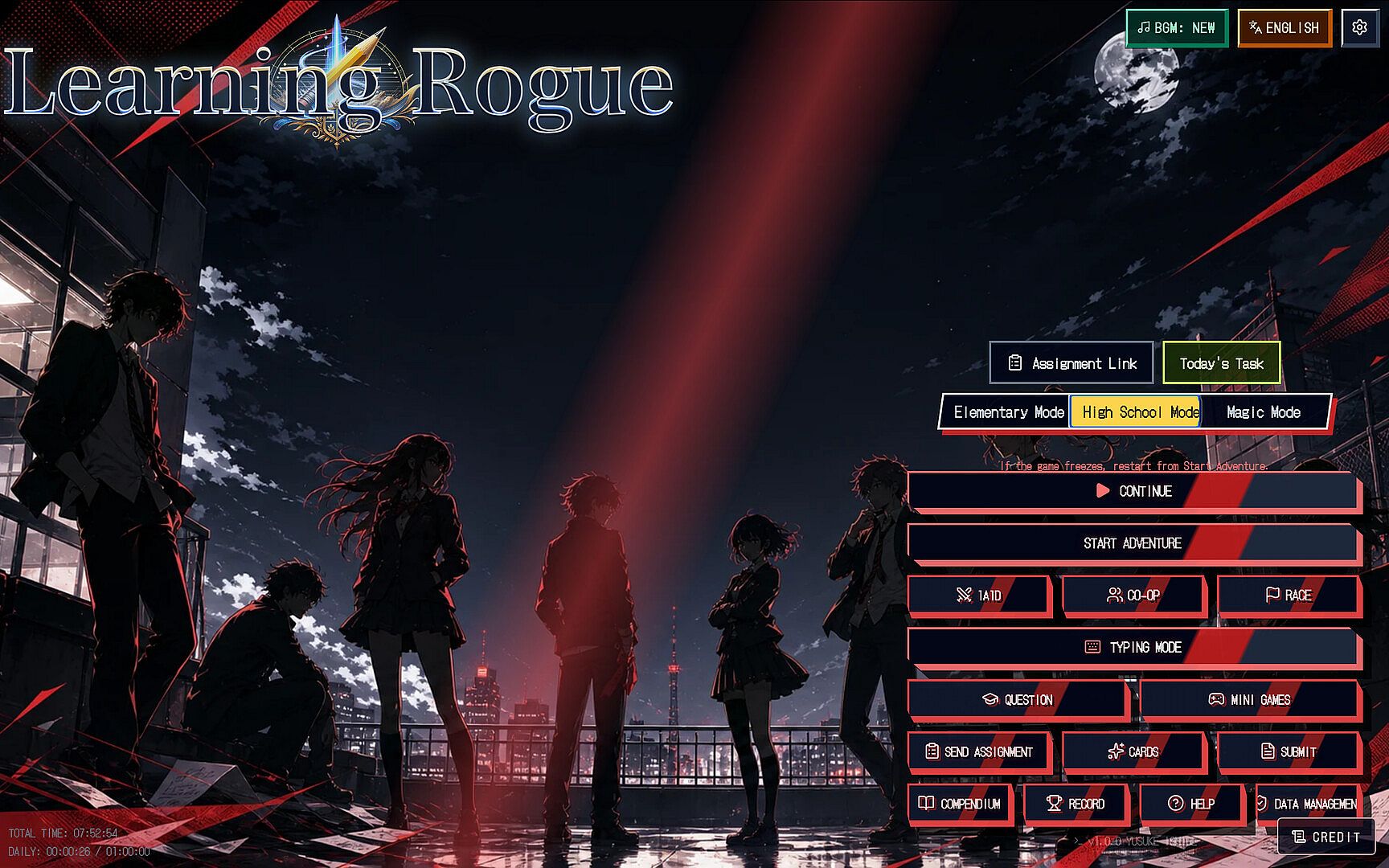
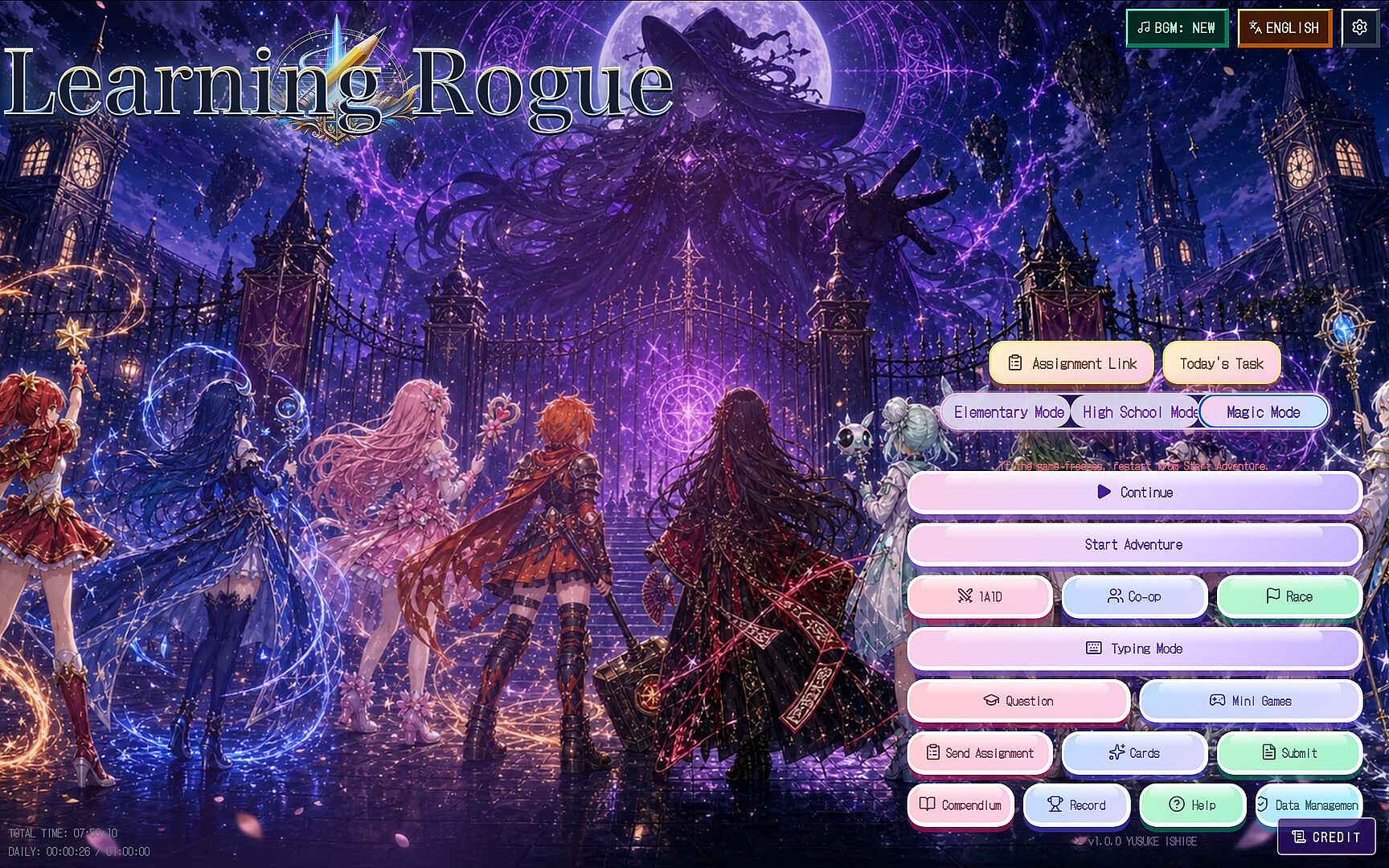
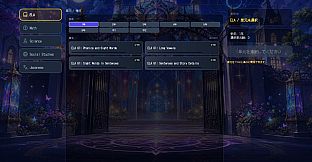
LEARNING ROGUE é um RPG indie casual de estratégia para PC que une prática educacional e mecânicas de roguelike em cartas. Os jogadores enfrentam desafios de aprendizado para impulsionar suas partidas, transformando respostas corretas em opções de combate, melhorias no baralho e novas rotas por mundos temáticos. O grande diferencial está em como as sessões de estudo moldam diretamente cada aventura, recompensando o domínio do conteúdo com mais escolhas estratégicas nas próximas tentativas.
Gameplay
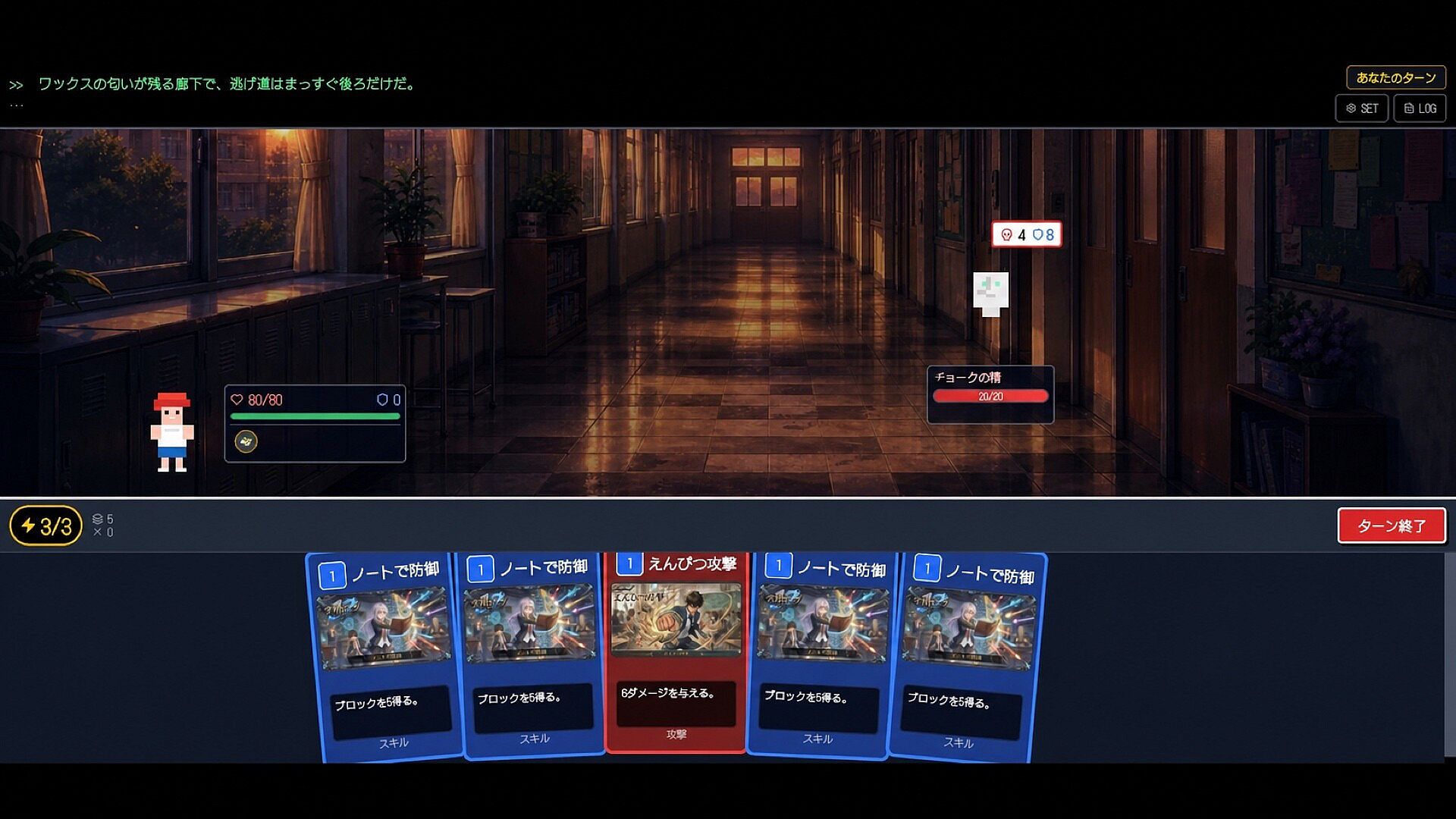
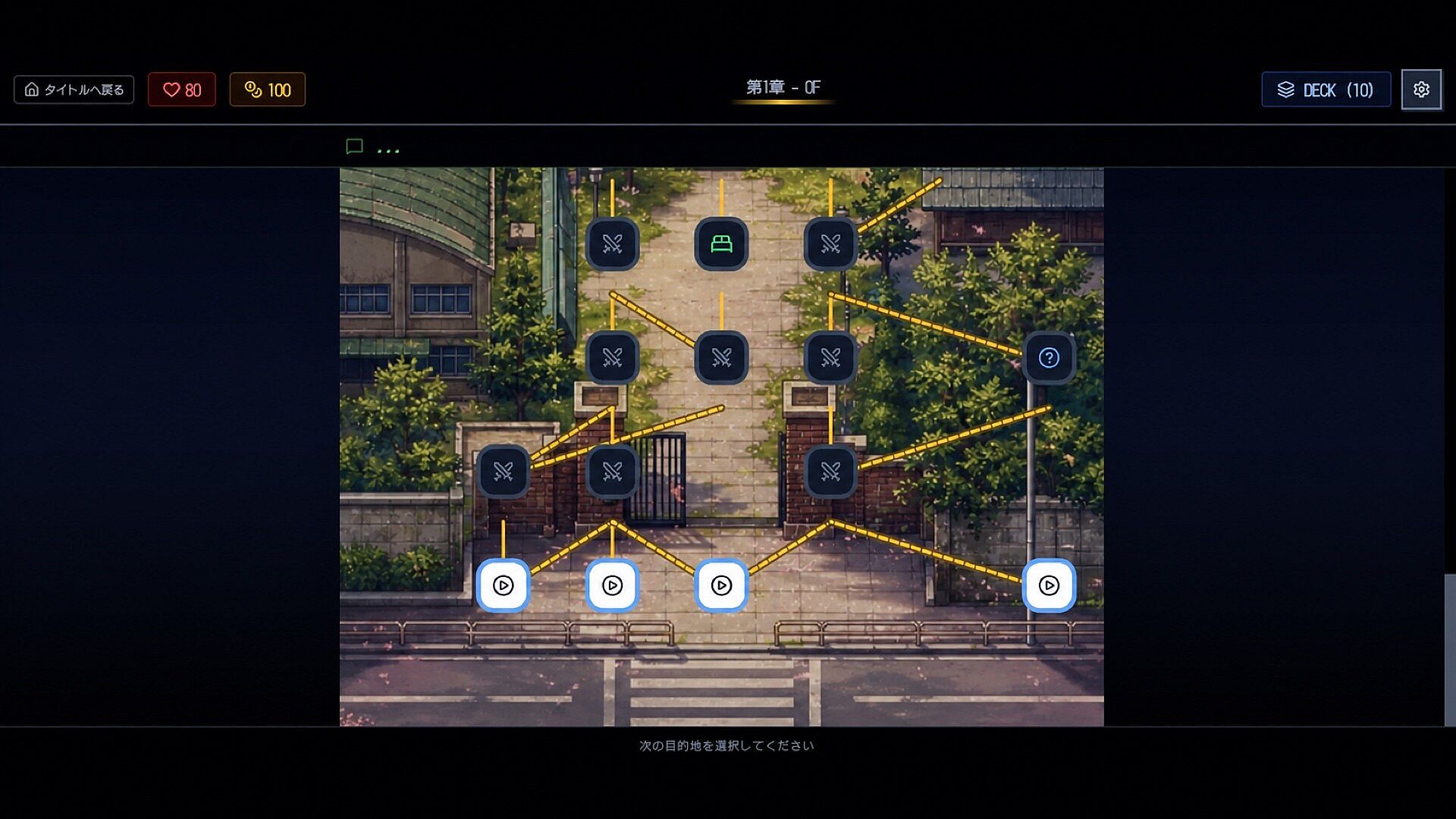
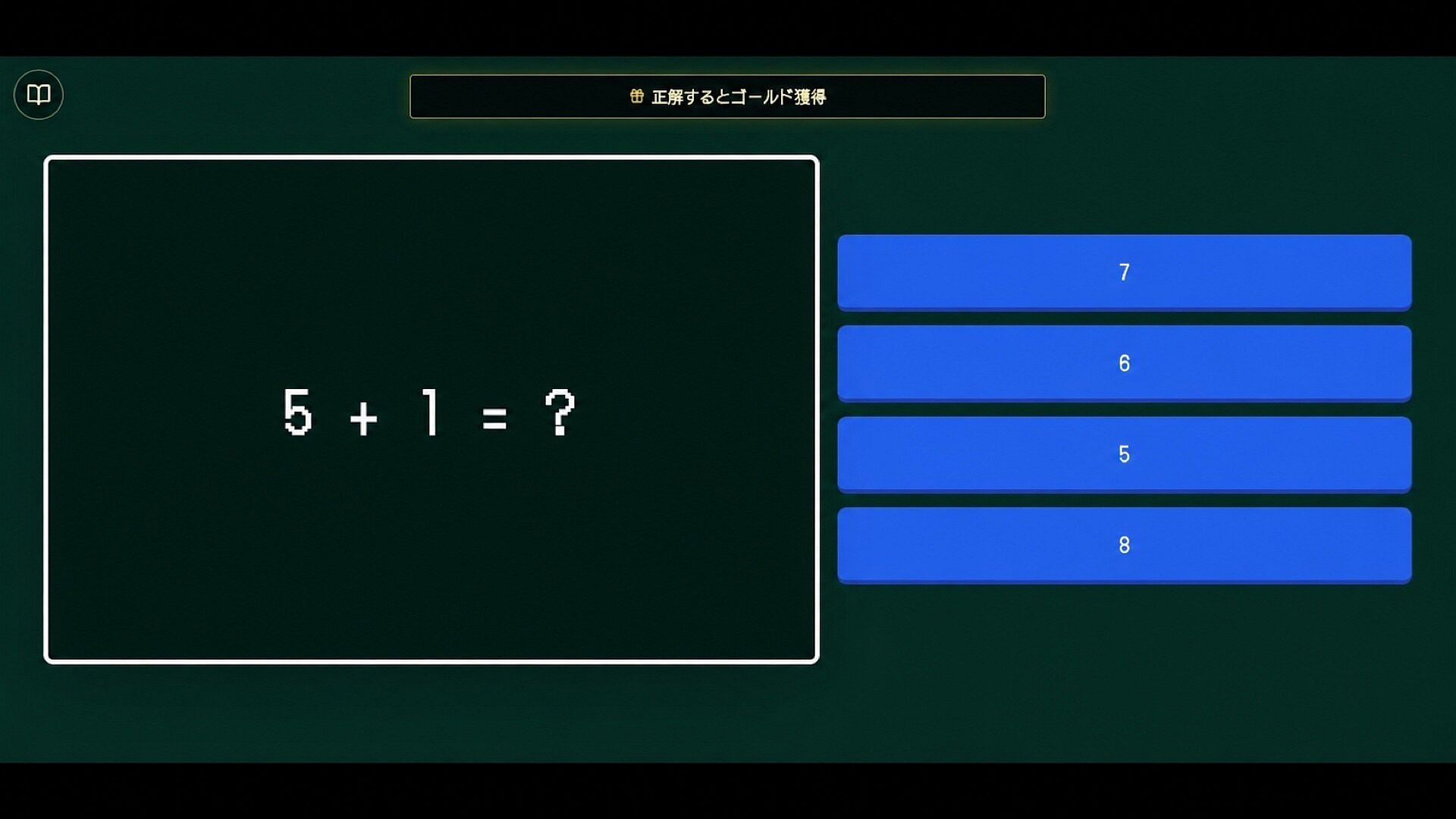
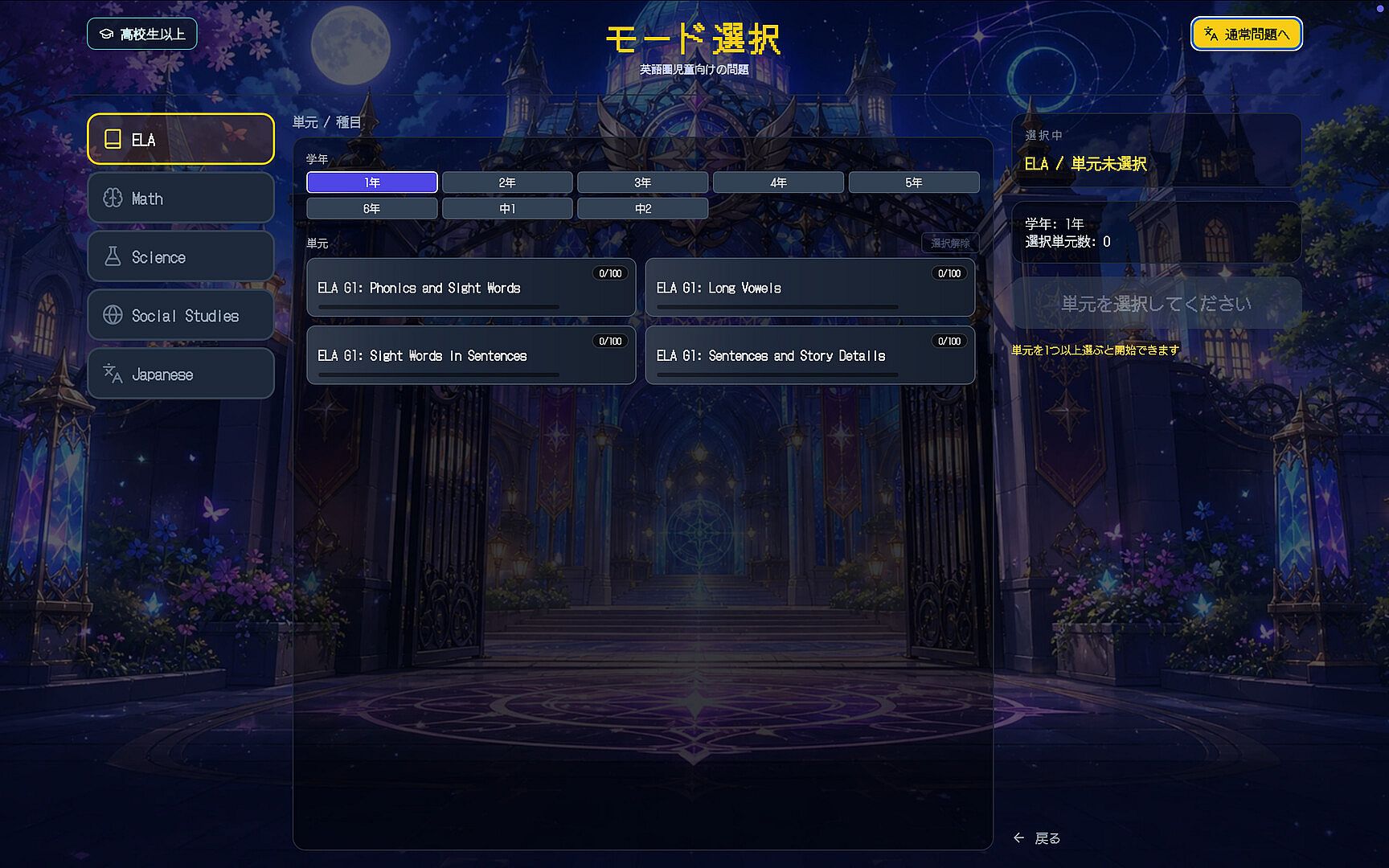
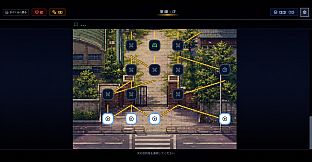
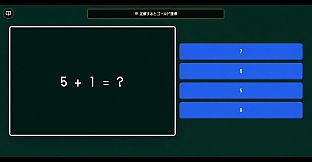
O ciclo principal começa com a escolha de um desafio ou tarefa de estudo. Resolver as questões gera progresso que se converte em ataques, defesas, recompensas e opções de caminho durante os combates roguelike. Um bom desempenho na fase de aprendizado libera mais variedade de cartas e resoluções de encontros, incentivando a prática constante para aprimorar tanto o conhecimento quanto a força do baralho.
A construção do baralho é o coração da estratégia. Os jogadores coletam cartas em runs bem-sucedidas e testam combinações para diferentes estilos de jogo. A síntese de cartas permite fundir unidades existentes em versões mais poderosas, criando sinergias complexas que se adaptam aos encontros. O sistema valoriza o planejamento, já que cada run oferece oportunidades de testar e ajustar as construções contra obstáculos variados.
O progresso avança por meio de registros e entregas de aprendizado. Sessões curtas de prática alimentam runs mais longas, enquanto as tarefas fornecem objetivos estruturados que desbloqueiam conteúdo adicional. O resultado é uma integração fluida entre estudo e diversão, onde cada resposta correta contribui tanto para o desenvolvimento de habilidades quanto para vantagens dentro do jogo.
Modos de Jogo
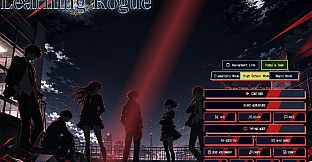
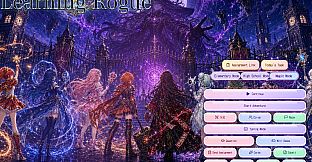
Três temas de história estruturam a experiência principal de roguelike. A história da Escola Primária, a história do Ensino Médio e a história de Magia oferecem atmosferas, inimigos e desafios de baralho próprios. Os jogadores avançam por esses mundos completando objetivos de aprendizado, e o sucesso em uma área abre rotas e desafios em outras.
O avanço também libera uma série de minigames independentes. After-School Poker traz um jogo de cartas descontraído, Elementary Wanderer foca na exploração, Principal Showdown propõe confrontos diretos e Paper Airplane Battles exige precisão nos arremessos. Essas atividades rápidas adicionam variedade e recompensas extras ligadas ao progresso geral.
Elementos online como leaderboards, sessões cooperativas e corridas ficam disponíveis com conexão à internet, oferecendo camadas competitivas ou colaborativas para quem quiser. O progresso single-player é salvo localmente, sem sincronização entre plataformas.
Sistemas Adicionais e Suporte
As opções de exibição incluem japonês, hiragana e inglês para atender diferentes preferências linguísticas durante as atividades de aprendizado. O suporte a controle Xbox amplia a acessibilidade para quem prefere gamepad em vez de teclado e mouse. Alguns desafios de digitação exigem teclado físico para funcionar corretamente.
O jogo segue o modelo de compra única, sem restrições de tempo diário, permitindo sessões contínuas. Os requisitos de sistema são modestos: processador de 64 bits, no mínimo 4 GB de RAM e suporte a DirectX 11.
Vale a Pena Jogar?
LEARNING ROGUE é voltado para quem busca experiências single-player de estratégia que misturam deckbuilding roguelike e elementos educacionais. A integração direta dos desafios de aprendizado ao combate em cartas e à exploração dos mundos cria um ciclo único, ideal para quem valoriza progressão pensada em vez de ação acelerada.
Sem avaliações de usuários disponíveis no momento e com data de lançamento marcada como "em breve", a recepção ainda é incerta. Os recursos confirmados - múltiplos temas de história, variedade de minigames, síntese de cartas e opções flexíveis de prática - posicionam o título como uma escolha sólida para quem deseja unir hábitos de estudo à estratégia roguelike no PC. A ausência de limites de tempo e o suporte a controle favorecem sessões prolongadas tanto para estudantes dedicados quanto para gamers.
