




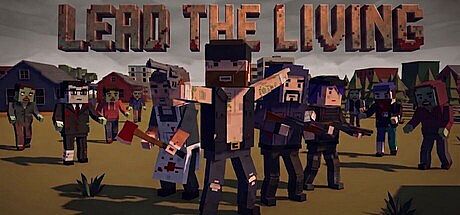






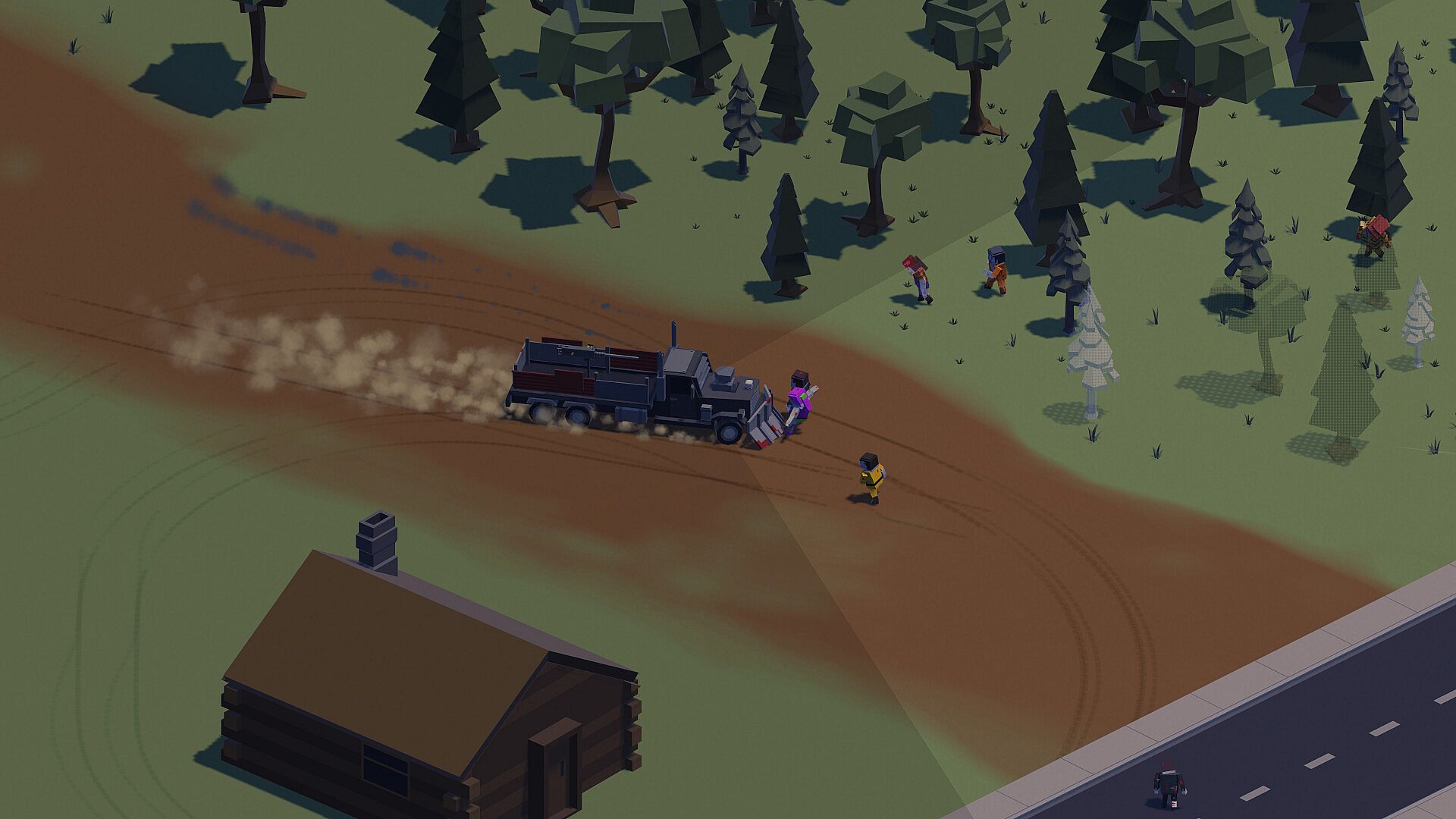
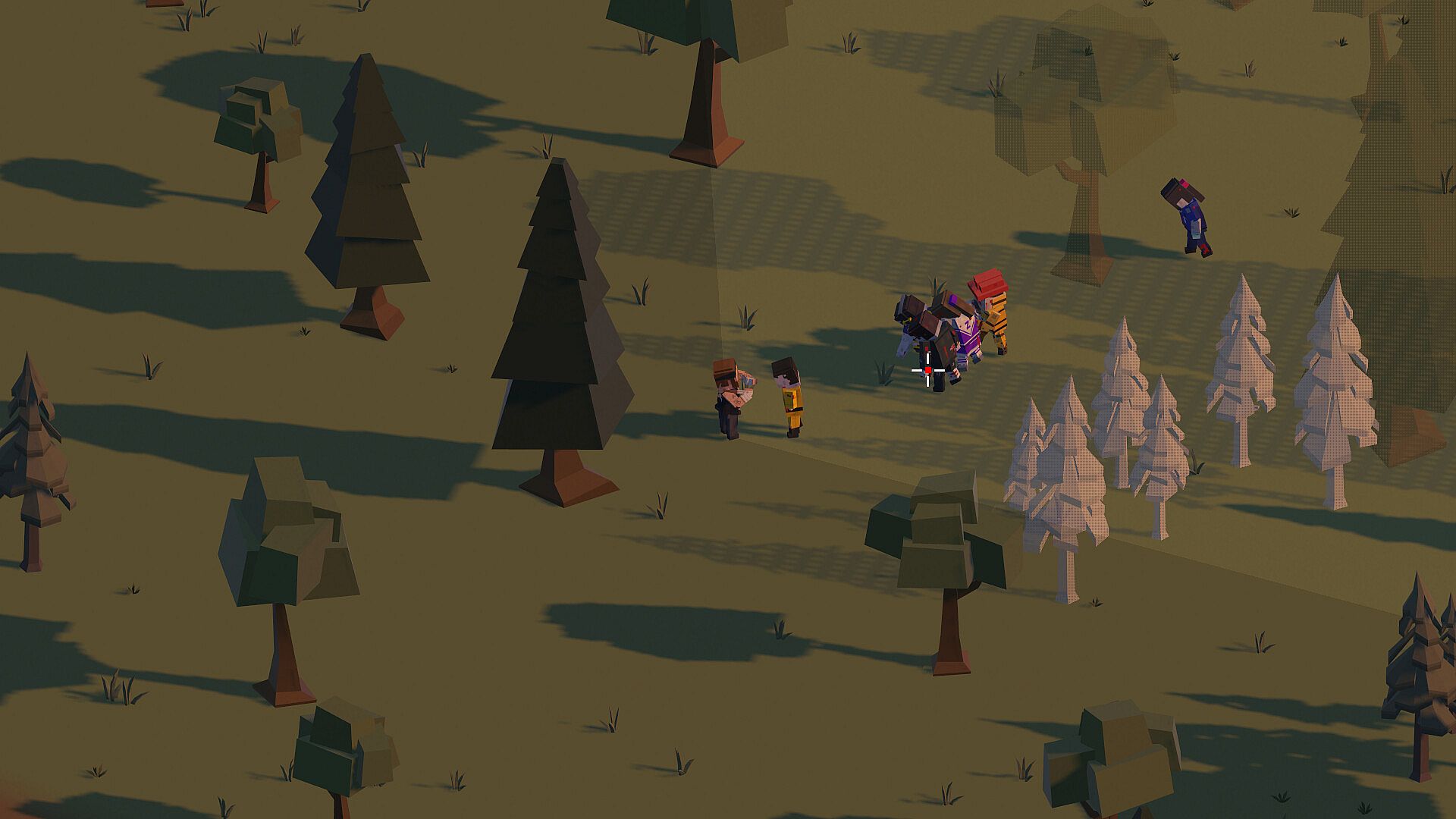




Lead the Living is an isometric zombie survival game that blends action, simulation, and adventure elements on PC. Players take charge of a small group of survivors in a world overrun by the undead, making decisions about scavenging, base construction, and community management while slow-moving zombies gather in response to any disturbance.
Gameplay
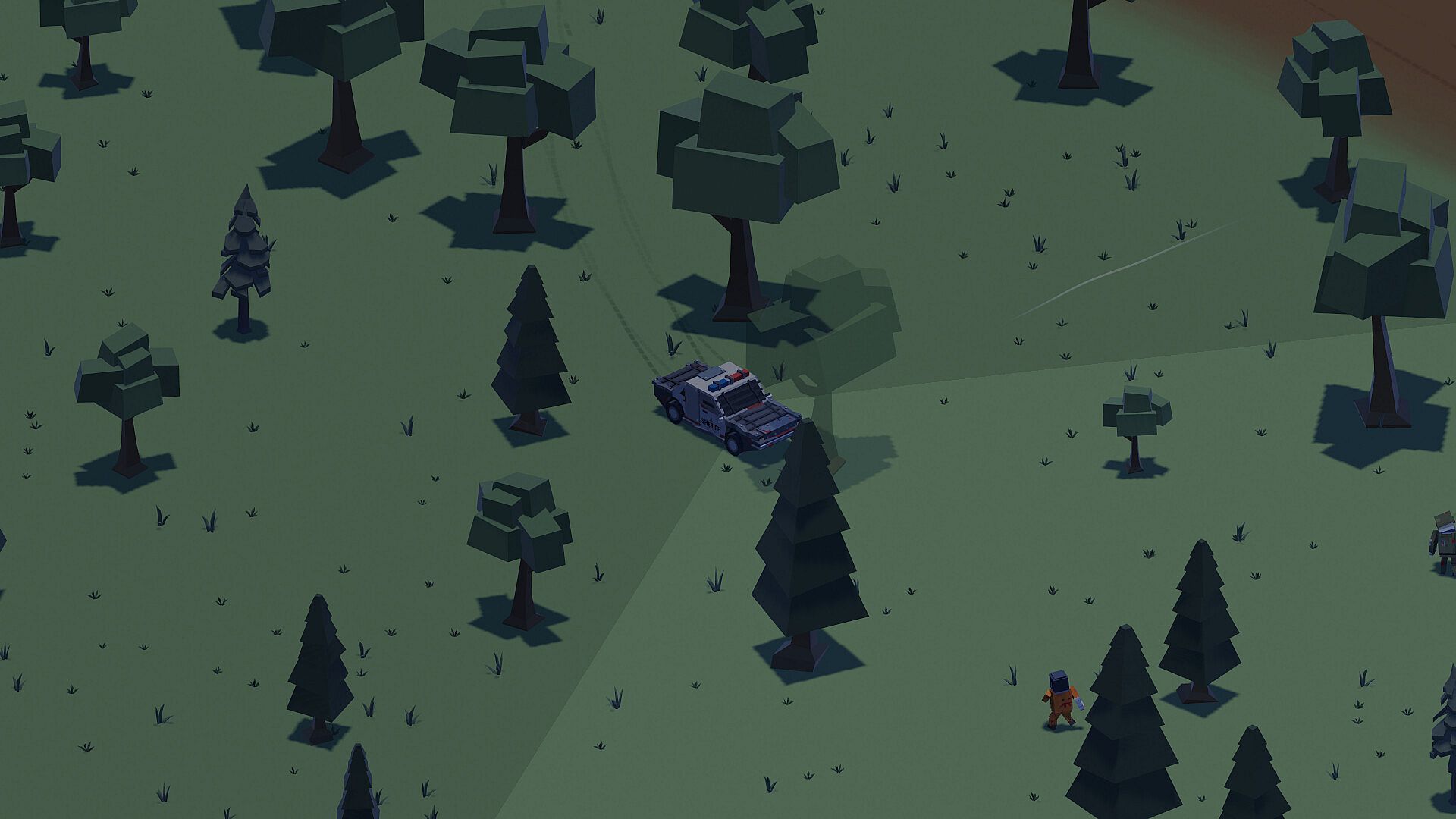
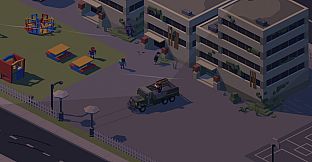
The core loop centers on venturing out from a makeshift base with limited supplies and returning with food, water, fuel, and building materials. These resources support daily needs for the survivors and fund expansions like walls and defenses. Each outing carries risk because the dead respond to noise, turning a single gunshot or engine start into a potential crisis that draws more walkers toward the settlement.
Survivors function as distinct individuals rather than generic units. Each person brings specific skills suited to tasks such as scavenging runs, construction work, or caring for the injured. New arrivals can join from encounters on the road or at the gate, but every member requires consistent feeding to maintain trust and productivity. Hunger leads to declining morale, and death remains permanent, forcing players to adapt by recruiting replacements rather than reviving lost members.
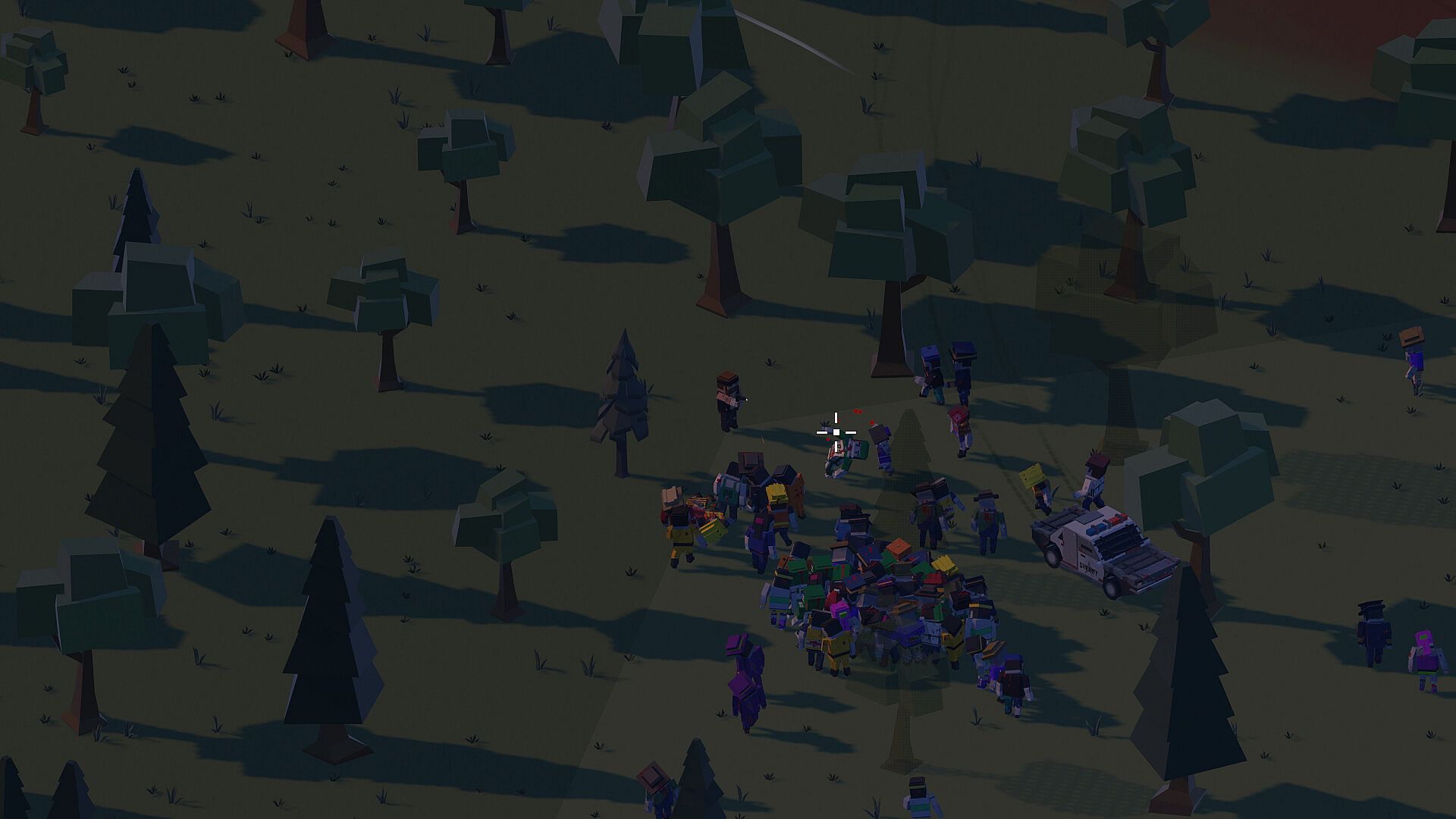
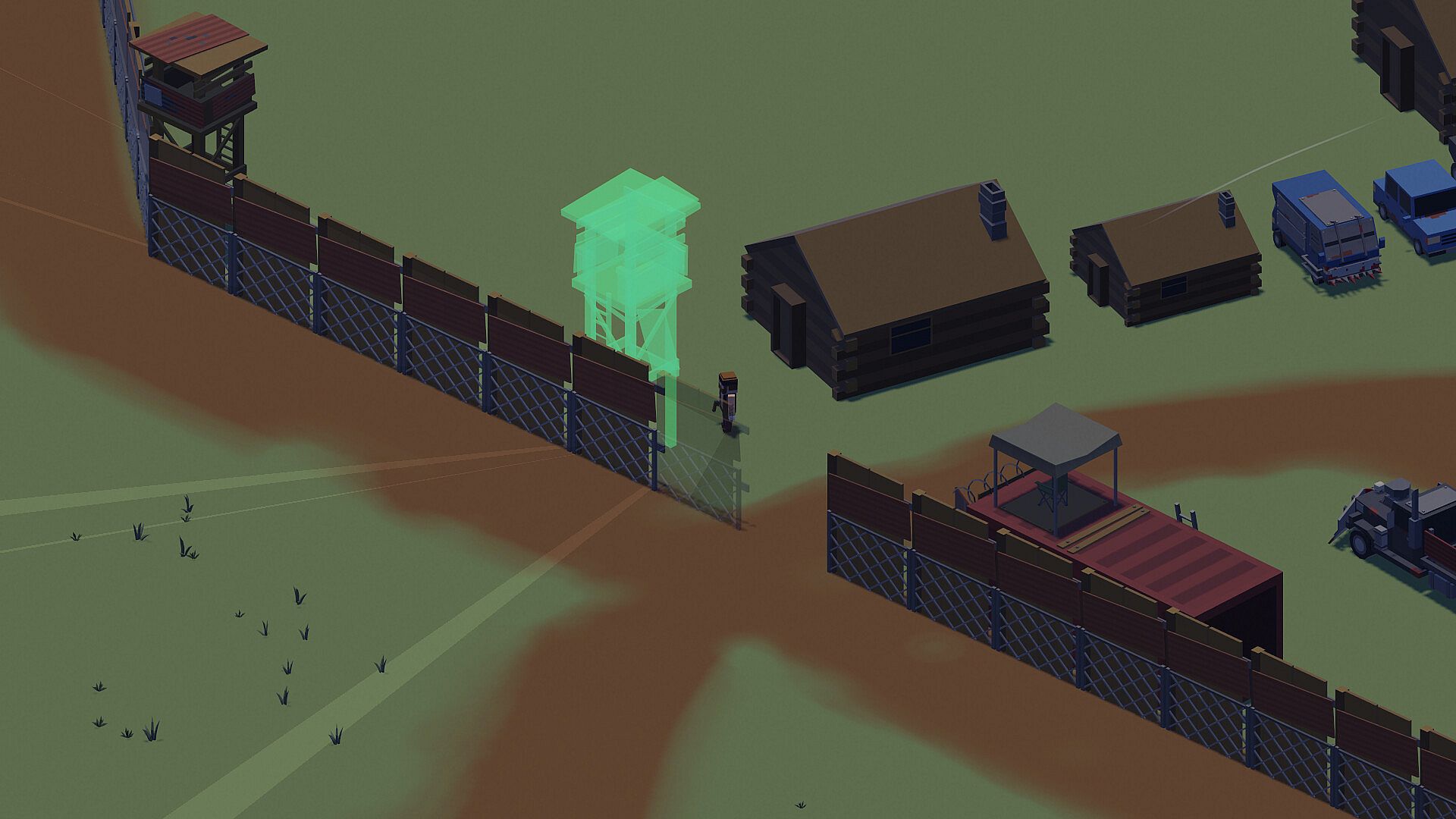
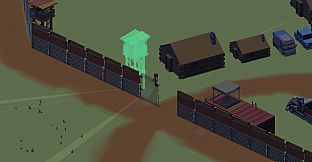
Base development involves placing walls, fences, and other structures by hand. These defenses serve practical purposes during attacks, as damage creates vulnerabilities that must be addressed before the next wave arrives. The map outside the base features drifting herds of the dead that move independently, increasing the challenge of maintaining a secure perimeter over multiple cycles of survival.
Game Modes
The experience revolves around repeated runs that begin from scratch after each failure. There are no separate named modes or competitive elements; instead, the structure emphasizes a continuous single-player loop of exploration, resource allocation, and defense against accumulating threats. Each attempt builds on lessons from prior losses, with growing demands from an expanding group of survivors and diminishing returns from the outside world.
Core Mechanics and Systems
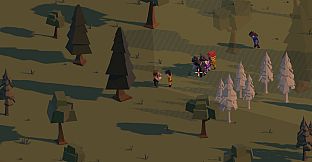
Noise management forms a central tension. Players decide when to use loud tools or weapons, knowing that every sound risks attracting larger groups of slow but persistent walkers. Herds form naturally on the map and do not disperse once they reach the base, turning early mistakes into long-term problems.
Scavenging runs start with an empty inventory and focus on collecting essentials that directly feed into base upgrades and daily sustenance. The process repeats with increasing scale: more survivors mean higher consumption, thicker defenses, and fewer untouched areas left to explore. This creates a tightening pressure that rewards careful planning and punishes overextension.
Community dynamics add another layer. Assigning roles based on individual strengths helps efficiency, yet every decision about who stays, who works, and how supplies are distributed influences overall stability. The permanent loss of any survivor shifts the balance, requiring fresh recruitment to fill gaps in skills or numbers.
Is It Worth Playing?
Lead the Living suits players drawn to deliberate survival management and roguelike consequences rather than fast-paced action or story-driven campaigns. The emphasis on resource scarcity, base vulnerability, and irreversible losses creates a grounded challenge where success depends on consistent oversight of both the living and the encroaching dead. Those who appreciate systems that grow more demanding with each cycle of survival will find the loop engaging, while players seeking lighter or multiplayer-focused experiences may prefer other titles. The game remains available on PC with its described mechanics intact.