







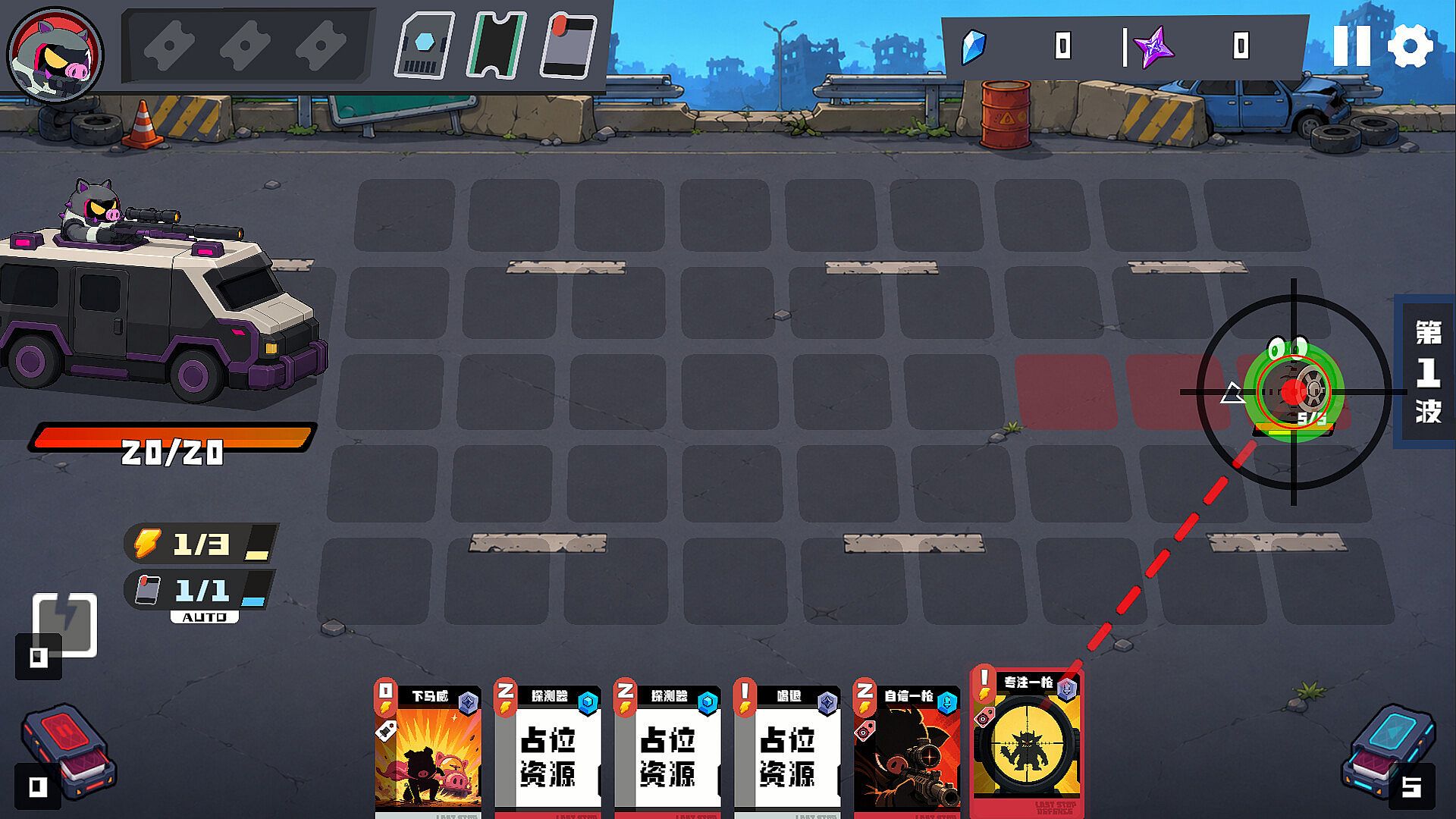
Last Stop Defence is a single-player strategy game that blends card deck building with grid-based tower defense on PC. Players select heroes and construct decks to fend off advancing enemy waves across a series of chapters, managing limited energy to play cards that attack, deploy units, or reposition forces on the battlefield.
Gameplay
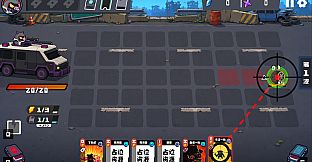
The core loop centers on turn-based decisions on a grid where enemies move forward according to an action timer. Each card play consumes energy, forcing players to balance immediate threats against long-term positioning. Cards enable direct attacks, minion deployments that occupy spaces, movement commands, or status effects that alter enemy behavior or ally performance. Success depends on timing plays to intercept breakthroughs while preparing for subsequent waves through careful resource allocation.
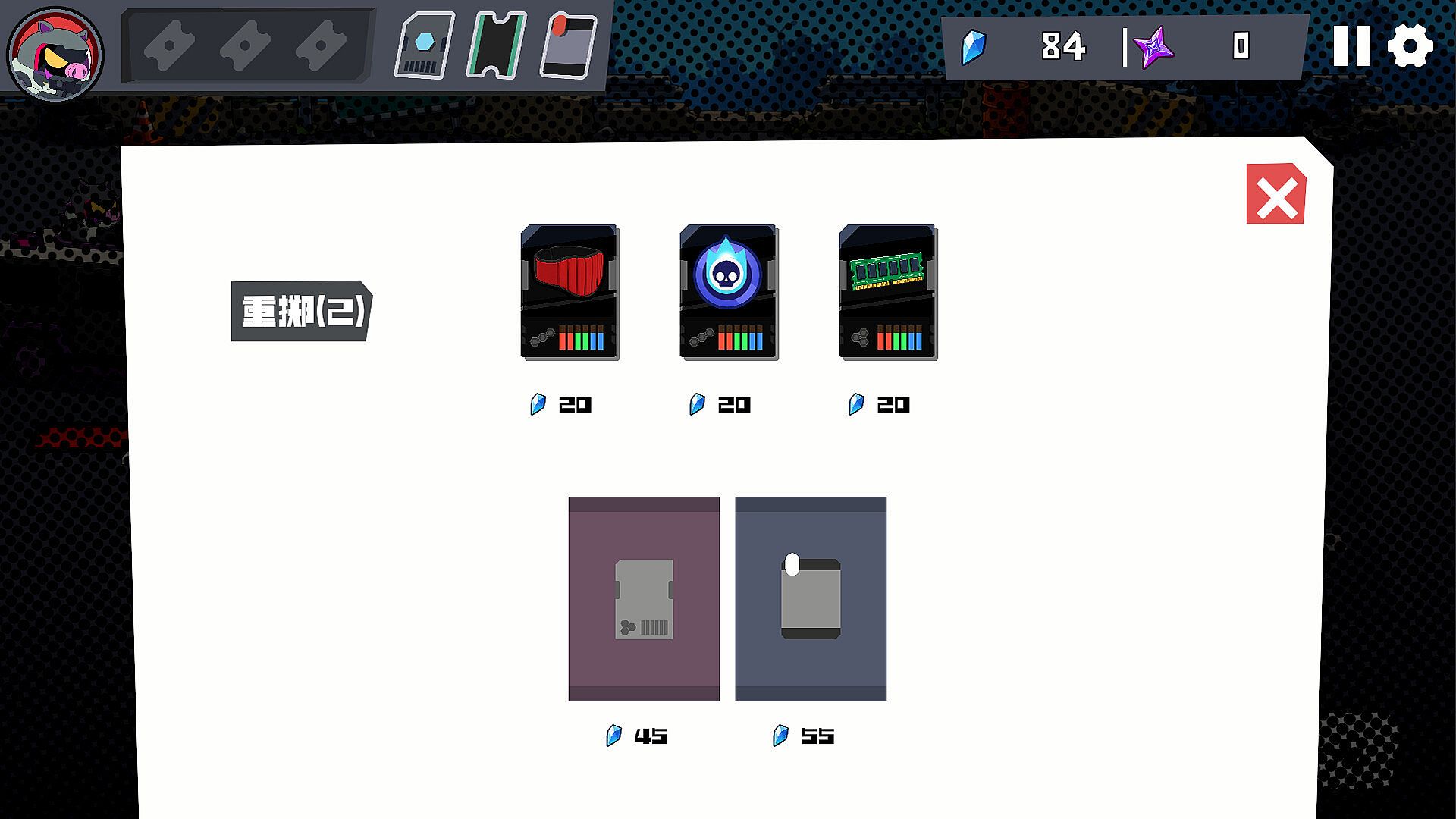
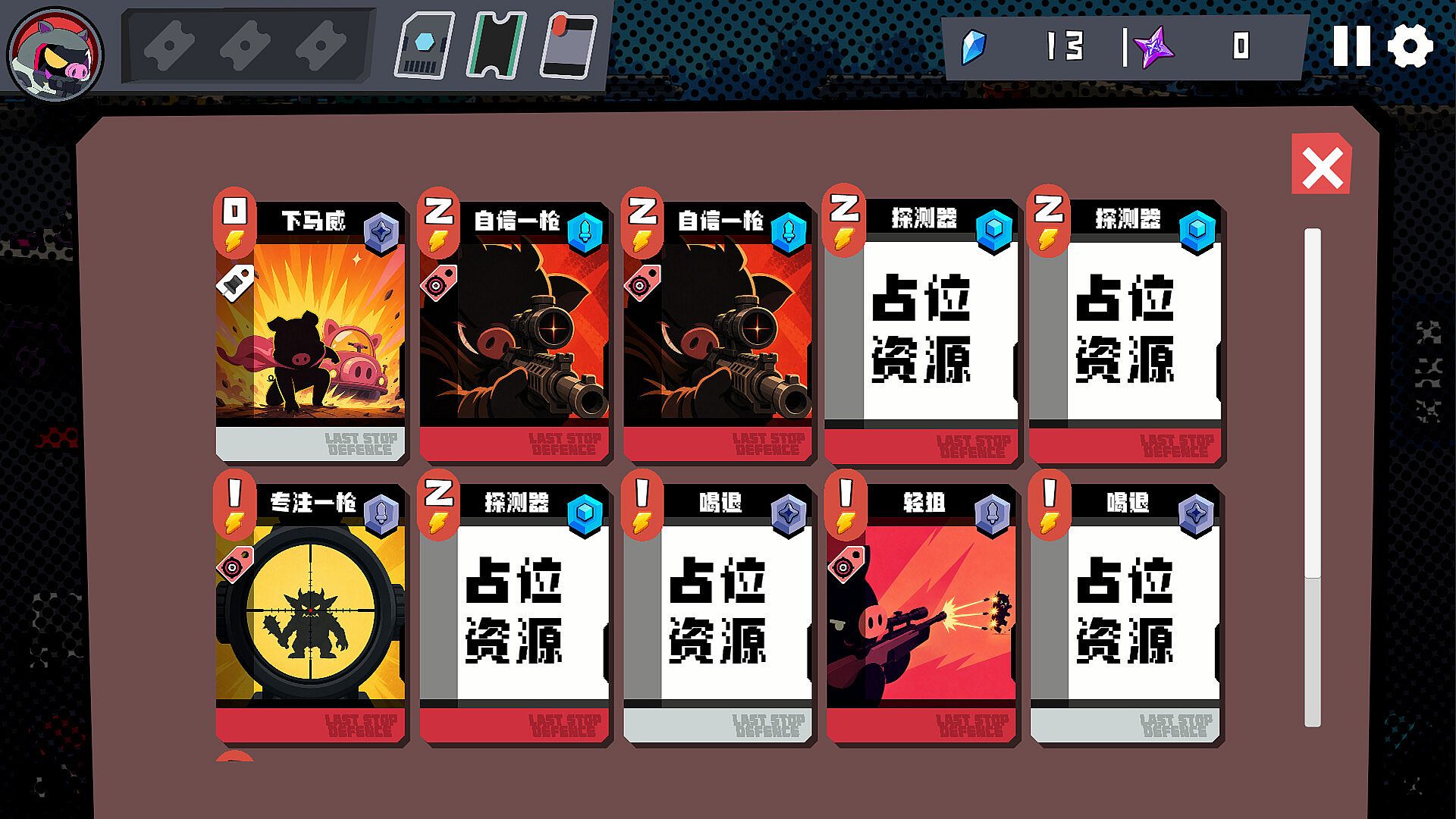
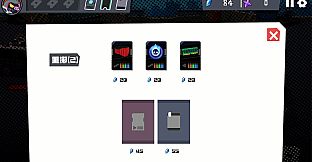
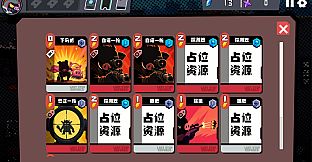
Heroes provide the foundation for each run, each bringing exclusive cards and passive abilities that shape available strategies. These pair with a pool of generic cards collected during play, allowing customization that emphasizes synergies between direct damage, summoned units, and control effects. Between levels, a shop offers opportunities to add or swap cards, refining the deck to handle upcoming challenges more effectively.
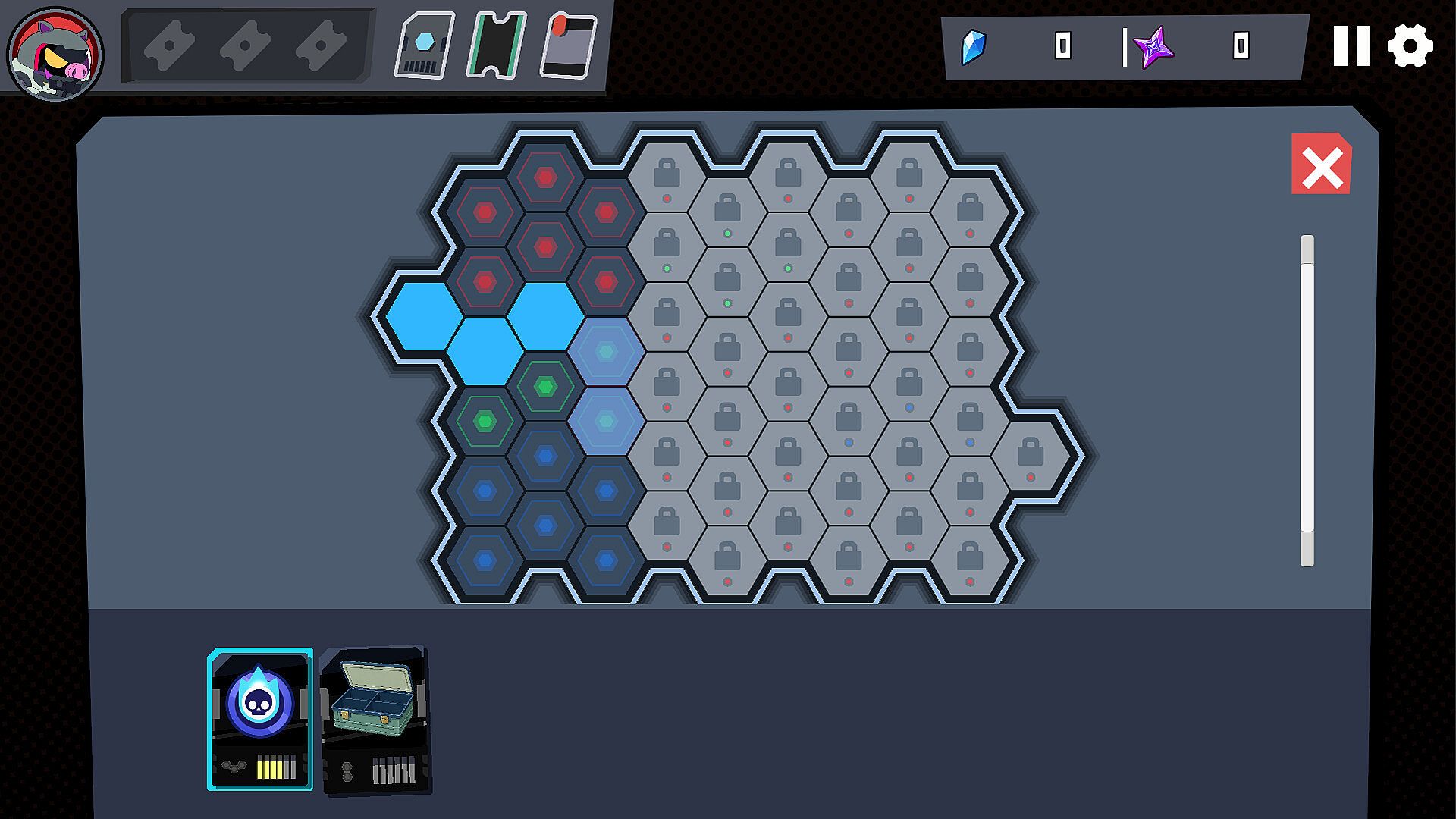
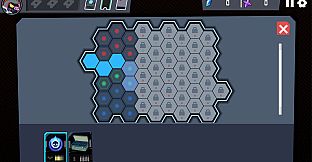
An additional layer comes from ability modules that slot into color-coded positions on the hero or other elements. Matching colors activates specific bonuses, creating further combinations with existing cards and battlefield states. Players experiment with different module arrangements as their deck evolves, testing how these enhancements interact with energy costs and enemy patterns across multiple attempts.
Game Modes
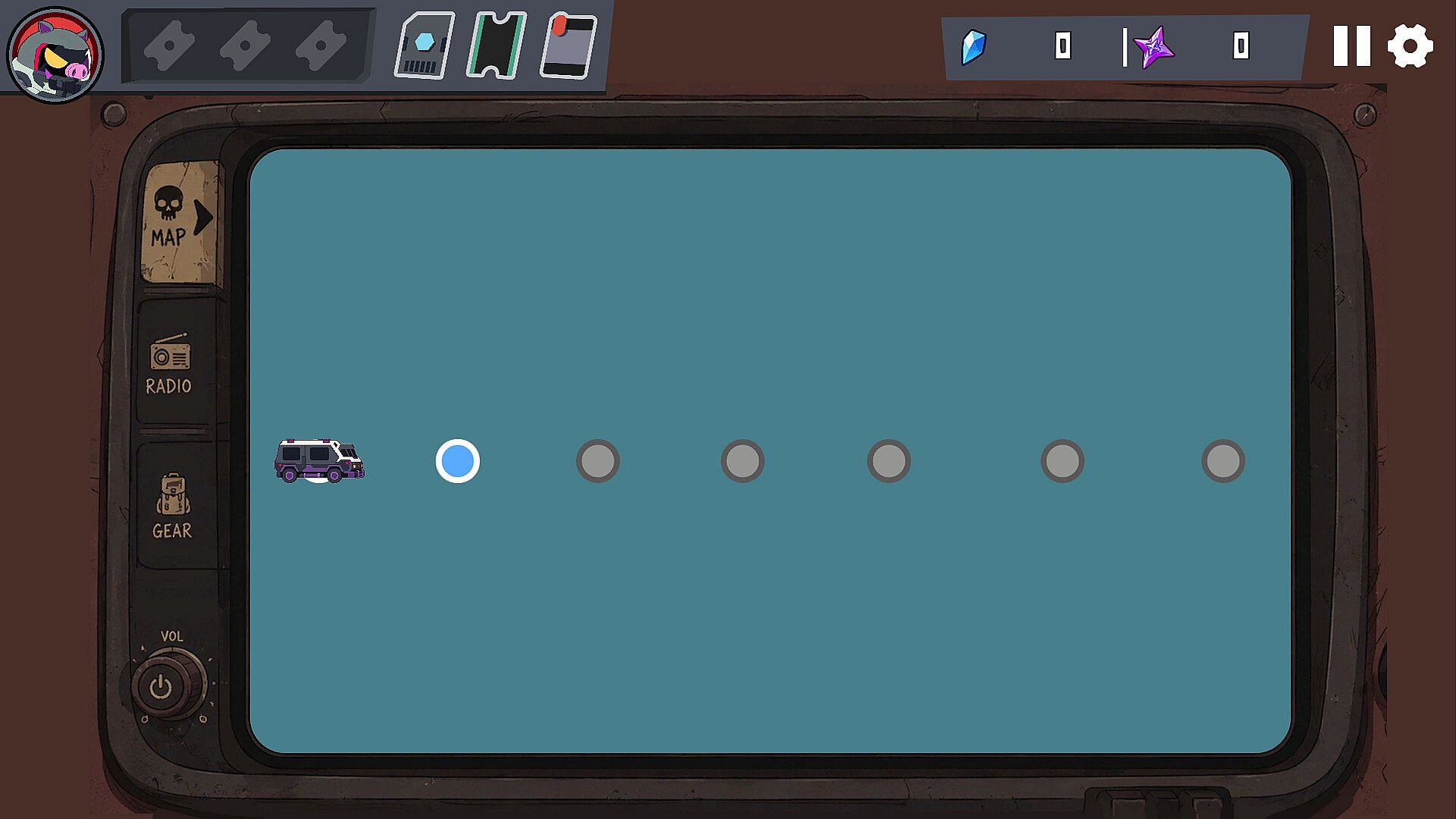
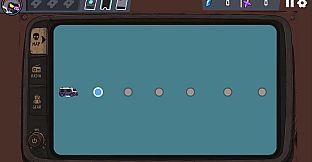
The game structures its content as a single-player campaign divided into chapters on a map. Each chapter presents sequential levels where players must survive multiple enemy waves using their current deck and modules. Progression involves clearing these encounters, then using post-battle resources to adjust the build before advancing.
Within levels, the emphasis remains on reactive play on the grid, adapting to enemy skills and movement timing rather than static setups. The roguelike elements encourage repeated runs with variations in card and module availability, promoting different hero choices and deck compositions to discover viable paths through the chapters.
Key Mechanics and Systems
Energy management dictates every action, requiring players to weigh the cost of an attack card against deploying a minion or repositioning an existing unit. Enemy waves introduce variety through timed advances and abilities, pushing decisions on whether to focus fire on priority targets or spread effects across groups. The grid layout adds spatial considerations, as minion placement can block paths or create chokepoints while attacks must account for positioning.
Deck building extends beyond initial selection, with ongoing adjustments that reward observation of enemy patterns. Modules expand options by providing conditional power-ups tied to slot colors, encouraging players to rearrange configurations as new cards enter the collection. This system supports iterative refinement without overhauling the entire approach each time.
Is It Worth Playing?
Last Stop Defence targets players who enjoy hybrid strategy experiences combining deck construction with tactical positioning on a battlefield. Its single-player focus and emphasis on adapting builds across chapters suit those who prefer thoughtful planning over fast-paced action. With a planned release in January 2027 and a demo available for preview, interested players can assess the energy-based card play and module system firsthand before committing.
The absence of multiplayer or additional modes keeps the experience streamlined around the core campaign loop. For fans of indie strategy titles that reward experimentation with card synergies and spatial decisions, the game offers a focused alternative to larger productions. Current information indicates steady development toward its release date, with no reported delays or changes to the described systems.