




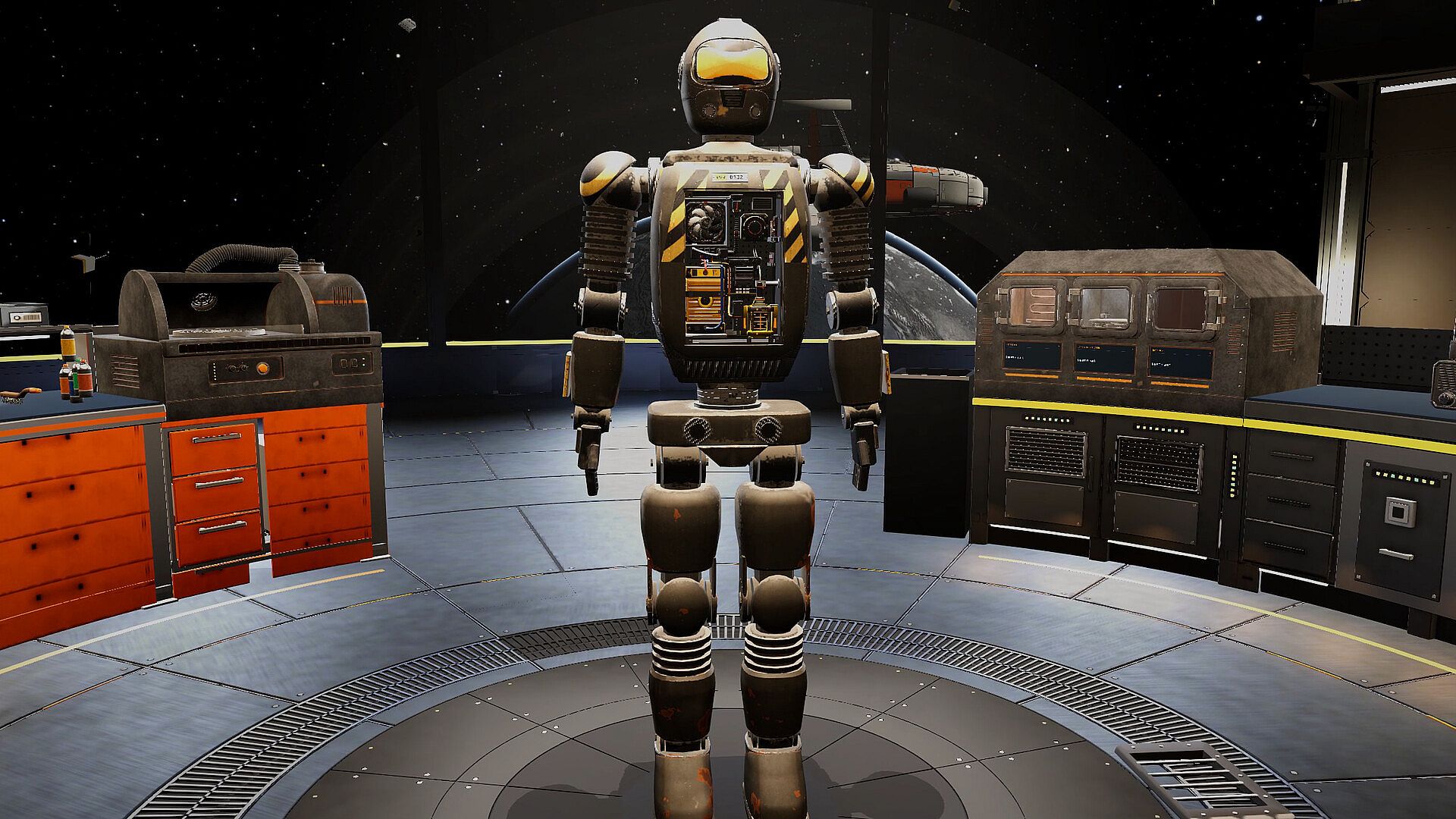
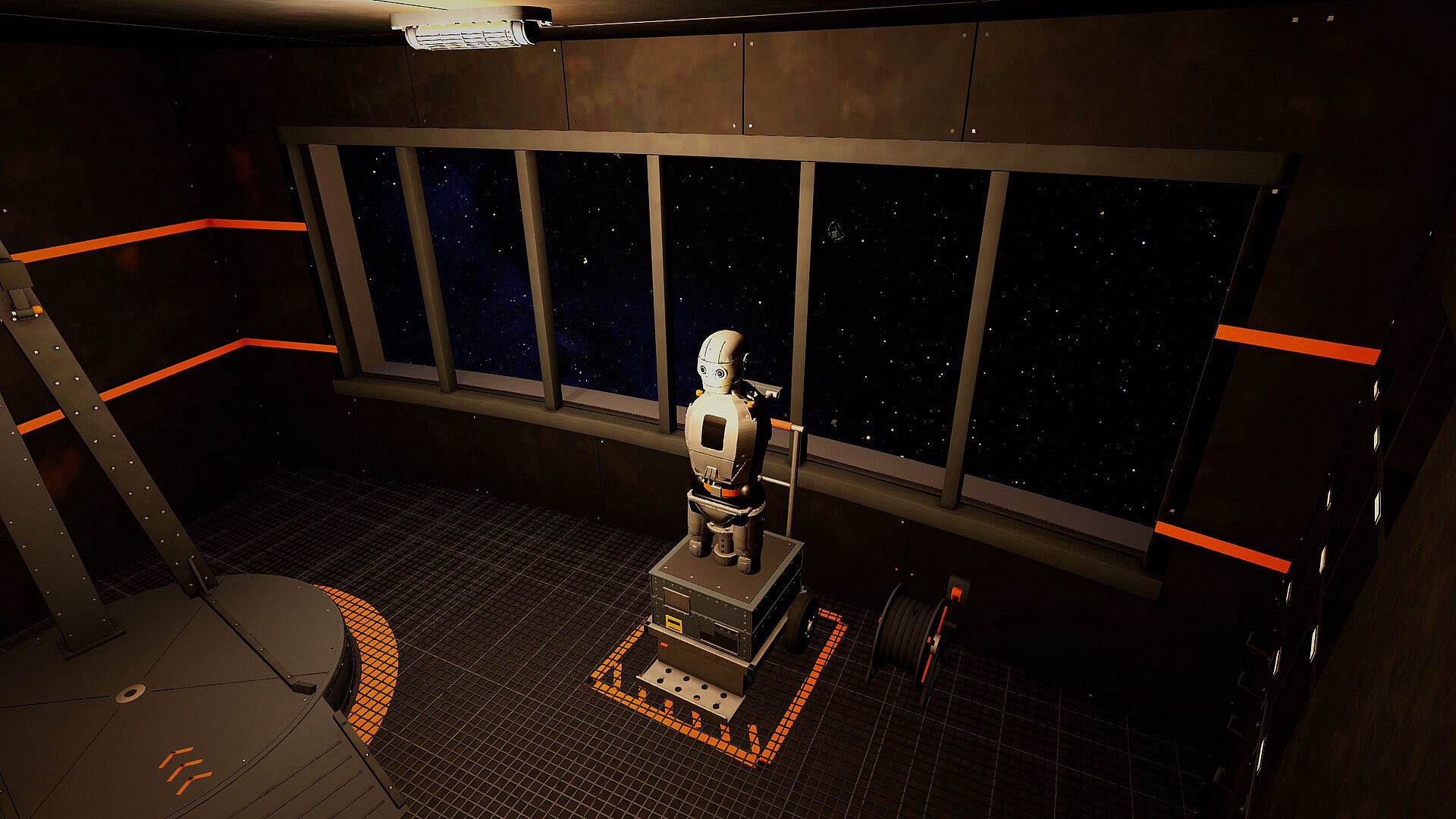
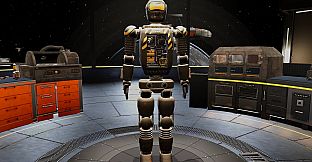
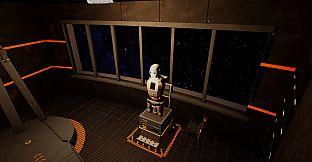
Last Orbit Repairs is an indie simulation game that places players in the role of a solitary technician in a domed workshop orbiting a dark, dead Earth. This first-person experience focuses on diagnosing and fixing broken androids that arrive with only an owner's complaint as guidance. The title emphasizes careful observation, tool use, and decision-making over combat or exploration, appealing to those who enjoy methodical repair mechanics in a quiet sci-fi setting.
Gameplay
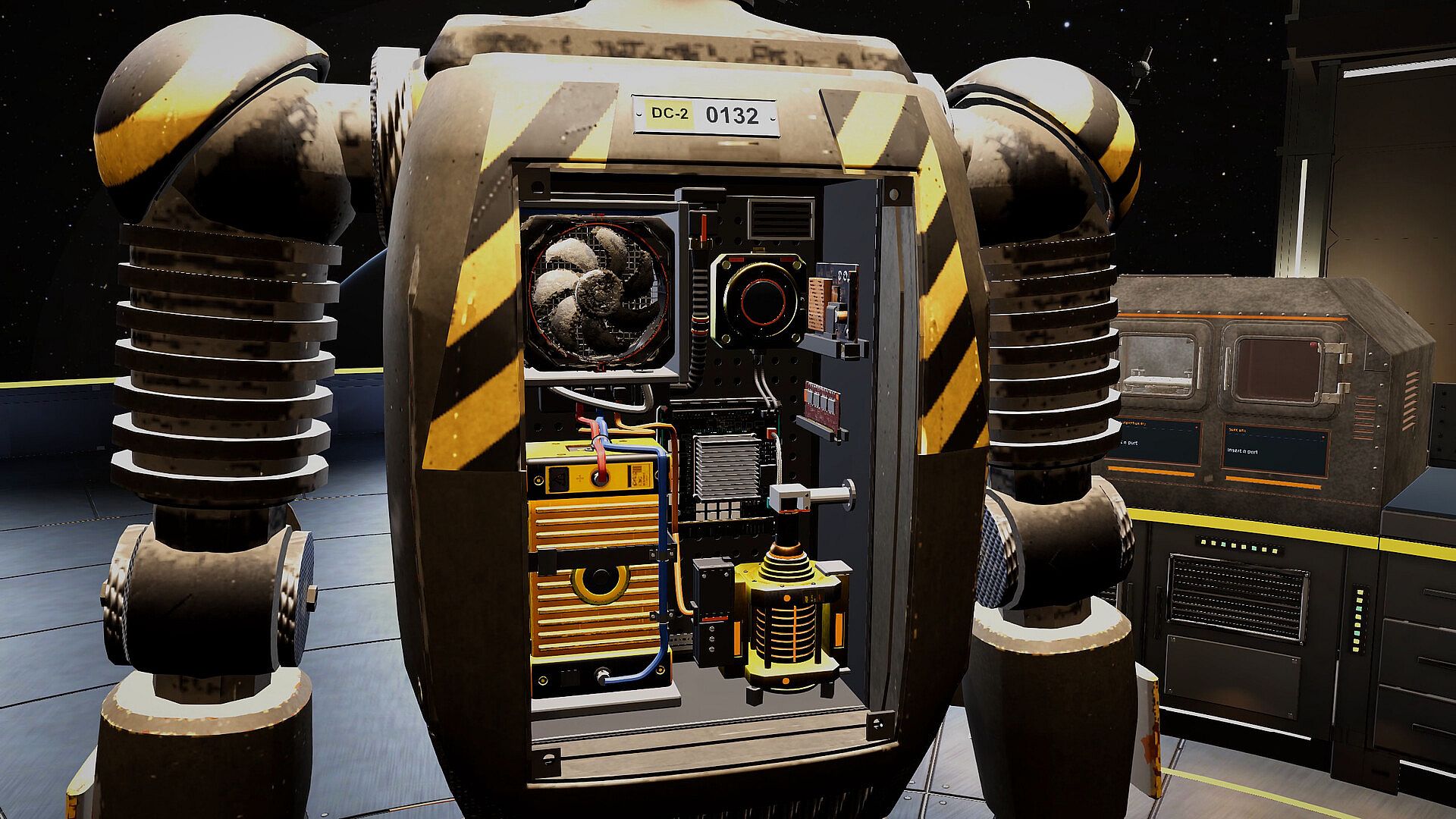
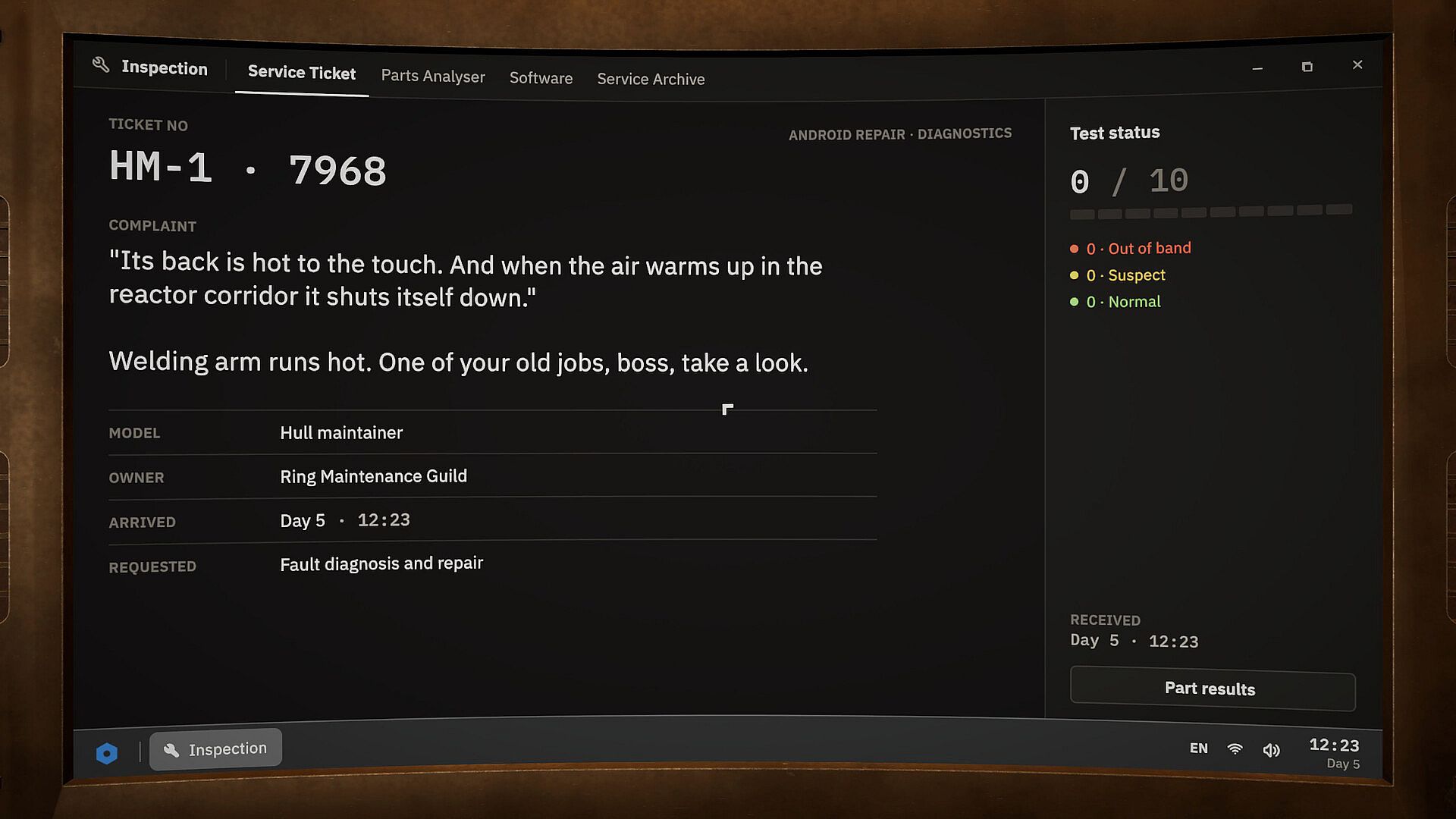
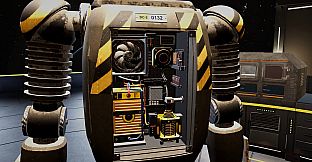
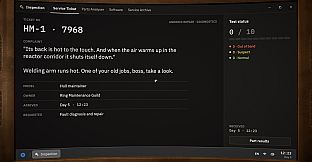
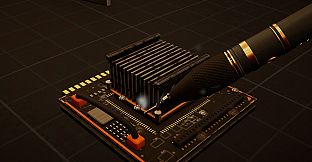
Players begin each job by reading the complaint note that accompanies the arriving android. The process starts with opening the chest panel using a wrench to inspect internal components for visible issues such as dust, rust, burn marks, or loose connections. Faulty parts may appear normal at first glance, requiring further investigation through dedicated testing equipment on the workbench.
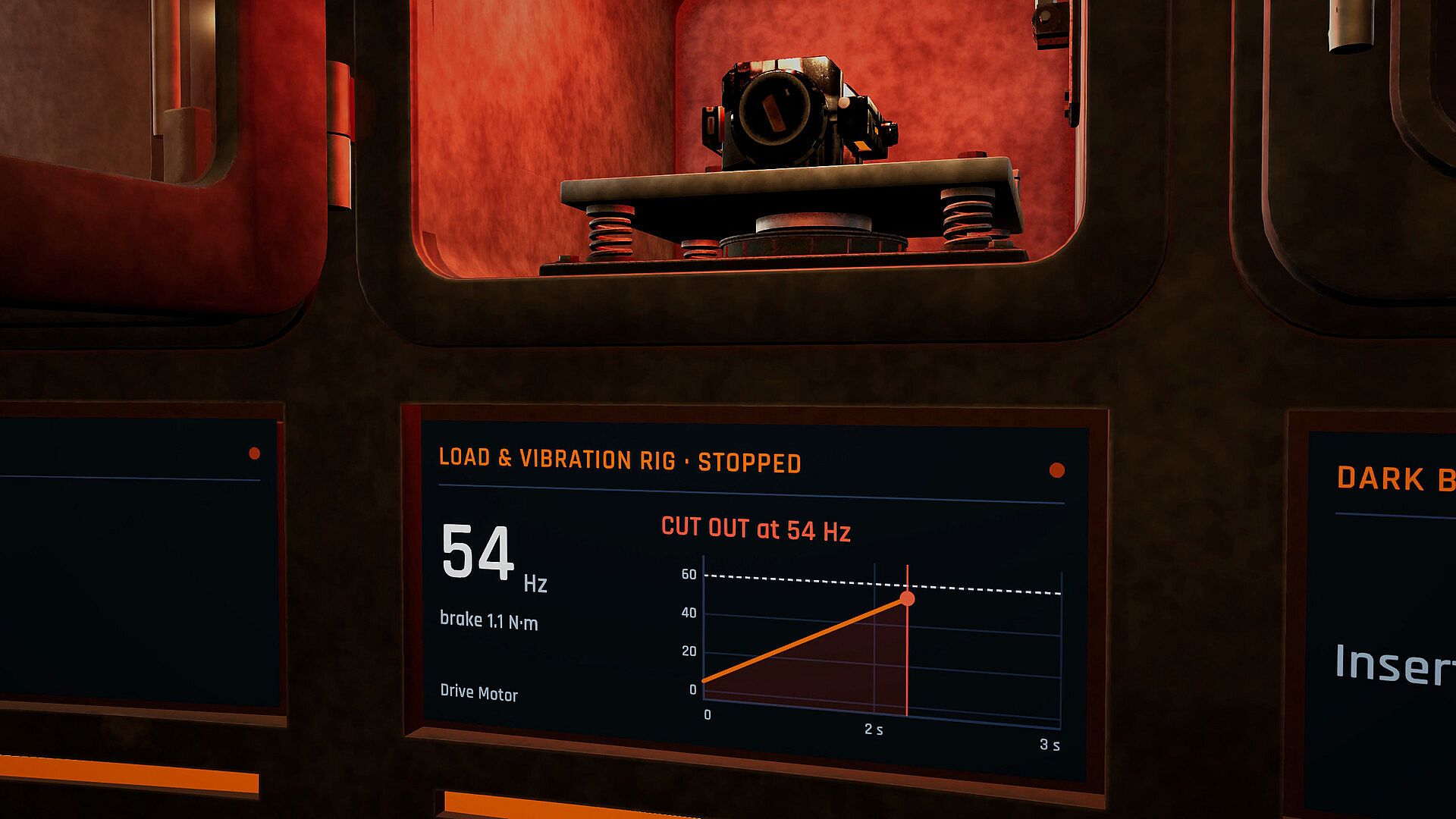
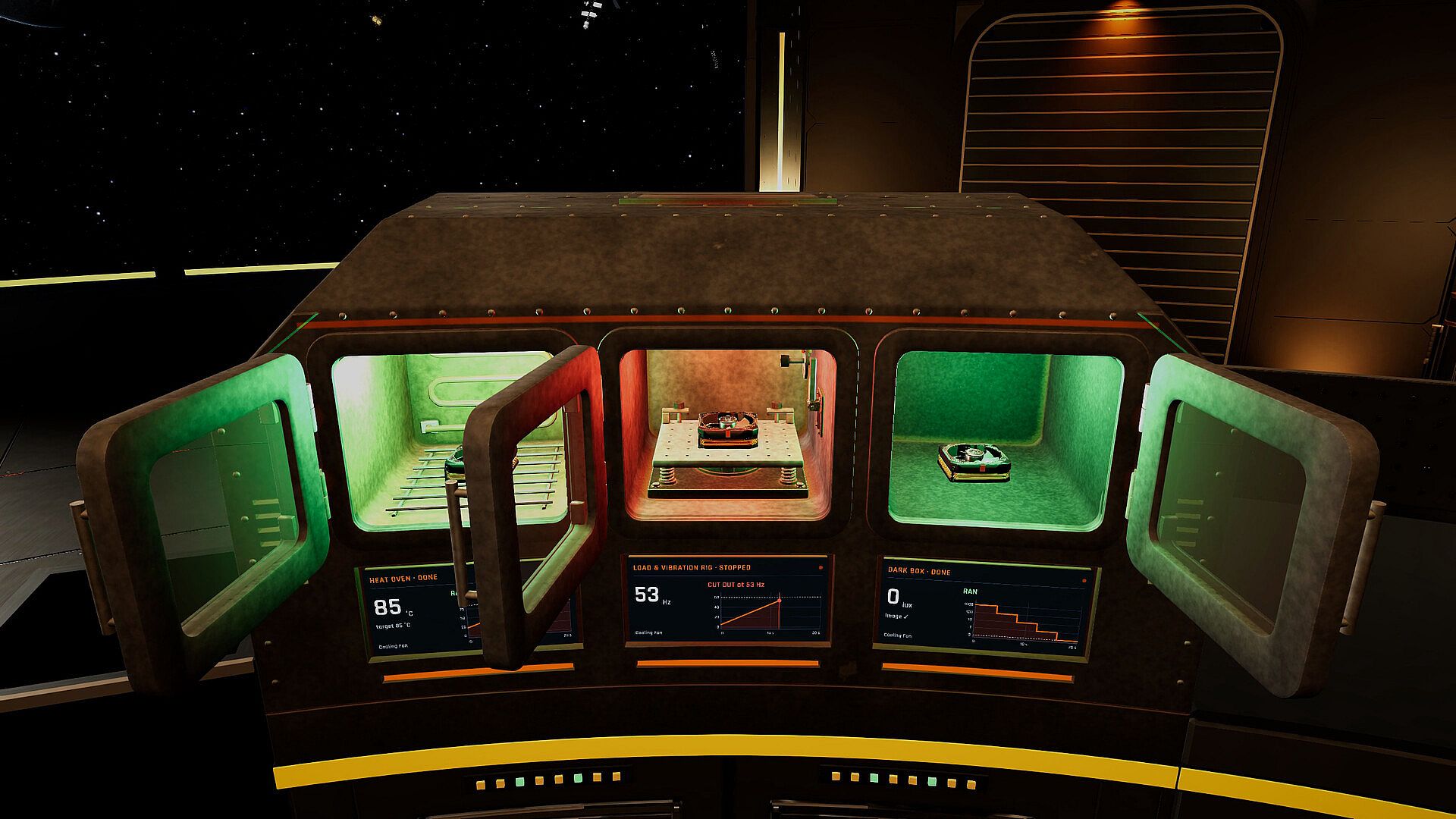
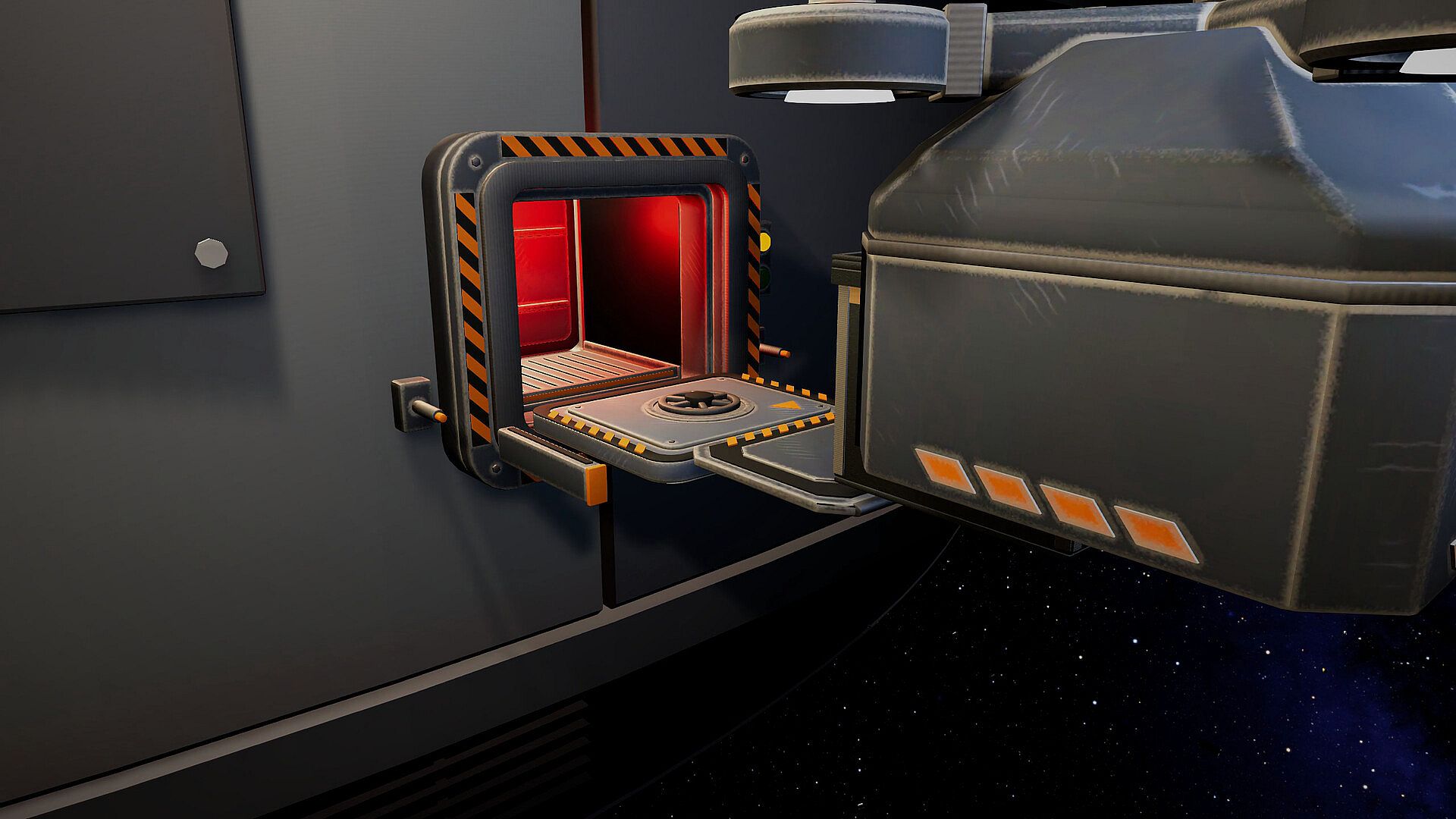
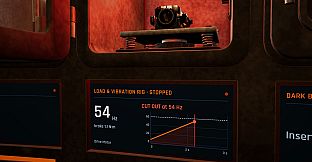
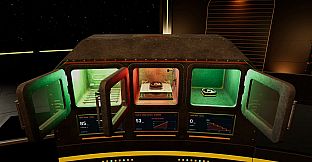
Once a suspect part is removed, it goes into the part tester for an initial check. If the tester identifies the fault, the diagnosis is complete. Hidden problems that pass this initial test demand additional steps, including placement in specialized machines like the heat oven, load and vibration rig, or dark box. These devices run independently, displaying live graphs that reveal issues over time while the player attends to other tasks.
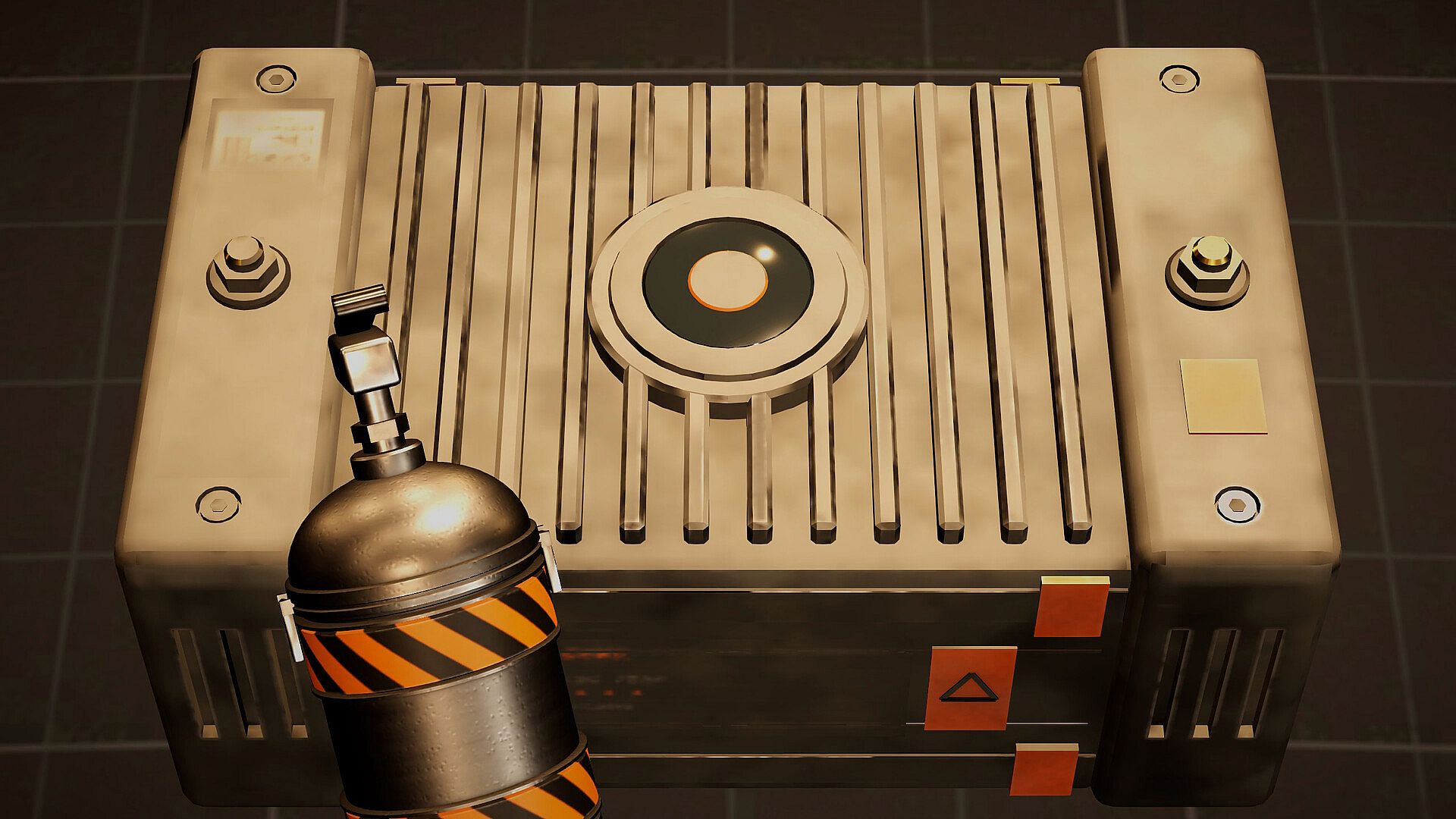
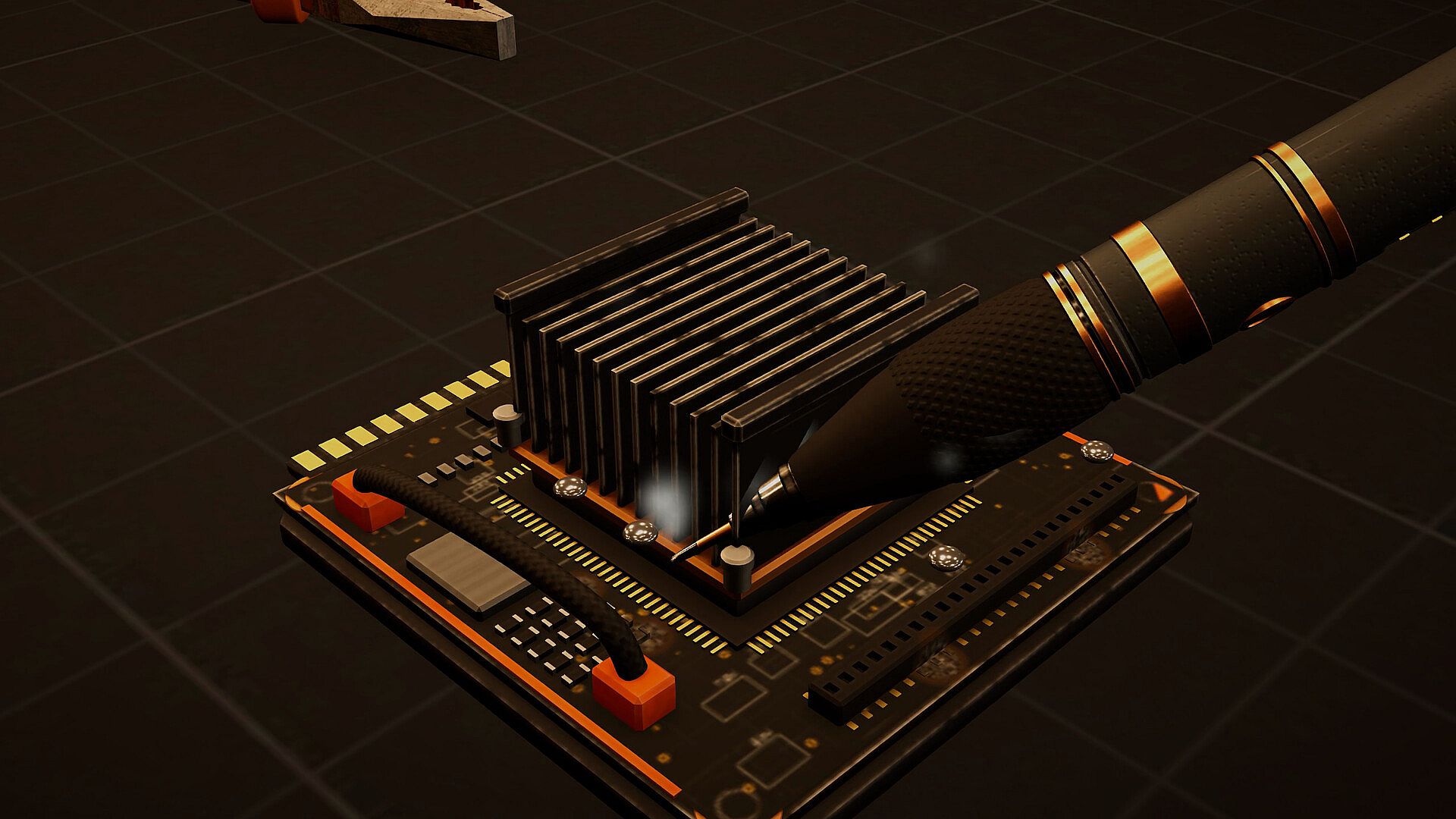
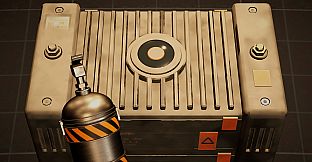
Repair decisions follow diagnosis. Tools at the bench handle specific needs, from brushing away dust and wiping grime to soldering joints, scraping thermal paste, or updating firmware via the inspection computer. Irreparable parts go down the scrap chute, replaced by new ones ordered through the workshop computer and unpacked from arriving crates. A final scan arm checks the android before return, with errors triggering refunds and repeat visits.
Financial management forms a core loop. Each completed job provides payment for labor and parts plus a tip, offset by daily rent and power costs. Upgrades and storage expansions improve efficiency over time. An upstairs helper robot named Sekiz can be assembled piece by piece from ordered components, eventually handling simpler repairs independently.
Game Modes
The experience centers on a continuous single-player workflow without separate competitive or cooperative modes. Jobs arrive sequentially in the workshop, building a routine of intake, diagnosis, repair, and delivery that repeats with increasing complexity as resources and tools improve. The structure encourages steady progression through the repair cycle rather than branching scenarios or timed challenges.
Memory cards found in each android add a layer of optional engagement. Inserting these into the inspection computer reveals protected records, some voiced, which populate a personal archive on the office computer. These entries provide background on nearby stations and the workshop's history without altering the main repair tasks.
Setting and Progression
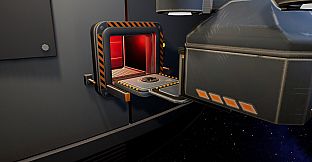
The domed workshop serves as the entire playable space, with stations for panel work, testing, ordering, and archiving. Androids arrive via cargo airlock, and crates deliver parts or upgrades as needed. The environment remains focused and contained, supporting repeated visits to the same tools and areas as skills develop.
Progression comes through accumulated earnings that fund better equipment and the gradual assembly of the helper robot. Sekiz reduces workload on basic jobs once operational, allowing focus on more demanding repairs. Daily expenses create ongoing pressure to maintain a steady flow of successful jobs.
Is It Worth Playing?
Last Orbit Repairs targets players who appreciate detailed, hands-on simulation without action elements or multiplayer components. The core loop of complaint review, internal inspection, testing, and precise repairs offers a meditative pace suited to those interested in mechanical problem-solving and resource management. As a single-player title still listed as coming soon, it currently has no user reviews or completed play data available. Those drawn to similar repair-focused simulations may find the described systems engaging once released, particularly the integration of diagnostic tools and the quiet narrative elements from memory cards. Availability on PC with features such as Steam Achievements and Steam Cloud supports straightforward access for interested players.