




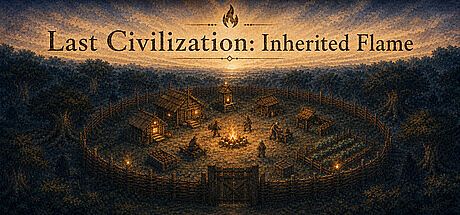


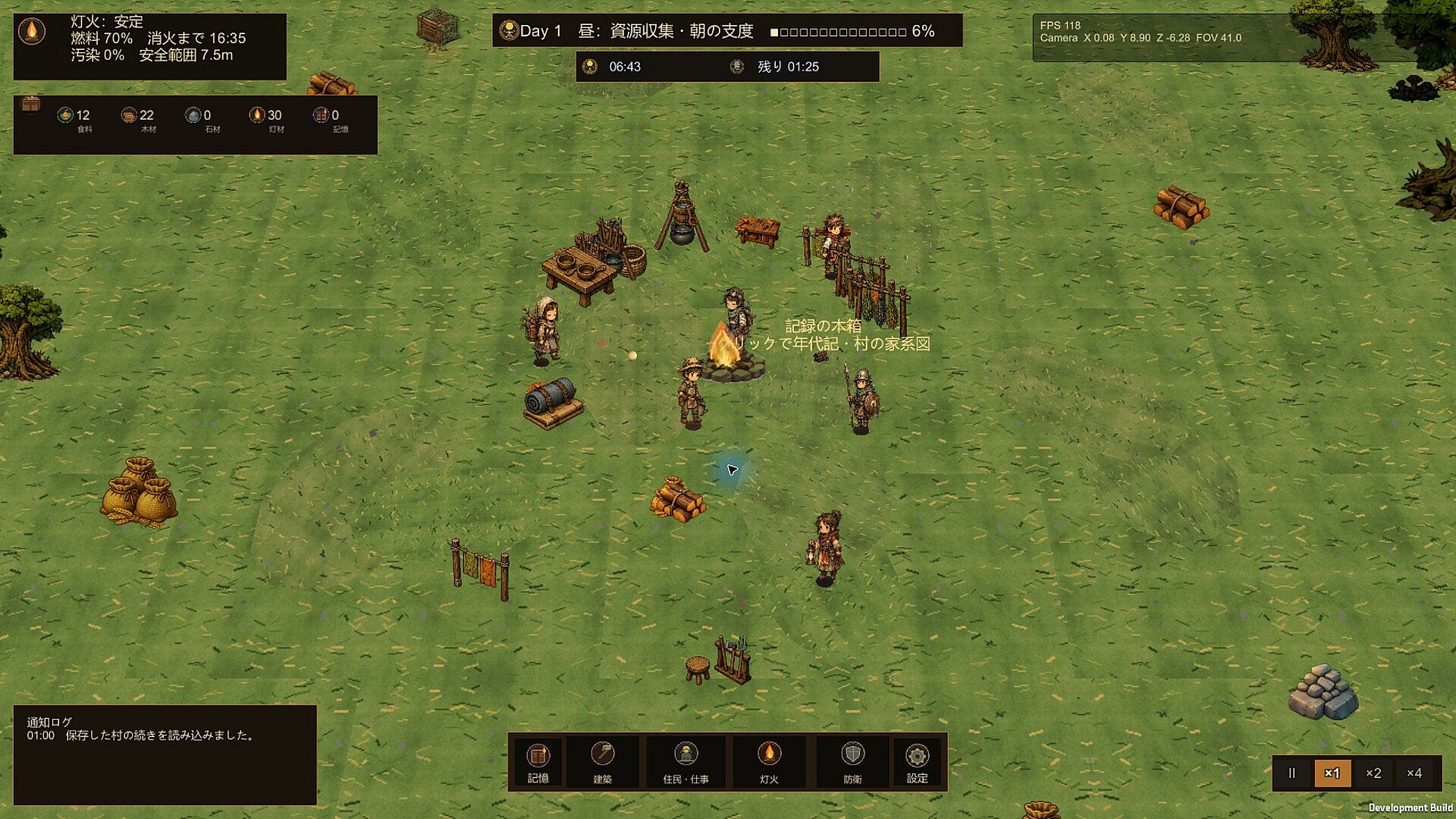
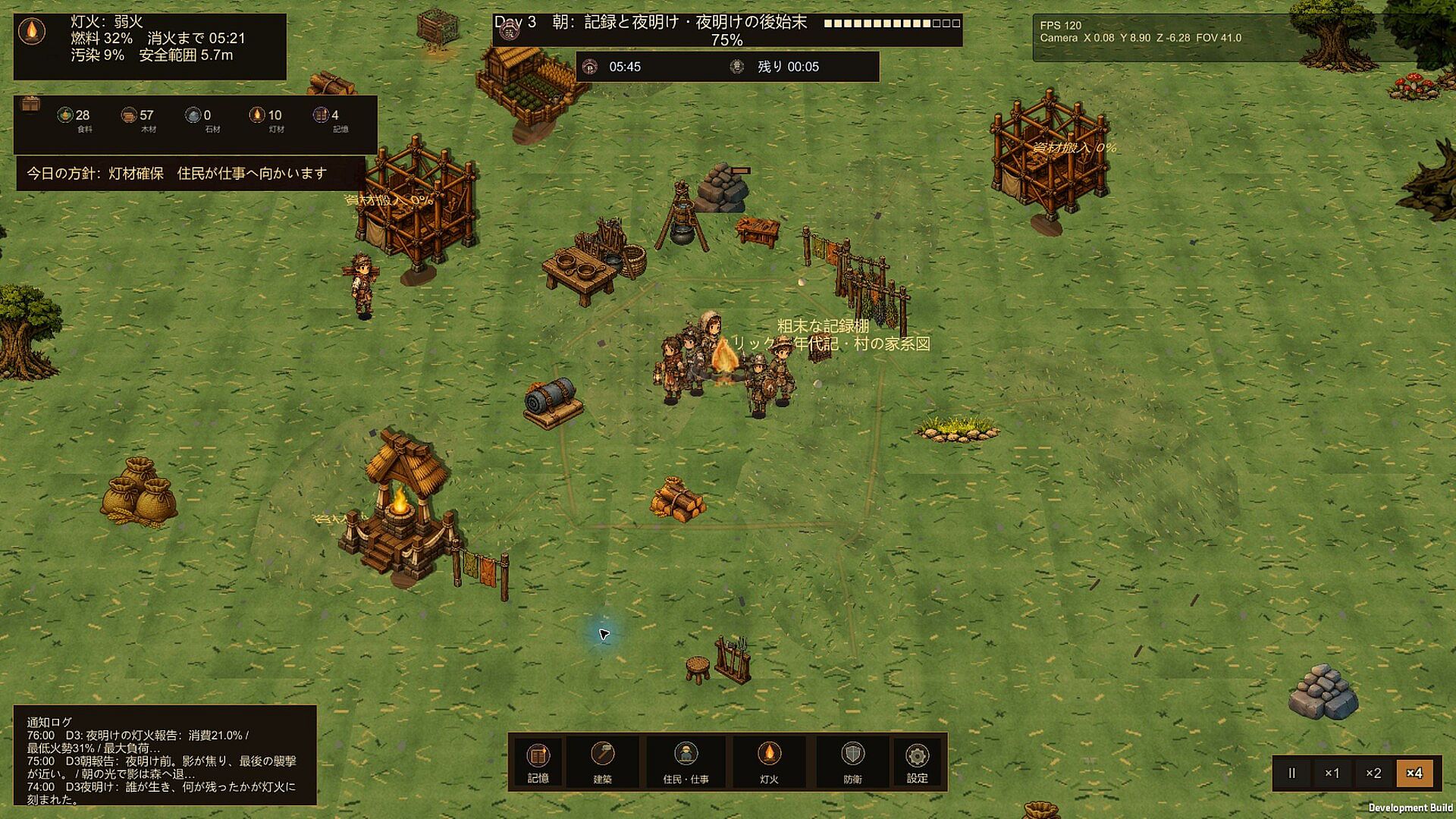
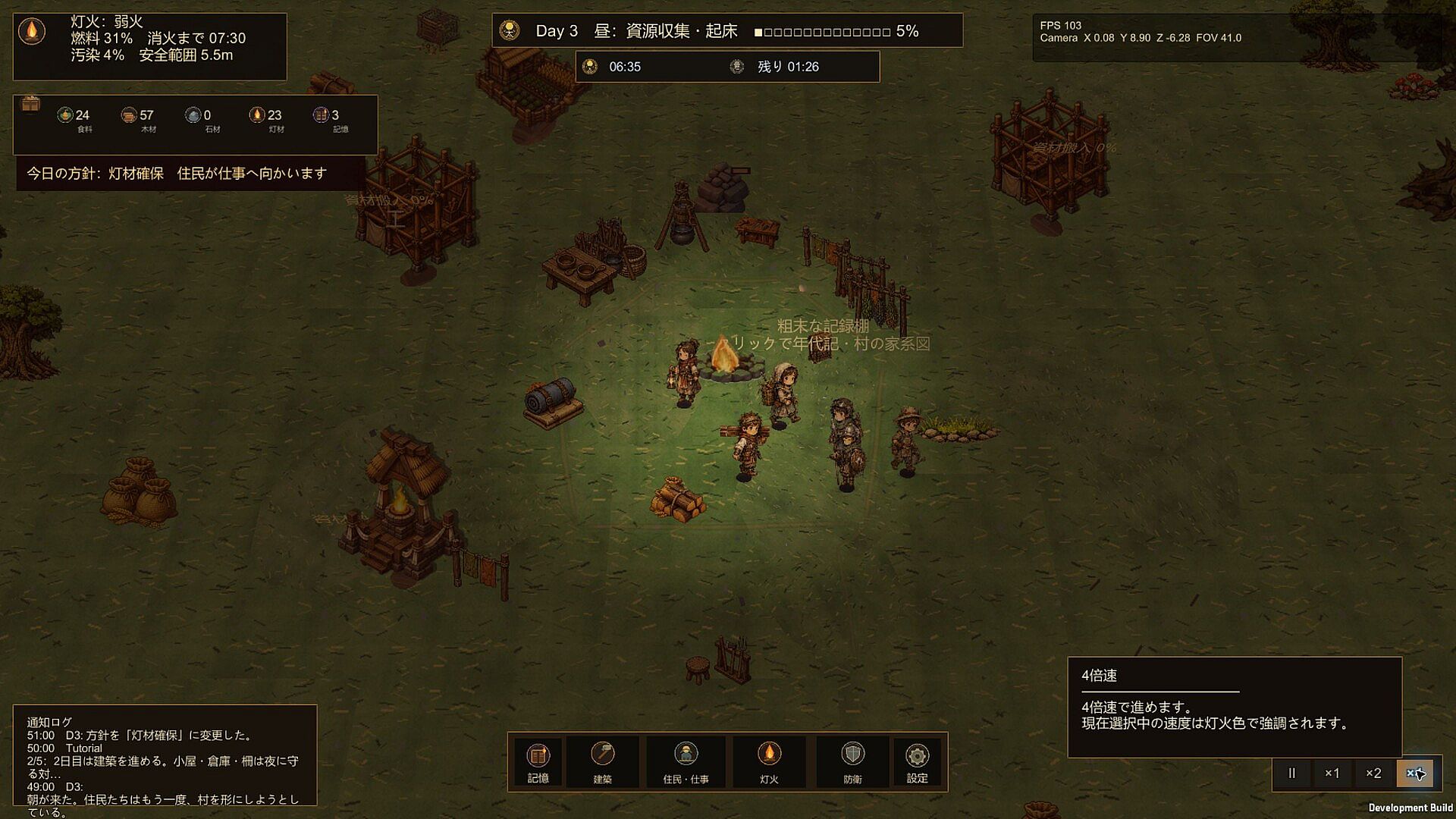
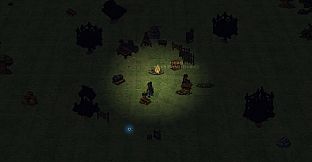
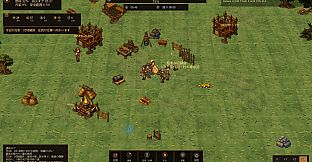
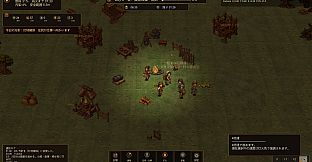
Last Civilization: Inherited Flame is a settlement survival simulation set on PC. Players manage a small village centered on the final fire, gathering resources by day to construct and maintain buildings while preparing for nighttime threats that test the settlement's endurance.
Gameplay
The core loop divides each day into distinct phases of activity and preparation. Villagers collect wood, stone, and food during daylight hours. These materials support construction of shelters, farms, workshops, archives, and defensive structures. Buildings evolve through repeated use, suffer damage during conflicts, require repairs, and can be rebuilt after destruction. Each villager holds a specific role, along with needs for hunger and health that influence overall settlement efficiency. Hauling tasks and building utilization tie directly into daily rhythms, creating interconnected systems where shortages or injuries affect productivity the following day.
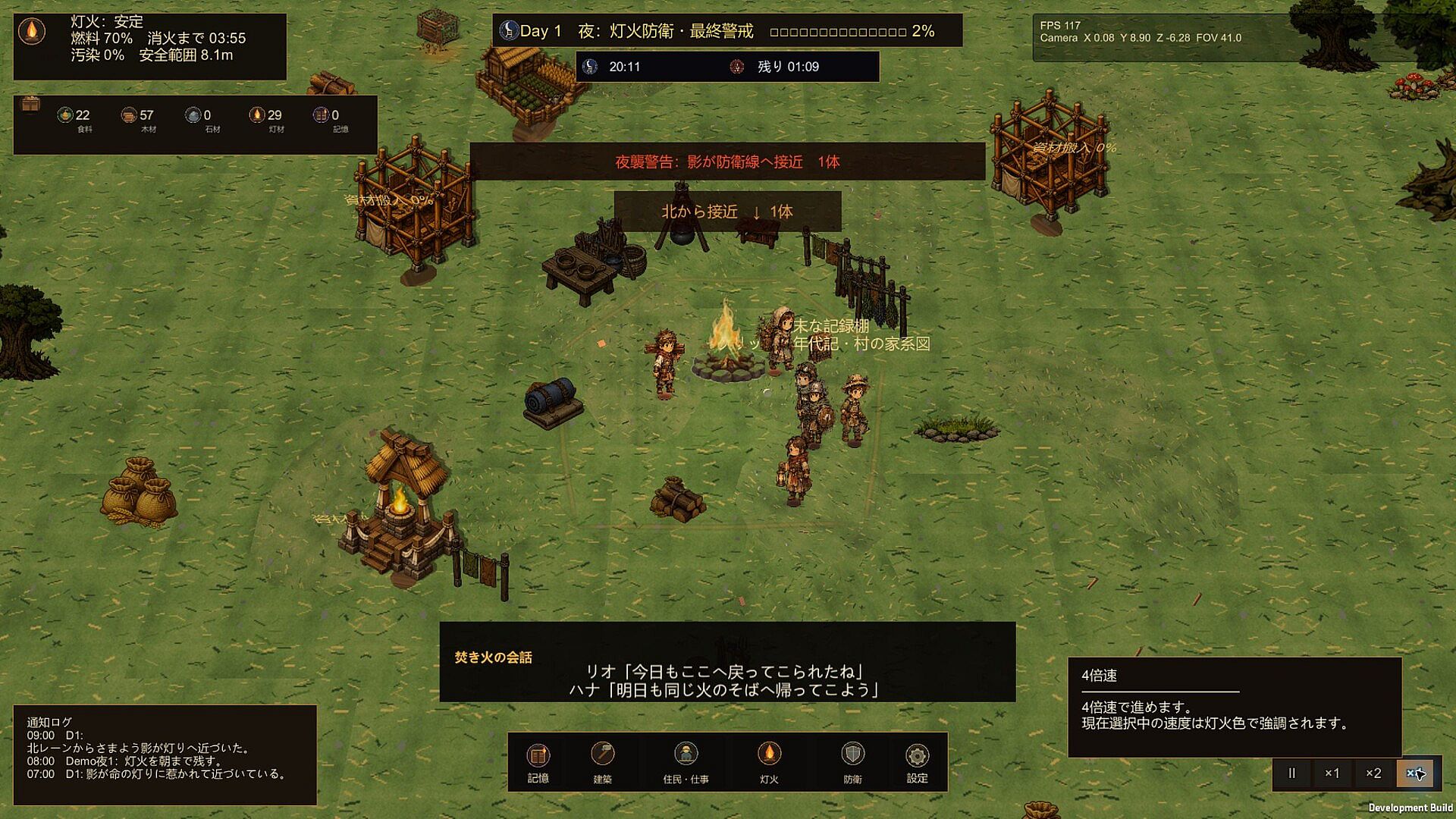
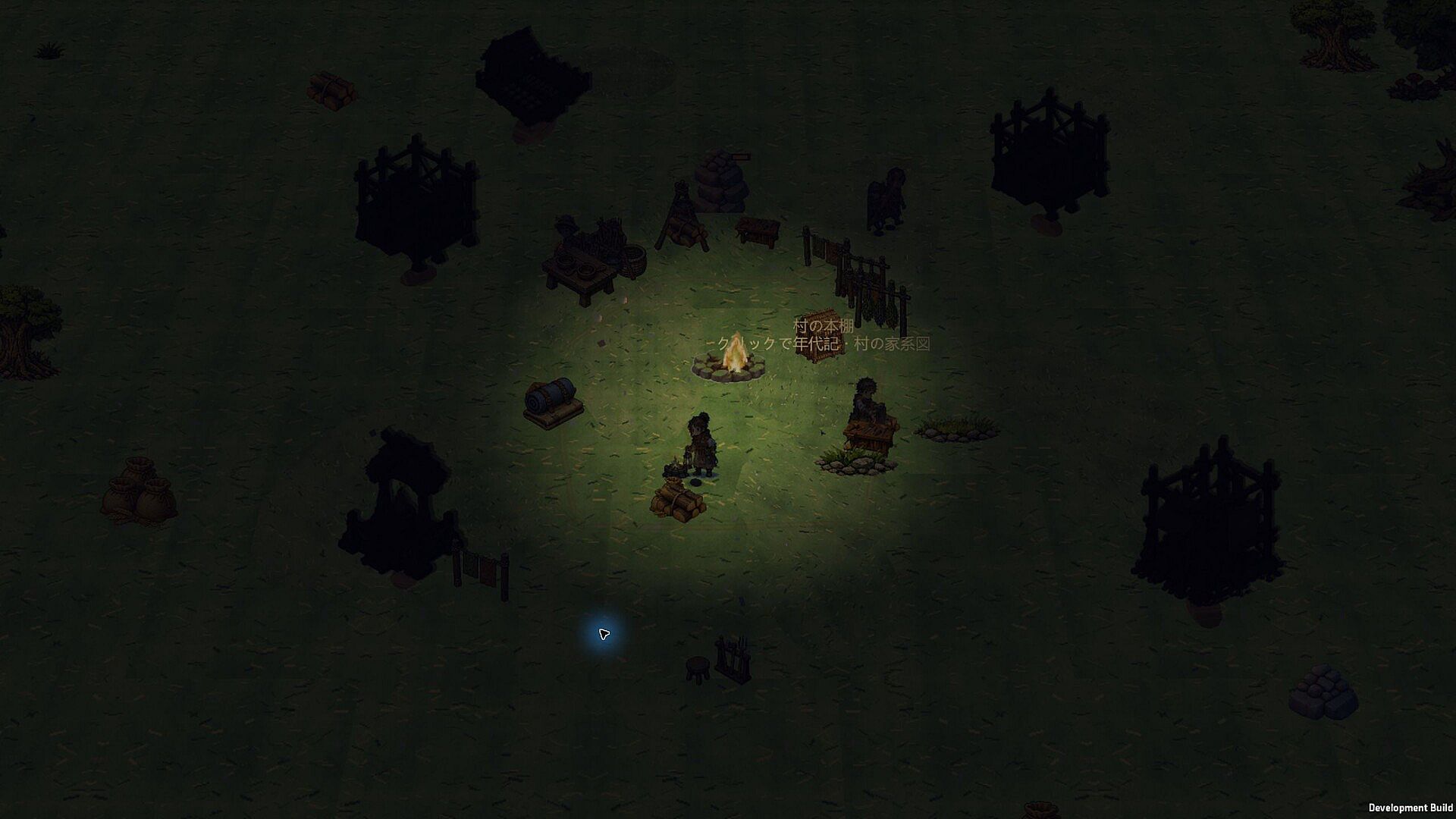
Evening transitions focus on reinforcement. Players strengthen walls and gates, assign night watch duties, and ensure the central flame remains lit. Shadows emerge from beyond the firelight, leading to direct confrontations that can damage structures or harm villagers. Consequences from these encounters, including lost resources or weakened defenses, carry forward and shape the next cycle of work and recovery.
Game Modes
The available experience centers on a demo loop that guides players through resource gathering, building, research, and defensive preparation. This sequence demonstrates the full rhythm of village life, from daytime labor to evening fortifications. The loop concludes by preserving village records and selecting inheritance candidates, which then inform the start of a subsequent settlement.
No additional named modes appear in current materials. The demo emphasizes the connection between daily operations, night defense, and the transfer of accumulated knowledge across settlements.
The Inheritance System
Even after a village falls, progress persists through carried records and memories of its people. These elements transfer to the next flame, allowing players to build upon prior efforts rather than starting from scratch. The process supports gradual advancement, turning earlier failures into foundations for stronger communities that can withstand increasingly difficult nights.
Records and memories influence future settlements by preserving key details from past inhabitants. This creates continuity across multiple village attempts, where lessons from damage, repair, and reconstruction inform better planning in subsequent cycles.
Is It Worth Playing?
The demo provides a complete cycle of gathering, construction, defense, and inheritance that showcases the settlement survival mechanics. Players interested in managing villager roles, resource flows, building evolution, and the tension between daytime productivity and nighttime survival will find a focused experience here. The emphasis on consequences that persist across days and settlements rewards careful planning and adaptation.
Those who enjoy simulation games centered on community management and defensive preparation against recurring threats may appreciate the interconnected systems. The current demo serves as an entry point for testing these elements before further development expands resident history tracking, village chronicles, anticipated calamities, and broader legacy features. Availability remains limited to the demo at this stage, making it suitable for players who want to explore the core loop without committing to a full release.