




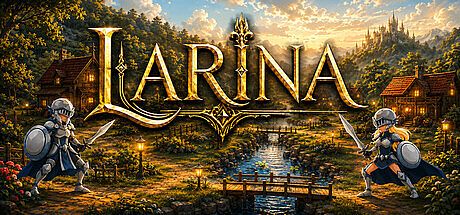


Larina is a single-player turn-based fantasy RPG that centers on character building, loot collection, and exploration of a connected world filled with dungeons and challenges. Developed as an indie title for PC, it blends strategy elements with role-playing depth, allowing players to shape a hero through combat choices and equipment decisions rather than following a fixed path.
Gameplay
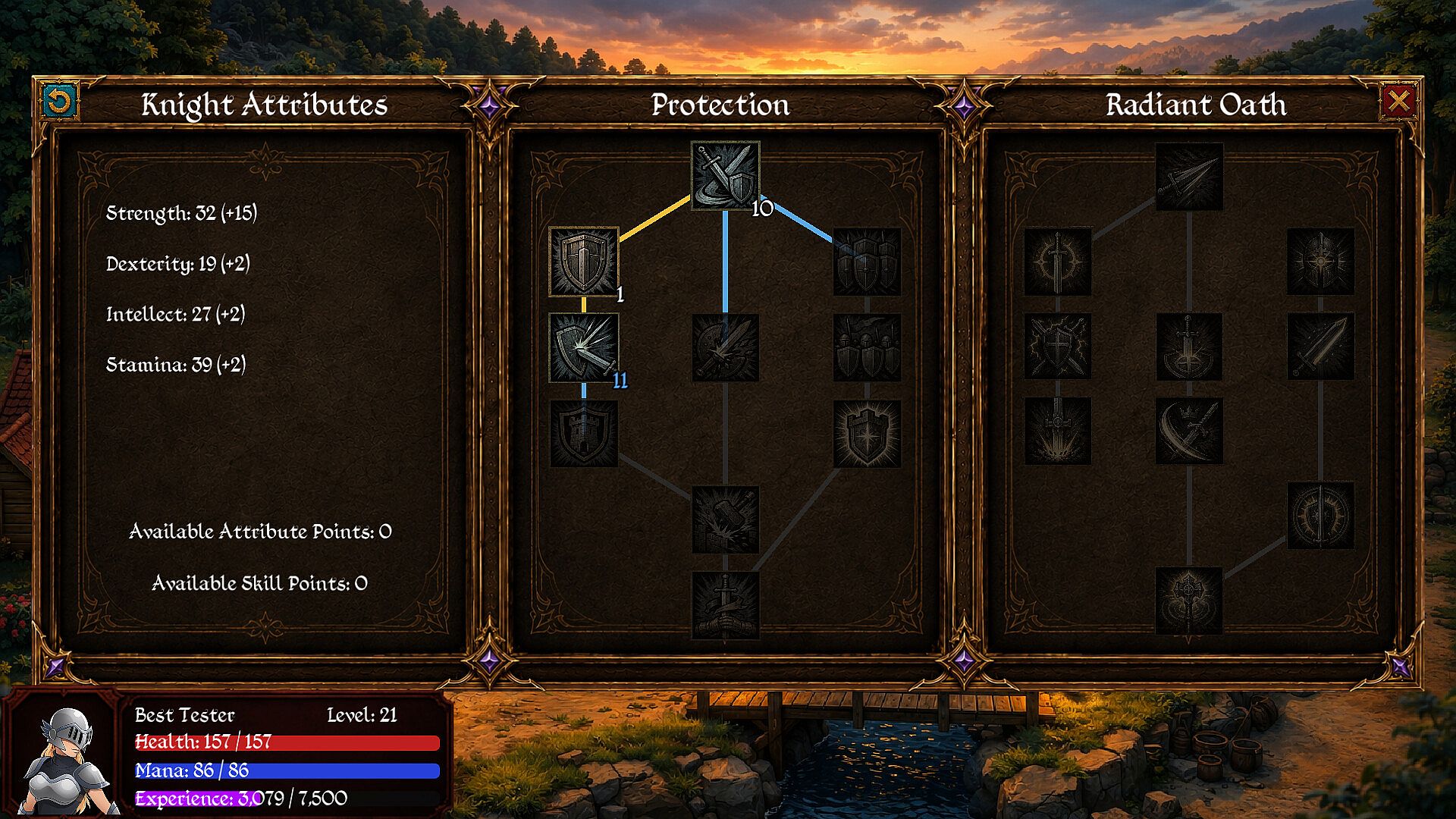
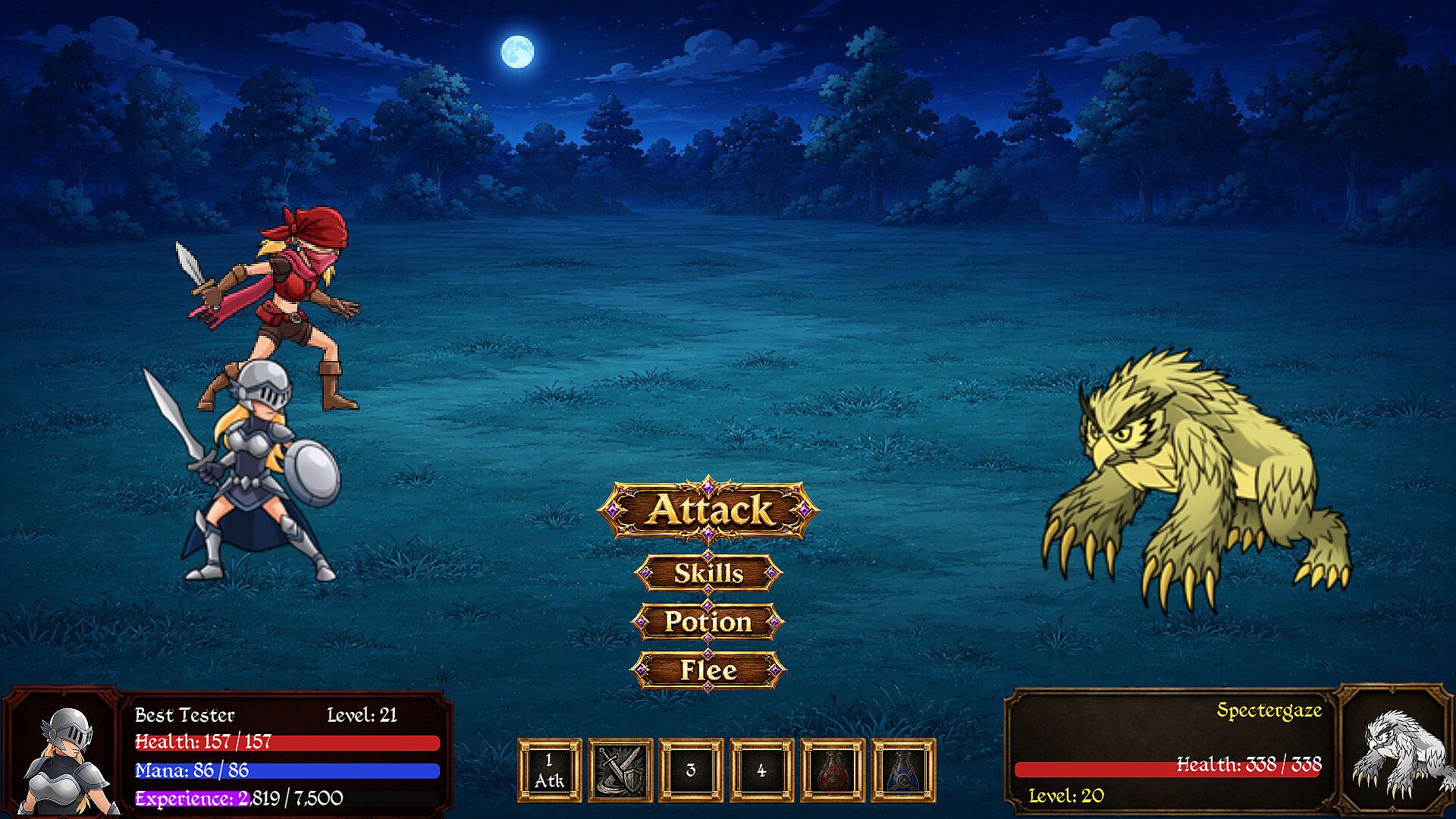
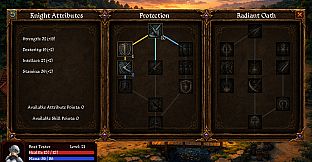
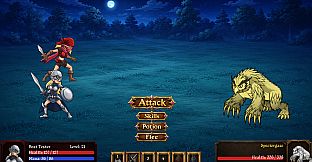
The core loop revolves around turn-based side-view combat where positioning and ability selection determine outcomes. Players acquire and develop different Souls, each functioning as a distinct combat style with unique skills, weapons, and mechanics. These Souls tie into four main attributes: Strength for raw power, Dexterity for precision and speed, Intellect for magical or tactical options, and Stamina for endurance and sustained fights. Experimentation comes through hiring mercenary companions who join the party and complement the hero's loadout.
Equipment forms another major pillar. Enemies and bosses drop items across Normal, Magic, Rare, Set, and Unique rarities, each carrying base stats plus random affixes that alter performance. A Gilded Ring, for example, always provides some Strength and Maximum Health increase as its implicit properties. Materials gathered during runs feed into crafting, while magical orbs enable modification, re-rolling, enchanting, and synthesis. Dungeon bosses guard dedicated equipment sets that encourage repeated visits for completion.
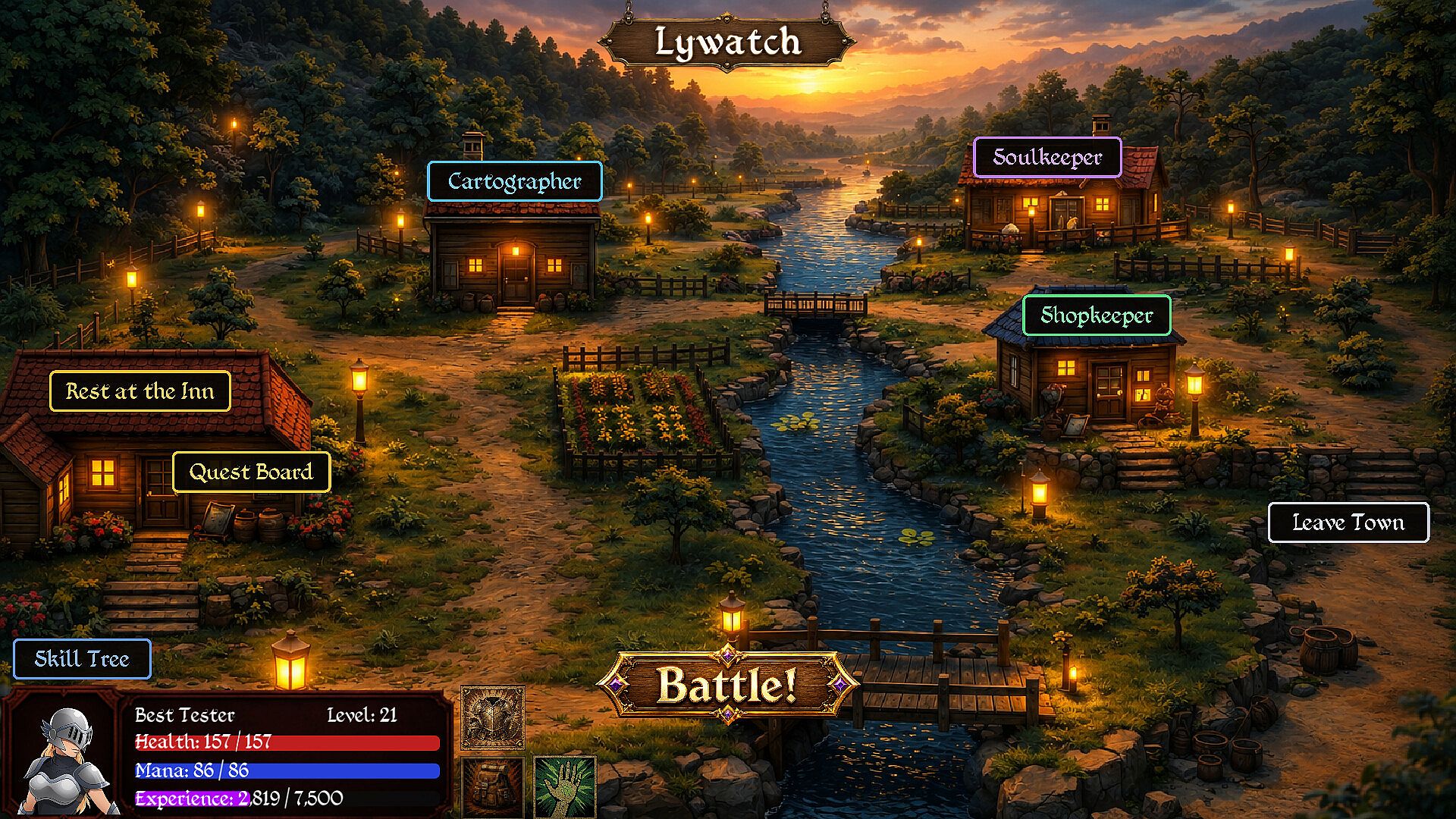
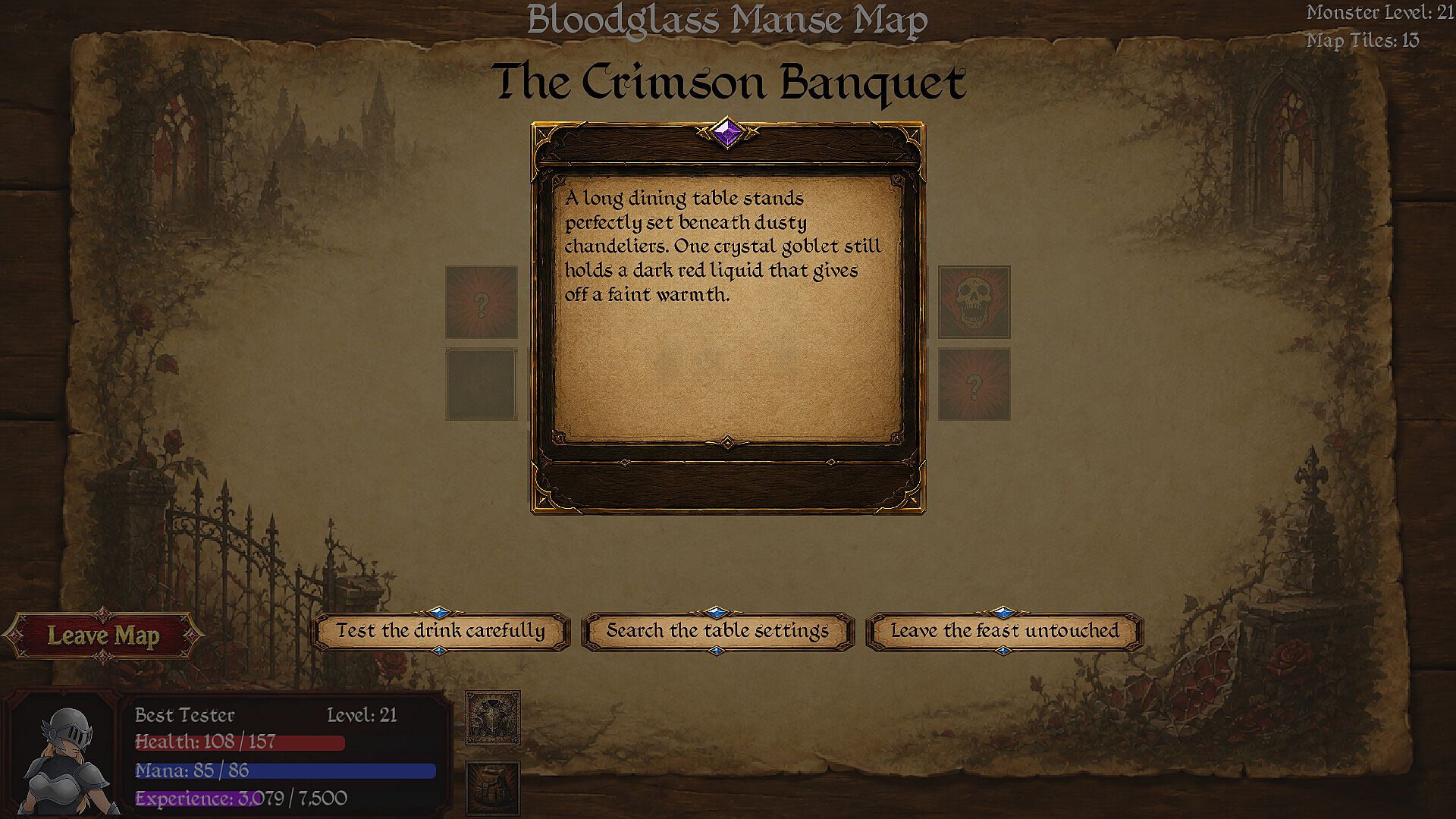
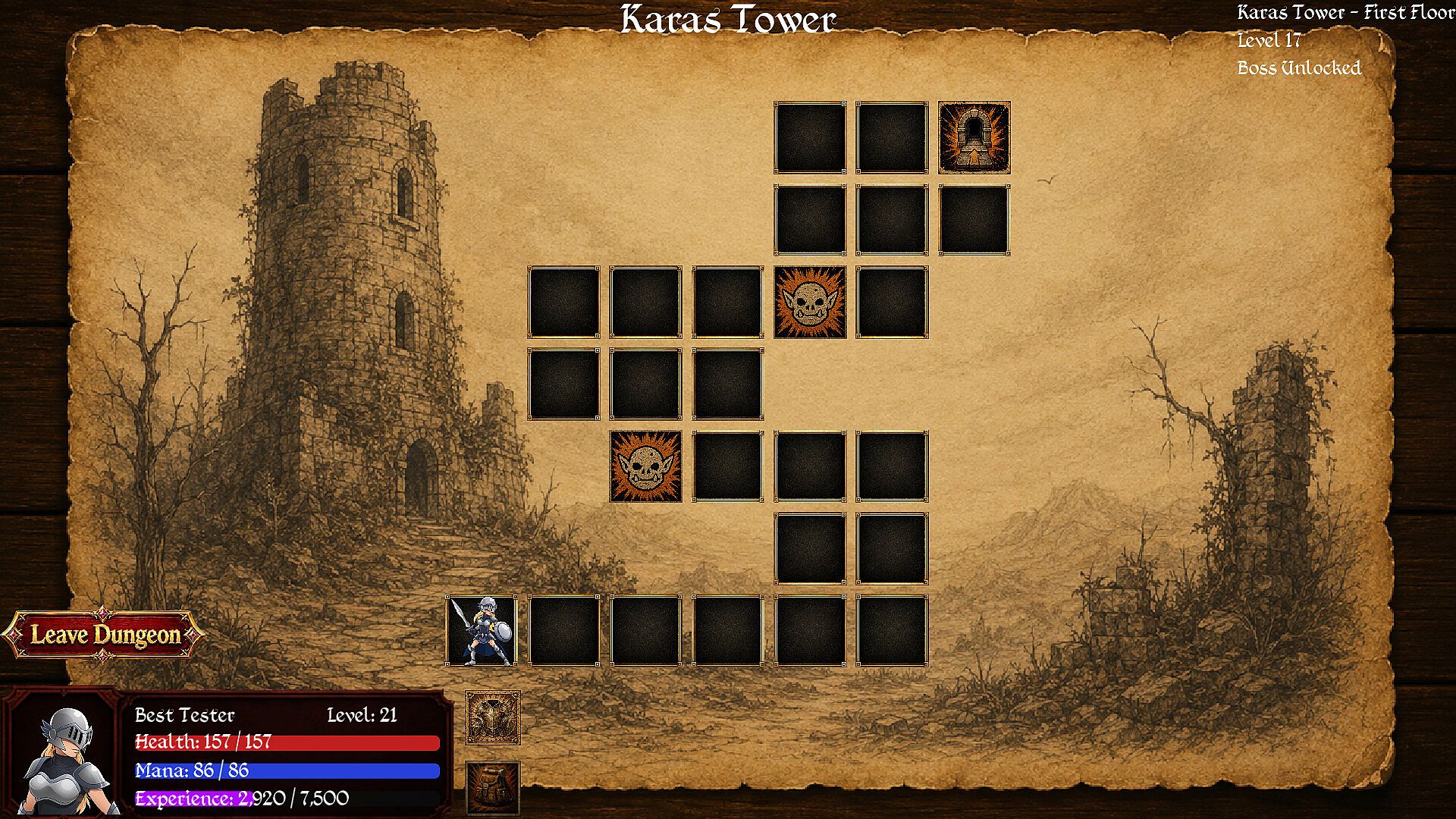
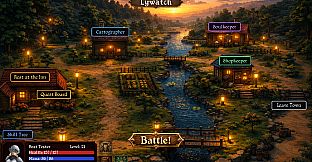
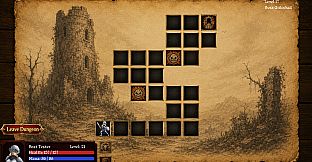
Progression feels deliberate. Skills and attributes improve through use and investment, while the interconnected world of towns, forests, temples, castles, and caves opens gradually as the hero grows stronger. Towns serve as hubs for resting, shopping, storage, recruitment, quest acceptance, and access to specialized crafting services. Dungeons themselves mix battles, treasures, puzzles, and environmental hazards that test more than combat efficiency.
Game Modes
Standard play unfolds through story-driven quests and dungeon crawls across the fantasy world. These areas feature fixed layouts at first but expand with new sections unlocked by character strength. Quests provide directed goals, while bosses act as major roadblocks with their own reward pools.
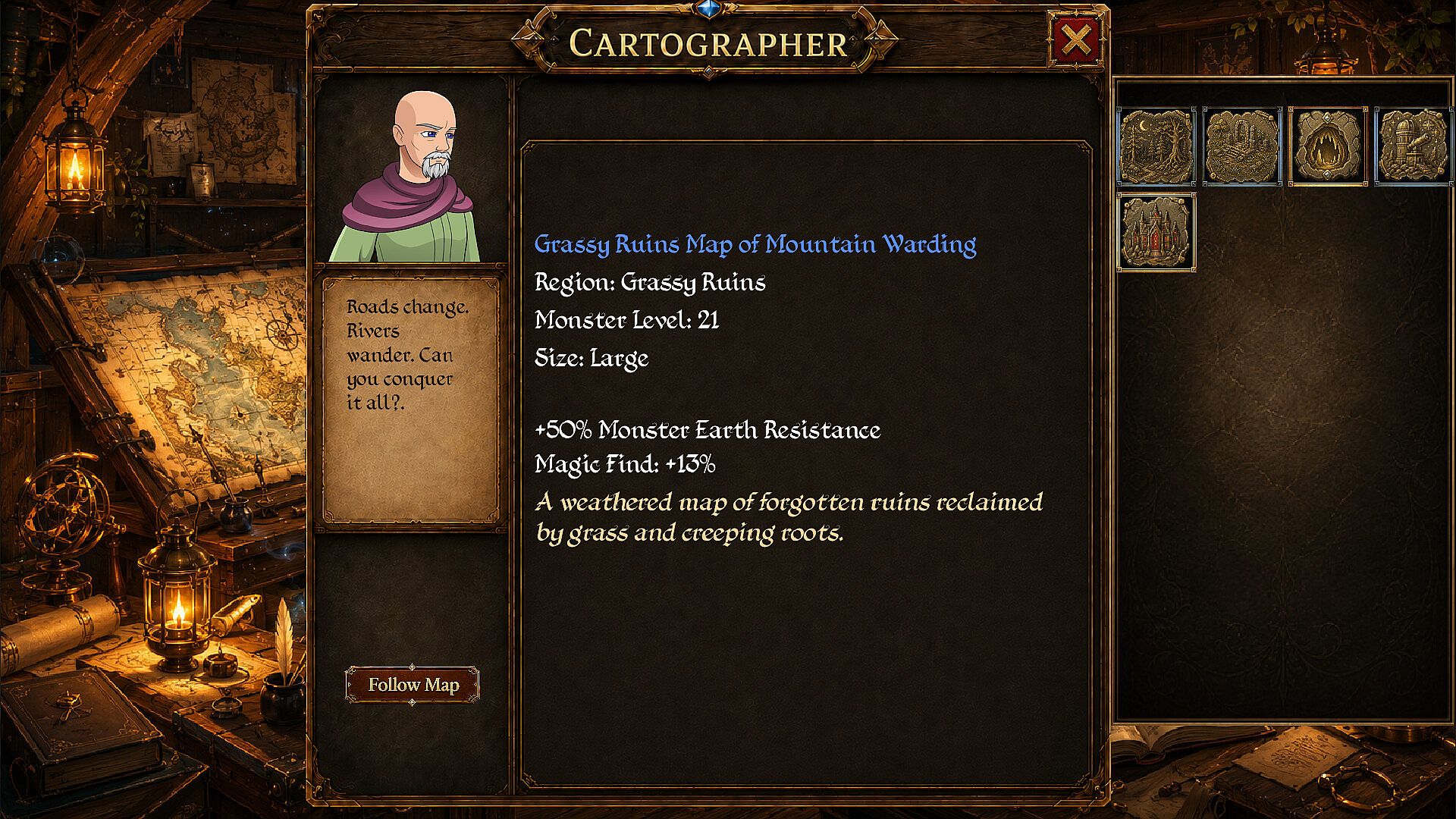
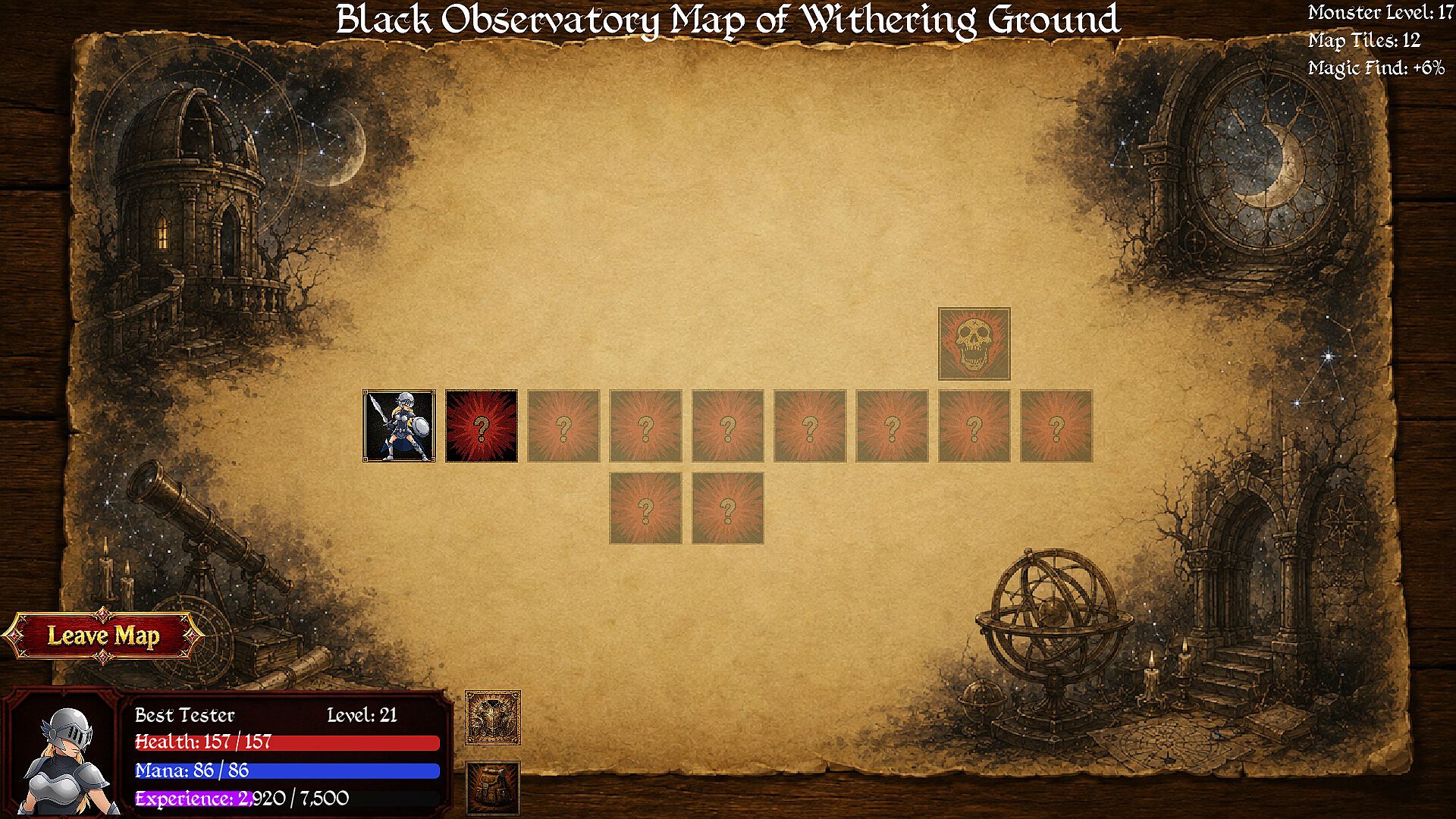
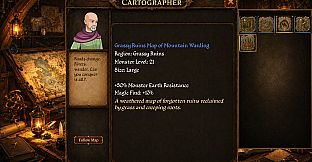
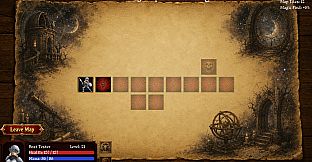
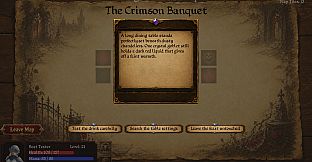
Endgame shifts toward repeatable content via Maps. These function as modular adventures with randomized layouts, enemy placements, events, and modifiers. Map affixes change the rules in the same way item affixes do, scaling danger against greater loot potential. Special Unique Maps further alter the experience with entirely different rulesets and reward structures.
The Arena offers a separate progression track focused on escalating combat trials. Players face successive waves or challenges that reward long-term investment in builds and gear. Together these systems create a loop of initial exploration giving way to optimized farming and experimentation.
Exploration and World Design
The game presents a large, inter-connected fantasy setting drawn from earlier ideas in the same universe. Travel between distinct regions reveals new dungeons and side content as the hero's capabilities increase. Environmental hazards and puzzles add variety beyond straight combat encounters, rewarding careful navigation and preparation.
Towns act as safe anchors where players manage inventory, recruit help, and prepare for the next foray. This structure keeps the focus on deliberate decision-making rather than constant travel or filler activities.
Is It Worth Playing?
Larina targets players who enjoy methodical turn-based combat paired with extensive itemization and character customization. The combination of multiple Souls, attribute focus, companion recruitment, and layered crafting creates meaningful build variety without requiring multiplayer coordination. Those drawn to single-player dungeon crawlers and loot-driven progression will find systems that reward repeated runs through Maps and boss sets.
Because the game emphasizes solo play and deep mechanical experimentation, it suits individuals comfortable with managing equipment affixes, synthesizing upgrades, and adapting strategies across randomized modifiers. The absence of live-service elements or seasonal resets means progress remains permanent and player-driven. Anyone seeking a focused indie RPG experience centered on hero development and exploration rather than narrative spectacle or competitive elements will likely find the systems engaging over many hours.