





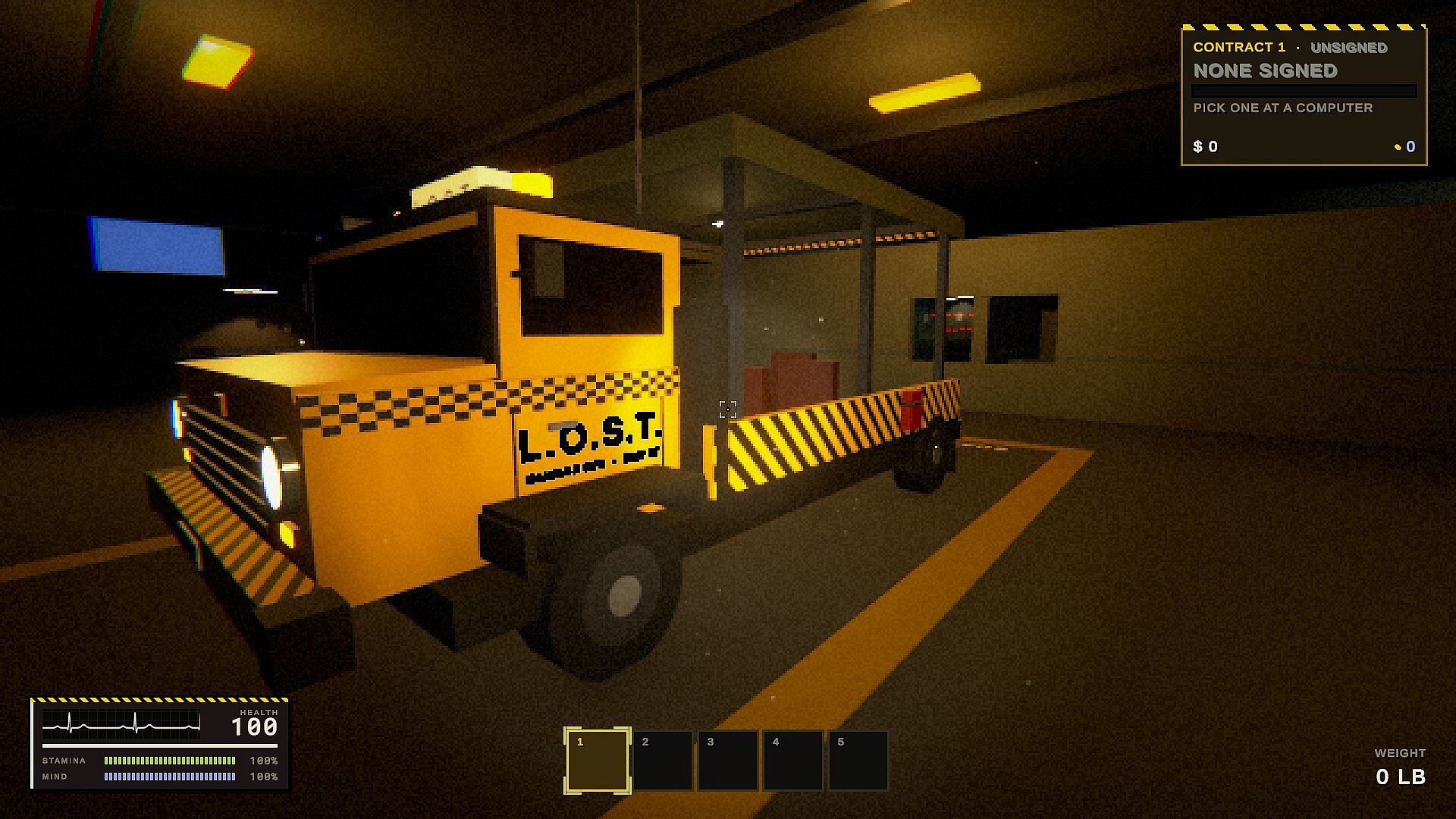
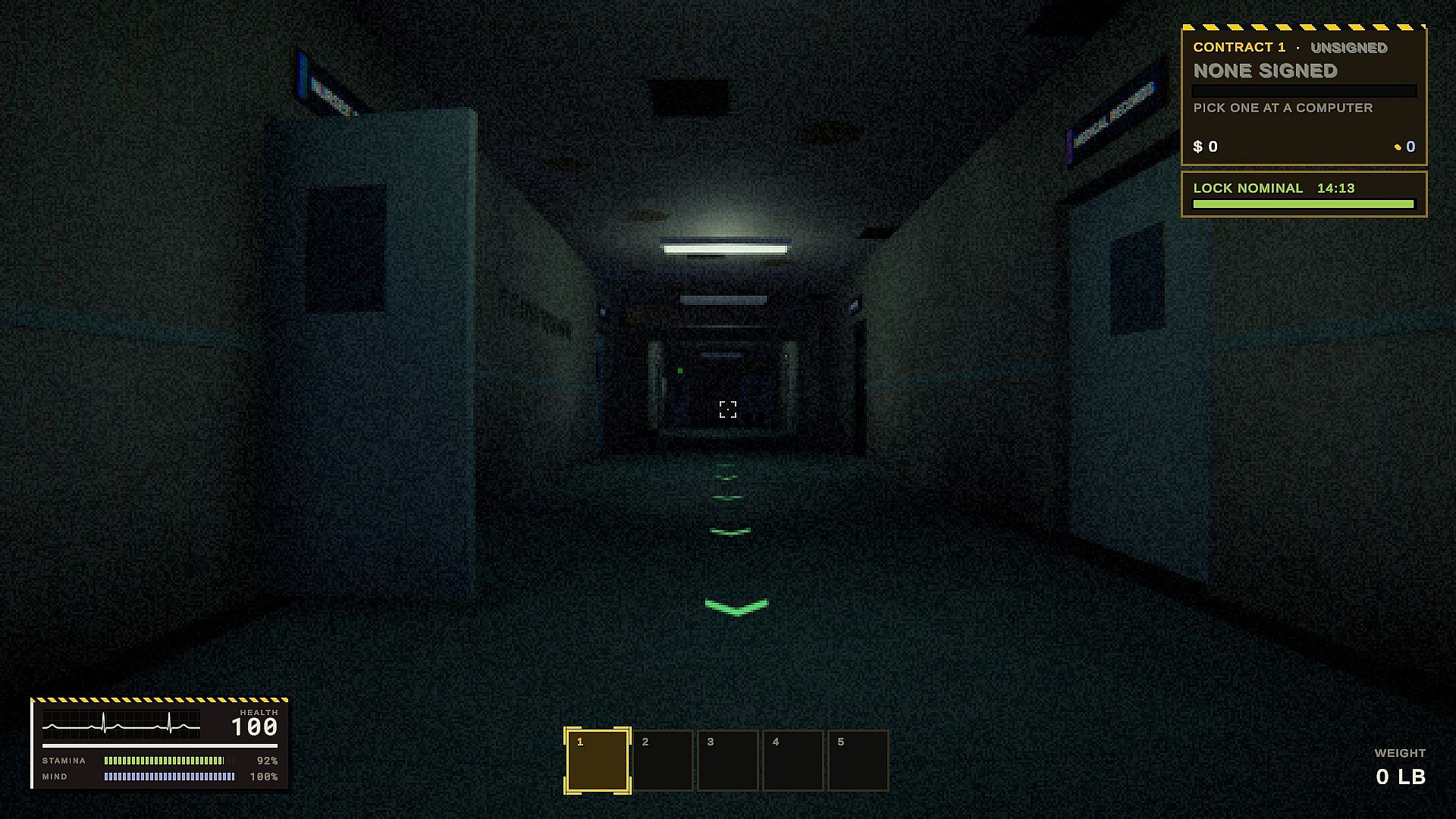
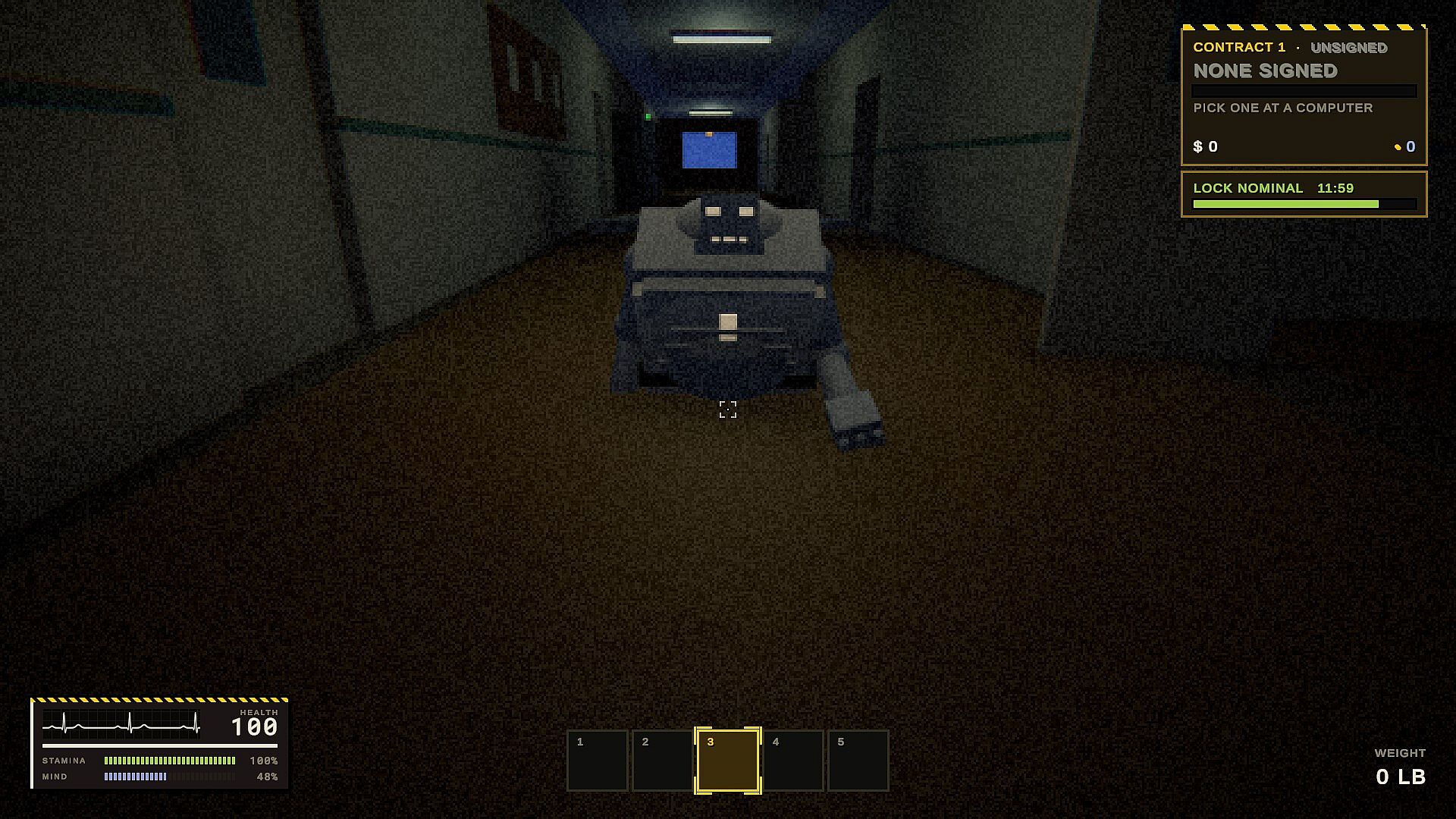
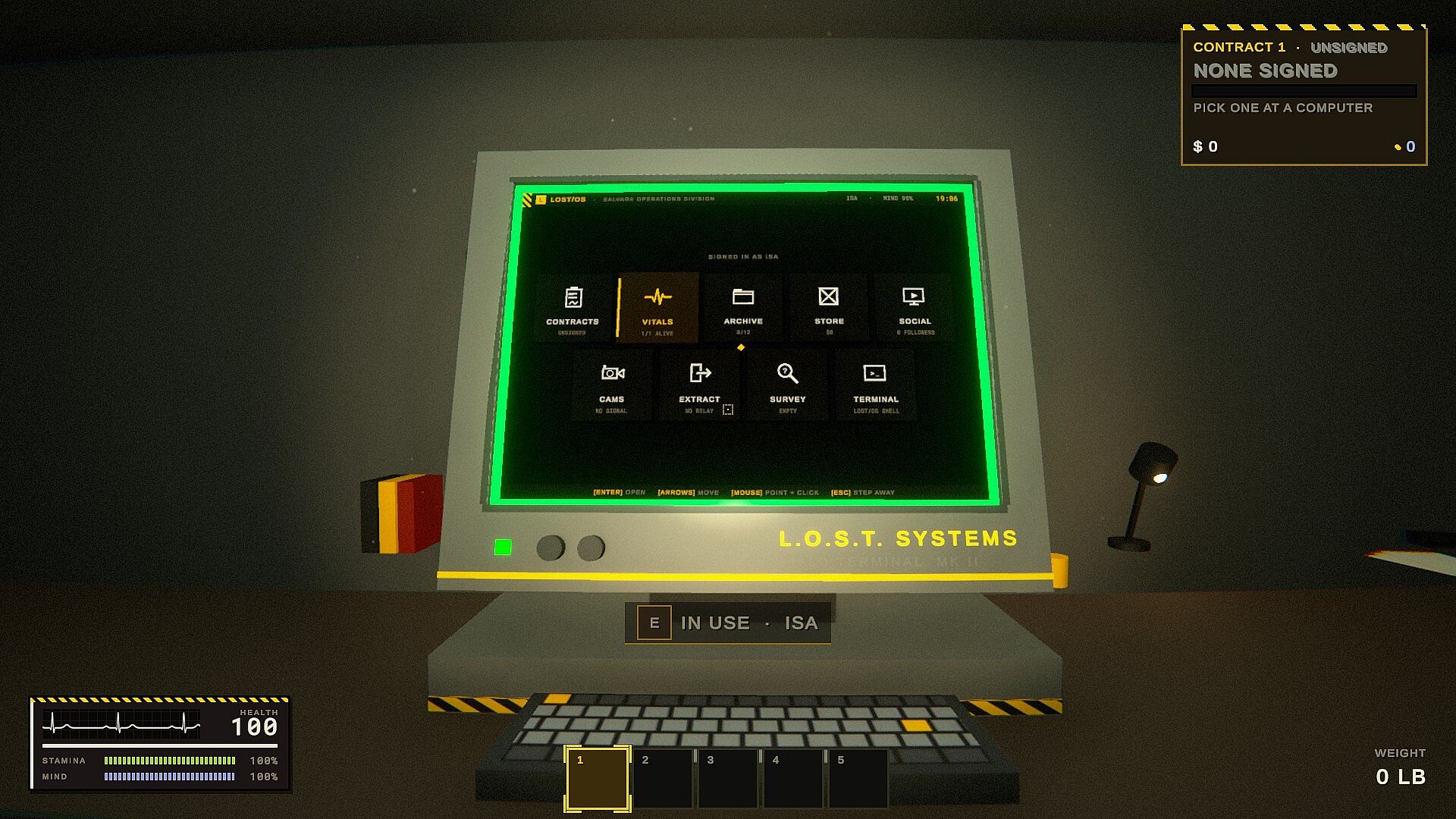
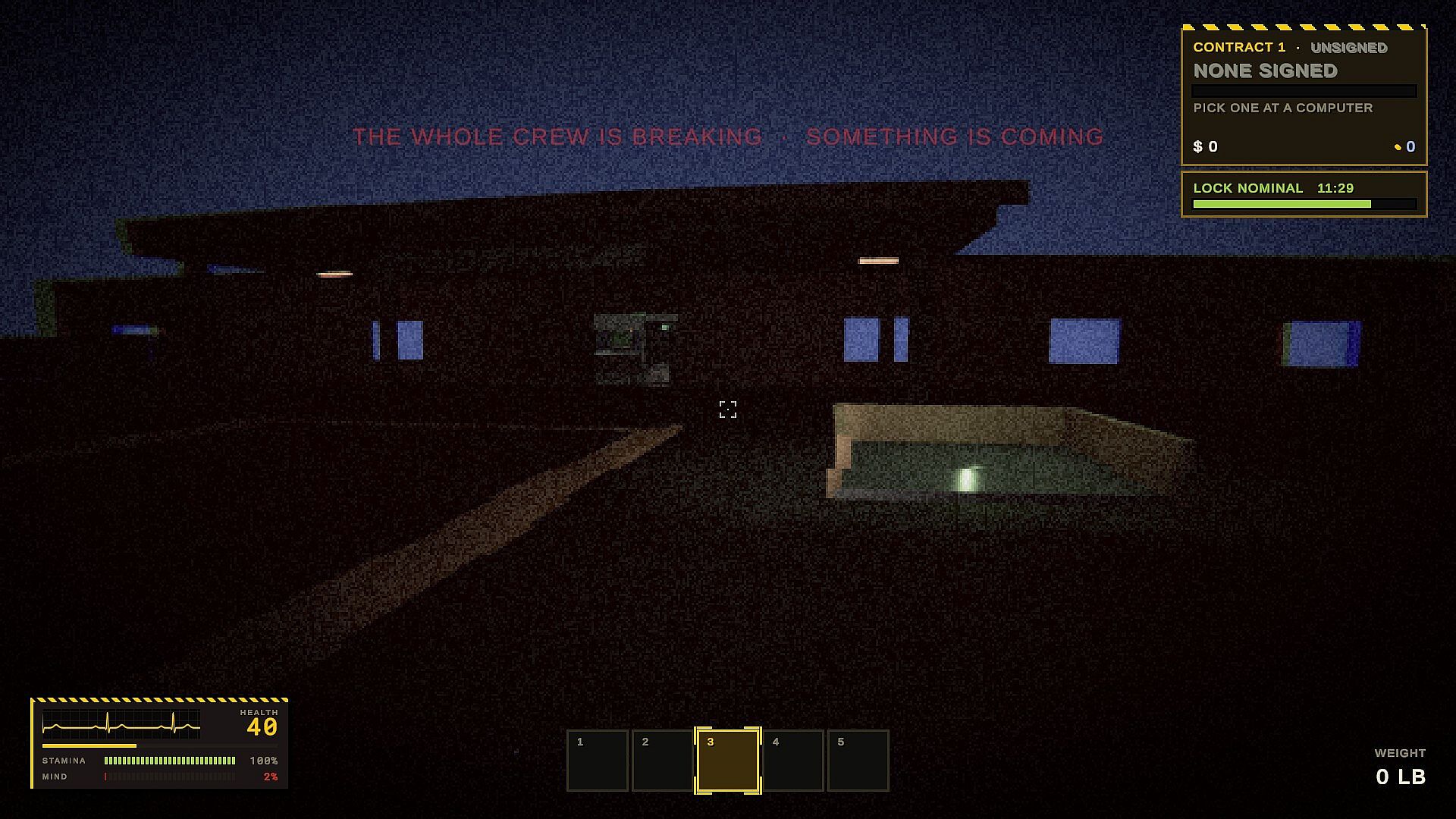
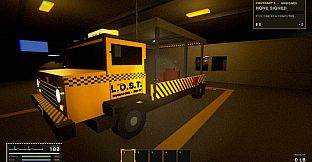
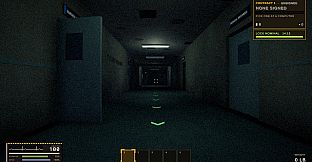
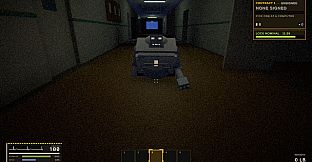
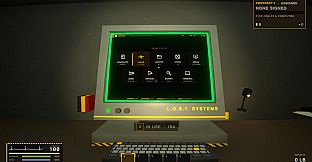
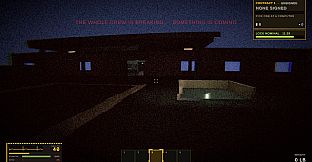
L.O.S.T. is an online co-op survival horror game for PC that blends scavenging in derelict locations with the pressure of capturing footage for online attention. Players form small teams to enter abandoned sites known as Lost Places, where the objectives center on hauling out valuable artifacts and scrap while documenting every encounter on camera. The core loop rewards careful planning and quick reactions, as noise from movement or dropped items can summon threats that respond to sound, light, and physical contact.
Gameplay
Teams manage limited gear and coordinate to avoid drawing attention in environments filled with physics-driven objects. Dropping heavy equipment, breaking fragile materials, or even playing audio from a boombox creates immediate risks because every impact and vibration travels through the space. Entities in these ruins detect players through multiple senses, reacting to flashlight beams, footsteps, and spoken communication, which forces groups to move deliberately and communicate quietly when possible.
The camera serves as both a tool and a constraint. Battery life limits how much footage can be recorded during a run, pushing players to prioritize the most intense moments such as monster sightings or teammate mishaps. Successful extraction allows the raw clips to be uploaded for views and revenue, which in turn funds better equipment, medical items, and camera upgrades for future outings. This progression ties survival directly to content creation, creating a loop where each successful haul improves the chances of capturing higher-quality material next time.
Game Modes
Sessions revolve around cooperative expeditions into different abandoned sites, with the shared goal of gathering resources and escaping intact. Groups must balance exploration speed against the need to film compelling sequences, often deciding in real time whether to push deeper for rarer items or retreat with what they have. The emphasis on noise management and multi-sensory threats turns every corridor traversal into a calculated risk, where one misstep can escalate into a full confrontation.
Because the experience is built around online co-op, sessions scale with the number of participants, rewarding teams that divide roles such as scouting, carrying loot, and operating the camera. The physics interactions add unpredictability, as loose objects can roll or fall at inopportune moments and alert nearby dangers. This structure keeps each outing distinct even when revisiting similar locations.
Core Mechanics and Progression
Resource management extends beyond simple inventory space. Players must weigh the value of scrap and artifacts against the noise they produce when moved or dropped, often requiring creative solutions like cushioning falls or timing movements with distractions. The camera system adds another layer, as conserving battery for key encounters means sometimes forgoing footage of safer moments to ensure the most dramatic clips survive the run.
Earnings from uploaded footage and sold materials translate into tangible upgrades that directly affect future performance. Better cameras extend recording time, improved medical supplies increase resilience during escapes, and enhanced gear reduces the sound profile of carried items. This feedback loop encourages repeated play as teams refine their strategies and equipment to tackle more challenging sites.
Is It Worth Playing?
L.O.S.T. suits players who enjoy cooperative survival horror that rewards coordination and creative problem-solving over direct combat. The unique focus on filming chaotic events for virtual clout sets it apart from standard extraction games, appealing to those who like mixing tension with light creative elements. As an Early Access title, the experience continues to evolve with developer updates that refine stability and add content based on community input.
Those seeking tense group sessions where every sound matters and success depends on both survival and documentation will find a solid foundation here. The mechanics emphasize teamwork and risk assessment, making it a good fit for friends who communicate well under pressure. Availability on PC allows easy access for online groups, and the progression system provides ongoing motivation to improve runs and capture better material over time.