







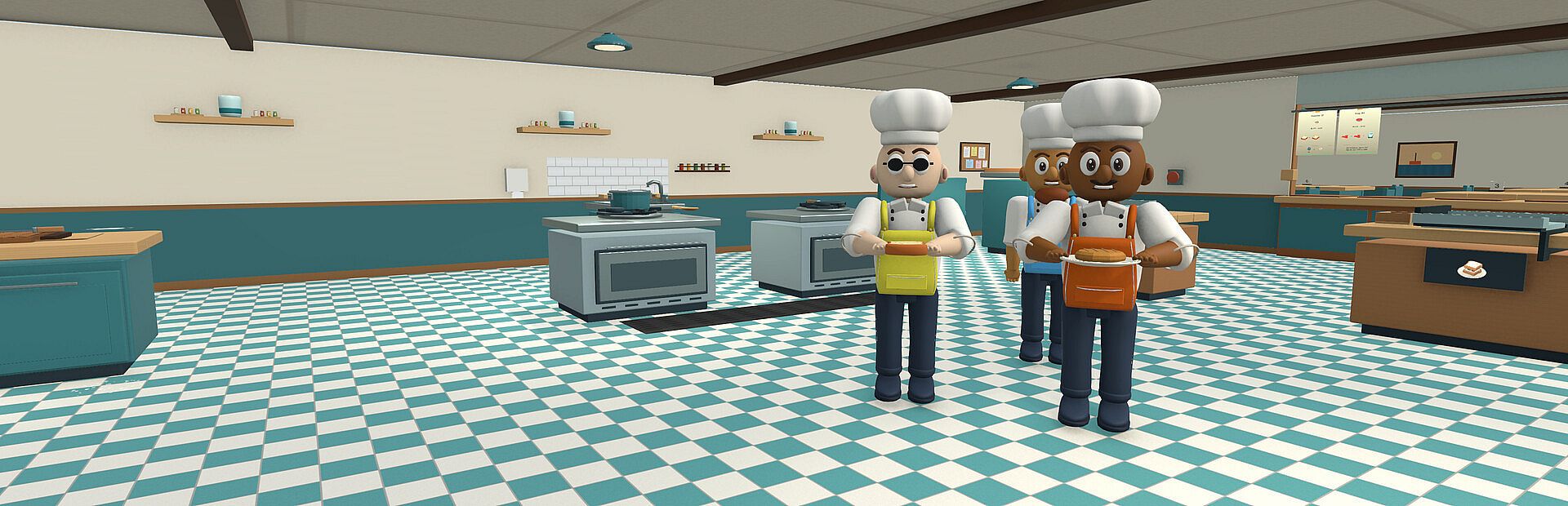


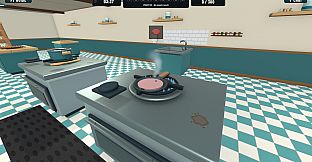

Kitchen Traitor is a first-person cooking and social deduction game that blends cooperative kitchen work with hidden betrayal. Players manage orders in a busy restaurant while one or two teammates work to undermine the effort without detection. The indie title combines casual simulation elements with tense multiplayer interactions on PC.
Gameplay
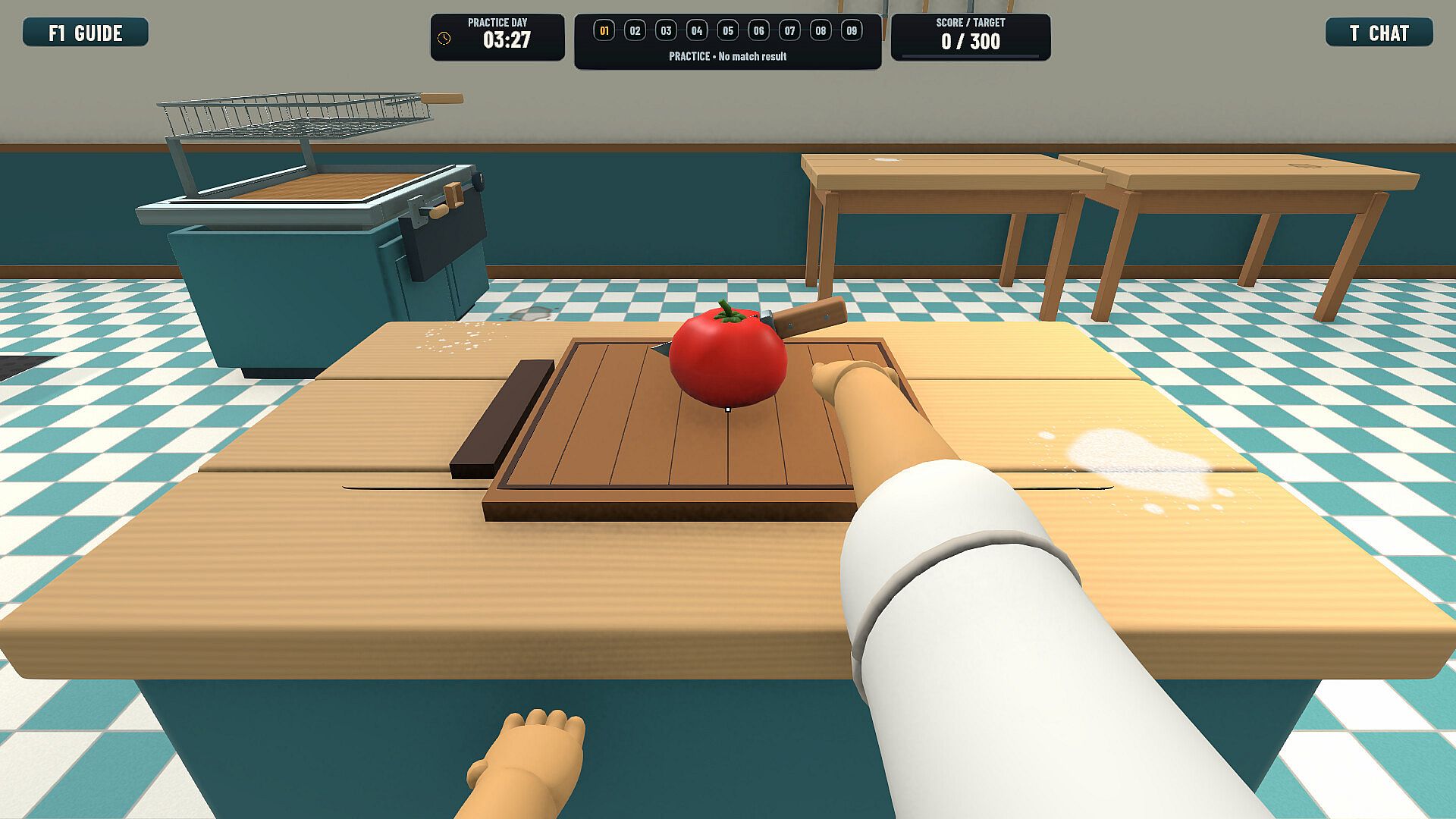
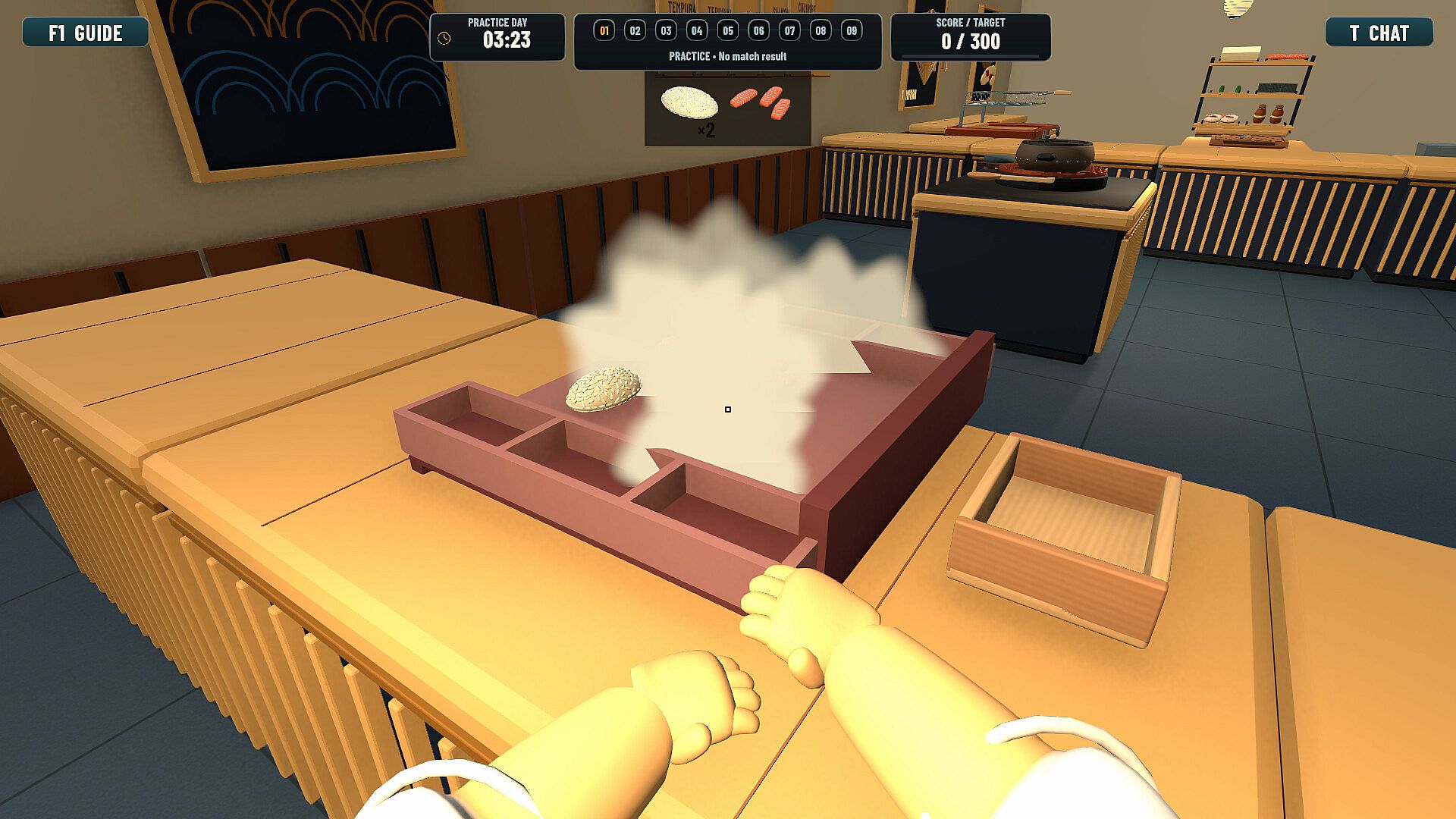
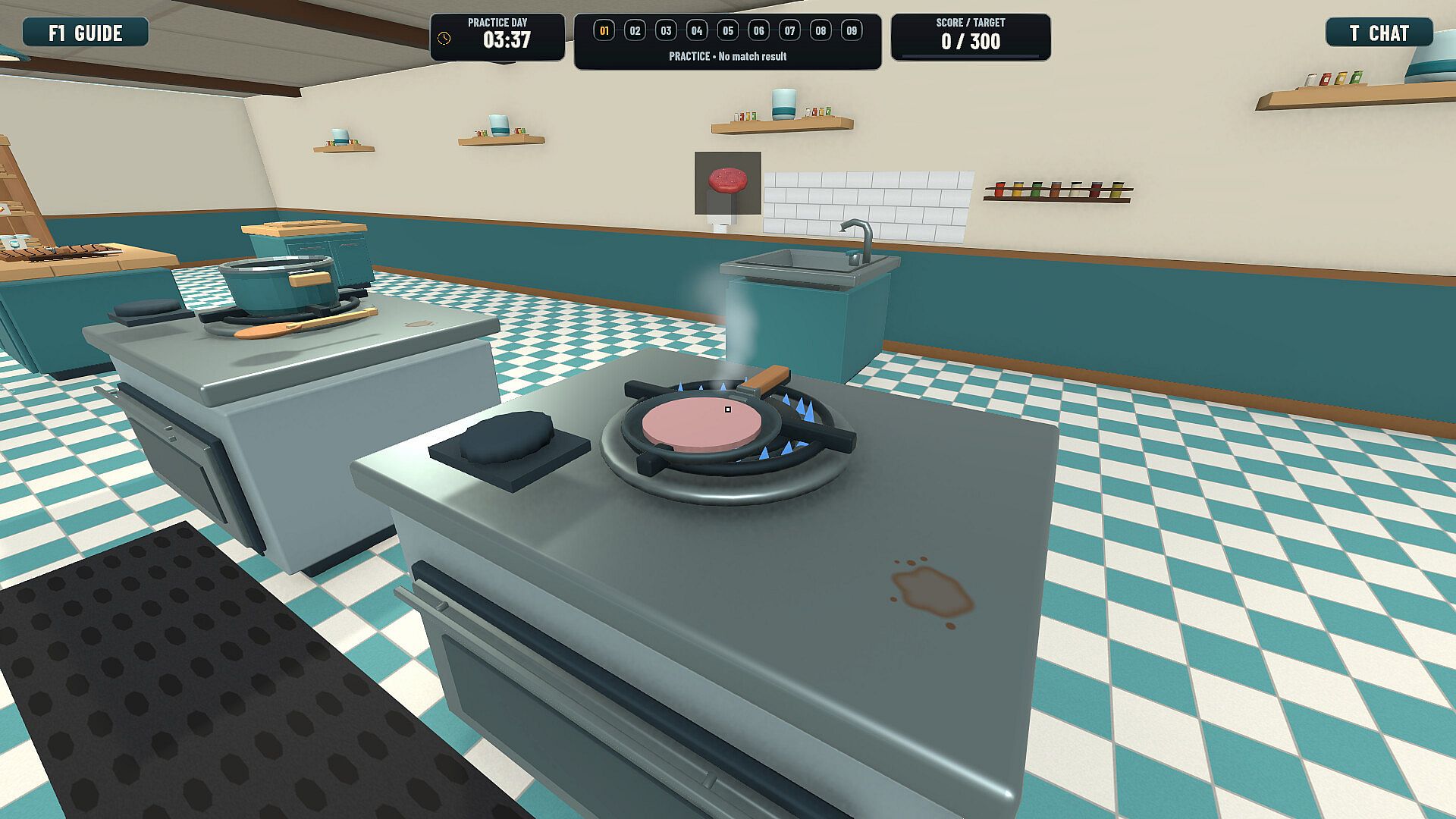
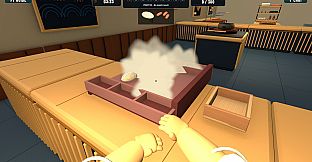
The core loop centers on shared kitchen tasks that demand coordination. Participants grab ingredients, prepare specific recipes, monitor stove heat, and deliver completed dishes to customers. Carrying plates requires care to avoid spills, and maintaining a supply of clean dishes keeps service flowing. Each action consumes time, so teams must divide labor efficiently across chopping, cooking, serving, and washing stations.
Traitors operate under the same rules and tools as everyone else. They can flip off a stove, introduce incorrect ingredients, or allow food to burn, all while making the actions appear accidental. No on-screen indicators reveal intent, forcing the group to observe positions, timing, and verbal explanations during play. Suspicion builds through small inconsistencies rather than obvious alerts.
When doubts arise, the crew can call a meeting to discuss events and vote on restraint. Accused players remain in the restaurant but lose the ability to perform tasks temporarily. Their identity stays hidden, and they rejoin the kitchen once the period ends. An incorrect vote reduces available hands for the remaining shift, raising the stakes for every decision.
Game Modes
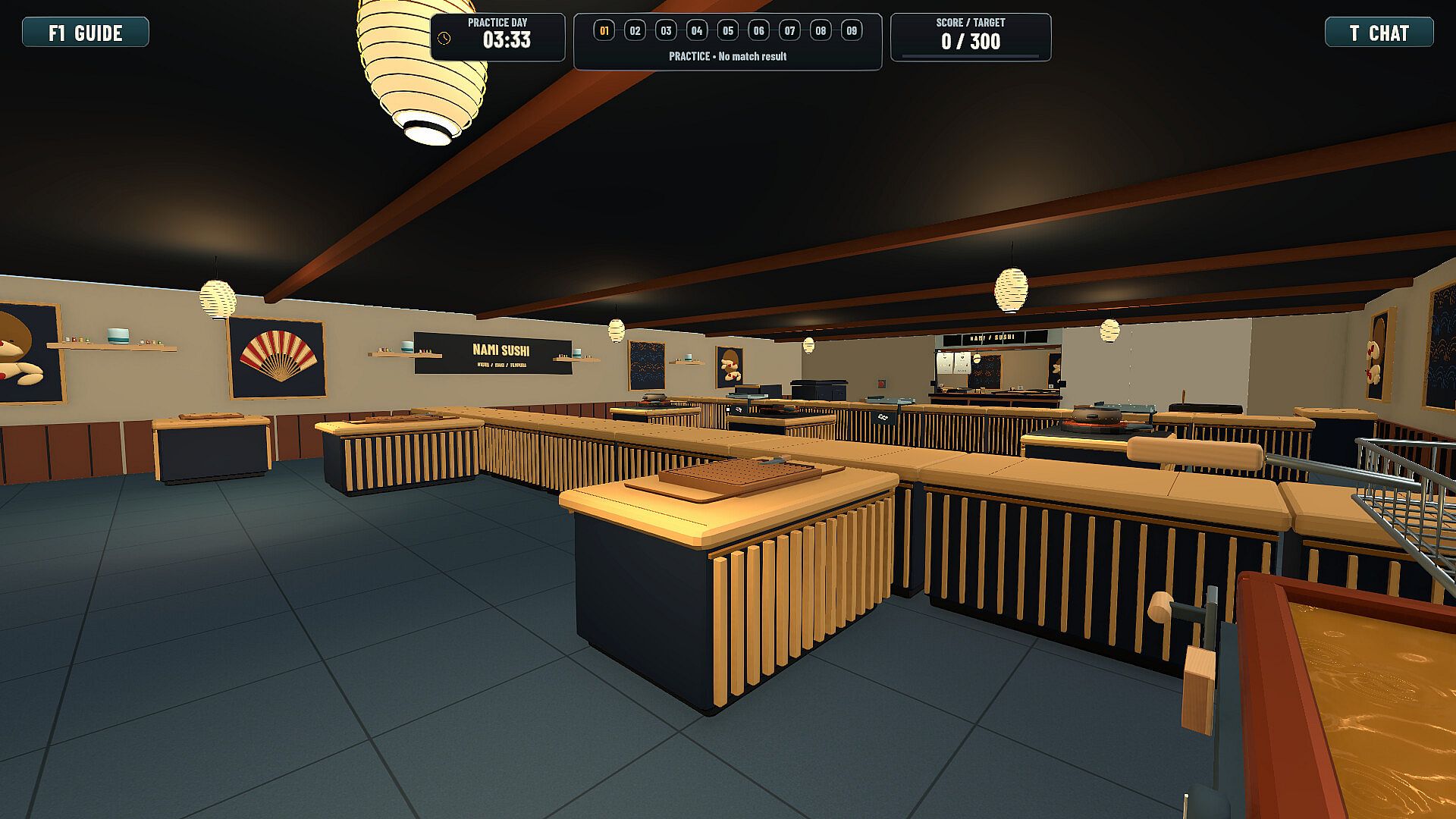
Matches support 4 to 8 players online, with one or two traitors depending on lobby size and host settings. Smaller groups of two or three players default to pure co-op without any saboteurs. Solo practice sessions allow individuals to learn each kitchen layout and recipe set before joining others.
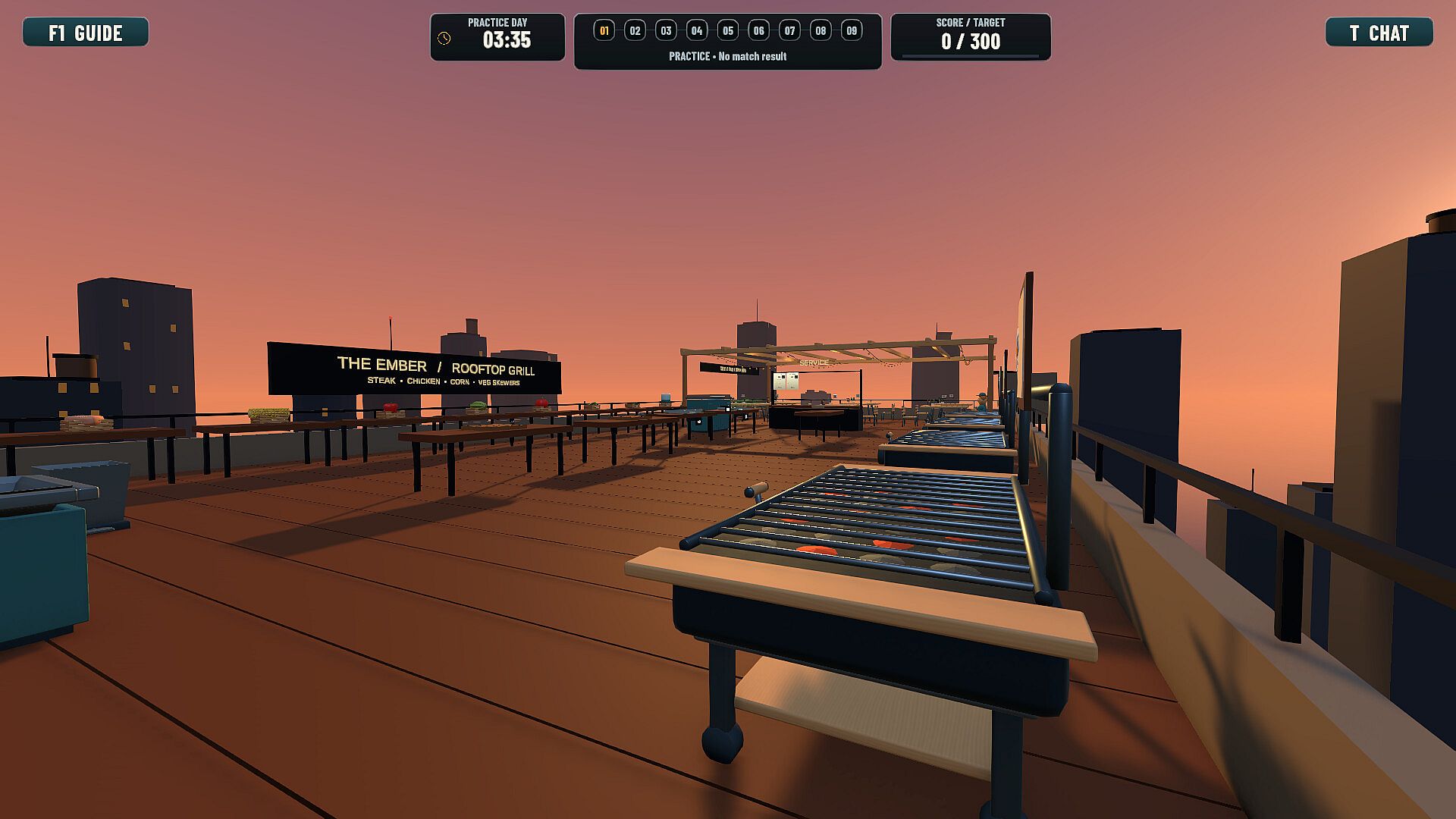
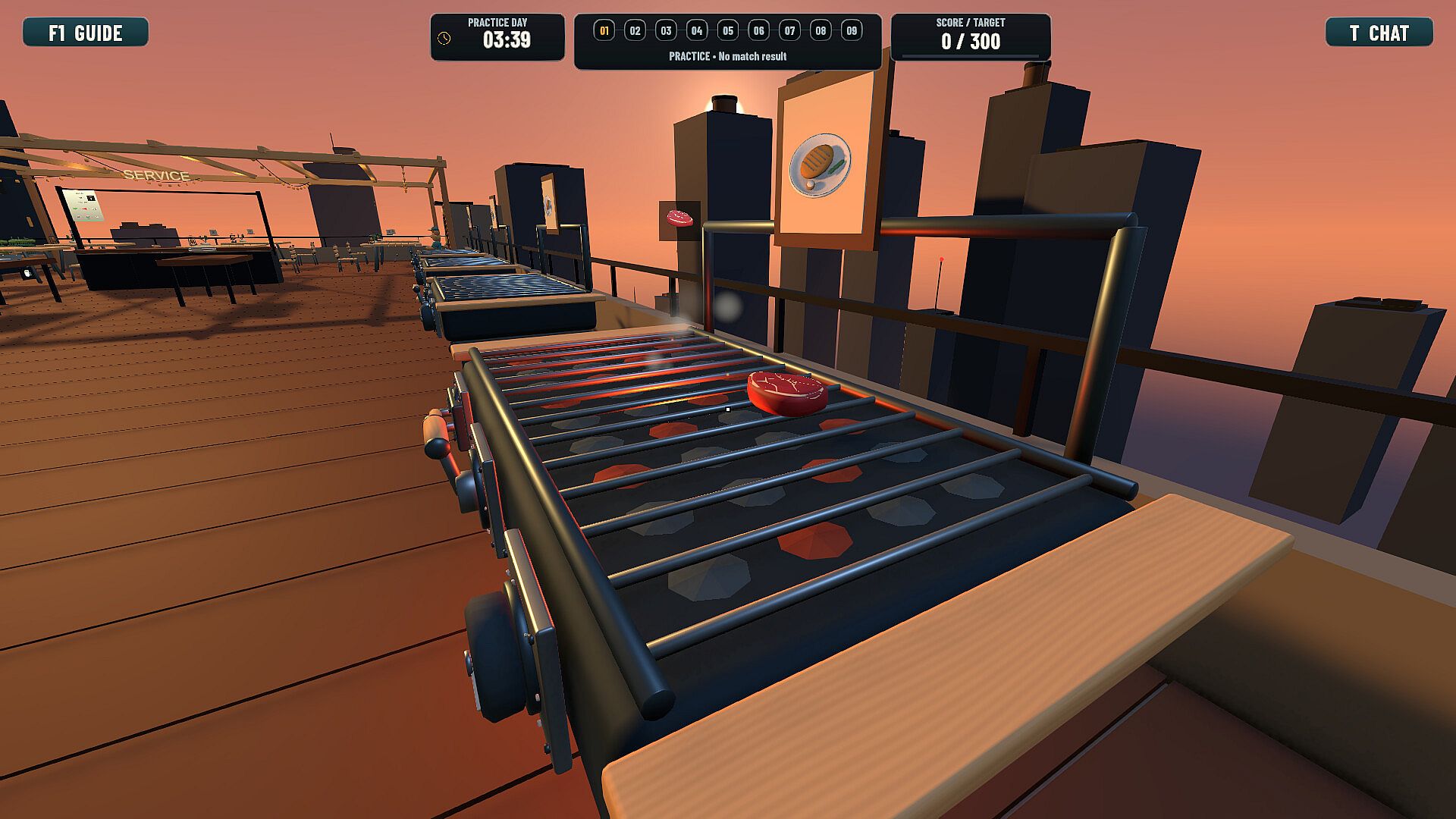
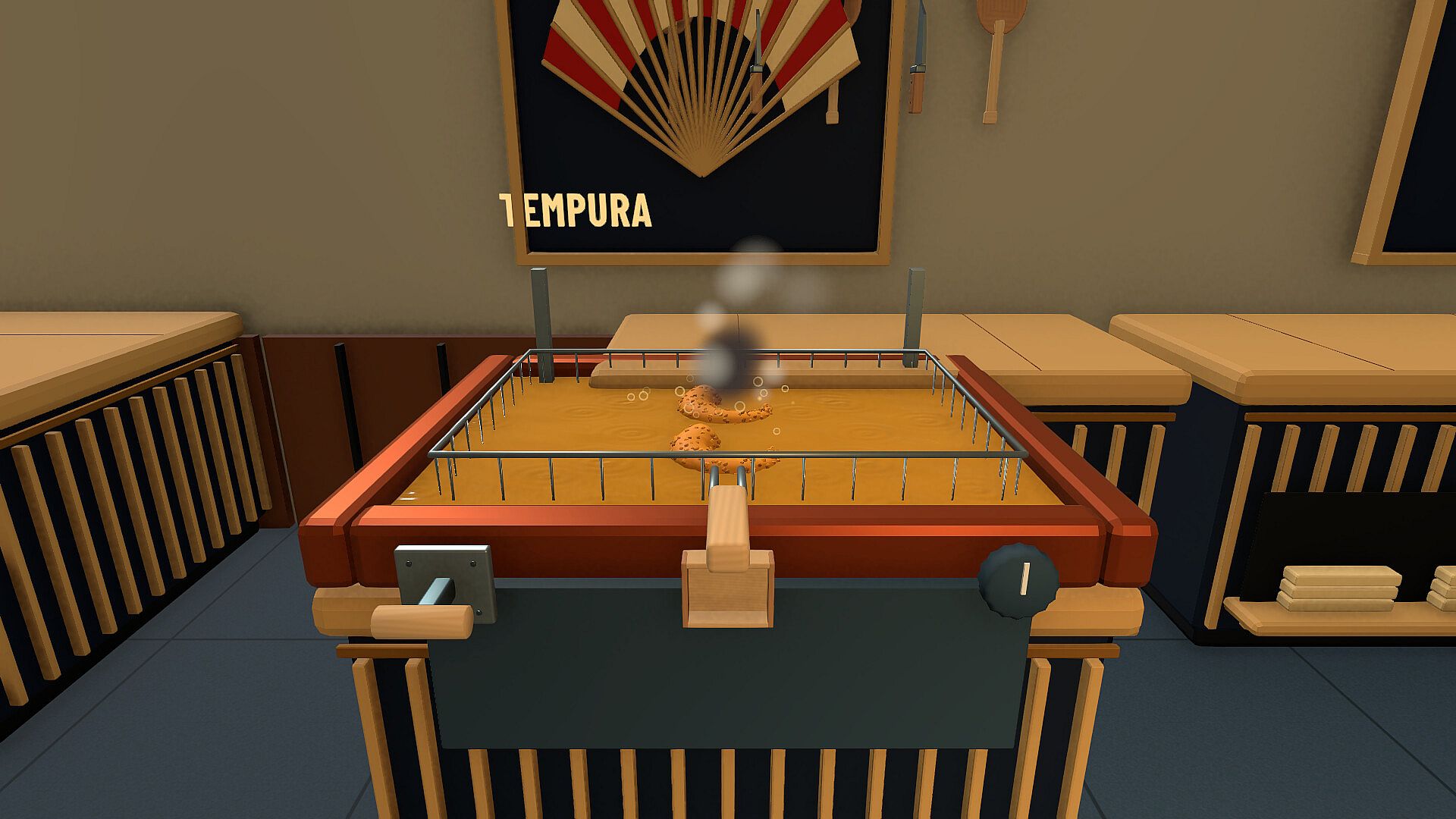
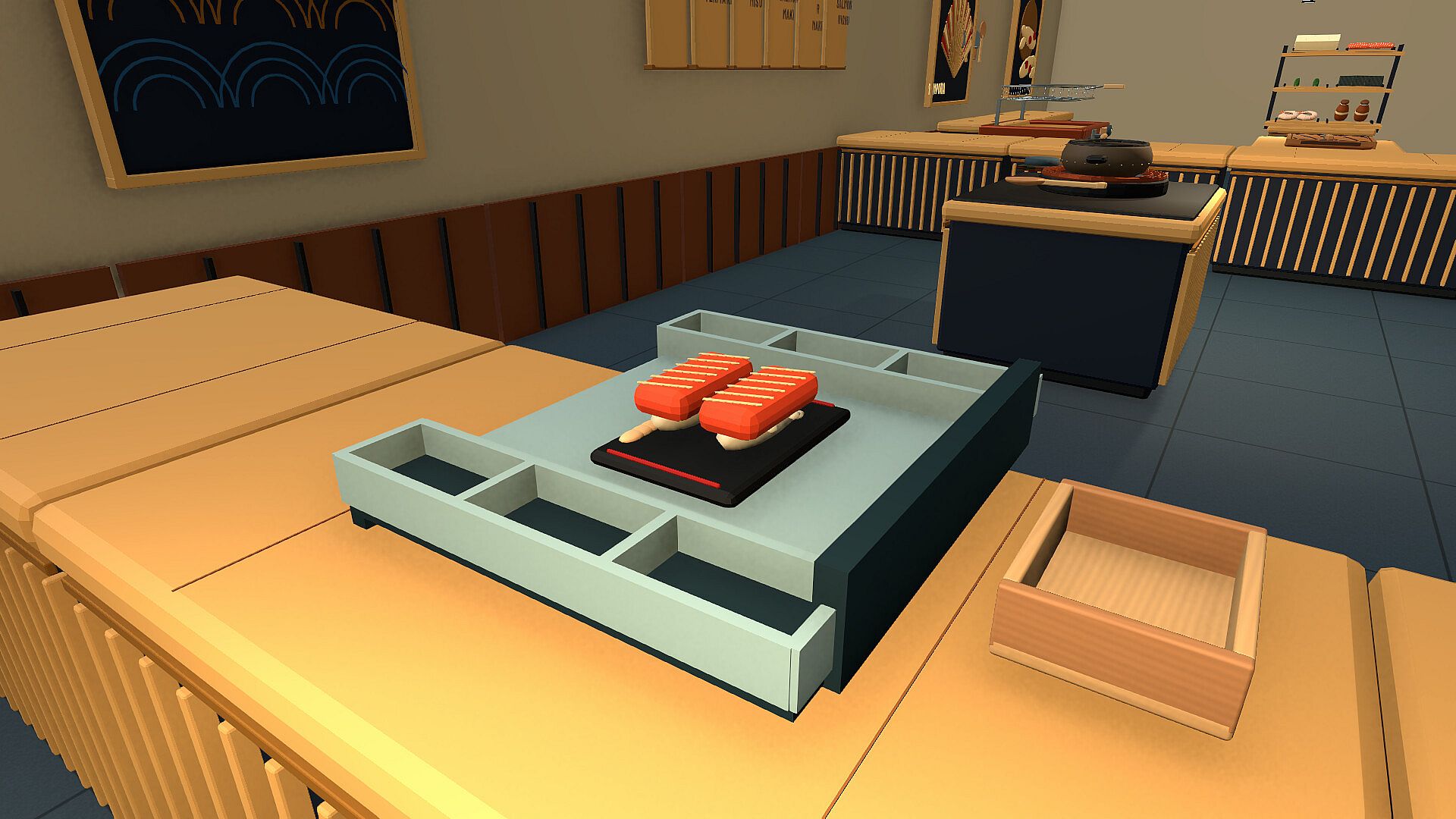
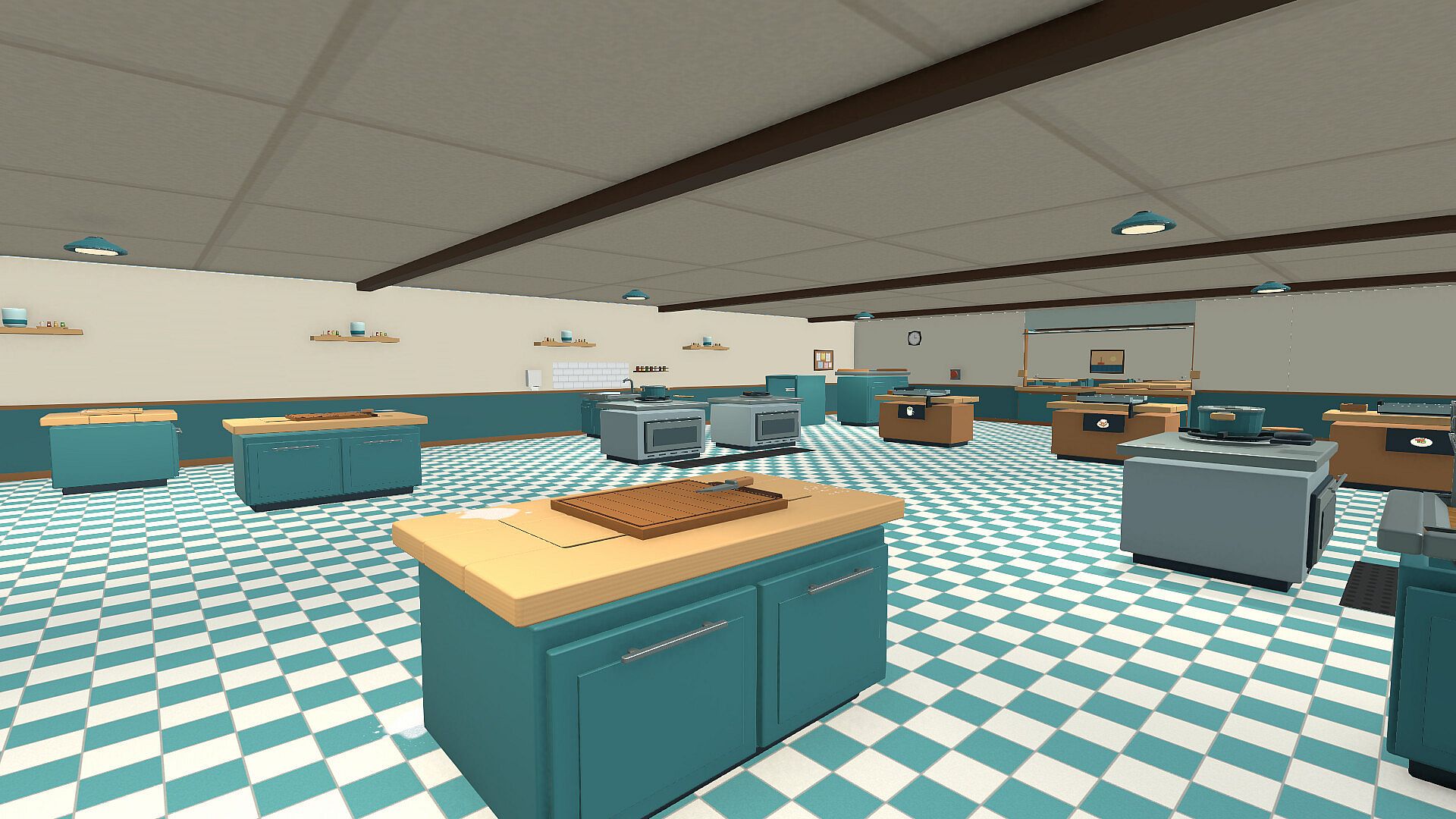
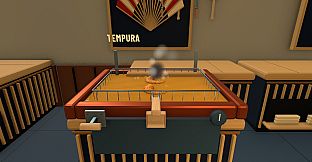
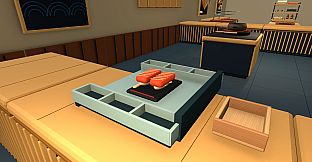
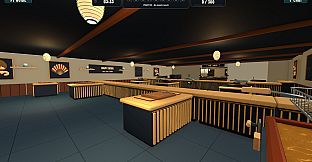
Three distinct restaurants provide variety in layout and menu. Classic Kitchen focuses on soups and sandwiches. Rooftop Grill features open-air cooking with food carried to numbered tables. Nami Sushi emphasizes preparation of sushi, miso, and tempura. Each location includes six recipes and unique station arrangements that change movement and task priorities.
Normal matches require three consecutive successful days to save the restaurant, while three missed targets close it. Short matches shorten the requirement to two successes or two warnings. Difficulty settings and match length remain adjustable, and controls can be remapped for comfort.
Communication and Team Dynamics
In-game voice and text chat support coordination, with options to mute individual players locally. Voices of restrained players become muffled, adding another layer to discussions. External voice programs operate independently since the game does not affect them.
Host responsibilities include starting the match, and departure ends the session for the group. The system encourages attention to both task completion and behavioral cues, since successful shifts depend on balancing service speed with traitor identification.
Is It Worth Playing?
Kitchen Traitor suits groups that enjoy social deduction layered onto time-sensitive cooperative tasks. The first-person perspective and shared kitchen interactions create opportunities for both genuine teamwork and subtle sabotage that feel distinct from pure deduction titles. Players who prefer smaller lobbies can access co-op or solo modes, though the full deduction experience requires at least four participants.
The game remains in development with a planned release on October 23, 2026. No user reviews or aggregated ratings exist yet, so expectations rest on the described mechanics and the developer's focus on adjustable difficulty and remappable controls. Those seeking a fresh mix of cooking simulation and hidden roles may find the concept appealing once it launches, particularly if they already enjoy party-style multiplayer sessions with friends.