


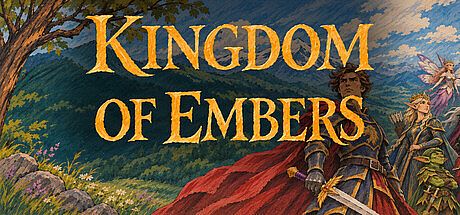


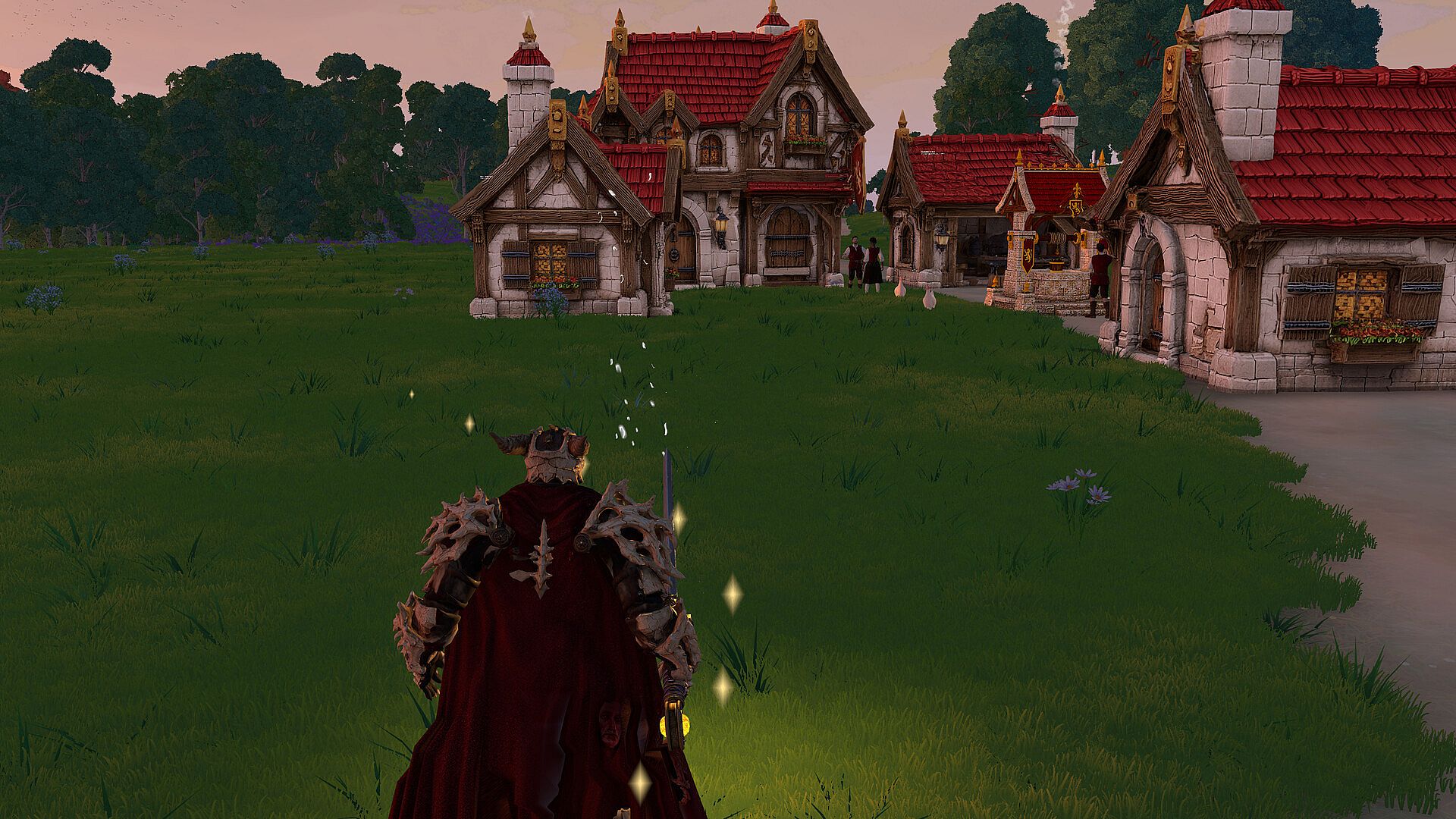
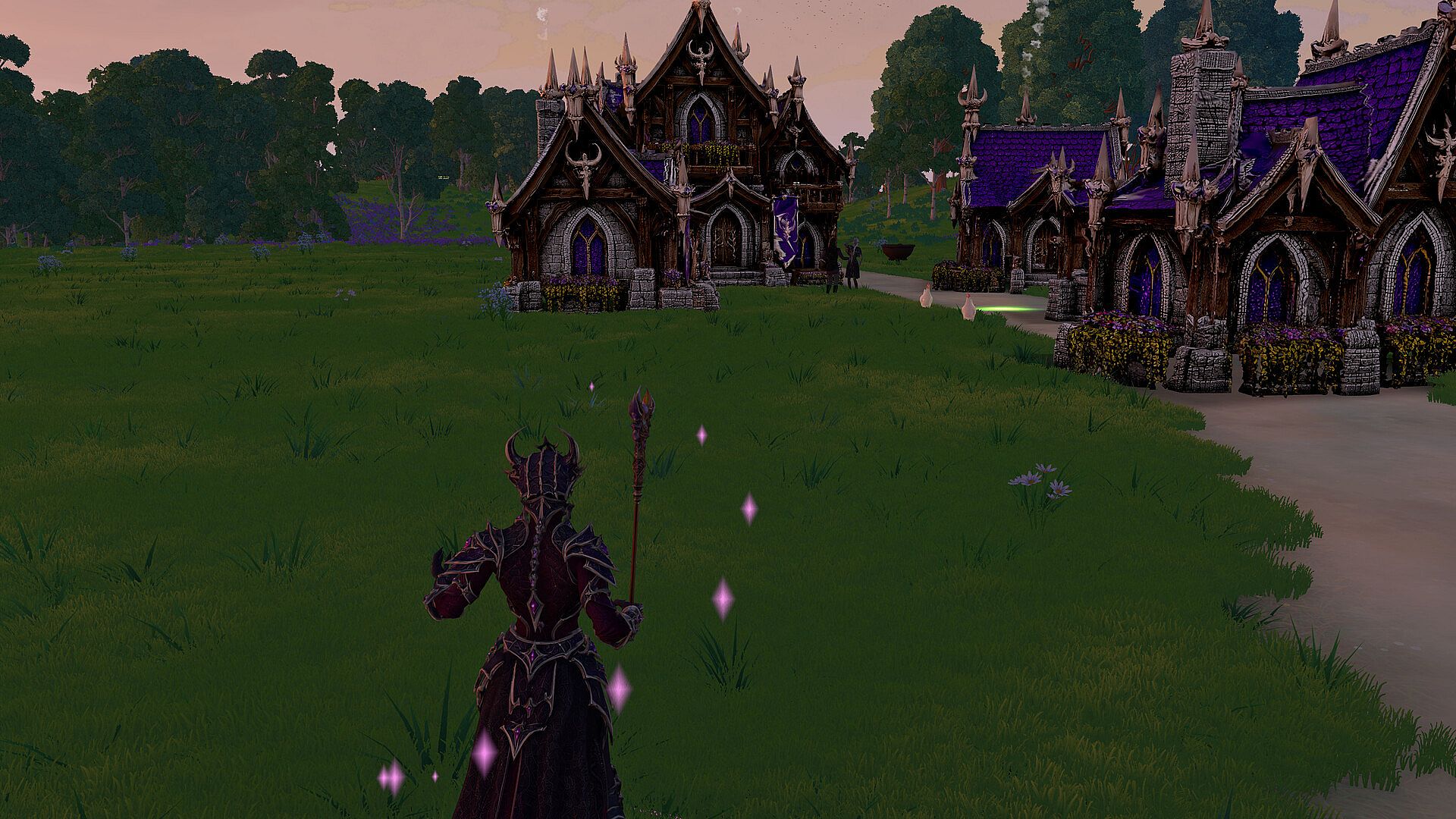
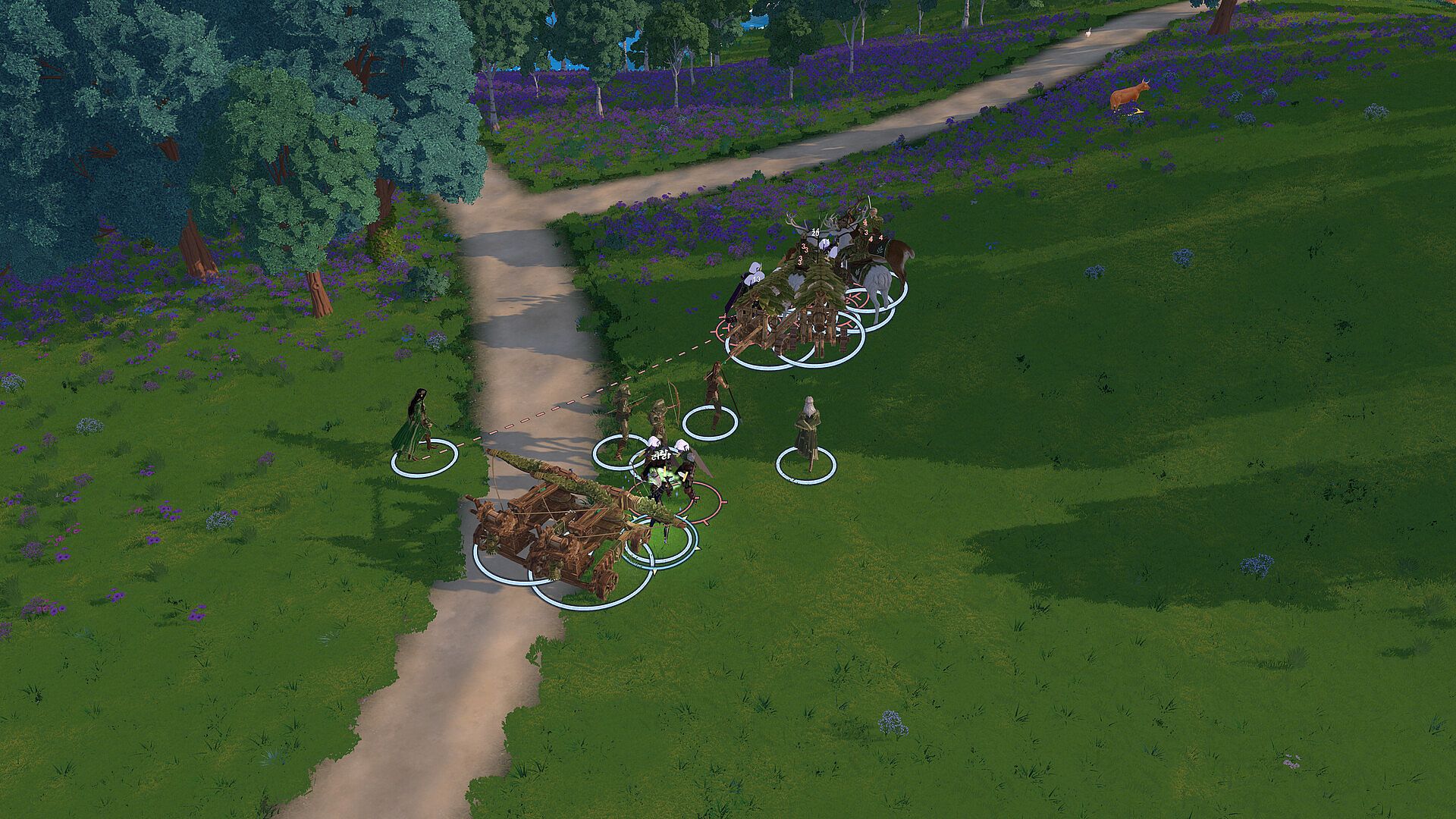
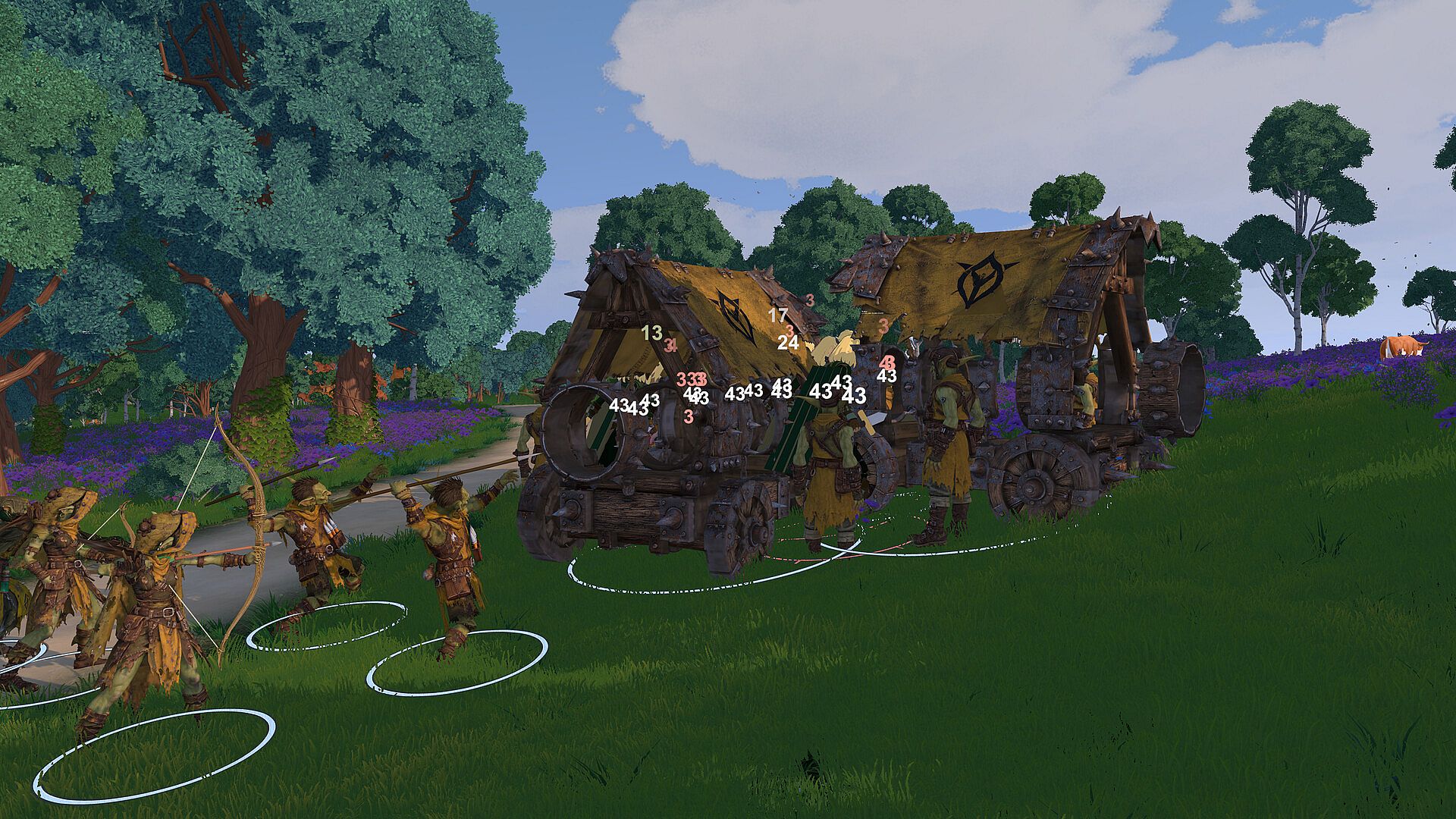
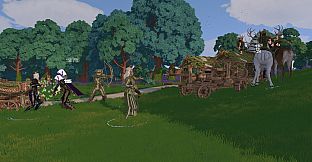
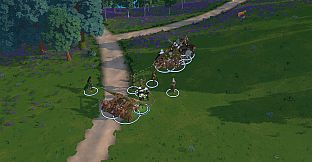
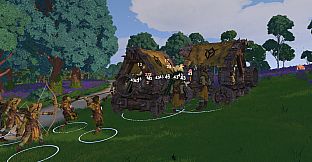
Kingdom of Embers is a hybrid strategy and RPG title for PC that blends real-time strategy army command with direct action control of a ruler character. Players manage kingdoms while stepping into the role of their leader on the battlefield, combining base building and large-scale tactics with personal combat using blades and spells.
Gameplay
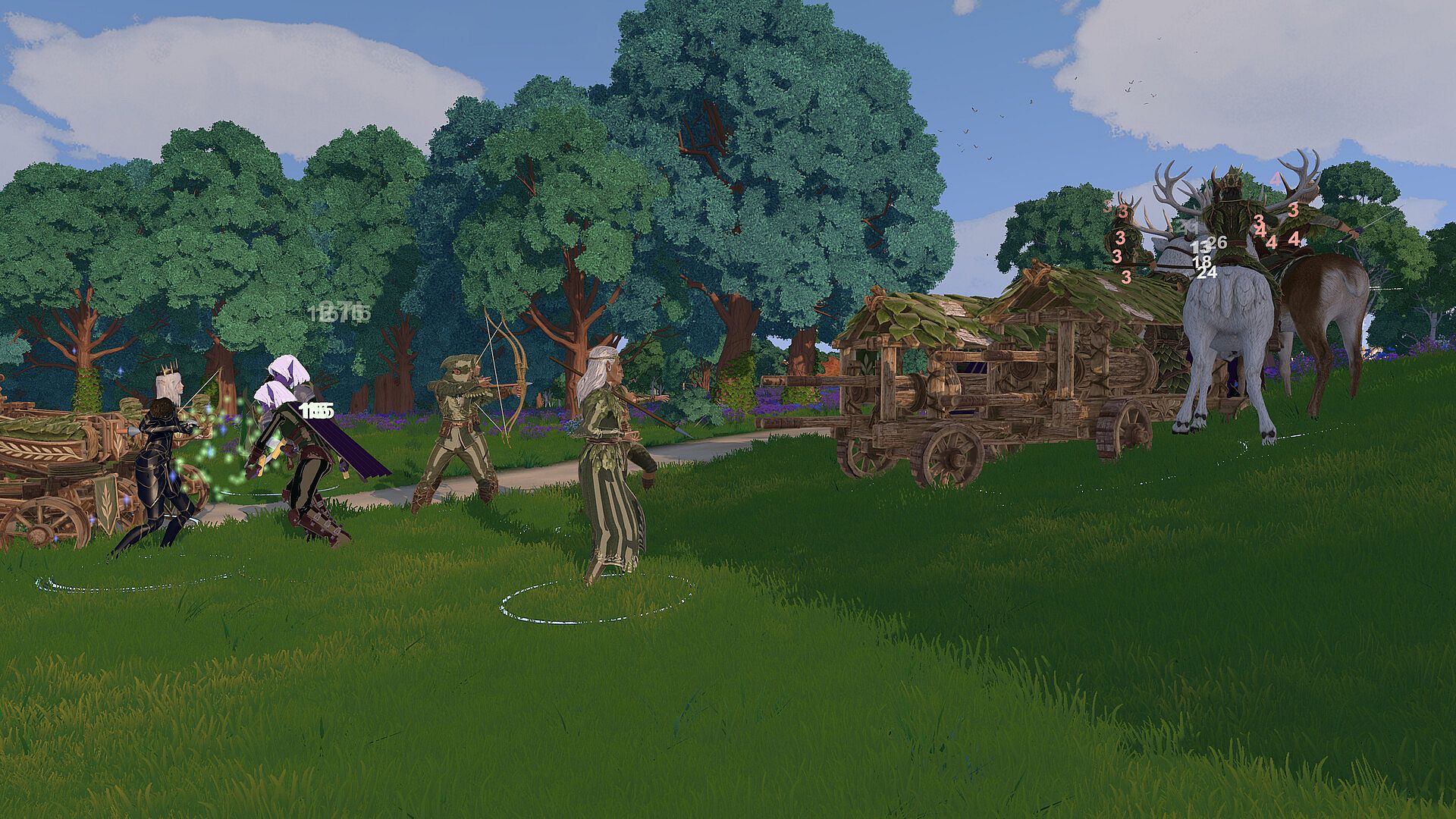
The core loop alternates between overseeing the realm from an RTS perspective and taking direct control of the chosen ruler. Construction of towns and castles supports army recruitment and positioning, after which the player assumes command of the king or queen to engage enemies in real time. Combat mixes melee strikes, ranged attacks, and magic casting as the ruler cuts through opposing lines. Between major conflicts, expeditions into dungeons yield powerful equipment and abilities that transfer back to the campaign. A living world features wildlife such as foxes and bears, traveling caravans, and villagers reacting to threats, all supported by hundreds of voiced lines from rulers, bosses, and heralds.
Five distinct rulers shape available playstyles and starting positions. Aldric defends human territories with shield and fire magic. Yuki leads the fairies of Blossomveil and favors healing over aggression. Vexira, a dark-elf matriarch, pursues power through any means. Sylwen commands the Silverleaf elves with precise archery. Snikrat rallies goblins toward global dominance. Each ruler brings unique strengths that influence army composition and battlefield tactics.
Reputation systems track decisions made after capturing independent villages. Options include integrating residents as citizens, enslaving them, or eliminating them, each affecting diplomacy and the likelihood of future uprisings. Spies recruited from taverns handle theft, sabotage, bribery, and assassinations, while captured enemy agents face judgment with outcomes ranging from execution to pardon.
Game Modes
Ten hand-crafted scenarios present focused campaigns. Examples include liberating goblins in Broken Chains or rescuing a noble heir from execution. These missions emphasize narrative beats and specific objectives within the larger realm.
Skirmish mode allows custom rulesets. Players adjust fog of war, the number of rival factions, starting treasuries, random events, and Iron Crown mode, which limits the ruler to a single life. This setup supports repeated playthroughs with varied strategic constraints and opponent counts.
Dungeon runs add another layer. Five-floor delves such as Darkness's Embrace feature bosses including the Gravemaw Tyrant and the Ashen Warden, along with encounters like a possessed nun and a black merchant. Further exploration of areas like the frozen Frostwood uncovers legendary weapons, armor, and spell tomes. Cursed or holy rings bind permanently to the wearer, while powerful spells such as Heaven's Judgment, Absolute Lightning, and the Ember Meteor can decisively shift battles or deter rebellions.
Is It Worth Playing?
Kingdom of Embers suits players who enjoy managing resources and armies at scale before committing to personal combat. The dual-layer approach rewards those who plan kingdom development while mastering ruler abilities in direct confrontations. Scenario variety and customizable skirmishes provide structured and open-ended options, while dungeon expeditions and reputation choices add long-term consequences to decisions.
The game supports single-player campaigns without requiring multiplayer infrastructure. Its mix of building, command, and action appeals to fans of strategy titles that incorporate character progression and choice-driven outcomes. Availability on PC makes it accessible for those with standard hardware capable of running real-time strategy and action elements simultaneously.
Key Mechanics and Progression
Legendary items and spells obtained from dungeons enhance ruler capabilities across campaigns. Permanent rings introduce risk-reward elements, as beneficial effects come with binding drawbacks. World-ending spells offer high-impact options that can resolve conflicts quickly but require careful resource management.
Diplomacy and internal security systems create ongoing tension. Successful spy operations weaken rivals, yet failure or poor judgments can spark rebellions or shift alliances. The living world reacts dynamically to player actions, with environmental details reinforcing the sense of a reactive realm under constant pressure from wars and raids.