




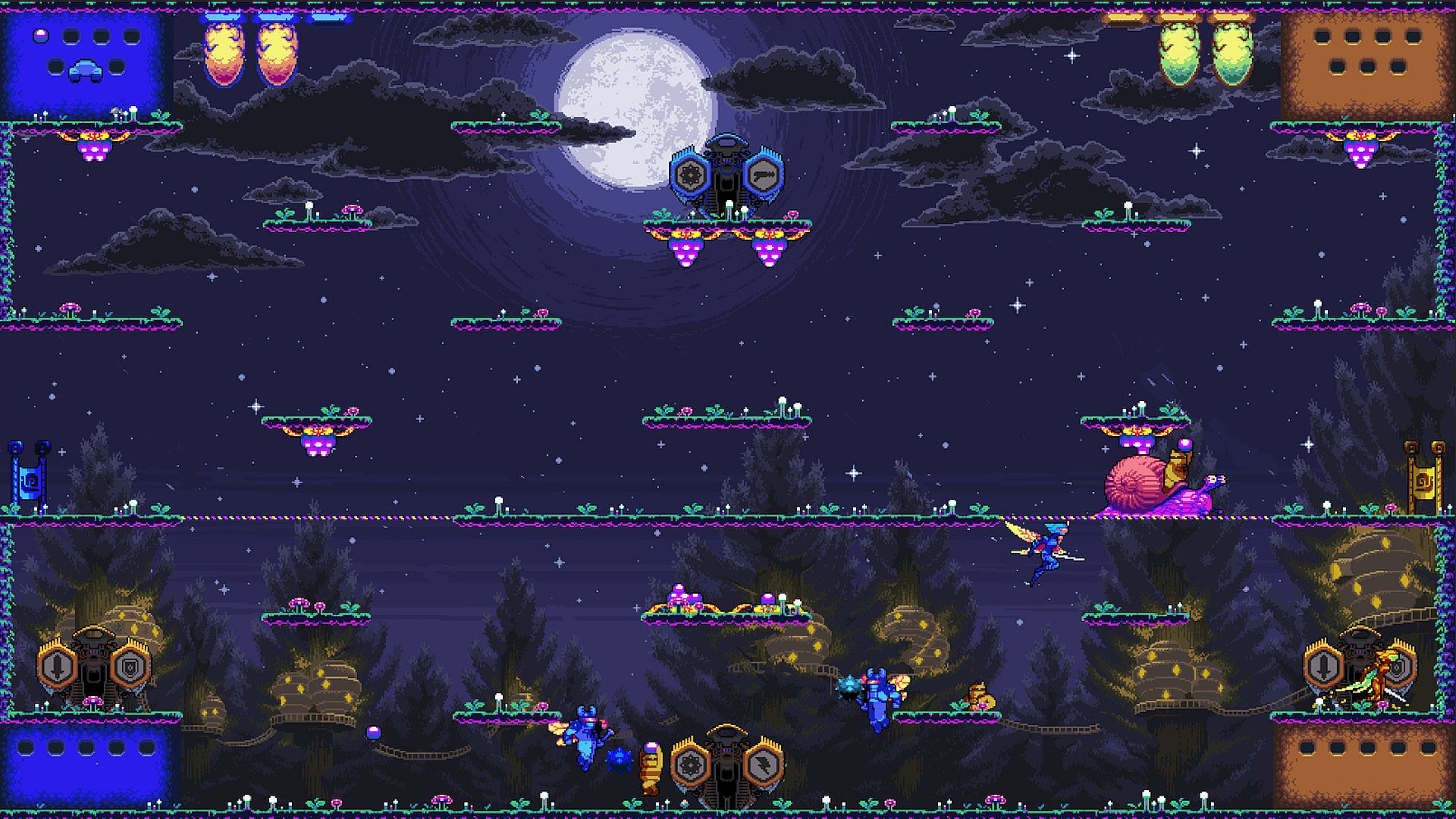
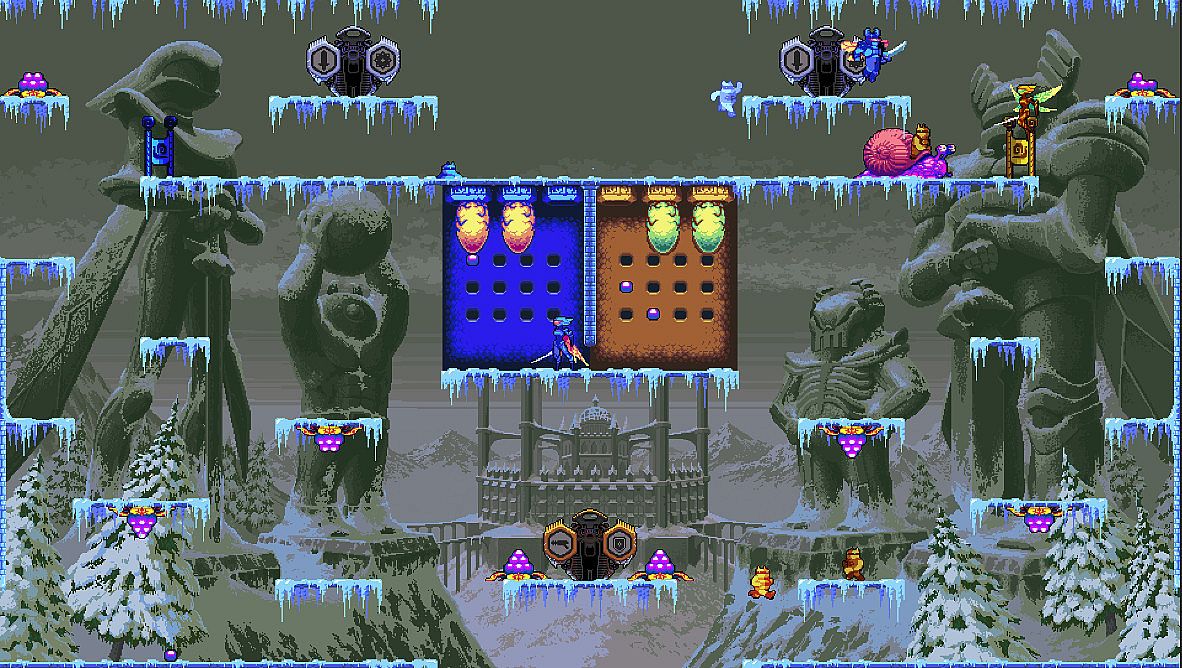
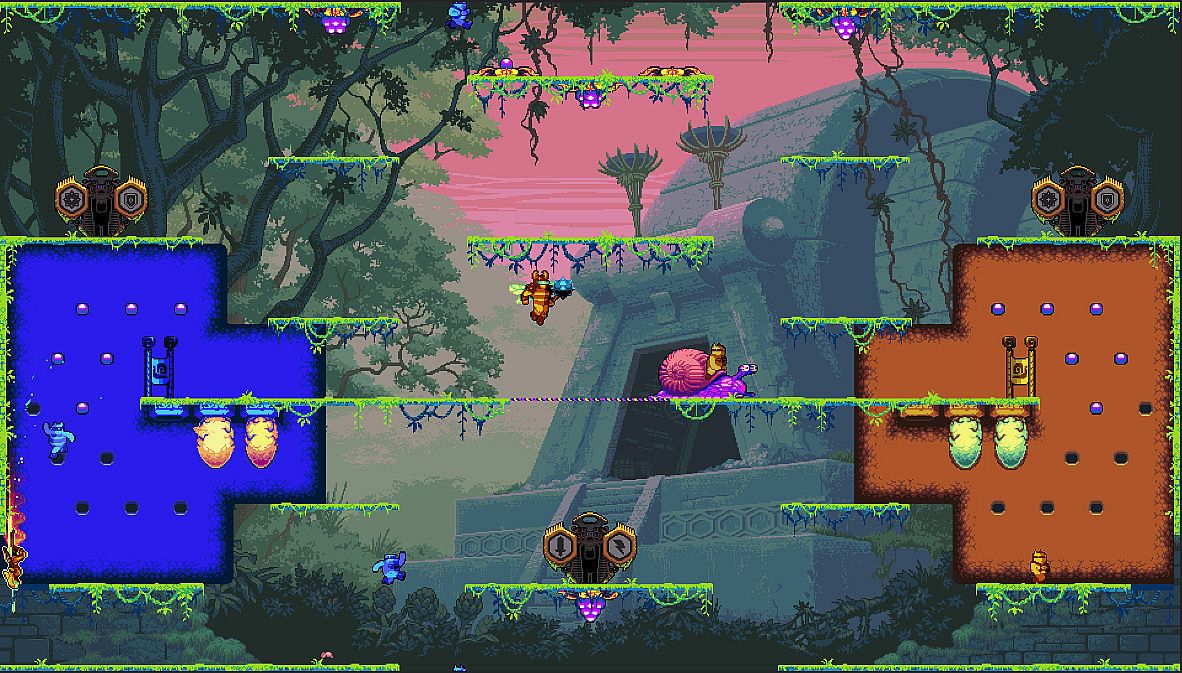
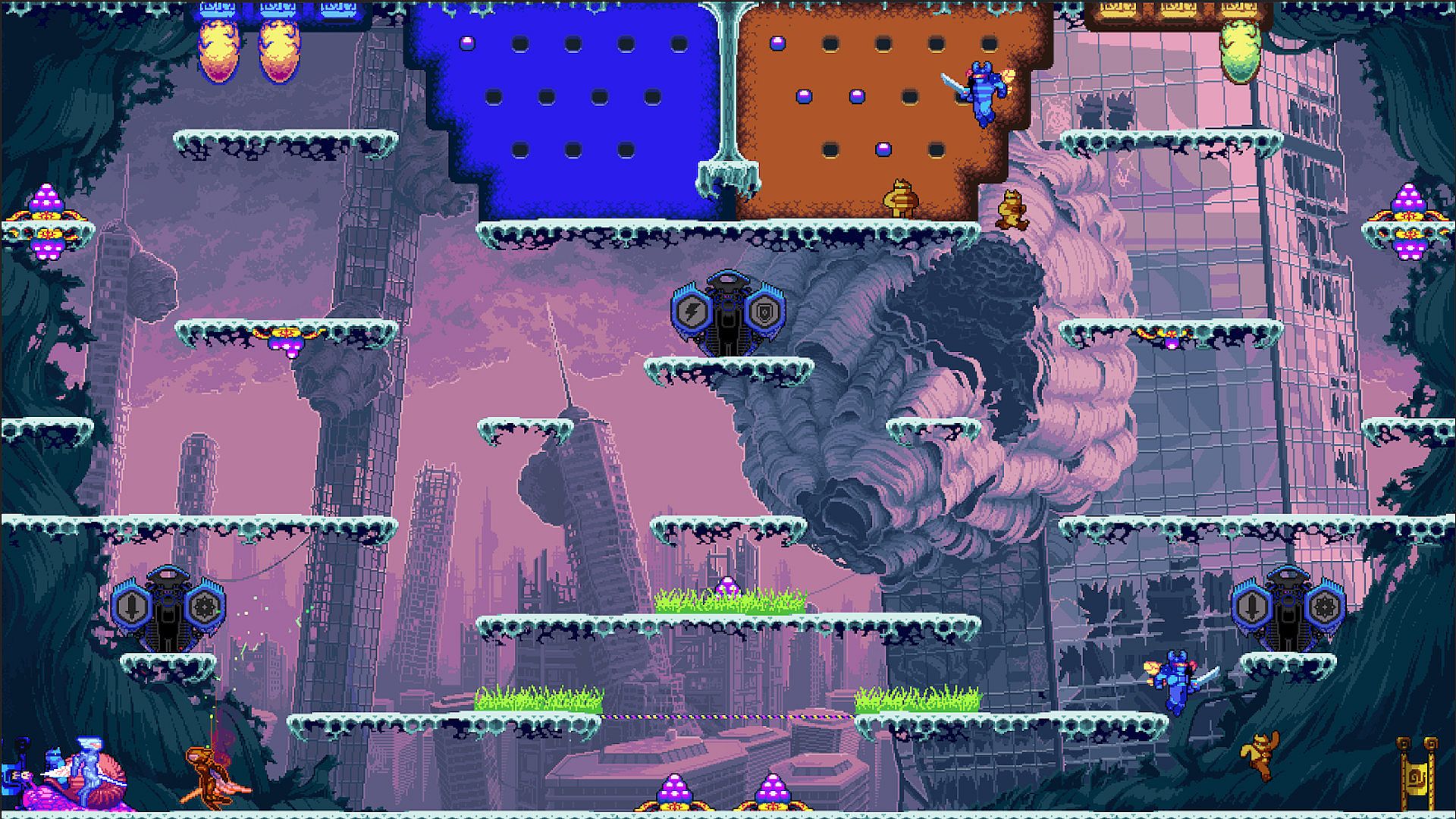
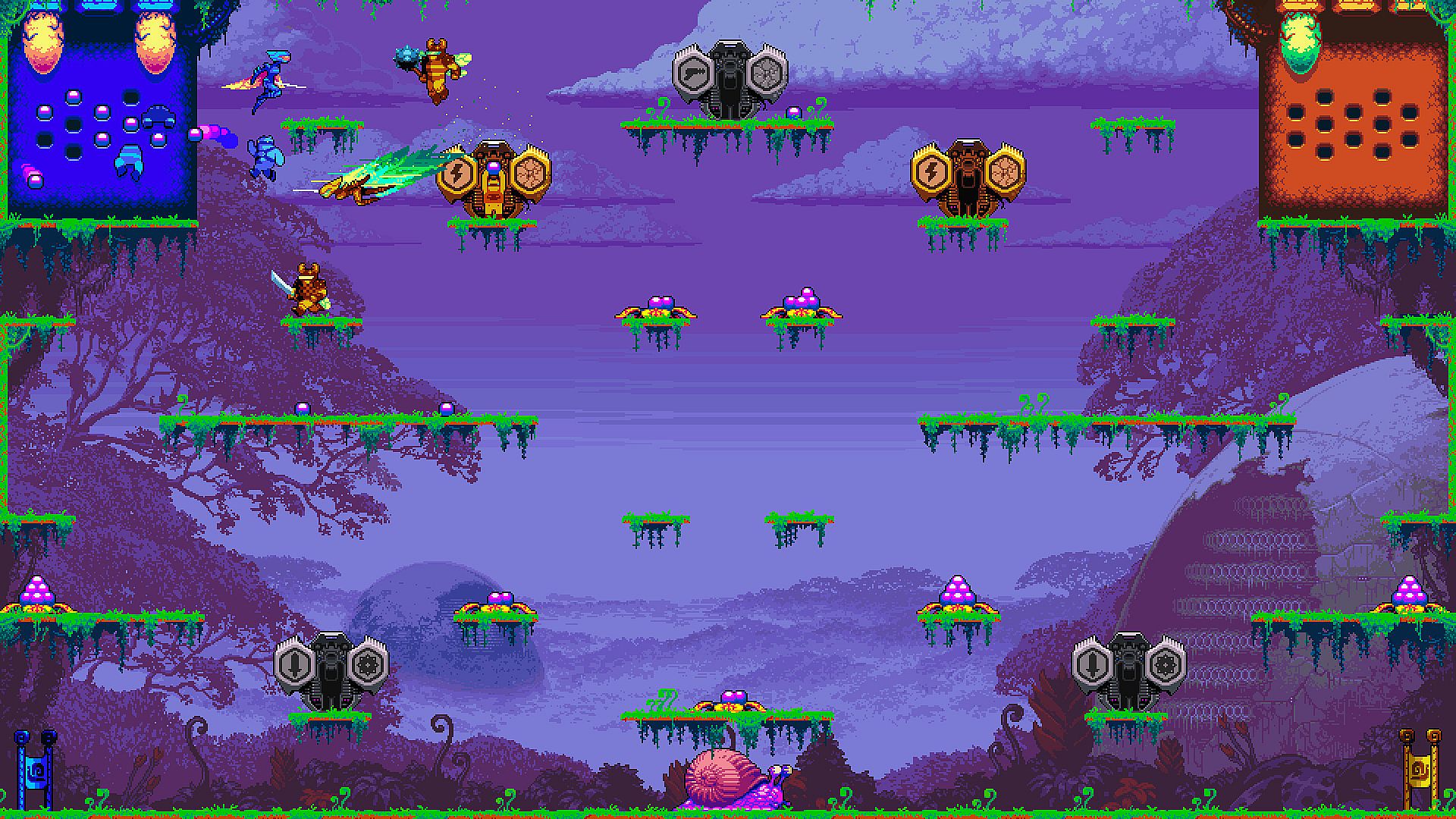
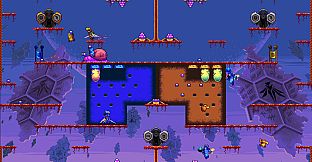
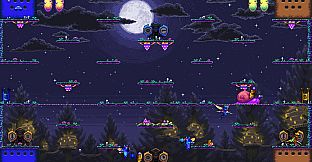
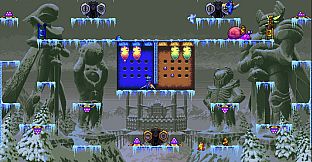
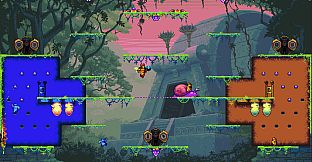
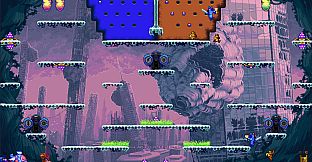
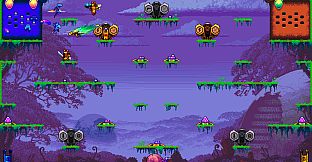
Killer Queen Black é um jogo de ação e estratégia em equipe para PC que mistura combates rápidos no estilo arcade com objetivos estratégicos em partidas 4v4. Os jogadores controlam a poderosa Queen ou os versáteis Workers em mapas caóticos, onde decisões rápidas e coordenação definem o resultado de cada sessão.
Gameplay
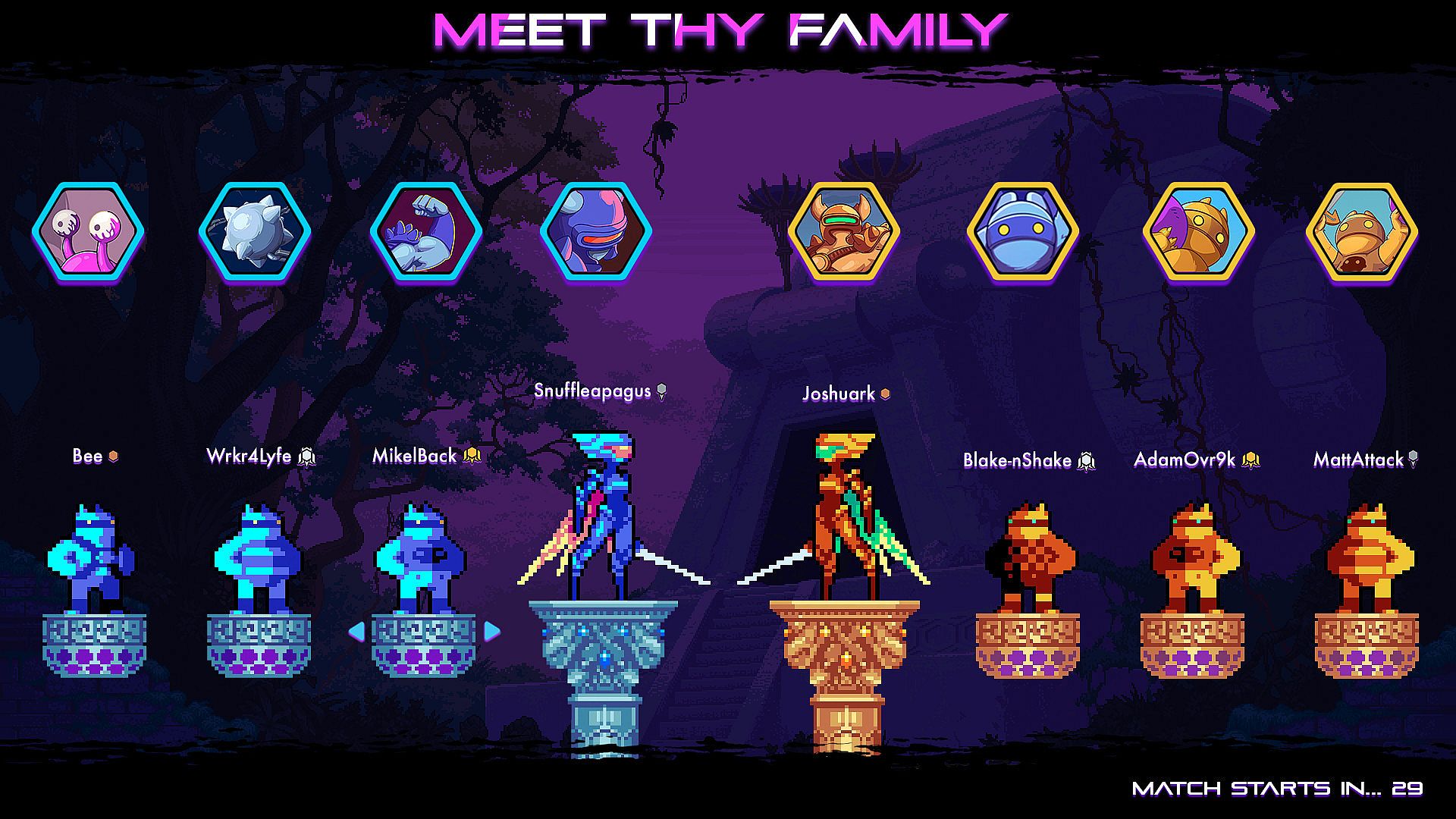
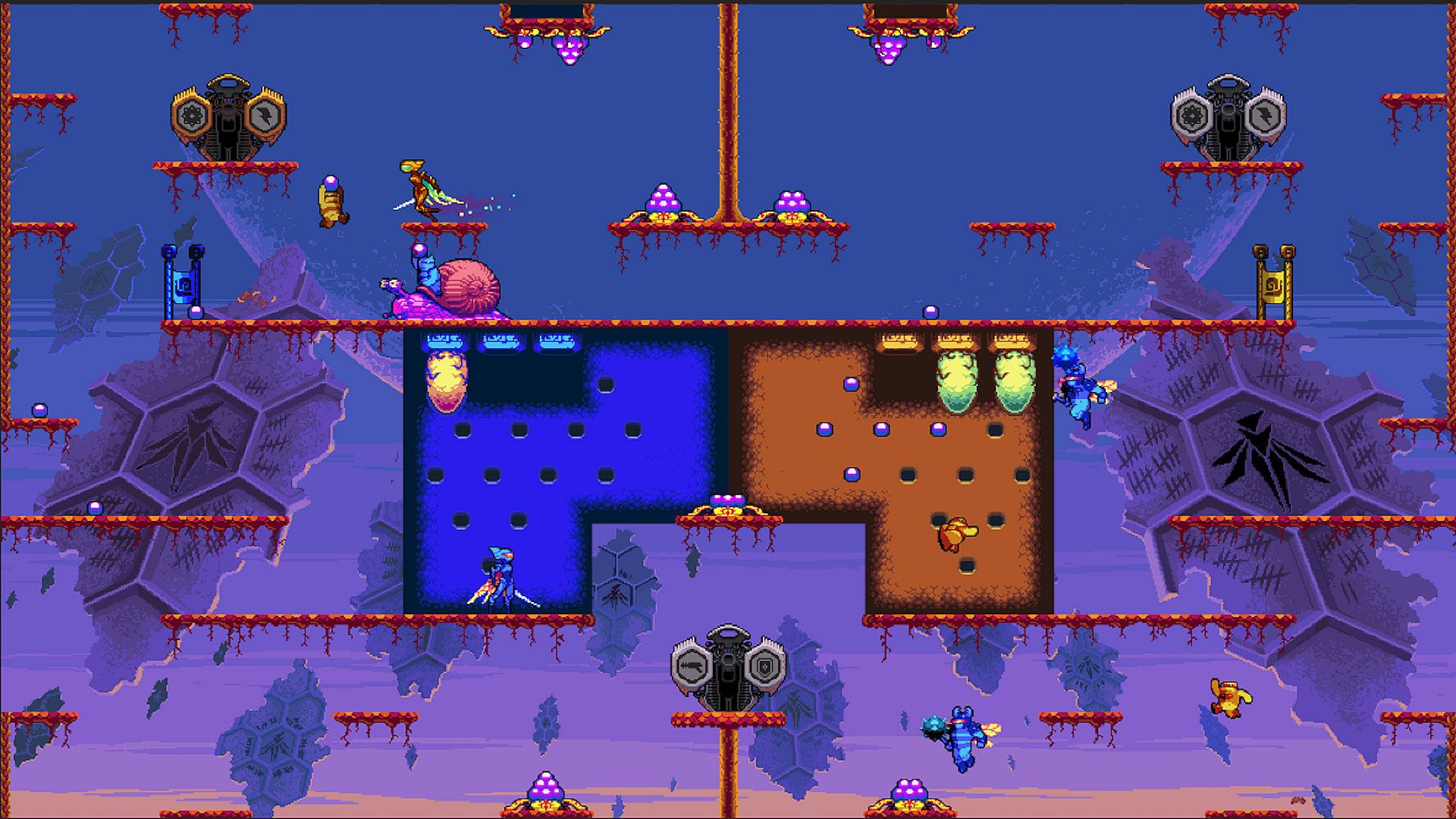
As partidas acontecem em arenas compactas, com duas equipes competindo diretamente. Em cada time, um jogador assume o papel de Queen e direciona a ação, enquanto os Workers cuidam das tarefas de apoio. Eles podem coletar recursos, montar um caracol para se locomover pelo mapa ou se transformar em Warriors para o combate direto. Essa flexibilidade de papéis permite que os jogadores alternem entre avanços econômicos, controle de objetivos e confrontos ofensivos ou defensivos ao longo de uma mesma partida. A Queen lidera na linha de frente, mas continua vulnerável, exigindo proteção constante e atenção ao posicionamento. Velocidade e escolhas em frações de segundo separam as equipes bem-sucedidas daquelas que ficam para trás, já que os mapas possuem layouts distintos que recompensam diferentes abordagens de movimento e posicionamento.
Game Modes
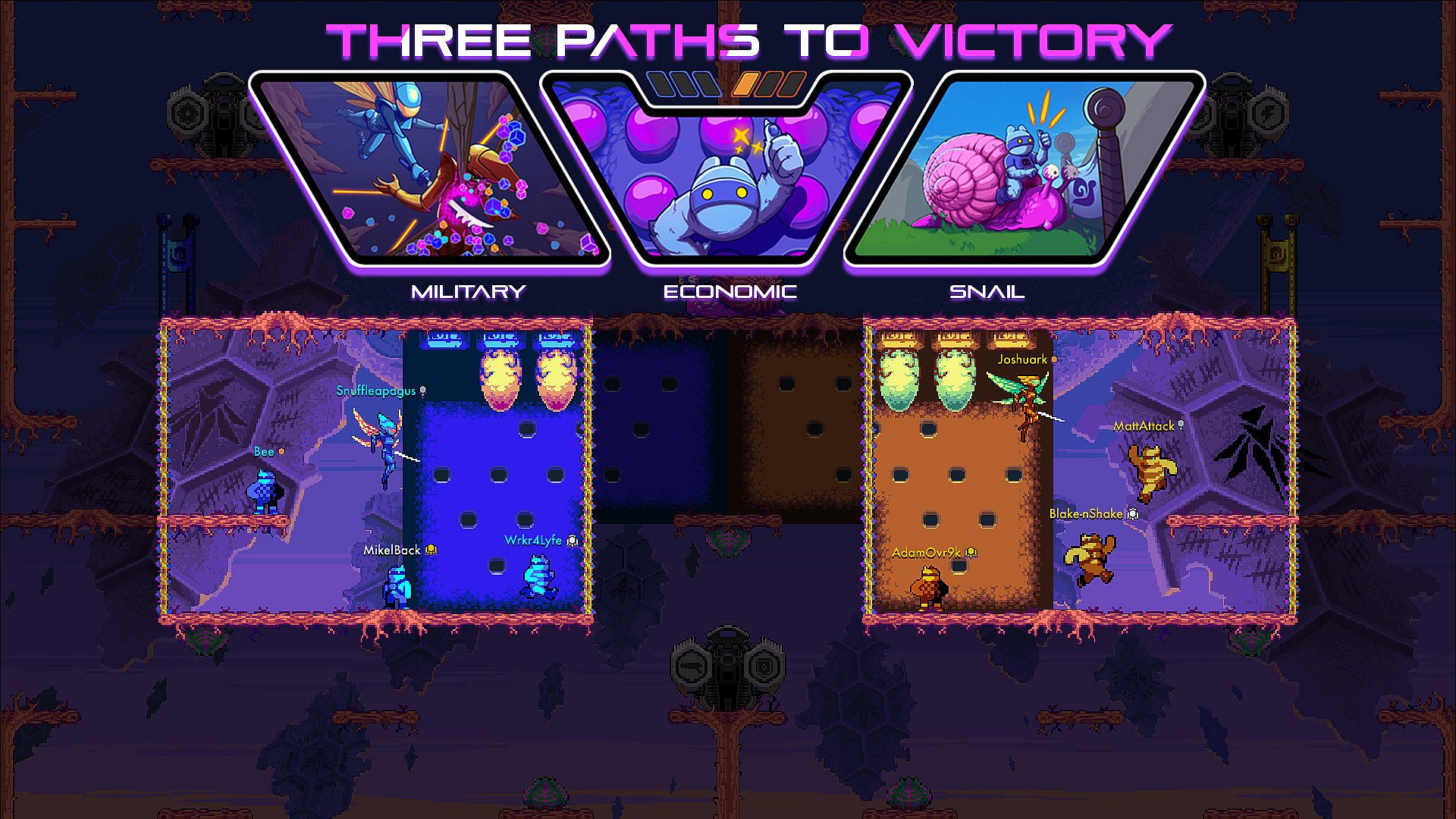
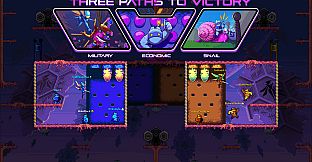
A vitória pode ser alcançada por três condições distintas, capazes de encerrar a partida a qualquer momento. A vitória econômica exige encher a colmeia da equipe com berries coletadas pelo mapa. A vitória por objetivo acontece quando um time leva o caracol até o lado oposto do mapa. A vitória militar ocorre após eliminar a Queen adversária três vezes. Esses caminhos sobrepostos obrigam as equipes a se adaptarem em tempo real, equilibrando coleta de recursos, escolta do caracol e confrontos diretos. Nenhuma estratégia domina sozinha, pois os oponentes podem perseguir qualquer uma das três condições ao mesmo tempo, gerando mudanças frequentes de prioridade durante o jogo.
Team Dynamics and Maps
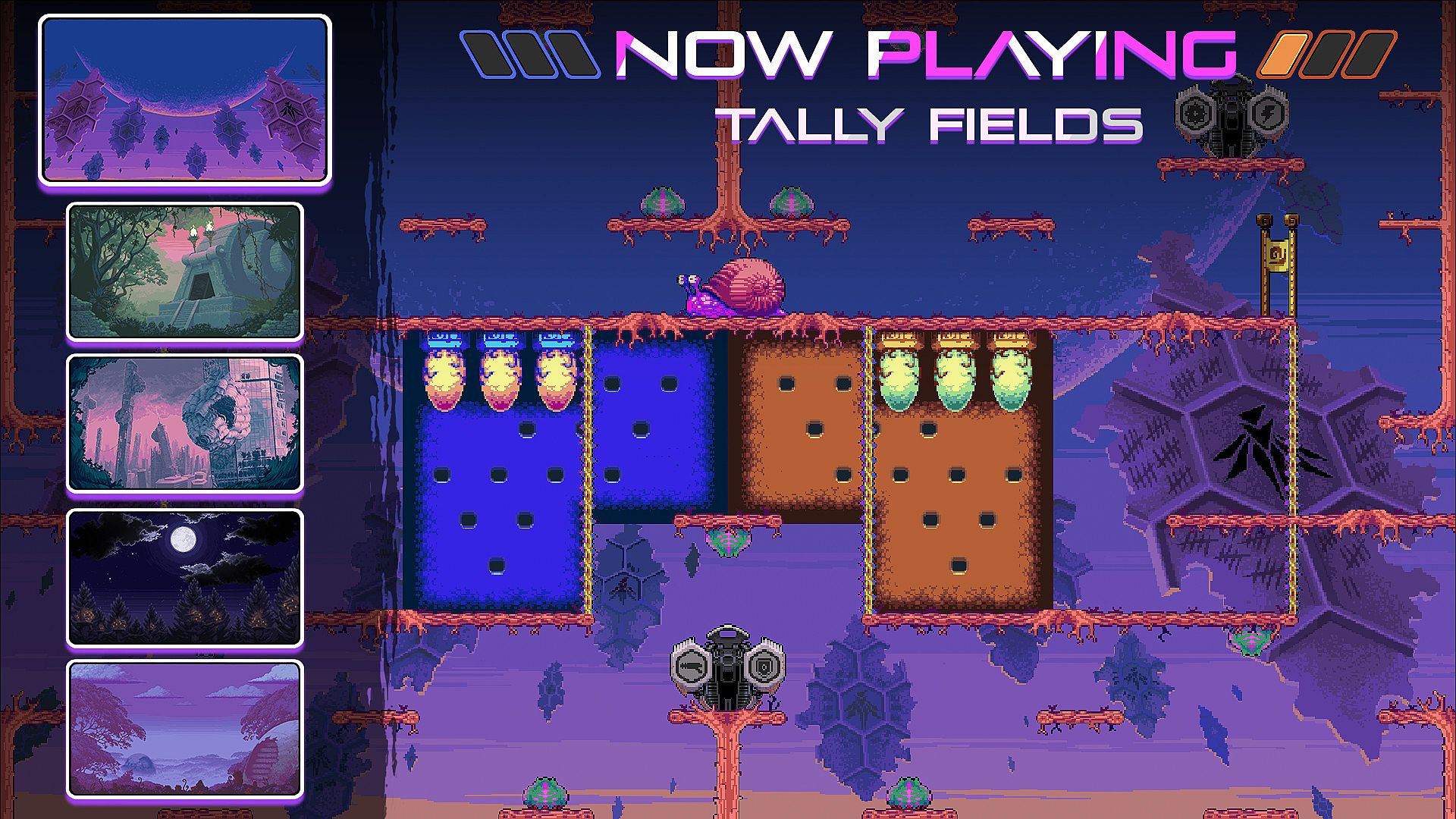
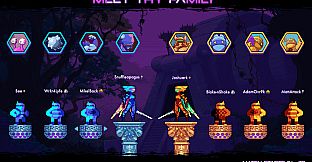
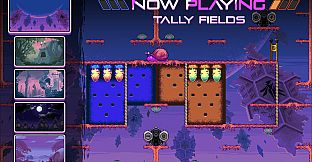
Comunicação e distribuição de papéis são essenciais, pois cada jogador contribui para um dos caminhos de vitória. Liderar como Queen exige atenção tanto ao posicionamento da própria equipe quanto às ameaças inimigas, enquanto os Workers se destacam em corridas silenciosas por berries ou em empurrões do caracol sob pressão. Vários mapas oferecem oportunidades táticas únicas por meio de seus layouts, incentivando composições e padrões de movimento diferentes a cada partida. O modo local permite sessões em tela dividida junto com as partidas online, facilitando o treino de coordenação sem necessidade de conexão externa. O ciclo central é acessível para iniciantes, mas oferece profundidade suficiente para sessões repetidas, já que pequenos ajustes no trabalho em equipe geram resultados visivelmente diferentes.
Is It Worth Playing?
O jogo voltou recentemente como título free to play com o multiplayer online restaurado, tornando-se imediatamente acessível para quem se interessa por esse estilo de competição em equipe. É ideal para jogadores que gostam de partidas focadas em coordenação, onde as ações individuais se conectam diretamente ao sucesso do grupo em vez de dependerem de desempenho solo. Quem prefere jogos com variedade clara de papéis e múltiplos caminhos para a vitória encontra engajamento constante entre as sessões. O foco em adaptação e comunicação gera valor de replay para grupos que valorizam profundidade estratégica em rodadas curtas e intensas. O suporte ao modo local amplia as possibilidades de jogo presencial, aumentando seu apelo além das filas online.