


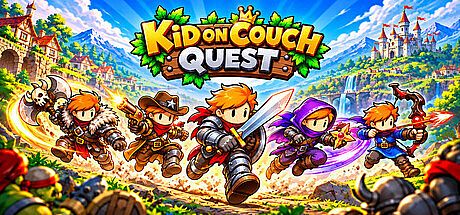


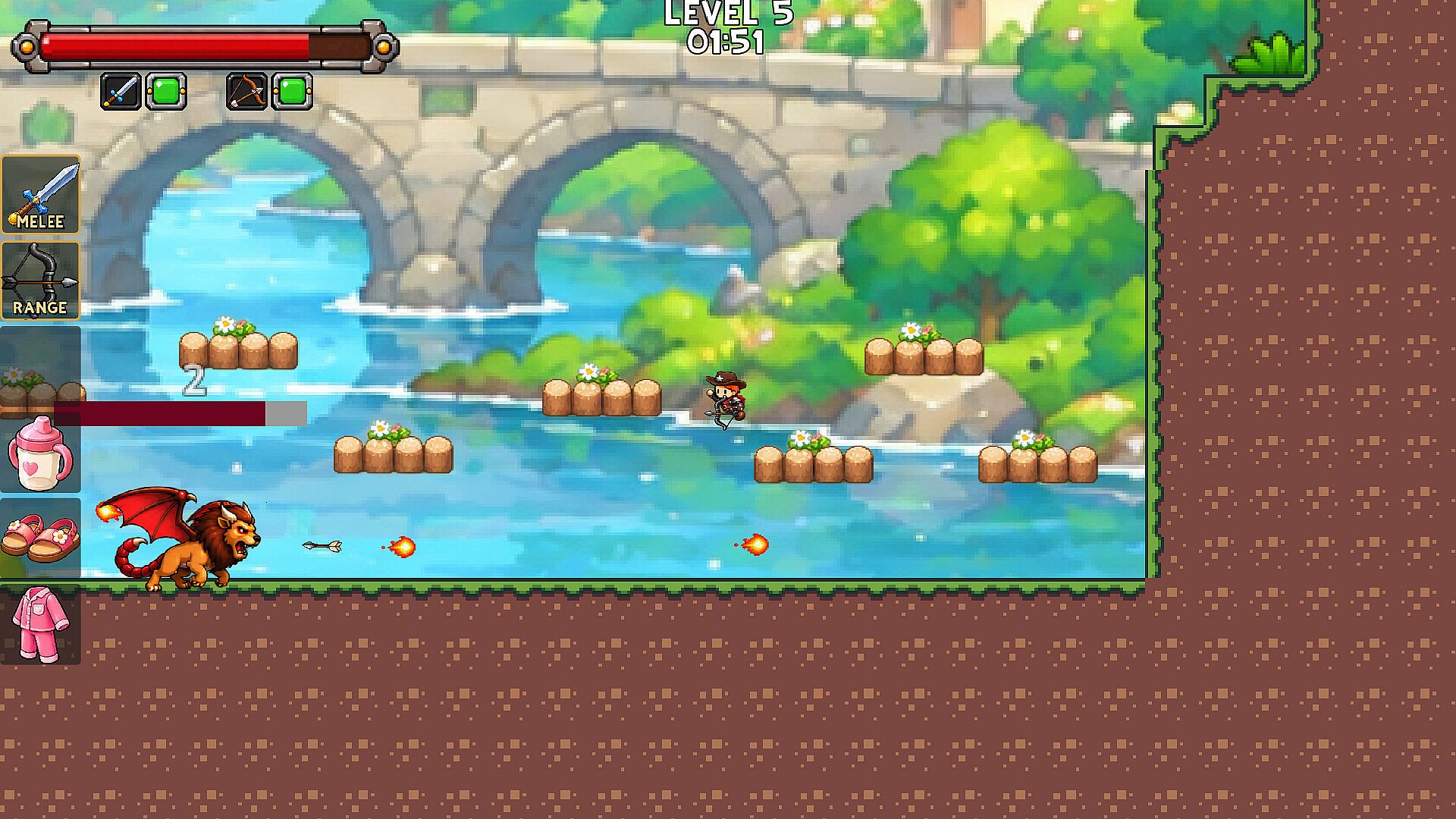
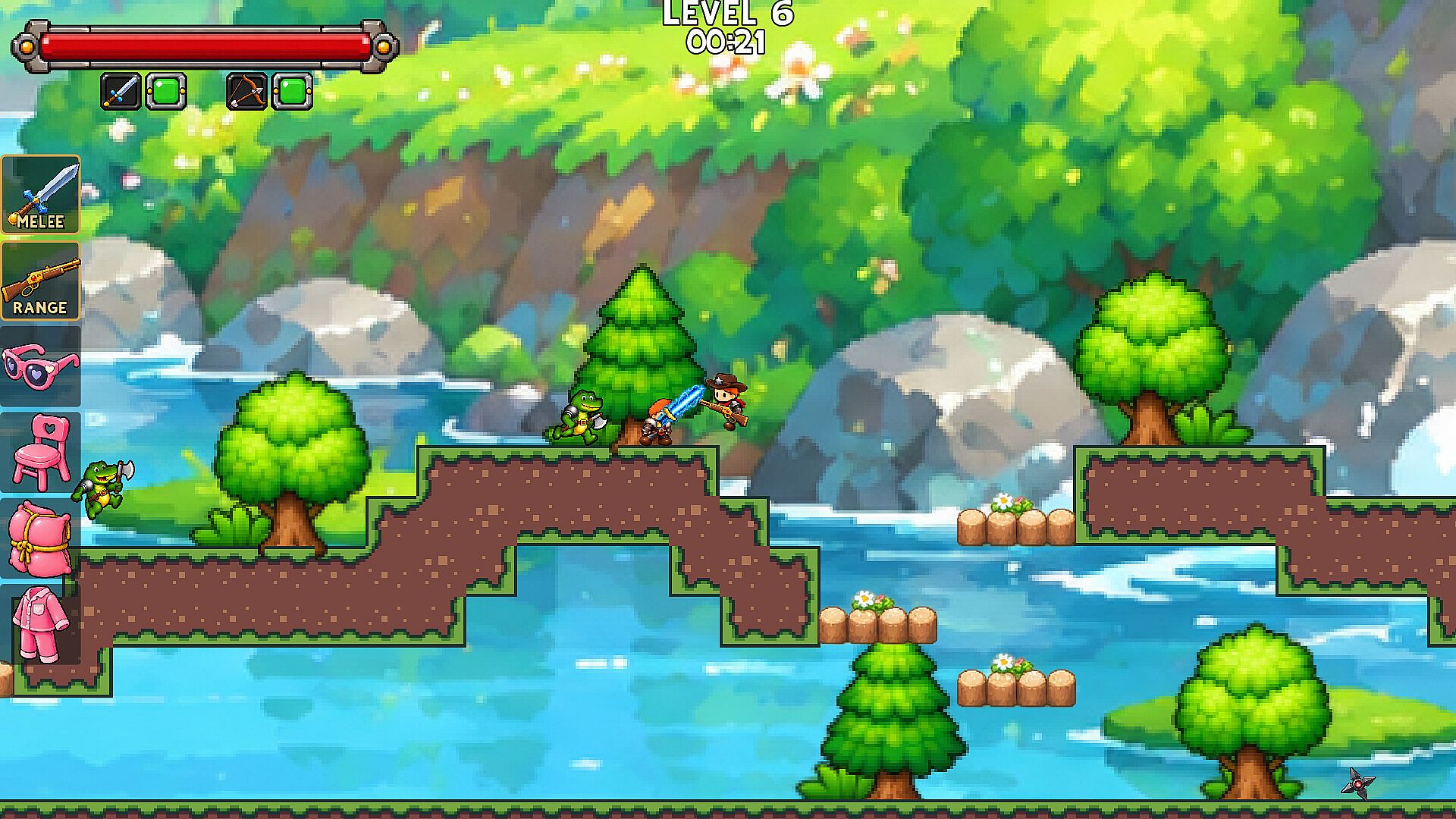
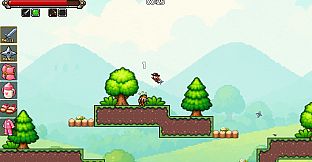
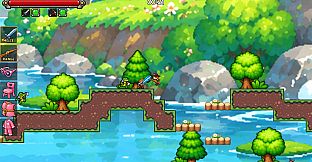
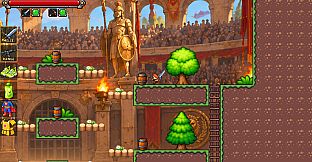
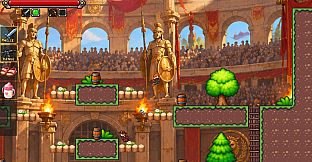
Kid on Couch Quest is a 2D platform shooter that blends fast platforming with shooting and melee combat in an indie action package for PC. Players control small heroes who battle oversized threats across levels filled with enemies, bosses, and collectibles. The core loop centers on movement precision, weapon switching, and resource management to survive encounters while building power through upgrades.
Gameplay
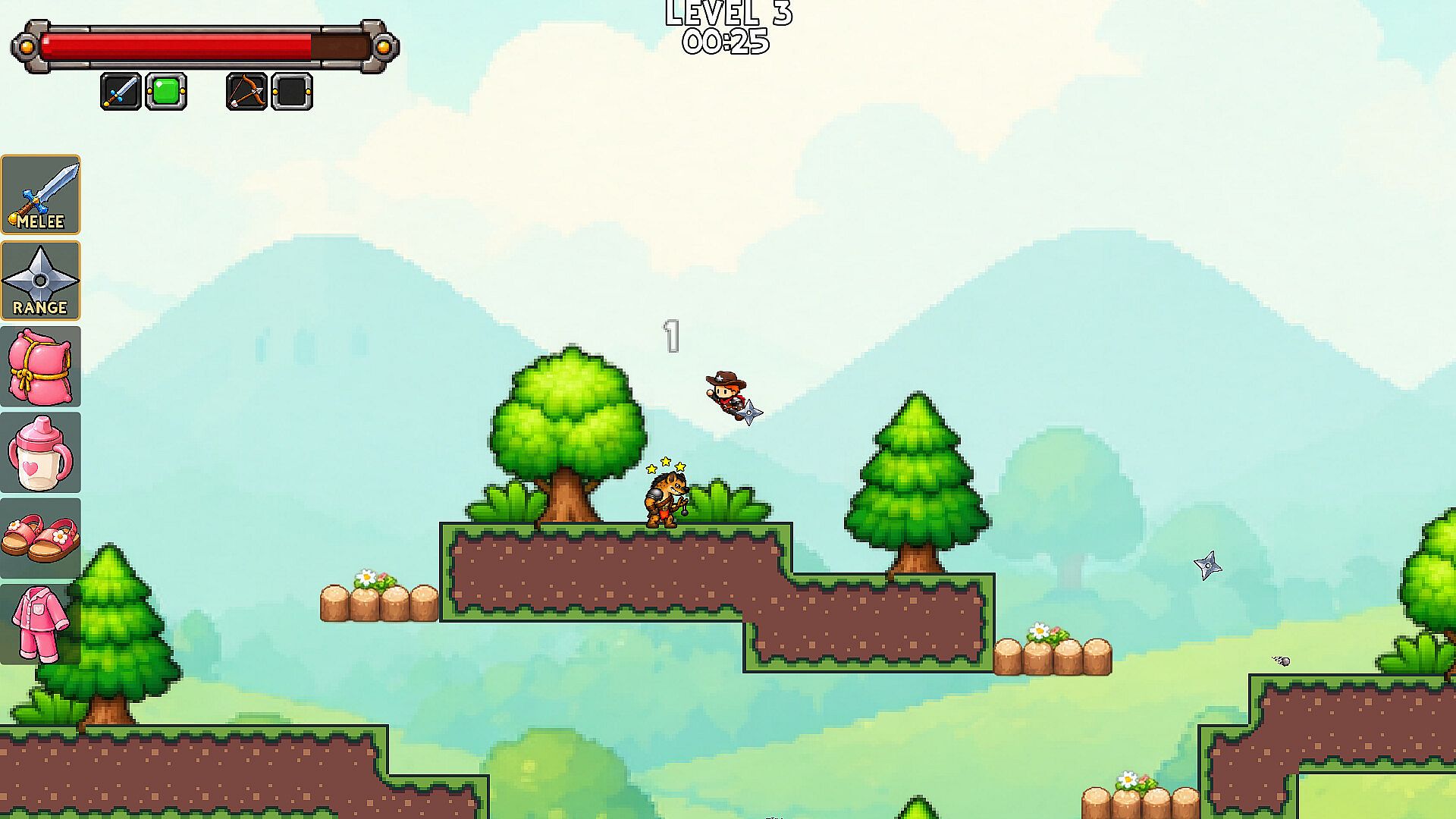
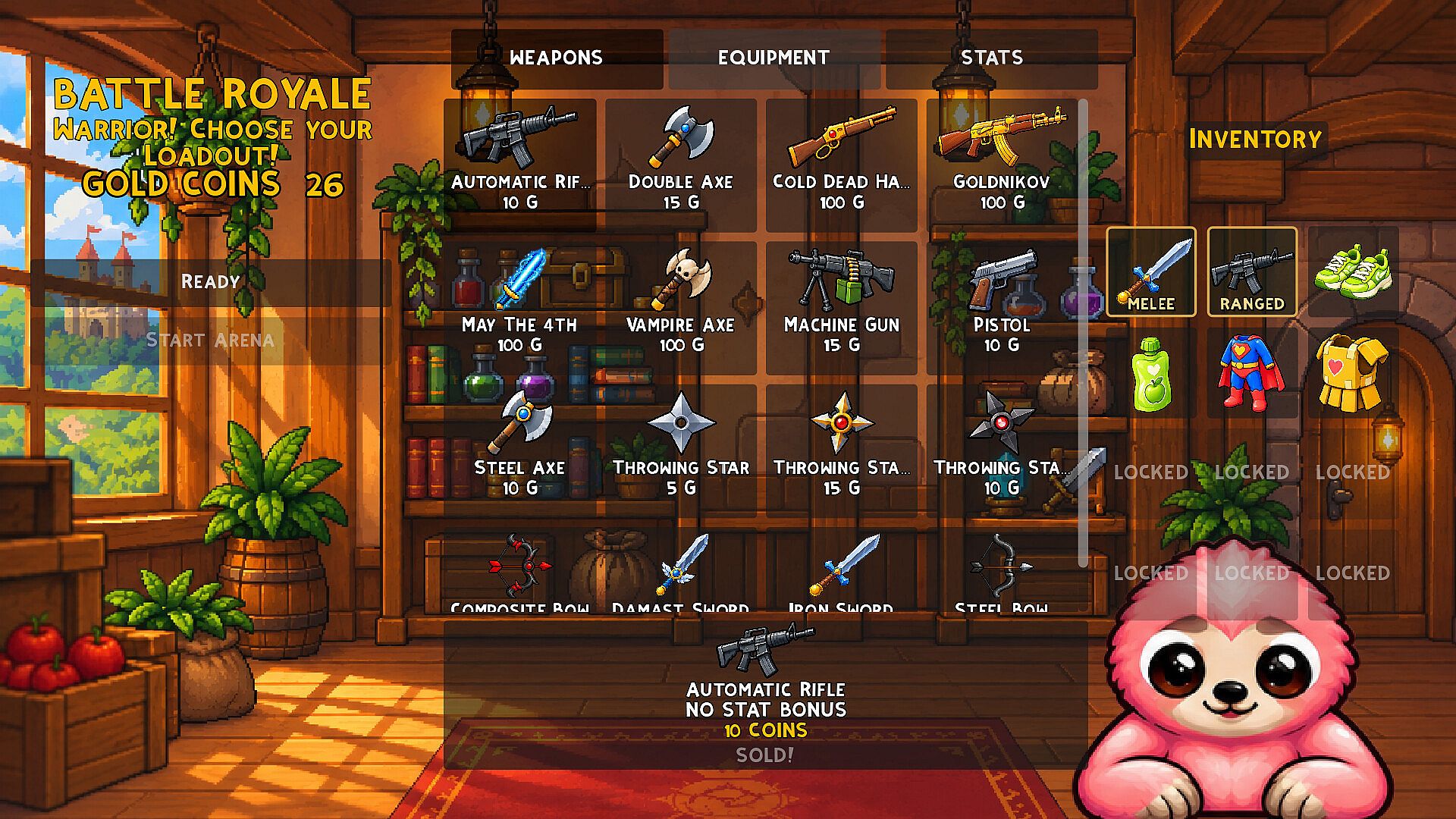
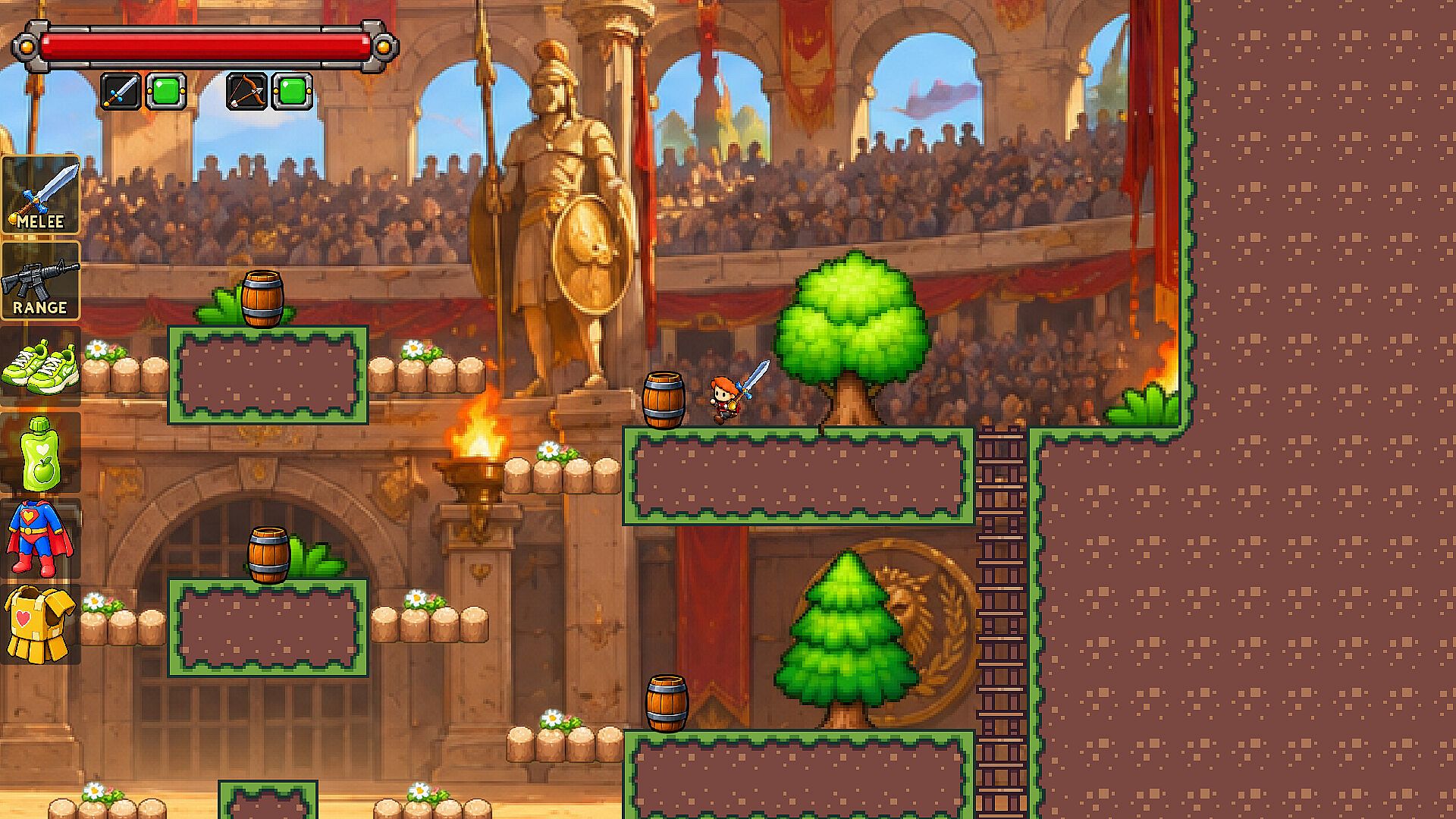
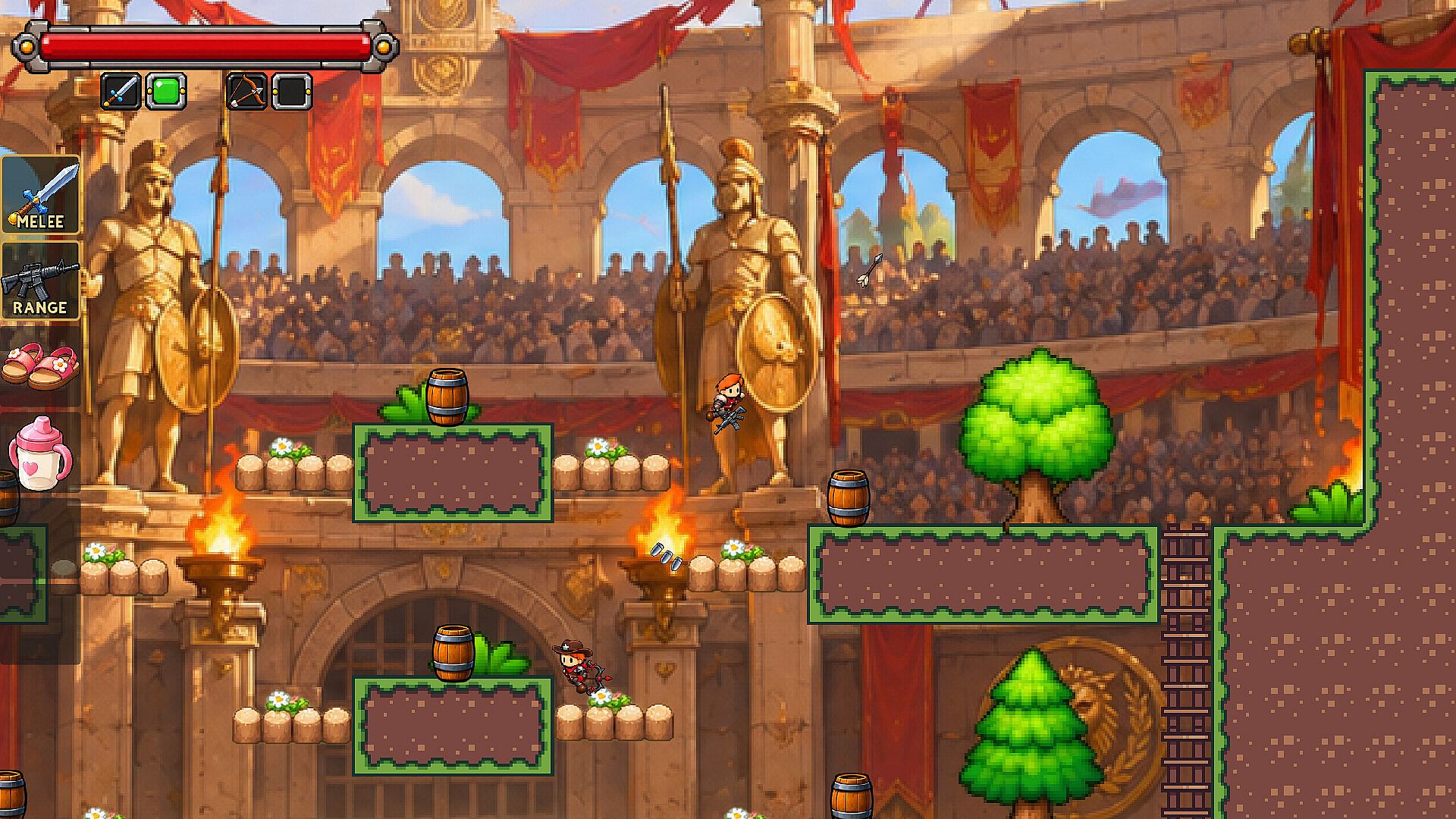
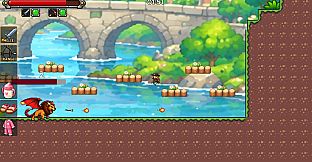
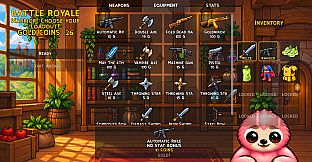
Combat mixes melee strikes and ranged fire in side-scrolling stages. Characters move through platforms while dodging attacks and targeting foes with pistols, machine guns, swords, or throwing stars. Gold drops from defeated monsters and bosses, which players spend on stat boosts or fresh equipment. Upgrades allow customization of attack power, health pools, or new abilities, encouraging repeated runs to test different loadouts. Visuals feature bright, cartoonish designs that contrast with the chaotic fights against larger adversaries.
Timing and positioning matter heavily during platform sections, where jumps and dodges set up openings for attacks. Loot collection drives progression, as better gear and permanent improvements turn early struggles into smoother clears. The system rewards experimentation, since no single build dominates every situation.
Game Modes
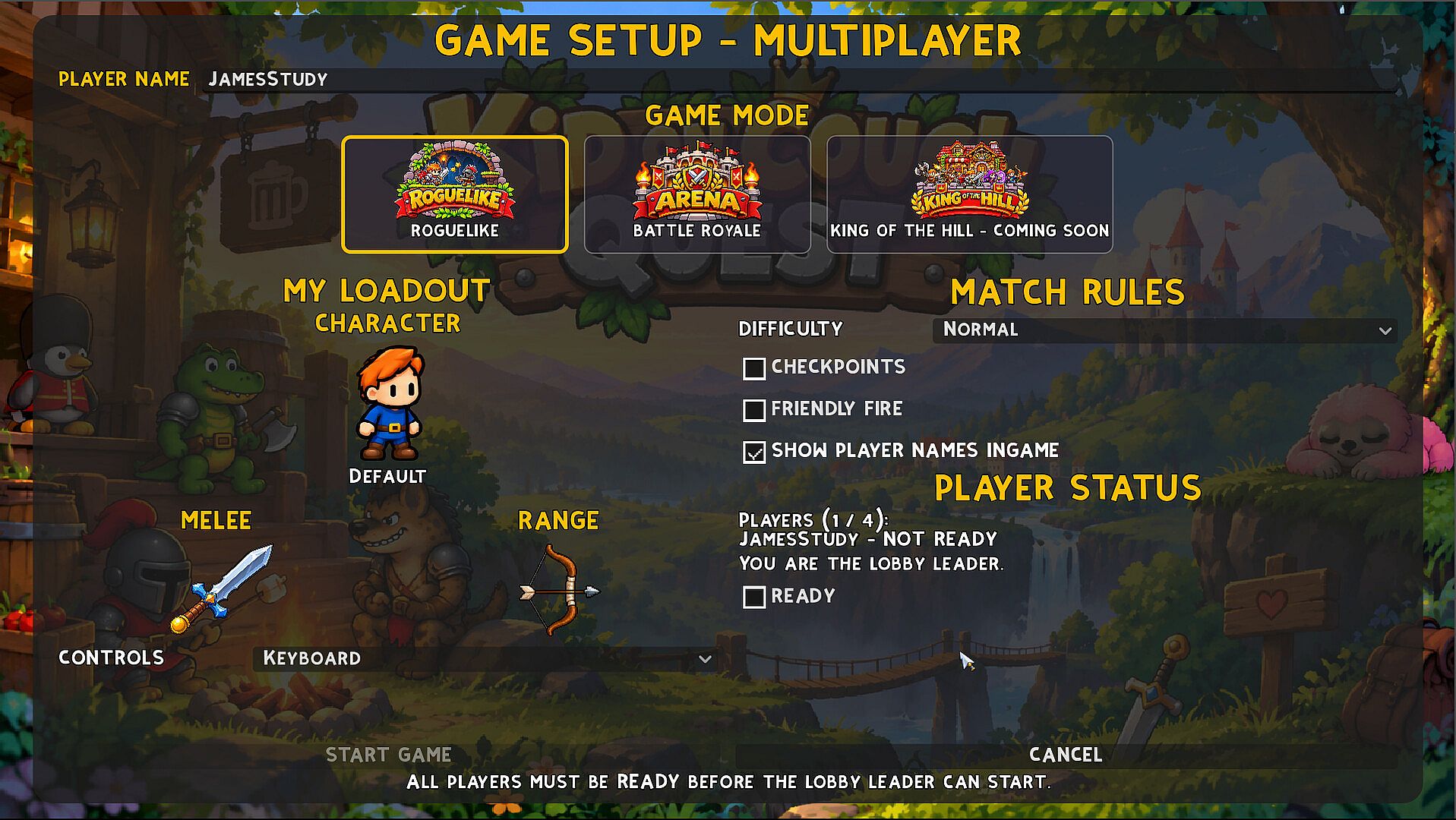
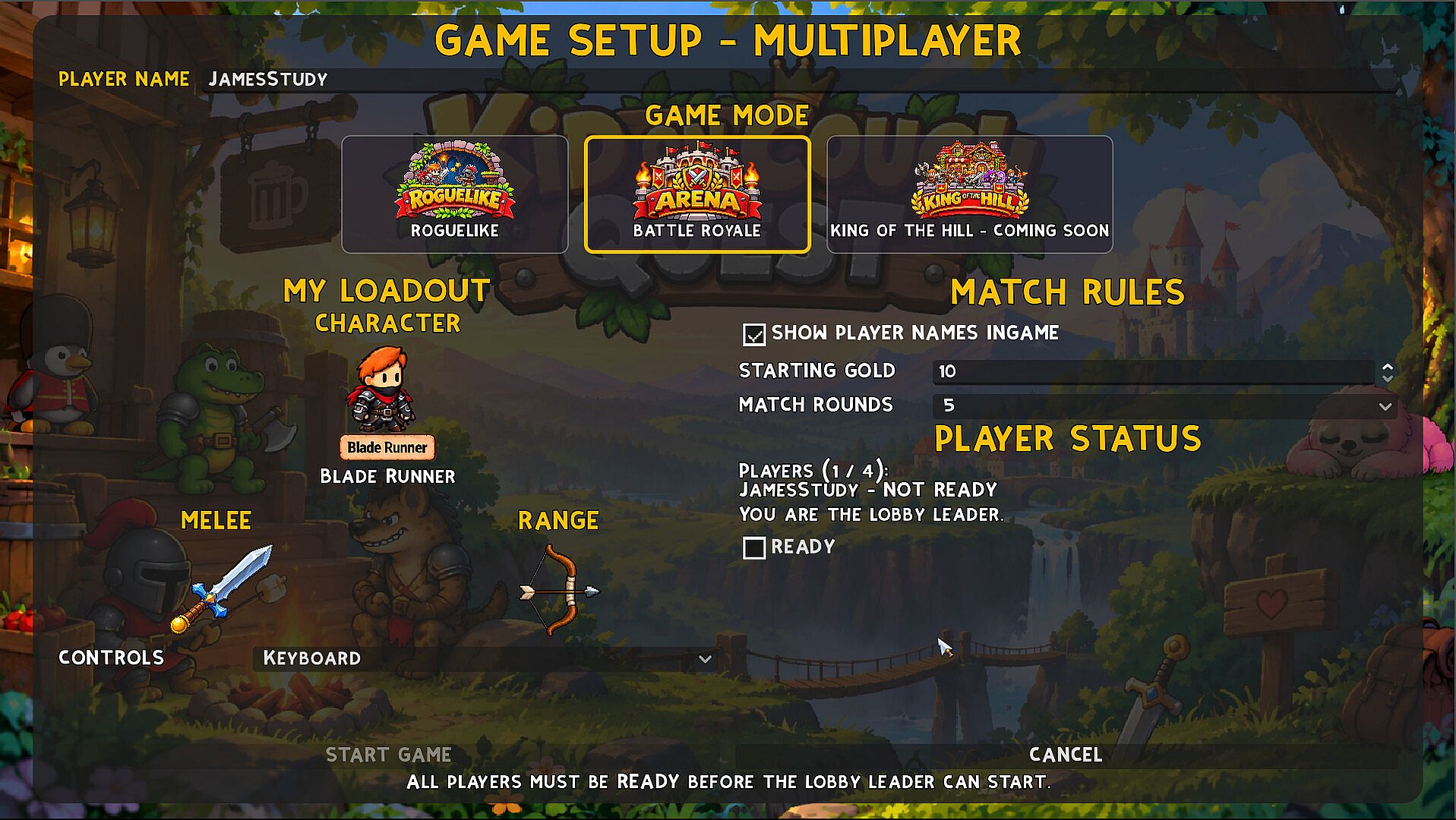
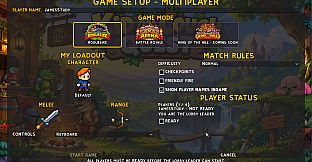
Two distinct modes shape the experience. Roguelike mode focuses on solo survival runs through enemy waves and boss encounters. Each attempt starts fresh, but collected gold funds upgrades that carry forward in power level, letting players push further with refined strategies. Runs emphasize quick adaptation to random layouts and threats.
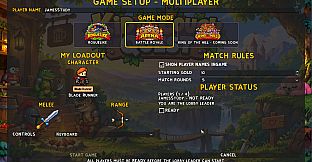
Battle Royale mode shifts to multiplayer competition. Players face off in rounds, using gold earned between fights to shop for weapons, armor, and upgrades. Only the last survivor claims victory, blending individual skill with preparation phases that reward smart spending and team awareness in group play.
Characters and Progression
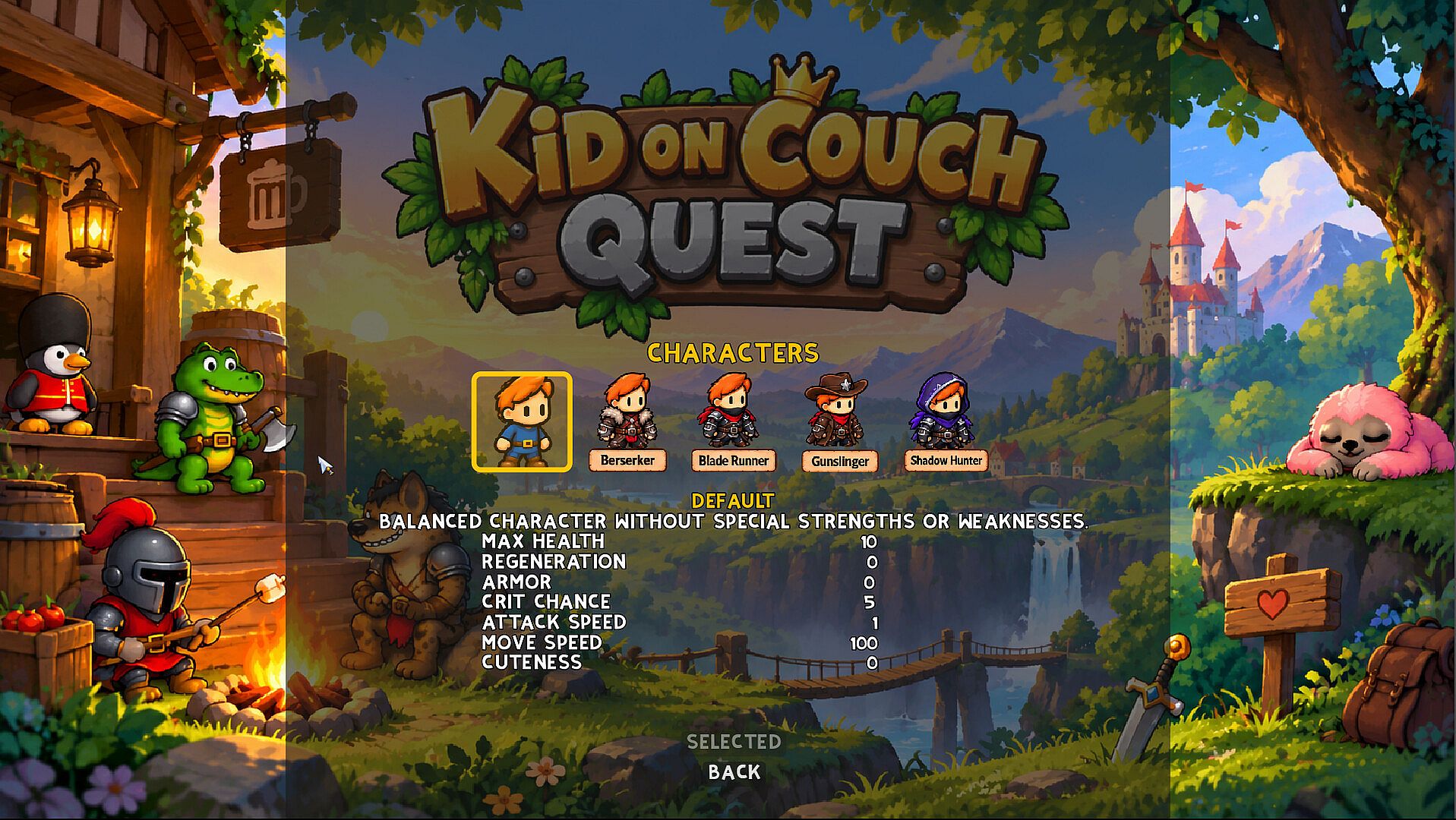
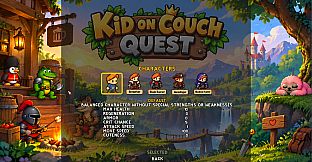
Four unlockable heroes offer varied playstyles. The Berserker excels in close quarters with heavy armor and self-healing. The Gunslinger provides steady ranged damage through pistols or machine guns. The Bladerunner relies on speed and sword strikes for aggressive rushes. The Shadow Hunter stays mobile with throwing stars for hit-and-run tactics. Each character starts with baseline stats that improve through gold investments, allowing players to emphasize strengths or patch weaknesses.
Progression stays tied to in-run earnings rather than external unlocks beyond the initial roster. This keeps focus on moment-to-moment decisions during fights and shopping intervals.
Is It Worth Playing?
The game suits players who enjoy short, replayable sessions that mix platform precision with shooter elements. Roguelike runs deliver quick attempts at high scores or deeper clears, while Battle Royale adds competitive layers for those who prefer multiplayer tension. The cute art style paired with intense combat creates a distinct tone that appeals to fans of indie action titles with roguelike and battle royale structures. As a prerelease title, its final balance and content volume remain to be seen, but the described systems point to strong replay value for anyone drawn to upgrade-driven combat and varied hero abilities.