




Kerb Kids is an educational indie title built around road safety lessons for children aged seven to eleven. Developed by Lapin Logic and currently in early access on PC, the game adapts the established Kerbcraft teaching approach into a gentle, single-player experience set on a made-up island. Players take on the role of a boy or girl who leaves home each morning to complete errands for parents and other residents while practising safe crossing habits in everyday street situations.
Gameplay
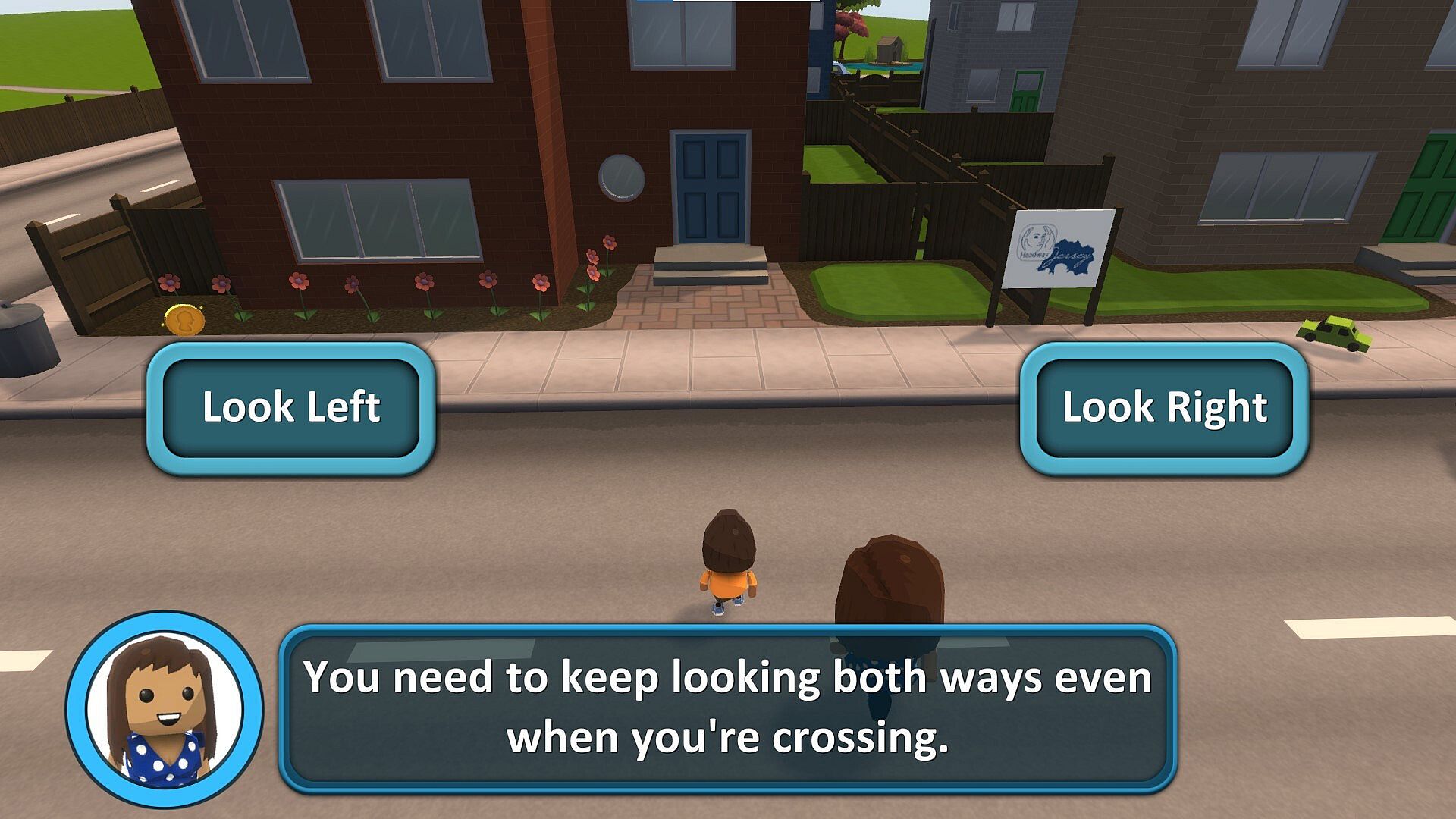
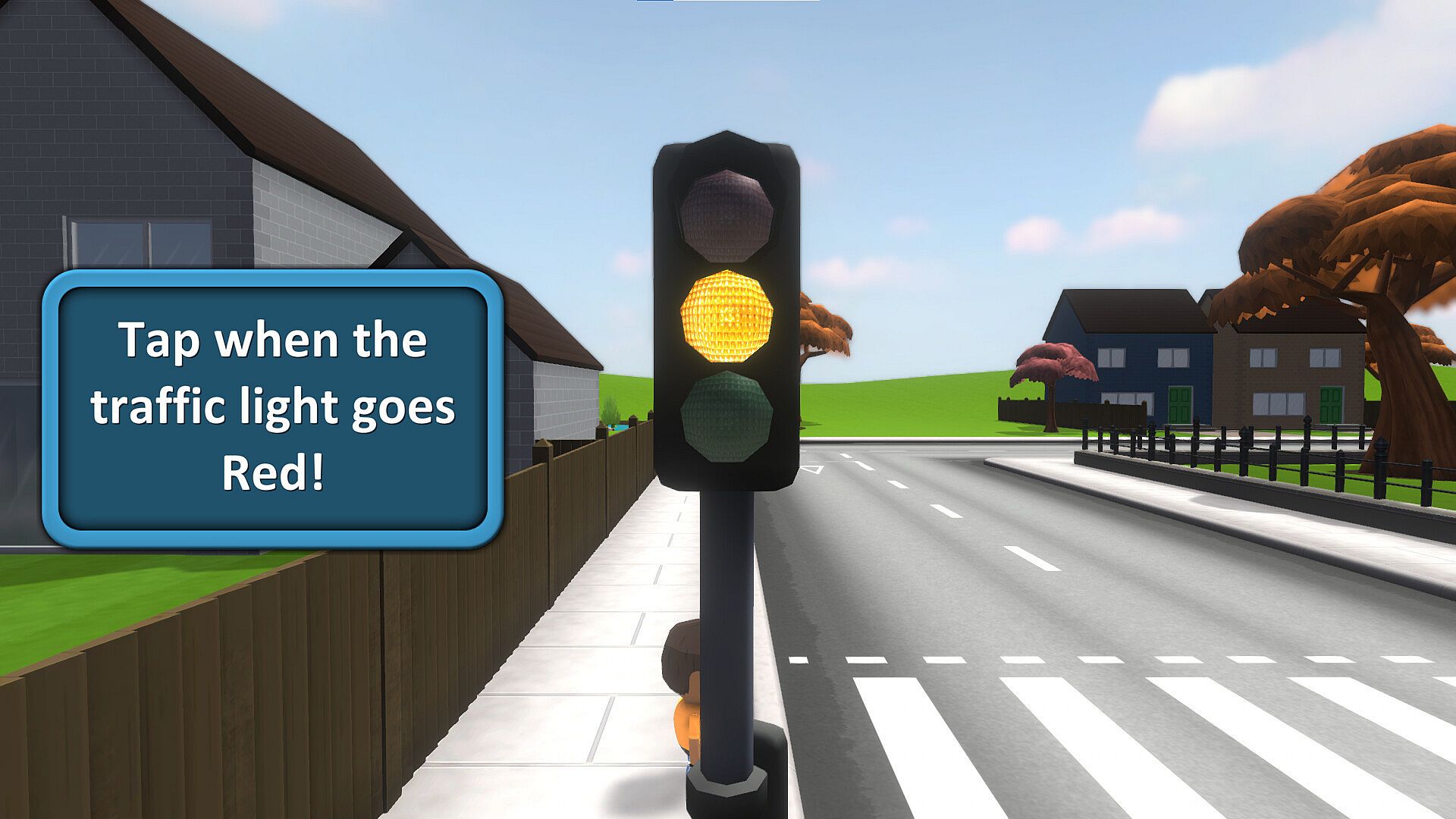
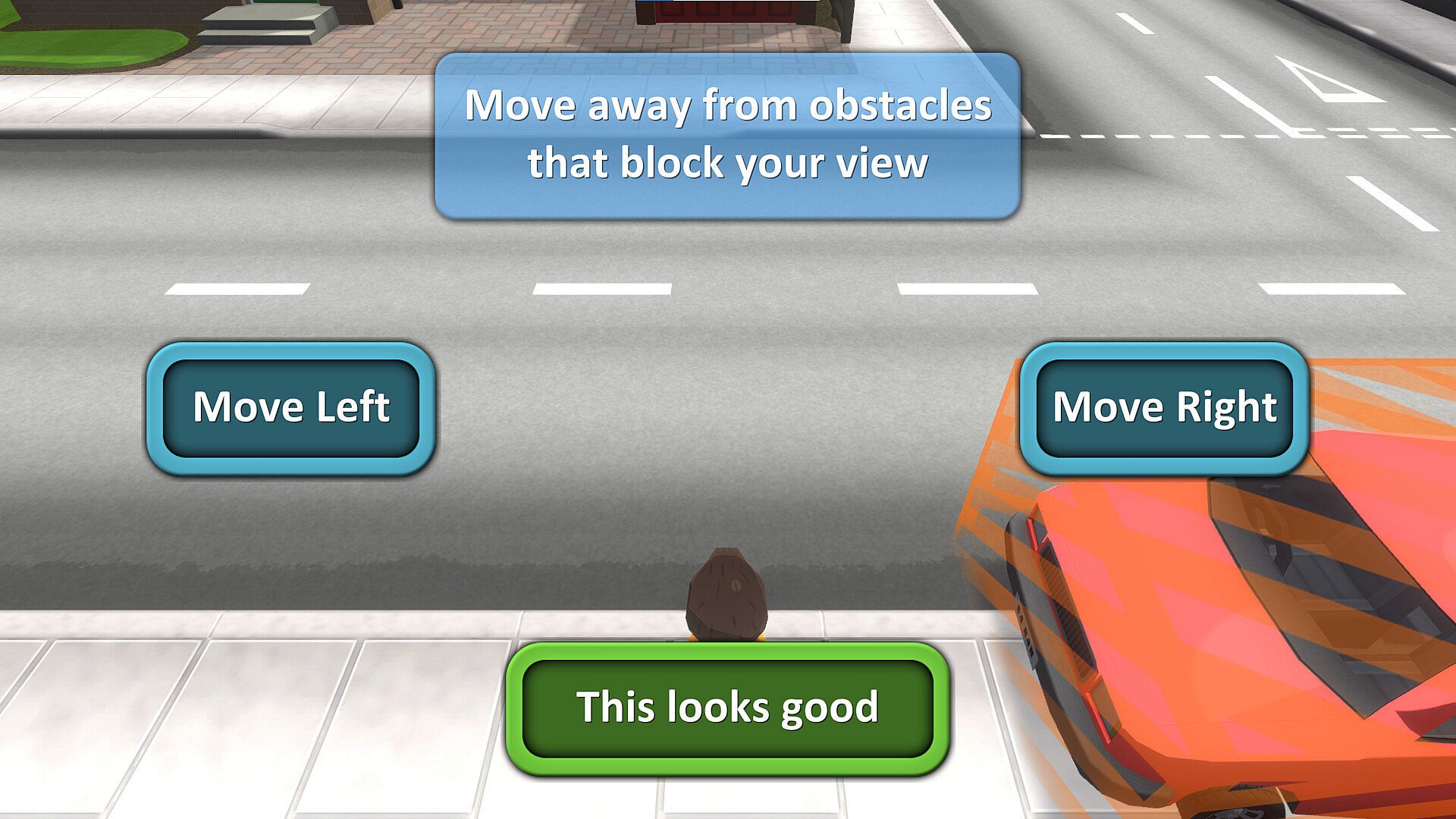
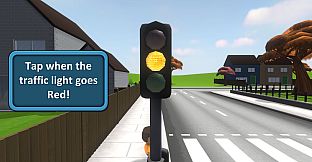
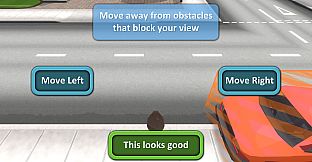
The core loop centres on navigating the island's streets while carrying out simple tasks. Movement begins with point-and-click controls that have been expanded to include gamepad support for smoother play. Each session places the character outside their front door, where a parent issues the day's errand. Progress involves walking routes, stopping at the kerb, checking for traffic, and applying basic crossing rules before continuing to the destination. The cartoon visuals keep the world bright and approachable without simplifying the lessons into abstraction.
Quests vary from fetching items at local shops to locating a missing cat named Tiddles. Along the way, players meet a cast of friendly non-player characters who offer additional requests or conversation. Coins scattered through the environment can be collected and spent at the shop, adding a light trading element that rewards careful exploration. The narration, delivered by comedian Graham Fellows, provides humorous commentary that reinforces the safety messages without breaking the light tone.
Graphics adopt a deliberately simple, vibrant style reminiscent of classic children's television. A soundtrack composed by Lea Edwards accompanies the action, helping maintain a cosy atmosphere even when the focus turns to practical skills like identifying safe crossing points and reading traffic flow.
Game Modes
The game follows a seven-day structure that repeats in a non-real-time cycle. Each day presents a fresh set of tasks that require road crossings, encouraging repeated practice of the same safety principles in new contexts. Fetch quests form the backbone of daily activity, while side objectives such as finding lost items add variety without overwhelming younger players.
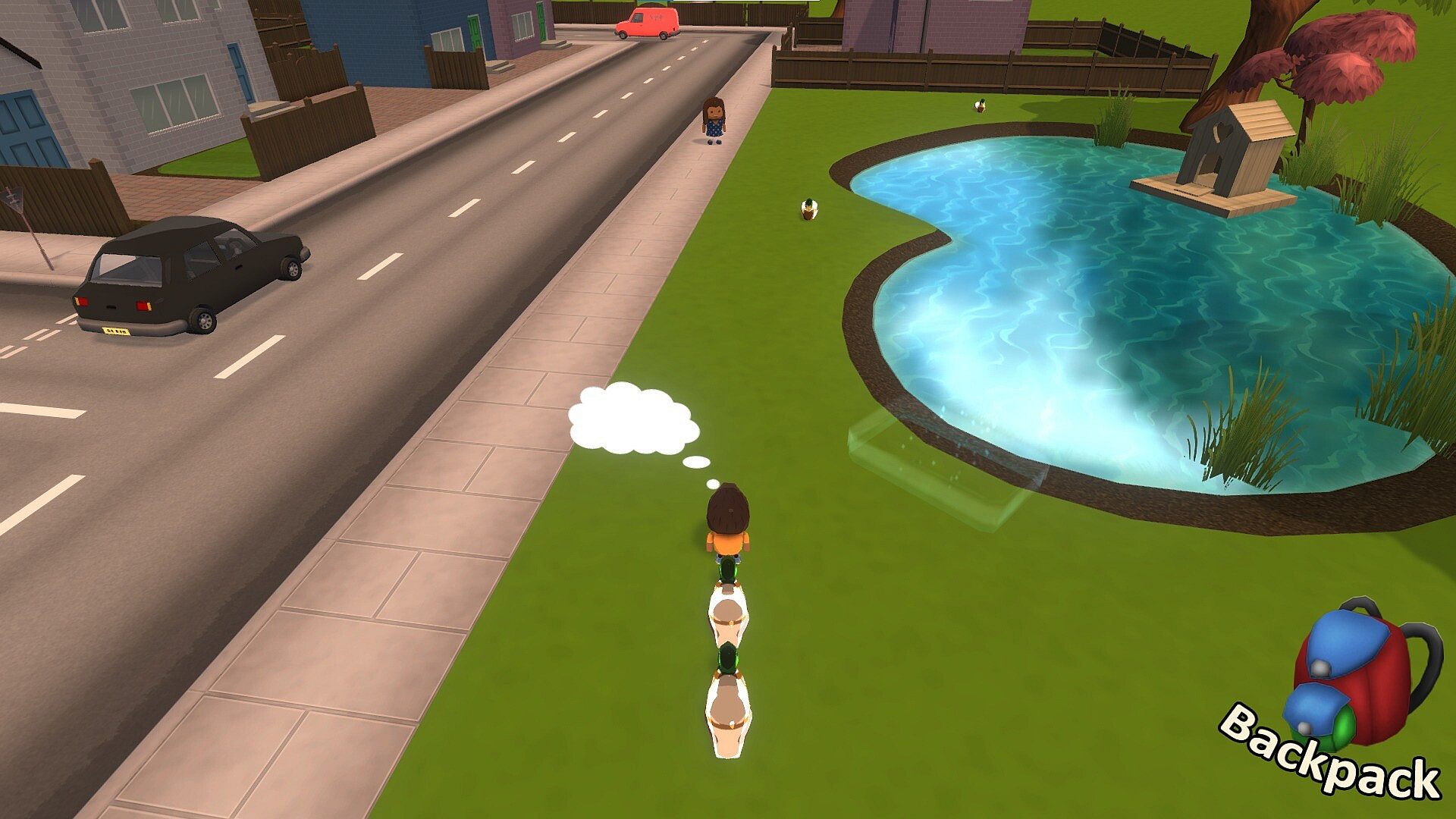
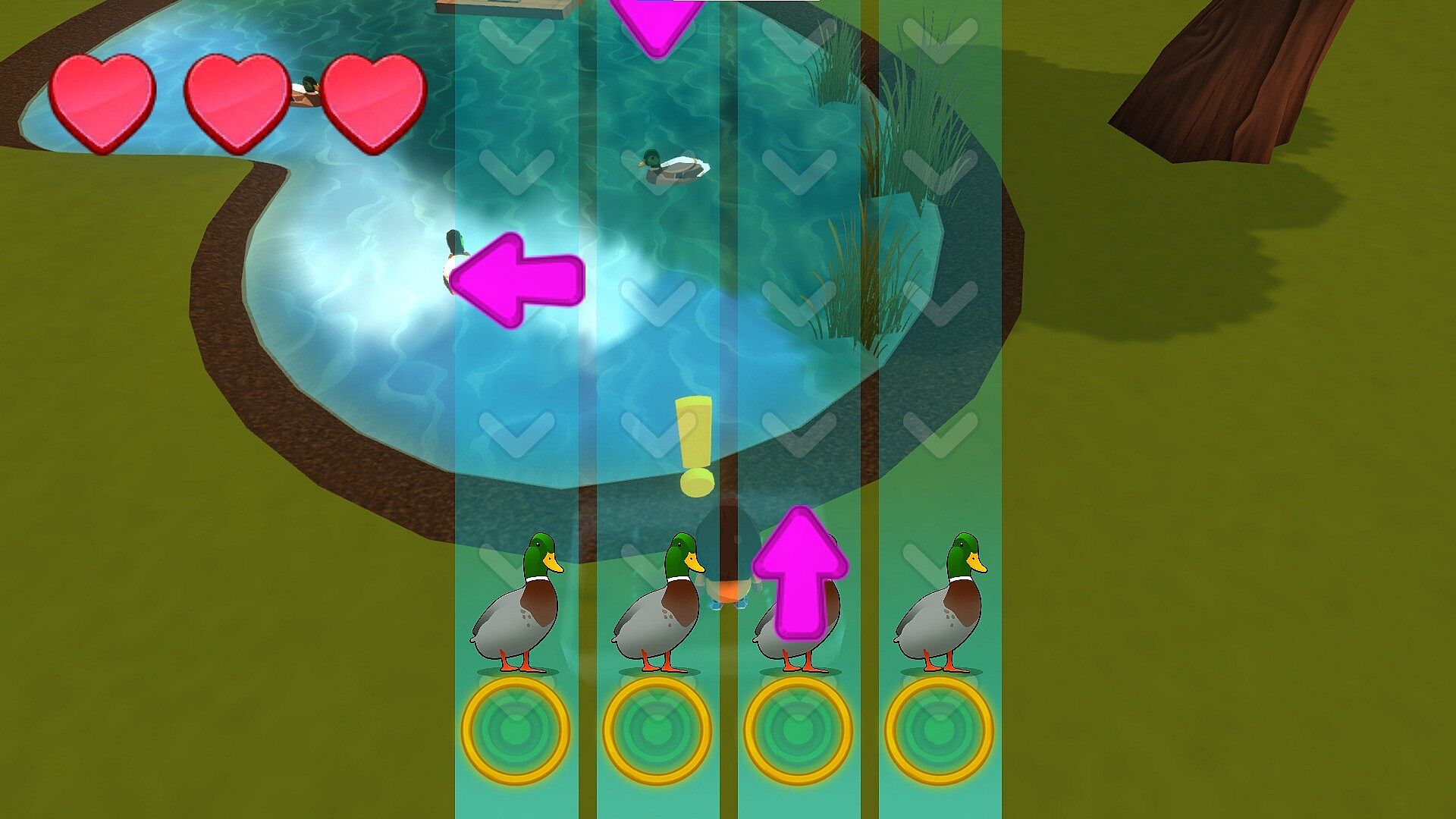
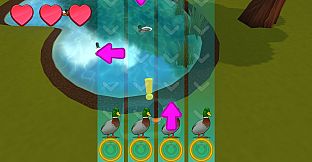
Mini-games appear throughout the week, including activities like duck herding that break up the main errands with short, focused challenges. These interludes reinforce attention and timing skills that tie back into the broader road-safety themes. There are no competitive or multiplayer elements; the experience remains entirely single-player and self-paced.
Visuals and Presentation
The island setting features shops, homes, and quiet streets rendered in a clean, colourful style that avoids clutter. Characters and environments stay intentionally straightforward so the focus stays on the crossing mechanics rather than visual spectacle. Sound design pairs the narration with an original score that supports the gentle pace without distraction.
Progression feels incremental. Completing one day's errands unlocks the next, and repeated playthroughs of the cycle allow players to encounter different combinations of tasks. The developers have noted that the current build represents only the beginning of what the Kerbcraft framework can offer, with plans to expand educational content over time.
Is It Worth Playing?
Kerb Kids targets families and schools looking for an engaging way to introduce road safety concepts to primary-age children. Its cosy presentation and short, repeatable daily structure suit short play sessions, while the built-in narration and varied errands keep sessions from feeling repetitive. Because the title remains in early access, the content continues to grow through updates that add new quests and refine existing systems.
Players who value educational games with clear learning goals will find the approach straightforward and purposeful. Those seeking action-heavy or open-ended experiences may prefer titles outside the educational category. For the intended audience of seven- to eleven-year-olds and the adults guiding them, the game provides a focused, low-pressure environment to practise real-world skills in a safe digital setting.