







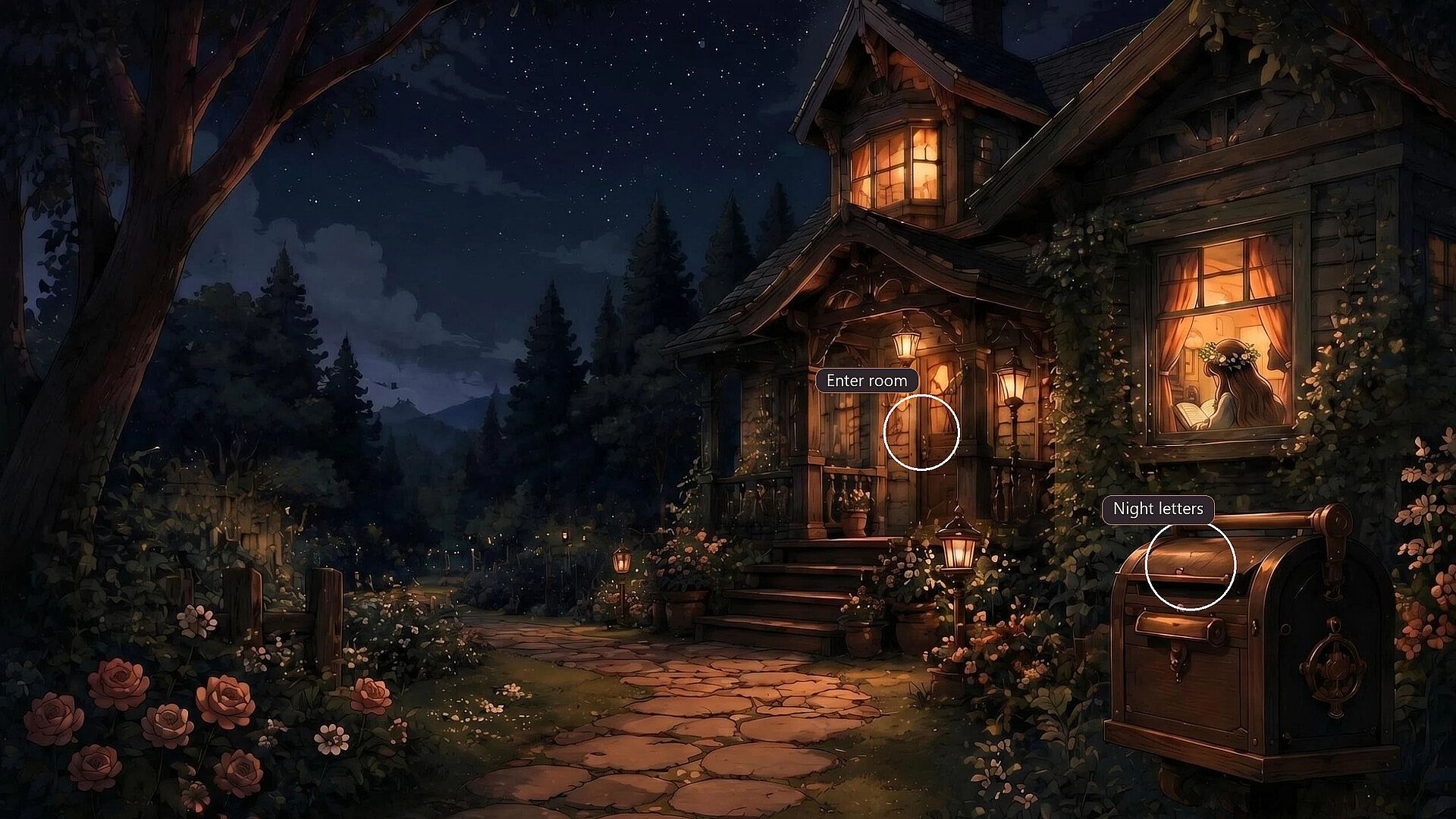
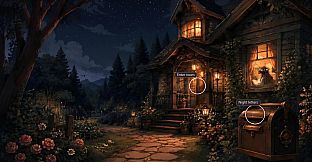

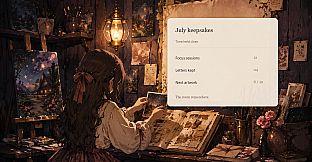
Keeplight é um jogo indie casual para um único jogador que convida a noites tranquilas em casa. O cenário é um pequeno bosque que dá acesso a um quarto particular, onde o foco está em rituais leves em vez de desafios ou competição. A proposta é simplesmente acomodar-se depois do anoitecer, usando ferramentas simples para marcar o tempo e refletir sobre o dia, sem metas a cumprir.
Gameplay
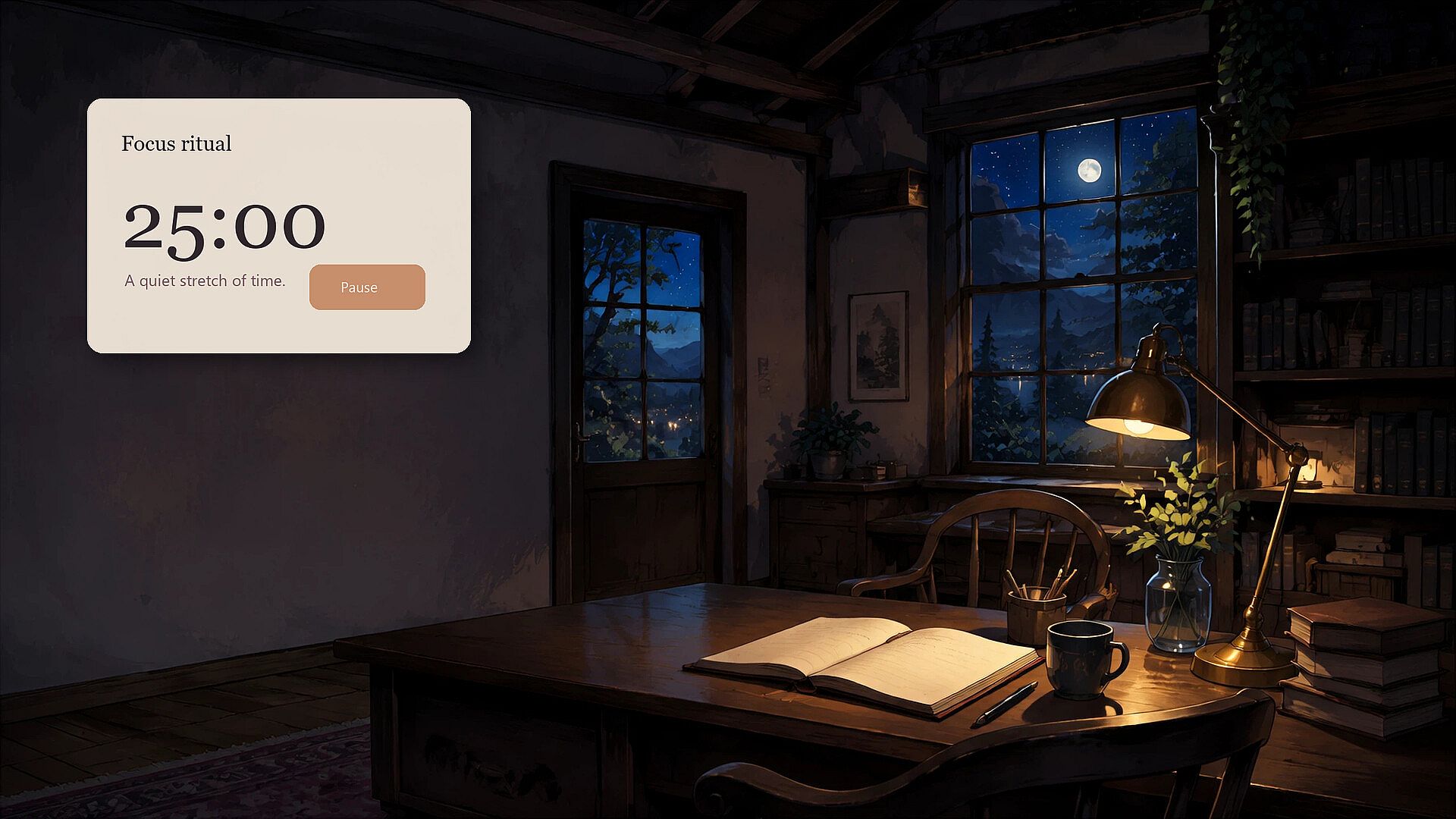
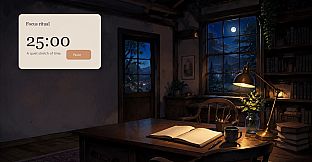
O ciclo principal leva o jogador a um espaço modesto com sala principal, área de concentração e canto de estúdio. É possível circular entre esses locais no próprio ritmo, enquanto o ambiente permanece calmo e responde à atividade que parecer mais adequada no momento. Um temporizador permite iniciar, pausar ou encerrar períodos de foco conforme a vontade do usuário, e o quarto continua presente mesmo durante pausas ou momentos de descanso.
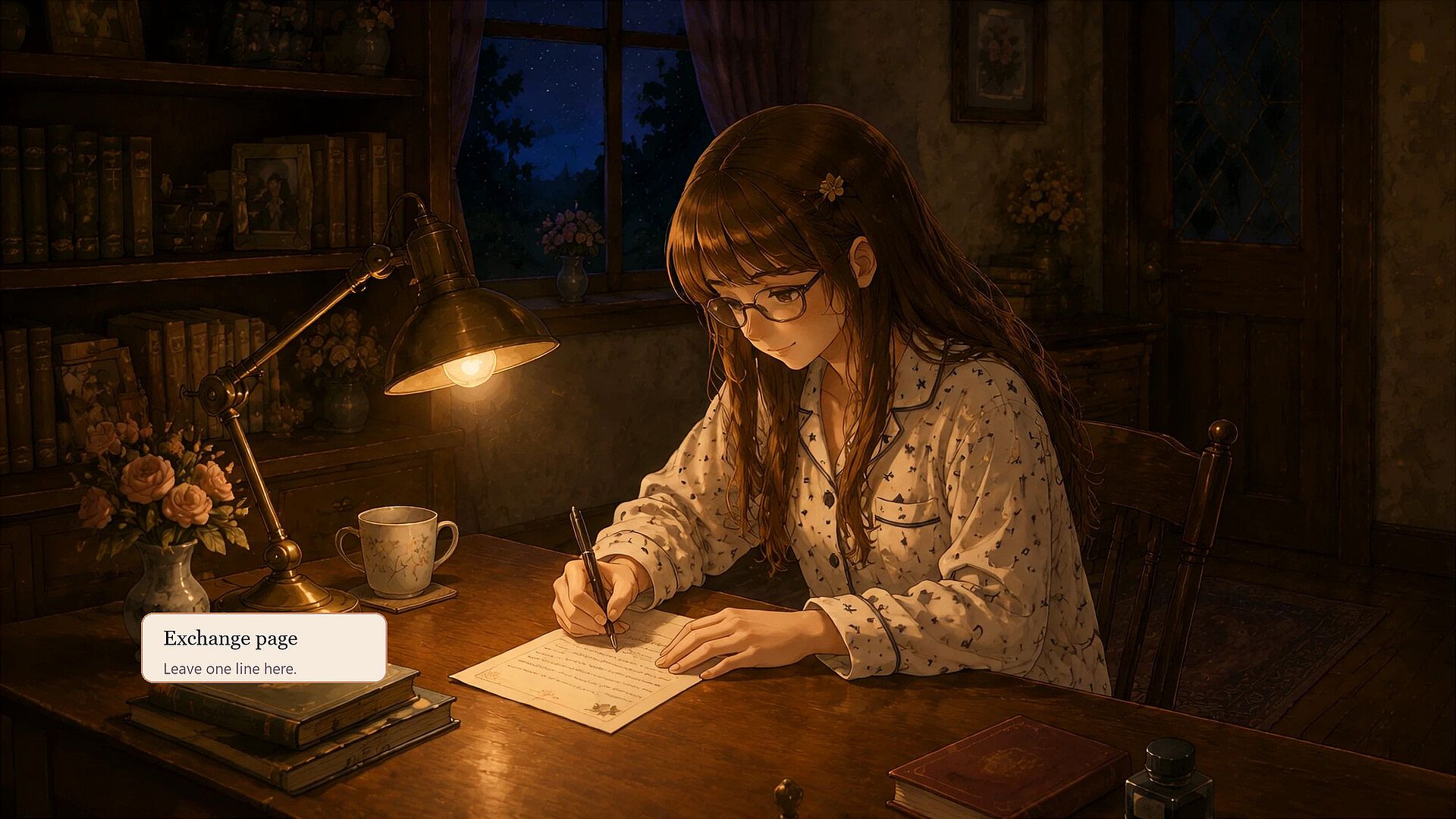
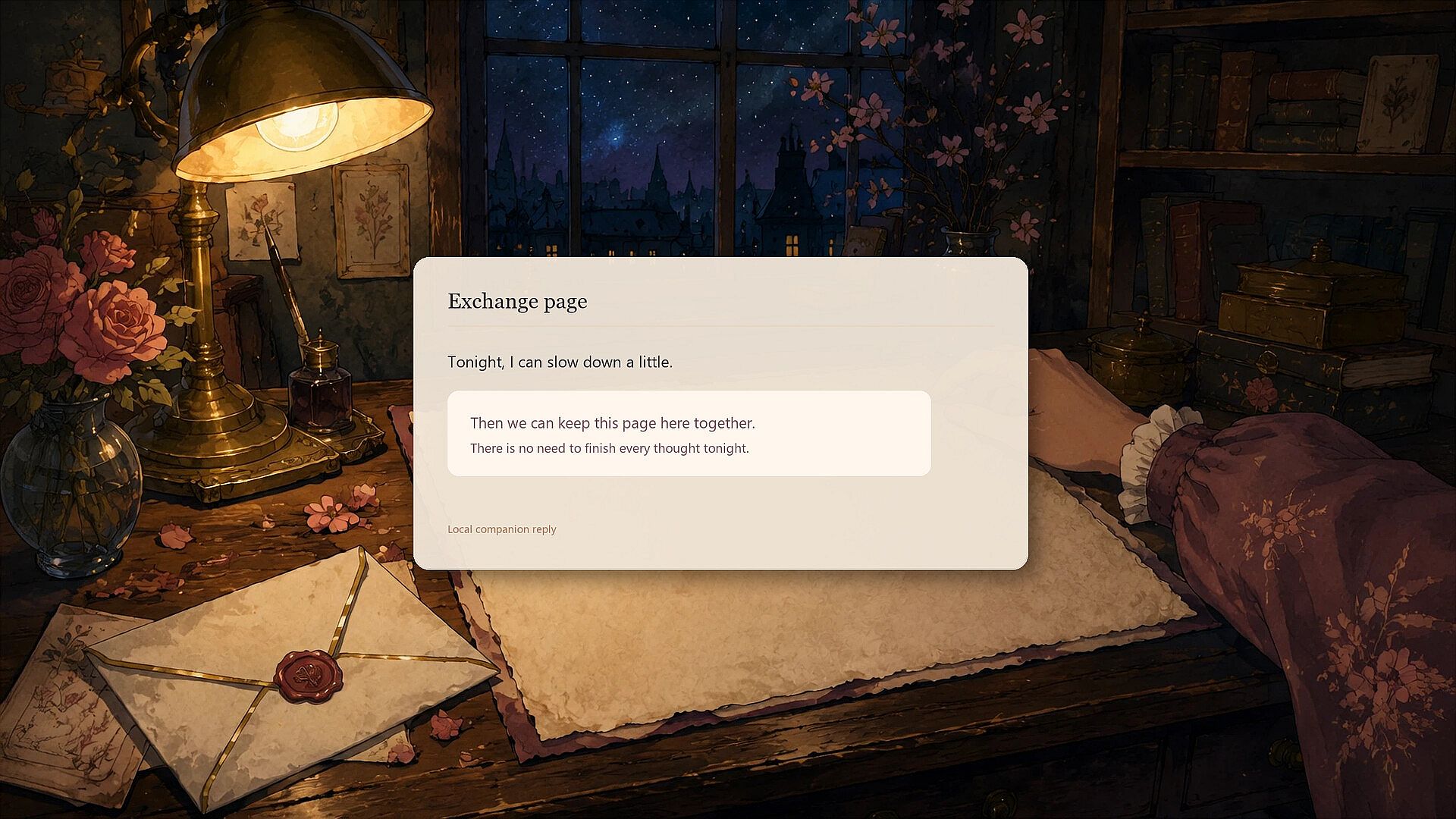
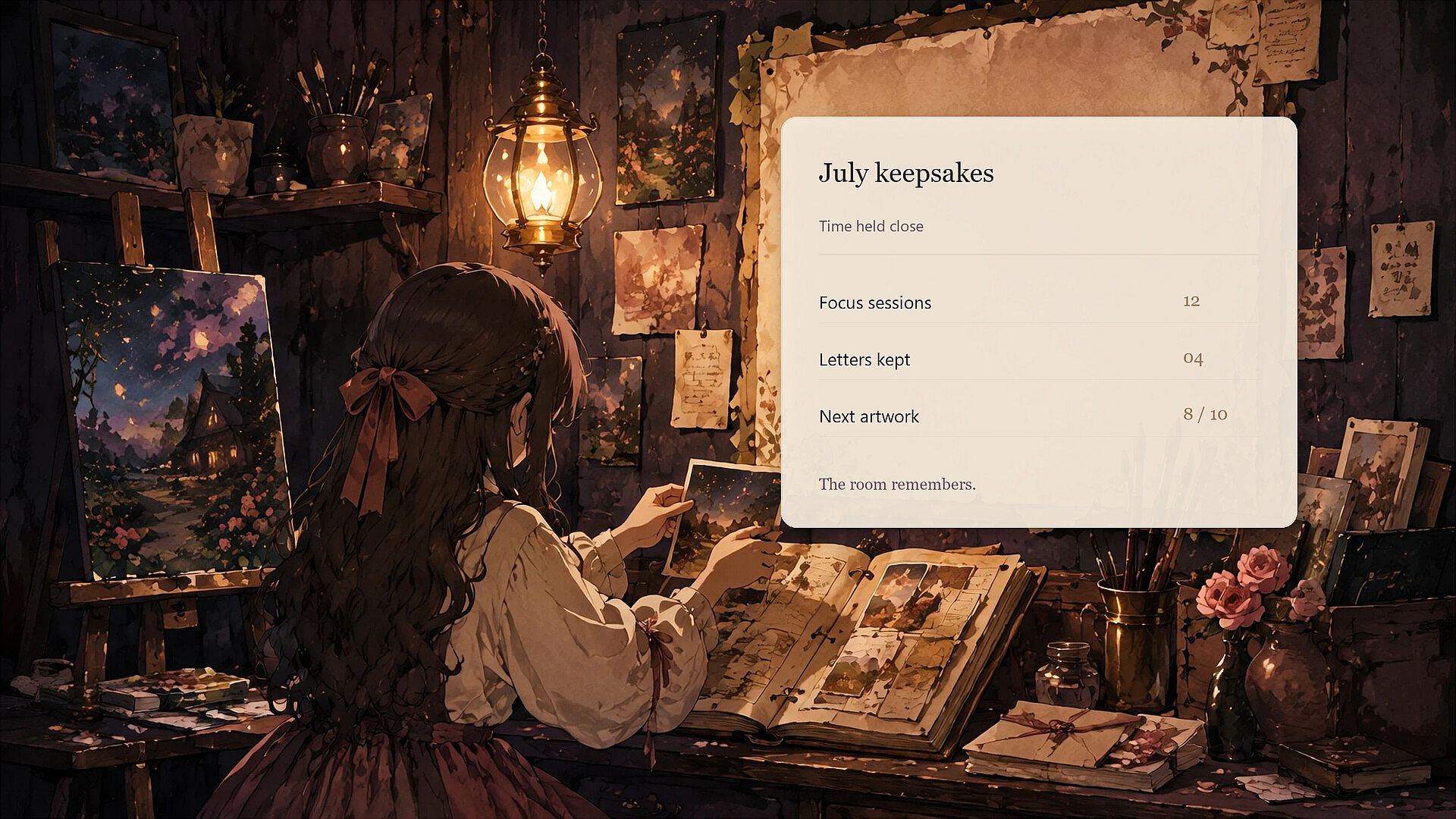
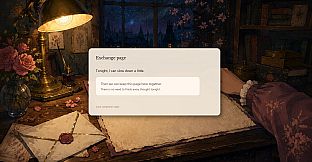
O diário de cura aceita qualquer tipo de registro, desde anotações breves sobre como foi o dia até reflexões mais longas, sem necessidade de seguir uma estrutura. As cartas acrescentam outra camada: mensagens para o eu futuro que só são abertas na data escolhida, ou bilhetes anônimos deixados na Caixa do Oco da Árvore, sem destinatário definido. Tudo é reunido automaticamente em um álbum de memórias que organiza as entradas por mês e vai preenchendo o quarto com pequenos lembretes visuais das sessões anteriores.
A escolha de roupas funciona como um ritual simples, não como sistema de coleção. No lançamento, estarão disponíveis opções quentes e cotidianas que combinam com o tom relaxado, sem exigência de atender a padrões externos.
Modos de Jogo
Não existem modos competitivos ou narrativos tradicionais. O jogo organiza a experiência em torno de atividades pessoais flexíveis, que podem ser combinadas ou repetidas livremente. As sessões de foco usam o temporizador integrado para períodos de concentração ou simplesmente de presença com os olhos fechados. O diário oferece espaço aberto para pensamentos, sem sugestões ou pontuação. As cartas permitem mensagens com atraso programado para si mesmo e a opção de deixar bilhetes anônimos que podem permanecer privados ou circular conforme proteções de privacidade planejadas pelo desenvolvedor.
O álbum de memórias funciona como registro passivo que cresce com o uso contínuo, transformando noites repetidas em uma linha do tempo visual que pode ser consultada a qualquer momento. Todas as atividades são para um jogador, embora a página liste uma tag de cooperativo online sem detalhes sobre sessões compartilhadas até o momento.
Atmosfera e Progressão
O cenário permanece consistente entre as visitas: um caminho no bosque leva a uma porta acolhedora, e os cômodos transmitem sensação de uso em vez de amplitude. Iluminação e som reforçam o clima noturno sem mudanças dramáticas. A progressão acontece pelo preenchimento gradual do álbum de memórias e pelo desbloqueio de pequenas obras de arte ligadas ao uso regular. O desenvolvedor menciona trabalho contínuo em detalhes do quarto e um sistema opcional de cartas de viagem lenta que prioriza consentimento e segurança.
Como o jogo ainda está em desenvolvimento e tem data de lançamento "em breve", os recursos atuais refletem as descrições da página oficial, e elementos adicionais como opções de guarda-roupa estão confirmados para a versão de lançamento.
Vale a Pena Jogar?
Keeplight é indicado para quem busca experiências calmas e reflexivas no segmento indie casual para um jogador. Quem procura um espaço para marcar noites comuns por meio de temporizadores, escrita pessoal e coleta silenciosa de memórias encontra correspondência direta nos sistemas descritos. A ausência de avaliações no momento deixa a recepção em aberto, mas a mecânica listada se alinha a outros títulos acolhedores que priorizam o ritmo pessoal em vez de objetivos.
Os principais atrativos são o formato aberto do diário, a opção de cartas para o eu futuro e o álbum de memórias que transforma sessões curtas repetidas em um registro crescente. O jogo roda em hardware modesto para PC e oferece suporte a vários idiomas. Quem busca formas leves de encerrar o dia ou revisitar noites passadas pode encontrar nele uma adição constante à rotina após o lançamento.
- Foco no tempo pessoal e na reflexão, sem tarefas ou pontuações
- Ferramentas de escrita privada que não exigem compartilhamento ou julgamento
- Mudanças visuais graduais no quarto conforme o uso contínuo
- Recursos de privacidade planejados para eventuais elementos de cartas compartilhadas