



















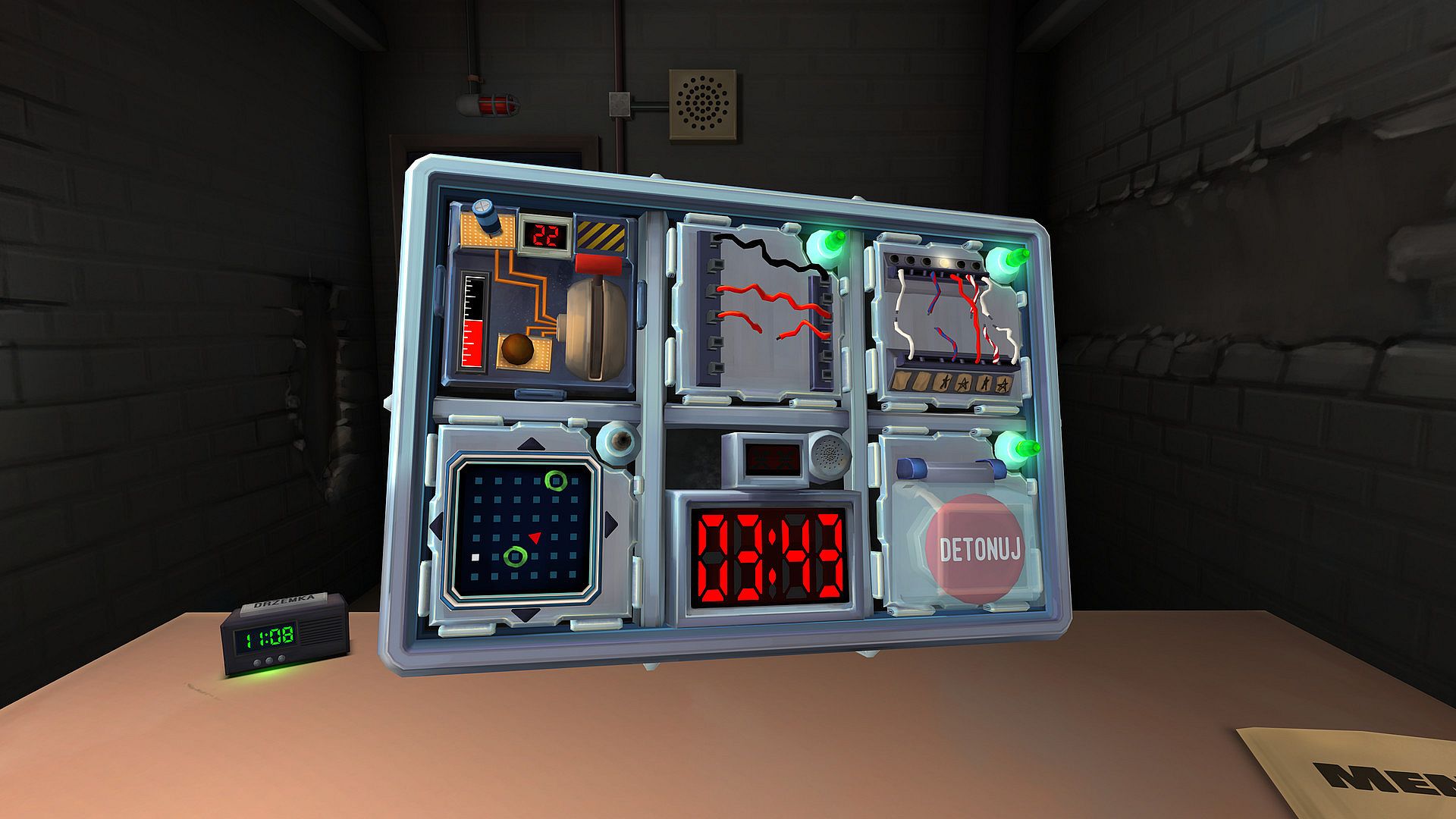
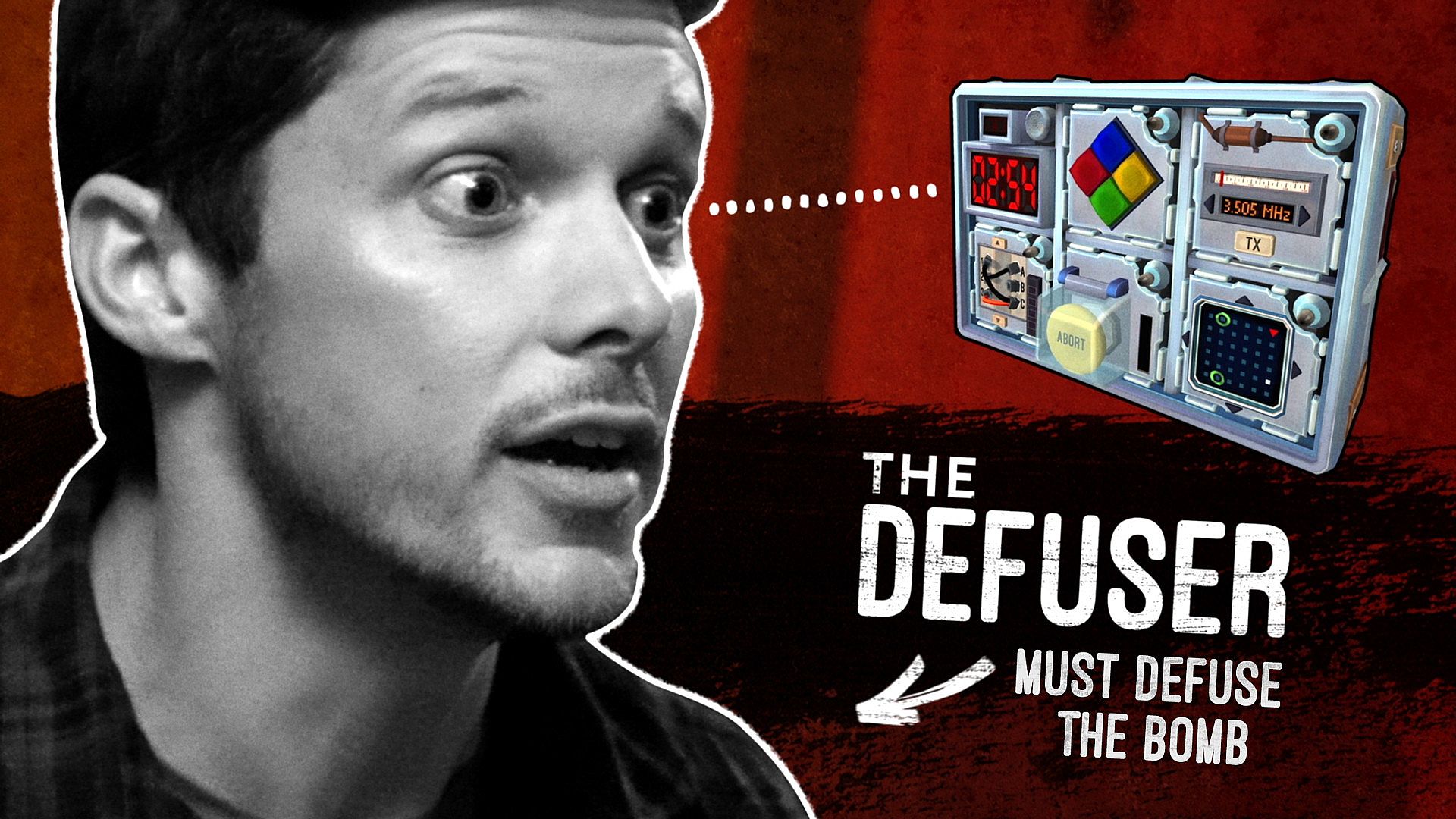

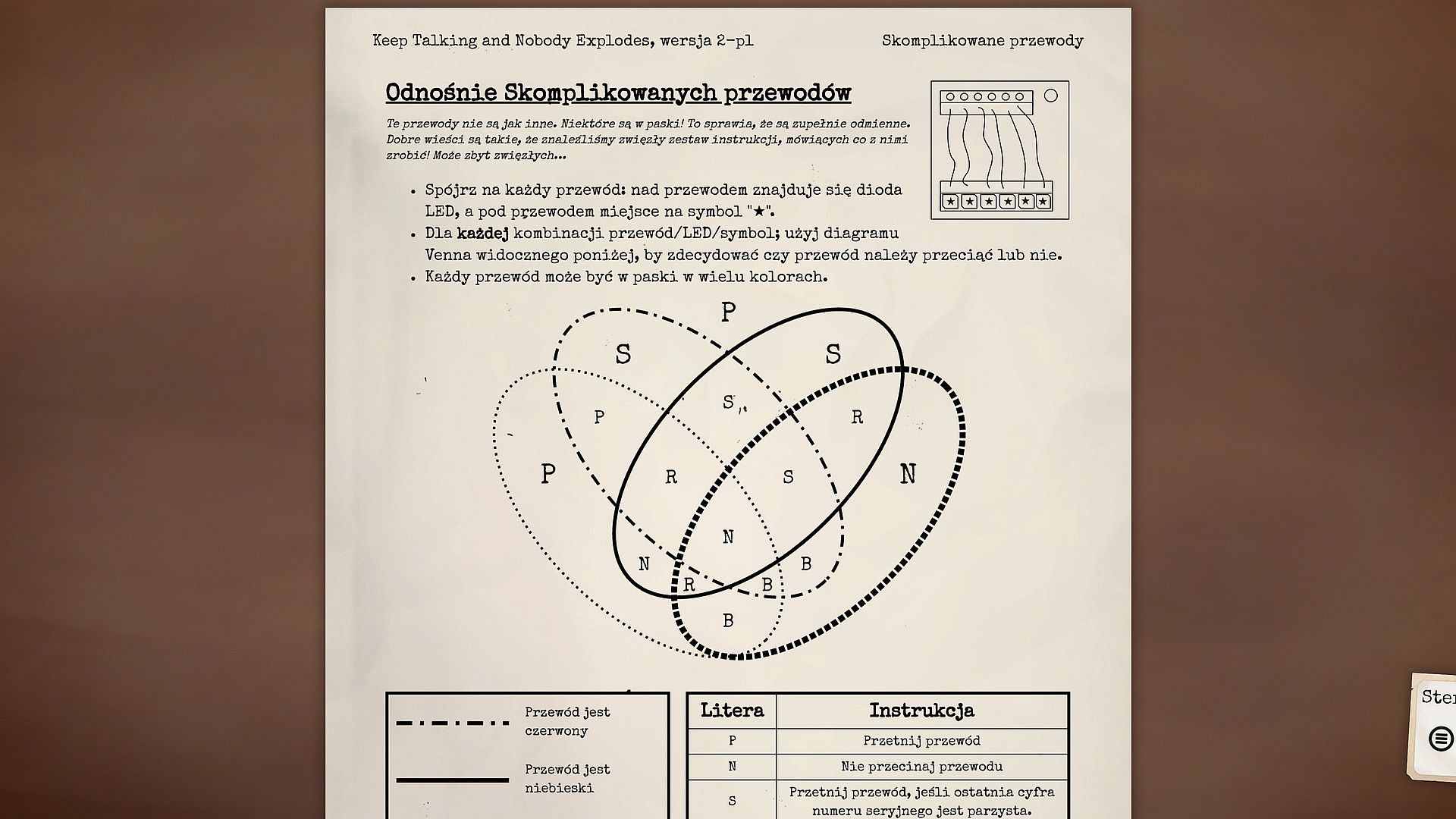
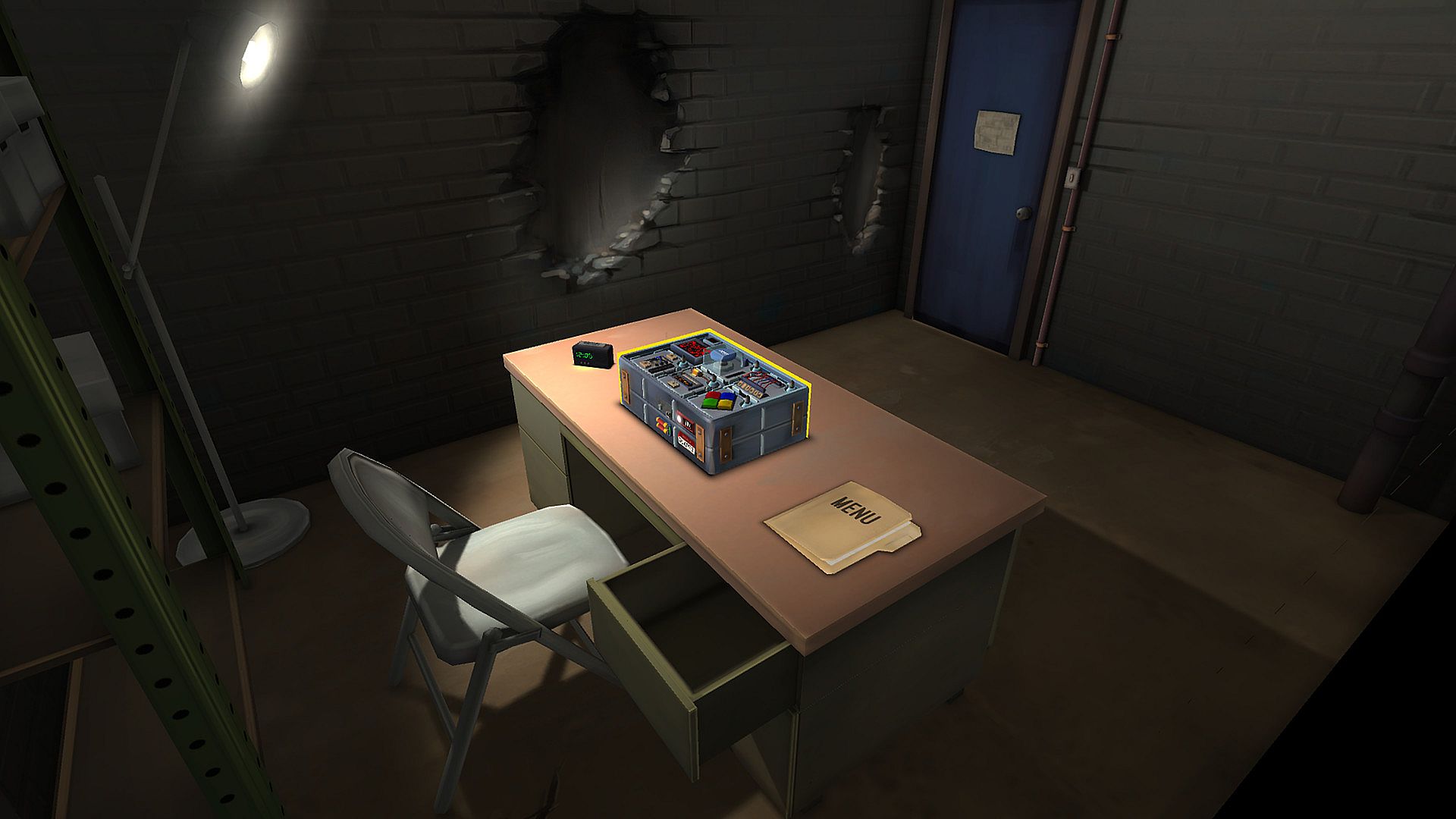
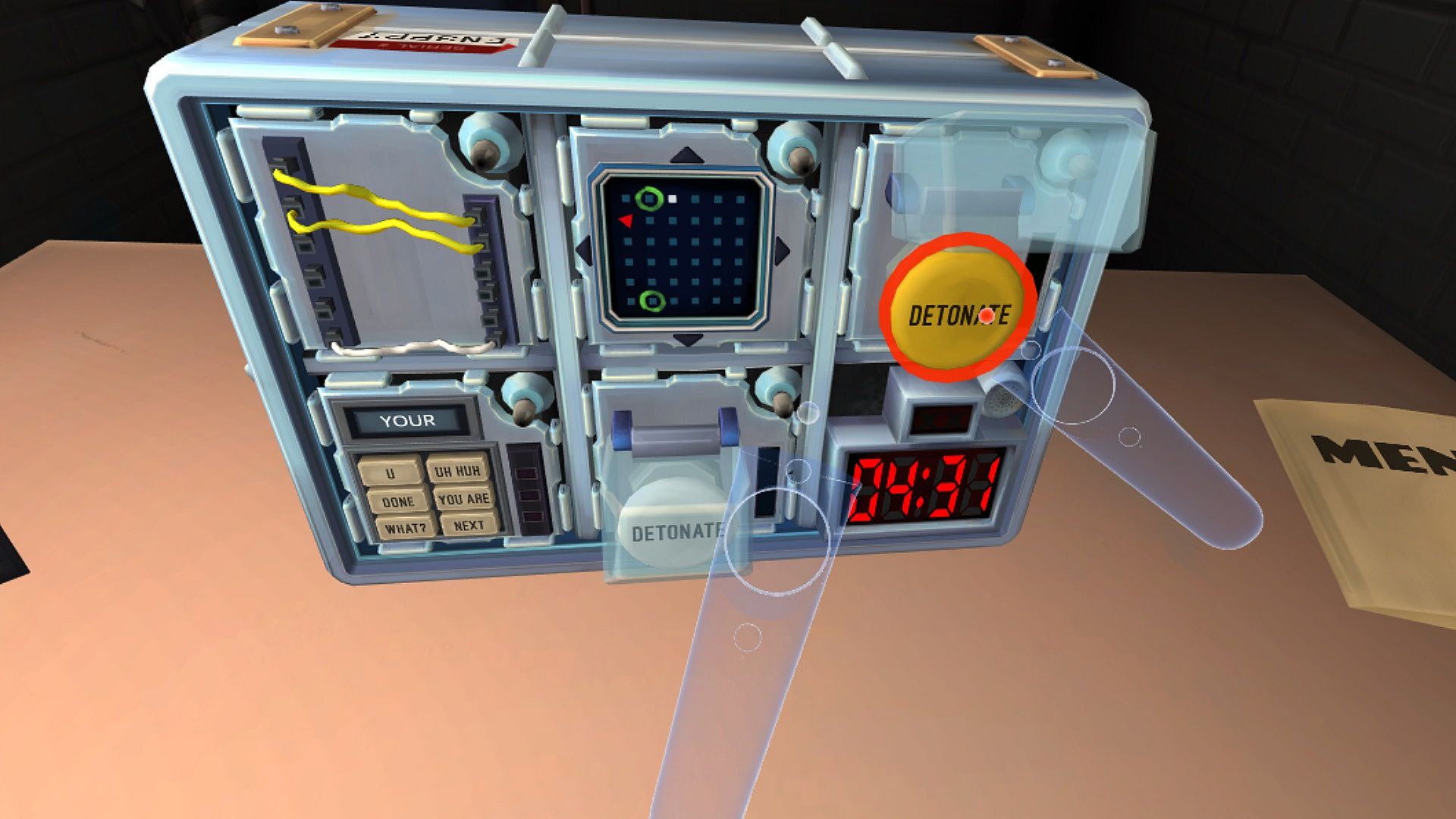
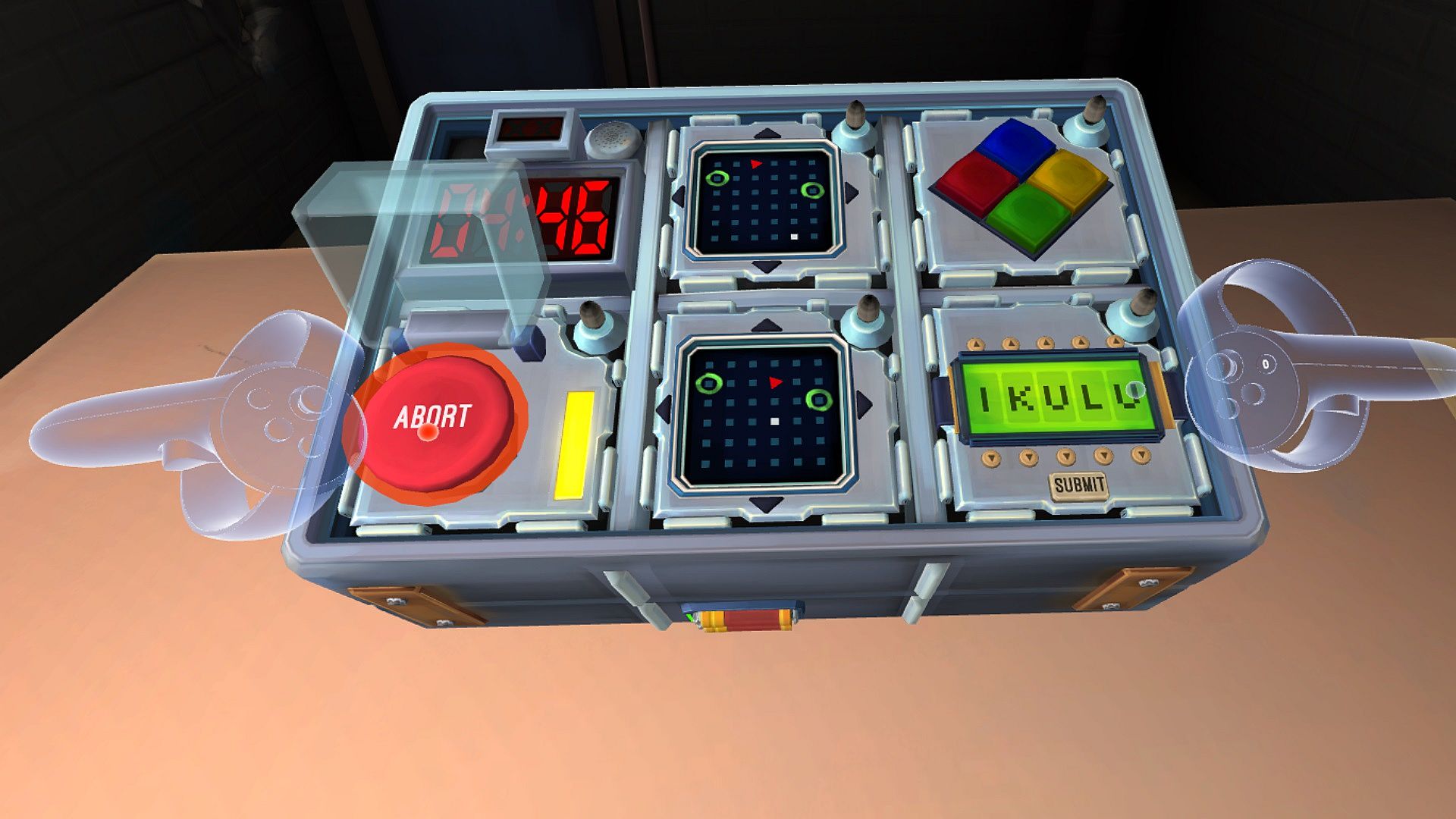
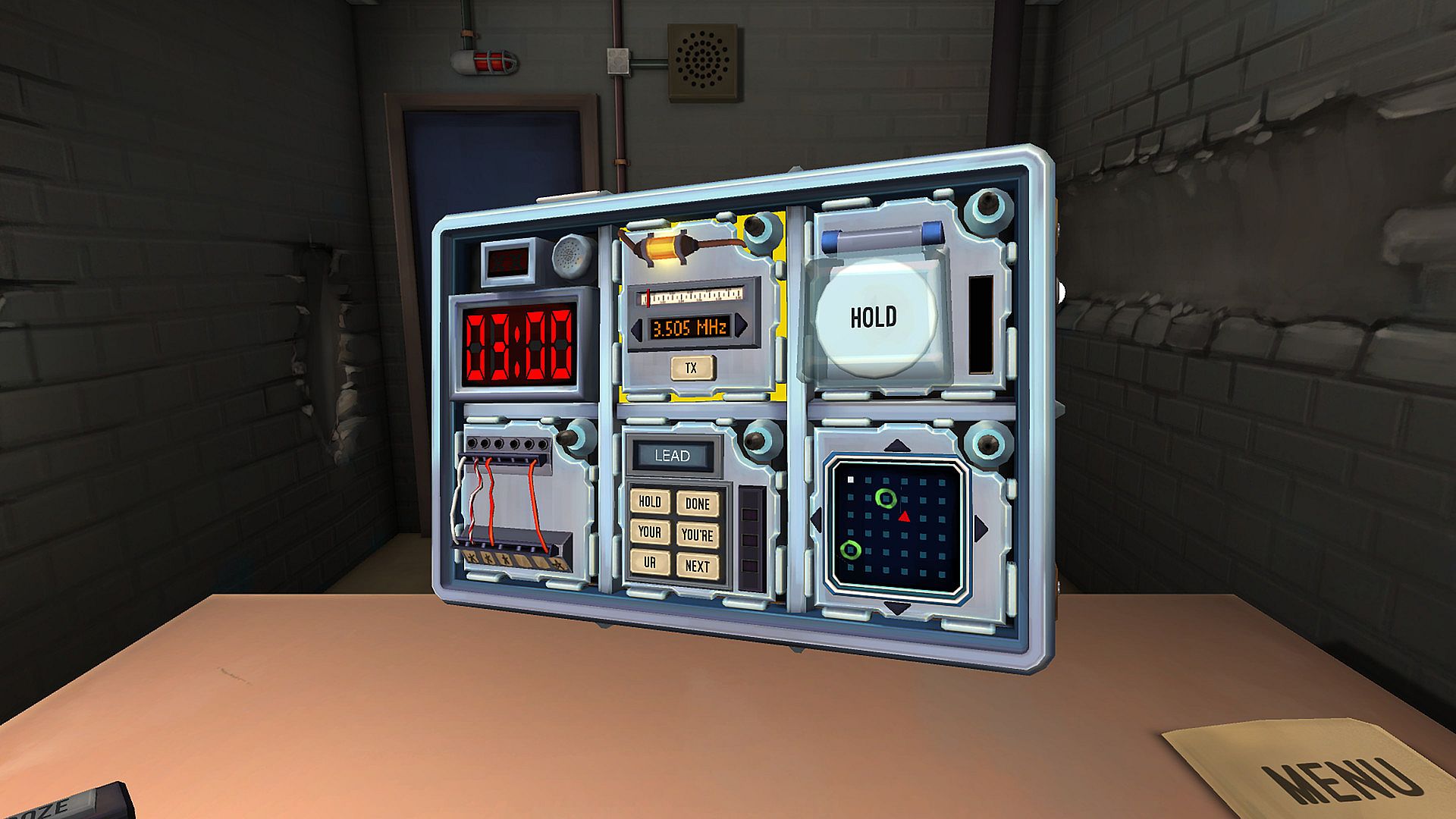
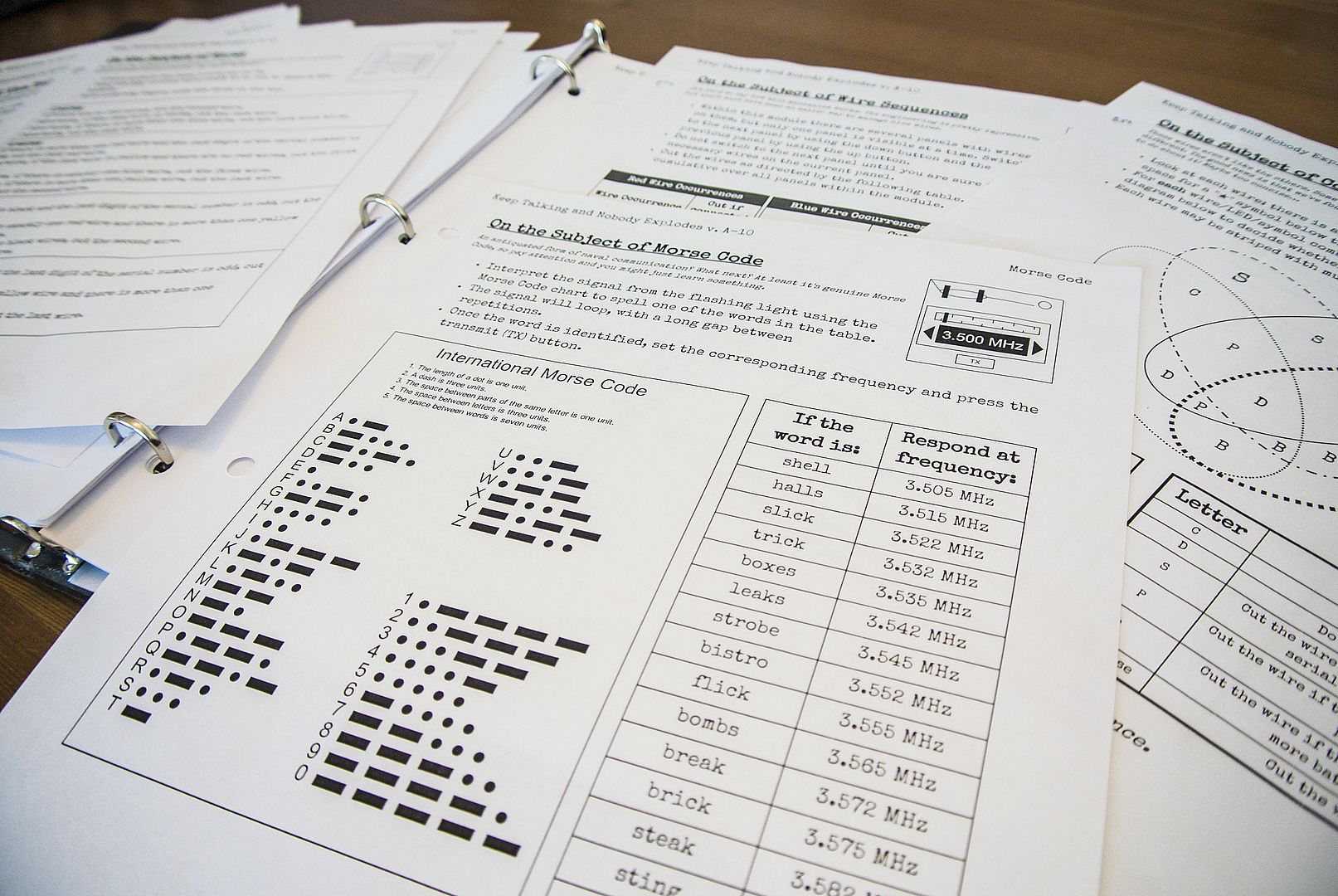
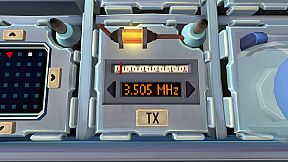
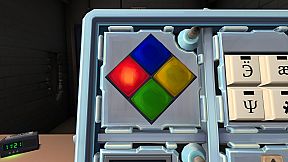


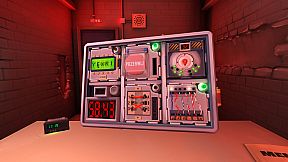
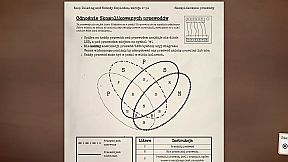
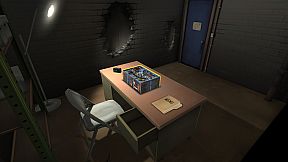
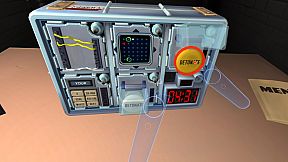
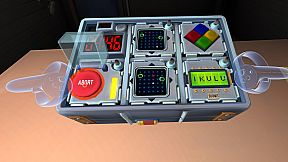
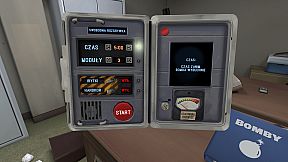

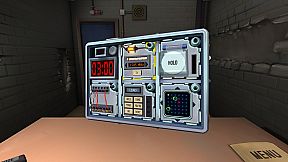
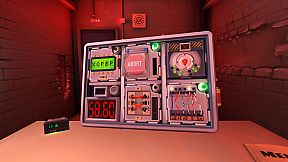
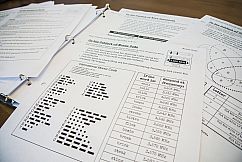
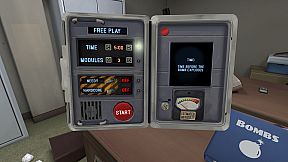
Keep Talking and Nobody Explodes é um jogo indie de quebra-cabeças focado no cooperativo local para PC. Um jogador atua como o desarmador, sentado diante da bomba, enquanto os demais consultam o manual de desarme. Como só o desarmador vê a bomba e os especialistas não têm acesso visual, a comunicação rápida se torna essencial para identificar os módulos e seguir as instruções antes que o tempo acabe.
Jogabilidade
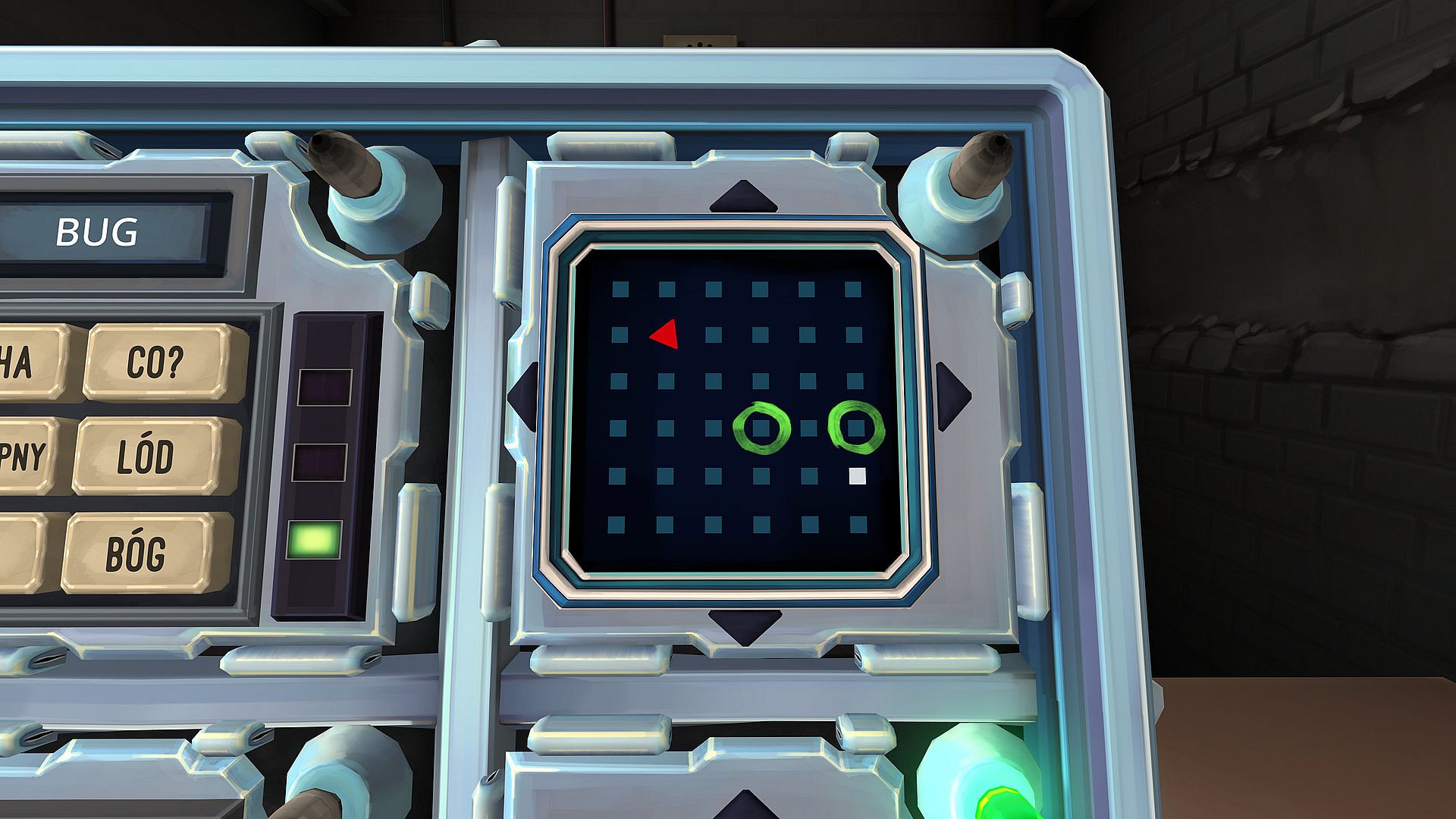
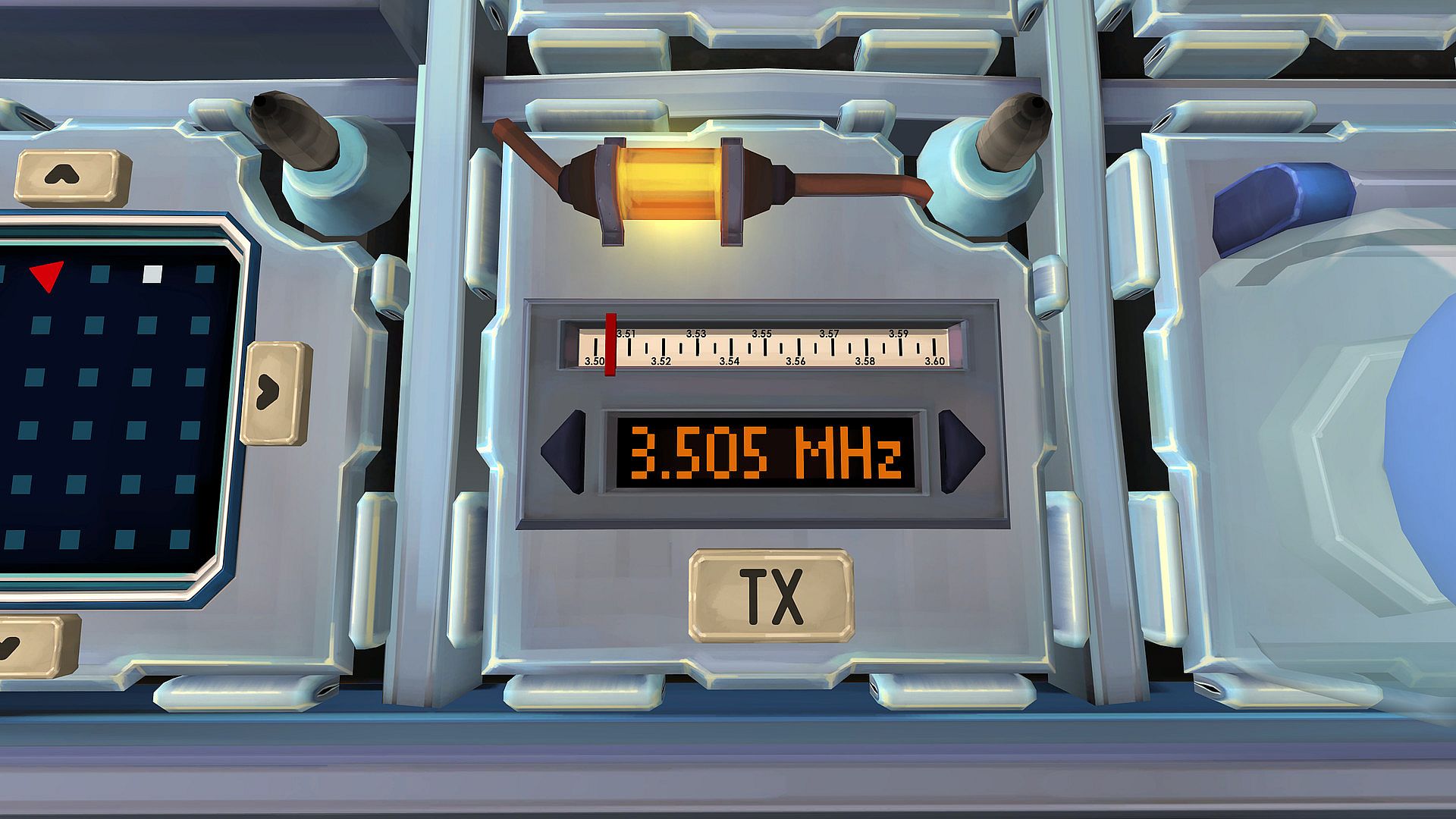
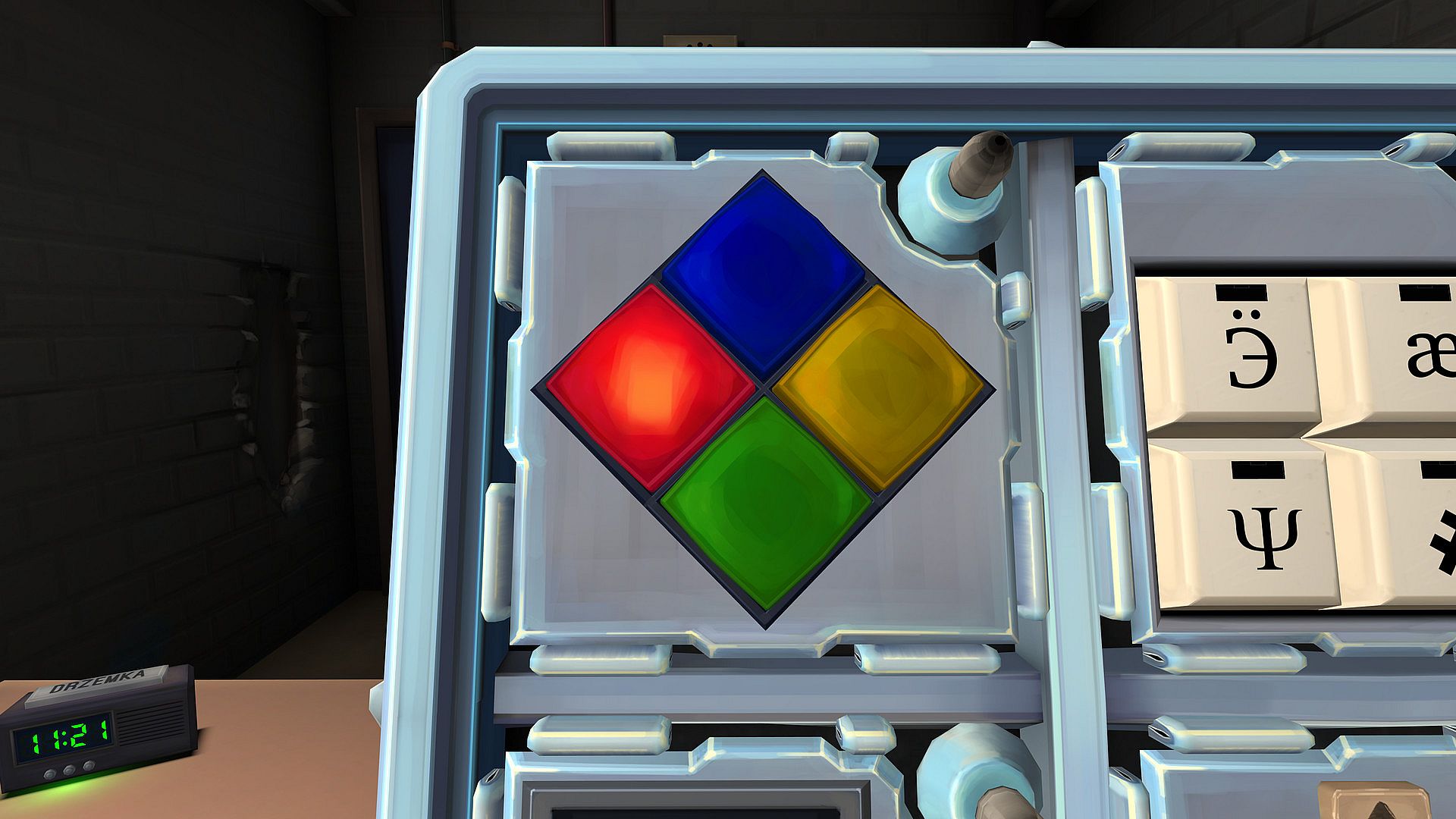
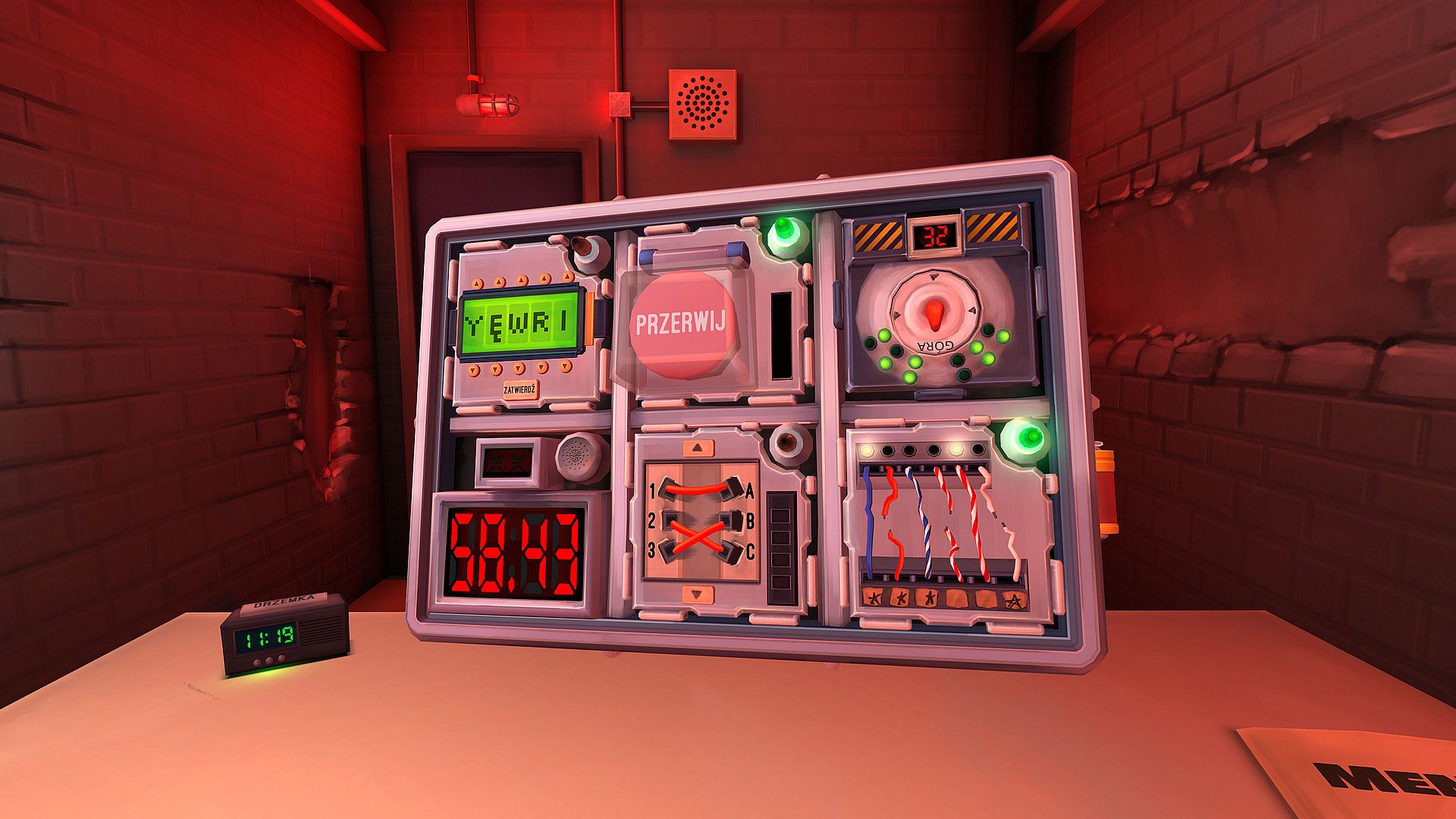
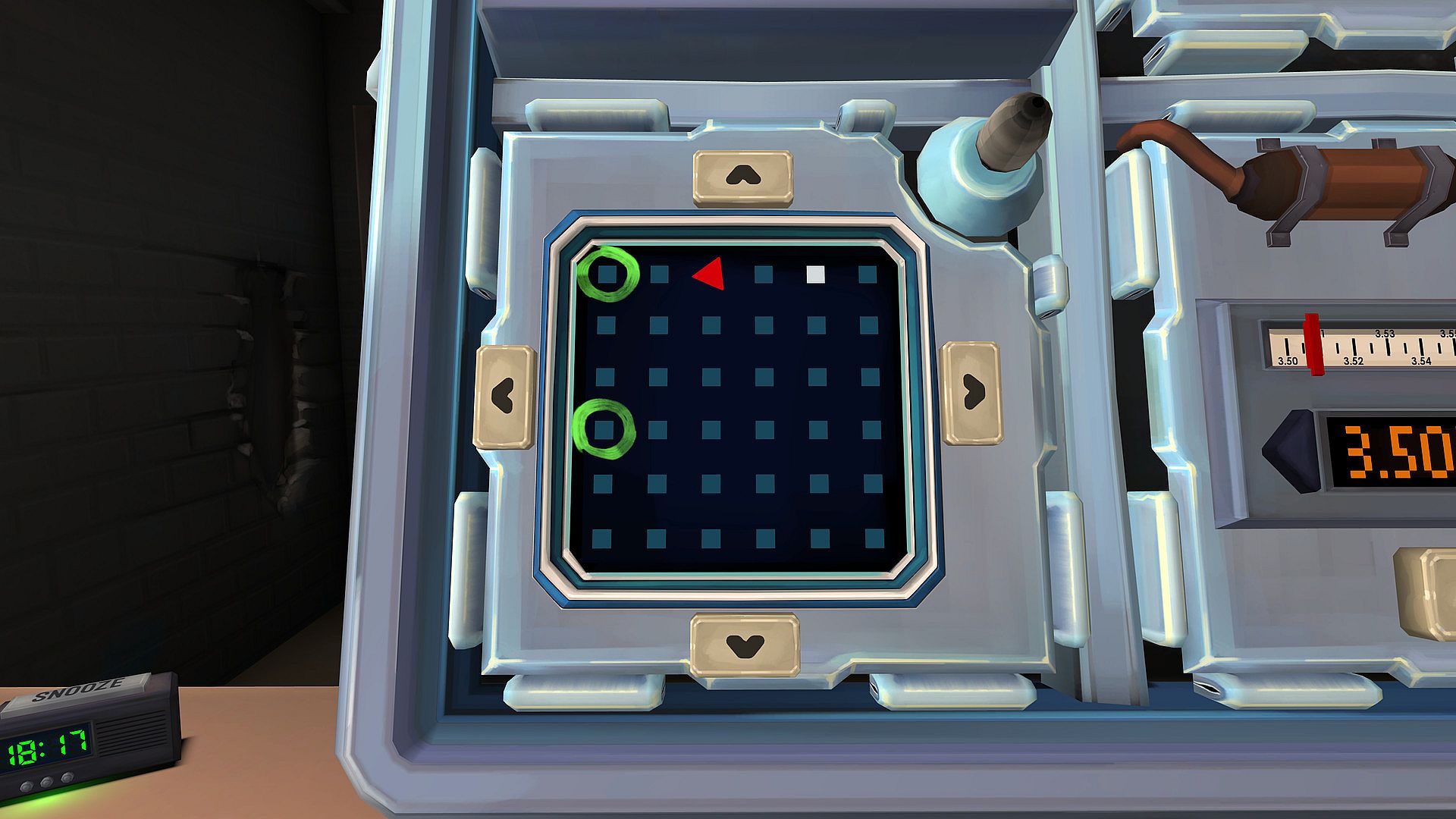
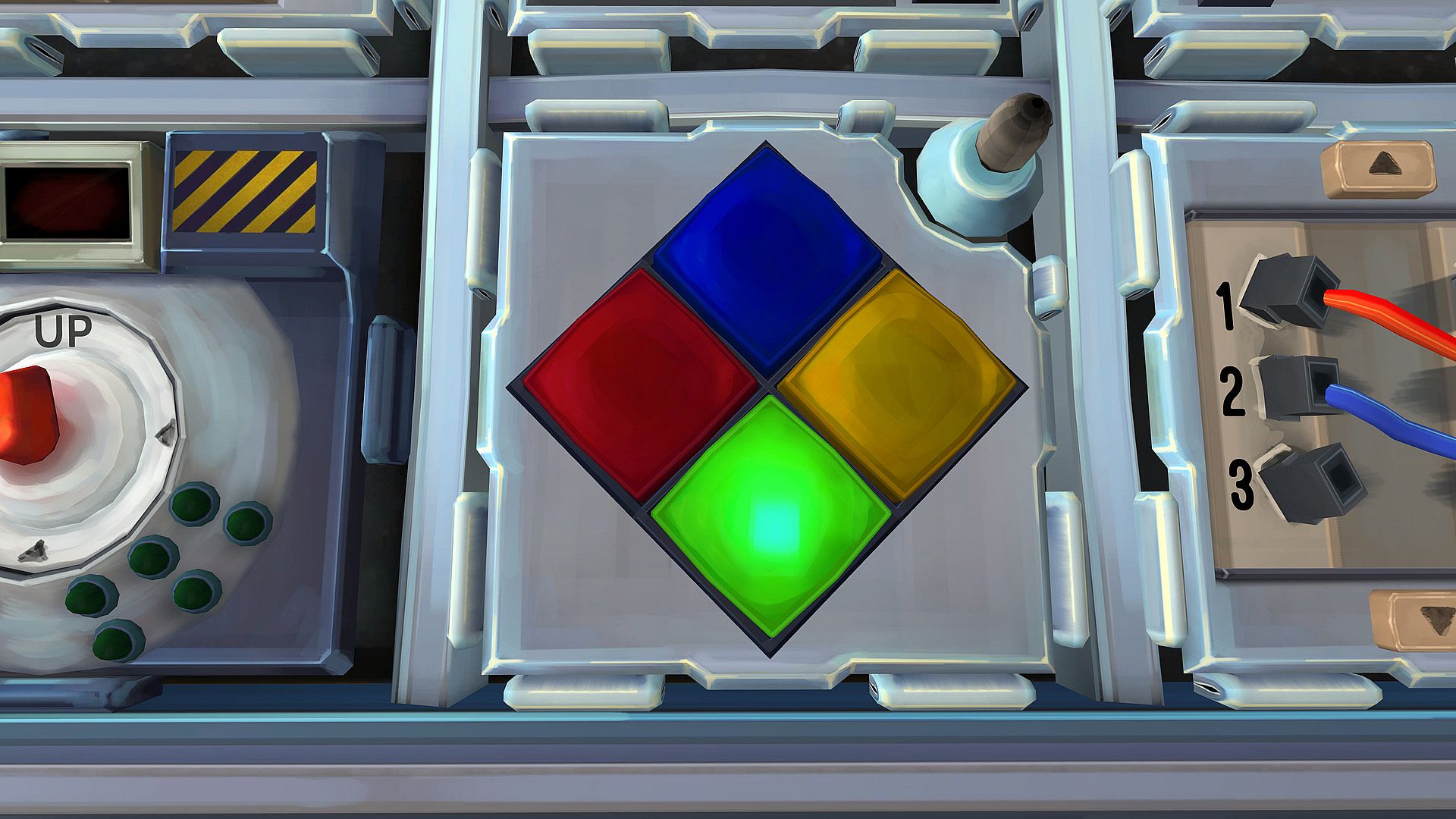
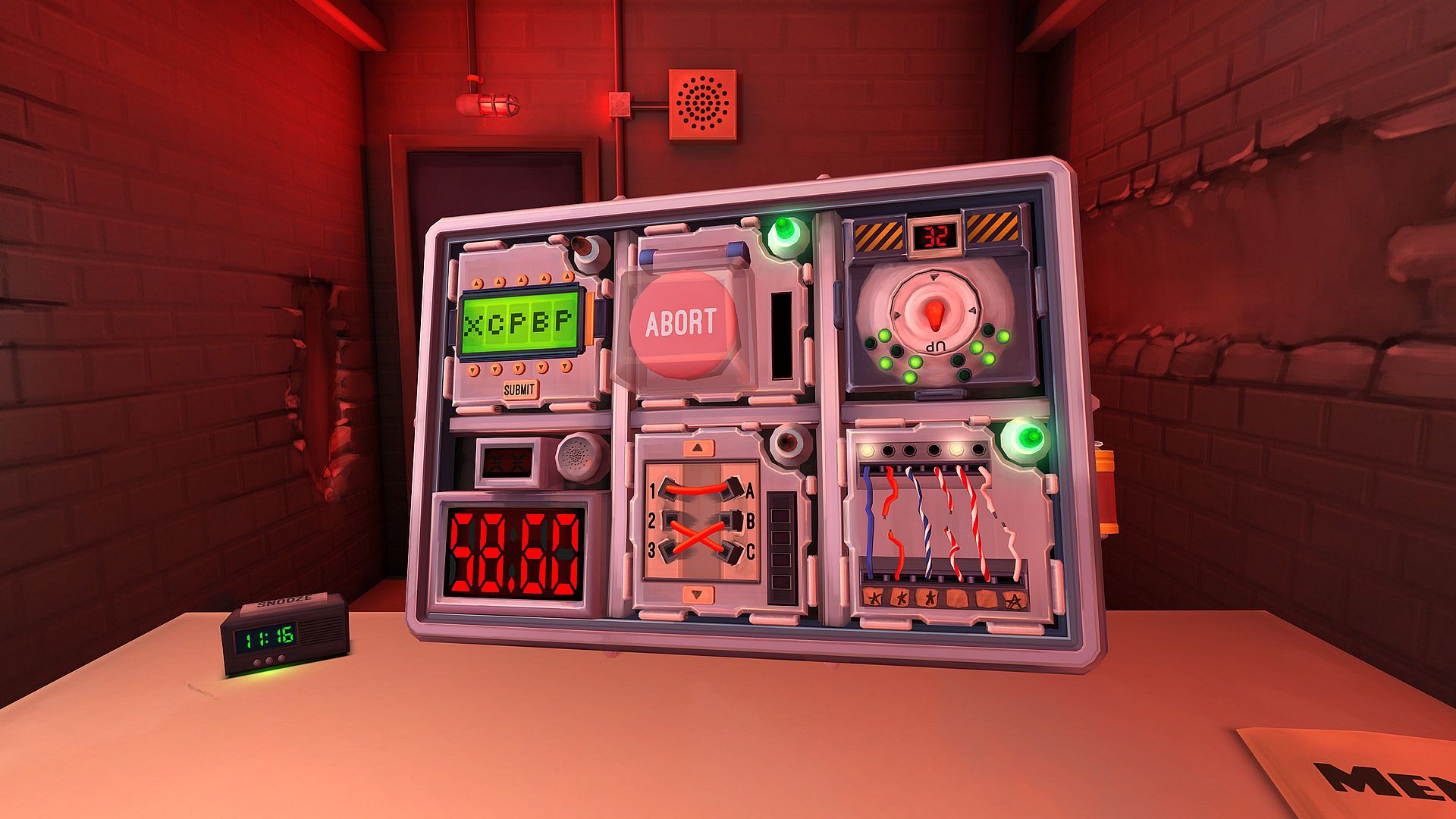
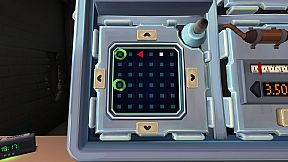
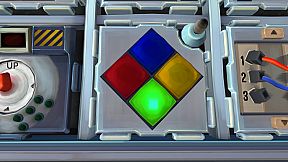
O núcleo da experiência gira em torno de rodadas curtas em que os jogadores precisam identificar e resolver os módulos acoplados à bomba. Cada explosivo traz uma combinação diferente de módulos, e o desarmador descreve detalhes visuais - símbolos, cores ou sequências - para que os especialistas consultem o manual e orientem as ações, como cortar fios, pressionar botões ou inserir códigos. A geração procedural garante que cada bomba apresente desafios inéditos, evitando repetição entre as partidas.
As rodadas exigem comunicação clara sob pressão: erros geram penalidades que reduzem o tempo restante. O jogo funciona bem com grupos de dois a quatro jogadores, embora equipes maiores possam revezar os papéis. O chat de voz permite partidas remotas quando os participantes não estão no mesmo local. O suporte opcional a realidade virtual coloca o desarmador em uma visão isolada da bomba, aumentando o foco durante as jogadas.
Módulos criados pela comunidade ampliam o conjunto de quebra-cabeças além da versão original, trazendo novas mecânicas que se integram às sessões existentes. Com uma única cópia, outros jogadores podem participar como especialistas sem precisar de cópias adicionais, mantendo o foco na resolução colaborativa.
Modos de Jogo
O modo Missão organiza as partidas em uma sequência de desafios predefinidos. As primeiras missões apresentam módulos básicos e tempos mais curtos, enquanto as seguintes adicionam restrições como mais módulos, limites menores de erros e combinações mais complexas. Essa progressão ajuda os jogadores a se familiarizarem com os diferentes tipos de quebra-cabeças antes de enfrentar cenários mais difíceis.
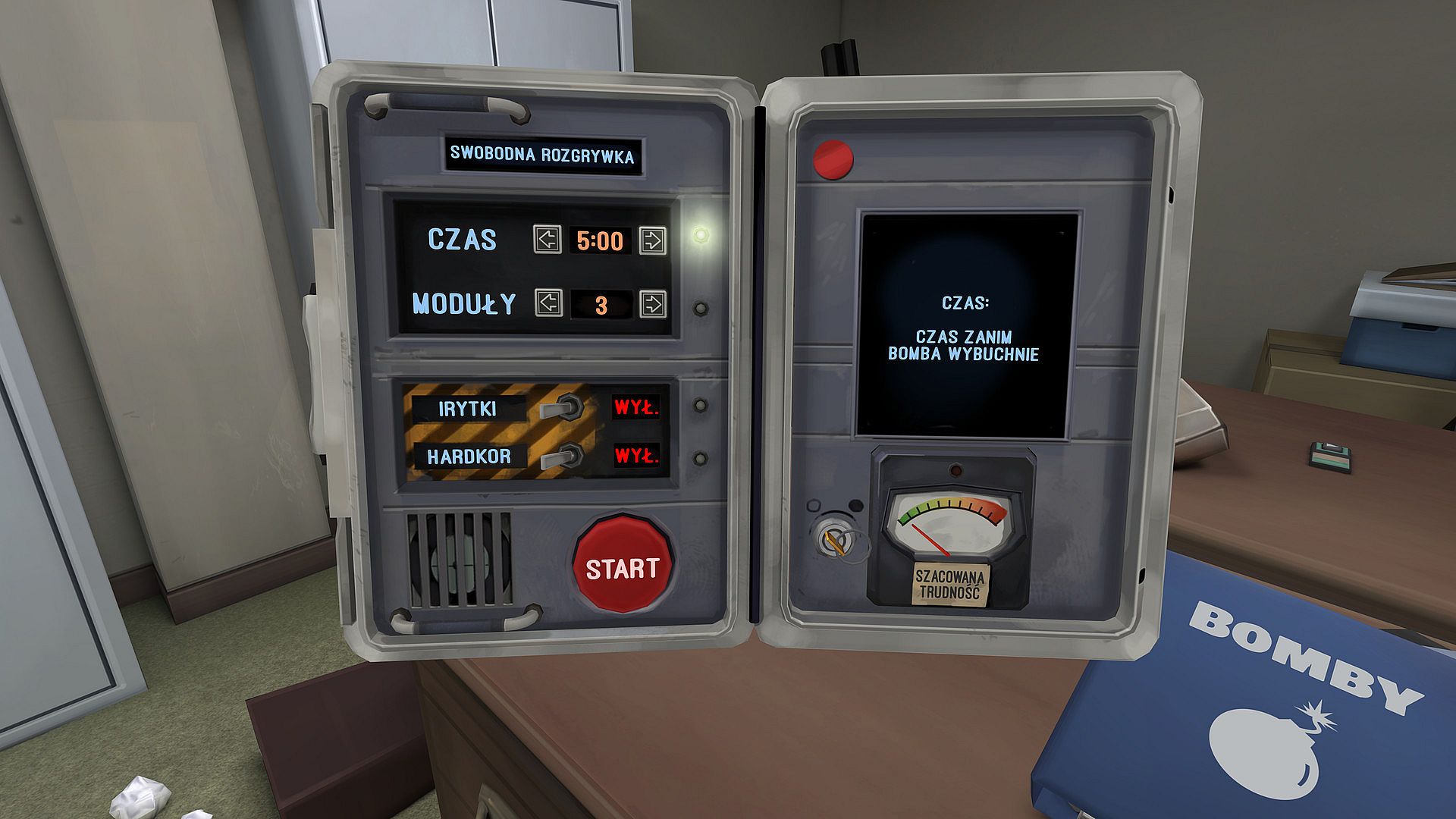
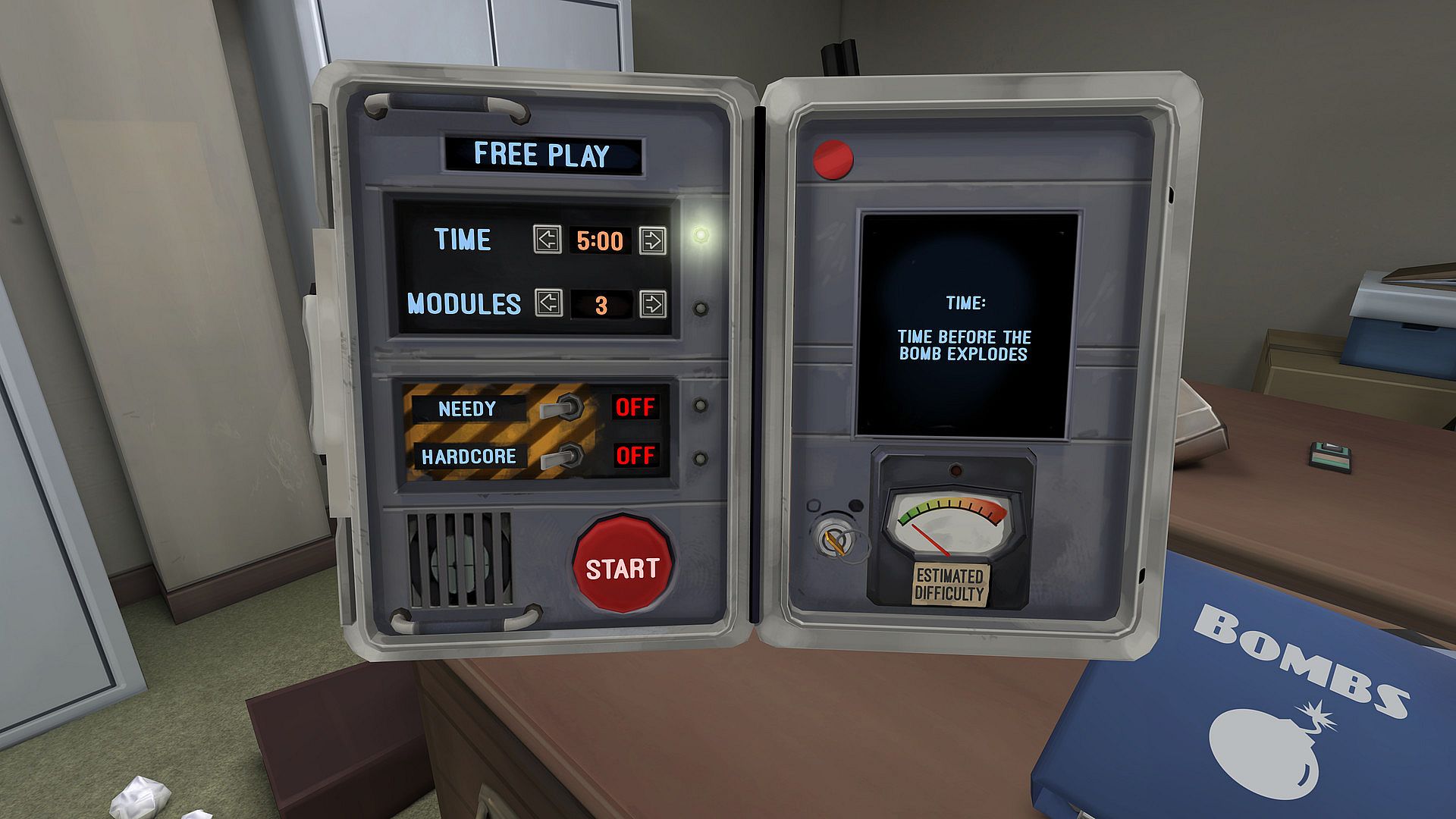
O modo Jogo Livre é liberado após as missões iniciais e permite personalizar totalmente os parâmetros da bomba. Os jogadores definem o número de módulos, o tempo disponível e a quantidade de erros permitidos para criar desafios sob medida. Essa flexibilidade facilita treinar módulos específicos ou testar configurações de alta dificuldade com grupos mais experientes.
Dinâmica Multijogador
O sucesso depende da coordenação entre os papéis, não da habilidade individual. O desarmador transmite observações precisas, enquanto os especialistas interpretam o manual e dão instruções claras. Conforme o tempo diminui, as sessões costumam ficar mais agitadas, transformando momentos de tensão em risadas quando as soluções funcionam ou quando o grupo escapa por pouco. O formato atende tanto grupos estreantes, que aprendem o manual juntos, quanto veteranos que já desenvolveram sua própria linguagem.
Apenas um dispositivo executa o jogo por vez, e os especialistas usam cópias impressas ou digitais do manual. Isso incentiva o contato presencial ou conexões de voz estáveis em equipes remotas. A variedade procedural mantém as partidas repetidas interessantes sem exigir compras adicionais de conteúdo.
Vale a Pena Jogar?
O jogo oferece alto valor de repetição graças às bombas geradas proceduralmente e à progressão modular. Grupos que gostam de quebra-cabeças cooperativos e trabalho em equipe verbal rápido encontram nas rodadas curtas um formato ideal para noites de jogo ou encontros casuais. Seu design valoriza a comunicação clara e a capacidade de adaptação, sendo indicado para quem prefere elementos de dedução social em vez de pontuação competitiva.
O feedback dos jogadores destaca a capacidade do título de criar experiências compartilhadas marcantes, com muitos comentando sua durabilidade mesmo após dezenas de sessões. A combinação de entrada acessível e variedade de módulos atende tanto novatos quanto equipes dedicadas. A disponibilidade no PC com suporte opcional a VR mantém a experiência principal intacta, oferecendo diferentes formas de apresentação.
Quem busca um jogo de festa centrado na colaboração, e não em reflexos ou profundidade estratégica, encontra aqui uma boa opção. O modelo de uma única cópia e o acesso gratuito ao manual reduzem barreiras para grupos, e a ausência de conteúdo sazonal mantém o foco nos sistemas originais que sustentam o interesse desde o lançamento.


