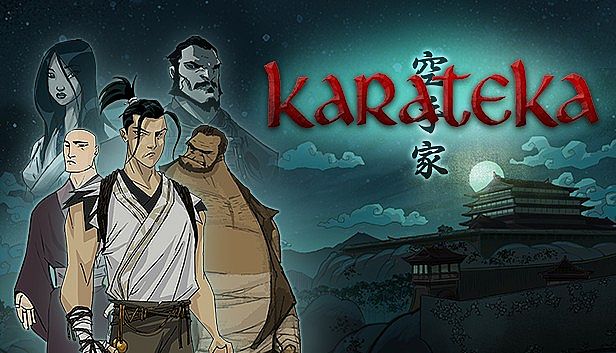










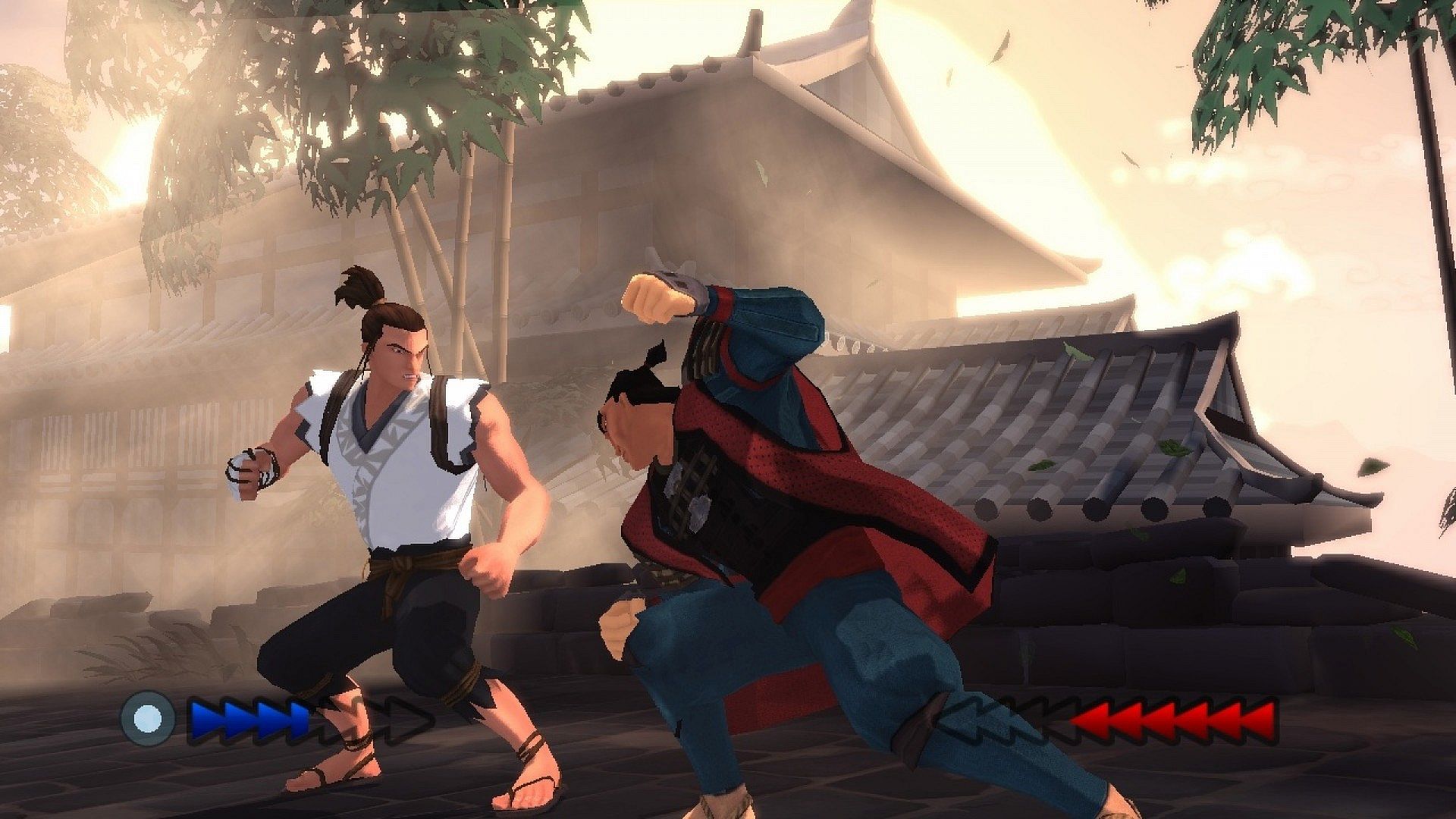
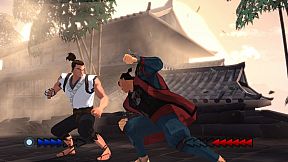
Karateka é um jogo indie de ação e estratégia para PC que resgata o clássico de karatê em rolagem lateral criado originalmente por Jordan Mechner. O jogador assume o papel de um guerreiro decidido que atravessa um cenário feudal para resgatar a princesa Mariko, prisioneira do senhor da guerra Akuma em uma fortaleza nas montanhas. A experiência mistura combates precisos com decisões estratégicas durante as lutas, tudo envolto em uma narrativa centrada no amor e na rivalidade entre três pretendentes.
Gameplay
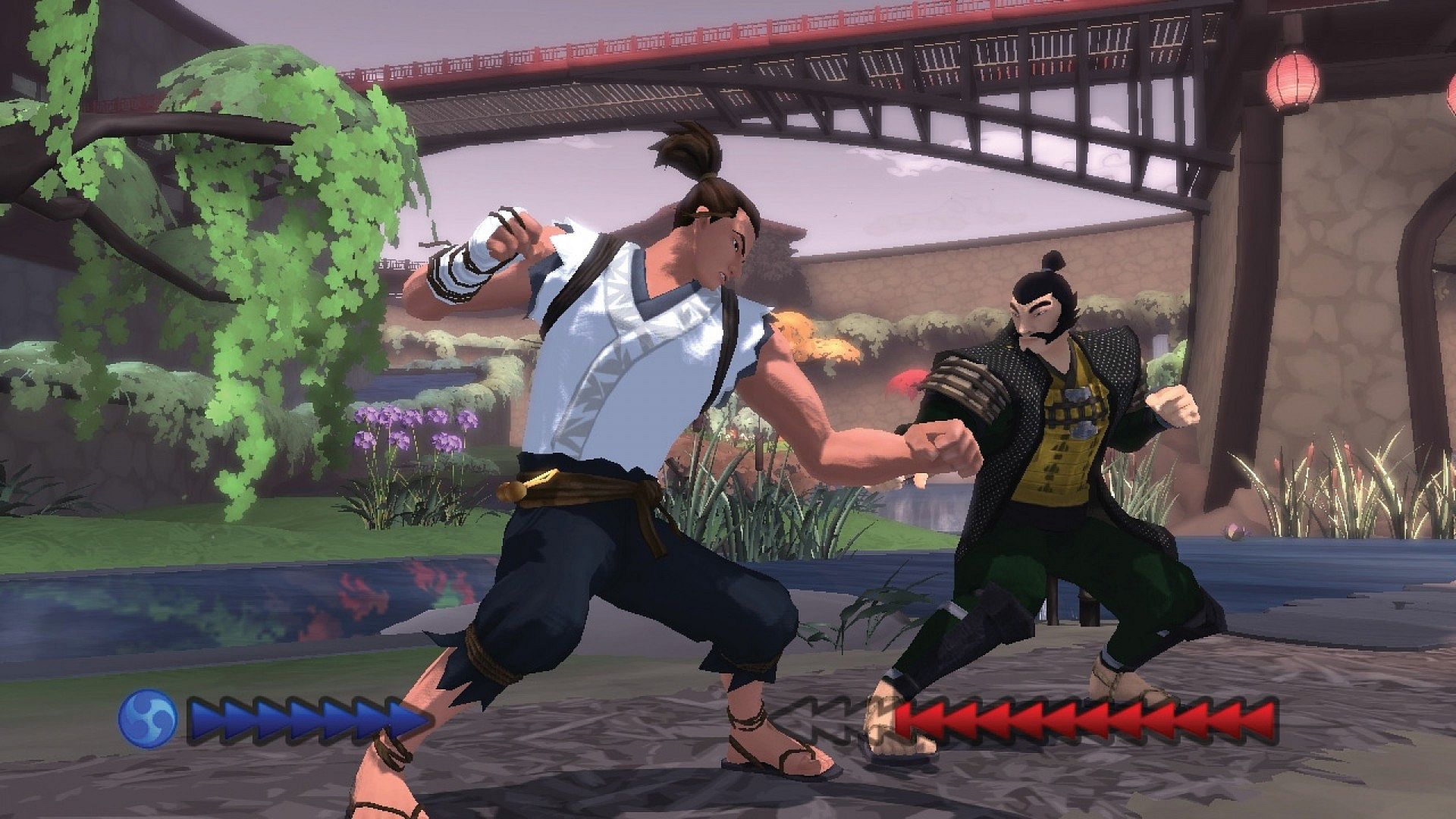
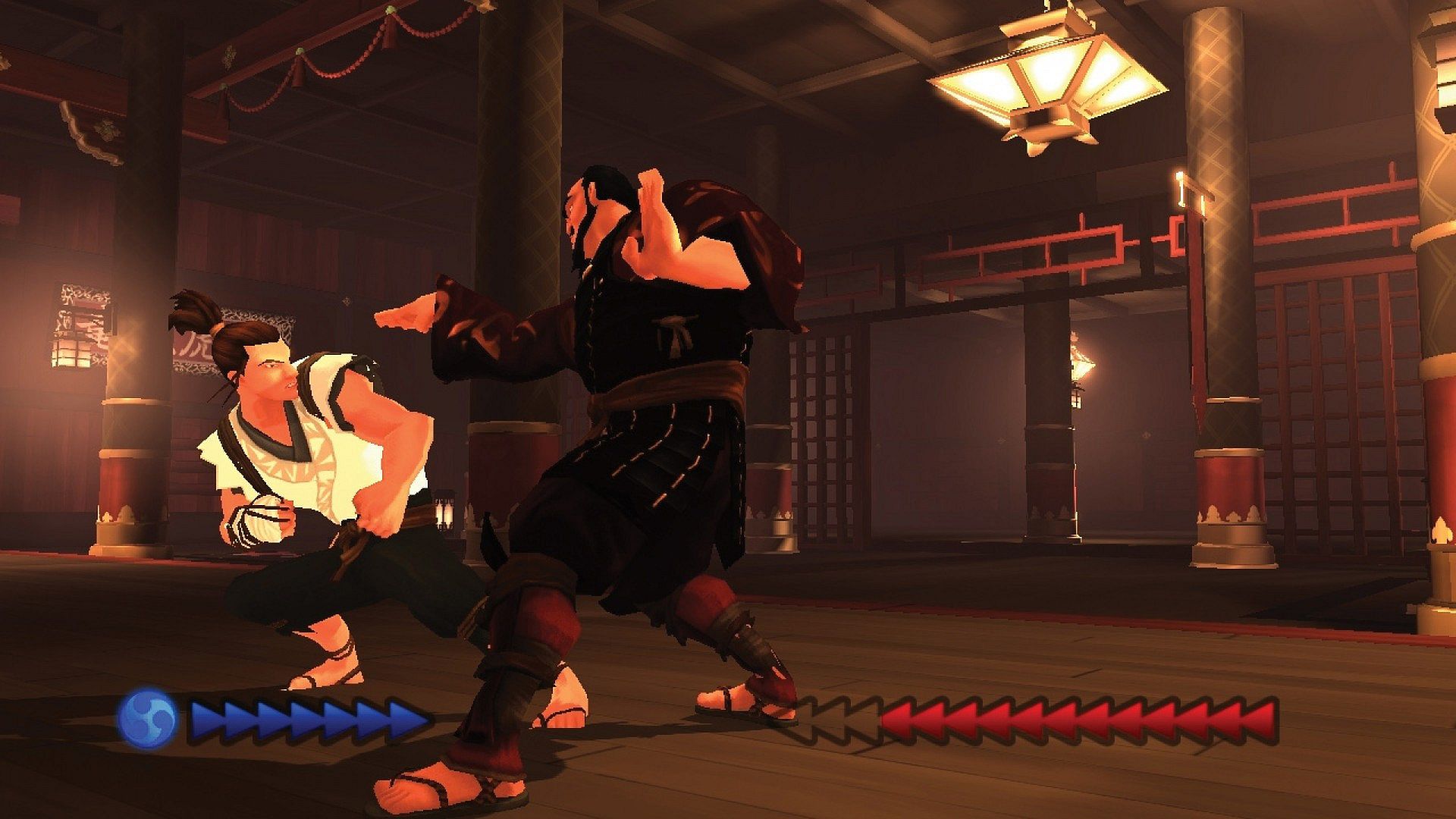
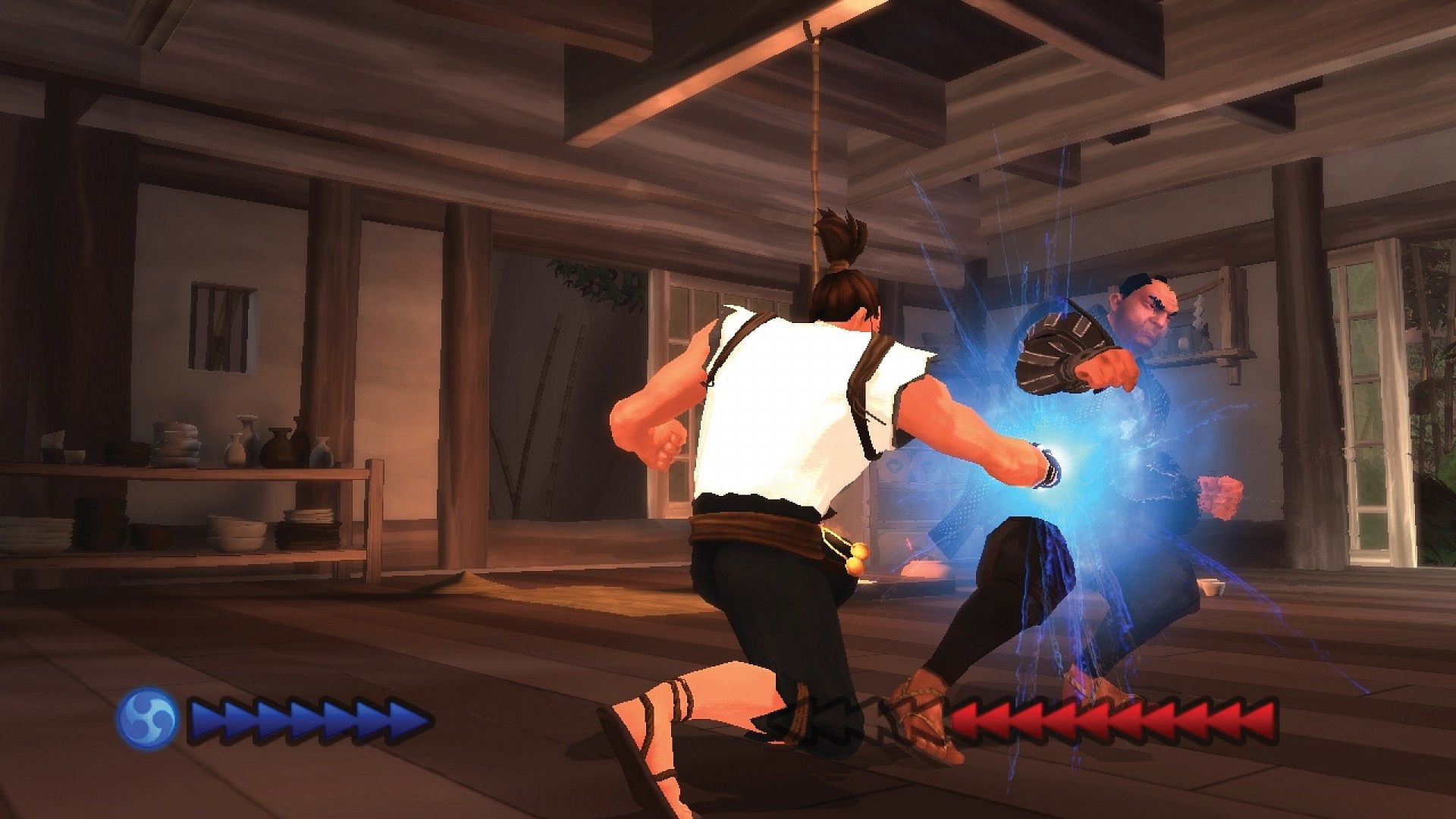
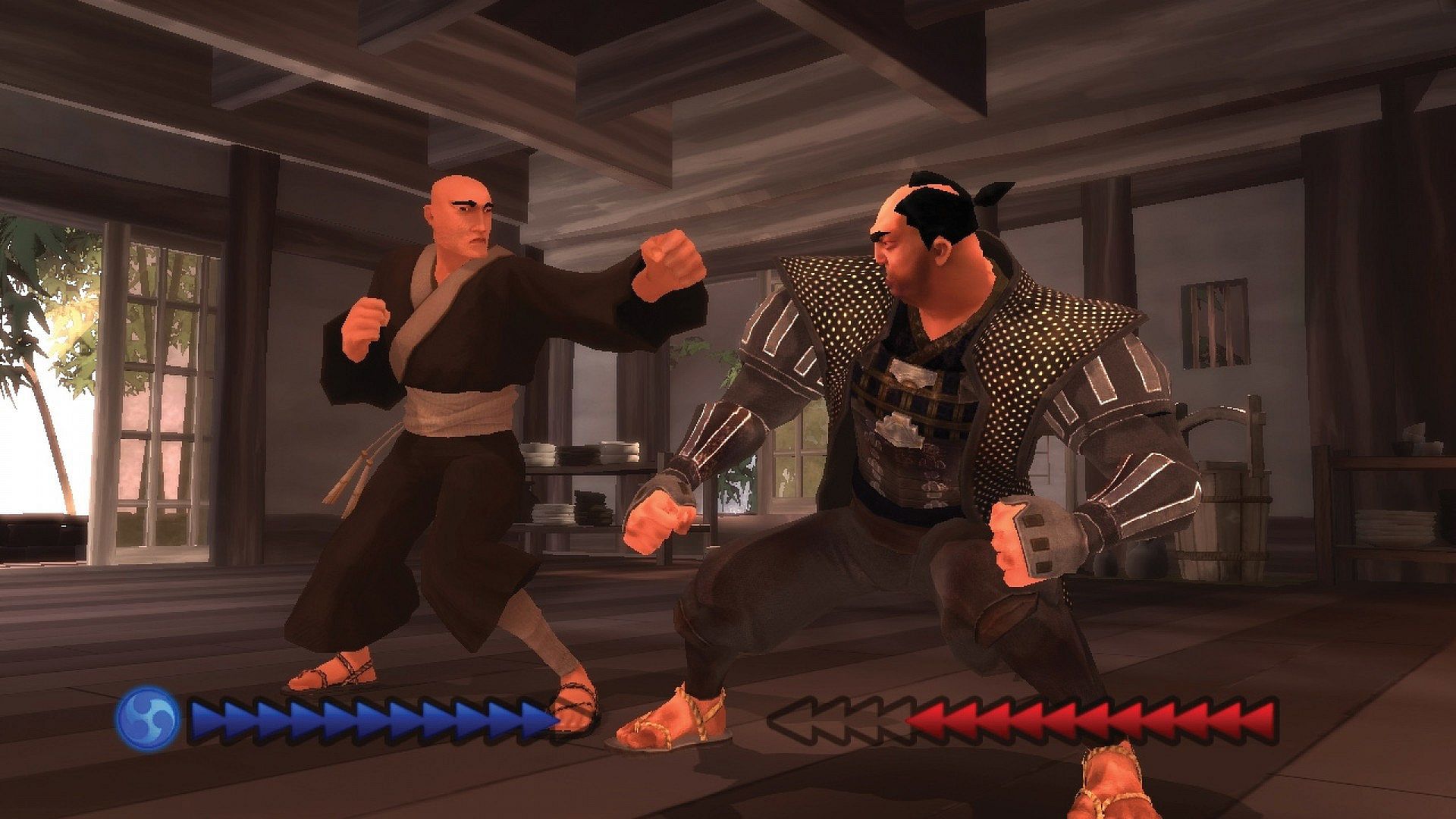
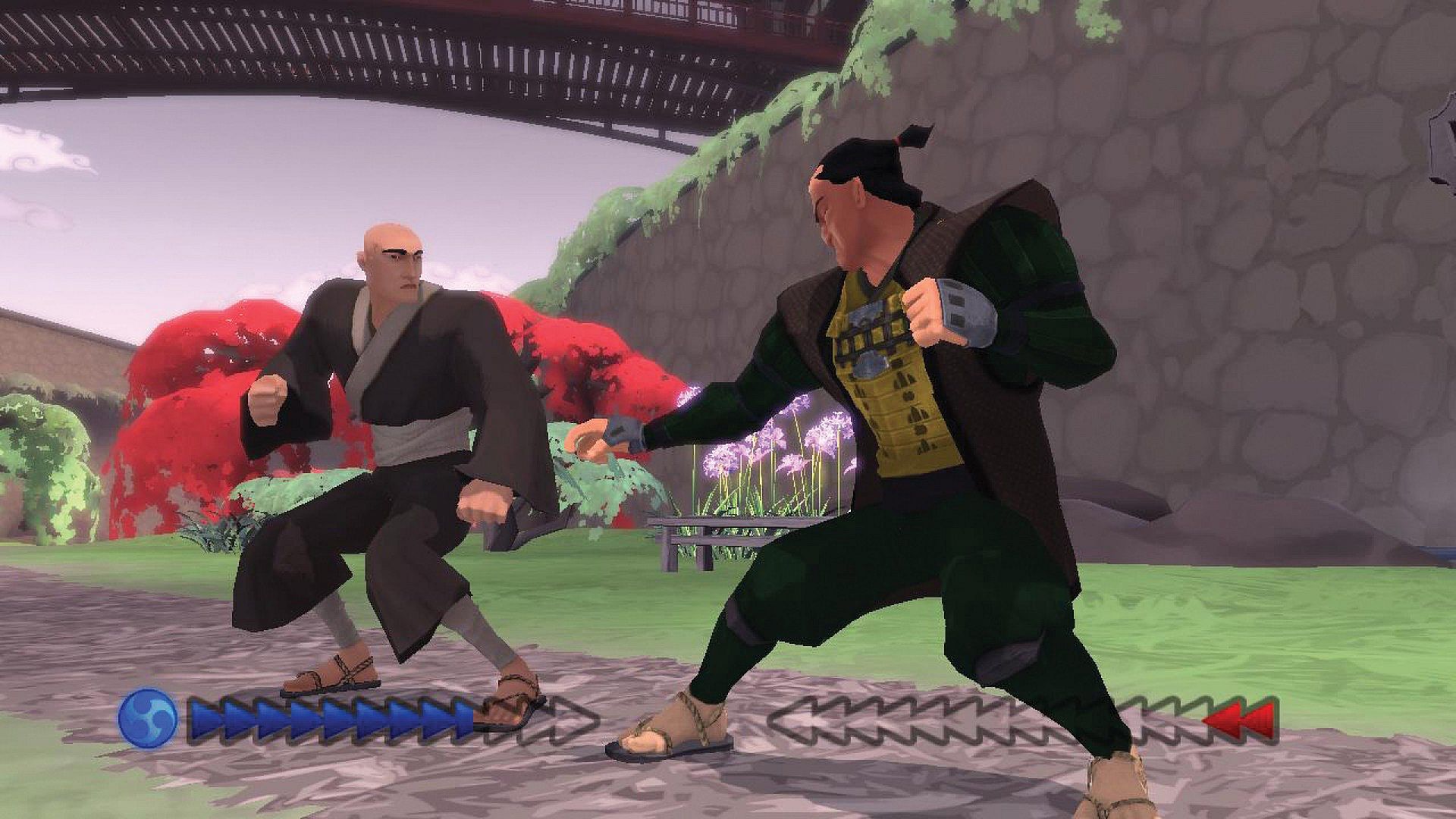
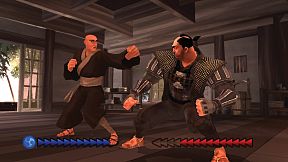
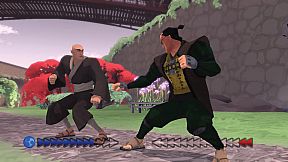
O ciclo principal gira em torno da progressão em rolagem lateral por áreas repletas de inimigos, onde o tempo e o posicionamento definem o sucesso em cada confronto. O combate exige atenção constante aos movimentos dos oponentes, já que capangas tentam bloquear o caminho. Perigos do cenário acrescentam camadas de estratégia, obrigando o jogador a adaptar sua abordagem em vez de depender de ataques diretos. Falcões enviados pelo senhor da guerra criam ameaças aéreas que interrompem os combates no chão e exigem reações rápidas. Cenas cinematográficas avançam a história entre as seções, oferecendo pausas breves que destacam o clima feudal sem interromper o ritmo da ação.
Elementos de estratégia surgem na forma como o jogador administra recursos e escolhe respostas durante sequências intensas. O sucesso depende de dominar o ritmo de golpes e defesas enquanto se antecipa a múltiplos perigos simultâneos. O jogo recompensa paciência e observação, pois avançar sem cuidado leva a derrotas rápidas contra adversários coordenados.
Modos de Jogo
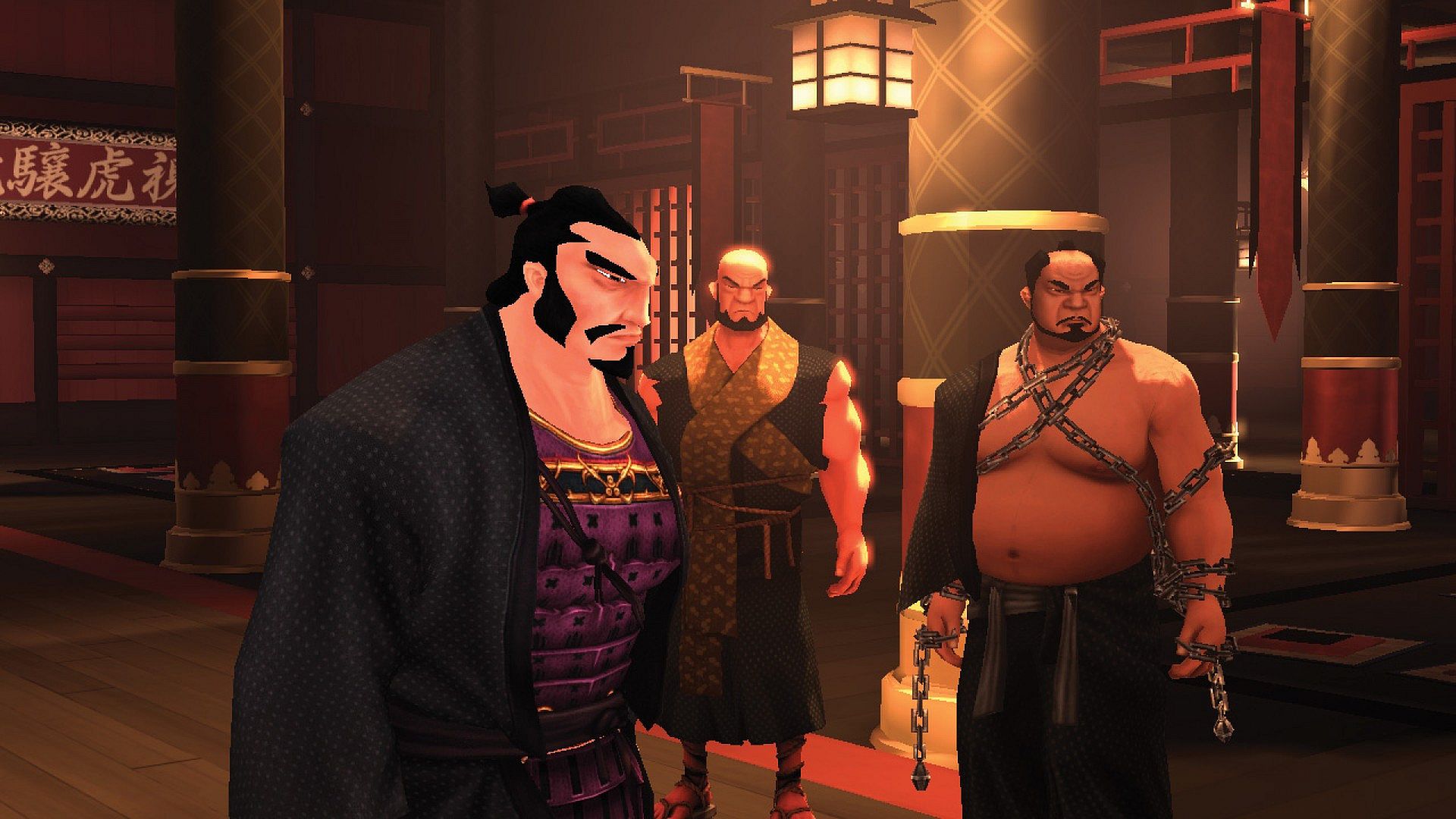
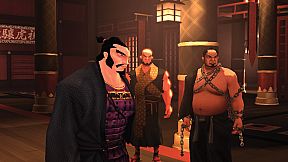
Karateka funciona como uma experiência para um jogador, com finais ramificados ligados a três pretendentes distintos. O caminho do Bruto prioriza força bruta nos confrontos, a rota do Monge enfatiza técnica disciplinada, e a opção do verdadeiro amor acompanha o interesse pessoal do protagonista no resgate. Cada pretendente leva a um final diferente, desbloqueado por abordagens distintas aos desafios. Esses caminhos incentivam novas partidas para explorar todos os desfechos e conquistar conquistas adicionais destinadas a jogadores habilidosos.
Não existem modos multijogador ou competitivos separados. A estrutura mantém o foco na progressão da campanha e nas escolhas estratégicas que determinam qual final aparece ao término.
História e Atmosfera
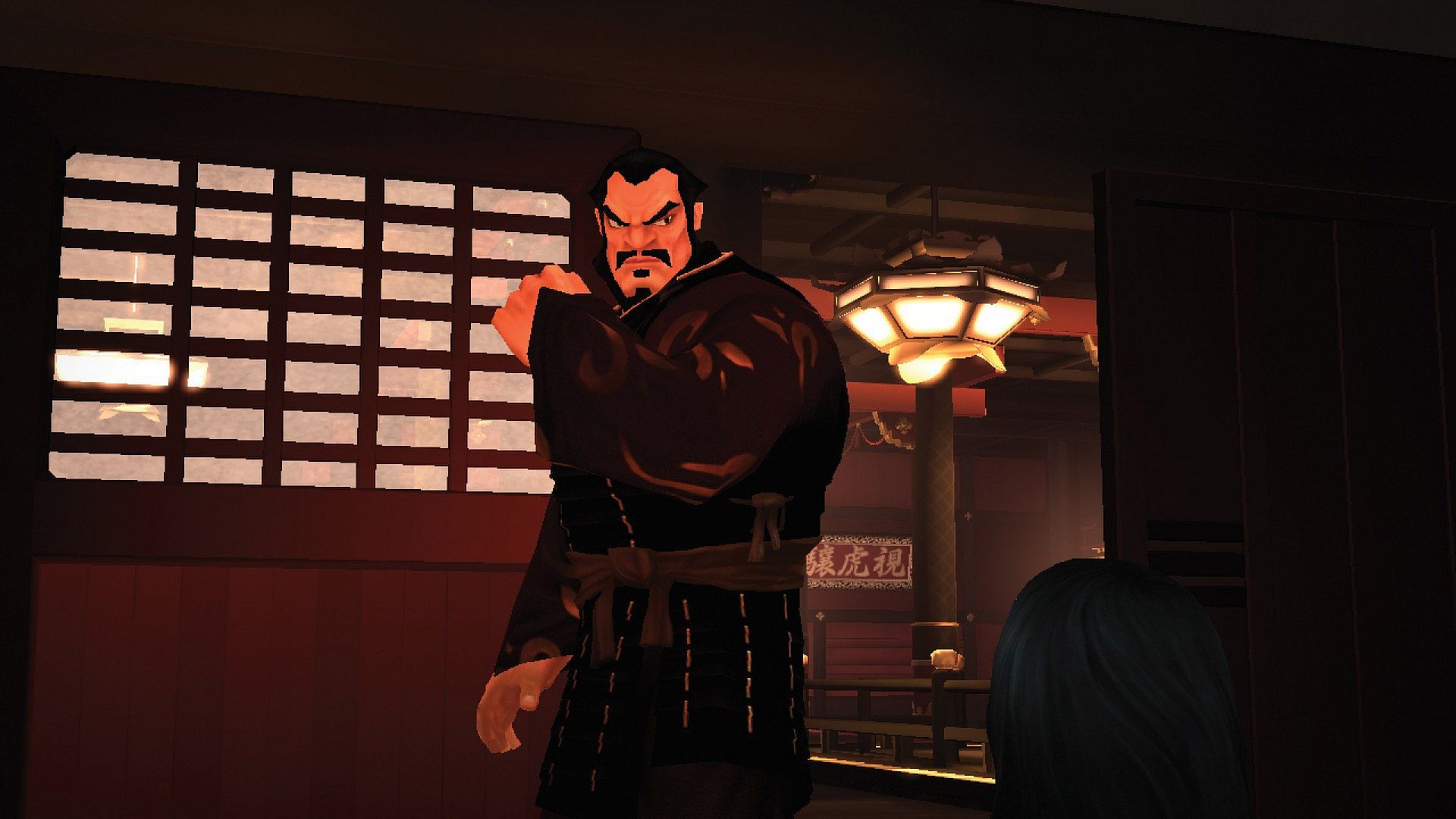
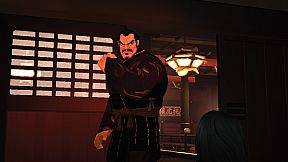
Em um cenário feudal, a narrativa segue uma história clássica de amor, na qual a missão do guerreiro para libertar Mariko o coloca contra as forças de Akuma. A atmosfera evoca o Japão histórico por meio de castelos, montanhas e elementos tradicionais que emolduram cada confronto. As cenas cinematográficas integram-se diretamente à experiência para transmitir momentos-chave sem interrupções longas, mantendo o ritmo e aumentando a tensão em torno do conflito central.
Os pretendentes rivais acrescentam apostas pessoais além do objetivo principal, transformando o resgate em uma disputa de caráter e método. Essa estrutura gera valor de repetição, pois caminhos diferentes revelam resoluções alternativas para a rivalidade.
Visuais e Apresentação
Os gráficos se inspiram na arte de gravuras Ukiyo-e, resultando em designs estilizados de personagens e cenários que evocam a época. A direção de arte reforça o tema feudal com cenários detalhados e animações fluidas durante as sequências de combate. A trilha sonora composta por Christopher Tin complementa os visuais com uma partitura que reforça o período e intensifica os momentos dramáticos.
Esses elementos se combinam para criar uma apresentação coesa que se destaca dos jogos de ação modernos, ao mesmo tempo em que homenageia as origens arcade do conceito original. Os visuais e o áudio atualizados valorizam o formato clássico de rolagem lateral sem alterar sua estrutura fundamental.
Vale a Pena Jogar?
Karateka agrada jogadores que buscam ação desafiadora em rolagem lateral com camadas estratégicas de combate e uma campanha focada para um jogador. Os múltiplos finais ligados aos três pretendentes oferecem incentivos claros para quem deseja aprimorar suas habilidades e testar abordagens diferentes. As conquistas recompensam ainda mais o domínio dos combates exigentes contra capangas, falcões e obstáculos do cenário.
O jogo atrai principalmente fãs de mecânicas inspiradas em clássicos, atualizadas com arte e música modernas. Sua estrutura concisa e o foco na habilidade em vez de complexidade o tornam uma boa escolha para sessões curtas ou tentativas dedicadas a desbloquear todos os finais. Quem procura ação arcade direta de karatê em um contexto feudal encontrará o ciclo principal envolvente e com alto valor de repetição graças às rotas narrativas ramificadas.