




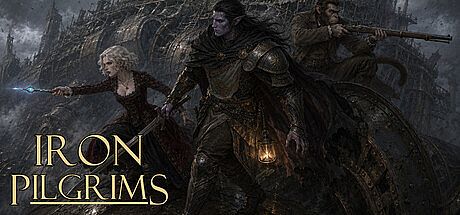


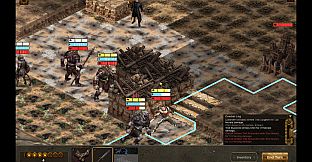
Iron Pilgrims is a single-player turn-based tactical RPG that blends strategy and indie sensibilities on PC. Set in a postapocalyptic fantasy world forty years after a cataclysm, the game centers on the last pilgrim engine, a mobile town called Vey whose sustaining Spark has been stolen. Players take the role of the Waykeeper, tasked with assembling and leading a company of heroes to recover the Spark while managing the spread of corruption.
Gameplay
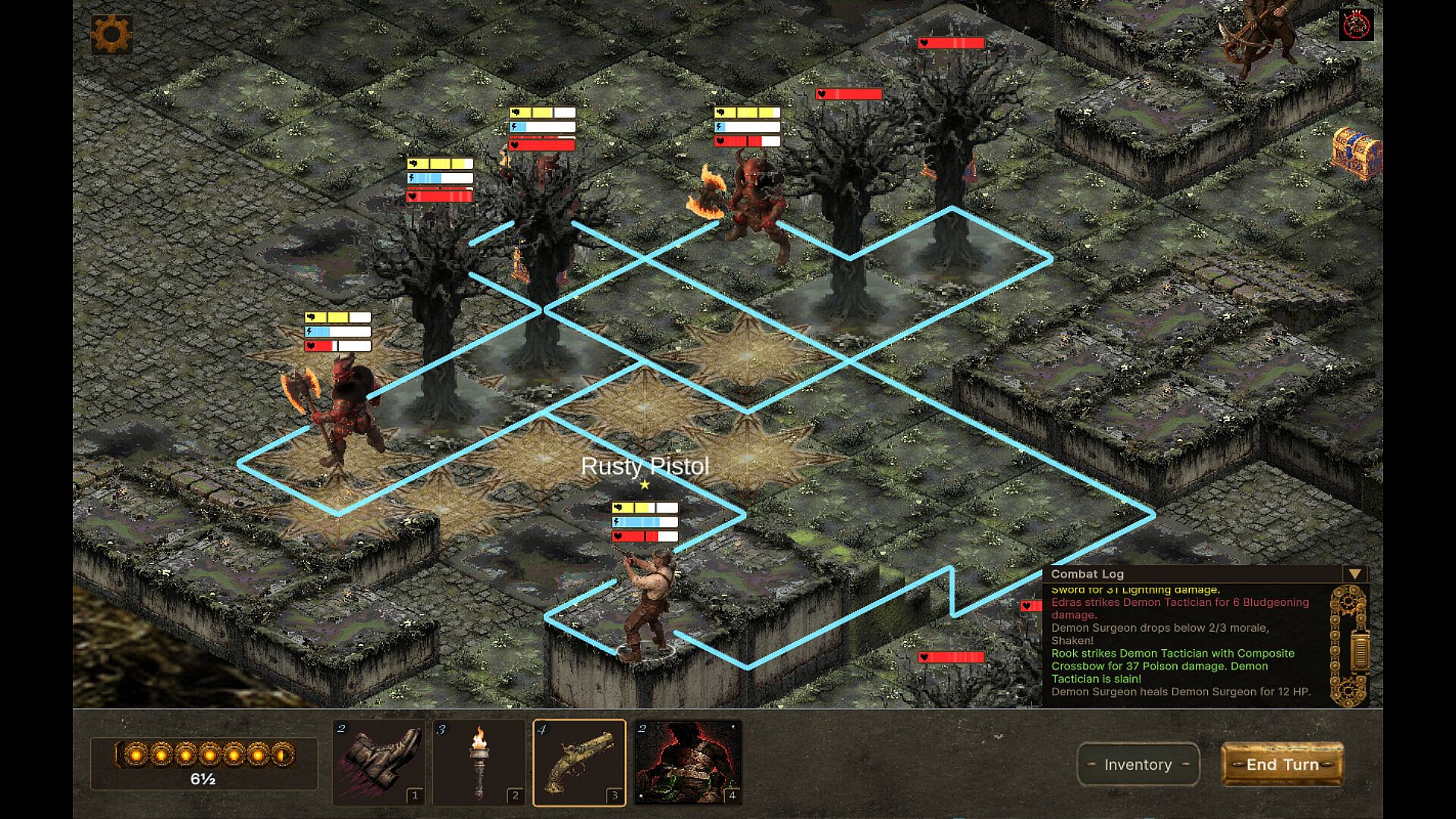
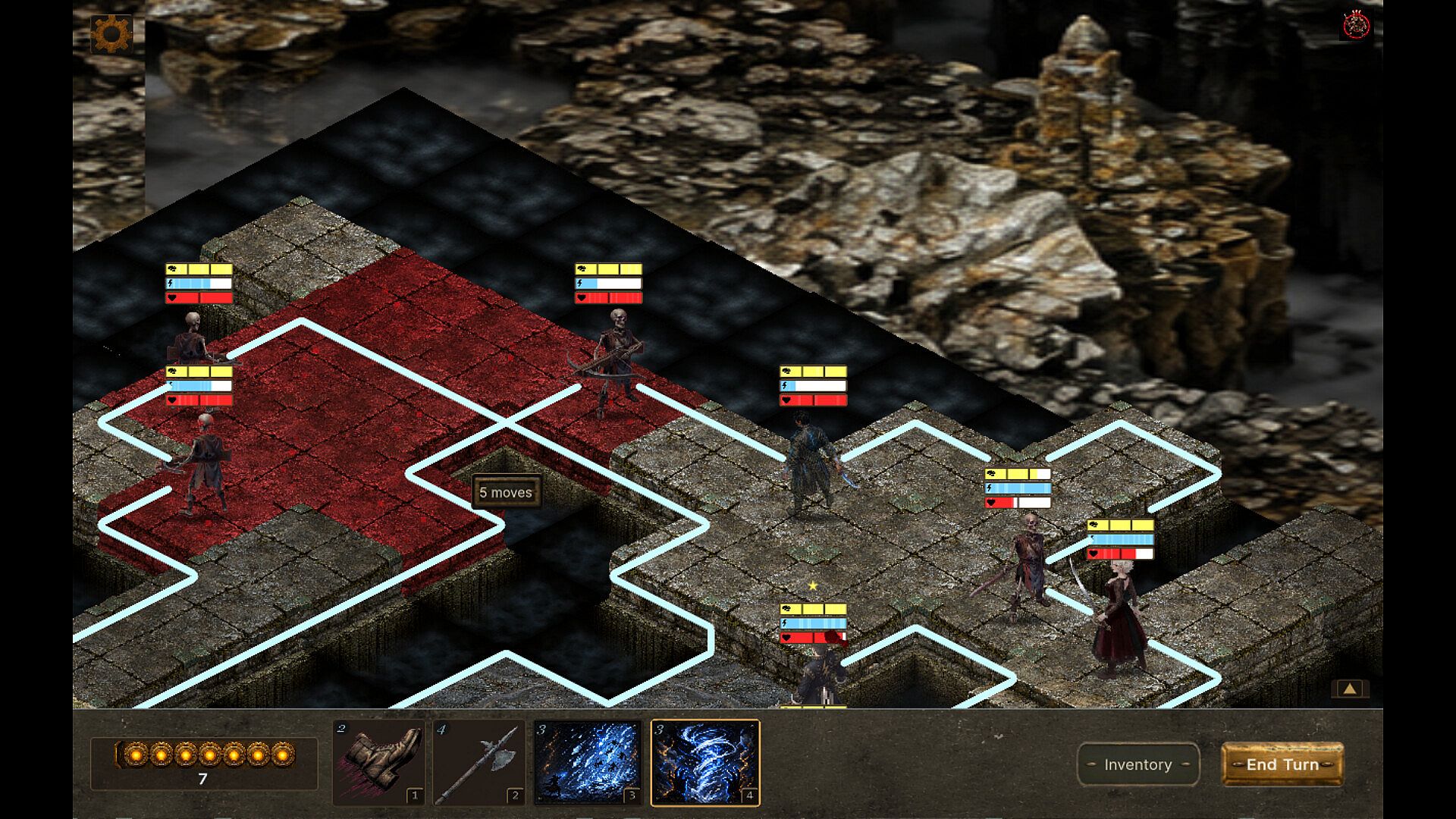
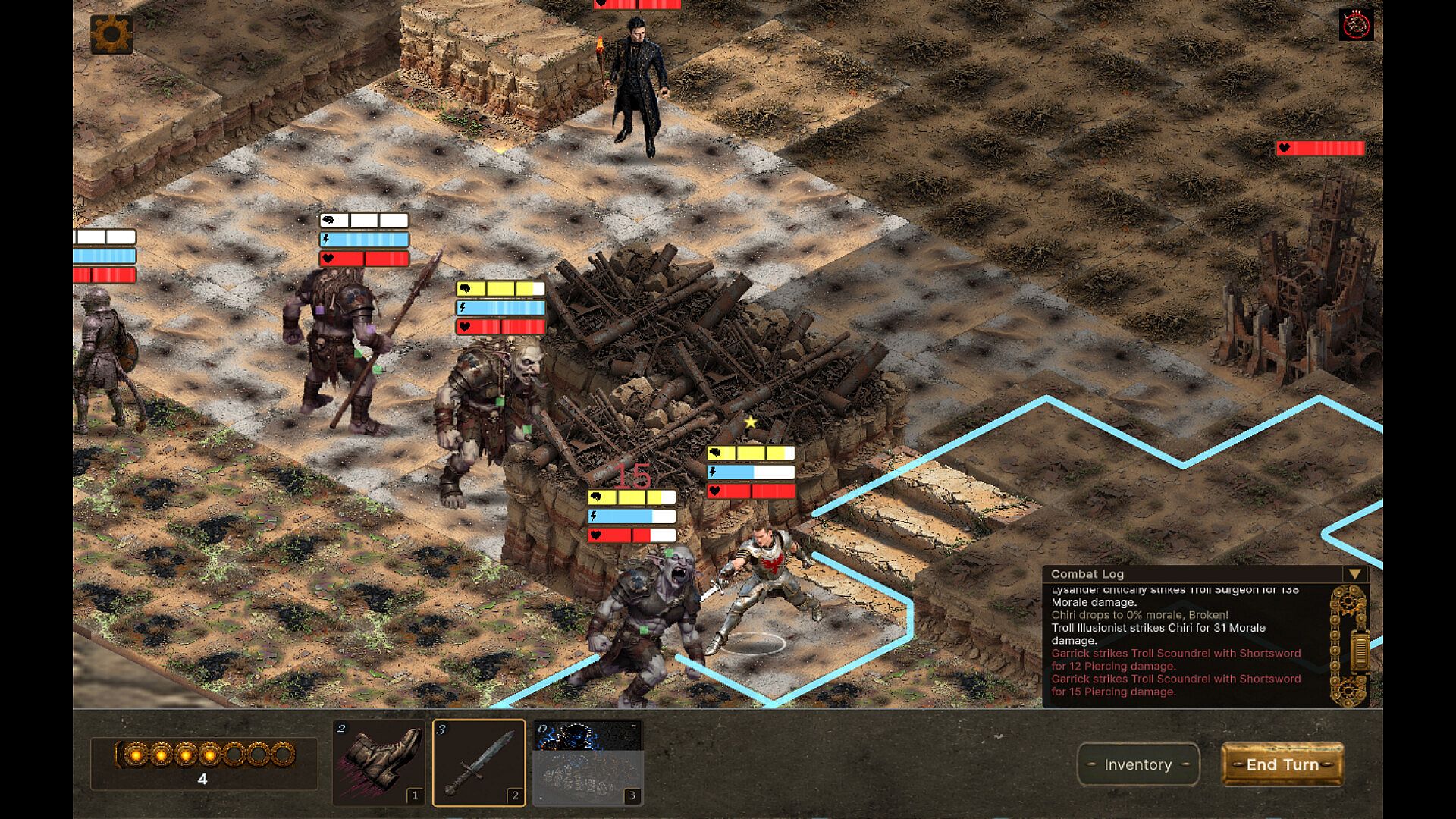
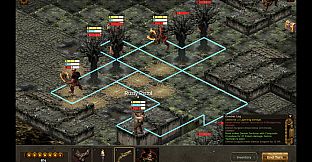
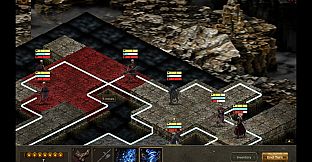
Combat unfolds on square-grid maps where each hero receives a pool of moves for positioning, attacks, and class-specific abilities. Facing mechanics limit visibility and create opportunities to exploit blind spots, while fog of war conceals enemy positions until revealed. Morale plays a central role as wounds, shocks, and abilities drain nerve, potentially forcing retreats when it breaks. Players can destroy cover, seize high ground, and compete for temporary buffs from battlefield powerups. Missions often include varied objectives such as recovering documents, escorting allies, protecting civilians, or holding positions against reinforcements.
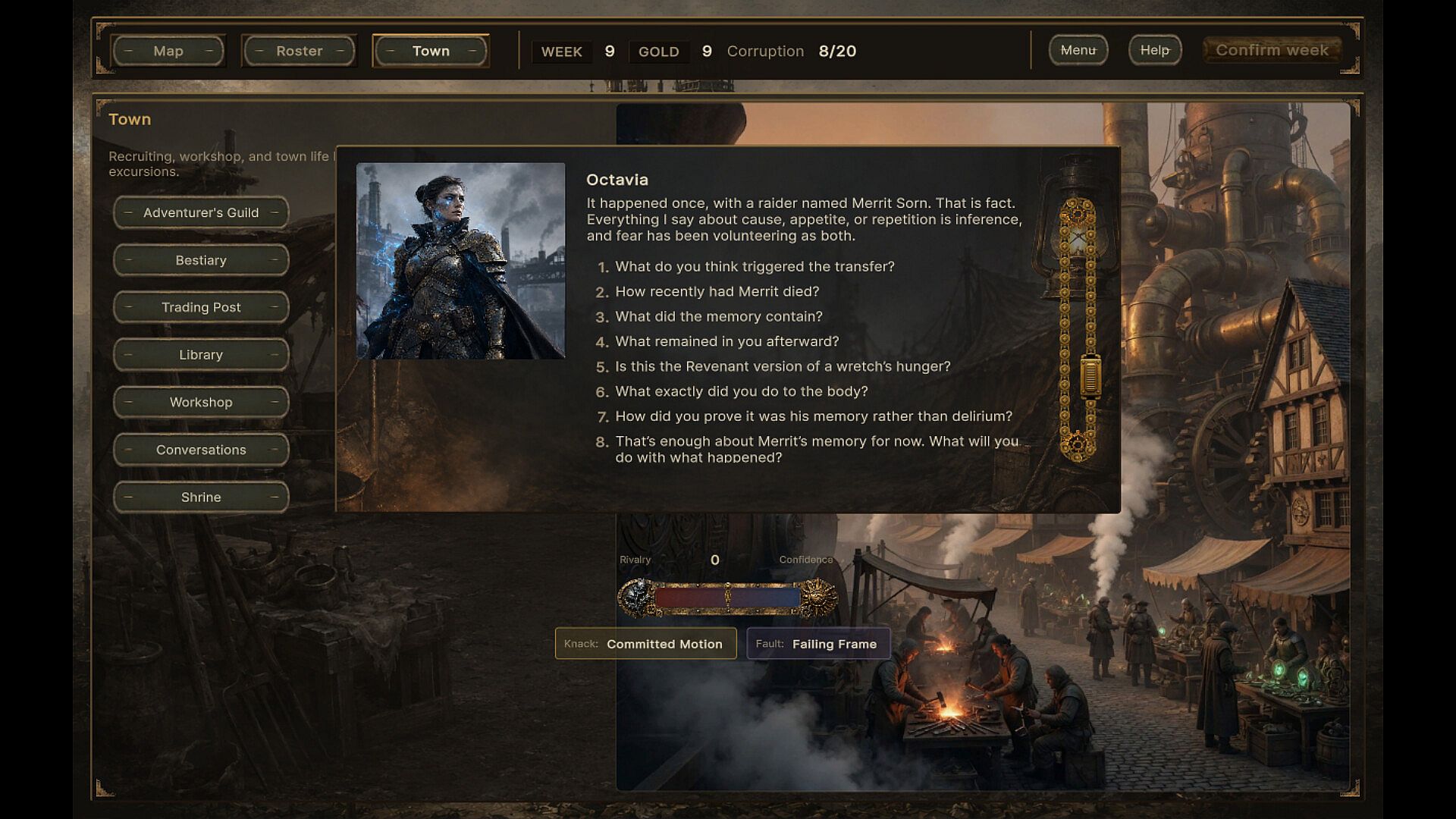
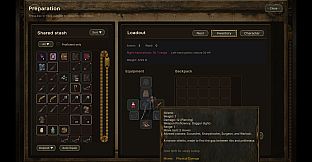
Outside of battles, the focus shifts to company management and town development. Heroes come from different classes and species, each with unique strengths and weaknesses. Langurii use their tails for light weapons or shields, Dendrites gain arrow resistance from bark at the cost of fire vulnerability, and elves excel at mastering special abilities. Relationships develop through conversations and personal quests, leading to trust or rivalry that affects bonuses and dialogue. Physical and mental scars from combat require squad rotation for recovery, and permanent death is possible unless an upgraded Shrine provides rare resurrection charges.
Town management in Vey involves choosing jobs, upgrading services for recruitment and trading, using skill tomes, and crafting gear improvements. Encounter cards appear before most fights to present choices that alter battle conditions or rewards. Corruption advances over time, slowed by strong performance or accelerated by setbacks, creating tension between rest and mission urgency.
Game Modes
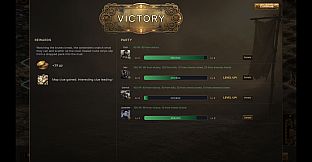
The core experience is a single-player campaign structured around tactical battles and town phases. The current playtest delivers the full Act 1 content in beta, covering an optional tutorial through the Act 1 finale with roughly 15 to 20 battles alongside conversations and optional personal quests. Five difficulty levels range from Sheltered to Forsaken, and Bronzeman mode restricts players to a single save slot with autosaves after every mission for added challenge.
No separate multiplayer or additional modes appear in the verified details. The full release will expand beyond Act 1 with later acts, though those sections remain unavailable in the playtest build. Controls are limited to mouse and keyboard in the single-player format.
Heroes, Enemies, and Progression
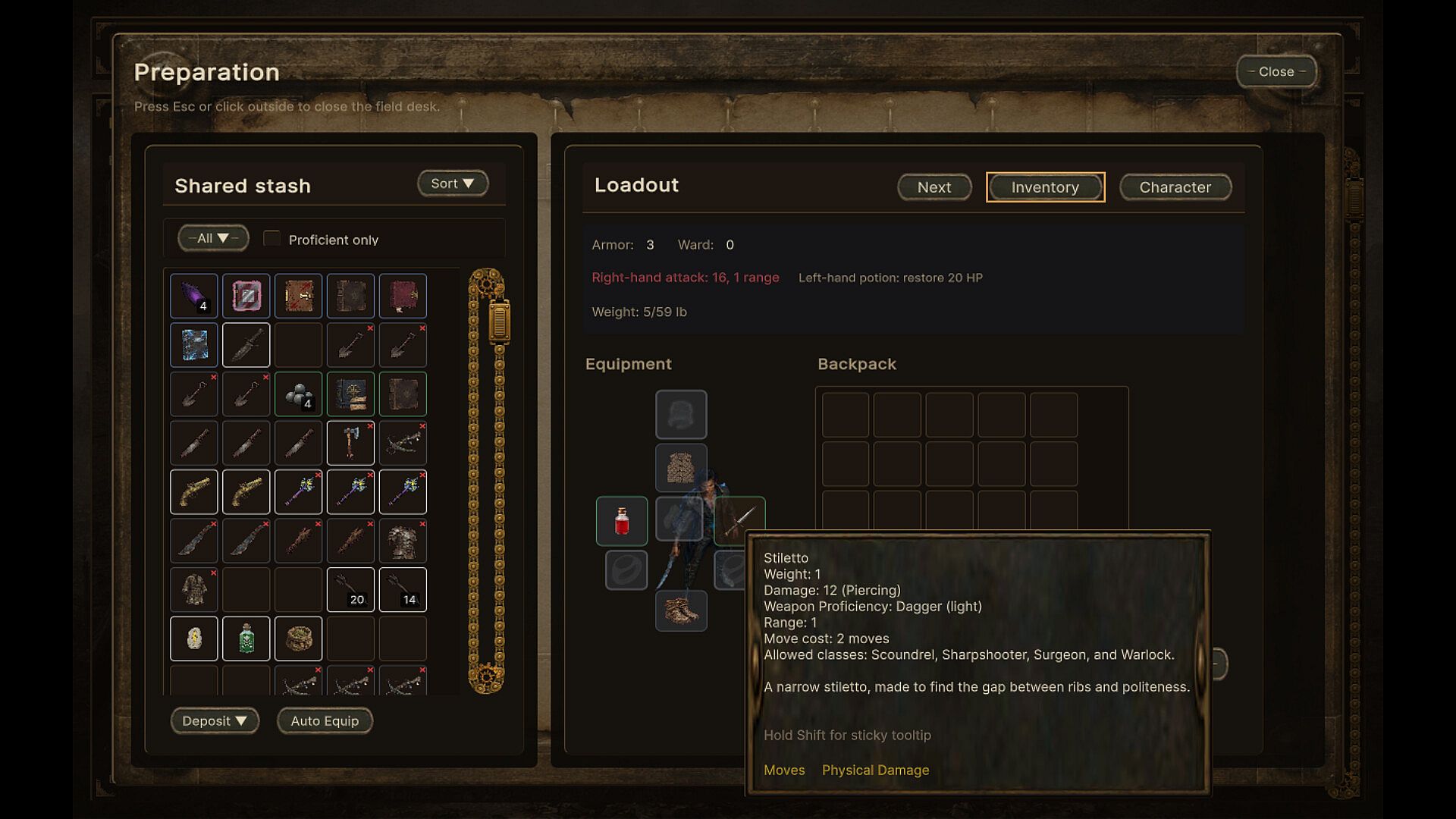
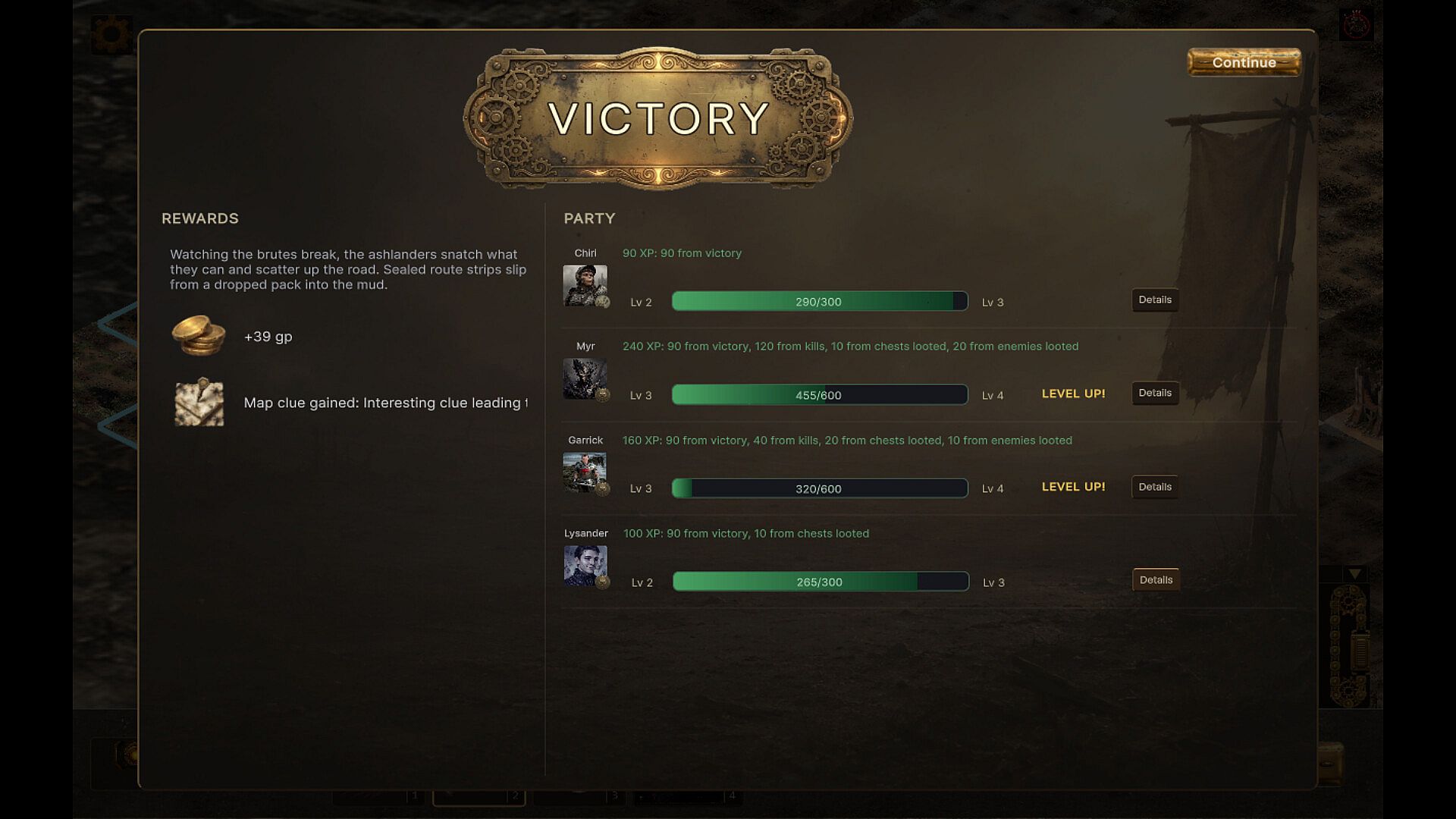
Recruitment draws from 20 distinct heroes across 10 classes and 5 playable species in the Act 1 playtest. Each hero features a unique portrait, conversations, and a personal quest tied to that act. Progression includes equipping items from a pool of approximately 200 inventory pieces and learning or upgrading from 90 skills. Seven enemy species populate the maps, including trolls, cultists, and wretches, with distinct combat music for each type across five terrain themes such as bogs, wastelands, caverns, ruined streets, and sealed vaults. More than 100 encounter cards shape pre-battle decisions and outcomes.
Is It Worth Playing?
Iron Pilgrims targets players who enjoy turn-based tactical combat paired with roster management and light town-building elements in a single-player package. The playtest offers a complete Act 1 experience with meaningful choices around squad composition, morale management, and corruption pacing. Those drawn to games emphasizing positioning, facing, and relationship-driven hero development will find a focused loop here. The beta status means some features may shift before full release, and the absence of later acts limits scope for now. Availability centers on the Steam playtest for those interested in trying the current build ahead of the expanded launch. The combination of species traits, nerve mechanics, and mission variety provides a solid foundation for fans of the genre seeking a self-contained campaign without multiplayer distractions.