


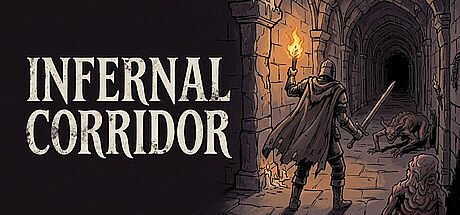


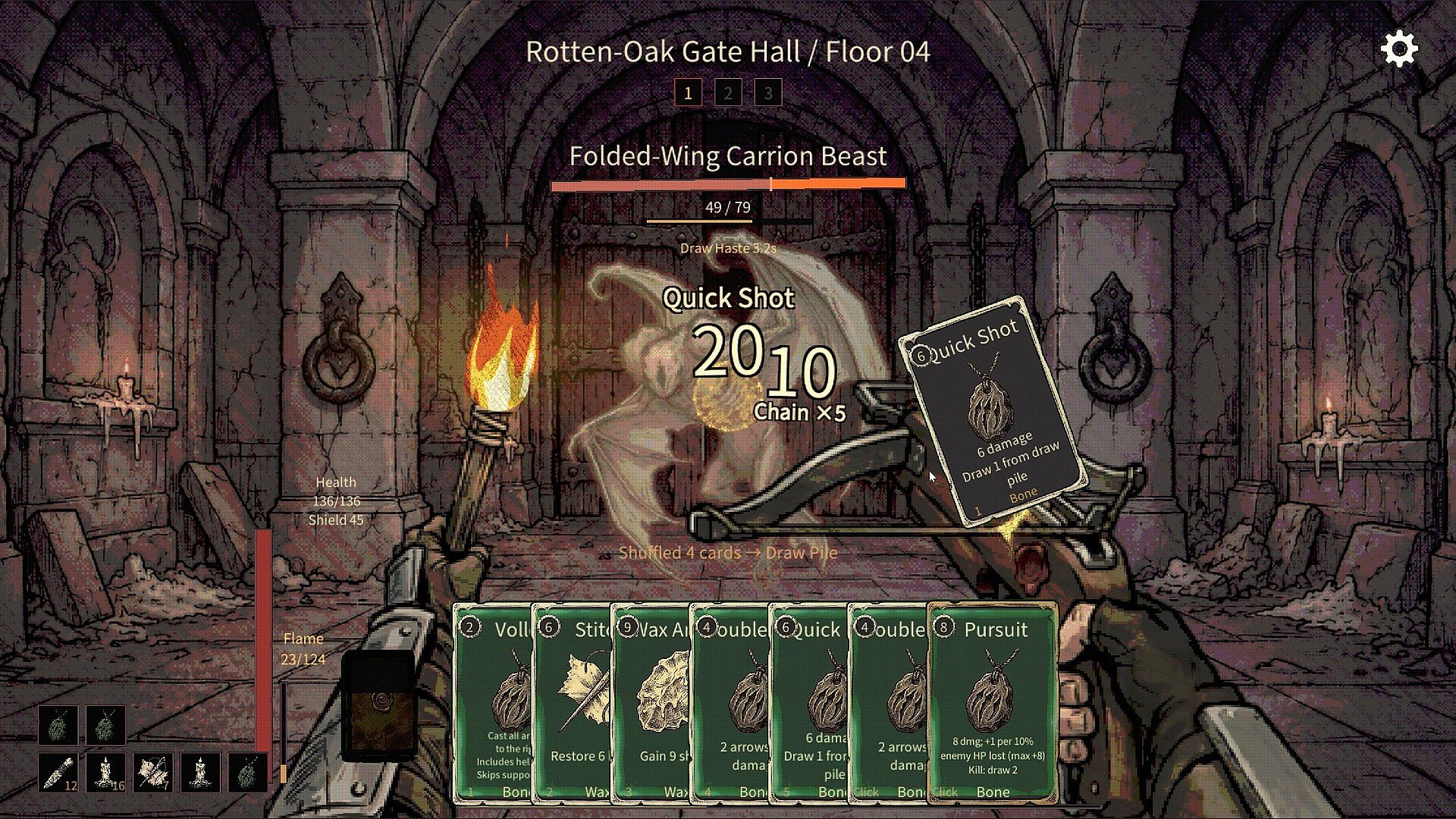
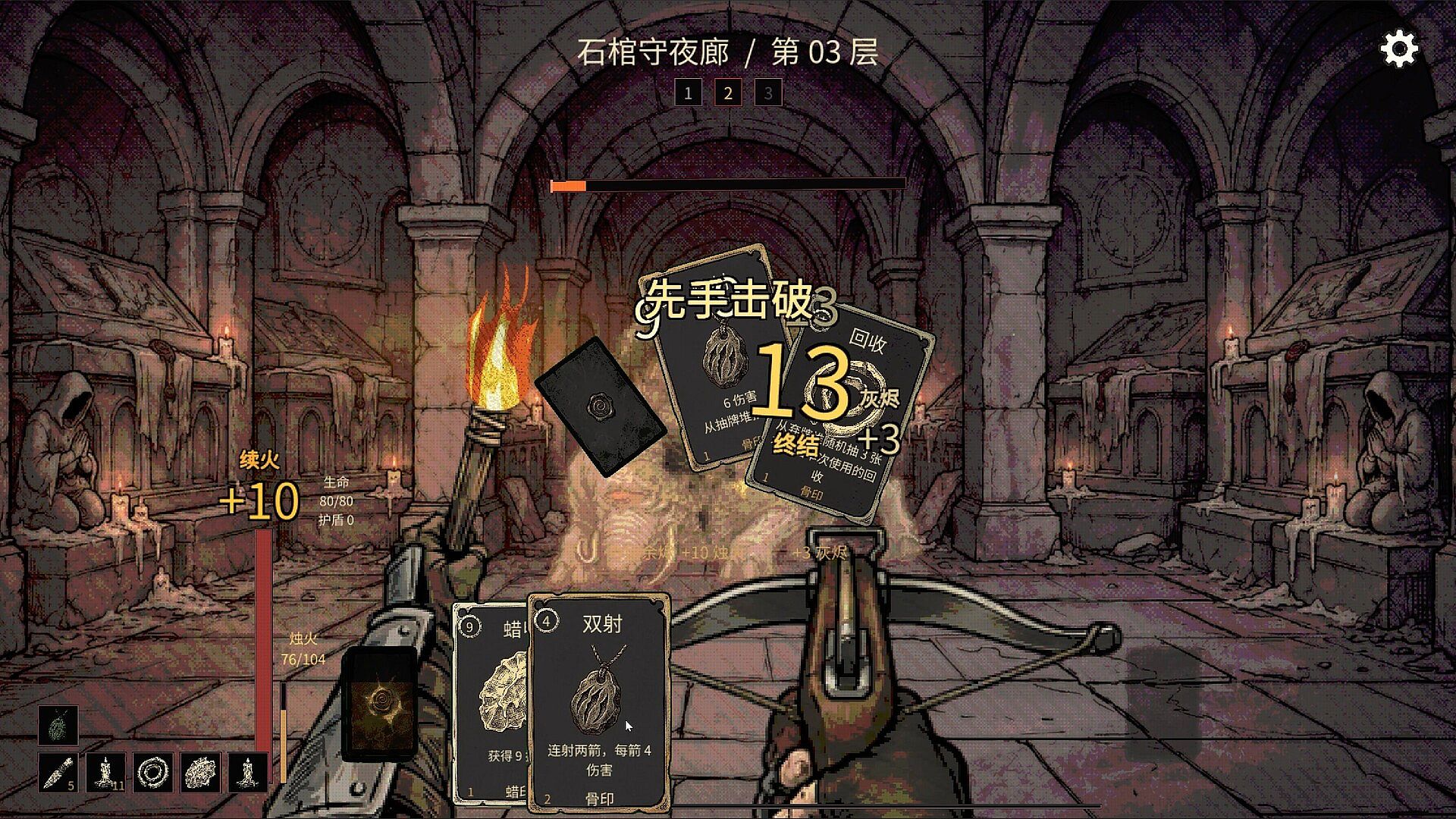
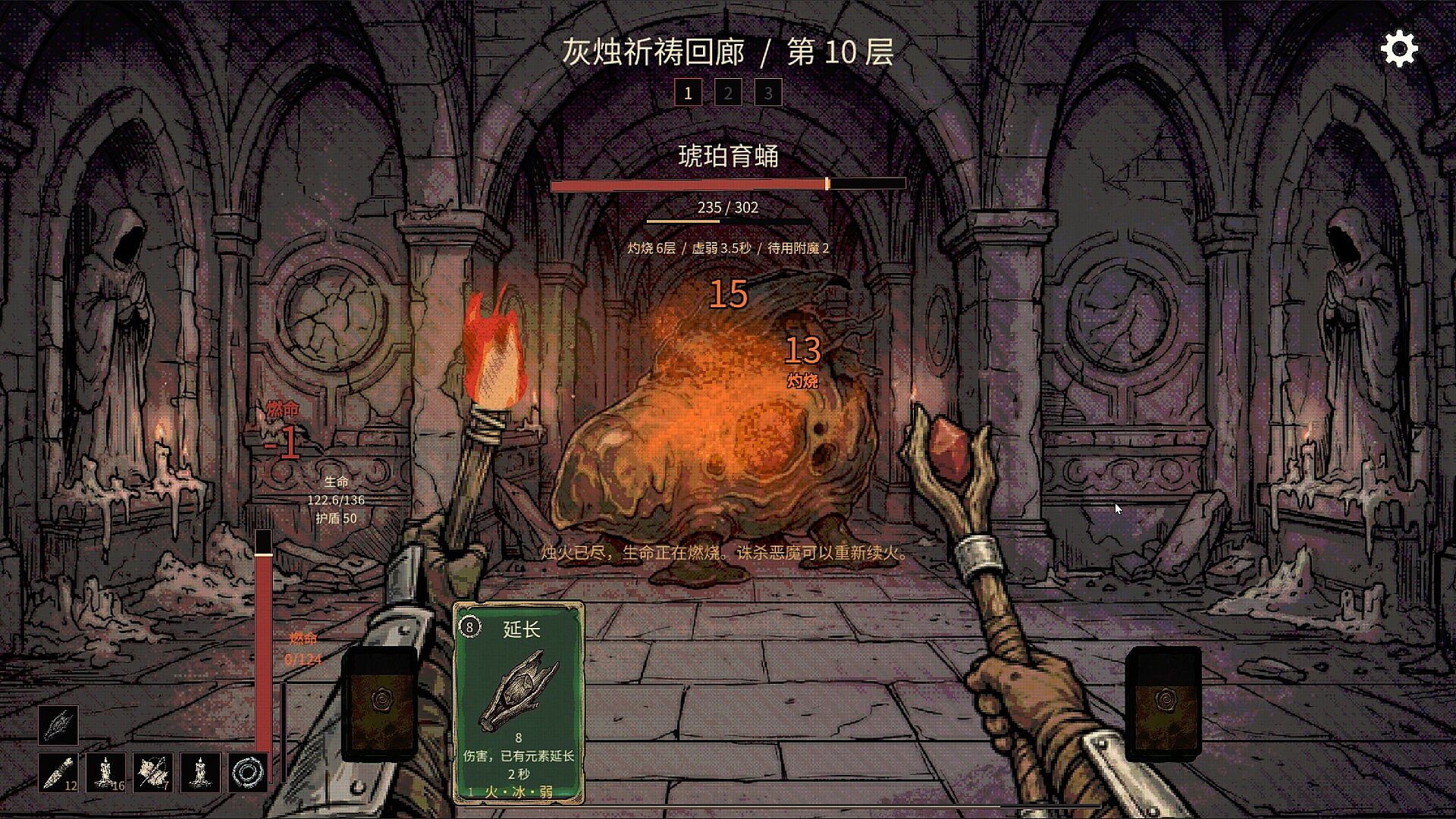
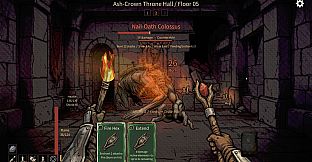
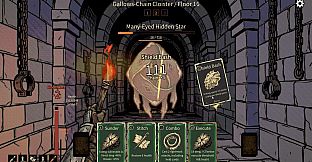
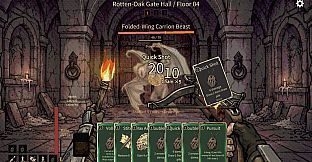

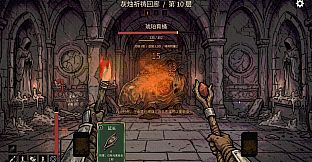
Infernal Corridor is an incremental roguelite strategy game for PC that centers on real-time card combat set in a hellish dungeon environment. Players step into the role of a survivor seeking vengeance after demons destroy everything they held dear, navigating ruined corridors while balancing offense, defense, and survival mechanics through an ever-shifting deck.
Gameplay
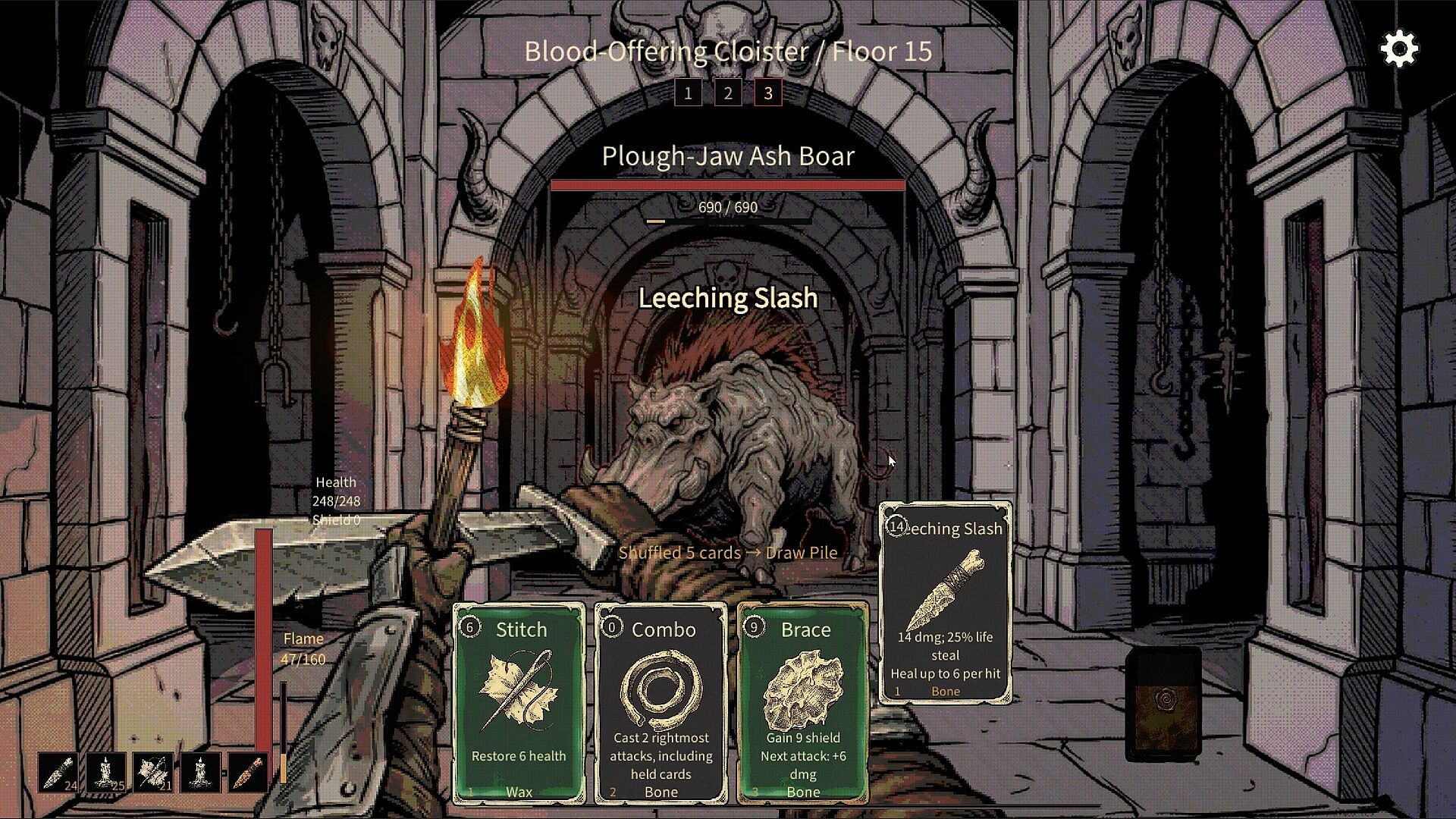
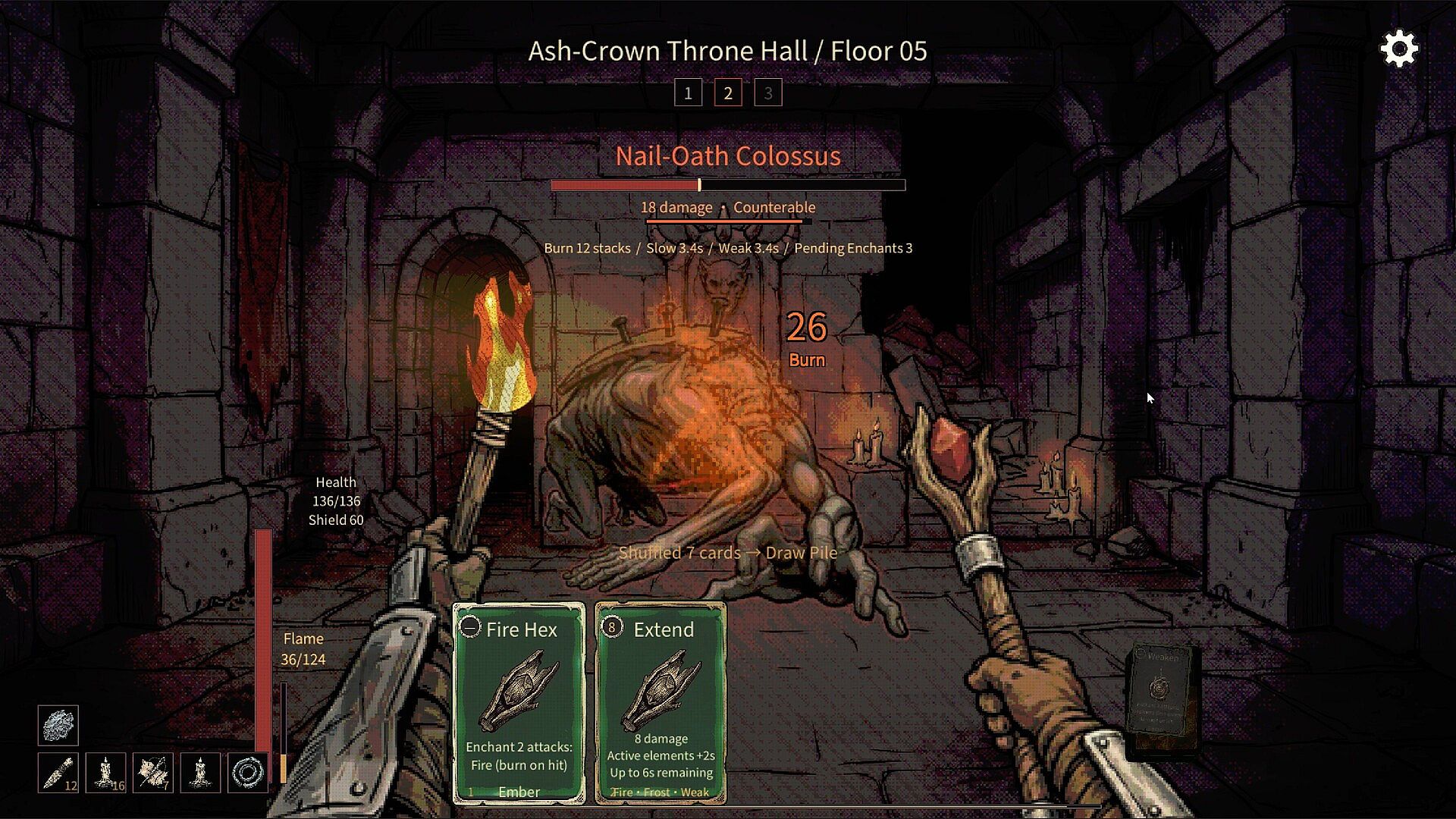
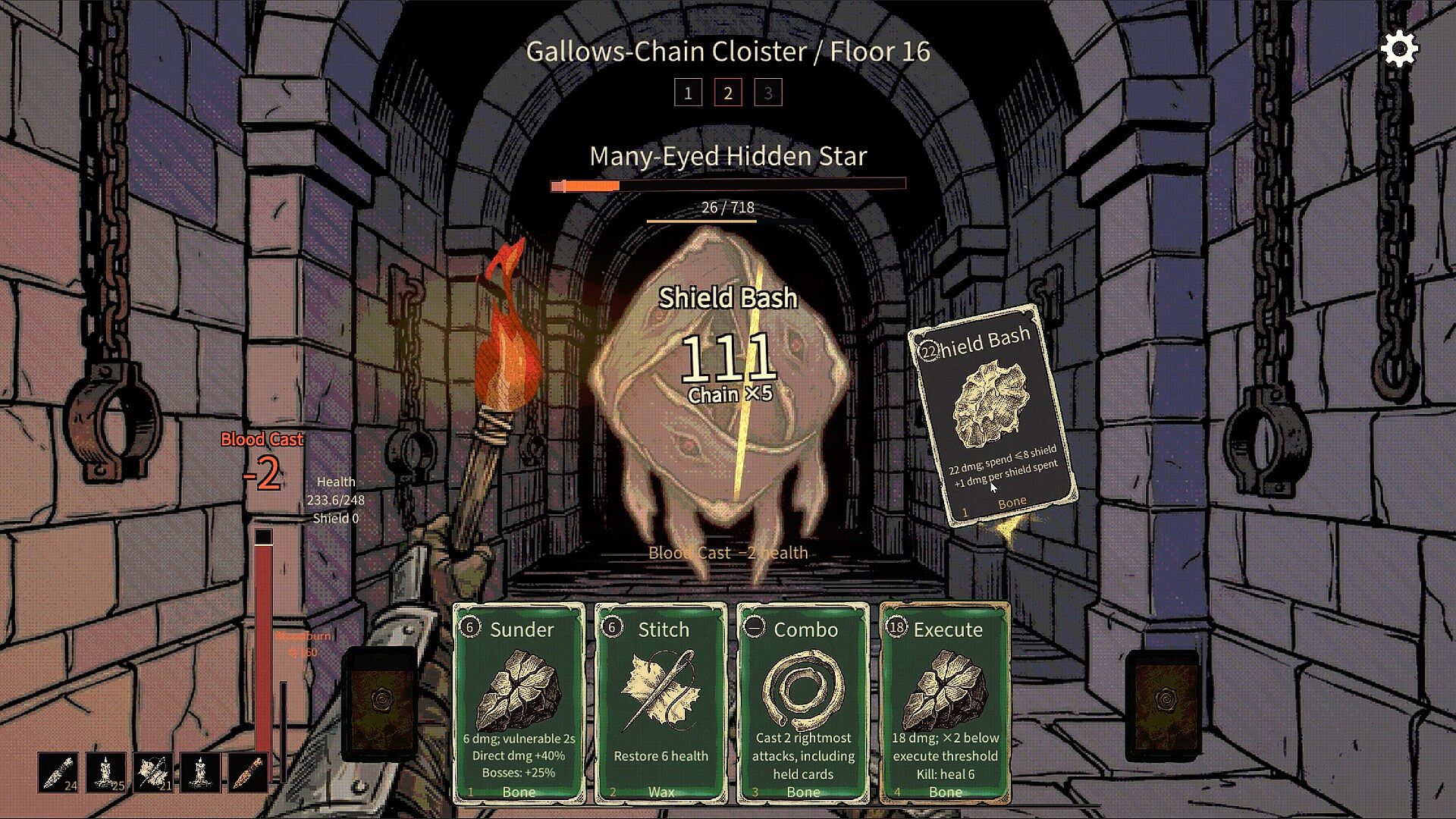
The core loop revolves around automatic card draws and plays that unfold in real time. Cards activate on their own over time, but players can hold specific ones for later use or intervene manually to exploit openings against incoming demon attacks. Matching seals on cards creates links that boost power, while enchantments and curses add layers of strategy to each encounter. The flame resource powers these actions yet drains steadily from time passing, standard plays, and enemy strikes that bypass shields. When the flame depletes, life takes the hit instead, though slaying demons returns embers to restore it and extend the run. This system encourages careful timing and build adjustments between fights rather than constant micromanagement.
Three distinct classes shape available strategies. The Warrior emphasizes shields and ripostes to hold ground against waves of foes. The Ranger focuses on sustained pressure through repeated draws and shots that keep attacks flowing. The Mystic builds around layered enchantments and burning curses that punish enemies over time. Rewards collected during each expedition let players refine their deck, relics, and synergies on the fly, turning fresh finds into stronger combinations for subsequent battles.
Game Modes
Expeditions form the main structure, sending players deeper into sealed infernal halls with the goal of slaying demons and recovering resources before life runs out. Each run ends when life reaches zero, but ashes carried back fuel permanent upgrades to life total, weapon strength, and flame capacity. This progression loop supports repeated attempts with new builds, allowing experimentation across the three classes without resetting all advancement. No separate competitive or cooperative modes appear in the design, keeping focus on solo roguelite runs where deck management and resource decisions determine how far vengeance can extend.
Progression and Builds
Permanent growth comes solely from ashes recovered at the end of failed expeditions. These strengthen core stats and open options for different card and relic combinations on future descents. The system rewards players who adapt their approach after each loss, testing synergies between the Warrior, Ranger, and Mystic paths. Dark hand-drawn visuals depict twisted demons and dungeon corridors, with optional retro visual filters available to alter the presentation without changing mechanics.
Is It Worth Playing?
Infernal Corridor targets players who enjoy incremental roguelites paired with automatic yet interactive card systems. The flame-to-life conversion and manual intervention options create tension around resource management that differs from purely turn-based deckbuilders. With three classes offering varied synergies and permanent upgrades that encourage further runs, the game suits those comfortable with repeated expeditions and build refinement. As an unreleased title, its appeal rests on how well the described real-time elements and class distinctions deliver in practice once available. Fans of strategy indies focused on singleplayer roguelite progression will find the core concepts align with that preference.