




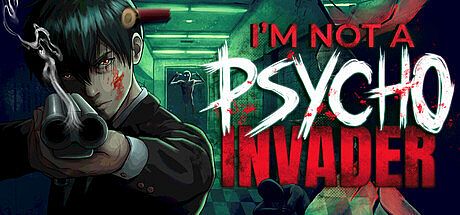


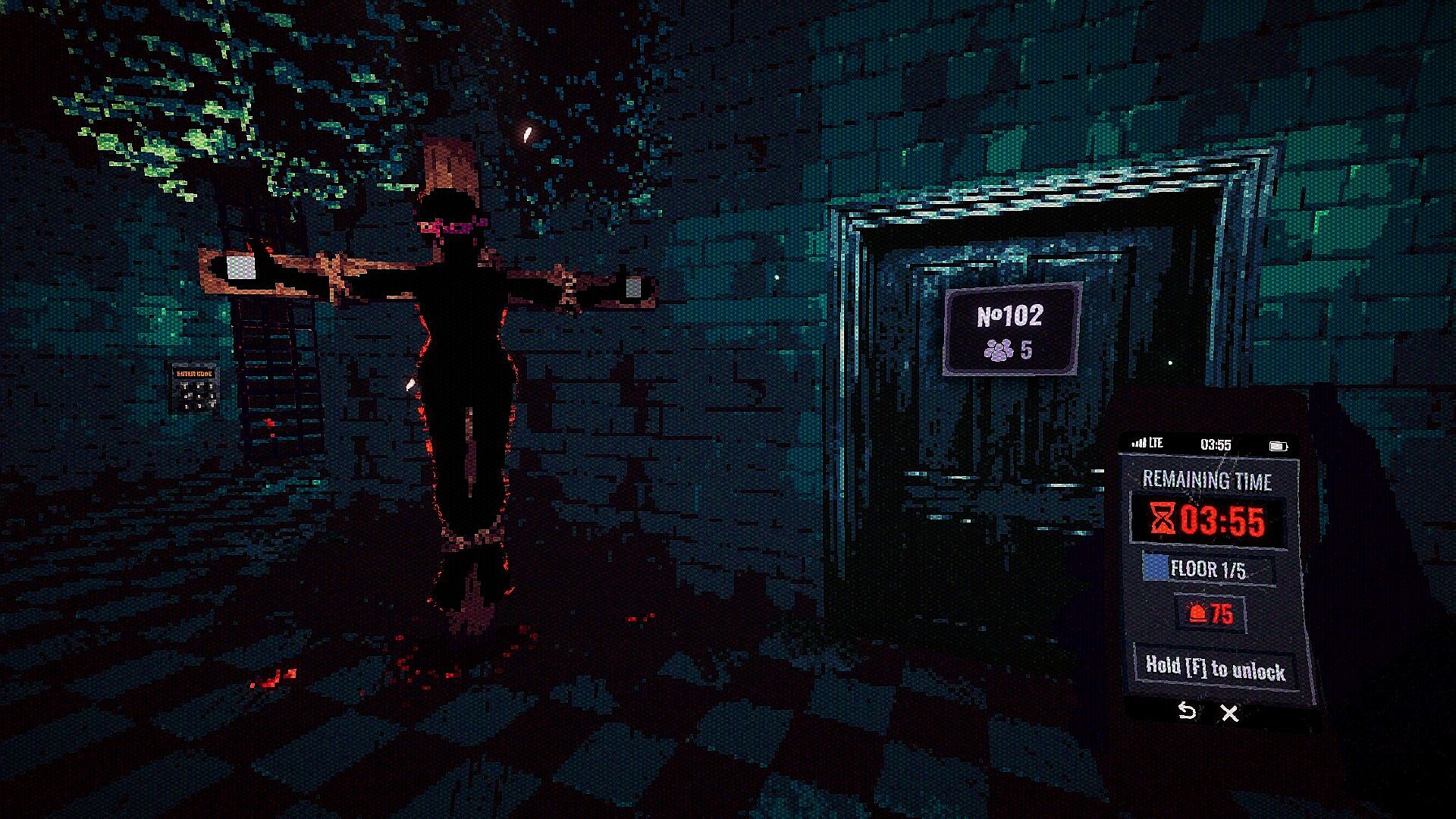
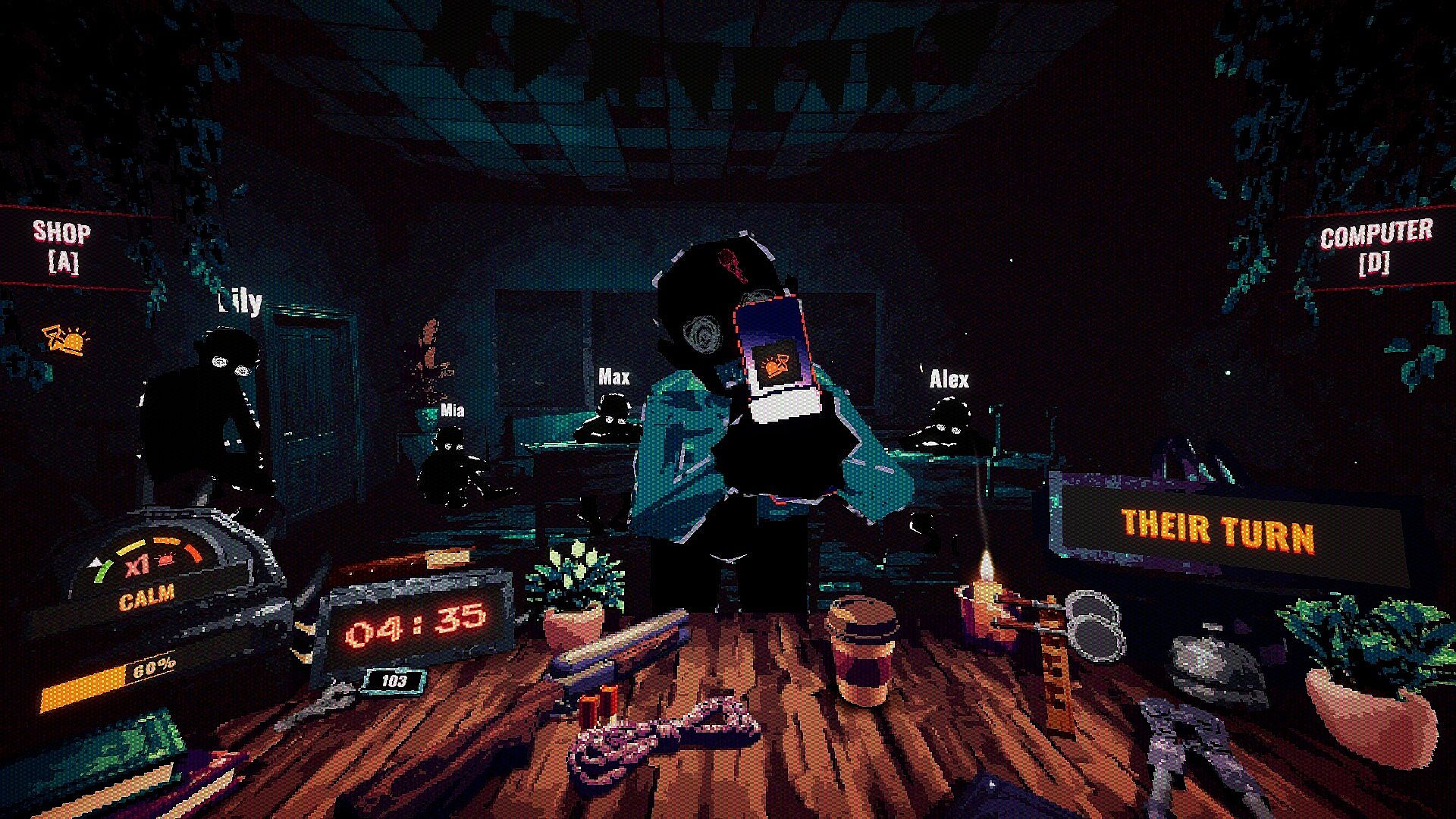
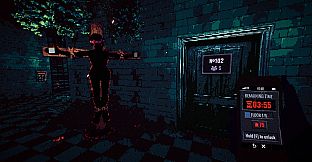
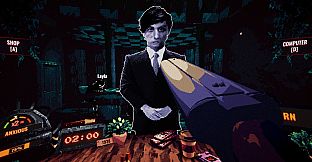
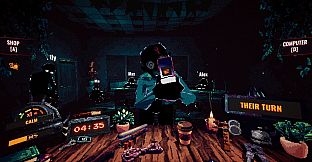
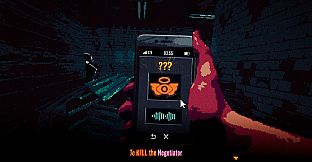
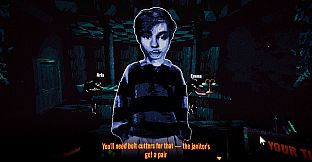
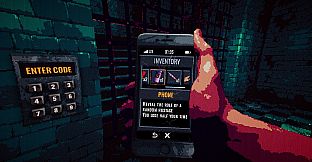

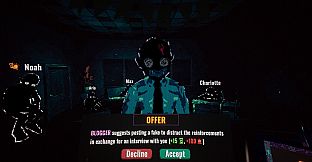
I'm not a Psycho Invader is a strategy indie simulation game set in a first-person perspective. Players take control of an intruder who has seized a university building and must navigate multiple floors to reach an escape helicopter on the roof. The experience blends hostage management, interrogation mechanics, and resource decisions under strict time pressure.
Gameplay
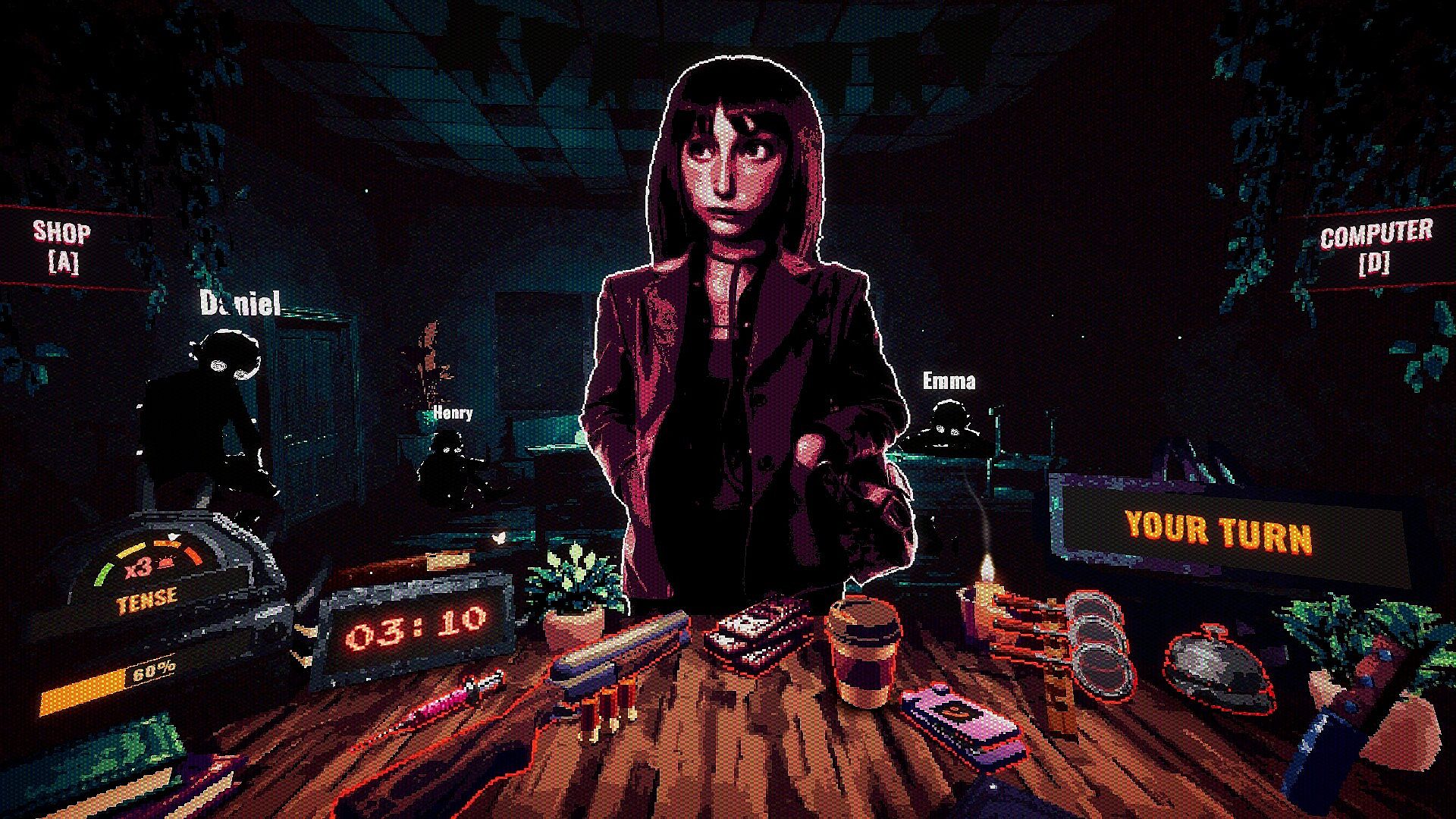
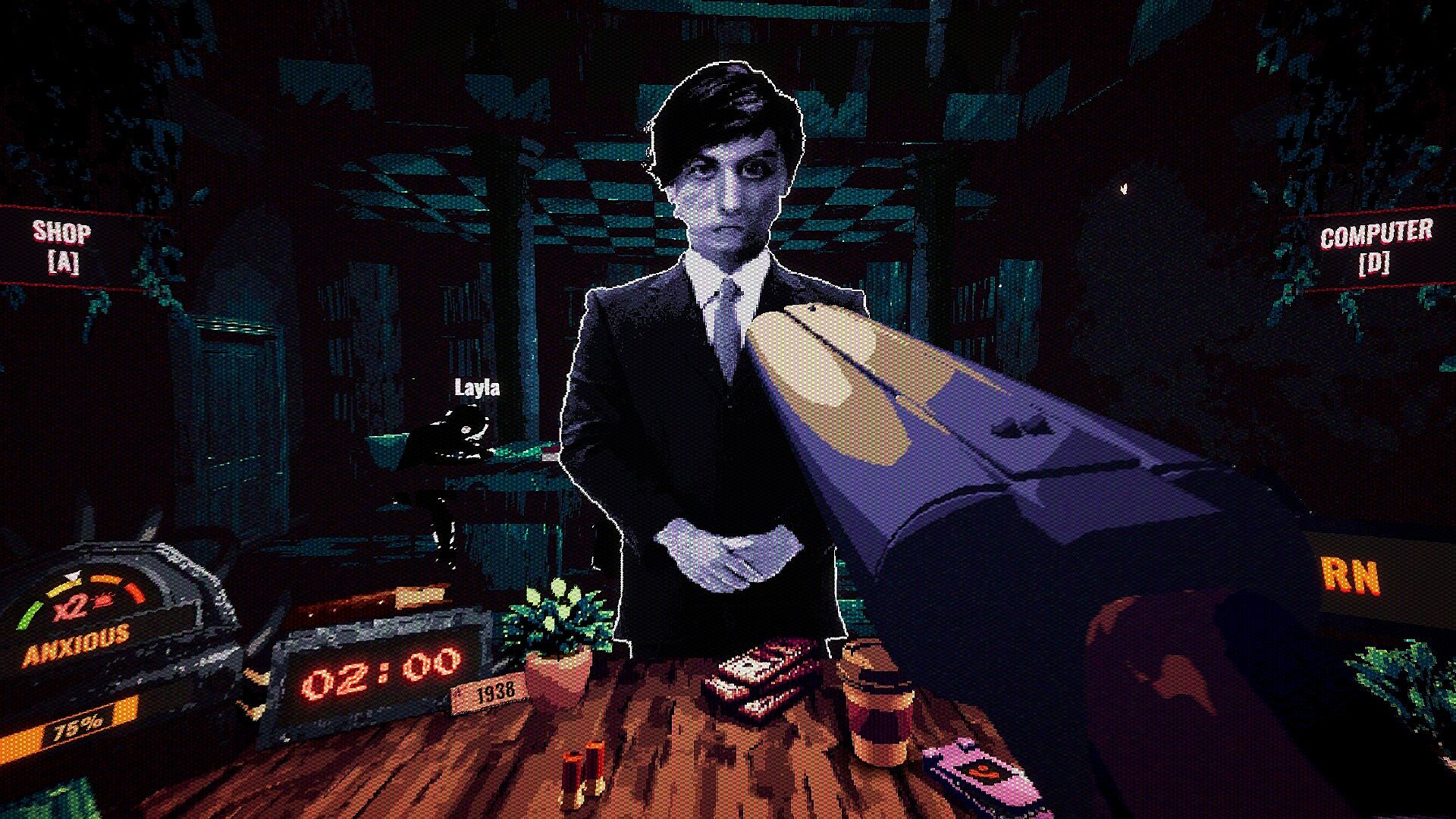
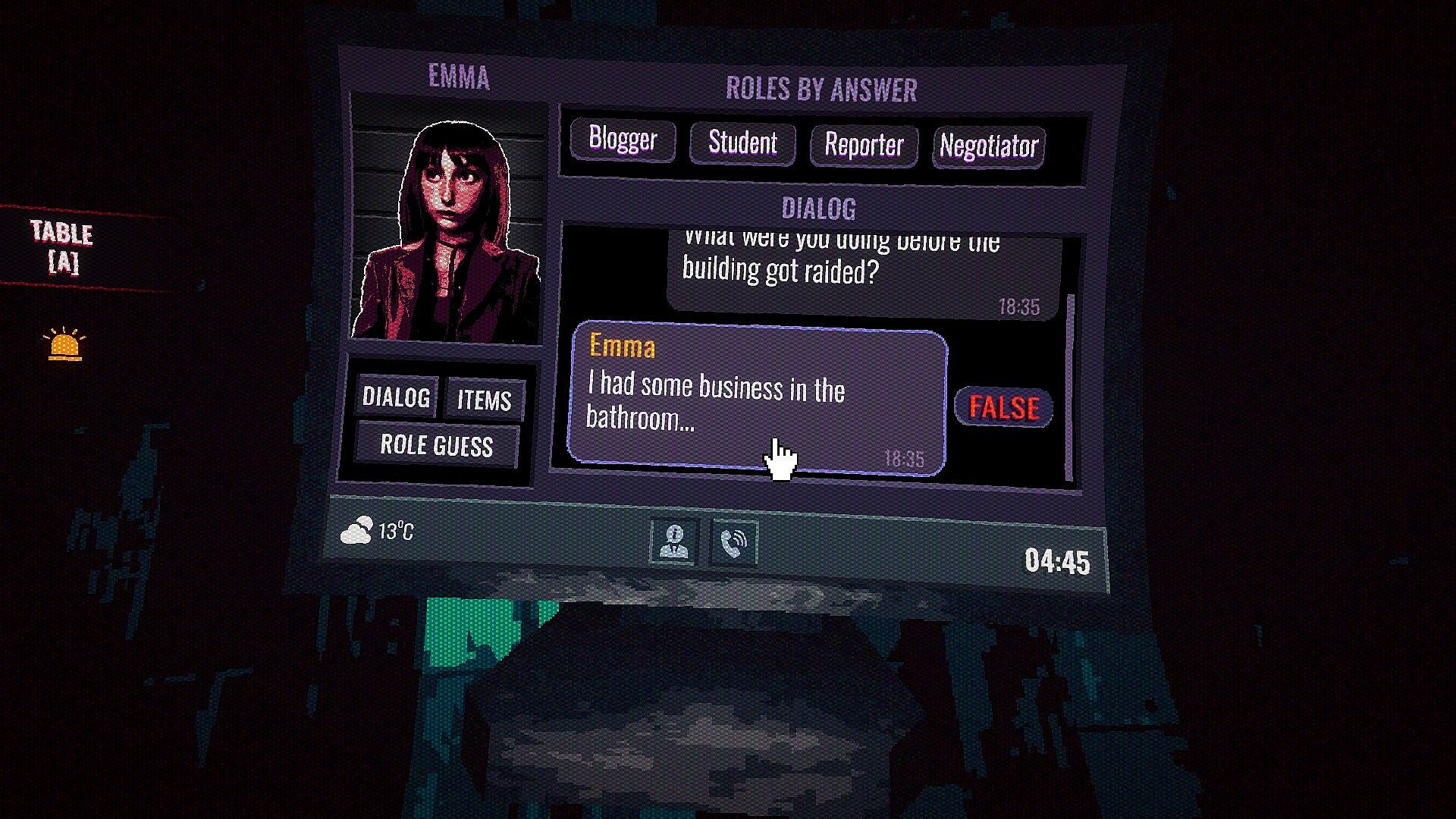
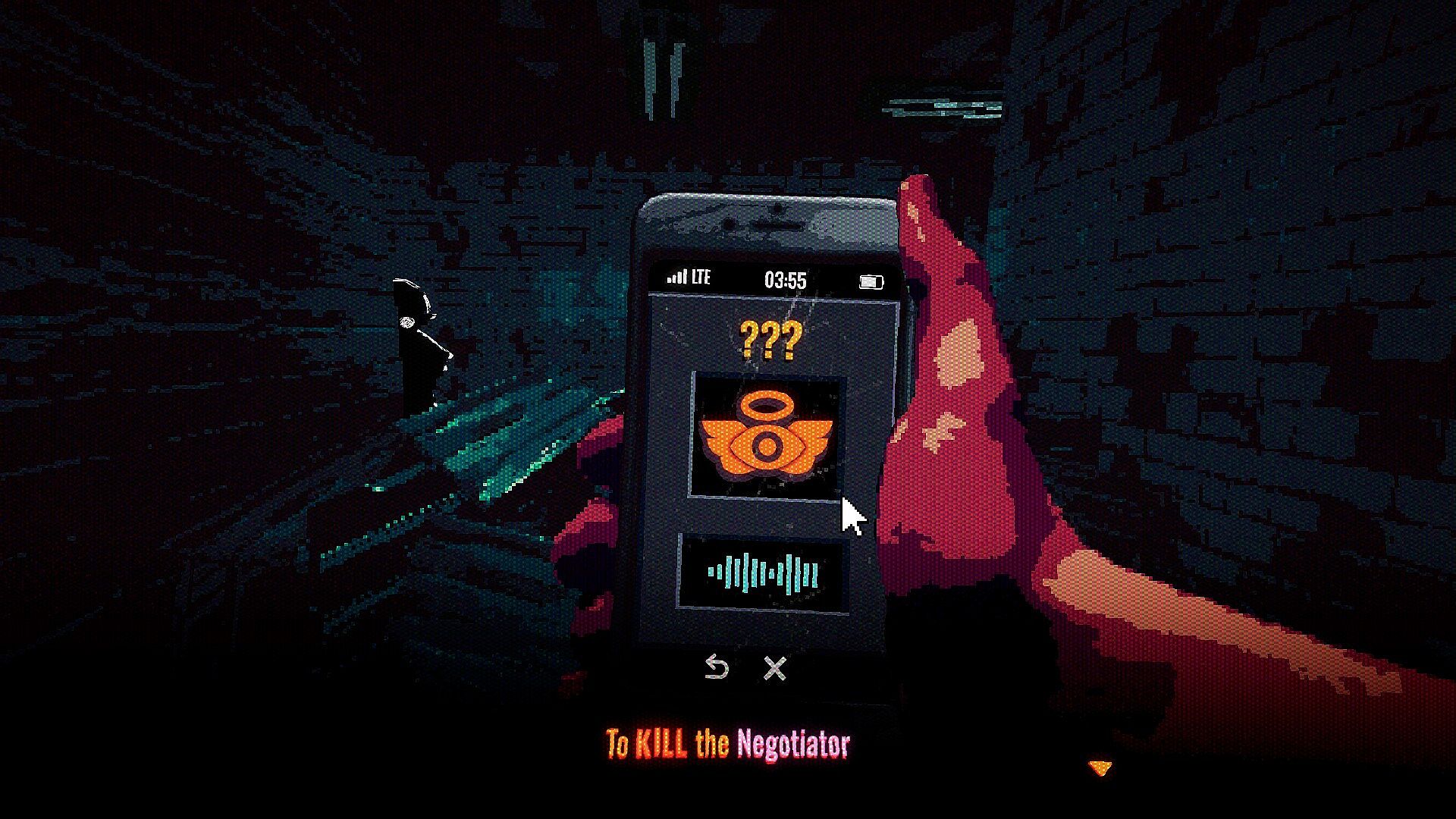
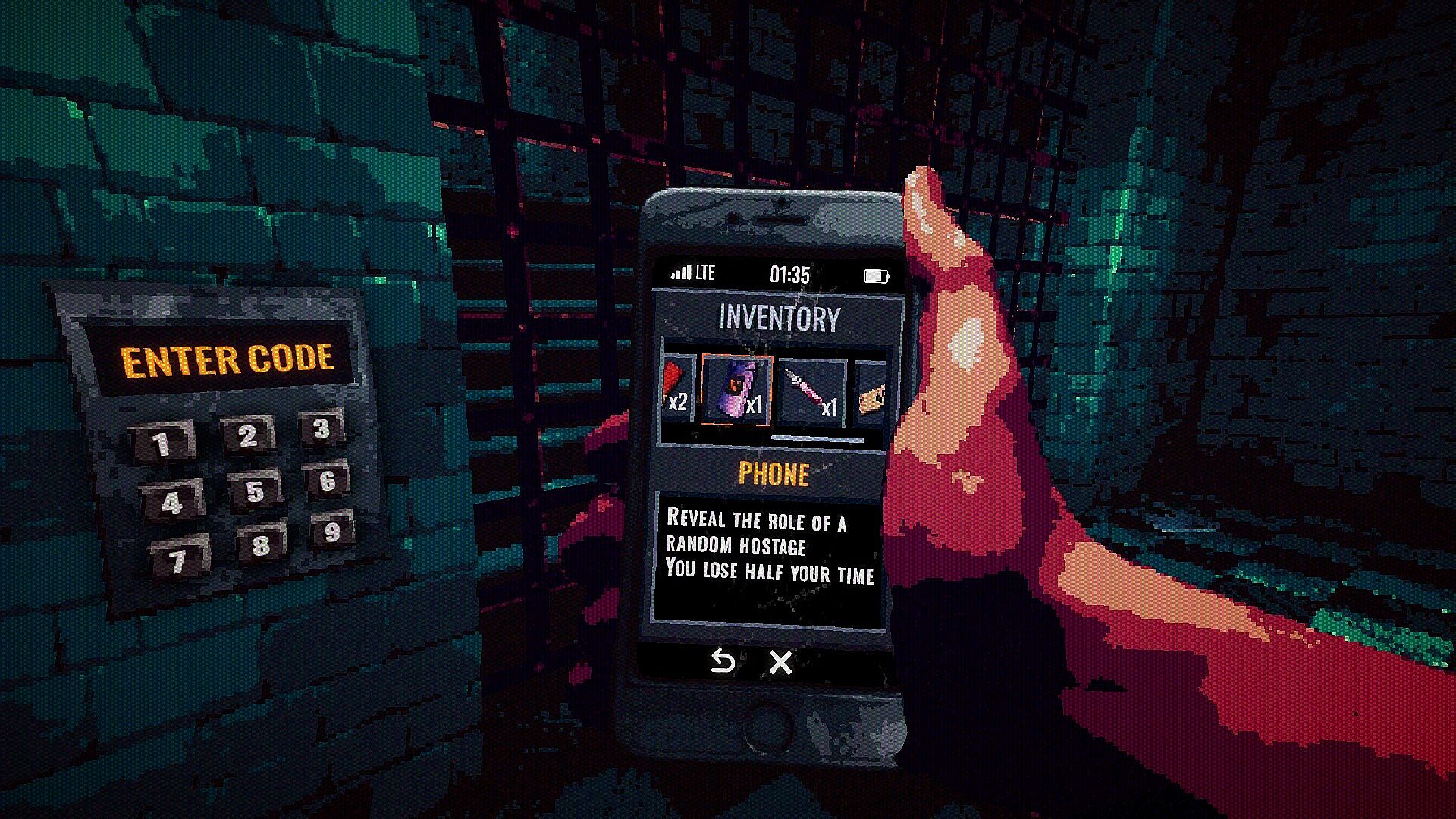
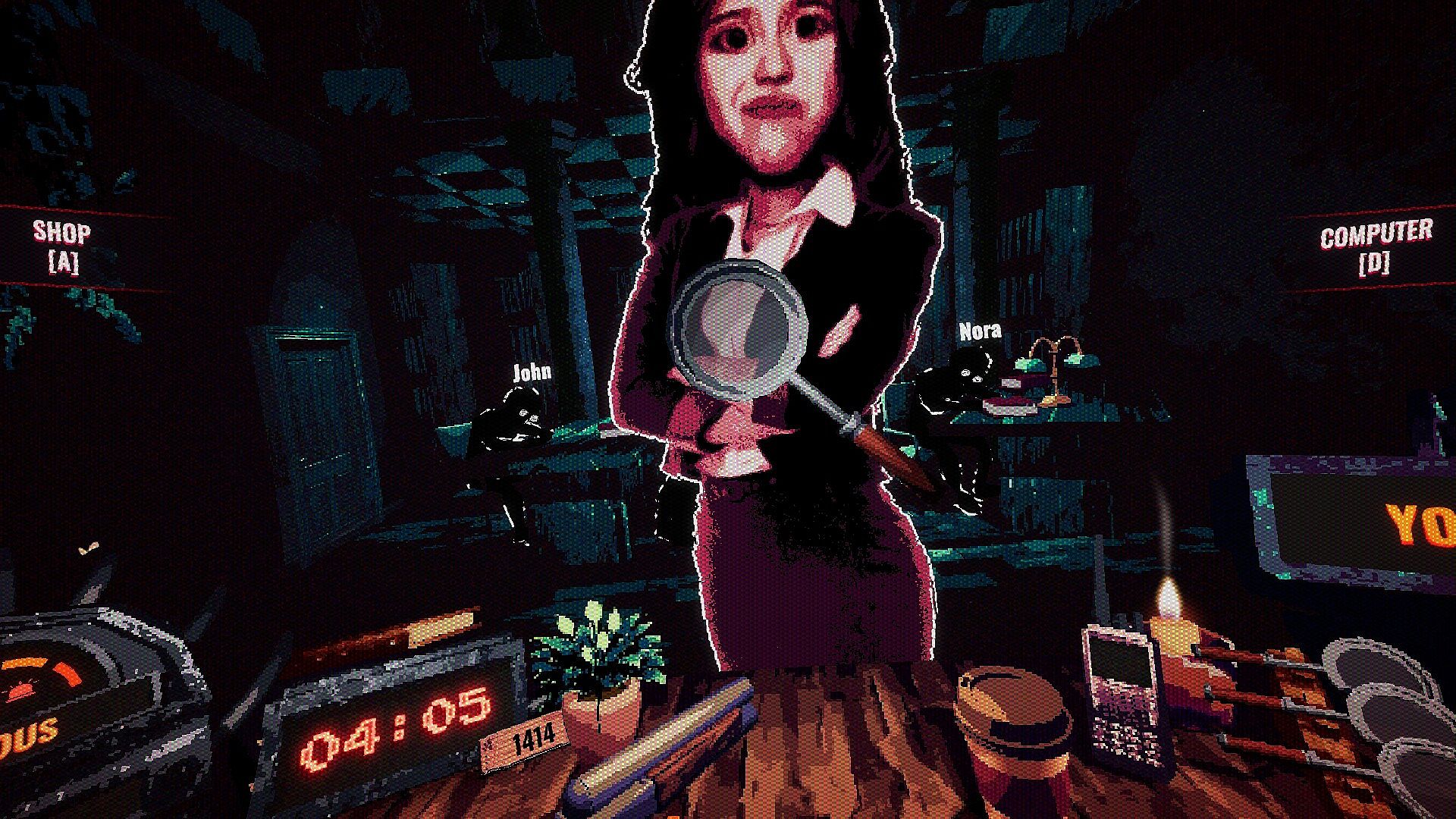
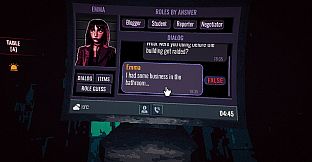
The core loop centers on progressing through a multi-level university environment filled with obstacles and locked areas. Each floor contains hostages whose individual value depends on their hidden roles. These roles range from useful allies who provide shortcuts or tools to dangerous threats or time-wasting distractions. Identification happens through direct interaction: players can question individuals, examine carried items, or remove threats permanently when necessary.
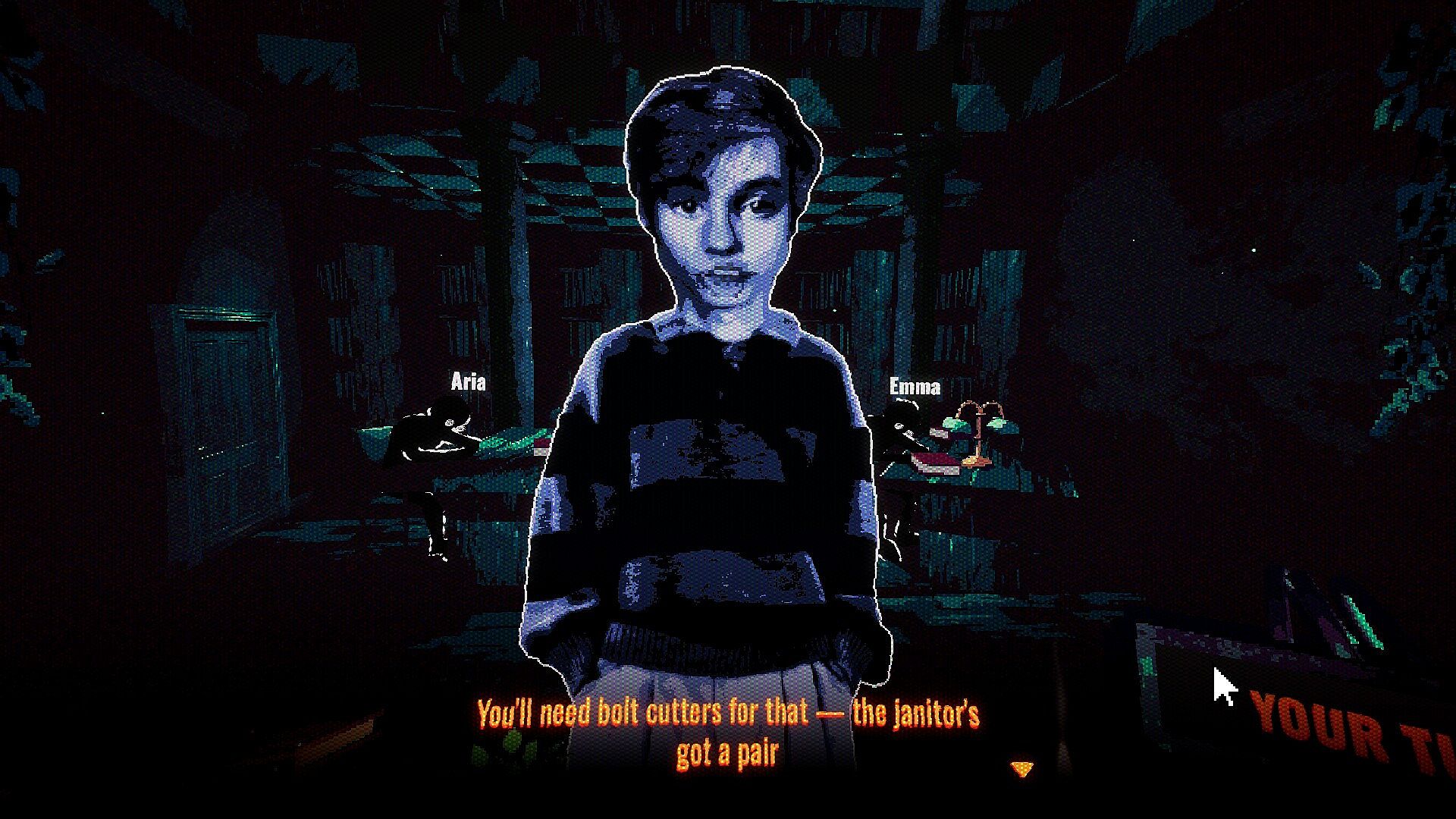
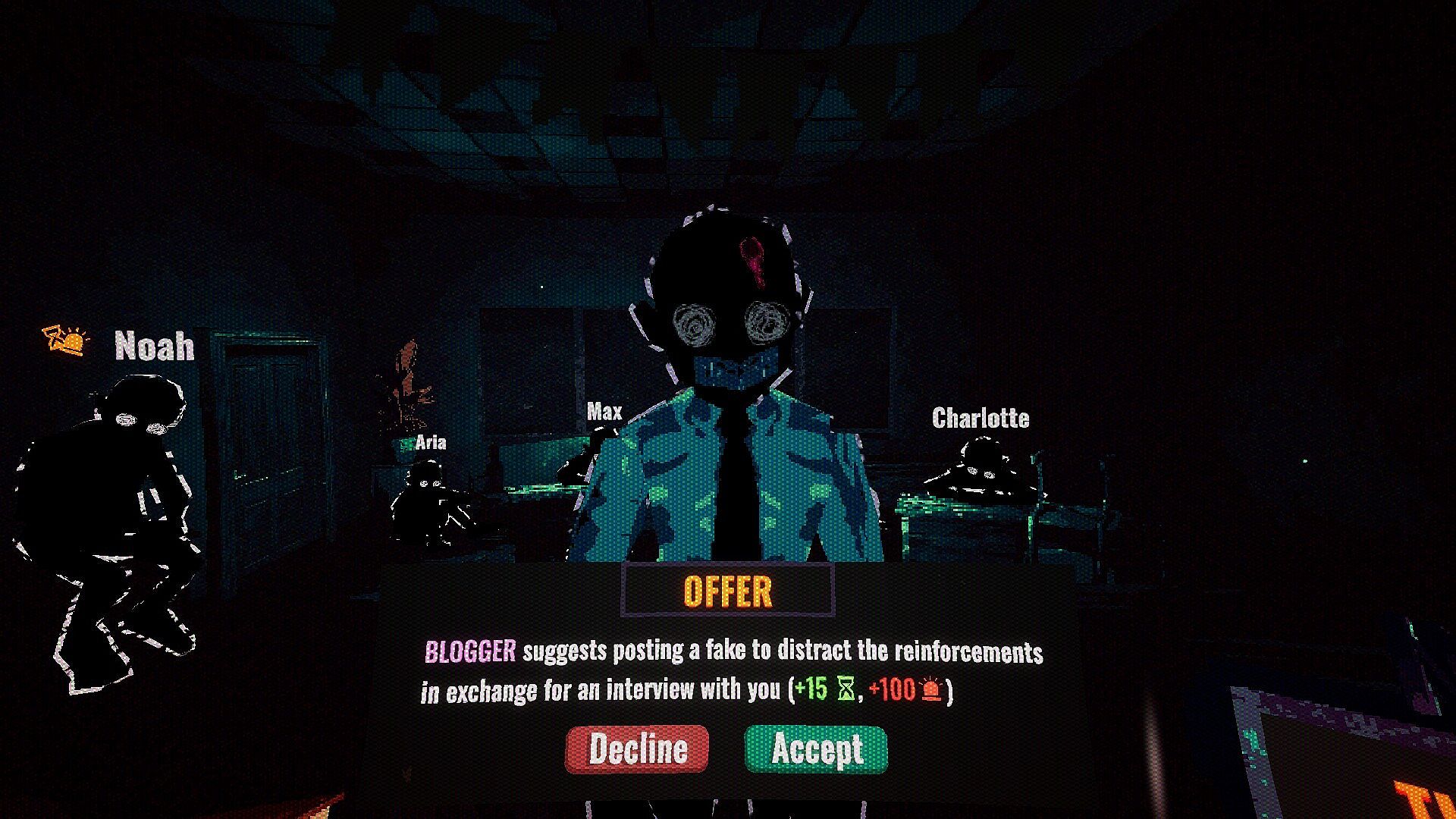
Answers and discovered objects gradually reveal patterns. Useful hostages might offer keys, shortcuts, or distractions that reduce travel time between floors. Dangerous ones require careful handling to avoid setbacks, while worthless targets simply consume precious minutes. Items found on hostages can open new paths or enable riskier maneuvers that save overall time. Every action carries a cost, and rising panic among remaining hostages increases the difficulty of subsequent decisions.
Time functions as the primary currency. The player must balance thorough investigation against the need to advance quickly. Overstaying on any floor risks running out of the limited window before the escape opportunity disappears. The roguelike structure means each attempt presents fresh hostage placements and obstacle configurations, encouraging repeated runs to refine identification strategies and optimize routes.
Game Modes
The game operates as a single-player experience with no separate multiplayer or cooperative variants. All progression occurs within the roguelike framework of repeated university sieges. Each run follows the same objective of clearing floors and reaching the roof, but procedural elements in hostage roles and item placement create variation across attempts. There are no additional named modes such as endless survival or competitive leaderboards confirmed at this stage.
Key Mechanics and Systems
Hostage roles form the central decision tree. Players gather evidence through interrogation and searches to classify each person accurately. Correct classification leads to efficient use of time and resources, while mistakes waste minutes or introduce new complications. Items serve as tangible rewards that can bypass obstacles or mitigate risks on later floors.
Obstacle navigation requires creative application of discovered tools or eliminations. The simulation aspect tracks panic levels that indirectly affect movement speed and interaction outcomes. Success depends on pattern recognition across multiple playthroughs rather than raw reflexes.
Is It Worth Playing?
The game suits players who enjoy deliberate, information-driven strategy sessions with simulation elements. Those drawn to titles that reward careful observation and risk assessment will find the hostage classification loop engaging. Because the title remains in early visibility following its recent Steam page launch, concrete player reception data and long-term update plans are not yet available. Individuals interested in short, replayable runs focused on optimization rather than narrative depth or large-scale action should consider adding it to their wishlist for future release. The concept delivers a focused take on time-management tension within a confined environment.