






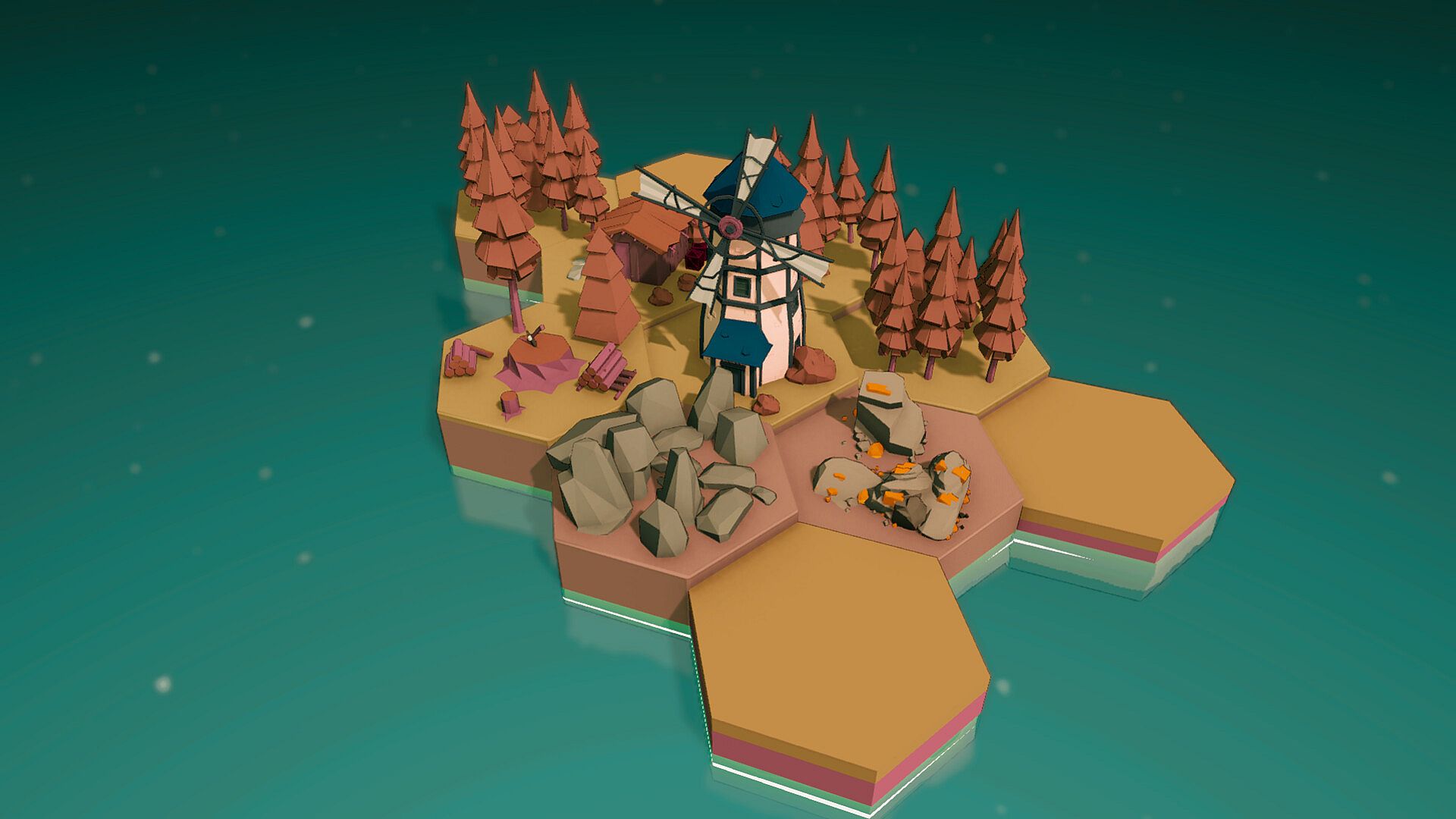
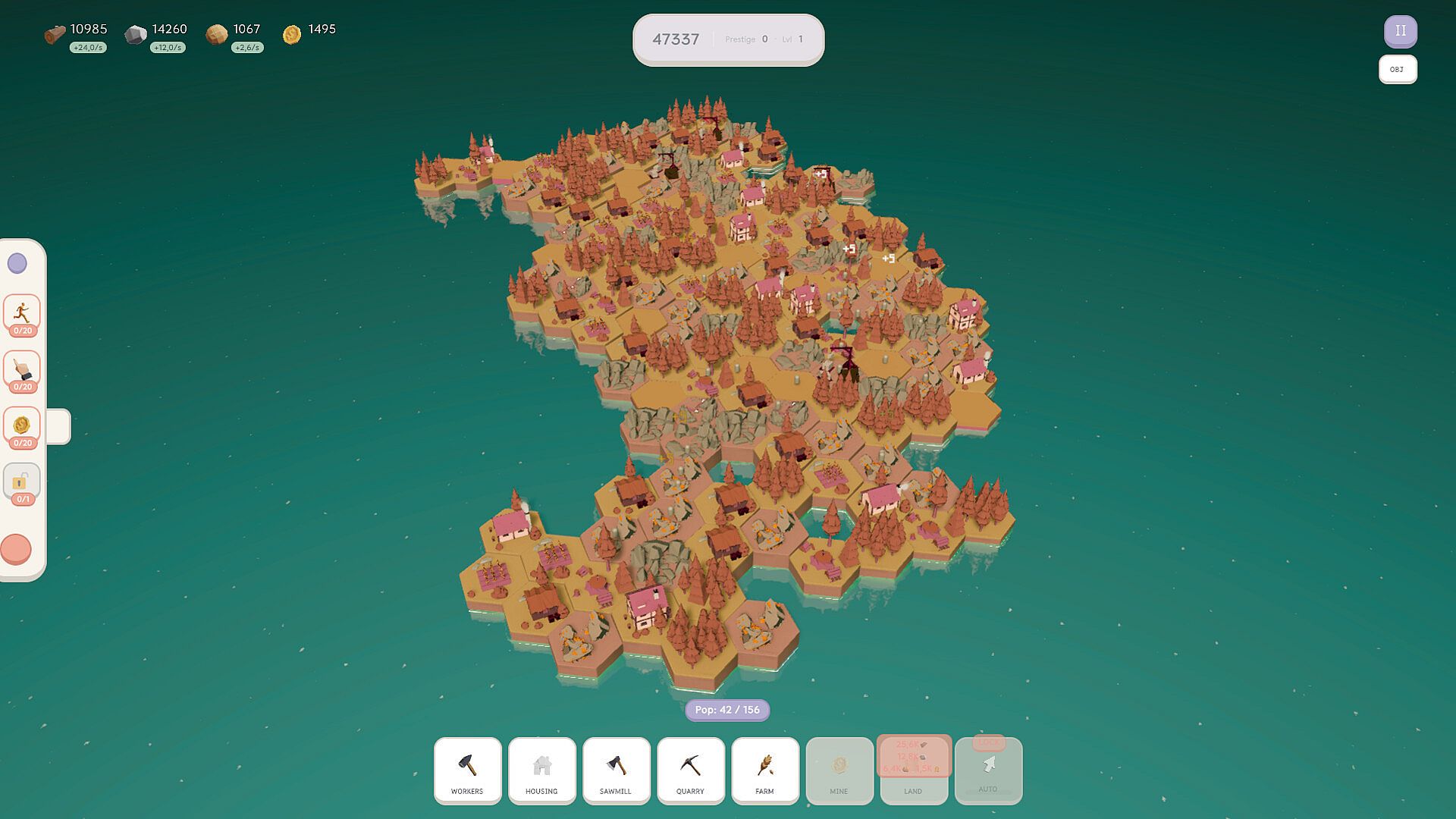
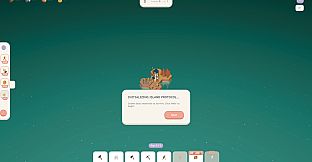
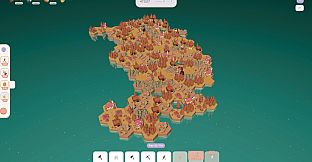
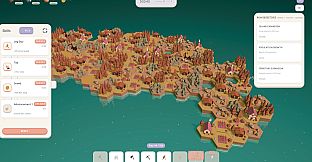
Idland is an indie casual simulation game built around idle progression and incremental expansion on a hexagonal grid. Players begin with a small island and gradually transform it into a sprawling ecosystem through resource gathering, structure construction, and automation systems. The experience emphasizes relaxed, continuous growth without timers, penalties, or competitive pressure, making it a fit for those seeking a low-stress builder on PC.
Gameplay
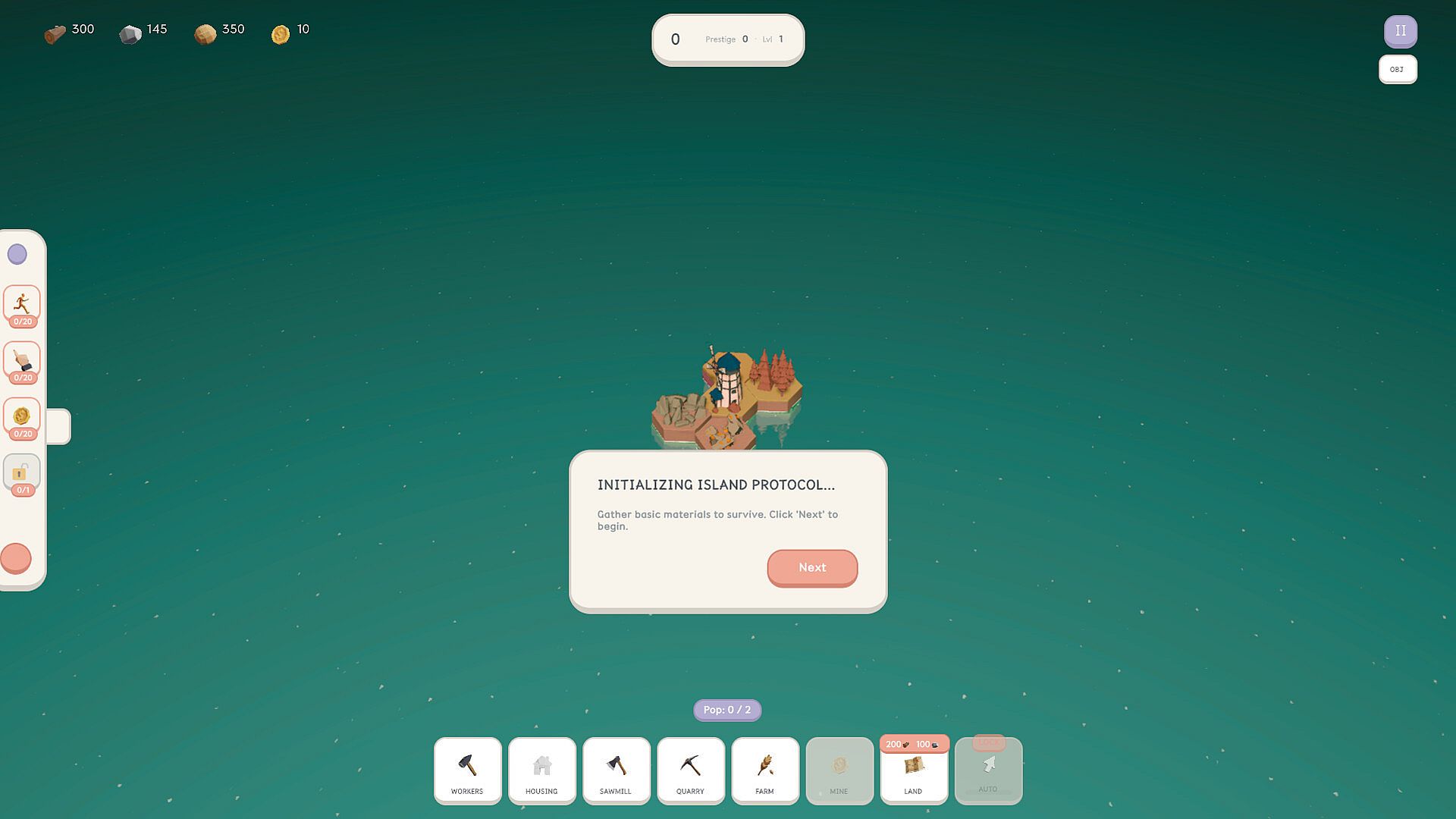
The core loop centers on starting small and scaling up methodically. Players collect initial resources to unlock basic structures such as sawmills, quarries, and farms. These buildings generate materials steadily once placed, allowing focus to shift toward planning larger expansions rather than constant manual input. Population management comes into play through housing construction, which increases worker capacity and supports further development across the island.
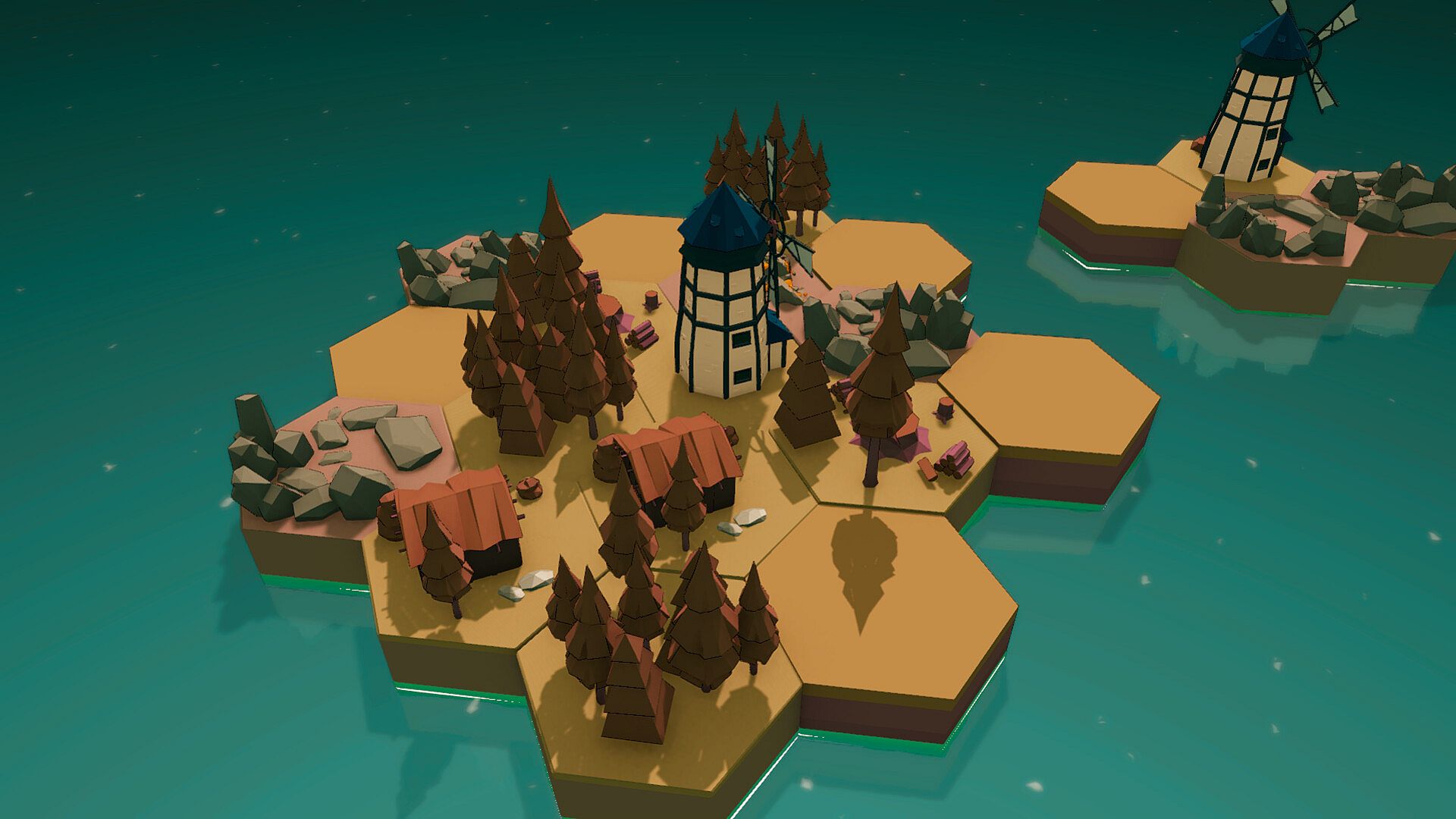
Automation forms a key pillar, with resource flows managed across the hexagonal grid. Structures continue operating independently, creating steady yields that feed into broader territory growth. Expansion occurs tile by tile as new hexes become available, turning the ocean surroundings into additional space for buildings and infrastructure. This setup rewards thoughtful layout decisions that optimize production chains over time.
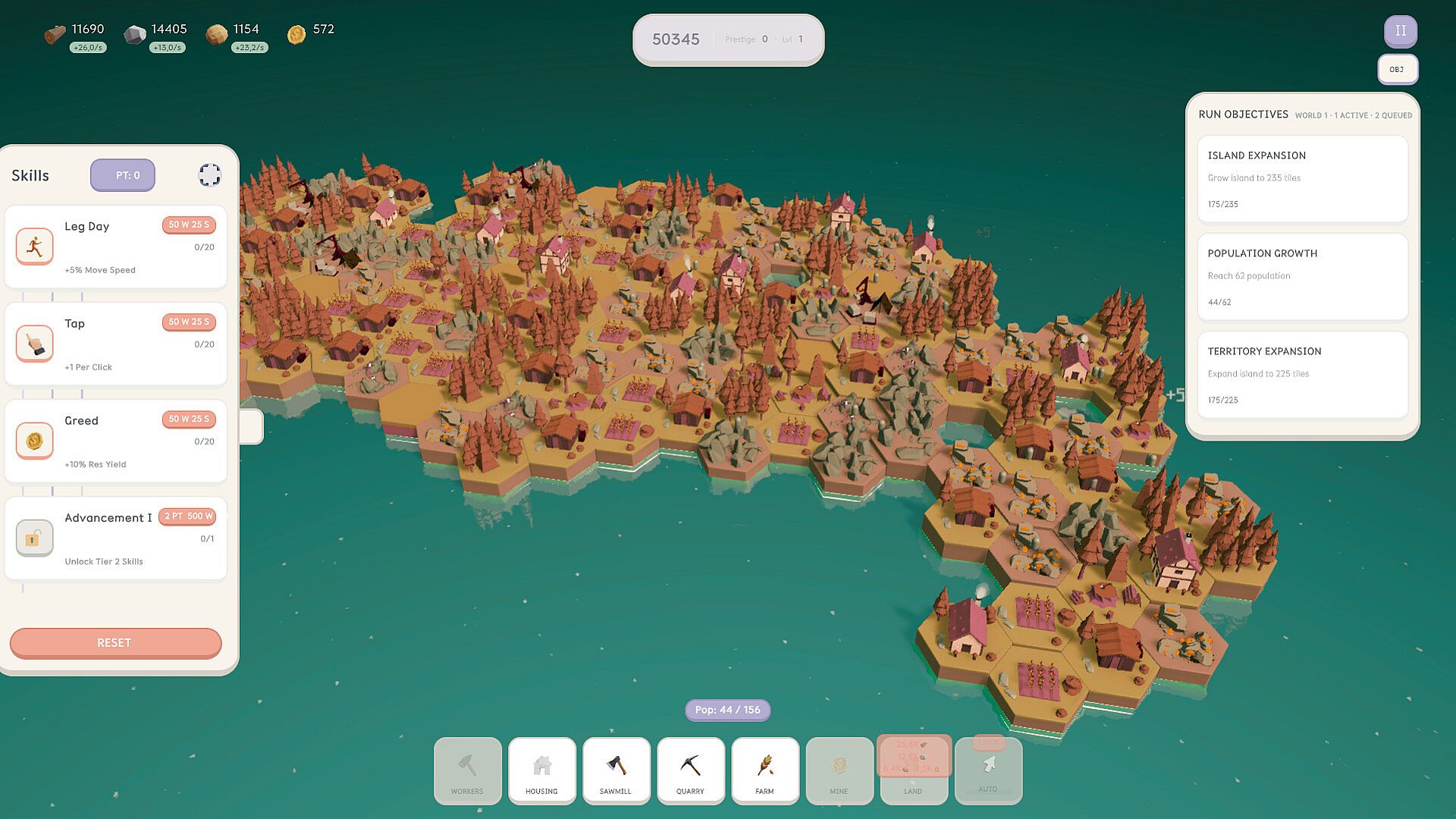
Progression deepens through skill trees that provide passive upgrades to resource output and efficiency. Skill points earned during play unlock these improvements, while a prestige system allows resets that grant permanent perks for subsequent runs. Dynamic objectives guide players by offering clear targets that unlock higher-tier structures and technologies upon completion.
Game Modes
Idland operates as a single continuous experience without separate named modes or multiplayer elements. The entire game revolves around one primary loop of building, automating, and expanding on the hex grid. Players advance at their own pace through the same systems whether focusing on early resource setups or late-game prestige resets and skill optimization.
Objectives serve as built-in guidance within this unified structure, directing attention toward specific milestones like population thresholds or production goals. These integrate directly into the core simulation rather than branching into distinct game variants. The result is a streamlined session where every action contributes to the same overarching ecosystem development.
Key Systems and Progression
Skill trees and the prestige mechanic add layers of long-term strategy. Unlocking passive boosts improves yields across runs, while prestige tiers enable access to advanced options after each reset. This creates a cycle of growth where earlier efforts compound into faster progress in future attempts.
Building variety supports the automation focus. Housing scales population, while production structures like farms and quarries feed into larger networks. Space management on the hex grid encourages efficient placement to maximize flows between connected tiles. No external timers interrupt this process, preserving the relaxed pace throughout.
Is It Worth Playing?
Idland suits players who enjoy idle and incremental simulation games with a strong emphasis on automation and cozy, penalty-free progression. The hexagonal expansion and skill-prestige systems provide satisfying depth for those who like planning layouts and watching passive systems compound over time. Its design prioritizes continuous evolution in a low-pressure environment, appealing to fans of casual builders who prefer self-paced sessions on PC.
With a demo available that captures the core mechanics, interested players can test the automation flow and grid expansion directly. The absence of stress elements or competitive features positions it as a dedicated relaxation title rather than a high-intensity experience. Those drawn to similar idle growth loops will find the verified systems align closely with steady, satisfying advancement.