





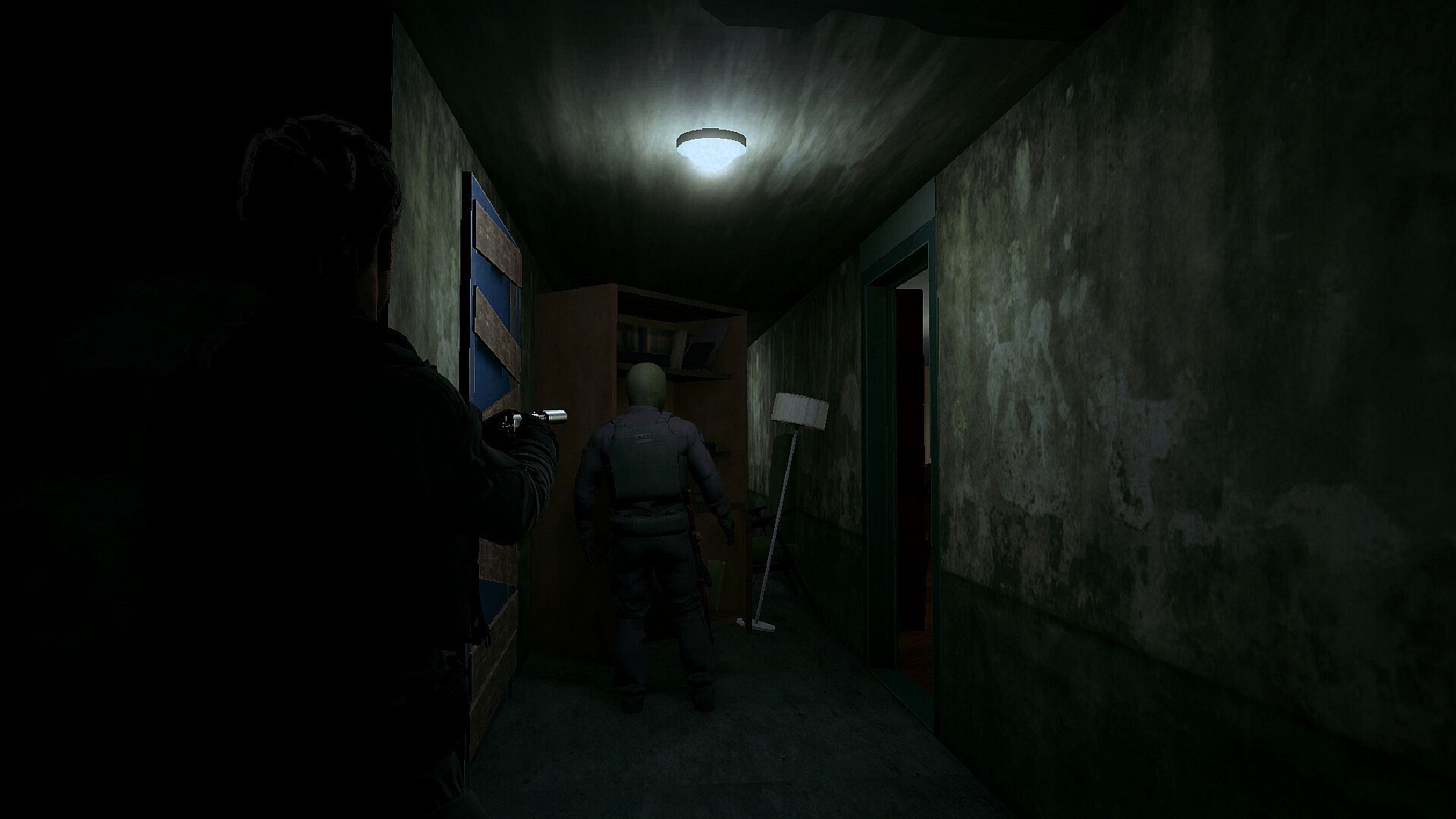
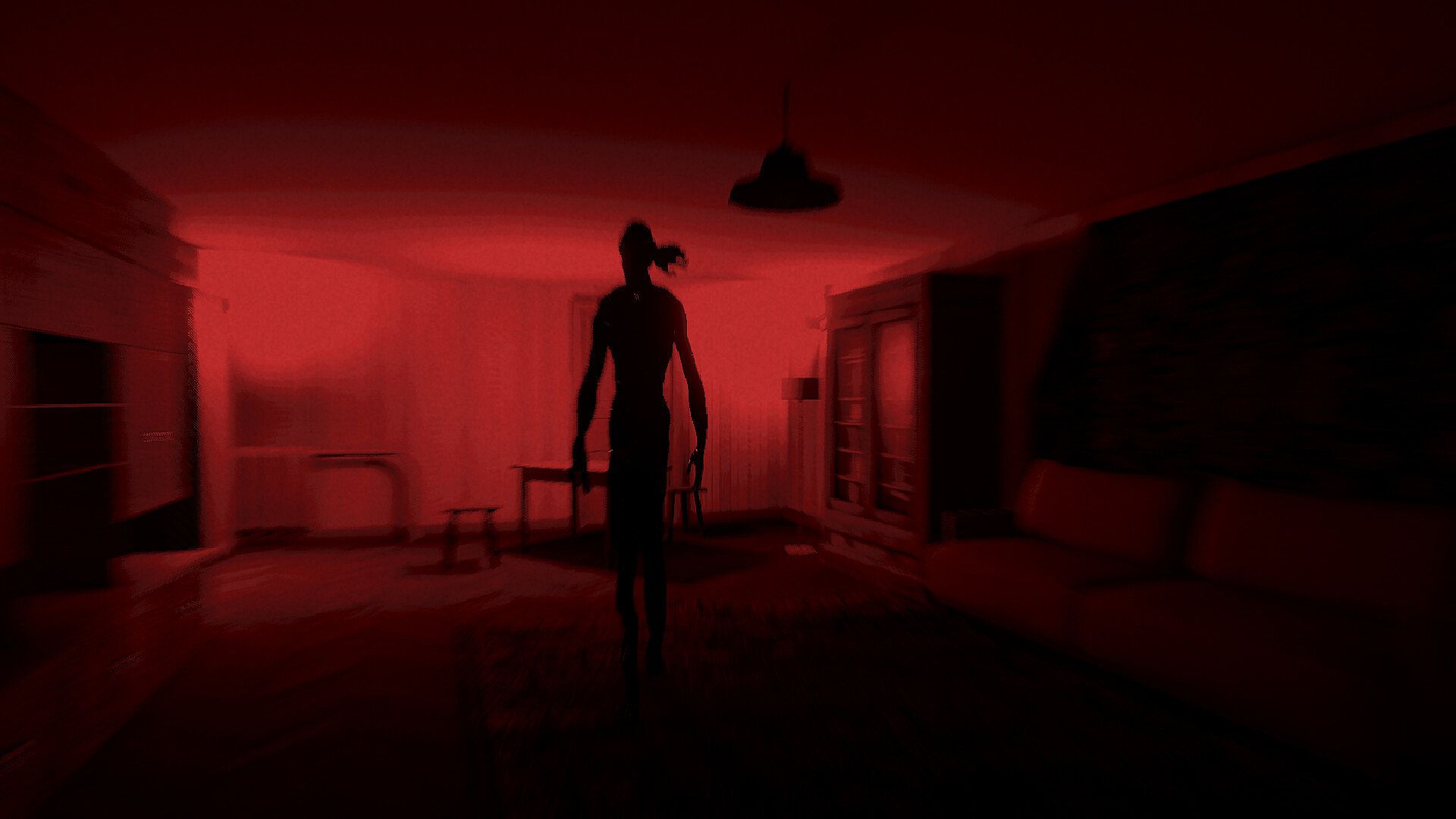
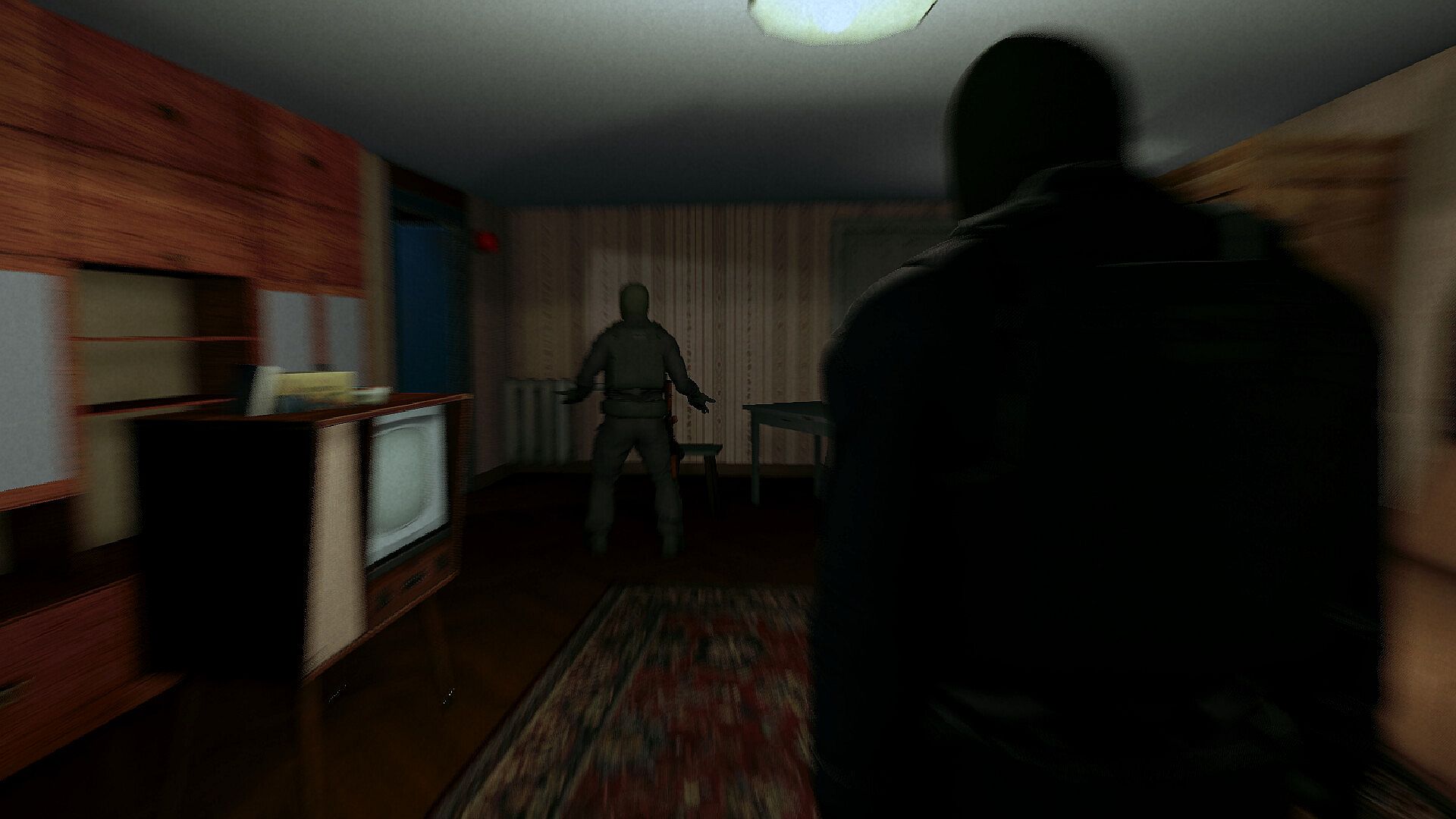
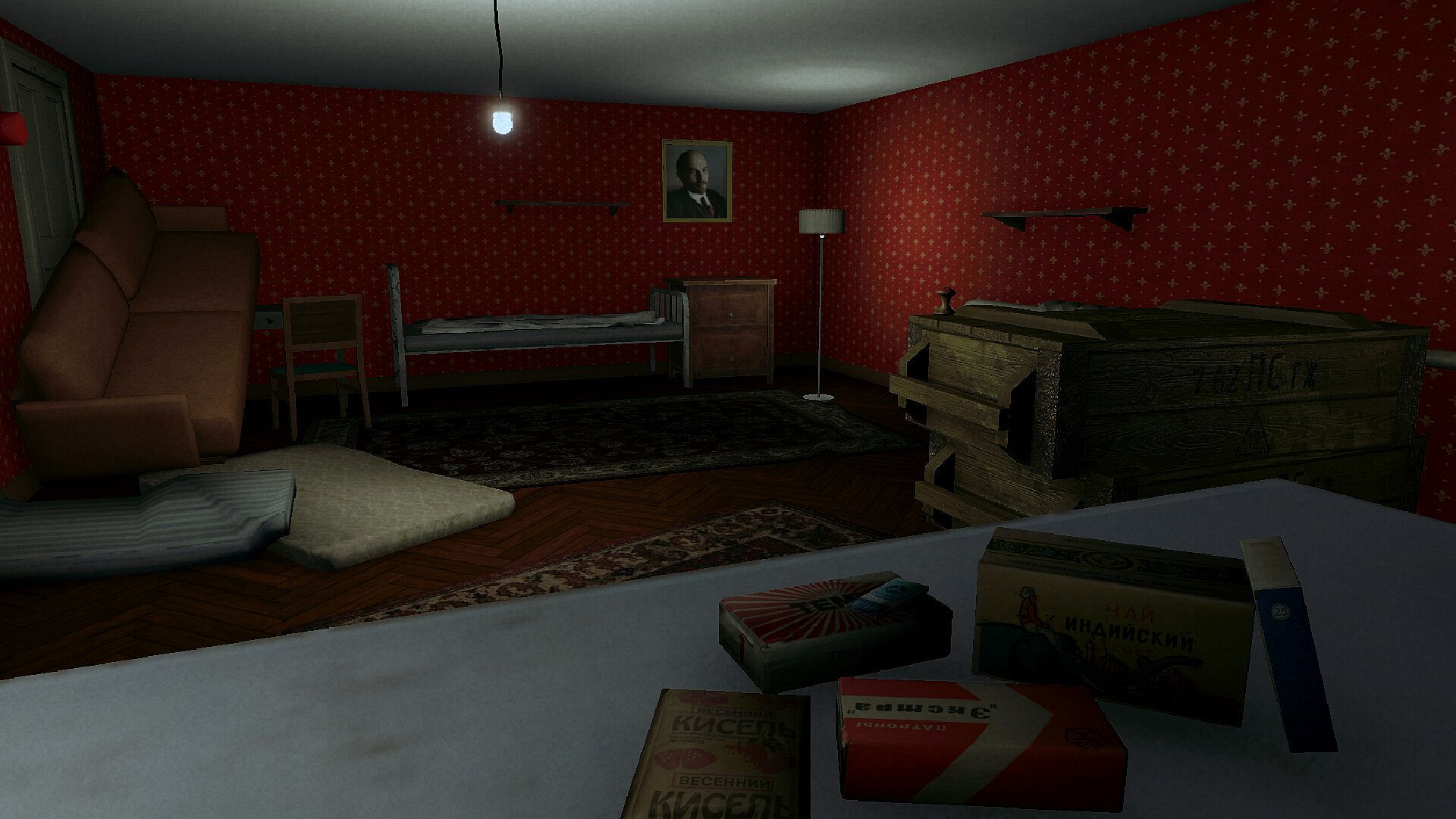
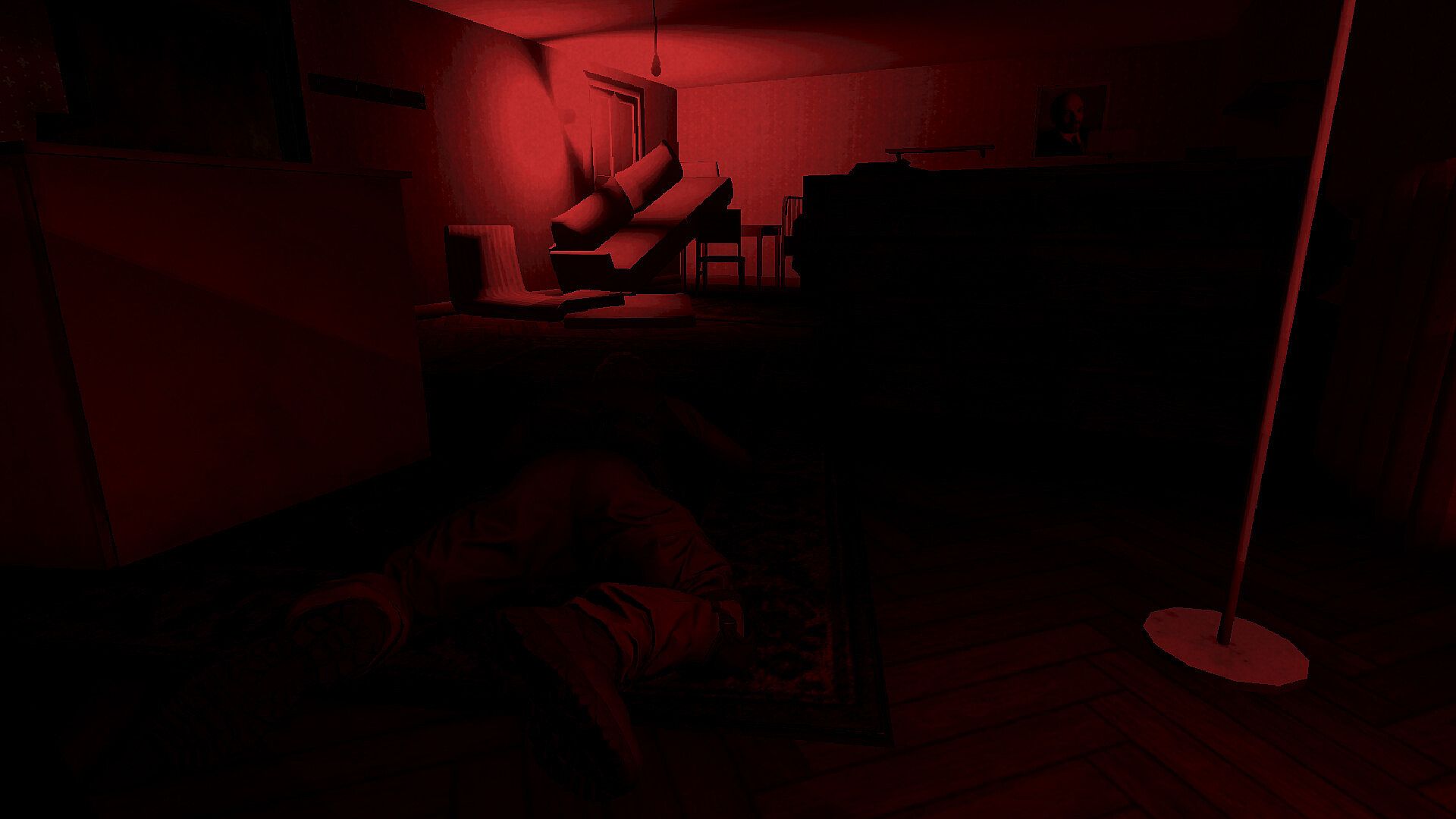
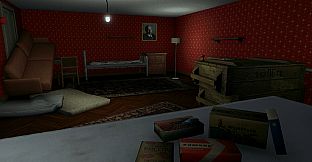
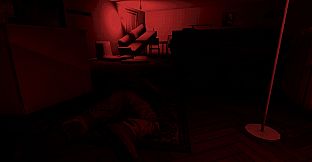
Hyperreality is an action stealth horror game set on PC where players take on the role of Arthur, a survivor navigating the decaying bunker complex OM-31 in a post-apocalyptic world overrun by mysterious creatures known as the Others. The twentieth century ended not in conflict but in quiet invasion, leaving most of humanity gone and the remnants huddled in fortified facilities like this one. Three centuries on, the bunker has fractured into a tense society of traders, fighters, and believers struggling to endure within its layered floors controlled by competing groups.
Gameplay
The core loop centers on careful movement through hostile environments where every sound, shadow, and decision matters. As Arthur ascends from the 39th floor toward the surface, players rely on stealth to slip past patrols or improvise when escape routes close. Direct fights are risky and often last-resort options because resources stay limited and mistakes prove fatal. The combat system rewards creative thinking: stunning foes, turning captured enemies into temporary shields, or deploying gadgets to create distractions and openings. Weight and consequence define every action, from a single footstep that alerts nearby threats to a poorly timed shot that draws unwanted attention from both human factions and the flesh-eating Others. Exploration mixes with tension as players uncover the bunker's divided society, encountering rare individuals called the Touched who possess unusual abilities such as glowing in darkness, sensing thoughts, or manifesting extra limbs. Survival hinges on observation, timing, and adapting to shifting threats across the confined corridors and faction territories.
Game Modes
Hyperreality delivers its experience as a focused single-player journey without separate multiplayer or competitive modes. The entire ascent through OM-31 unfolds as one continuous narrative-driven campaign where progression depends on individual choices and survival skills. Players move floor by floor, balancing avoidance of direct confrontations with necessary improvisations against both the Others and human adversaries. No additional modes alter this structure; the emphasis remains on the personal struggle to reach the top and bring hope to a fractured world. The design keeps attention on the weight of each step, the factions' territories, and the constant need to read the environment for safe paths or opportunities.
The World of OM-31
Inside the bunker, society has splintered along ideological lines. The military-communist CEC maintains strict order on its floors. The fanatical Sons of the Others interpret the apocalypse as divine judgment and enforce their beliefs with zeal. Gangs known as the Burned practice ritual scarring and worship pain as a path to strength. The Outcasts operate as mercenaries and smugglers who prioritize profit over loyalty and will betray anyone for the right price. These groups divide the available space, creating zones of relative safety or extreme danger depending on current alliances and conflicts. The Others roam the corridors as constant predators, feeding on the unwary and forcing residents to remain vigilant even in supposed safe areas. The Touched appear infrequently among the population, their powers adding unpredictable elements to encounters.
Is It Worth Playing?
Hyperreality suits players who enjoy deliberate stealth horror with strong emphasis on improvisation and consequence rather than fast-paced action or open-world freedom. The single-player structure rewards patience and creative problem solving as Arthur climbs through the bunker's layered dangers. Those drawn to atmospheric survival stories set in confined, faction-divided environments will find the core loop engaging through its focus on tension and meaningful choices. The game offers no free trials or seasonal updates based on available details, so interested players should consider the described mechanics of stealth, limited combat options, and narrative ascent when deciding on purchase. It provides a self-contained experience centered on one character's attempt to change a hopeless situation.