








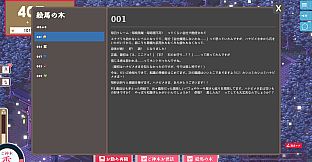
Hanabime of the Falling Shrine é um jogo indie de simulação que combina mecânicas de classificação com progressão em idle. No PC, o jogador restaura um santuário japonês abandonado, atendendo aos desejos dos visitantes e expandindo as construções sagradas.
Gameplay
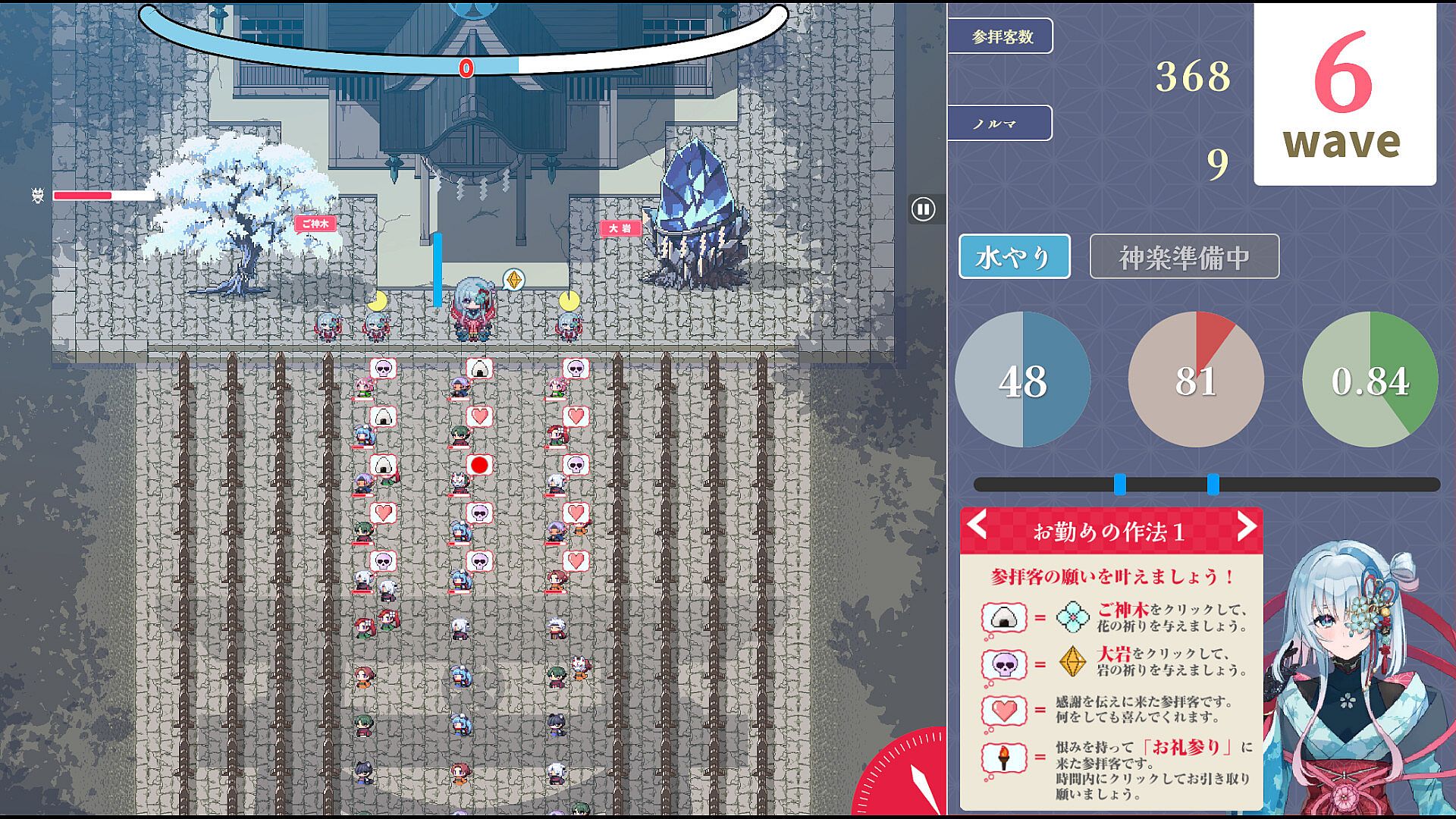
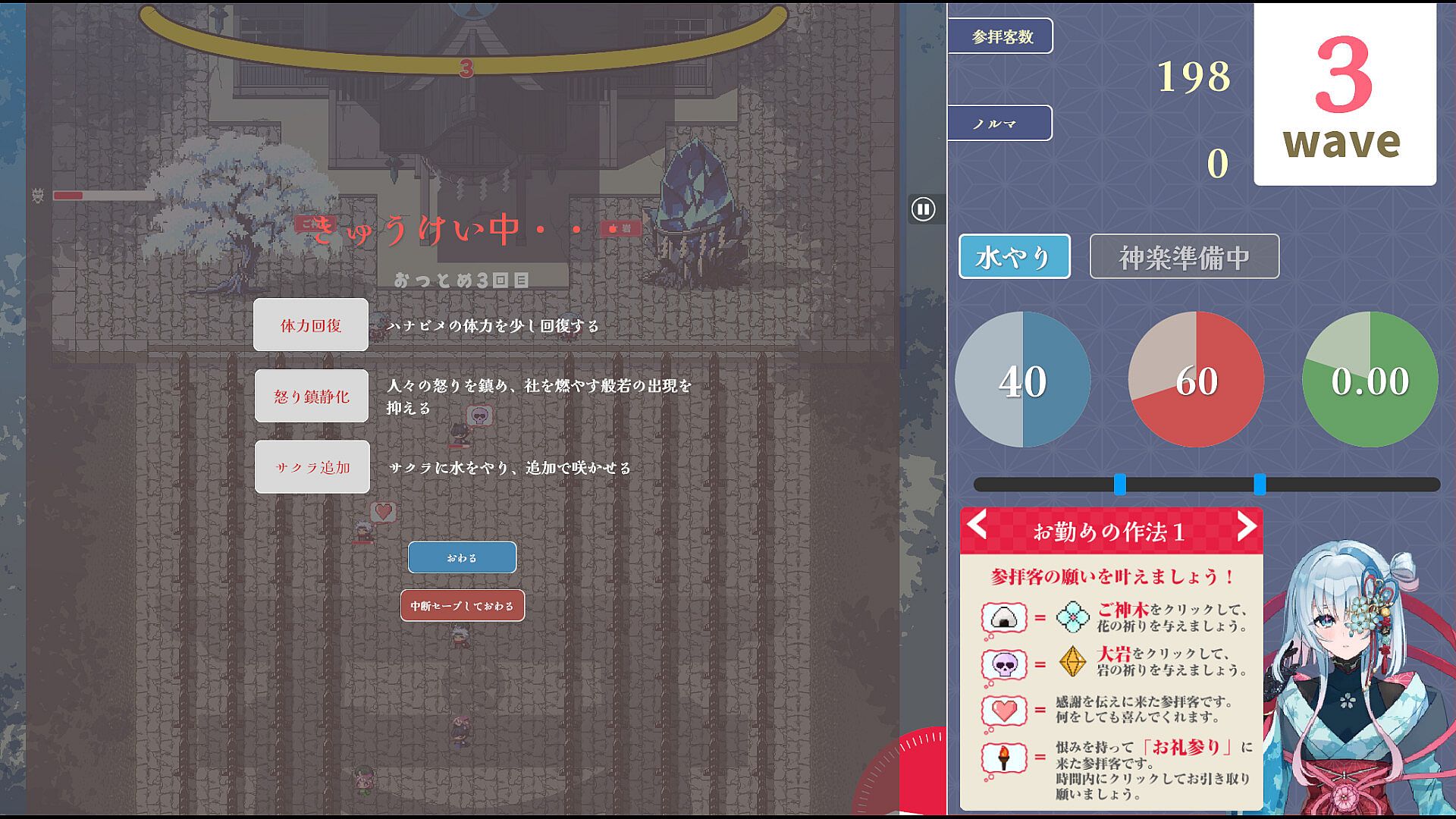
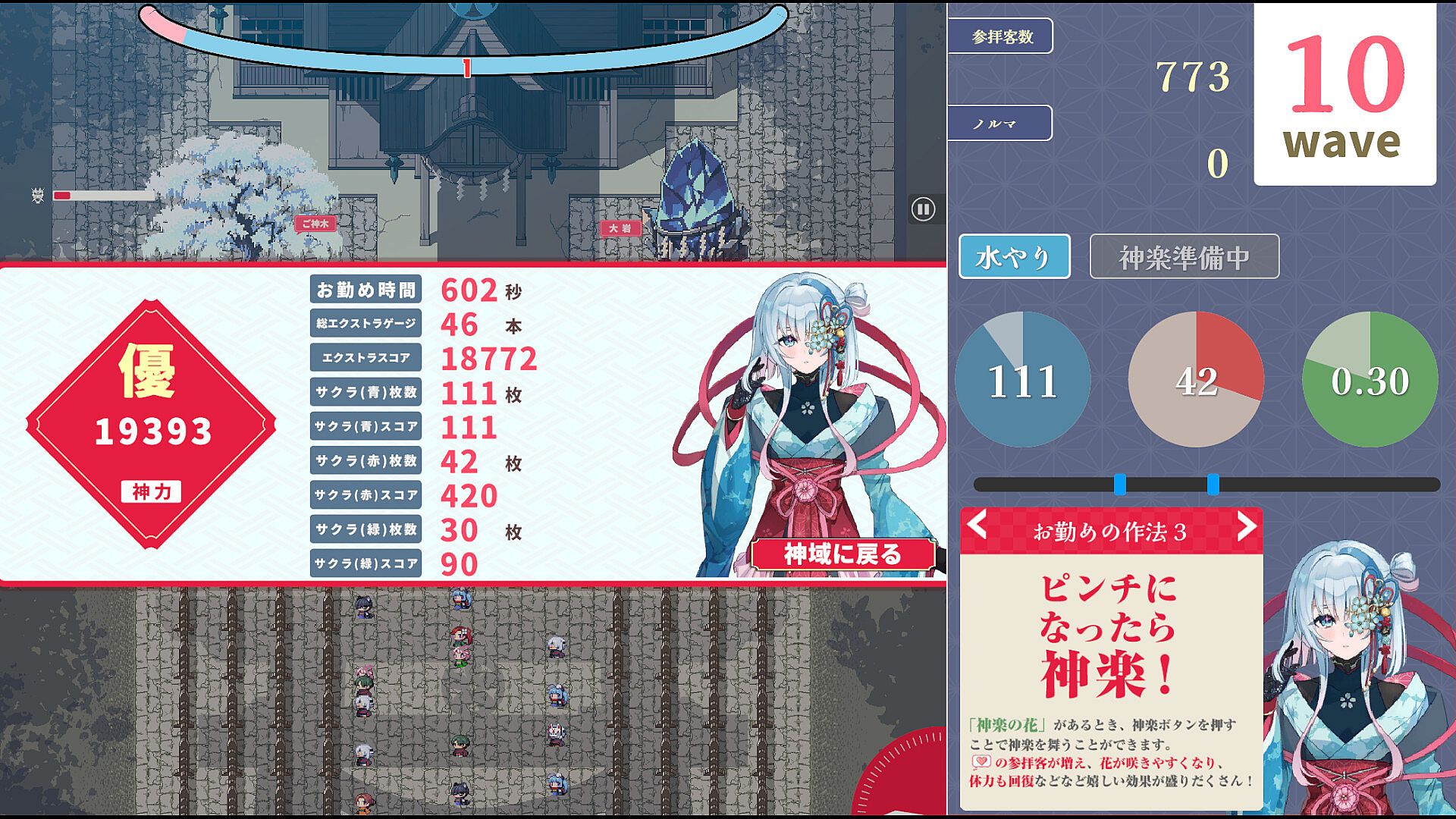
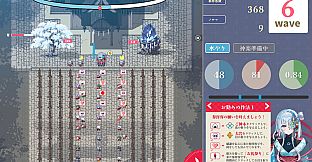
O ciclo principal gira em torno de duas atividades interligadas. Os visitantes chegam com pedidos específicos que precisam ser classificados corretamente. Orações de flor atendem a questões emocionais, enquanto as de pedra tratam de problemas físicos. Classificações precisas geram pontos de fé usados na construção e nas melhorias.
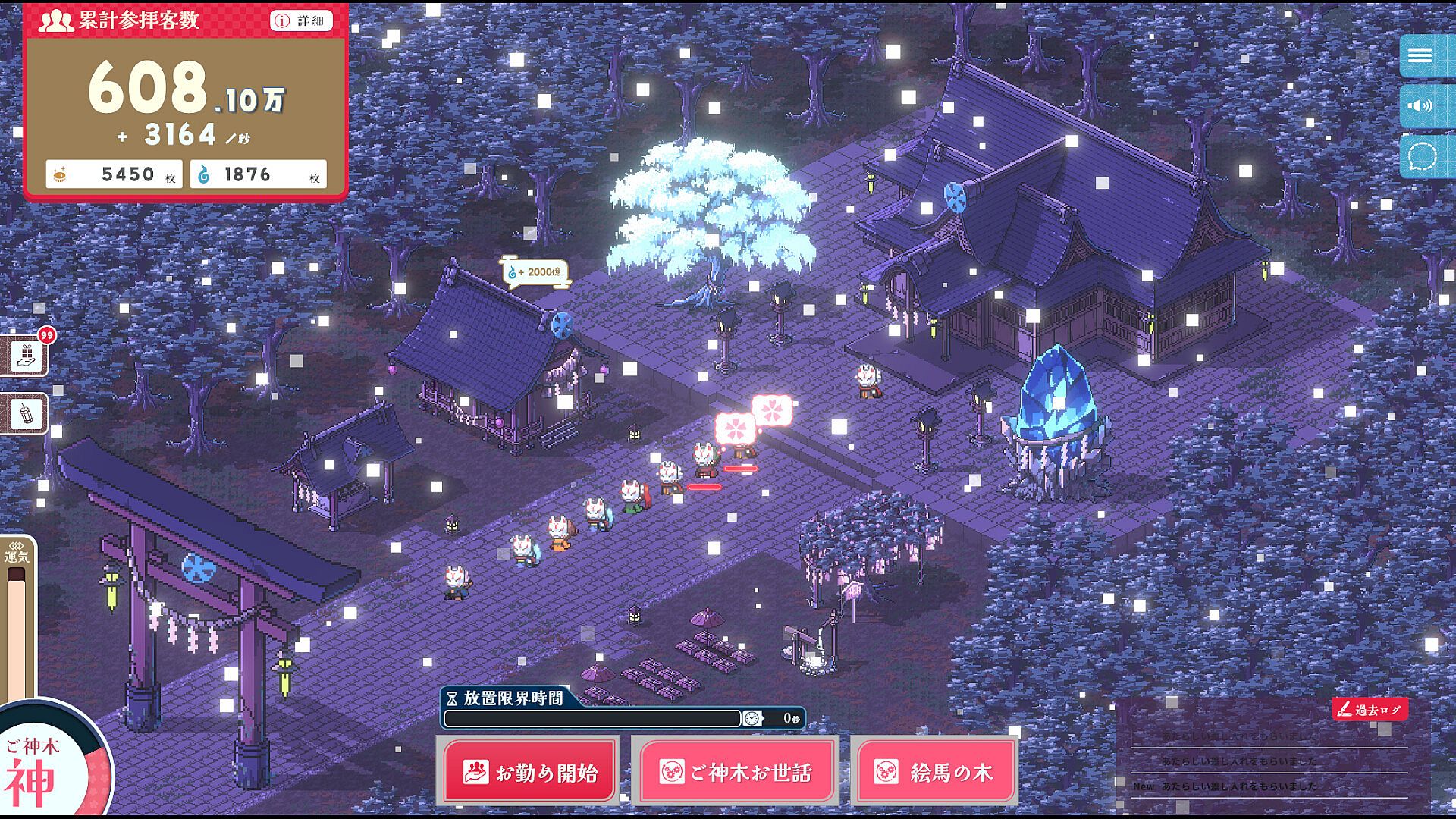
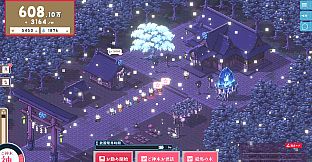
A expansão do santuário envolve posicionar e aprimorar elementos tradicionais, como portais torii, pavilhões de purificação chozuya, salões kagura, lanternas de pedra e santuários noturnos. Quanto maior o santuário, mais peregrinos são atraídos e maior a taxa de coleta de fé. O componente idle continua gerando recursos mesmo quando o jogador se afasta, permitindo progresso constante sem atenção permanente.
Classificações erradas geram insatisfação no local. Espíritos hannya vingativos podem surgir e interromper o processo de classificação, exigindo atenção especial nos momentos de maior movimento. O resultado é um ritmo que alterna decisões rápidas durante as ondas de visitantes e supervisão mais tranquila nos períodos de menor movimento.
Modos de Jogo
O jogo é uma experiência single-player sem modos multijogador ou competitivos. Toda a ação acontece em uma única simulação contínua que une sessões ativas de classificação ao crescimento passivo em idle. O jogador alterna entre o gerenciamento direto dos visitantes diários e o planejamento de longo prazo das melhorias, sem trocar entre tipos distintos de jogo.
A progressão conecta os dois sistemas. Classificações bem-sucedidas aumentam a satisfação dos visitantes e a geração de fé, que por sua vez permite construir mais estruturas e atrair novos peregrinos. Esse ciclo integrado forma toda a estrutura do gameplay.
Restauração do Santuário e Gerenciamento de Visitantes
A restauração é feita por meio de construções incrementais. Cada nova estrutura ou melhoria altera visualmente o santuário e amplia sua capacidade. O jogador equilibra as necessidades imediatas, como atender os visitantes atuais, com investimentos estratégicos que rendem mais recursos ao longo do tempo via coleta idle.
O gerenciamento de visitantes exige observar detalhes sutis na aparência e no pedido de cada peregrino para atribuir o tipo certo de bênção. A precisão repetida cria impulso, enquanto erros geram atrasos temporários que reduzem o ganho de fé até serem corrigidos. O sistema valoriza observação e reconhecimento de padrões sem exigir complexidade excessiva.
Vale a Pena Jogar?
O jogo é voltado para quem gosta de simulações relaxadas com elementos leves de puzzle e progressão constante. Seu formato single-player se adapta bem a sessões individuais, permitindo que o jogador entre de vez em quando ou dedique tempo a fases mais longas de construção. O tema de santuário japonês e as mecânicas de classificação oferecem um ciclo calmo, porém envolvente, para fãs de gêneros idle e de gerenciamento.
Como o título ainda está em desenvolvimento, com lançamento previsto para o Q4 de 2026 e sem avaliações de usuários no momento, é recomendável acompanhar as próximas atualizações para conferir as mecânicas e o balanceamento finais. Quem se interessa pela combinação de decisões de classificação e crescimento passivo do santuário pode considerá-lo uma boa adição à sua biblioteca após o lançamento.