






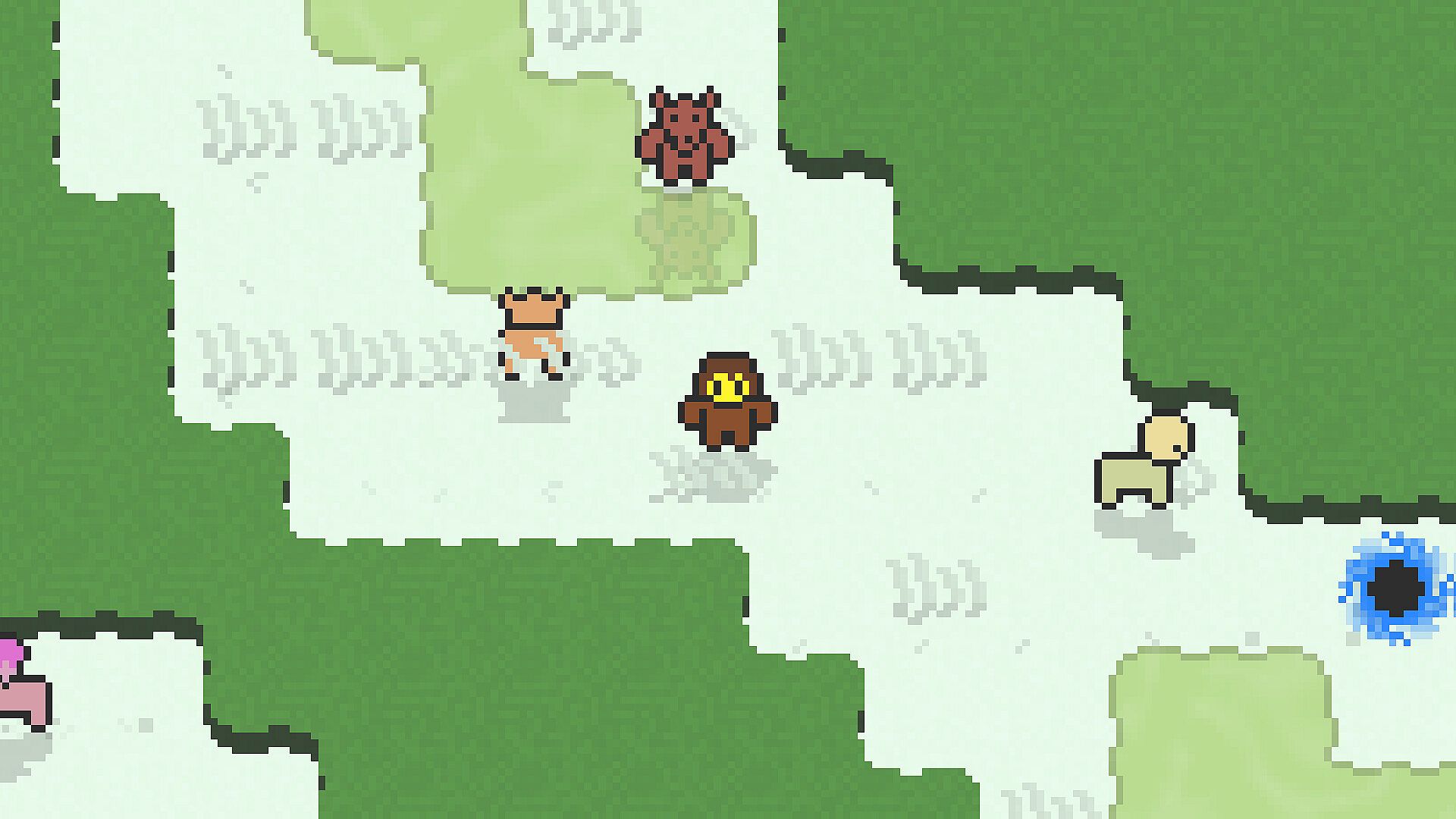
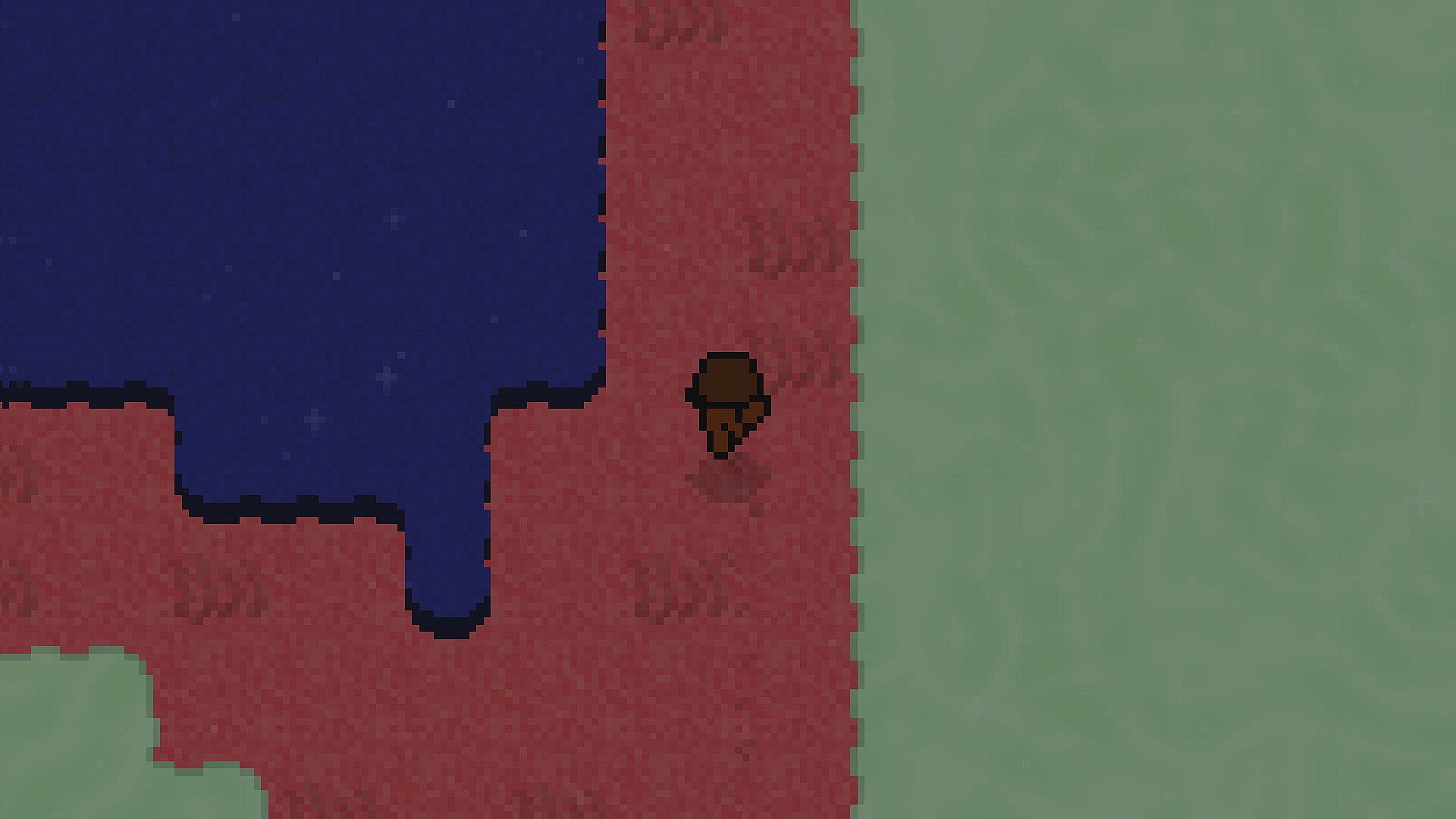
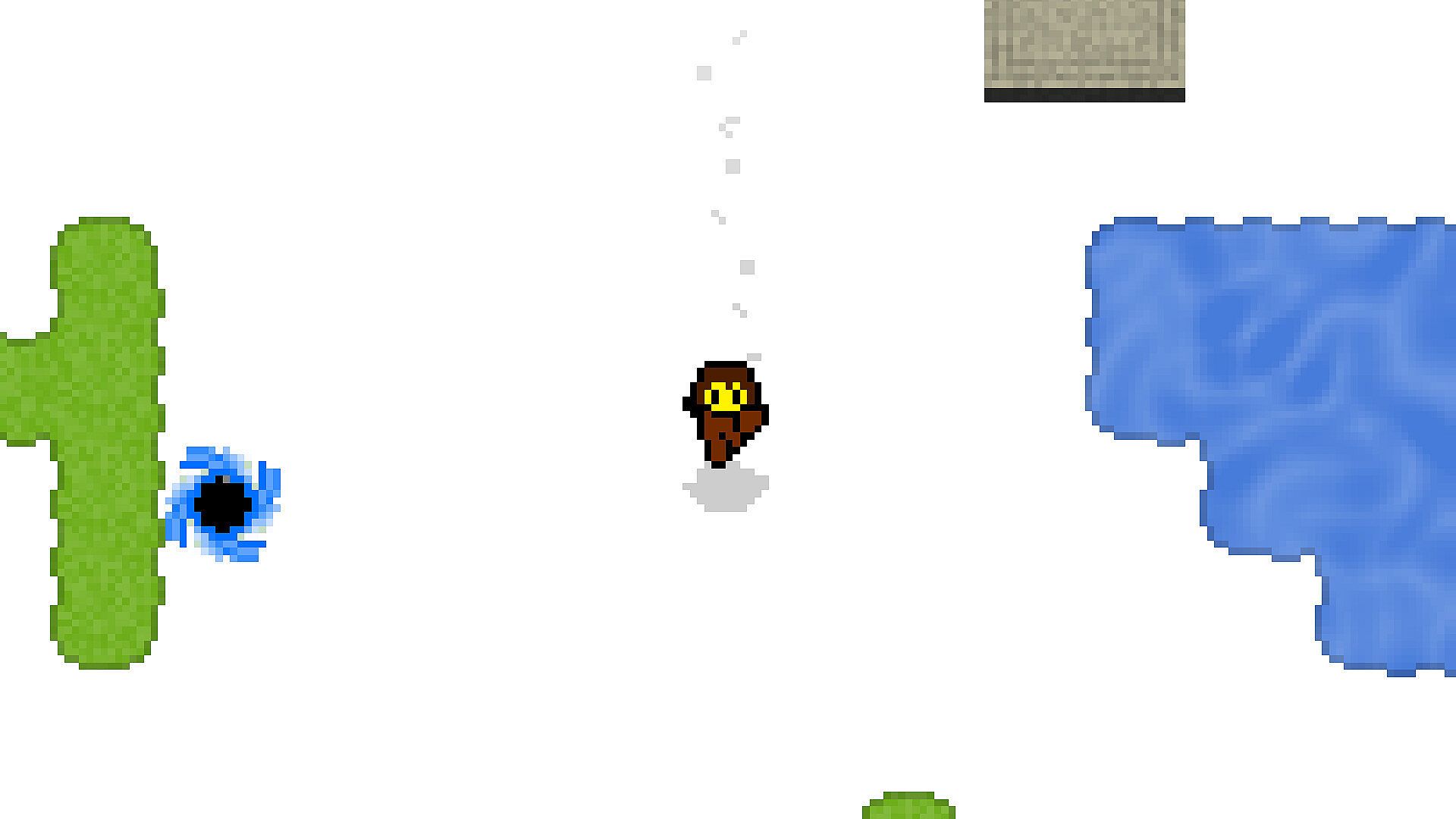
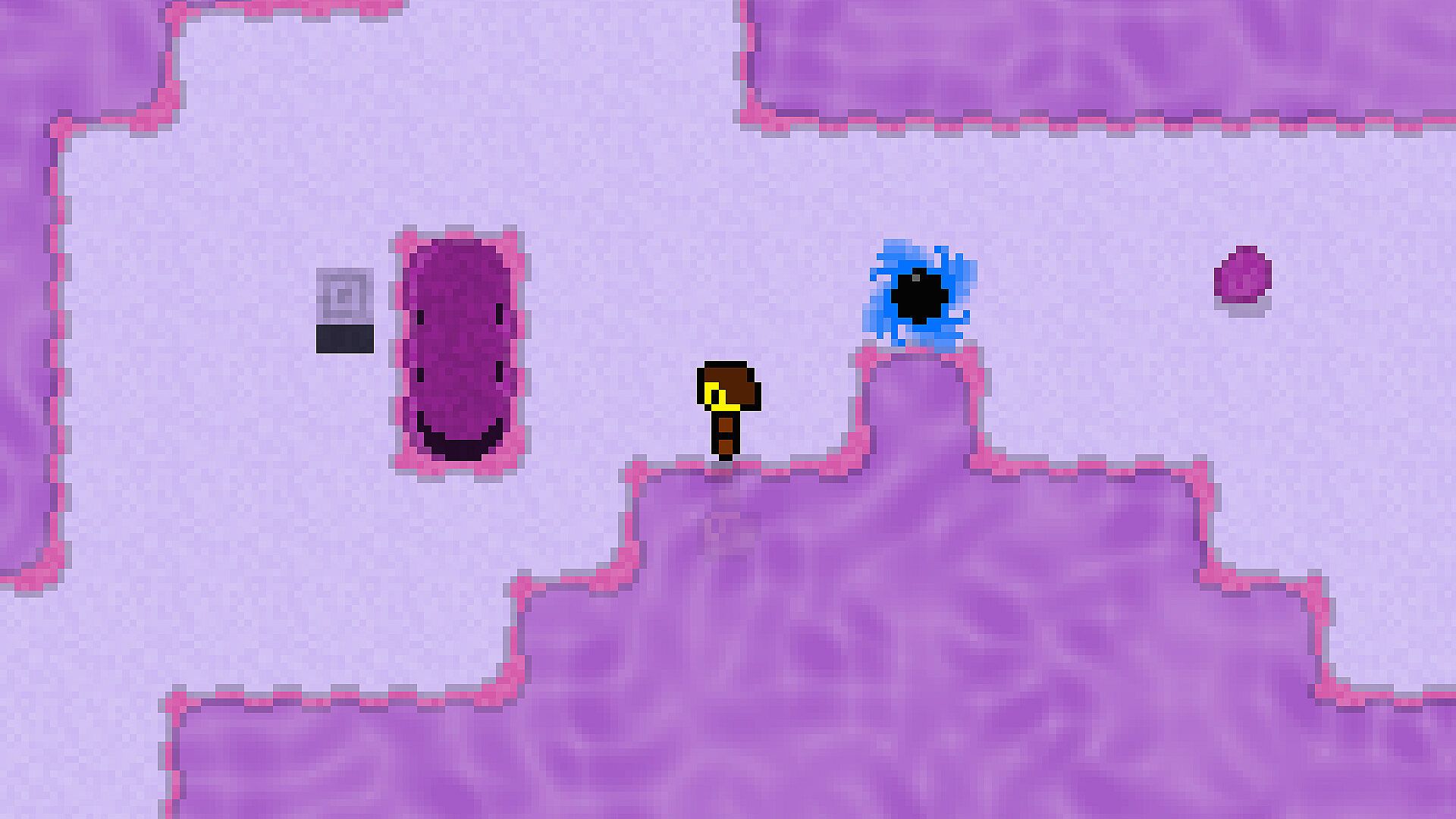
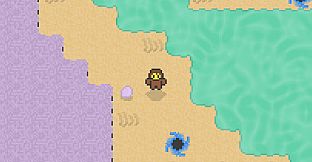
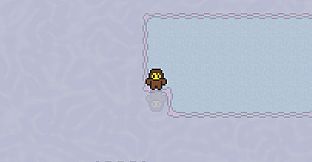
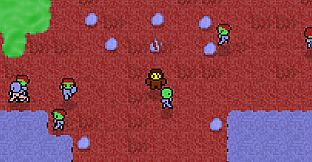
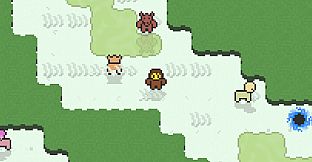
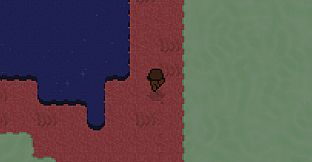
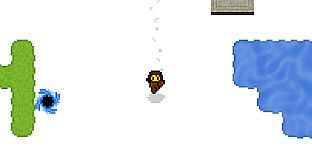
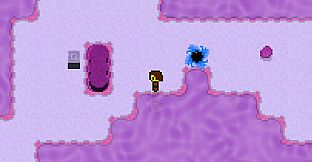
Horiforge is an experimental indie game that blends casual simulation and adventure elements into a single-player experience focused on exploration across procedurally generated worlds. Players move through infinite landscapes shaped by color theory, where random palettes influence every visual and atmospheric detail. The title offers no traditional objectives or structured progression, instead emphasizing quiet observation and personal reflection.
Gameplay
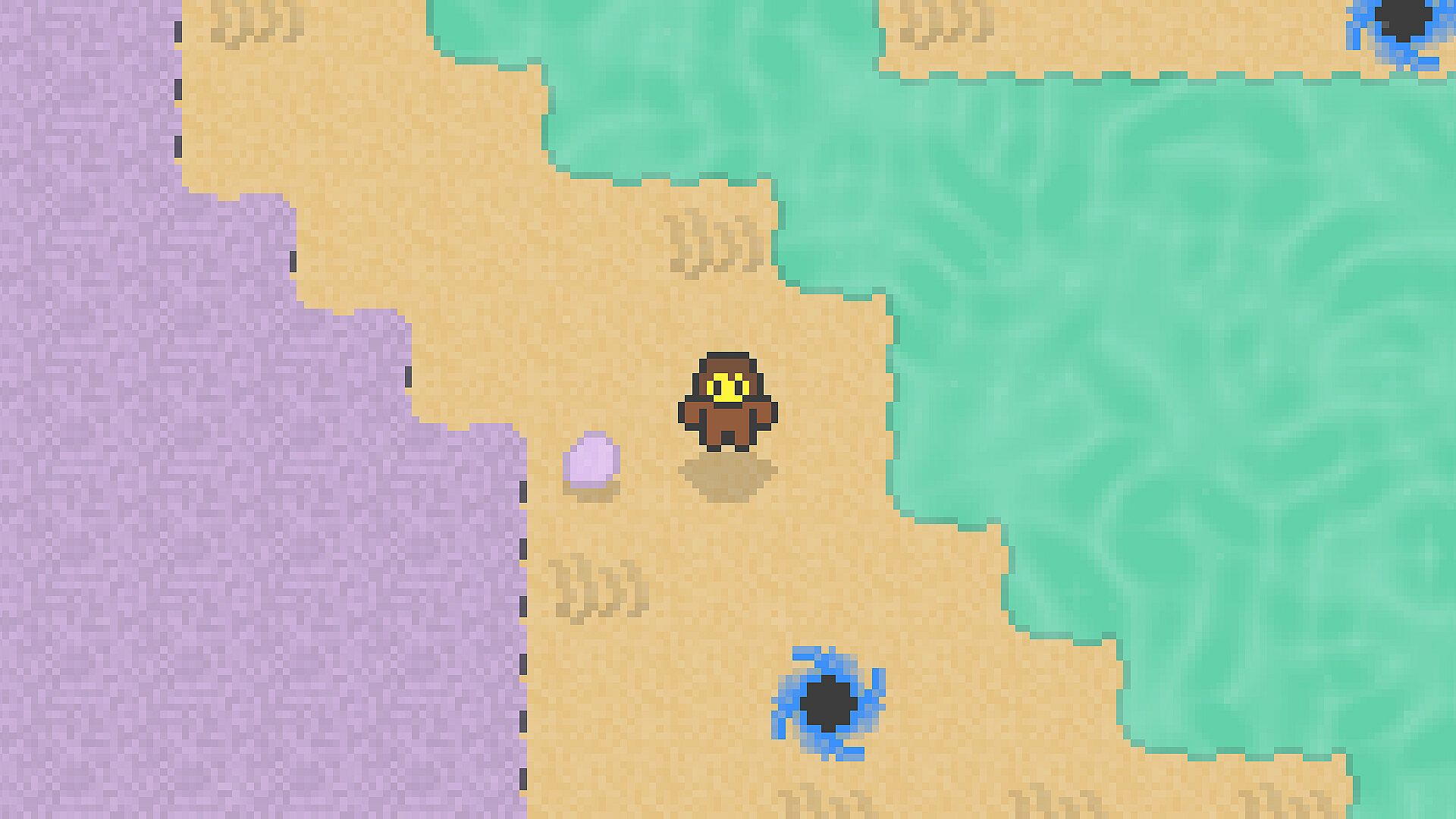
Core gameplay centers on traveling between distinct worlds, each defined by its own generated color scheme, terrain features, and inhabitants. Landscapes vary in form and texture, while creatures and environmental elements combine to produce a sense of internal harmony unique to that location. Movement feels open and unguided, allowing free navigation without timers, scores, or required tasks. The only interactive element involves small pyramids scattered throughout the environments. Standing near one and observing it triggers spontaneous thoughts or ideas in the player, serving as the primary source of engagement.
Procedural generation ensures every world feels distinct, with color palettes drawn from established color theory principles to create cohesive visual moods. This system supports the simulation aspect by letting players experience how different chromatic combinations affect the overall atmosphere and perceived balance of a scene. No combat, crafting, or resource management systems appear in the available description, keeping the focus strictly on discovery and contemplation.
Game Modes
Horiforge does not feature named game modes or selectable variants. The experience remains consistent across play sessions as a continuous, goal-free exploration loop. Players simply enter new worlds at will, with generation handling all variation in terrain, color, and life forms. This absence of modes aligns with the experimental design, removing any pressure to complete levels or achieve specific outcomes.
Visual and Atmospheric Design
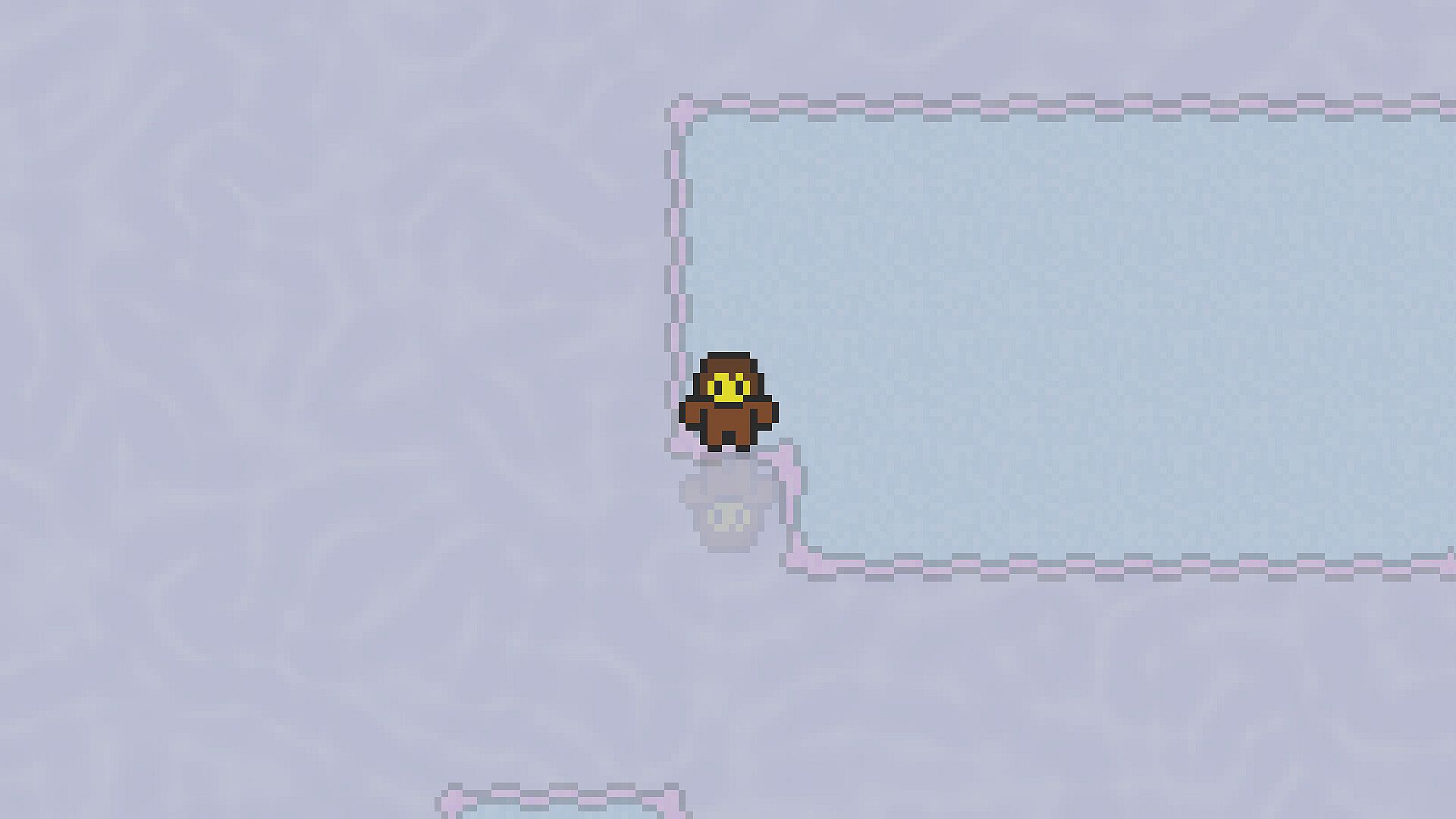
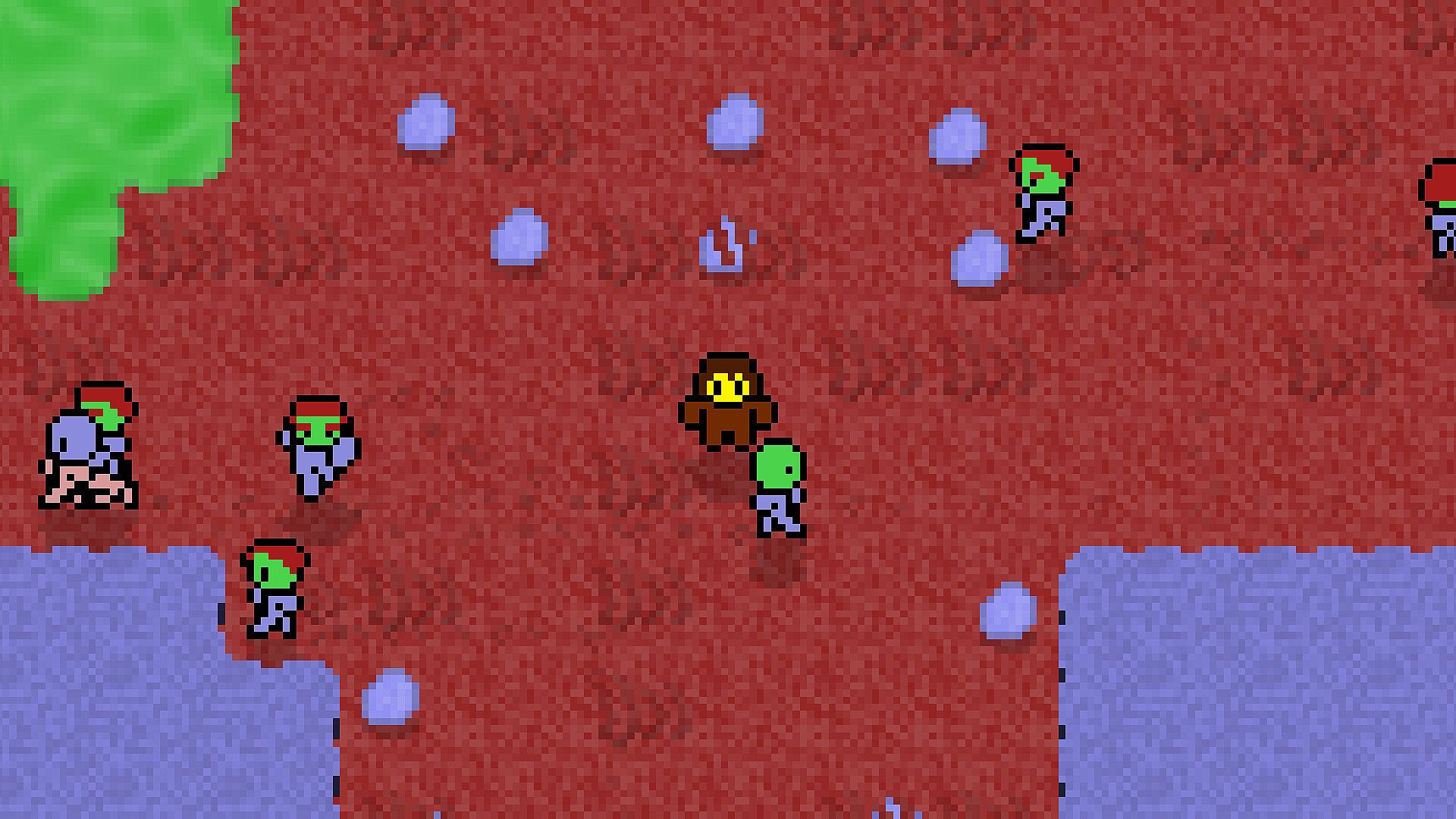
Each generated world relies on color theory to establish its identity, producing palettes that range from harmonious to striking while maintaining internal logic. Terrain takes on unique shapes and textures suited to the chosen colors, and creatures emerge as fitting elements within that ecosystem. The result is a series of self-contained environments that feel complete on their own terms rather than part of a larger narrative or challenge structure.
The simulation qualities emerge through the way these elements interact visually and thematically. A world might lean toward cool tones with fluid landscapes and gentle creatures, while another uses warmer hues to suggest rugged formations and more active inhabitants. This approach supports the adventure genre tag by inviting repeated visits simply to witness new combinations.
Is It Worth Playing?
Horiforge suits players interested in experimental titles that prioritize inspiration over conventional gameplay systems. Its single-player format and lack of goals make it appropriate for short, reflective sessions where the emphasis lies on observing generated worlds and engaging with the pyramid mechanic. The game remains listed as coming soon with no user reviews available at present, so reception details cannot be confirmed. Those drawn to casual simulation and adventure experiences centered on procedural color and landscape variation may find value in its minimalist approach. Availability is limited to PC, and the title positions itself as a tool for creative thought rather than entertainment through competition or story progression.