




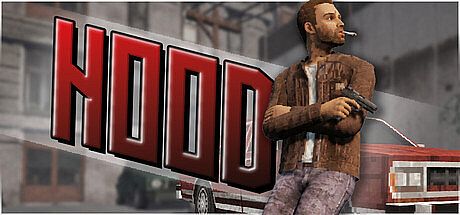


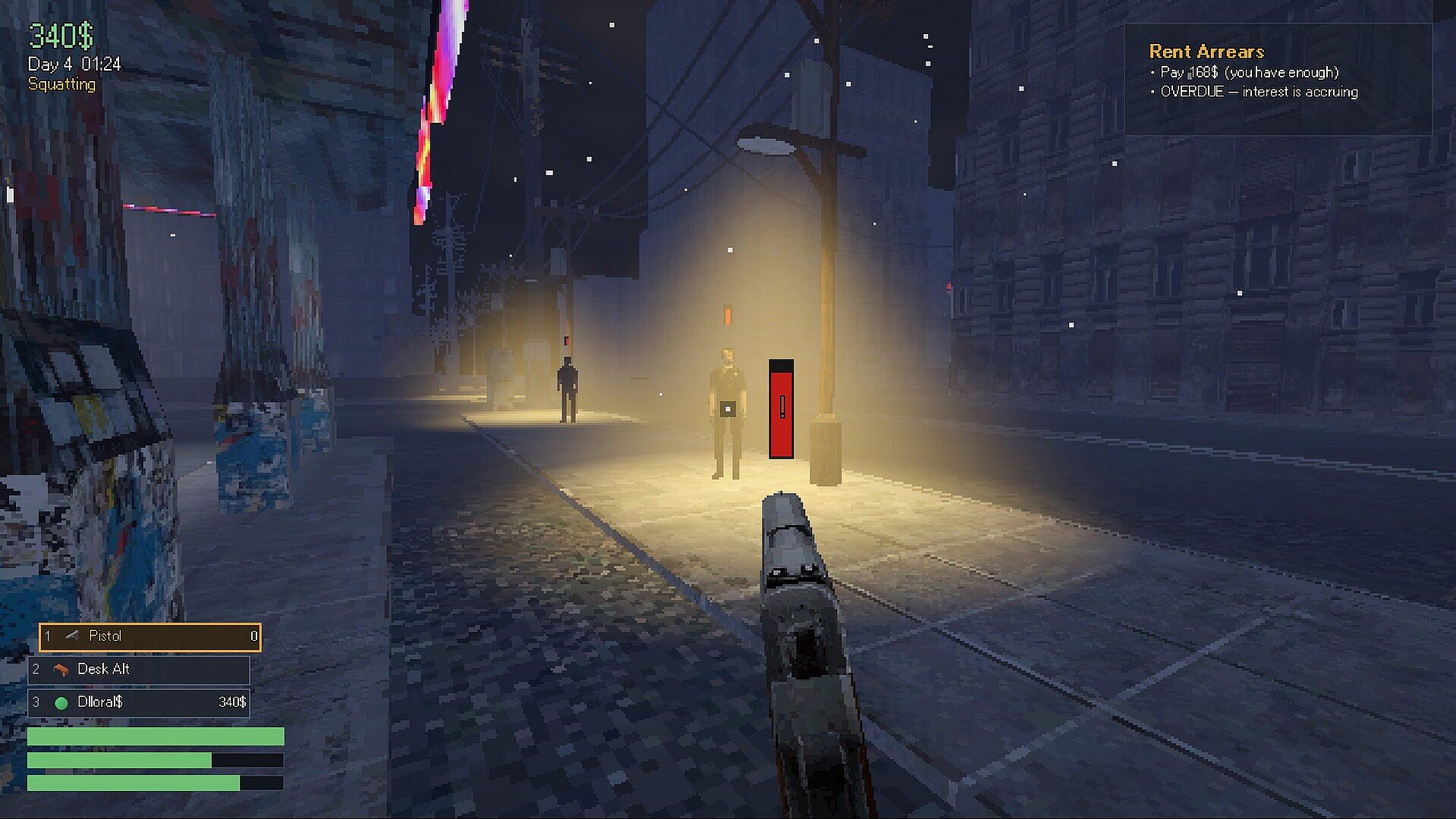
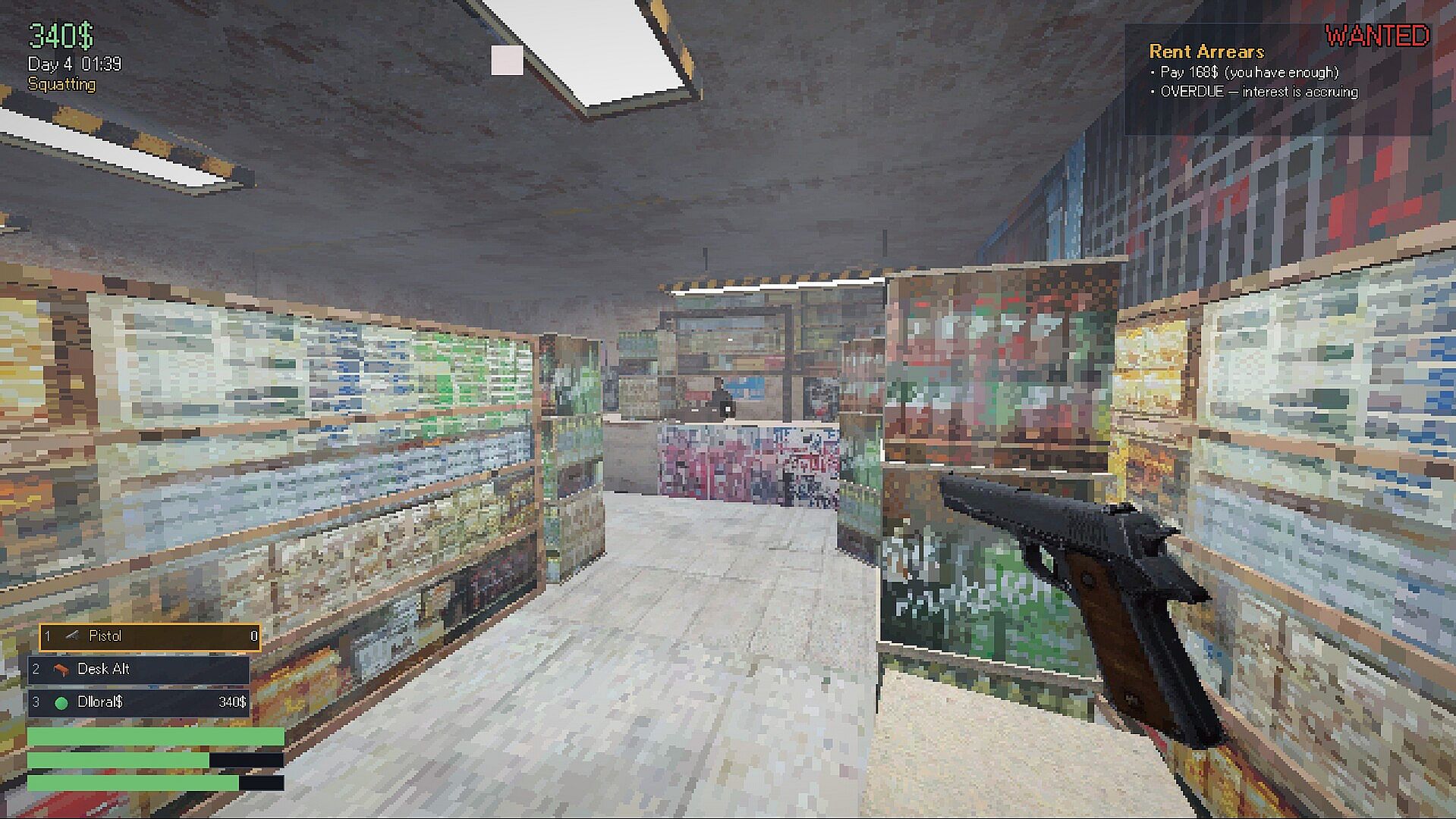
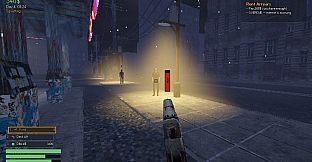
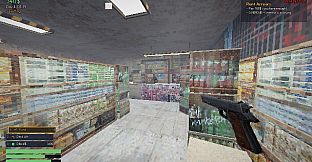
HOOD is an indie simulation game set in the urban environment of Brokhattan, New York. Players take on the role of a character who has lost their job due to local mafia activity and must find ways to generate income while navigating threats from law enforcement and criminal syndicates. The experience centers on survival, resource management, and building connections in a challenging city setting.
Gameplay
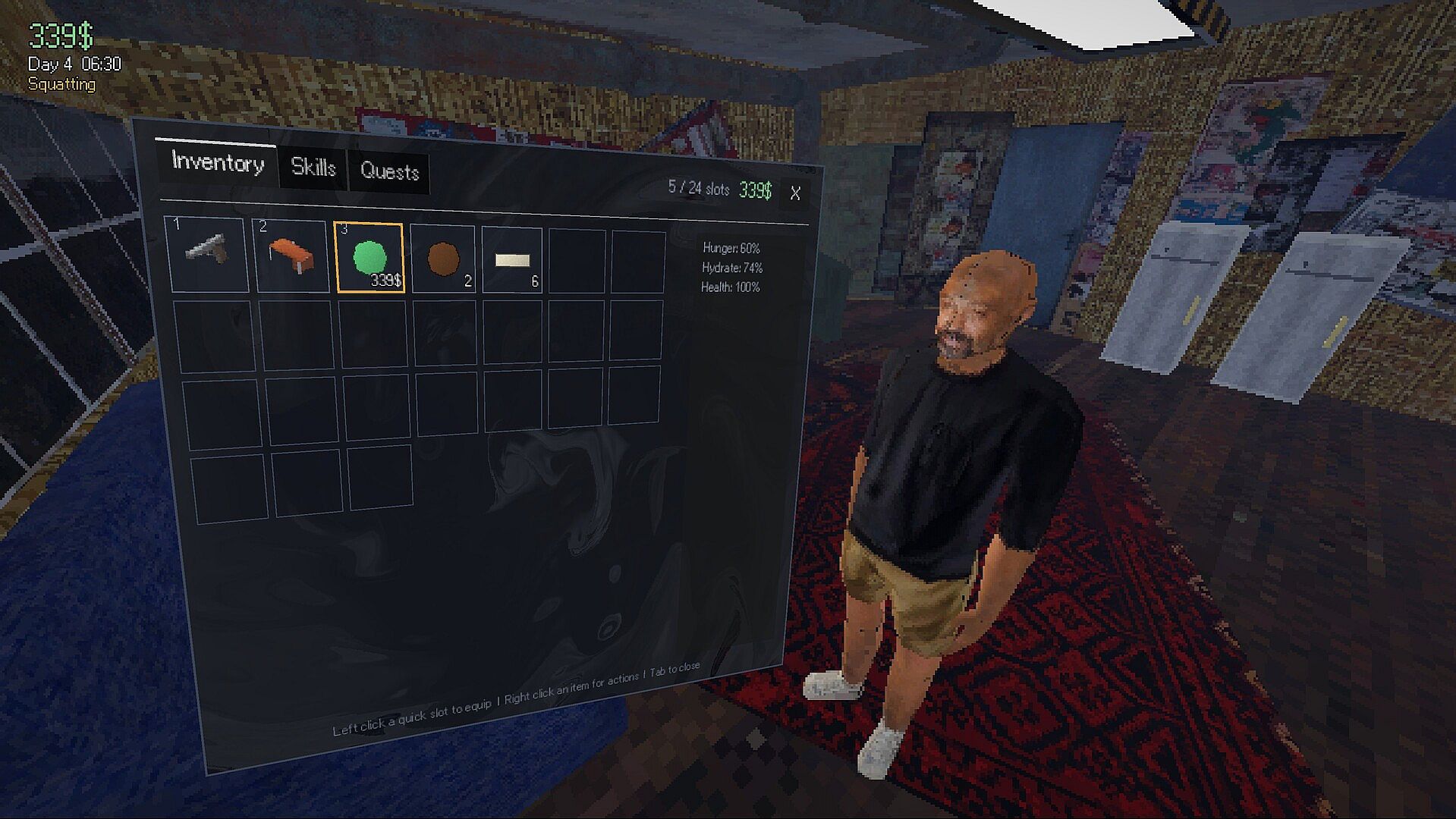
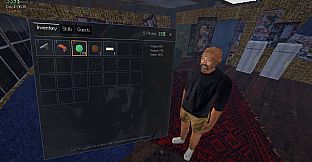
The core loop involves exploring the city streets to locate opportunities for earning money. Players scavenge, loot, craft, and prepare items that can generate profit or serve as leverage in negotiations. Inventory management plays a key role, as collected goods must be handled carefully to maximize returns through sales or other uses.
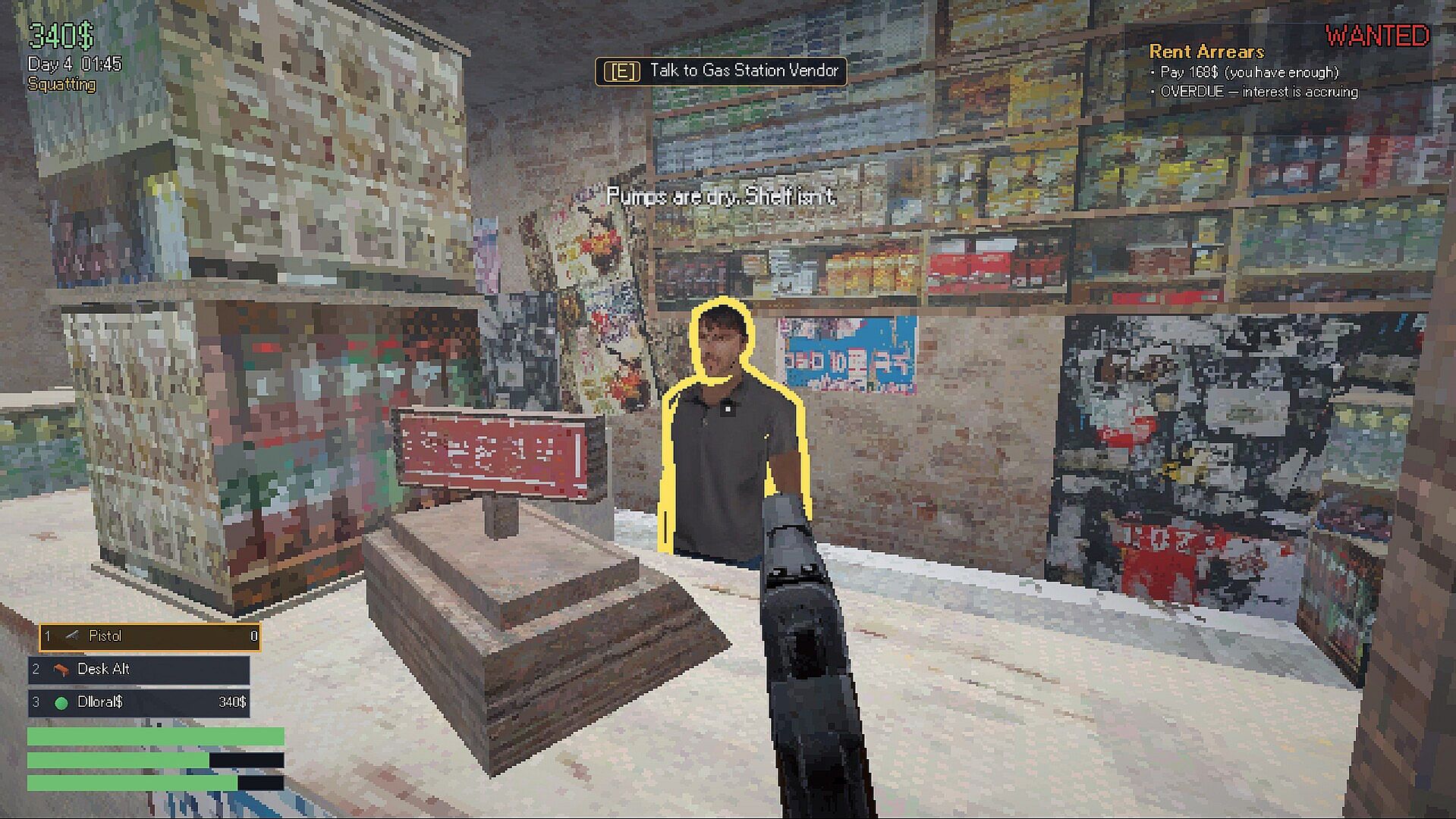
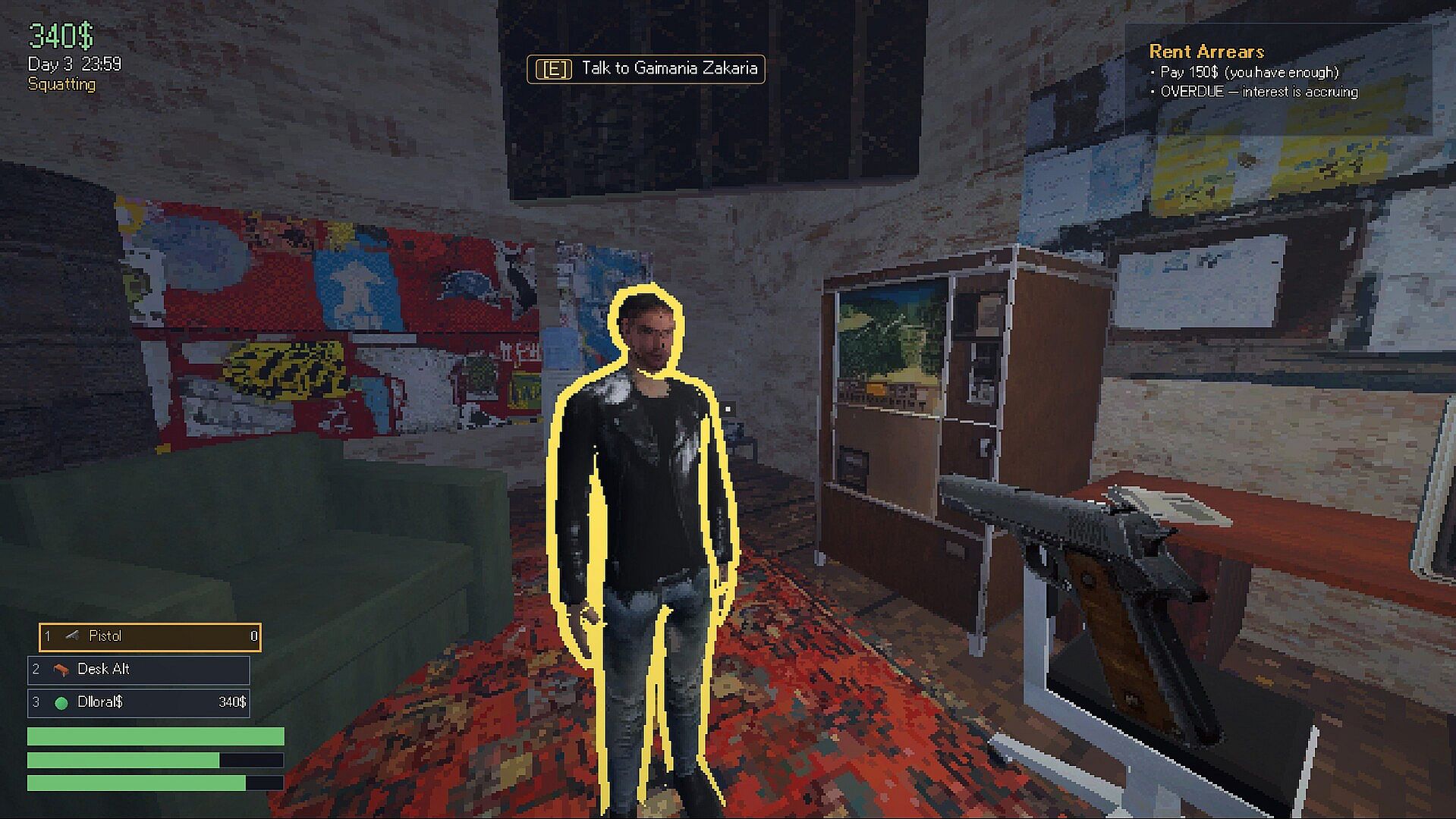
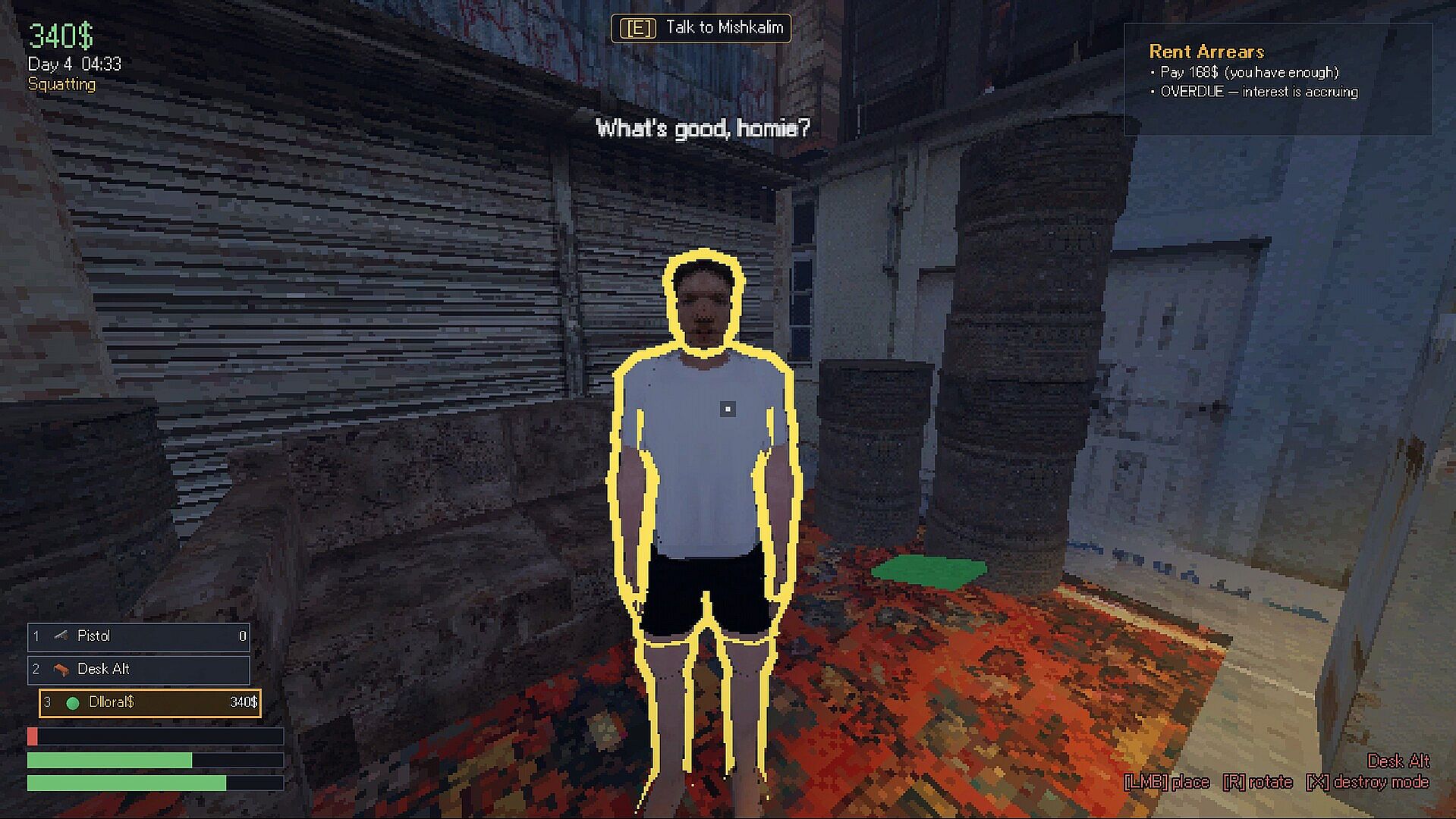
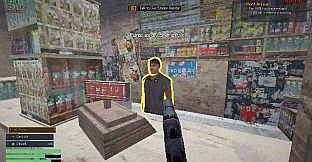
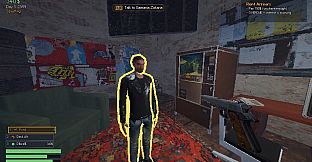
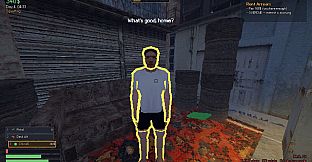
Networking forms another central element. Interactions with various characters open new paths for income and provide insights into the city's undercurrents. These encounters require careful navigation, as relationships with different groups can influence available options and risks.
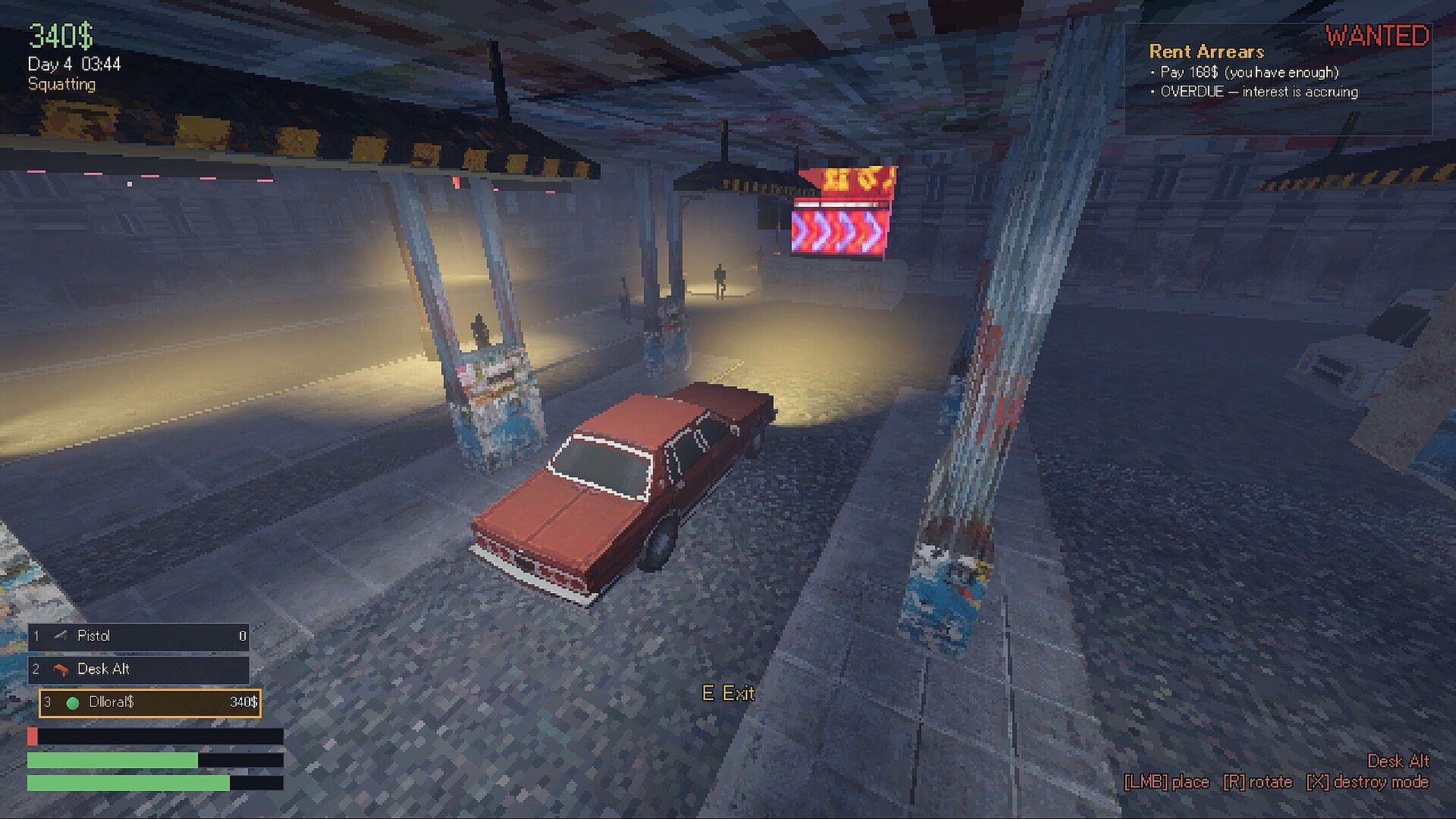
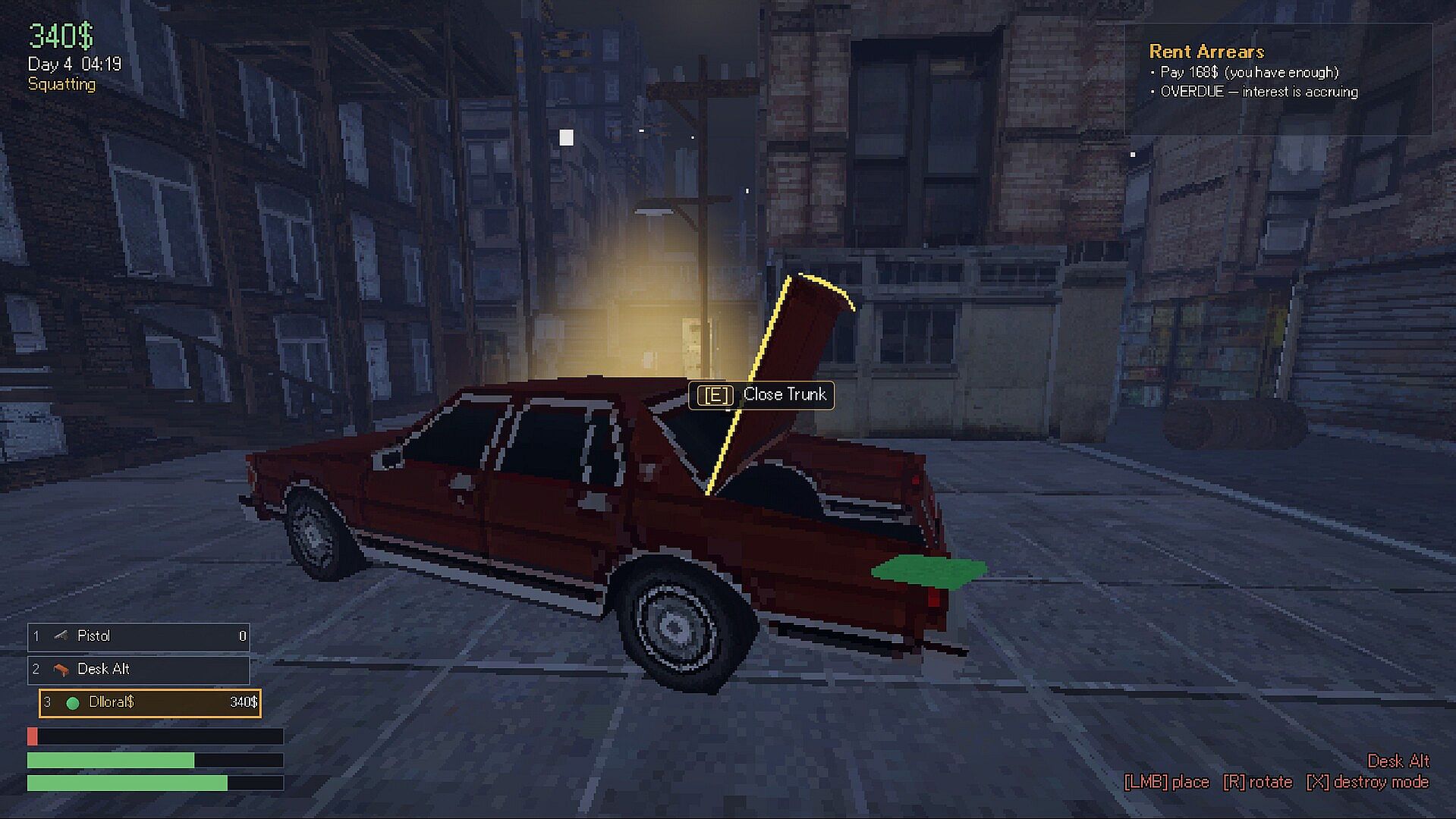
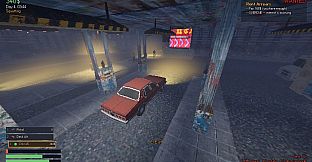
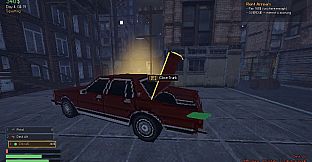
Transportation adds practical depth. Vehicles obtained through hijacking or lockpicking serve dual purposes: they enable longer-distance deliveries of goods and provide additional storage capacity during runs. Daily routines include personal touches, such as preparing morning coffee and customizing living spaces to suit individual preferences.
Game Modes
The game operates primarily as a single-player simulation without distinct named competitive or cooperative modes. Progression unfolds through open-ended daily activities focused on income generation, exploration, and personal upkeep in the city environment. Players balance immediate survival needs with longer-term efforts to expand their options and secure stability.
Mechanics emphasize resource handling and environmental interaction over structured match-based play. Time spent managing an apartment, preparing for the day, and venturing out forms the rhythm of each session, with outcomes depending on choices in trading, crafting, and relationship building.
Key Mechanics and Systems
Inventory and trading systems encourage experimentation with found or crafted items. Some objects prove useful for direct sales, while others support indirect strategies such as gathering information or creating advantages in dealings with contacts. This layer ties into the broader goal of sustaining oneself and supporting others in the household.
Vehicle use integrates seamlessly into traversal and logistics. Cars facilitate movement across the city and act as mobile storage, reducing the limitations of carrying capacity during extended outings. The risk of encounters with authorities or rival groups adds tension to these activities.
Customization extends to the living space, where players can arrange their apartment according to taste. This feature provides a contrast to the external pressures of the streets and reinforces the personal stakes involved in maintaining a base of operations.
Is It Worth Playing?
HOOD suits players interested in indie simulation experiences that combine urban survival elements with management and light role-playing aspects. The focus on income streams, networking, and day-to-day decisions creates a grounded loop without reliance on combat or large-scale conflicts.
Those drawn to systems involving inventory handling, vehicle logistics, and apartment personalization will find consistent engagement through repeated play sessions. The absence of confirmed multiplayer features or seasonal updates keeps the emphasis on solo progression and personal strategy.
Overall, the game appeals to fans of simulation titles who value detailed resource and relationship mechanics in a contemporary city setting. It offers a straightforward yet layered approach to building stability amid external pressures, making it a consideration for anyone seeking this specific style of gameplay.