






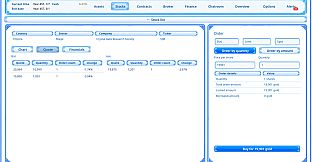
Home Trading Simulator is an indie simulation game centered on fantasy stock market trading. Players analyze companies, manage positions and contracts, and compete for net worth in sessions that blend fundamental research with timing and risk management.
Gameplay
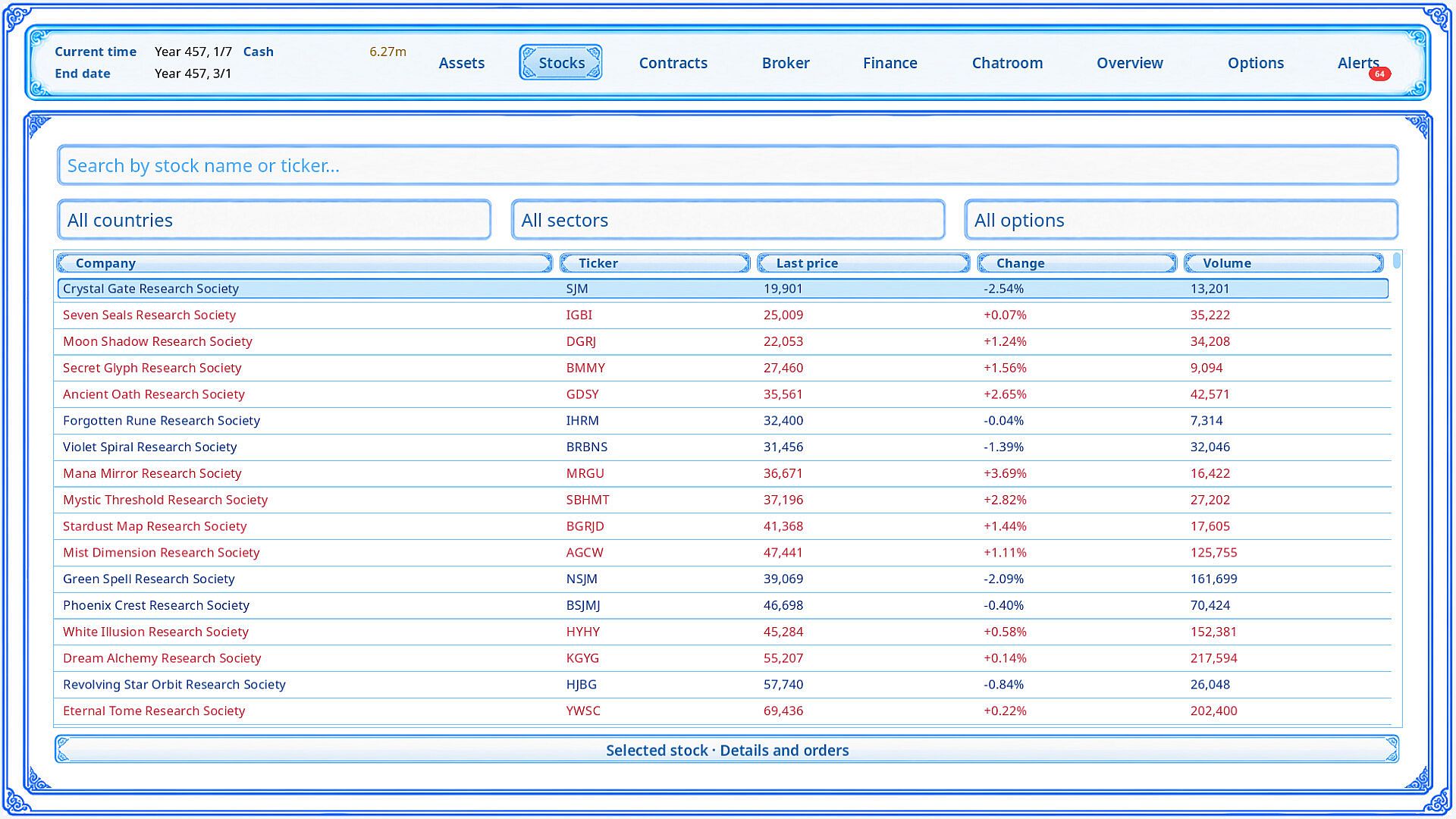
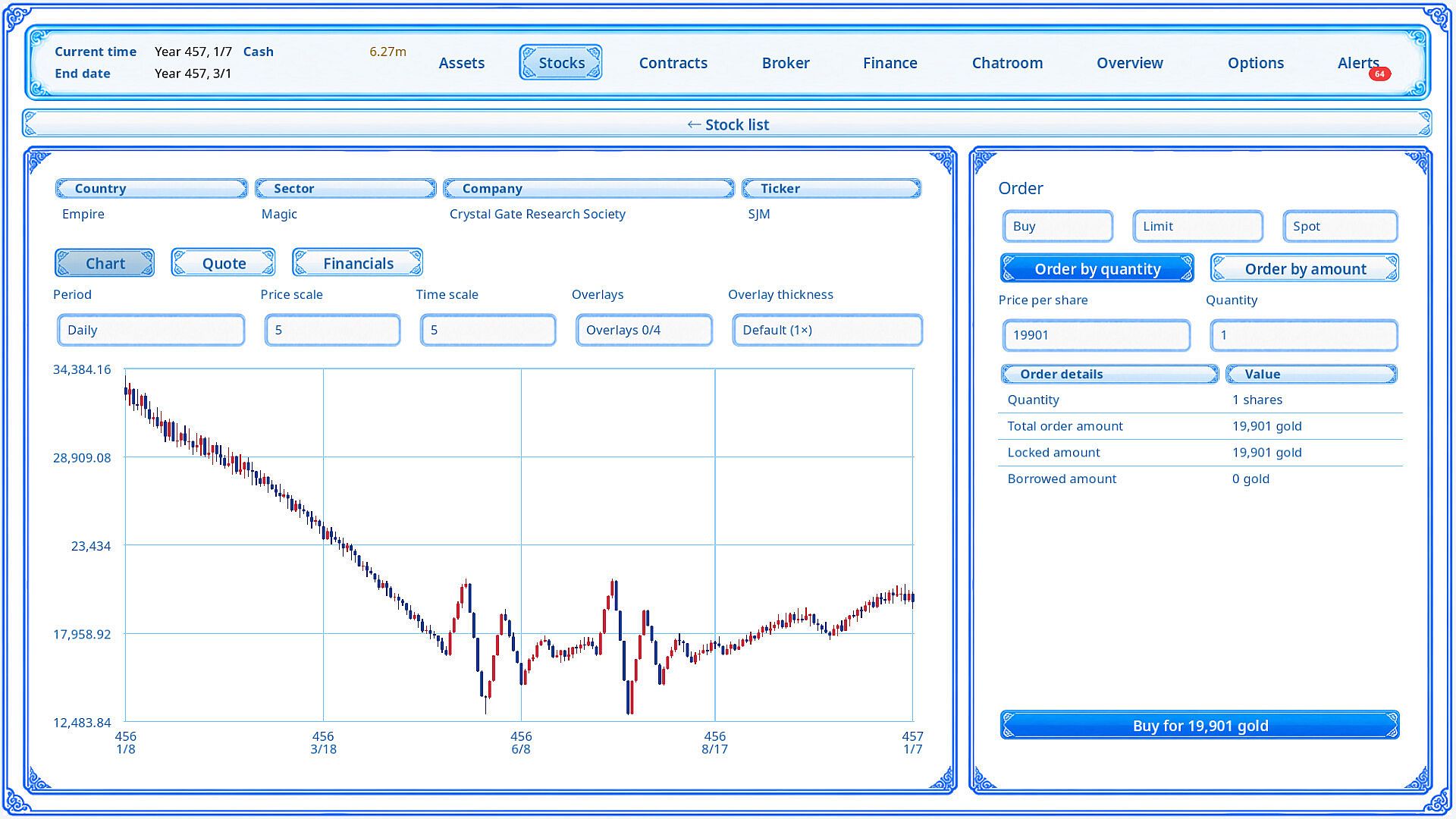
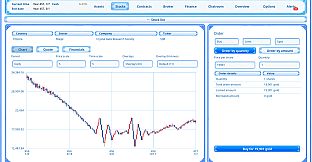
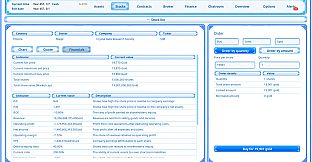
The core loop revolves around exploring a market of 500 companies across ten industries and five fantasy nations. Search by name or ticker to compare businesses in sectors such as healthcare, mining, magic, and transportation. AI investors maintain market activity while players study candlestick charts, adjust time periods, and apply technical overlays to generated price histories that begin each session.
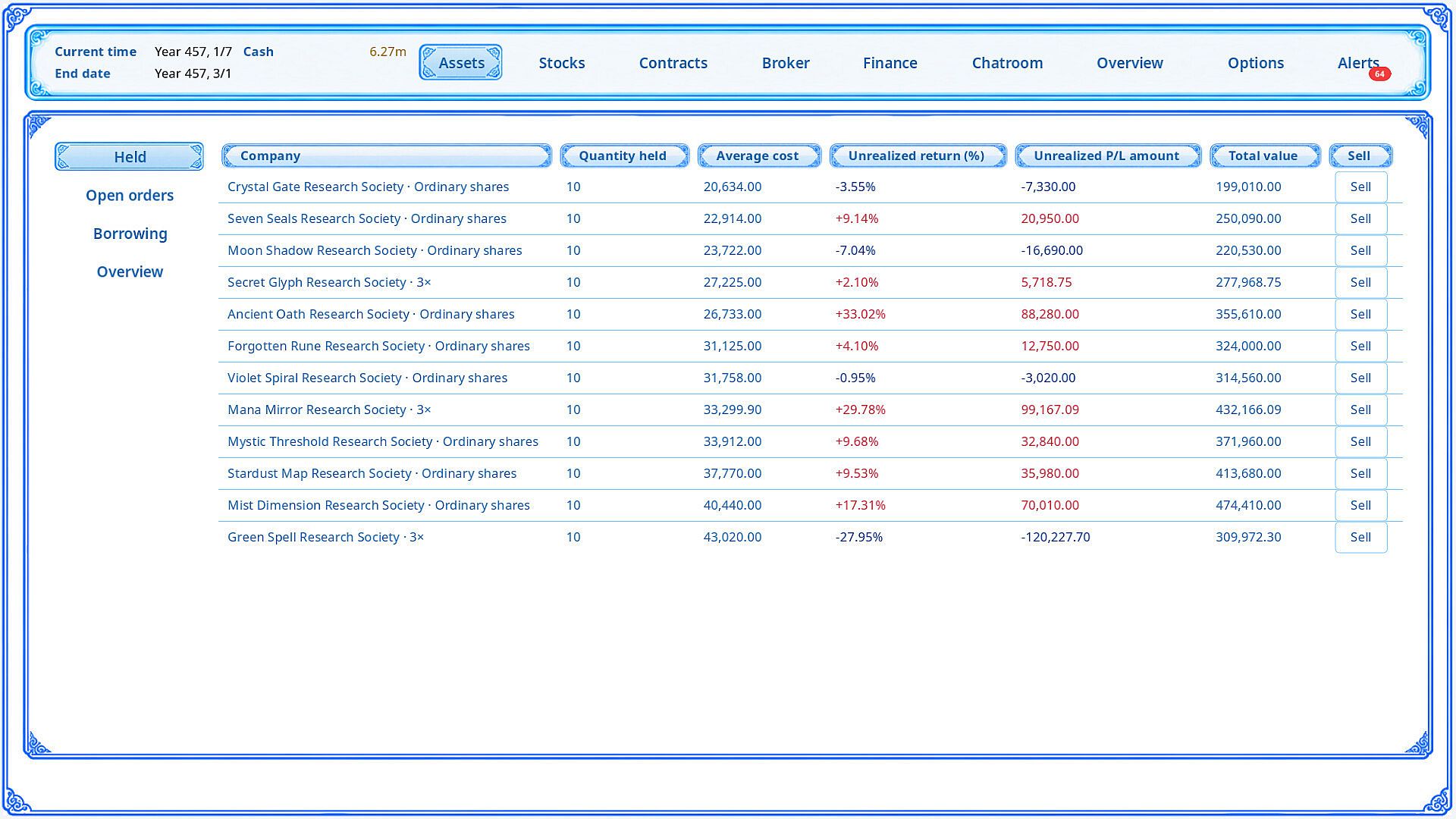
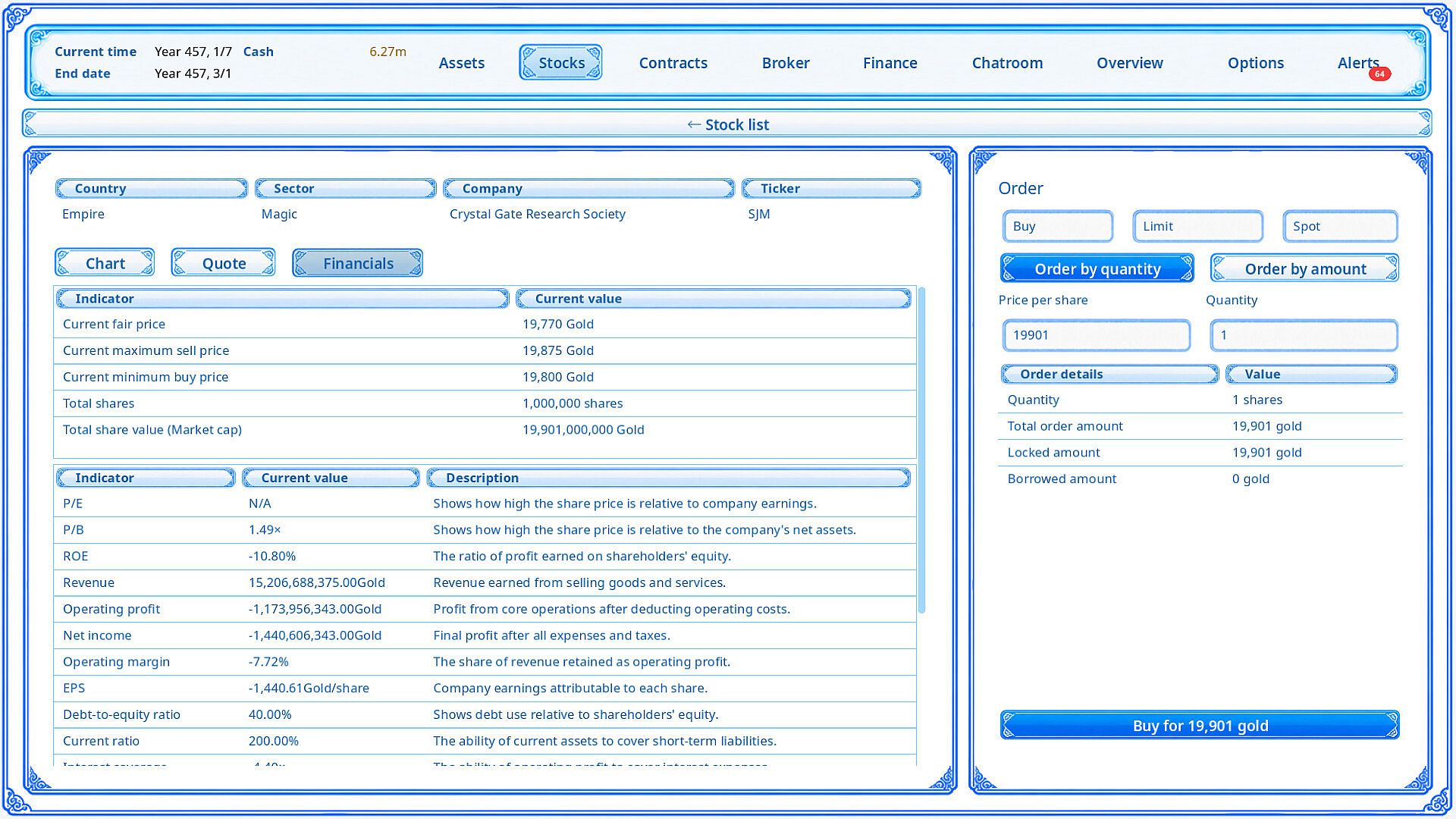
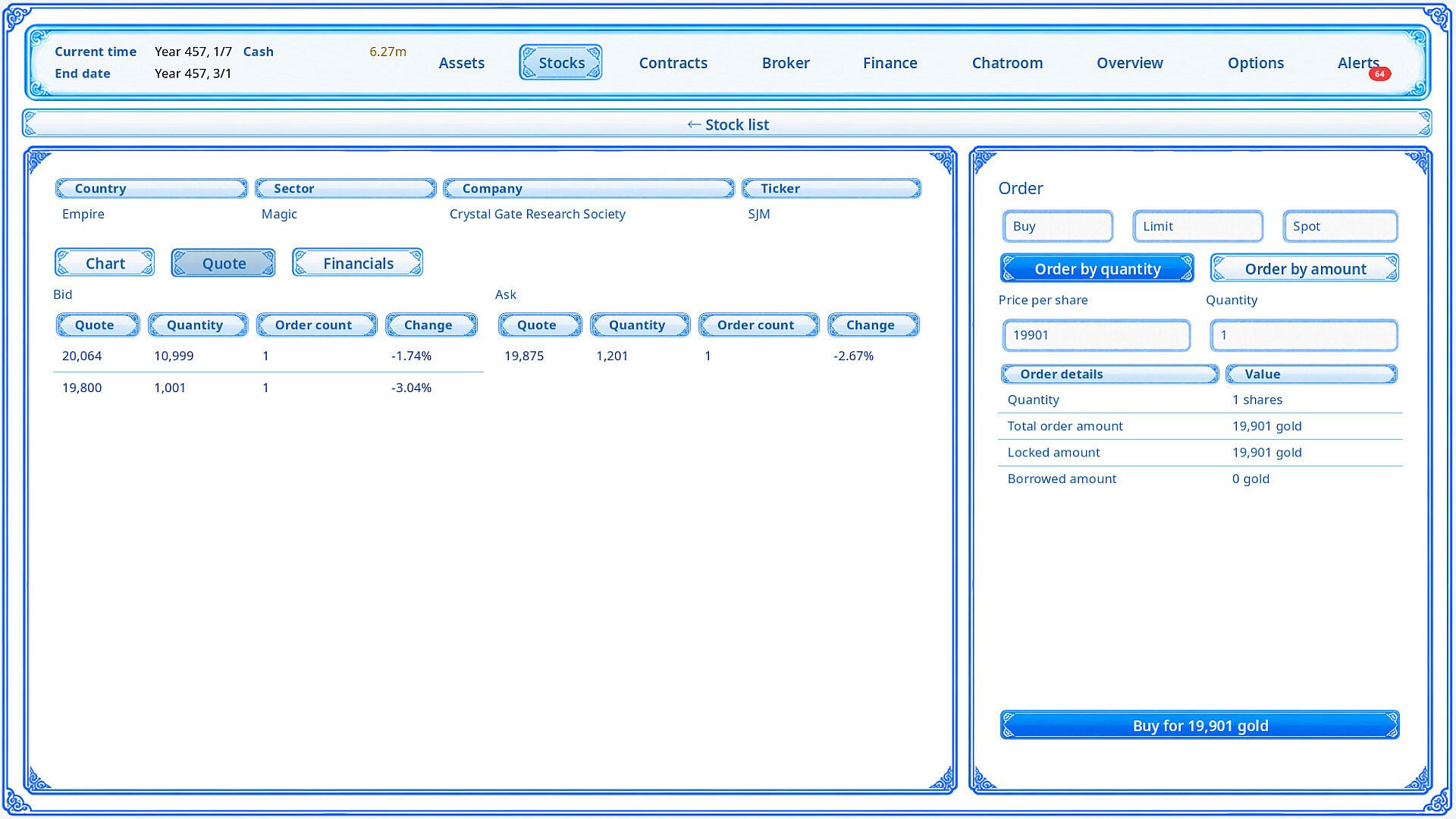
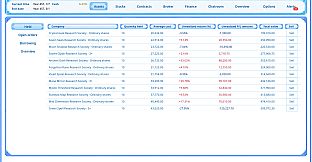
Order books display buy and sell levels for limit or market orders, with price protection limits on fills. Beyond price data, fifteen financial indicators including P/E ratio, P/B ratio, return on equity, earnings, and dividend yield provide context alongside news and momentum. Holdings tracking shows quantities, average costs, unrealized returns, and values, with options for ordinary shares or multiplier positions that amplify price moves but decay over time.
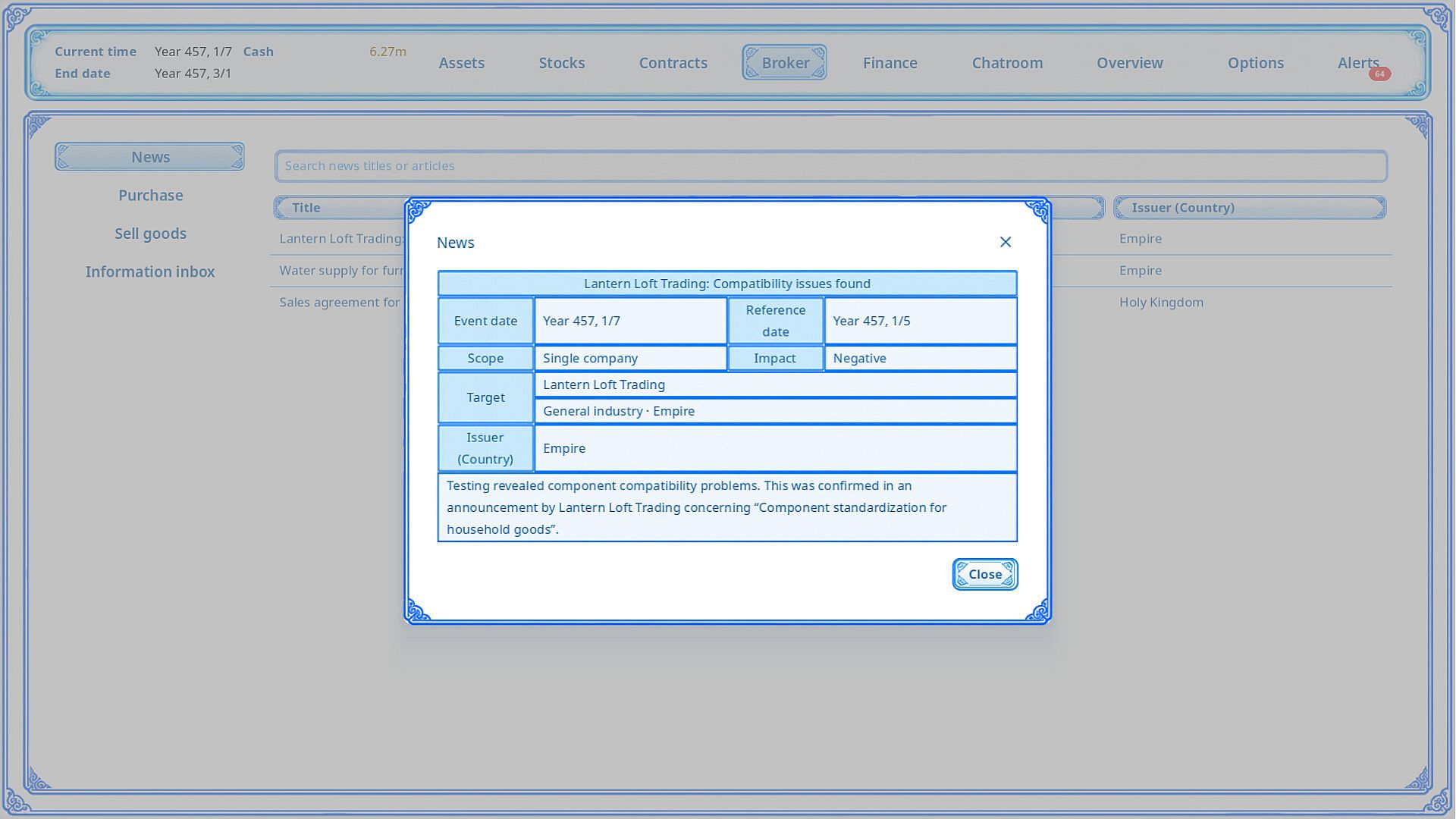
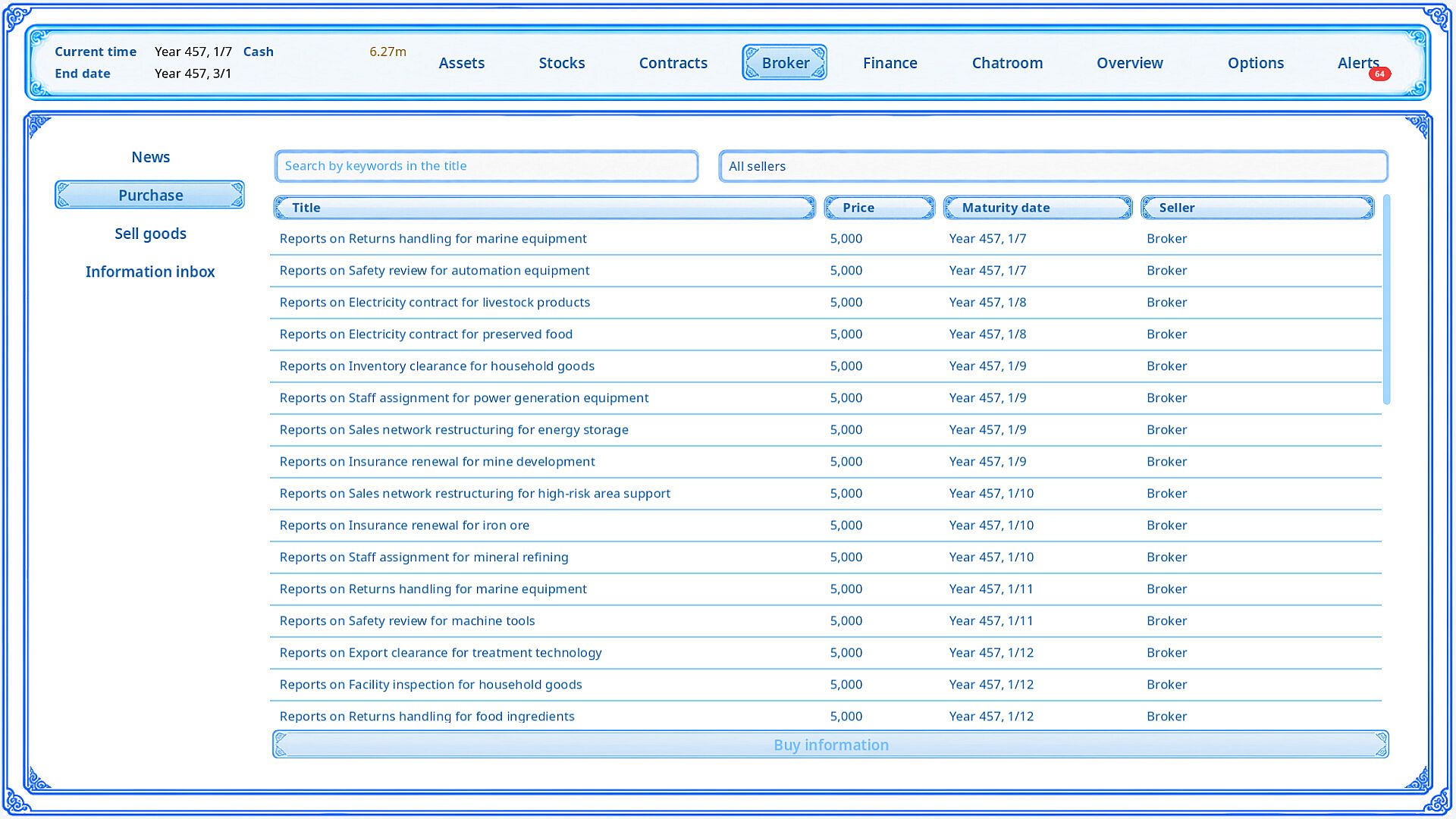
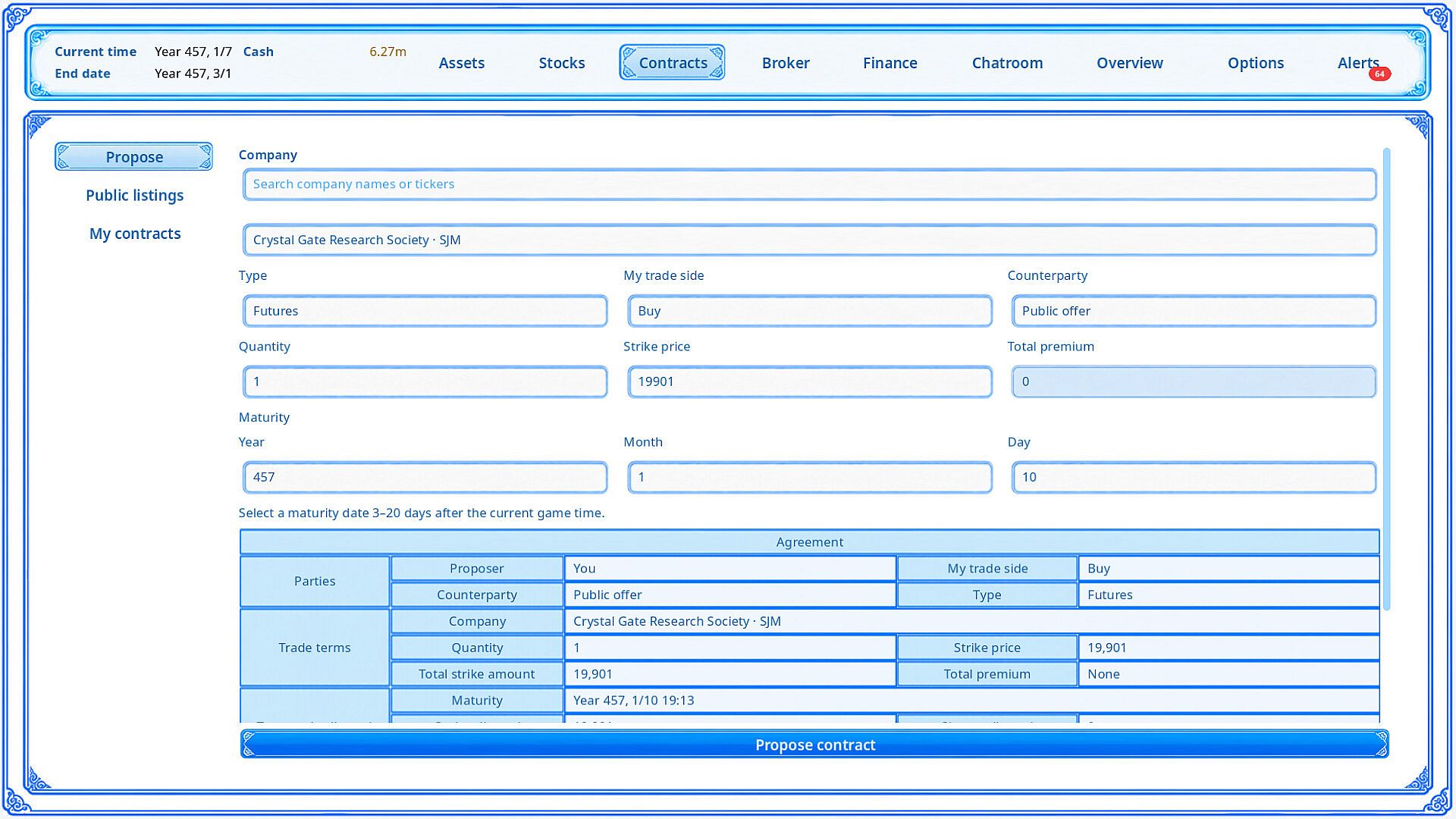
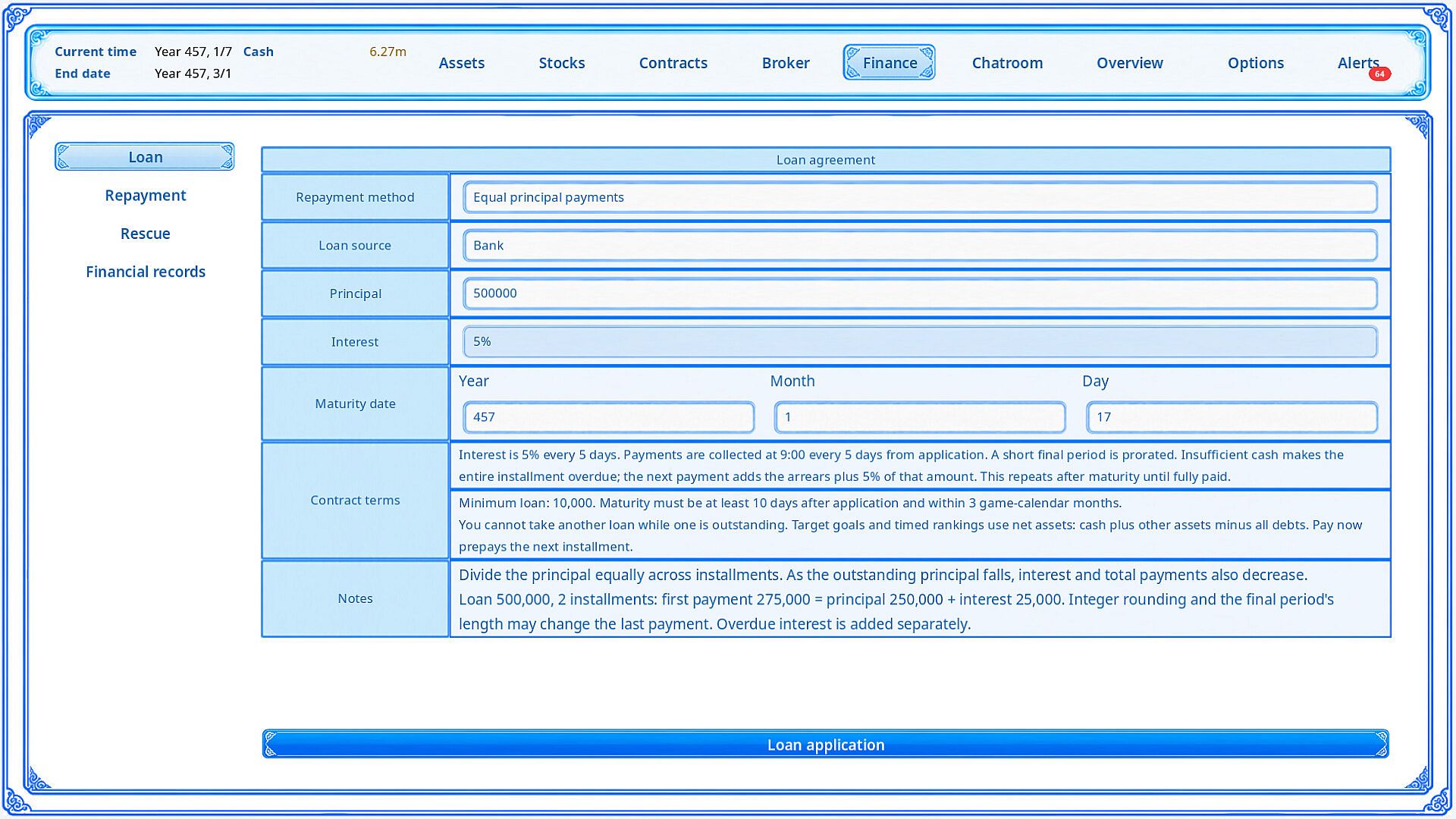
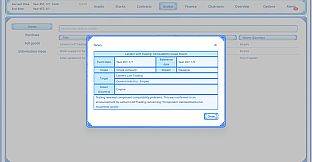
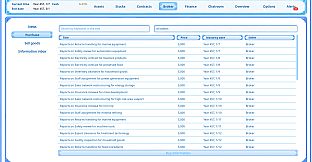
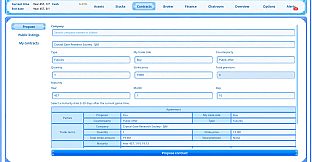
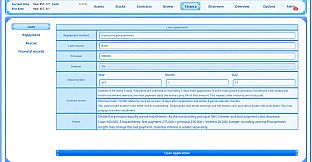
Additional layers include negotiating futures, calls, puts, or premium calls by setting company, direction, quantity, strike, and maturity. An information market lets players buy, read, and resell leads that may contain truths or falsehoods, with news events featuring separate occurrence and publication dates. Funding comes through loans with selectable repayment methods and schedules, including peer requests in multiplayer. The interface supports English, Korean, Japanese, Simplified Chinese, and Traditional Chinese.
Game Modes
Single-player sessions pit the player against configurable AI rivals. Settings include difficulty level, market population size, starting capital, and number of competitors. Local saves and pausing are available for flexible play.
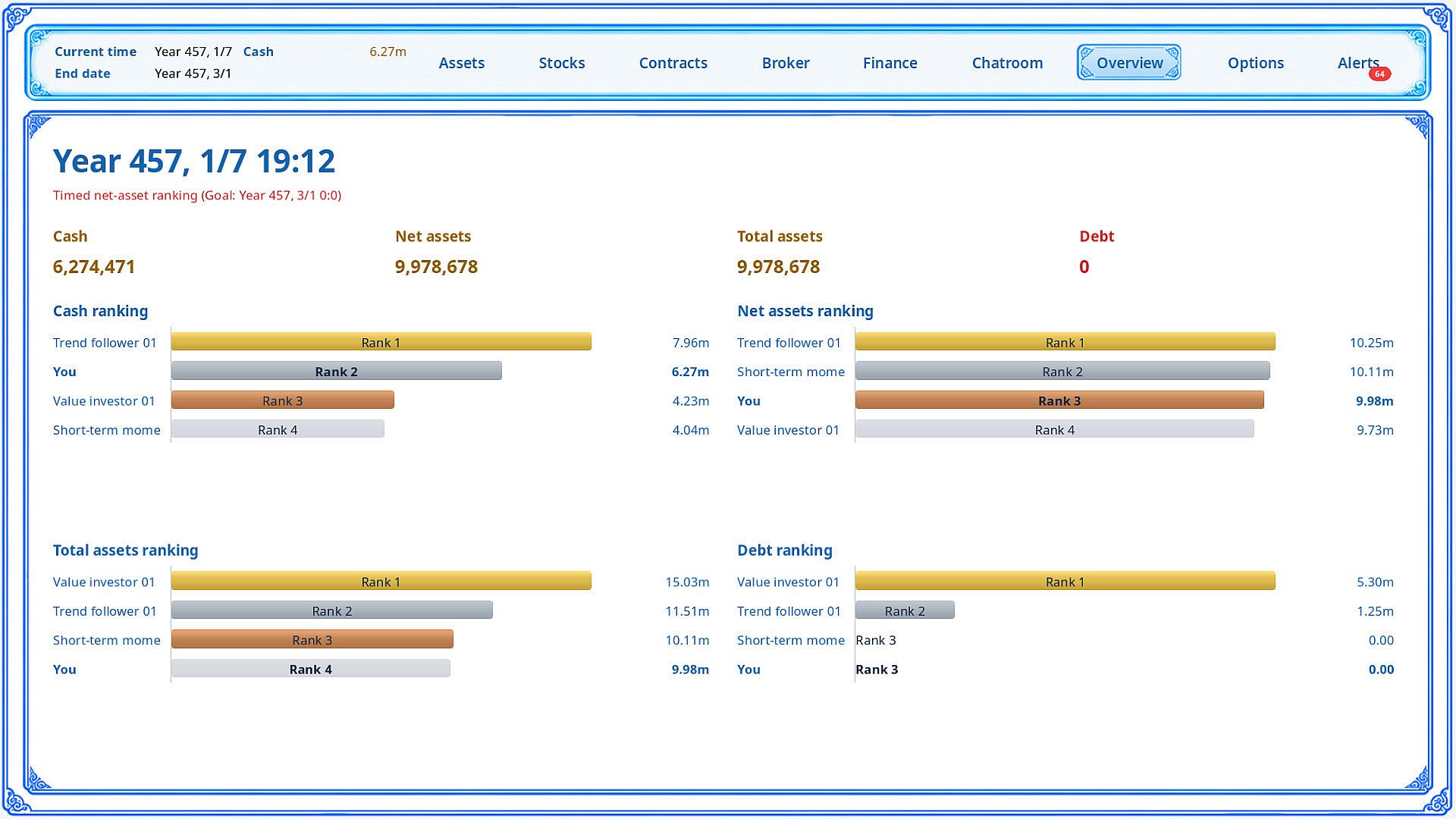
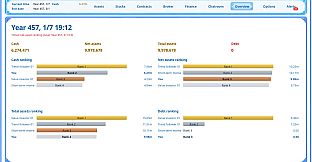
Multiplayer supports up to eight human participants in hosted sessions. Two competitive formats exist: a timed ranking based on net worth or a race to reach a target net worth. Participants review cash, assets, debt, and standings throughout. Sessions end when the host leaves.
Key Mechanics and Systems
Position management requires balancing ordinary shares against higher-risk multipliers while monitoring decay and obligations. Contract negotiation ties up cash and shares until maturity, demanding careful evaluation of commitments. Information trading adds a layer where leads lose value once public, forcing decisions on when to act or resell. Loan systems introduce debt management that alters available capital and risk exposure across both single-player and multiplayer contexts.
Is It Worth Playing?
Home Trading Simulator targets players interested in detailed stock market simulation with fantasy elements. Its systems emphasize research, order execution, derivatives, information asymmetry, and debt alongside direct competition. Single-player offers adjustable AI opponents and pause support for deliberate pacing. Multiplayer adds direct rivalry in net-worth contests. As an upcoming title planned for October 2026 with no released version yet, prospective players can assess fit based on the described mechanics for solo analysis or small-group sessions. The combination of financial indicators, chart tools, and contract types provides depth for those who enjoy simulation focused on decision-making under uncertainty.