









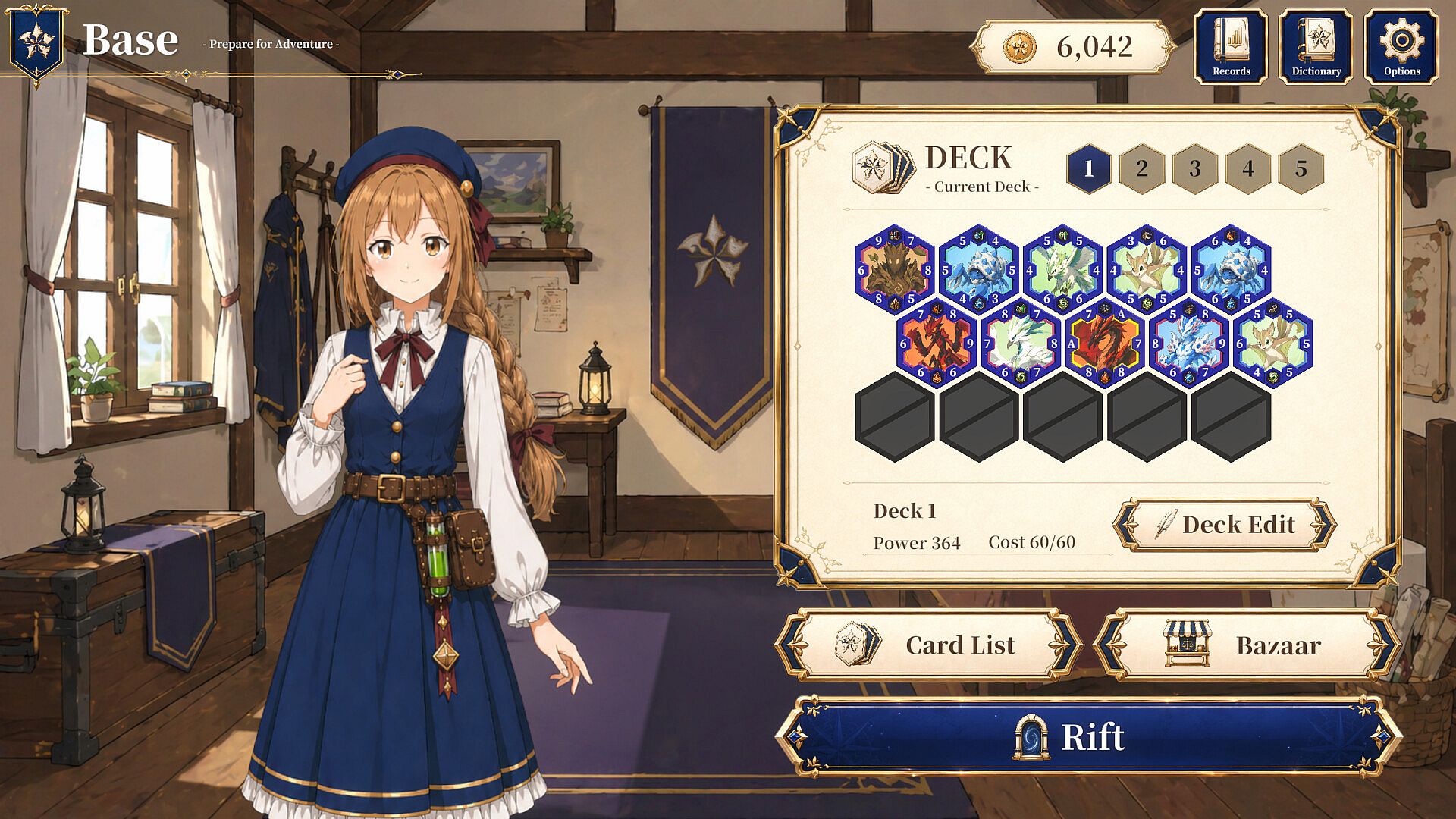
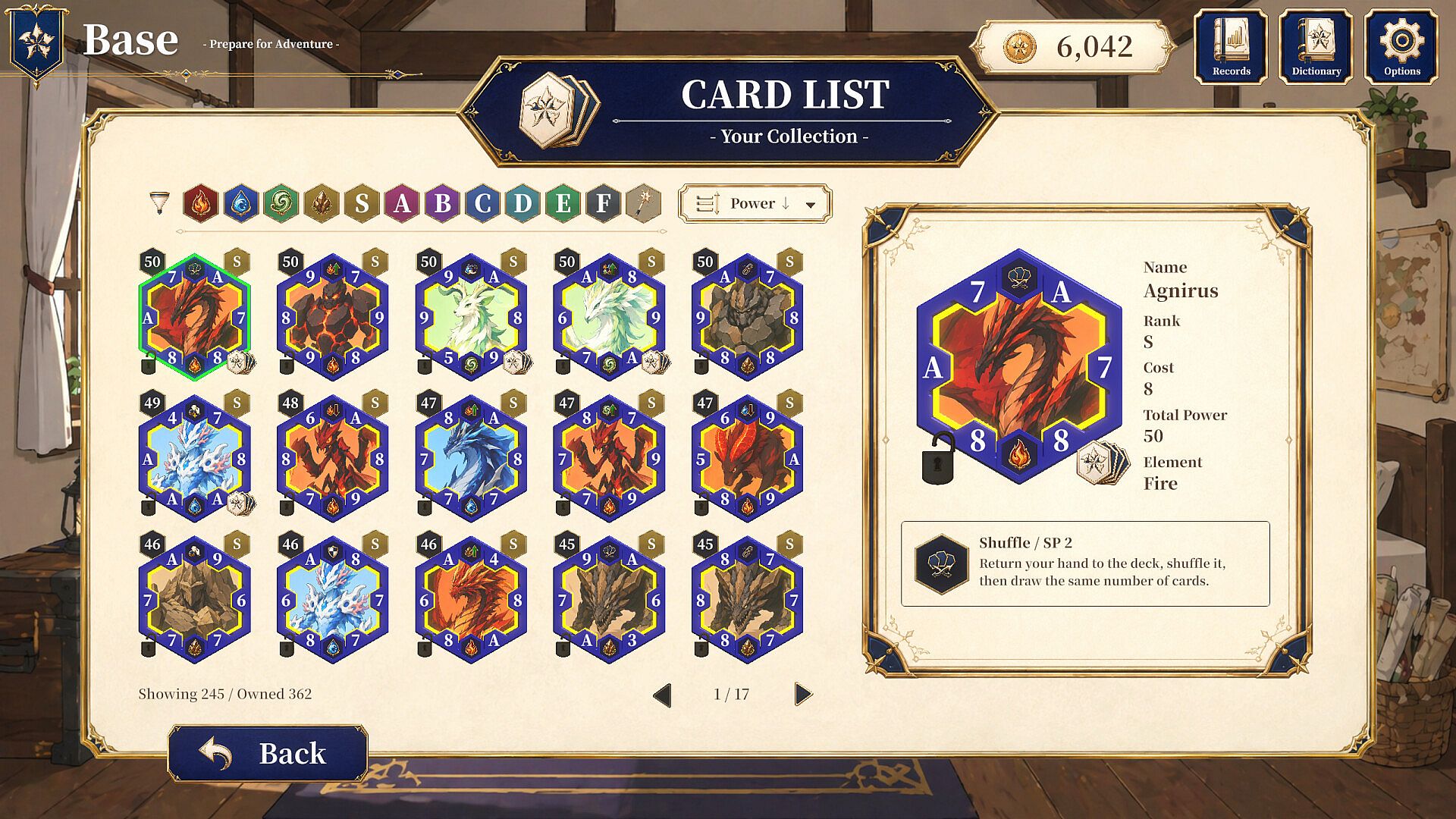
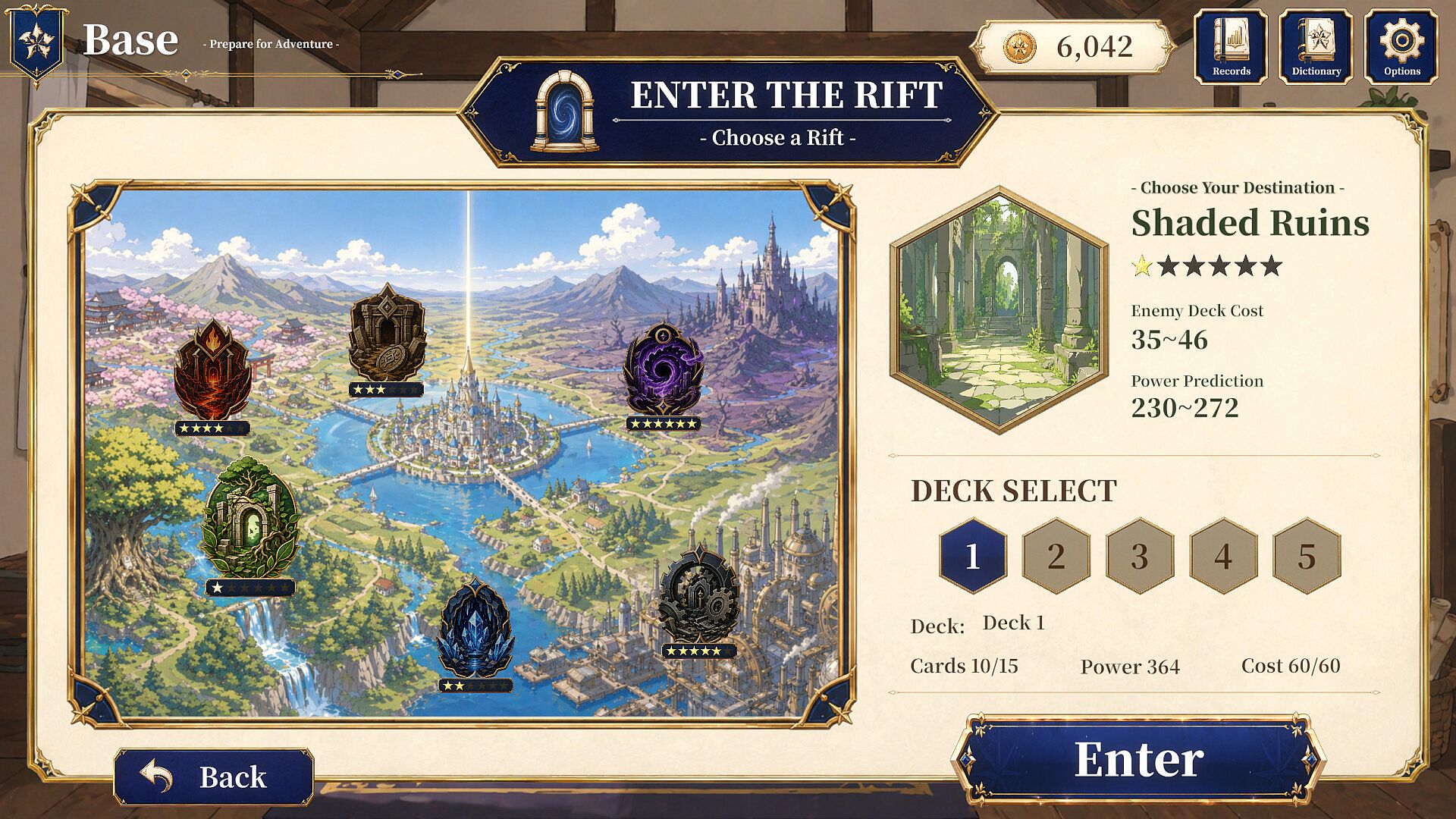
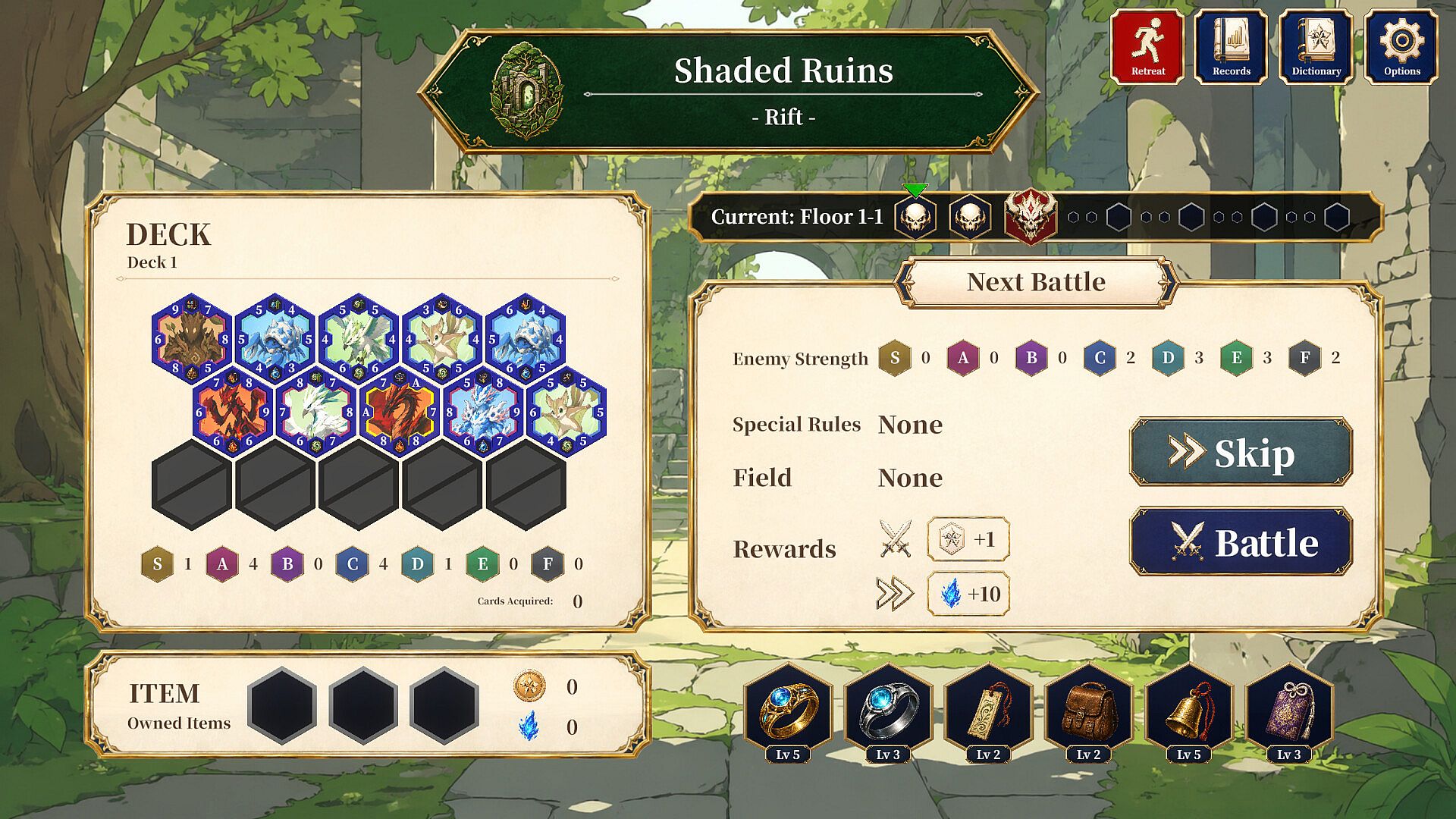
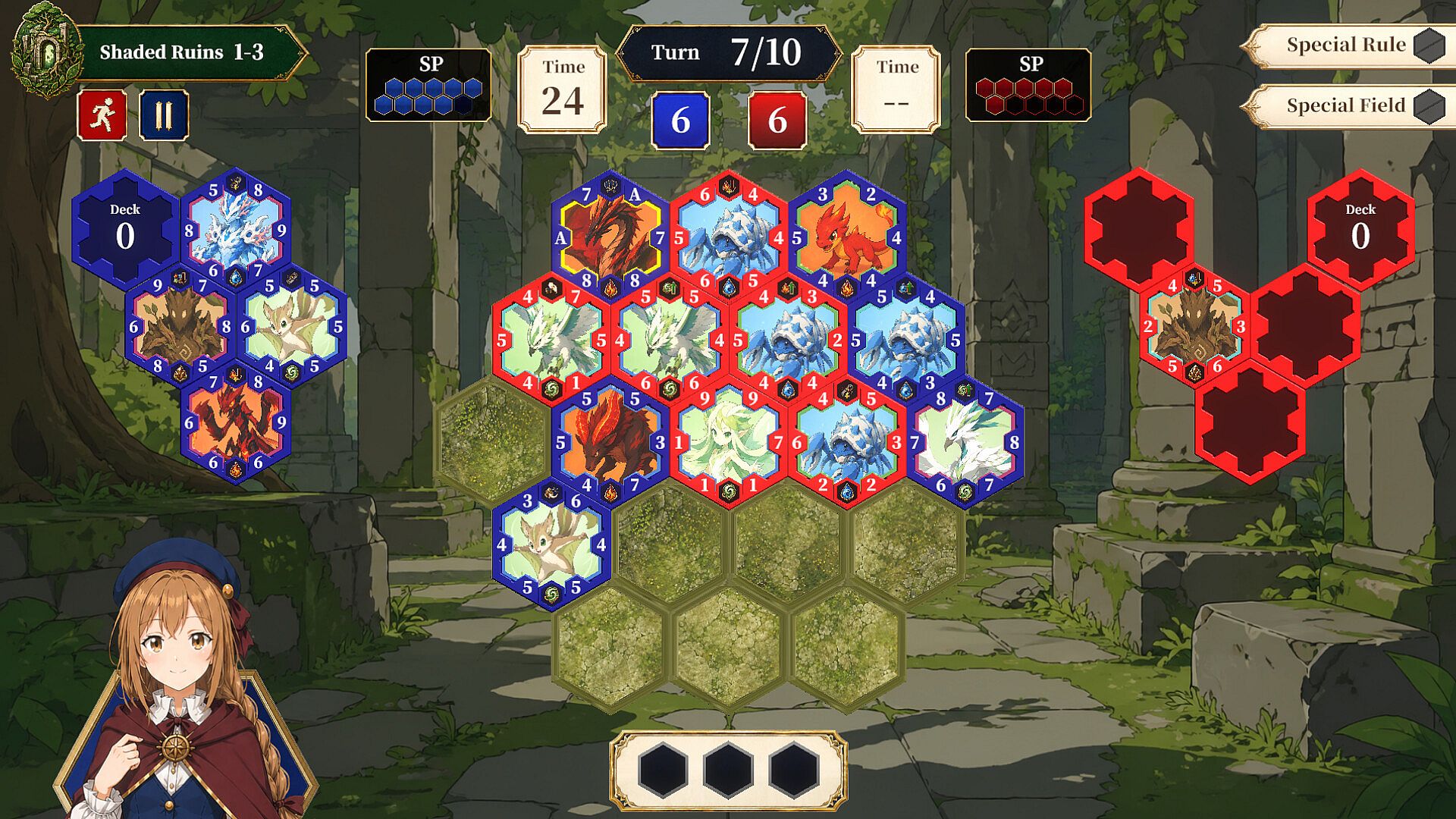

Hex Reverse is a single-player strategy card game that blends territory control on a hexagonal grid with roguelike deckbuilding. Players place cards with six edge values to flip opponents and claim spaces across a compact 19-hex battlefield. The experience centers on careful positioning, deck adaptation during runs, and permanent progression between attempts.
Gameplay
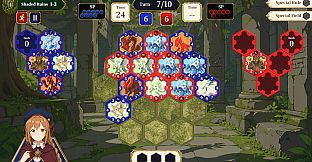
Battles unfold on a fixed field of 19 hexagonal spaces. Each turn a player places one card from their hand. Every card carries six numerical values, one per side. When two cards share an edge, the higher value on the touching sides determines the outcome. The lower card flips to the winner's control. This simple comparison drives the entire contest, rewarding players who read the board state and anticipate chain reactions from multiple adjacent placements.
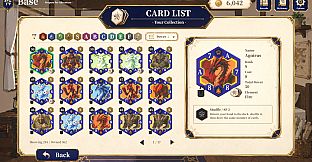
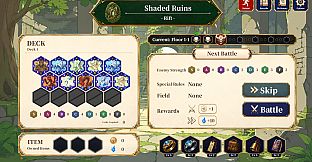
Cards extend beyond raw numbers. They carry elements and skills that consume SP to activate. Skills can boost friendly cards, shift elements mid-battle, weaken enemy values, draw extra cards, or reshape the field. Special battle conditions and unique field rules further modify these interactions, requiring fresh tactical adjustments each encounter. Positioning remains critical because a single well-placed card can trigger multiple flips and secure large portions of the board in one move.
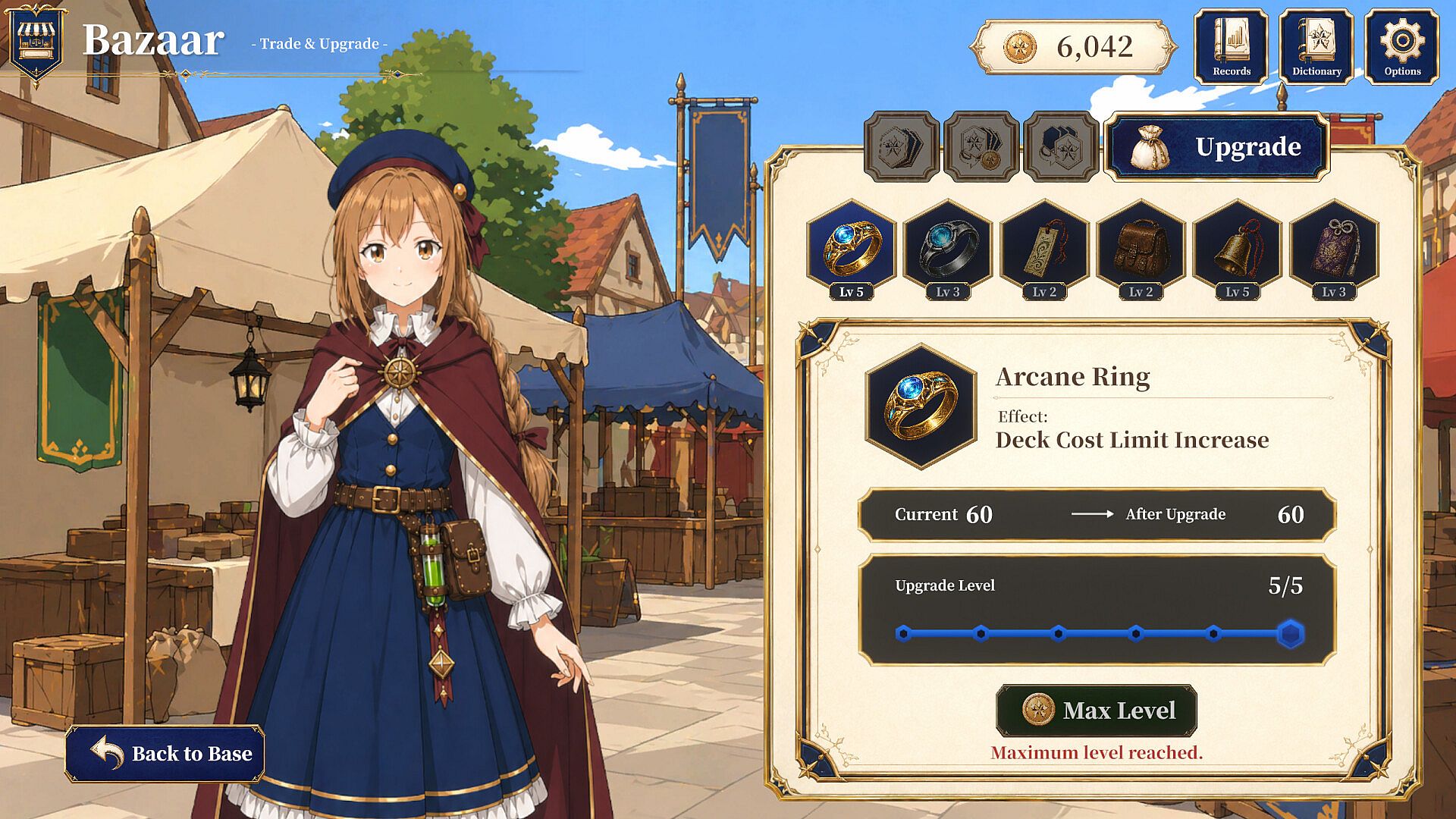
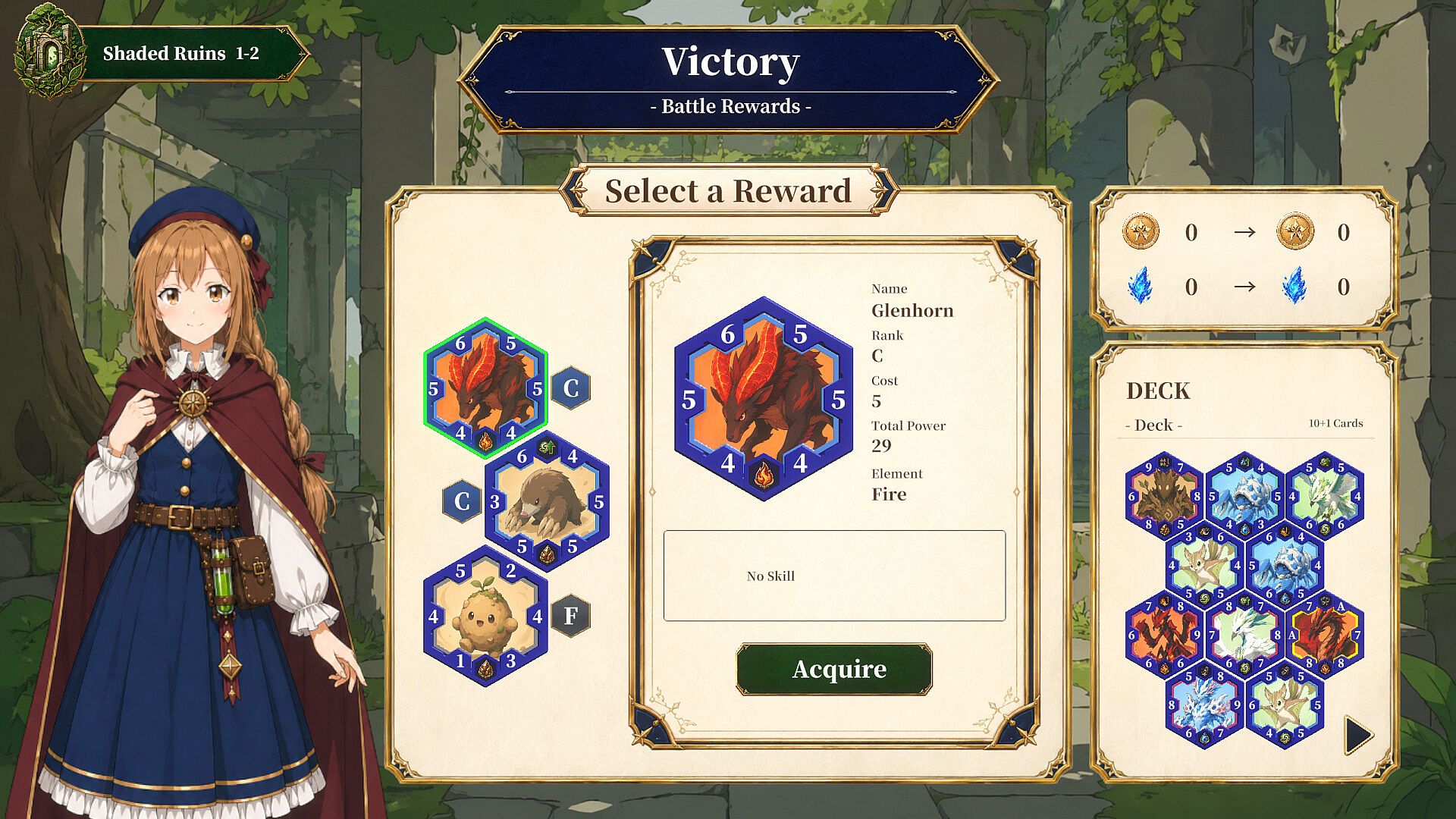
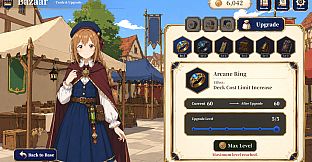
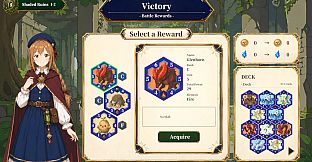
Deck construction happens organically inside each run. After every victory the player selects one card from a small pool drawn from the defeated opponent's collection. That card joins the active deck immediately and stays available for subsequent battles. Choices accumulate, so the deck evolves to counter the challenges ahead. Between runs the player returns to a base area to manage a permanent collection, buying, selling, fusing cards, and upgrading equipment that carries forward across expeditions.
Game Modes
The core experience consists of roguelike runs made up of sequential battles. Each run begins with a starting deck and ends when the player either clears the sequence or is defeated. Success grants the opportunity to add opponent cards, reshaping strategy for the next fight. Field conditions and special rules vary between battles, forcing adaptation without altering the fundamental placement and flip mechanics.
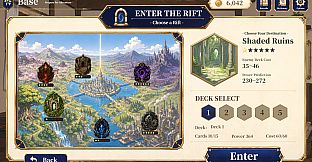
After runs conclude, players tackle increasingly difficult Rifts. These serve as extended challenges that test refined decks and upgraded equipment against tougher opposition. No separate multiplayer or versus modes exist; the entire structure remains single-player focused on repeated runs and collection growth.
Progression and Strategy
Permanent upgrades come from the base area where saved decks can be refined, cards bought or sold, and fusions performed to create stronger versions. Equipment upgrades provide lasting benefits that improve future runs. This layer separates Hex Reverse from pure roguelikes by offering measurable advancement outside individual attempts. Players who experiment with different card combinations and skill activations discover synergies that carry through multiple expeditions.
Strategic depth arises from the interplay of placement timing, SP management, and element interactions. A card strong on paper may underperform if placed without supporting flips or if an opponent exploits its weak sides. Reading the board for potential chain reactions becomes as important as the raw values themselves. The limited board size keeps every decision high-impact while still allowing room for long-term planning across a full run.
Is It Worth Playing?
Hex Reverse targets players who enjoy deliberate, turn-based strategy with deckbuilding elements. The compact battlefield and direct comparison mechanics deliver clear cause-and-effect feedback on every placement. Those who appreciate roguelike progression will find value in the evolving decks and the permanent collection that grows between runs. The free launch window lets anyone add the game to their library during the first 30 days and retain access after it switches to paid pricing, lowering the barrier for trying the full experience.
Because the game emphasizes single-player runs and collection building rather than competitive ladders or frequent content drops, it suits steady, self-paced play sessions. Players comfortable with reading board states and adapting to shifting conditions will likely find the core loop satisfying. Those seeking fast action or social features may prefer other titles. The verified mechanics and focused scope make it a clear choice for fans of territory-control card games who want roguelike depth without overwhelming complexity.
