







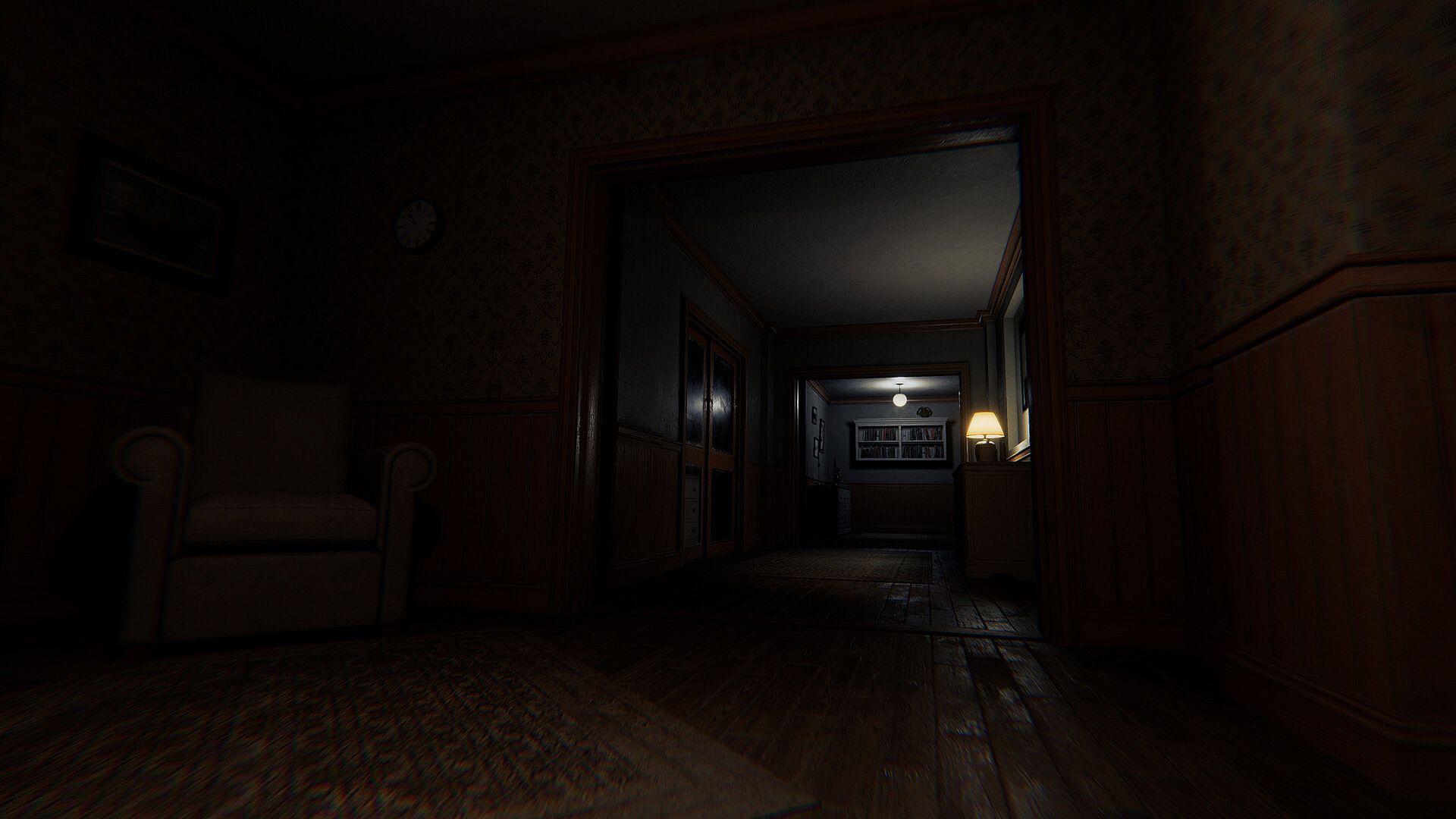
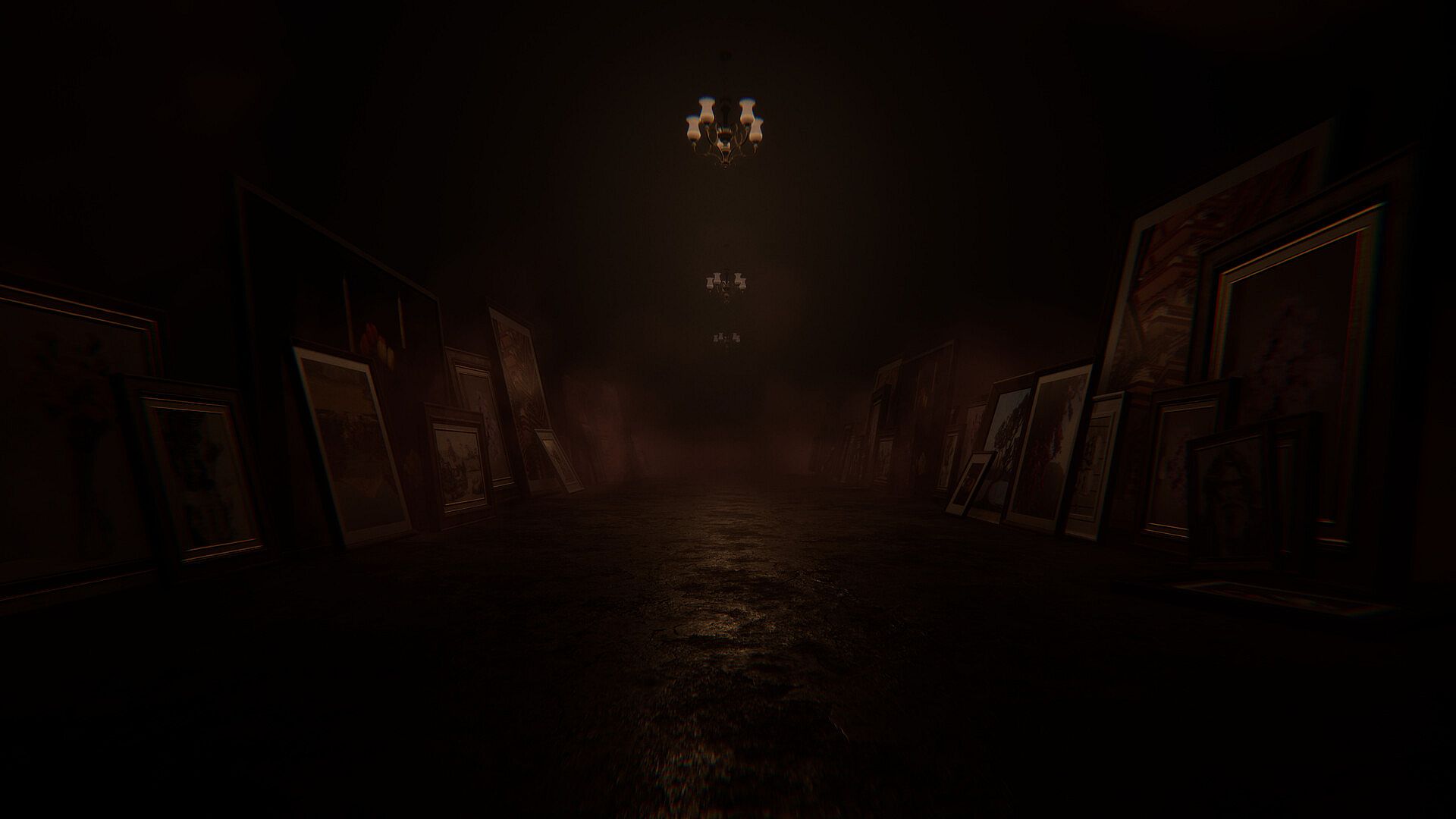
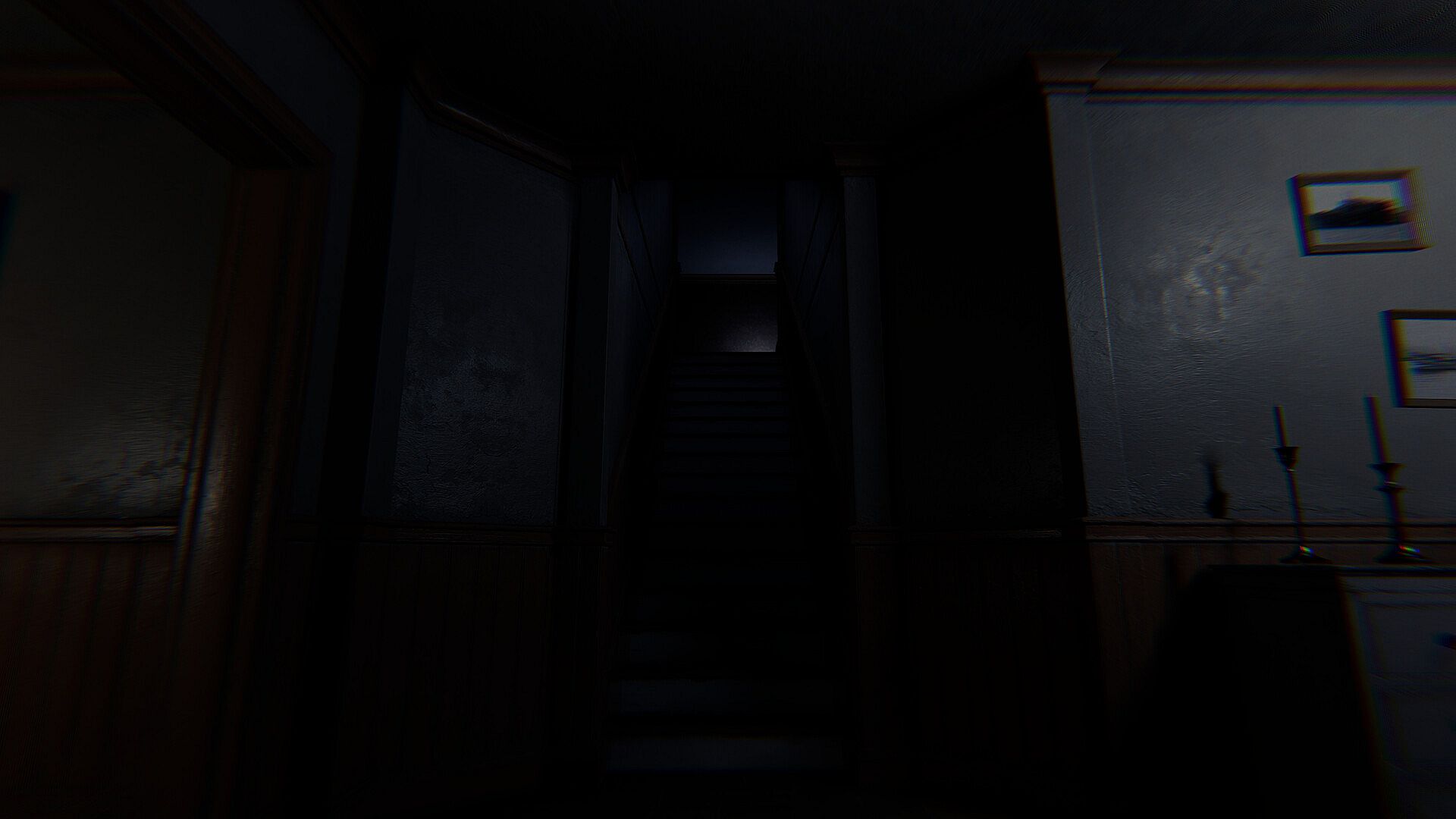
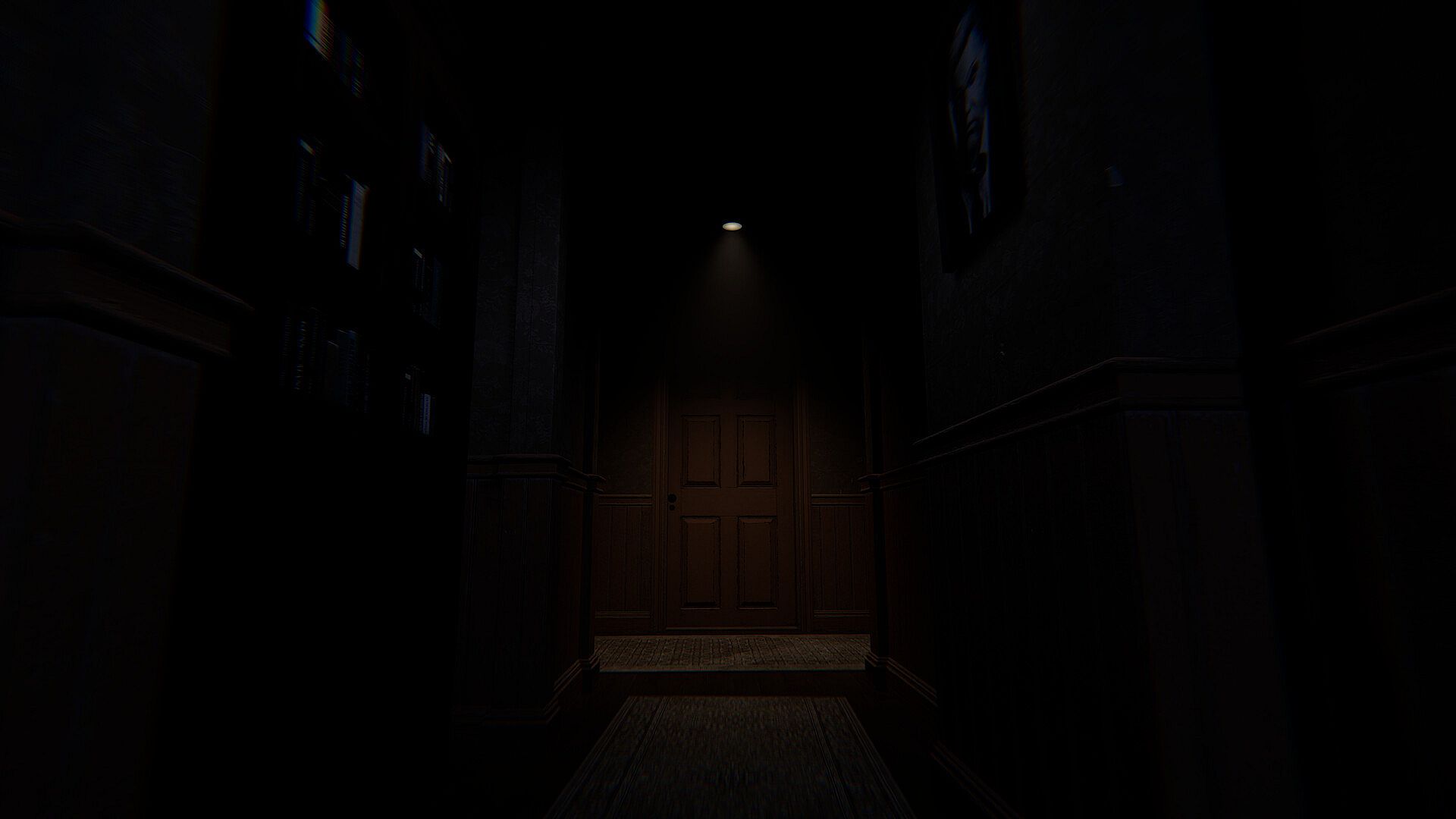
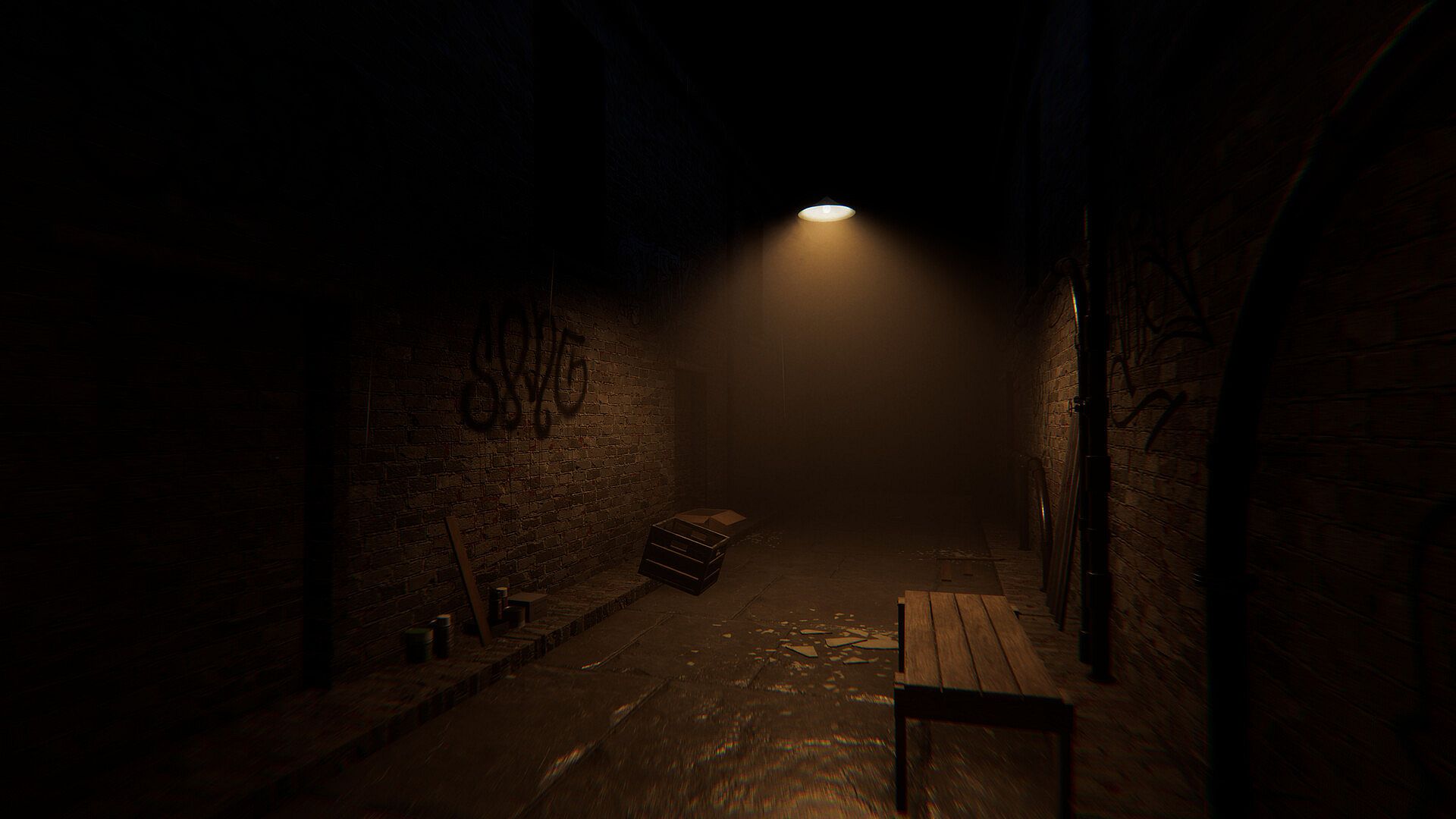
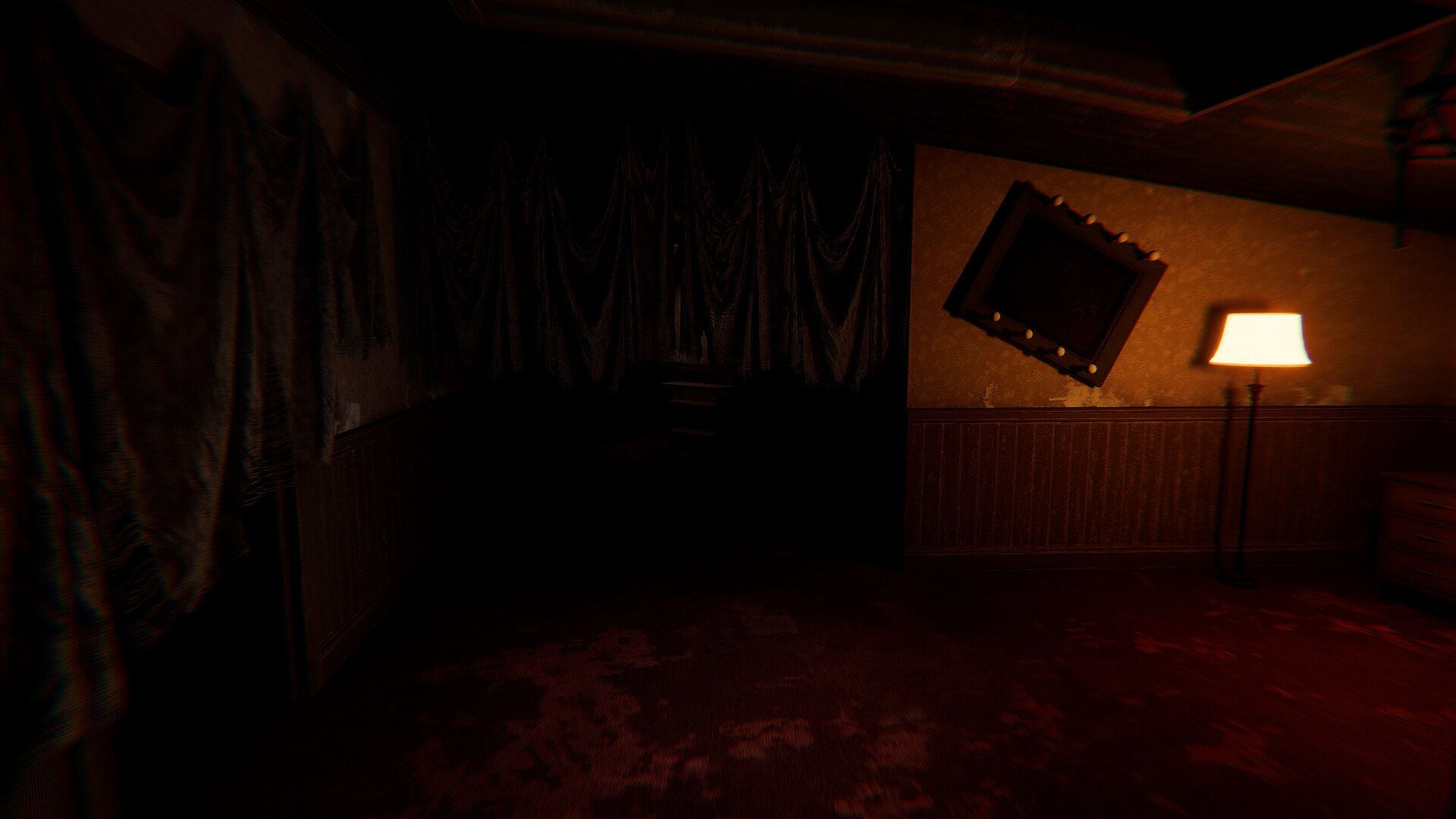
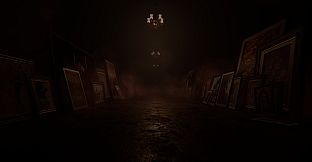
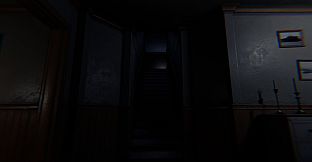
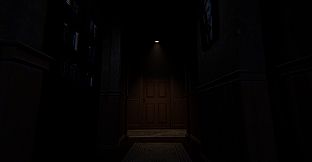
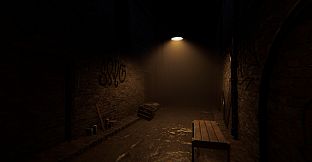

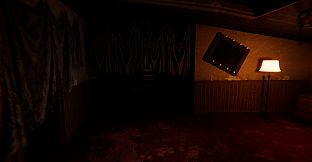
Henry - Behind Closed Doors is a first-person psychological horror adventure game set on PC. Players take on the role of Henry, who awakens to find himself trapped inside his own home with no clear way out. The experience centers on uncovering layers of a disturbing narrative through careful observation and interaction with the environment.
Gameplay
The core loop revolves around exploration within a confined domestic space that shifts over time. Henry moves through rooms and hallways, inspecting everyday items and personal belongings to gather information. Diaries and scattered objects provide fragments of context about the protagonist and his family, gradually building a picture of events that led to the current situation. The house itself feels alive in subtle ways, with locked doors and altered layouts forcing players to revisit areas and reconsider what they have already seen. Tension builds through atmosphere rather than direct confrontation, as the player pieces together whether the unfolding events represent reality or something more dreamlike. Controls emphasize deliberate pacing, encouraging close examination of details that might otherwise go unnoticed in a standard walking simulator.
Game Modes
The game operates as a single-player experience with no separate modes or multiplayer components. Progress unfolds through sequential exploration and discovery sessions, where each new area or change in the house reveals additional story elements. Players advance by collecting and interpreting clues rather than completing discrete objectives or competing against others. The structure remains linear in its narrative delivery while allowing freedom to examine items in any order within the available spaces.
Story and Atmosphere
A personal account opens the experience, describing repeated awakenings and a growing sense of unease as familiar surroundings turn unfamiliar. Shadows lengthen, doors that once opened freely now remain sealed, and an unseen presence seems intent on keeping Henry inside. The narrative expands beyond the immediate predicament to touch on family history and hidden truths that the house conceals. Environmental storytelling carries much of the weight, with changes in lighting, object placement, and room configurations reinforcing the psychological pressure. The question of reality versus nightmare lingers throughout, inviting players to form their own conclusions as more details surface.
Is It Worth Playing?
This title suits players who enjoy slow-burn psychological horror focused on investigation and narrative discovery rather than combat or fast action. The emphasis on reading diaries and examining objects creates a methodical pace that rewards attention to detail. Those drawn to stories about isolation, family secrets, and shifting perceptions of reality will find the premise engaging. The ever-changing house mechanic adds replay interest for those who want to catch subtle differences on subsequent playthroughs. Availability on PC makes it accessible for anyone with a standard setup, and the adventure genre label aligns with its exploration-driven design. If the described style of atmospheric tension and clue gathering appeals, the game delivers a focused experience centered on those elements.