


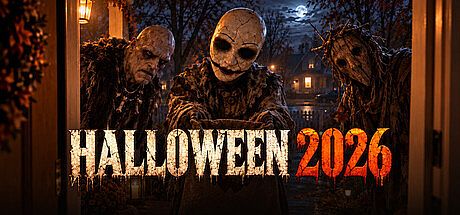




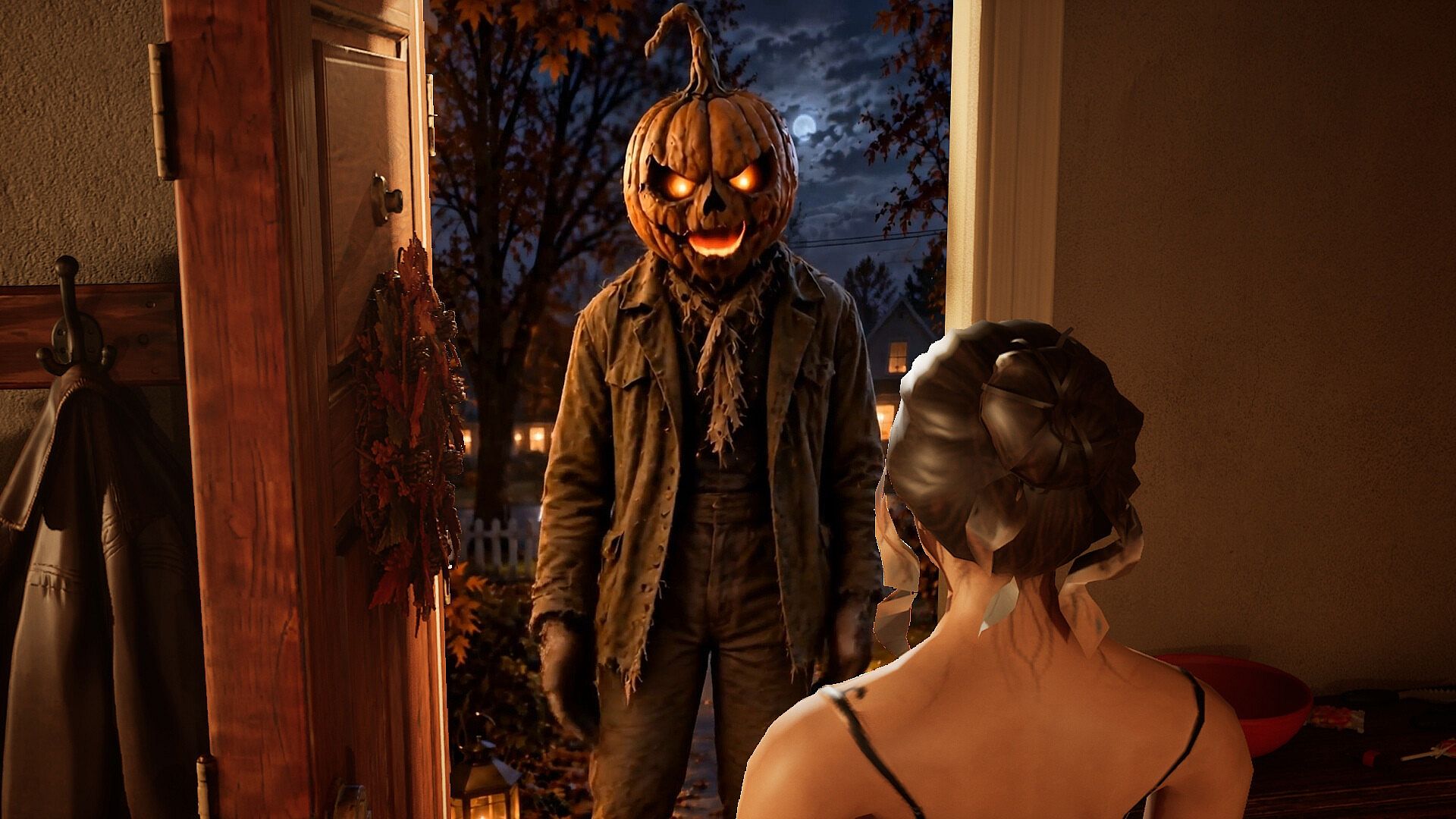
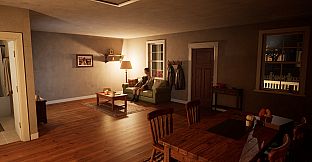


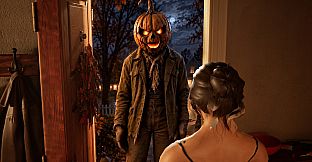
Halloween 2026 is a first-person indie adventure horror game set on a single Halloween night in a suburban house. Players take on the role of a babysitter tasked with handing out candy to trick-or-treaters while managing the quiet house on Maple Court. The experience blends ordinary domestic activities with mounting tension as visitors arrive at the door, forcing quick decisions about who receives candy and who gets turned away.
Gameplay
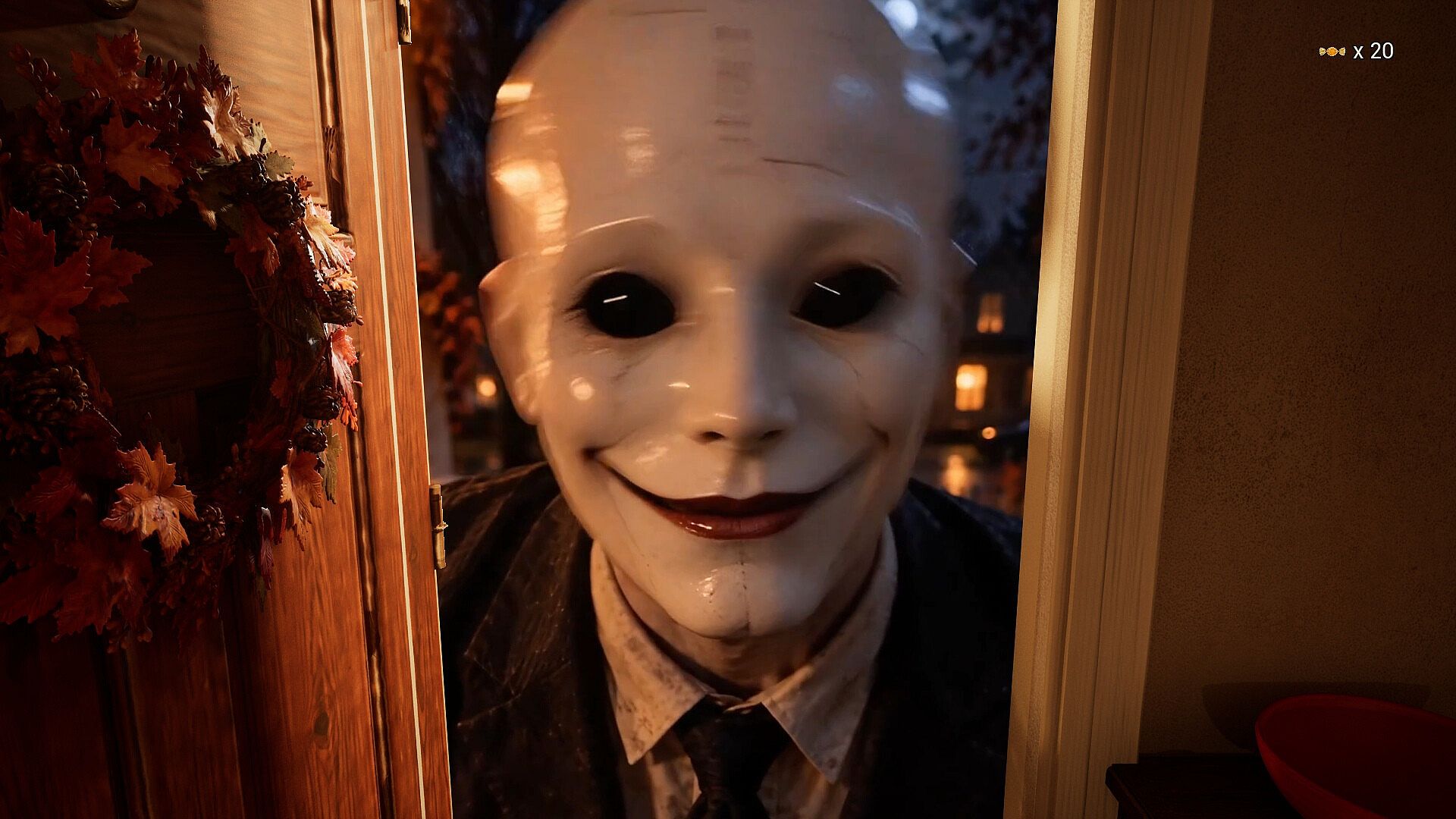
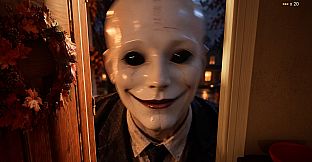
The core loop centers on answering the door when someone knocks and choosing whether to give candy or claim the bowl is empty. Most visitors appear as full-motion video sequences right in the doorway, ranging from children in typical costumes to figures whose appearances raise immediate suspicion. Correct choices keep the night moving forward, while mistakes with the wrong visitor can end the session abruptly. Ignoring the door leads to escalating sounds of ringing, knocking, and pounding that eventually force a response.
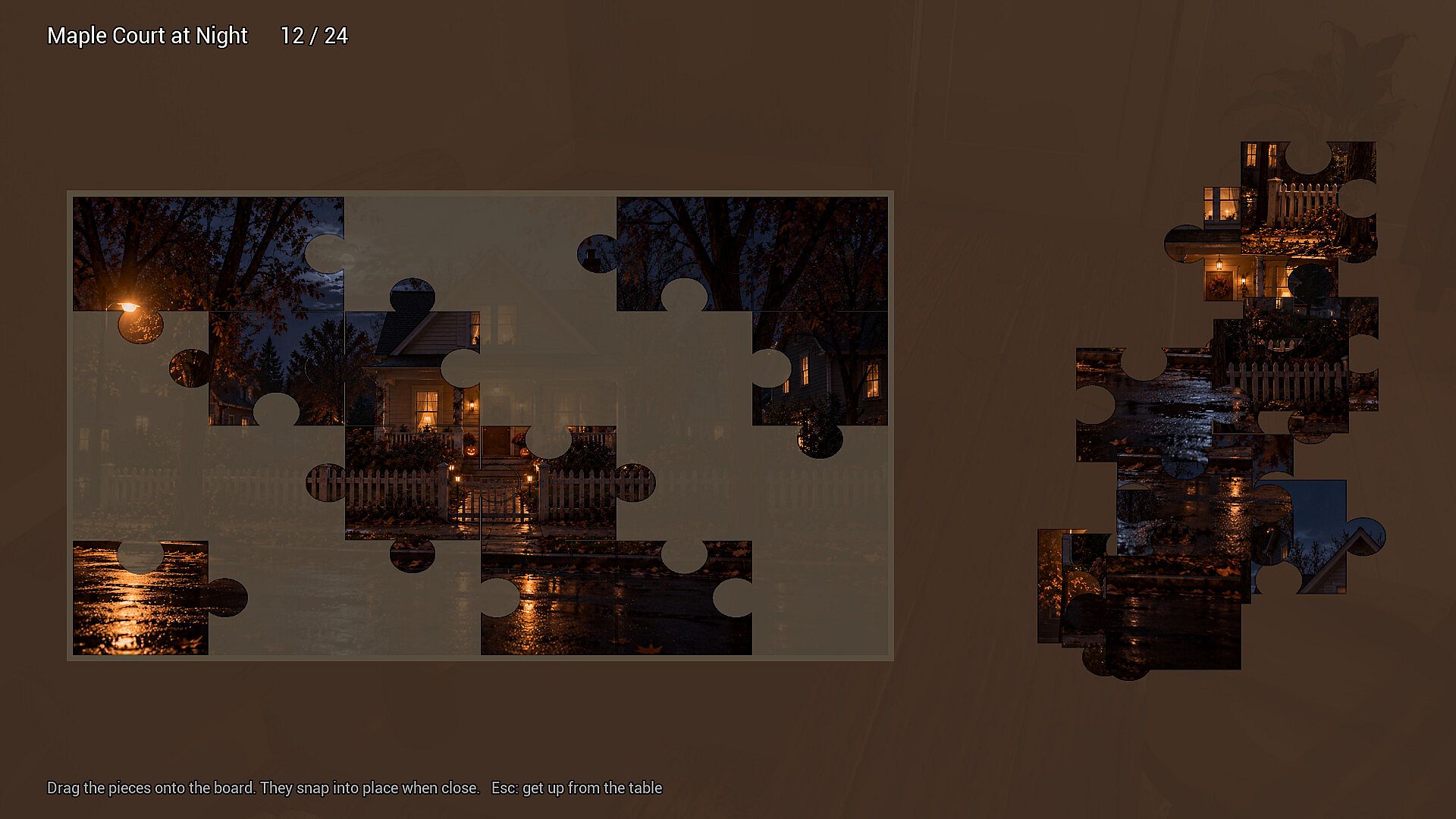
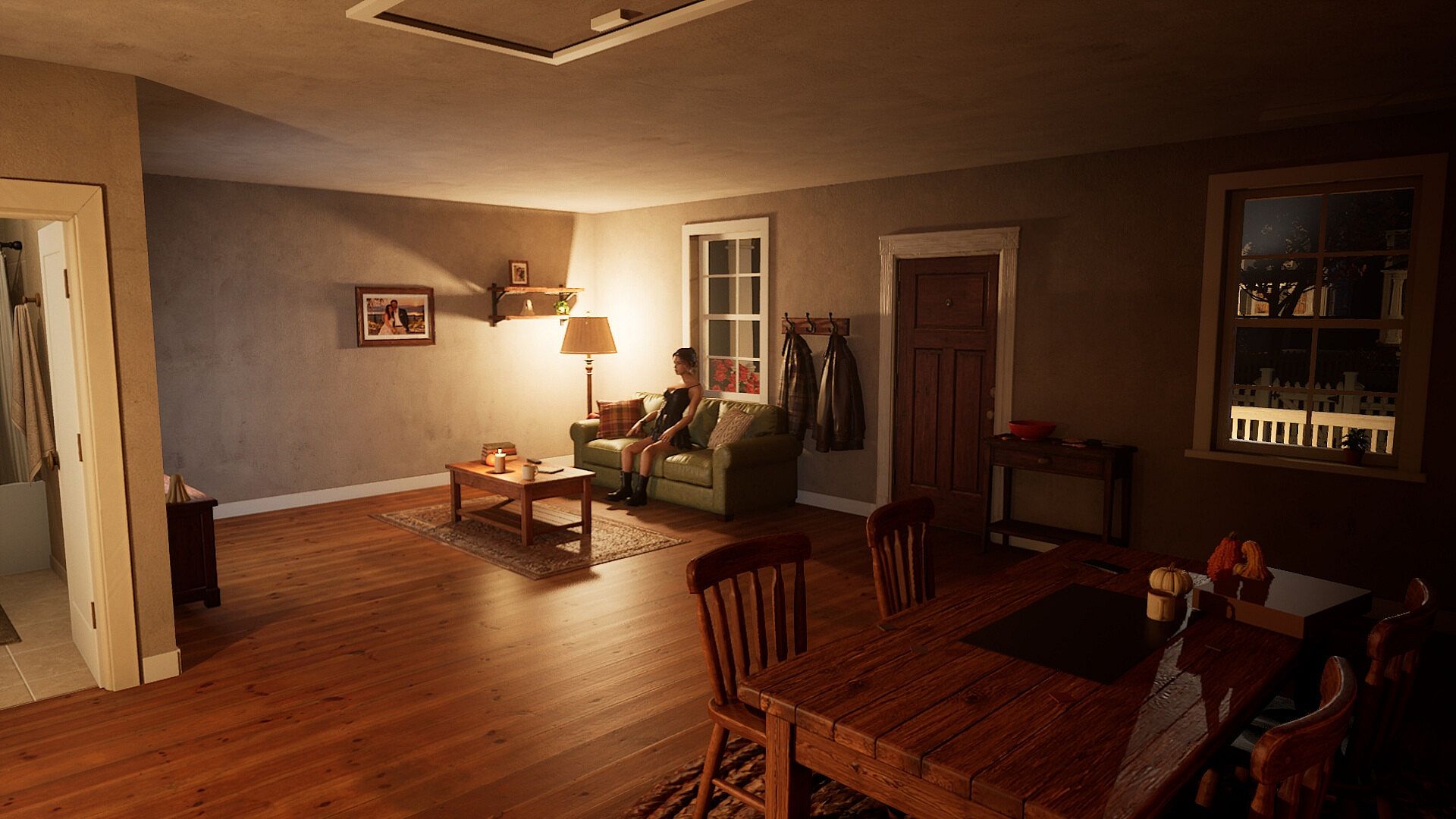
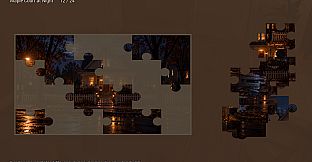
Between knocks, the fully furnished house, porch, and front yard offer freedom to explore and interact. Players can assemble any of eight jigsaw puzzles on the dining table, each carrying a handwritten note on the back that hints at hidden details elsewhere in the house. Finished puzzles can be framed and hung on the wall for later review. Other activities include flipping through television channels, checking the phone for photos, videos, and messages, playing a CD in the living room, searching for extra candy stashes, or climbing into the attic. Specific actions, such as looking in the bathroom mirror or opening and closing the shower curtain a set number of times, tie directly into the notes and can alter the atmosphere or trigger events.
Controls rely on keyboard and mouse with standard movement via WASD, mouse look, interaction with E or left click, and options to sit, climb, jump, or run. The phone opens with Tab, and number keys select candy portions at the door. All bindings can be remapped in the settings menu, which also adjusts sensitivity, inversion, volumes, subtitles, graphics quality, and display mode.
Game Modes
Halloween 2026 operates as a single continuous single-player session lasting roughly twenty to thirty minutes per playthrough. The night progresses hour by hour with checkpoints that return the player only to the start of the current hour upon failure rather than restarting the entire evening. Encounters with visitors form the central structure, each delivering its own video sequence and immediate outcome based on the candy decision.
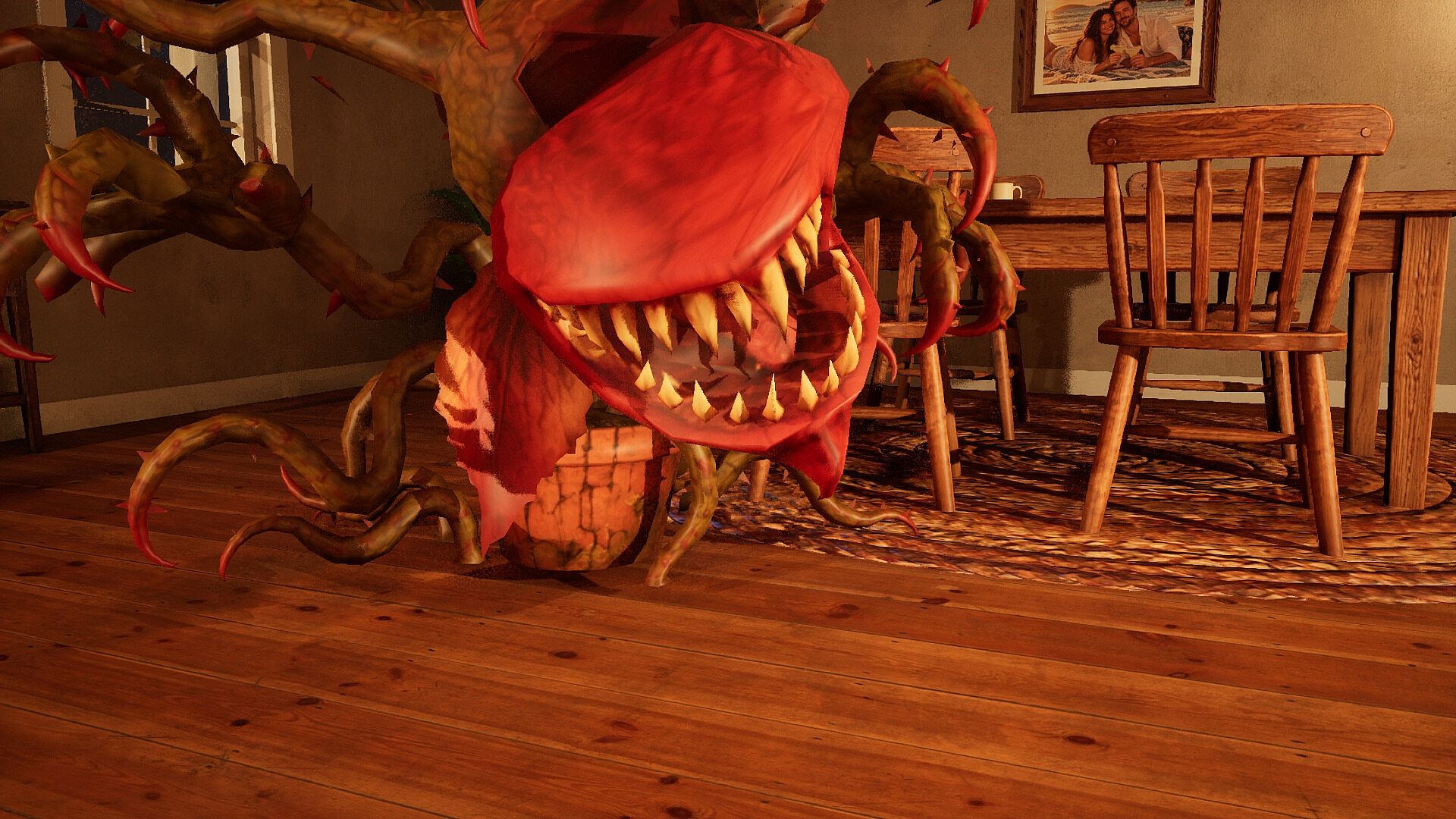
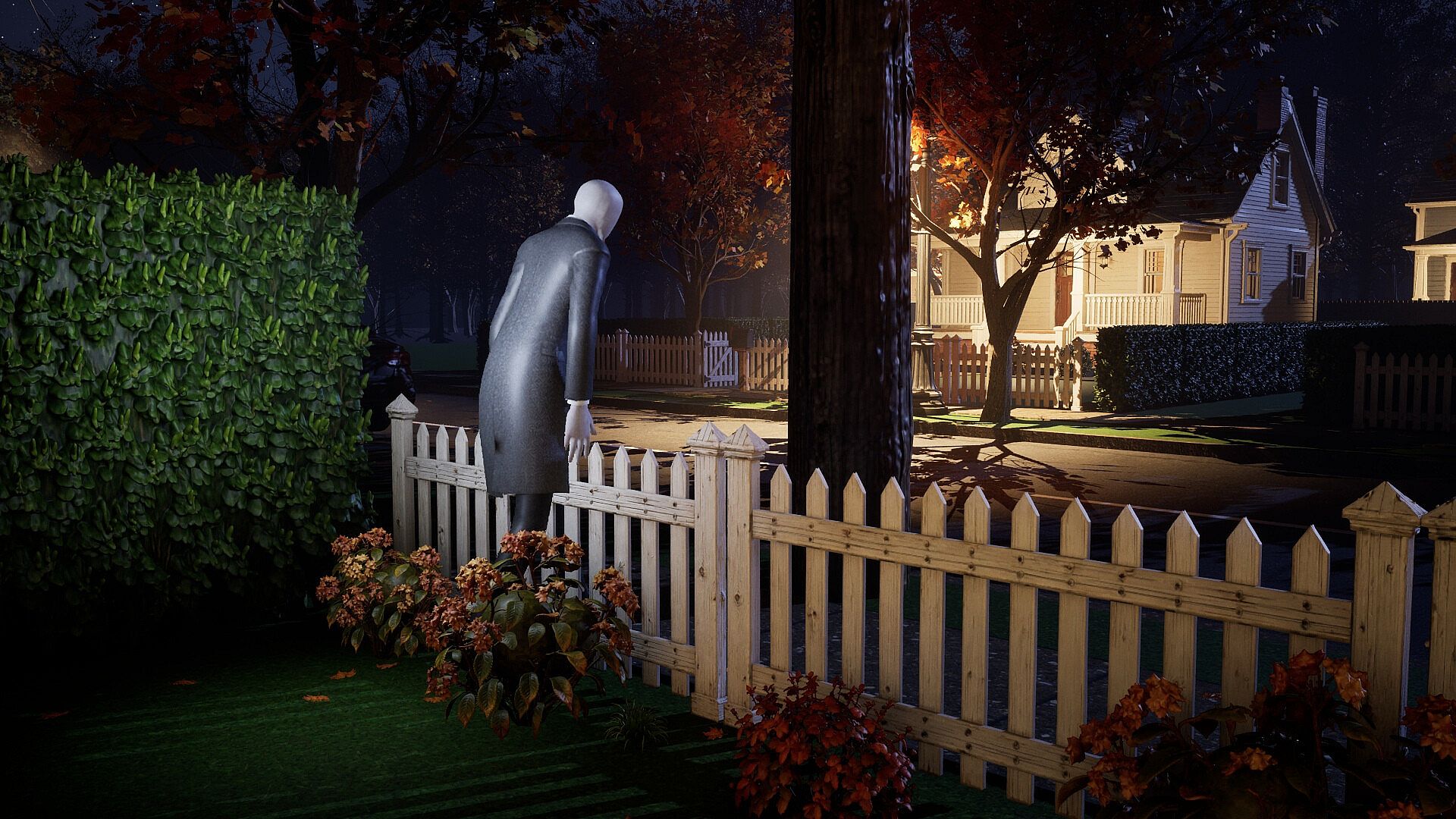
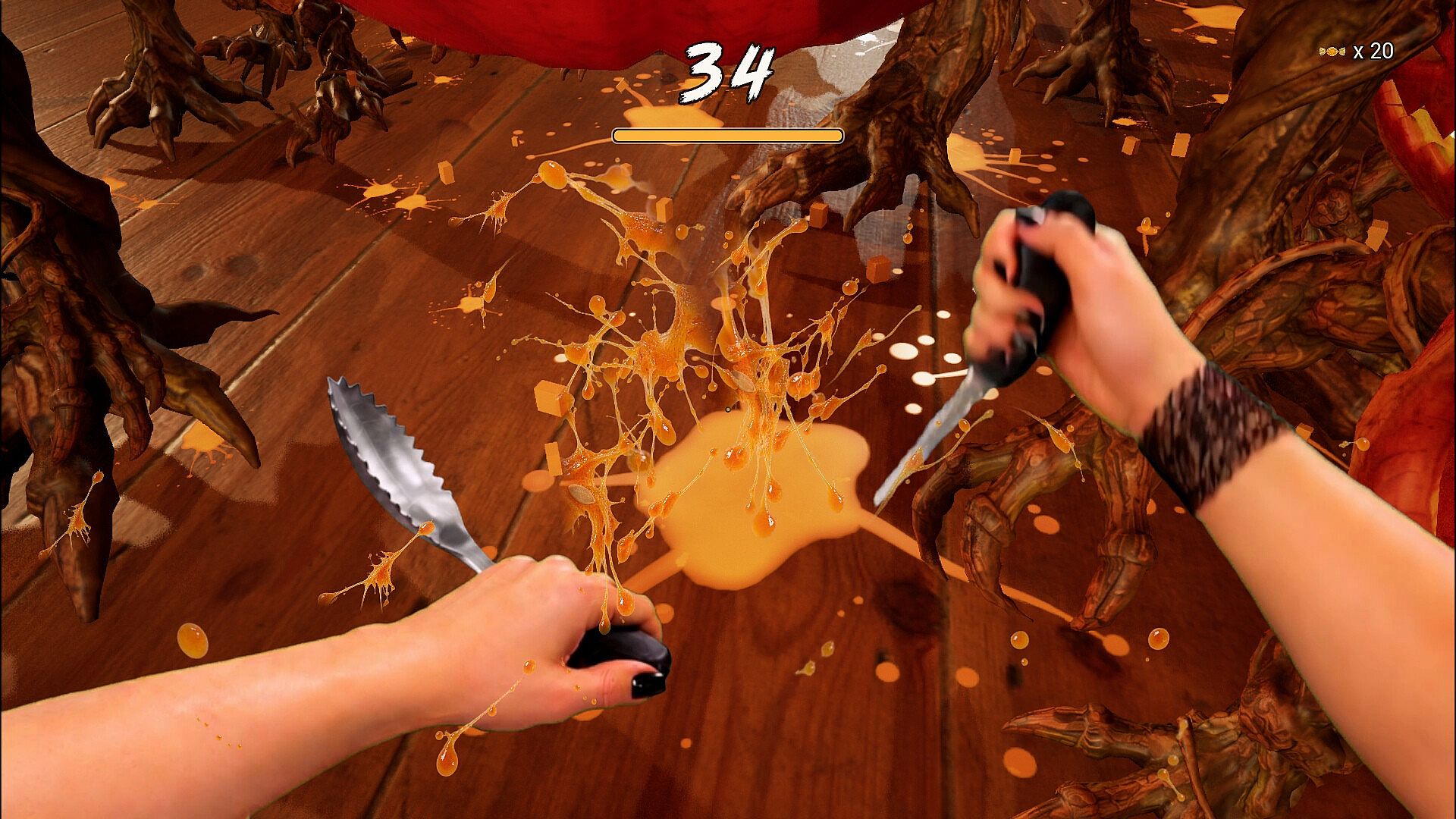
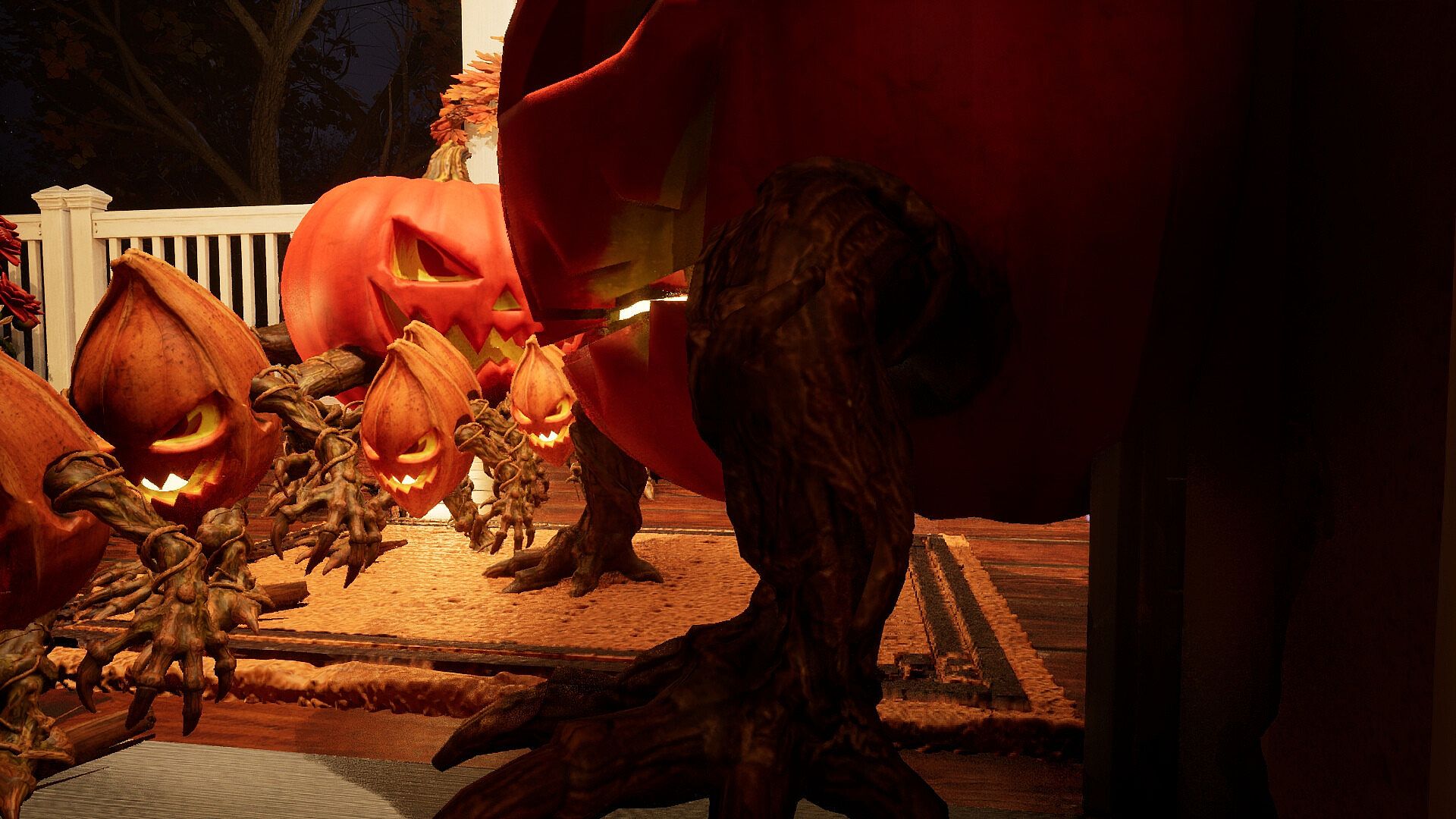
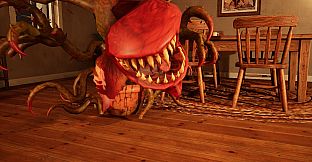
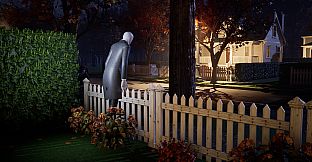
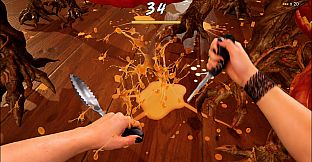
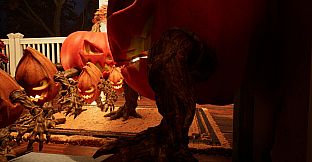
Certain visitors trigger extended special sequences that shift the gameplay temporarily. One sequence shrinks the player to pumpkin-seed size and requires fighting off an invasion of living pumpkins using a carving knife and scooper before time expires. Another transforms the player into a black cat pursued by the neighbor's dog. Additional events include a potted plant developing teeth and a faceless figure in the yard that retreats when approached but punishes prolonged staring. These moments interrupt the standard door-answering rhythm without introducing separate selectable modes.
Atmosphere and Exploration
The game maintains a slow-burn tone inspired by quiet suburban horror, keeping the setting warm and ordinary until subtle wrongness builds. Exploration rewards attention to environmental details and the puzzle notes that point toward specific interactions around the house. The front yard and porch extend the playable space, allowing players to observe or approach certain figures from a distance. Jump scares appear alongside sustained dread, particularly during mirror checks, television viewing, or attic visits. No inventory management or combat grinding exists outside the brief special sequences, keeping focus on observation, judgment, and the accumulating consequences of each choice.
Is It Worth Playing?
Halloween 2026 suits players who enjoy short, focused single-player horror experiences centered on decision-making and environmental interaction rather than action or resource systems. The straightforward structure of managing the door while filling time with house activities creates a contained evening of tension that fits the Halloween theme without requiring long sessions. Its emphasis on full-motion visitor videos and branching outcomes from simple choices provides replay value through different decisions and the discovery of puzzle hints. As an upcoming indie title on PC with keyboard-and-mouse controls and accessibility options, it appeals directly to those seeking atmospheric dread in a familiar domestic setting. The content warning notes horror imagery, jump scares, blood, and frightening creatures, confirming its intent for audiences comfortable with scares. Those preferring longer campaigns or multiplayer elements may find the brevity limiting, while fans of deliberate, judgment-based horror should find the described mechanics engaging once released.