




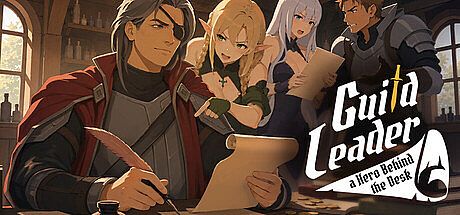


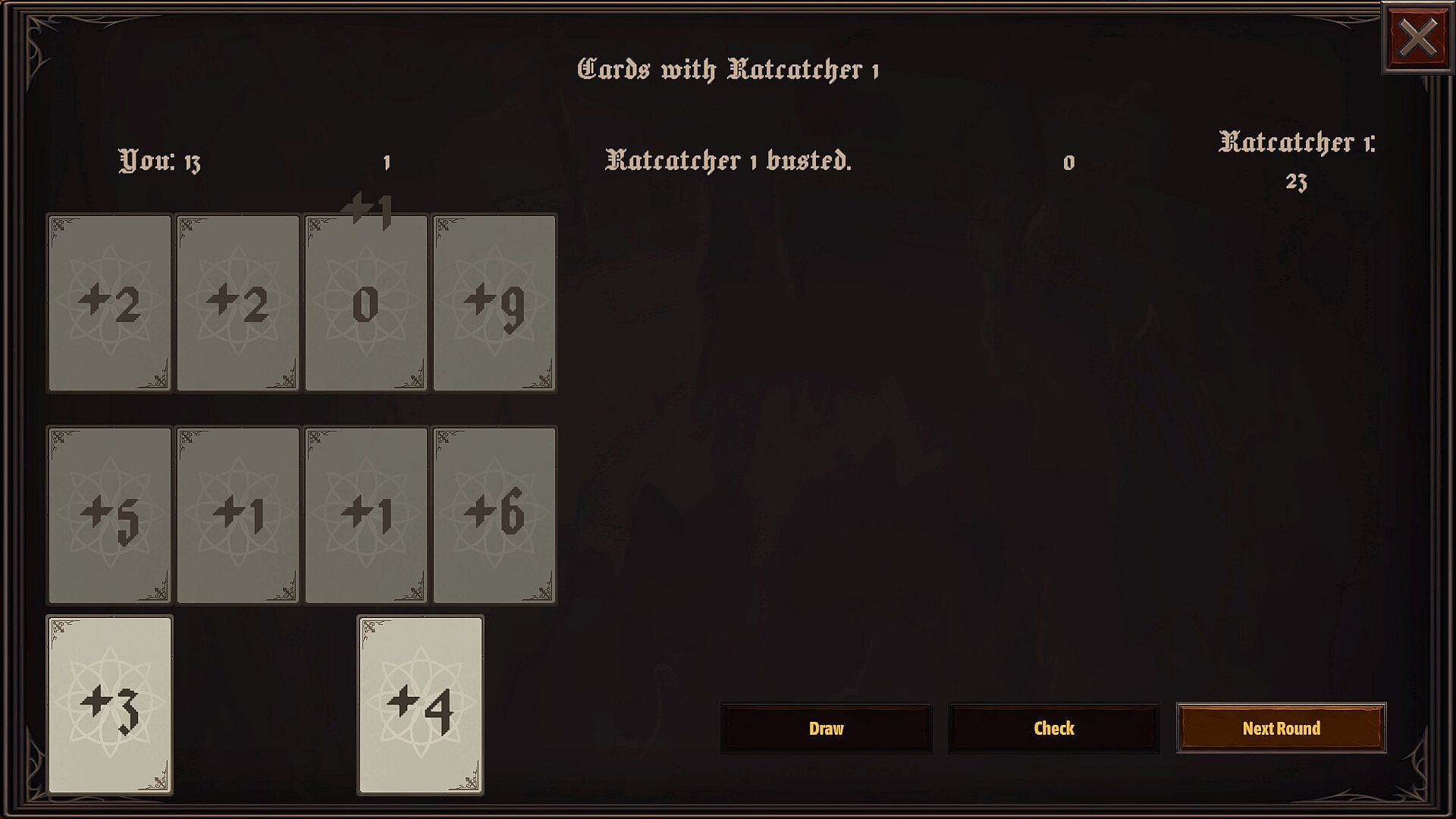
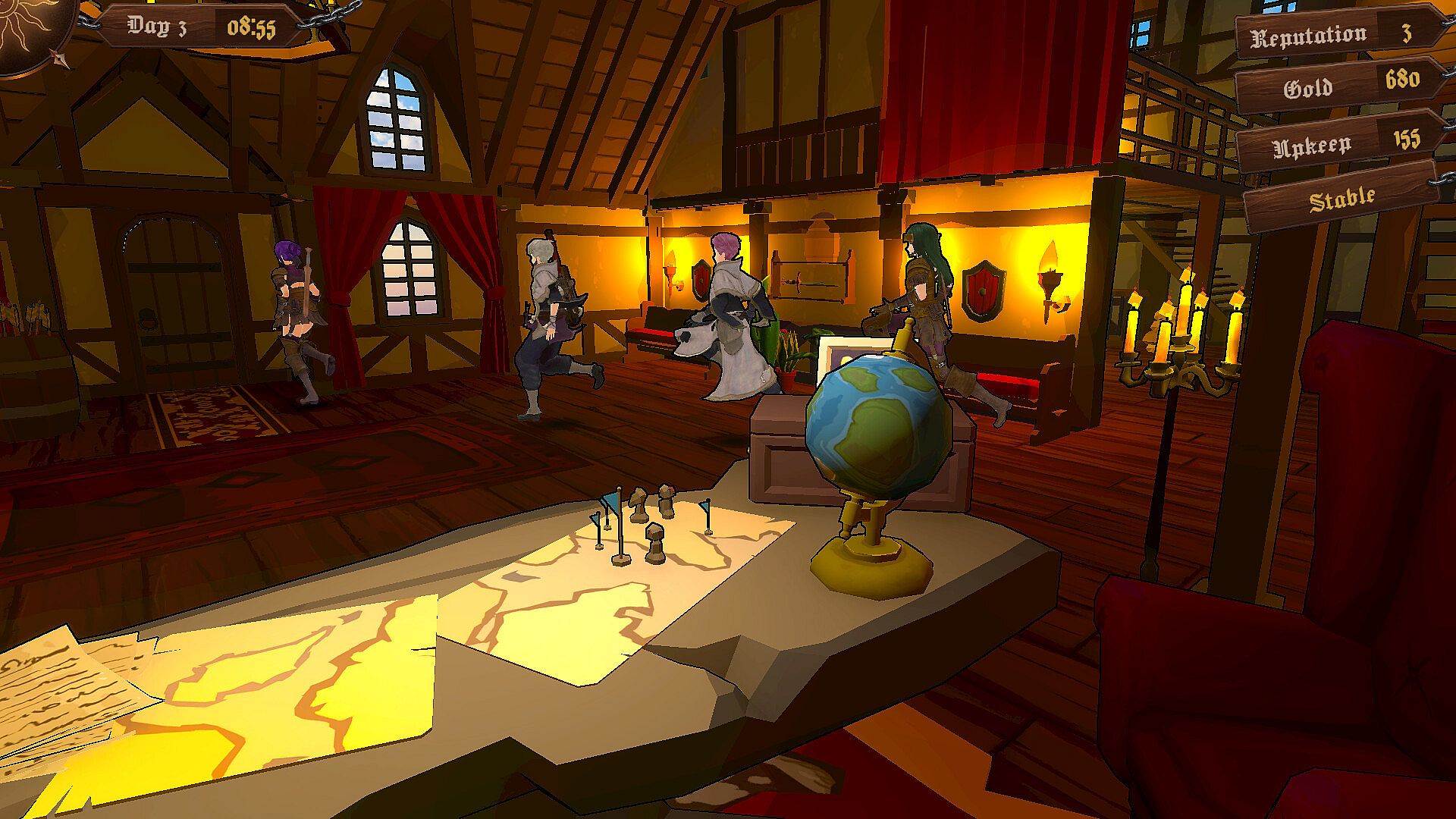
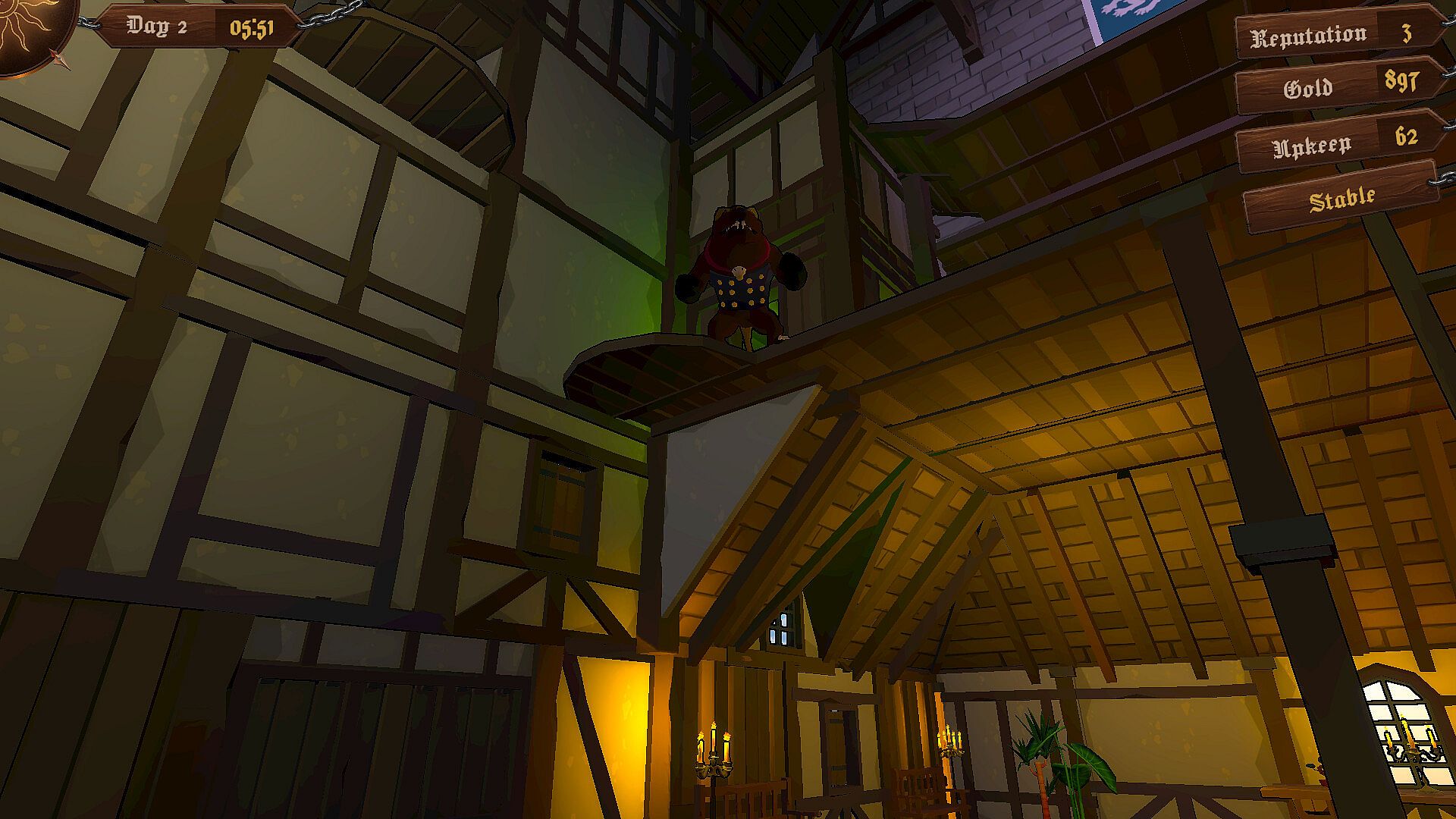
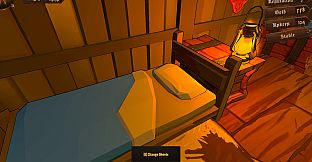
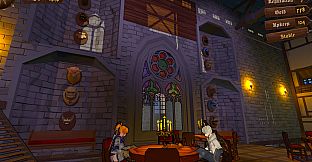
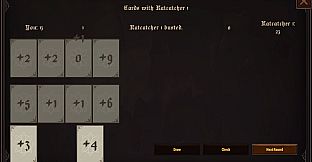
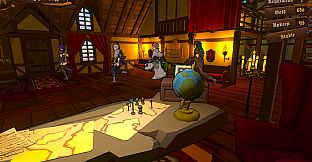
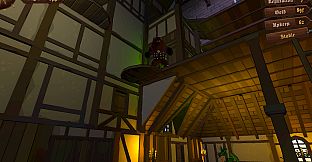
Guild Leader: the Hero Behind the Desk is a single-player simulation game set in a fantasy kingdom where players manage a monster-hunting guild entirely from behind a desk. Instead of adventuring personally, the retired hero turned guild master handles contracts by interviewing clients, deducing monster identities from limited clues, assembling suitable hunting parties, and overseeing the long-term health of the operation. Every choice carries weight, from the questions asked during investigations to the assignments given to individual hunters.
Gameplay
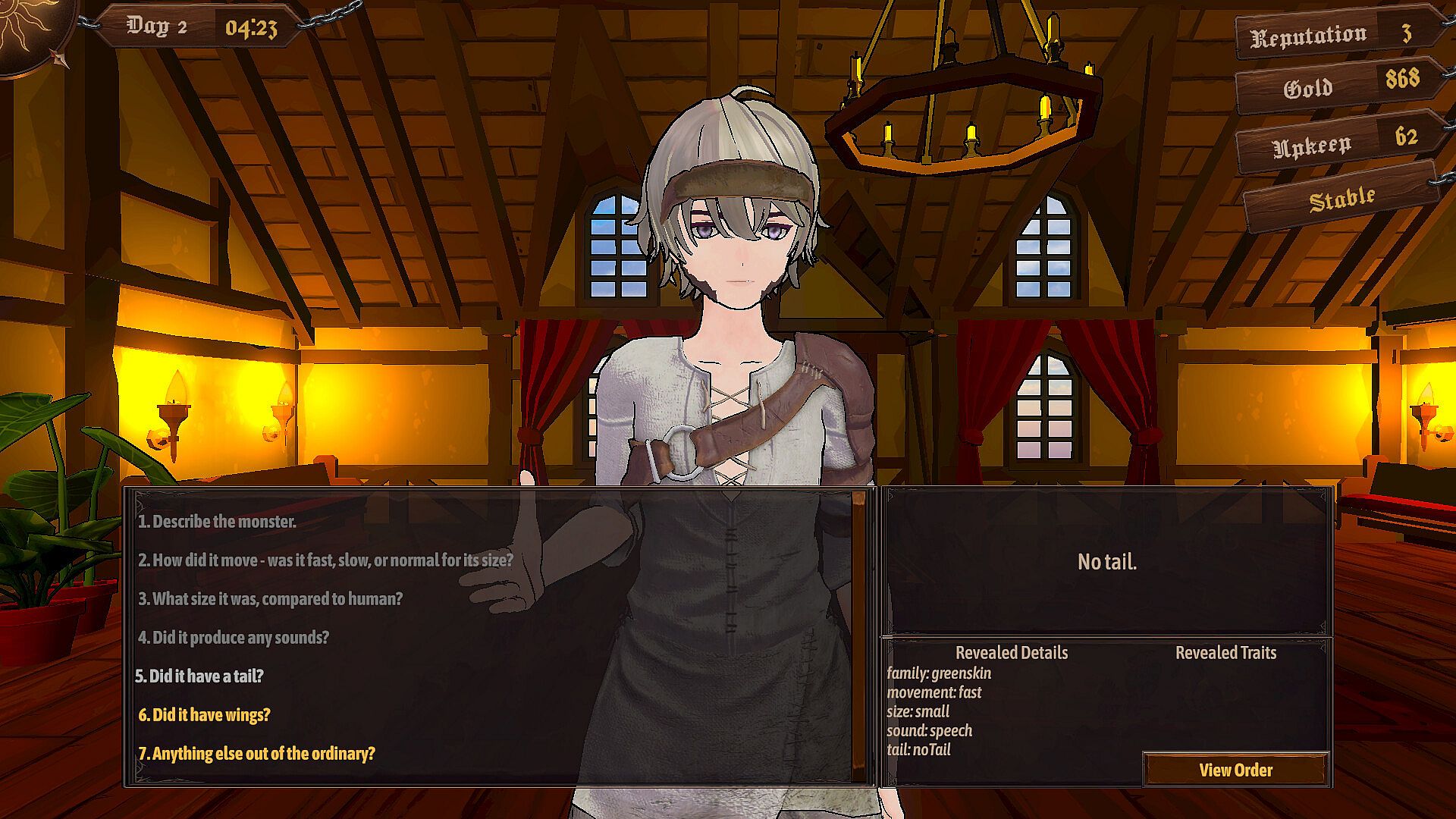
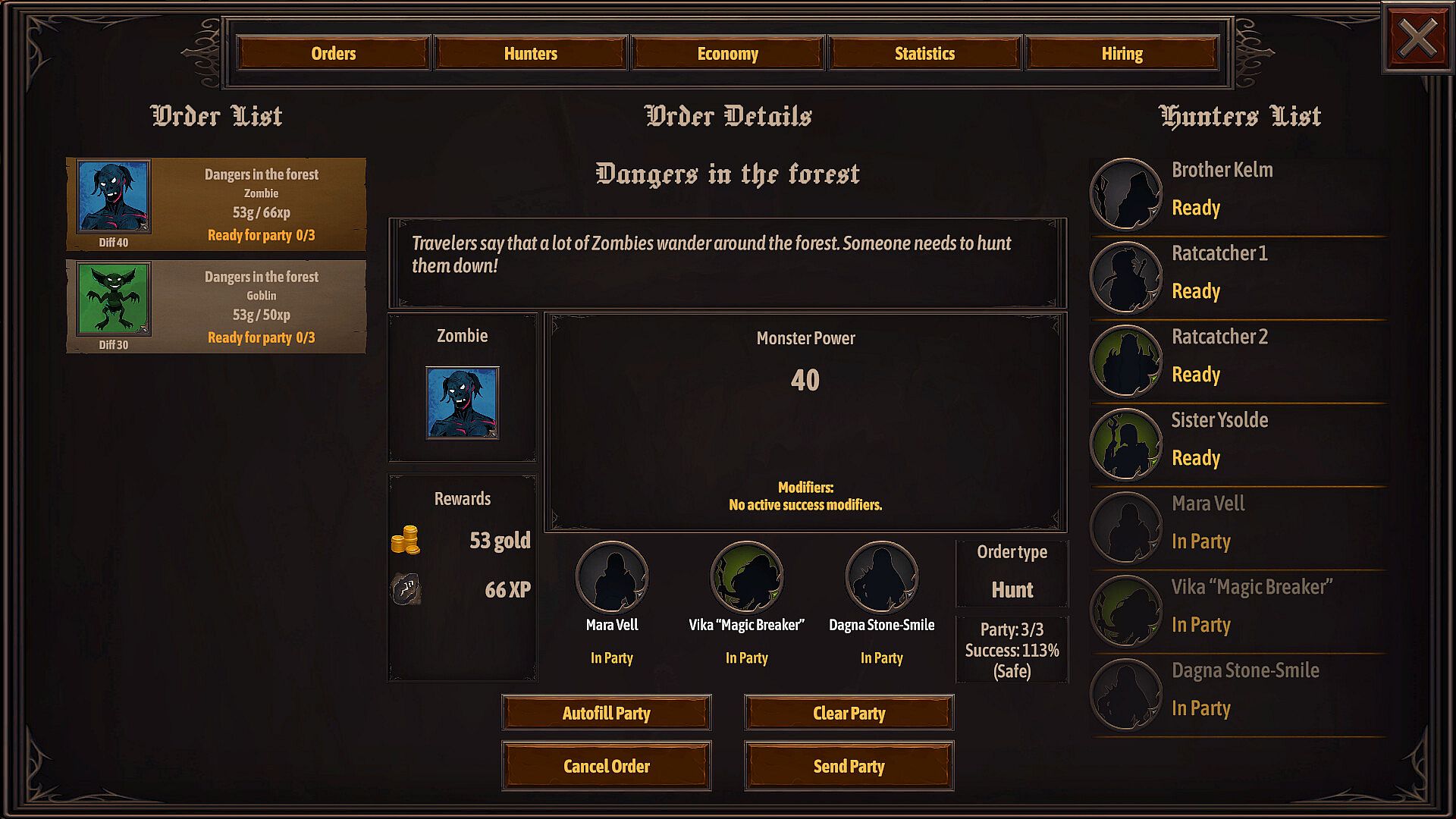
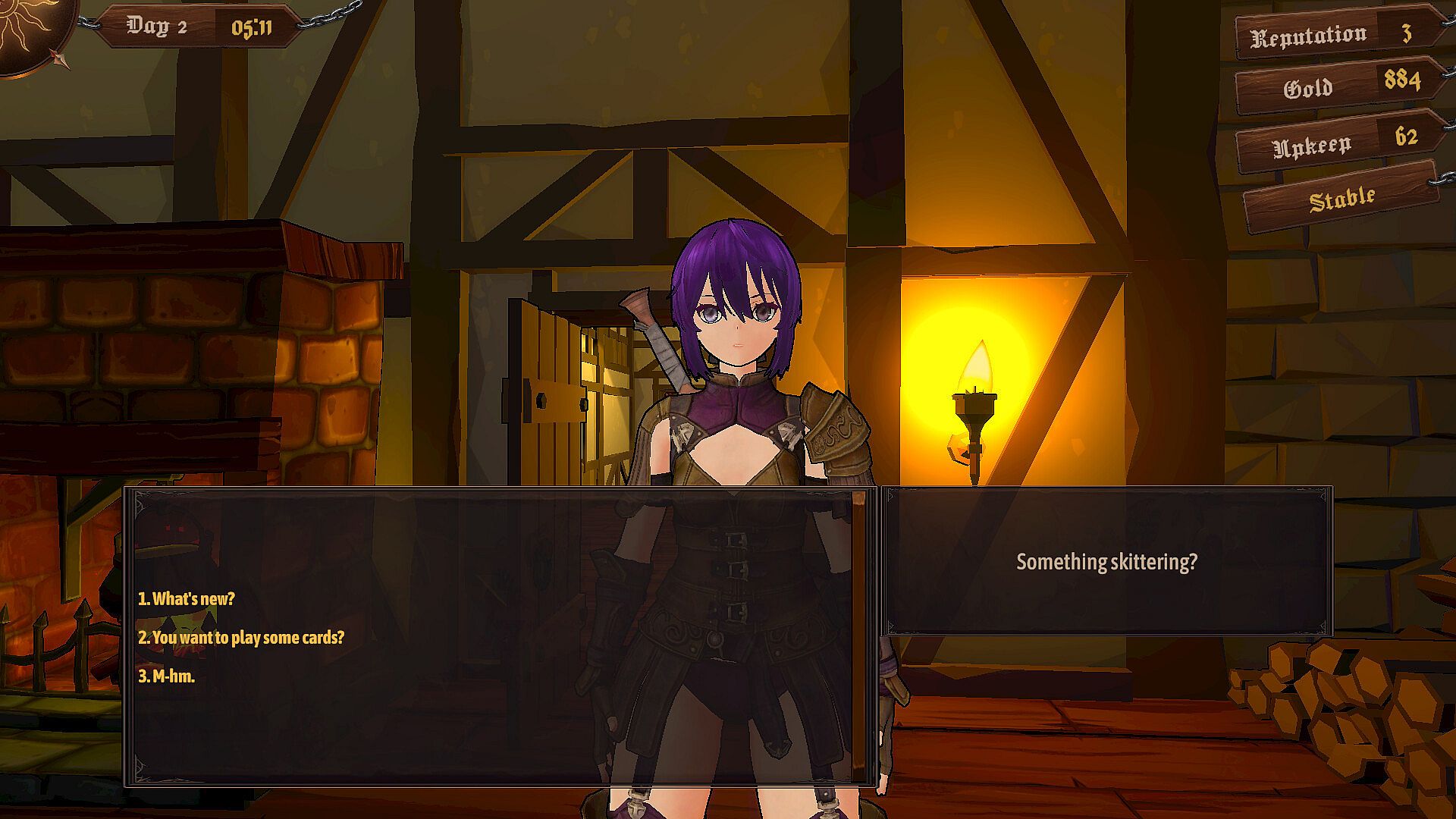
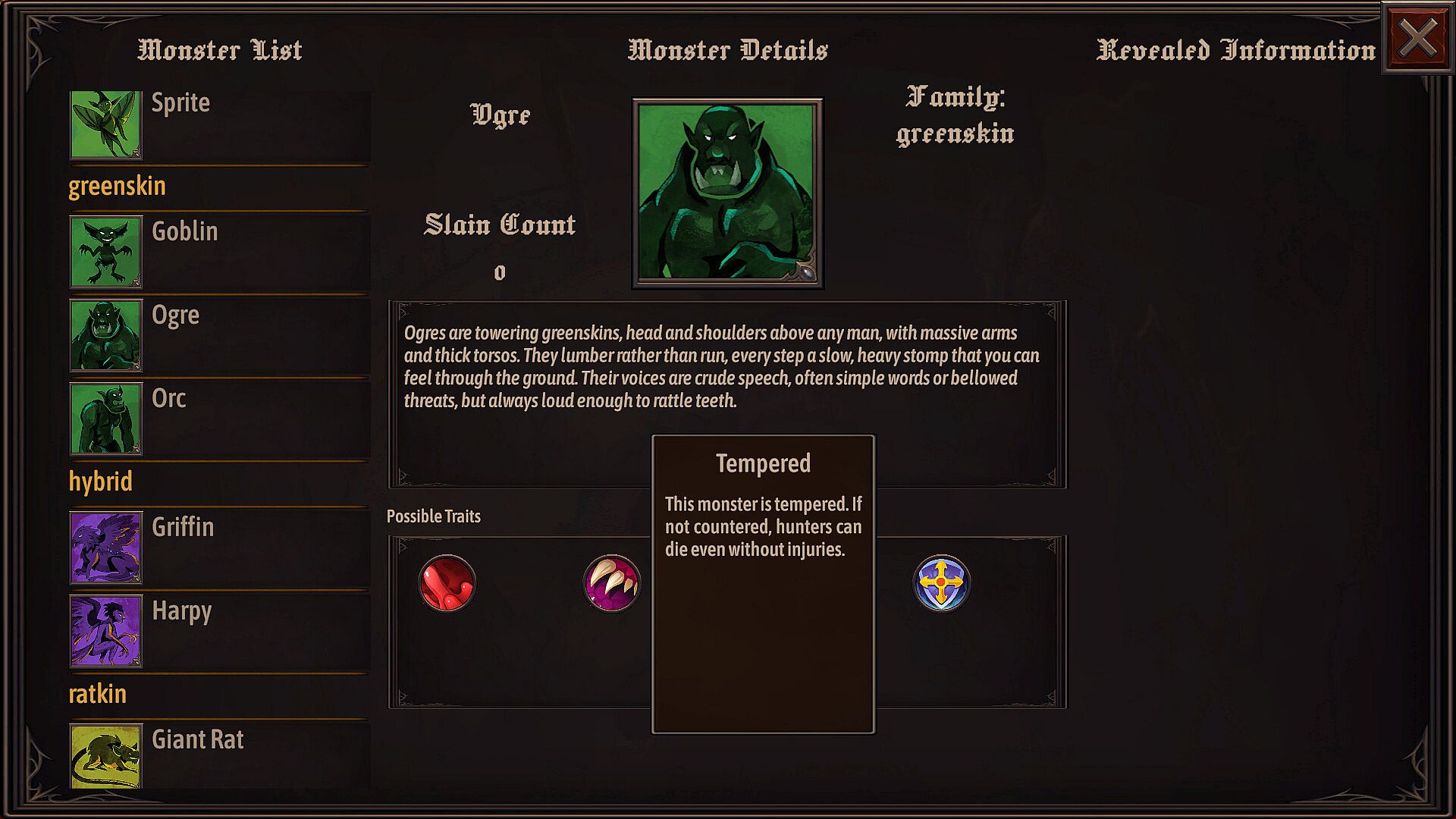
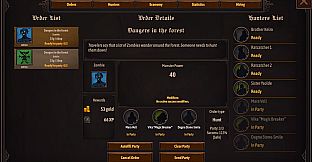
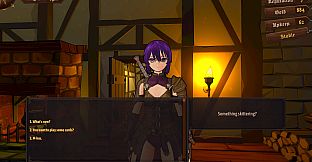
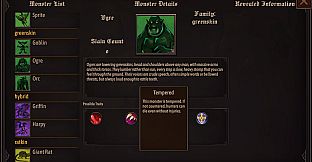
The core loop centers on contract investigation and party management. Clients arrive with vague or incomplete accounts of attacks, so the guild leader must ask targeted questions to narrow down possibilities. Each extra inquiry takes time, and incomplete information risks sending the wrong hunters into danger. Once the creature type and its traits are identified, the player selects from available hunters who bring unique powers, equipment, specialties, and personal histories to the table. A strong matchup can resolve a threat efficiently, while a poor one leads to injuries or worse.
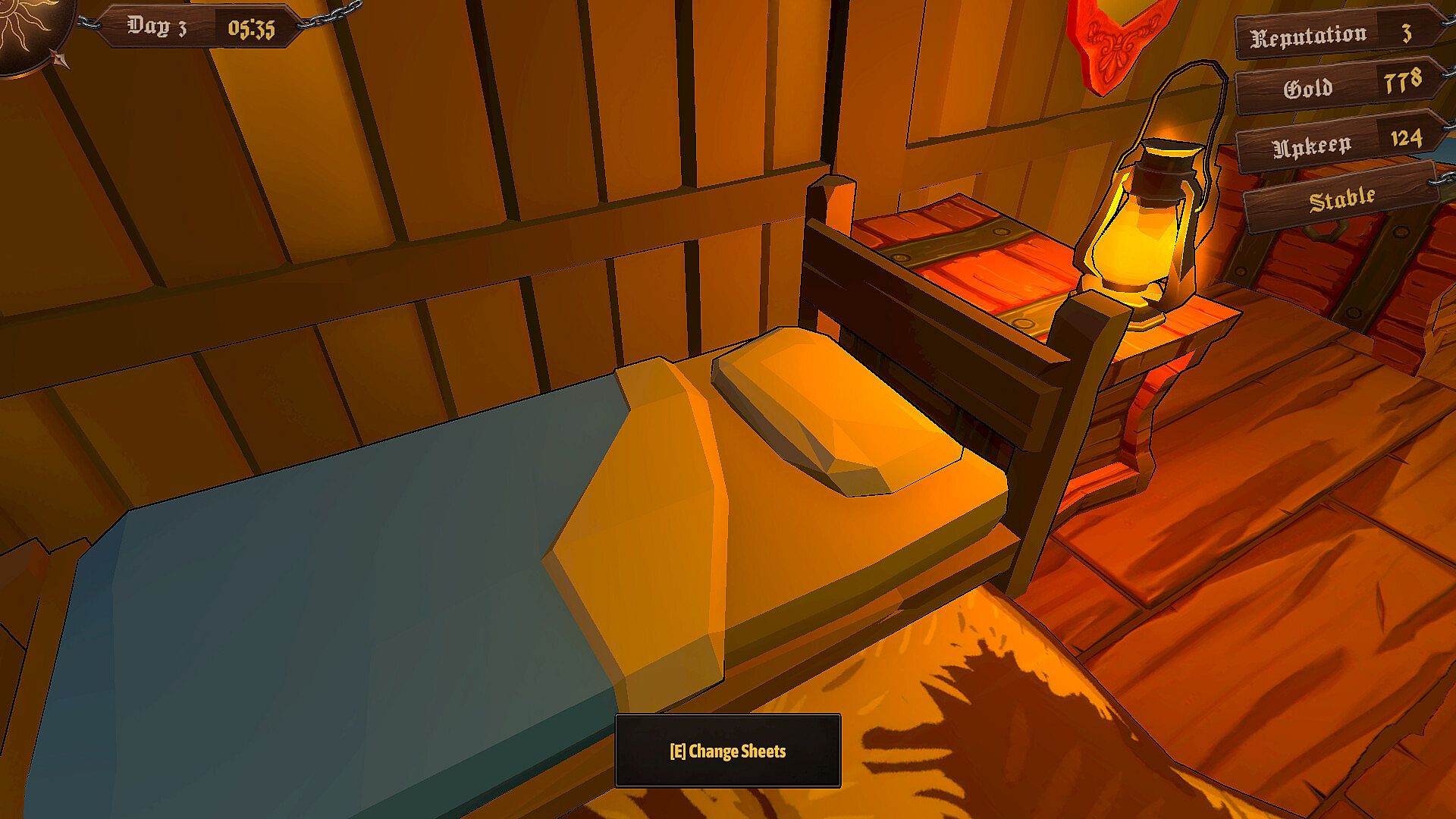
Hunters grow through experience gained on successful missions. They level up, receive better weapons and armor, and develop traits that improve their effectiveness against specific threats. Beyond statistics, each hunter maintains a personality and morale influenced by guild conditions. Paying salaries on time, maintaining clean facilities, and ensuring regular meals keep them performing at their best. Neglect in these areas can reduce effectiveness on future contracts.
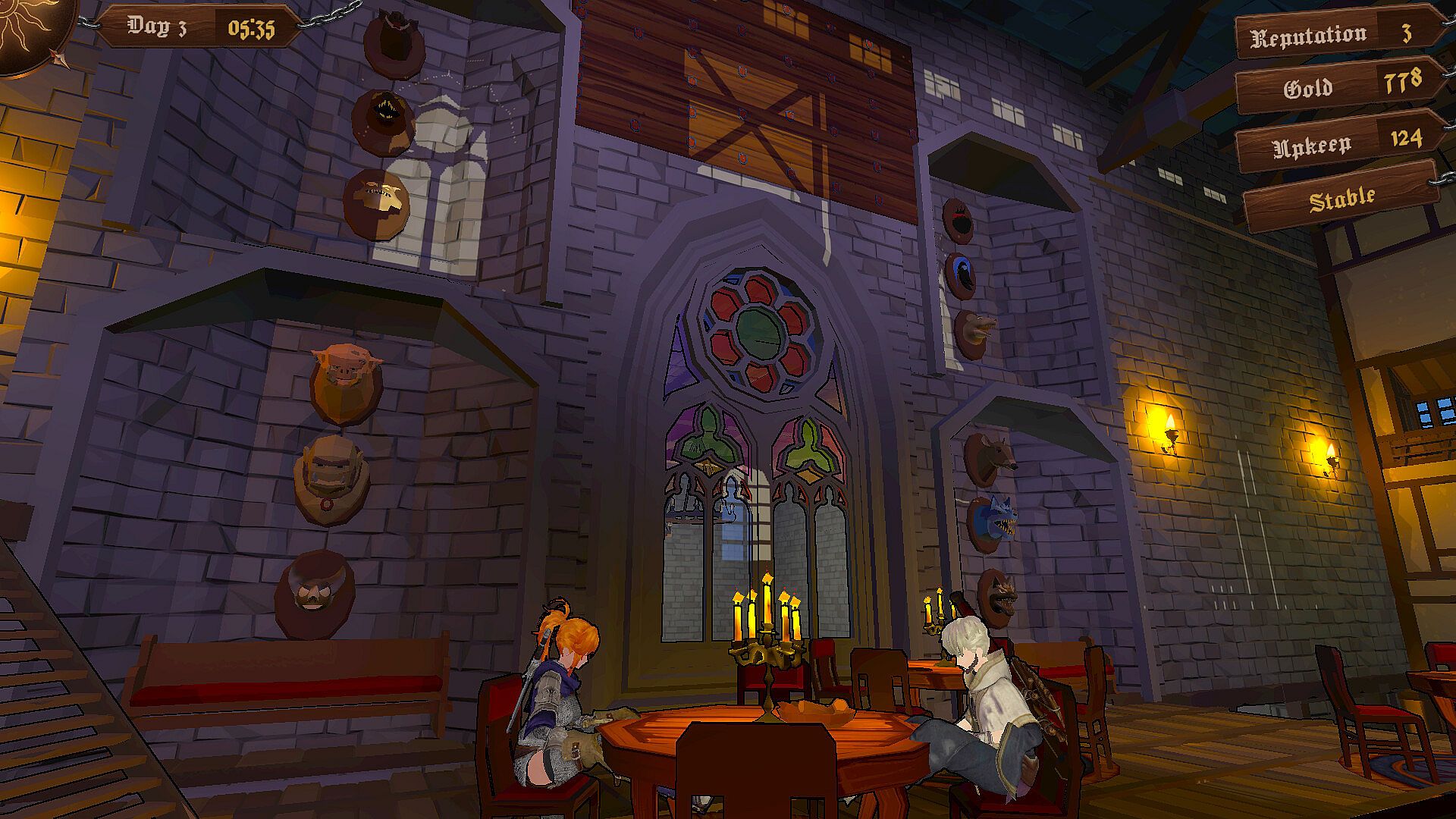
Exceptional preparation yields additional rewards. Completing a mission with outstanding results sometimes returns extra loot that funds guild expansions, new equipment options, or upgrades to facilities. These improvements in turn open fresh tactical choices for subsequent contracts.
Game Modes
The experience unfolds as a continuous single-player management simulation without separate multiplayer or competitive modes. Players progress by accepting contracts, building reputation, and advancing the guild's rank at their own pace. Contracts can be declined if they exceed current capabilities, allowing focus on safer or more suitable work while the roster develops. Higher ranks introduce more complex threats that demand deeper investigation and stronger party compositions.
Progression also involves expanding the guild itself. Hiring new hunters, training existing ones, and investing in infrastructure create a personalized operation. The emphasis remains on long-term sustainability rather than one-off challenges, as repeated poor decisions can deplete the pool of available heroes across the kingdom.
Consequences and Management Systems
Death is permanent for hunters. Reckless assignments or repeated failures can leave the guild short on experienced personnel, eventually threatening the kingdom's overall defense capacity. This system encourages careful matching of hunters to threats and thoughtful use of preparation time. Morale and daily guild upkeep add another layer, requiring attention to salaries, cleanliness, and basic needs to maintain peak performance.
Secret rewards from exceptional missions provide meaningful progression. Extra loot unlocks new guild features and strengthens the roster, creating a cycle where strong preparation leads to better tools for future contracts. The simulation rewards players who treat hunters as individuals rather than interchangeable units.
Is It Worth Playing?
This upcoming simulation appeals to players who enjoy thoughtful management games with clear cause-and-effect mechanics. The focus on deduction, party composition, and lasting consequences offers depth for those interested in running an organization rather than direct combat. Since the game remains in development with a release date to be announced, interested players can follow updates from the developer for the latest details on features and timing. The described systems emphasize careful decision-making and roster care, suiting fans of simulation titles that prioritize strategy and long-term planning over action sequences.