


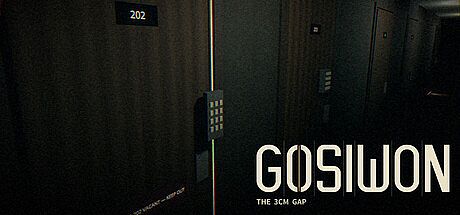


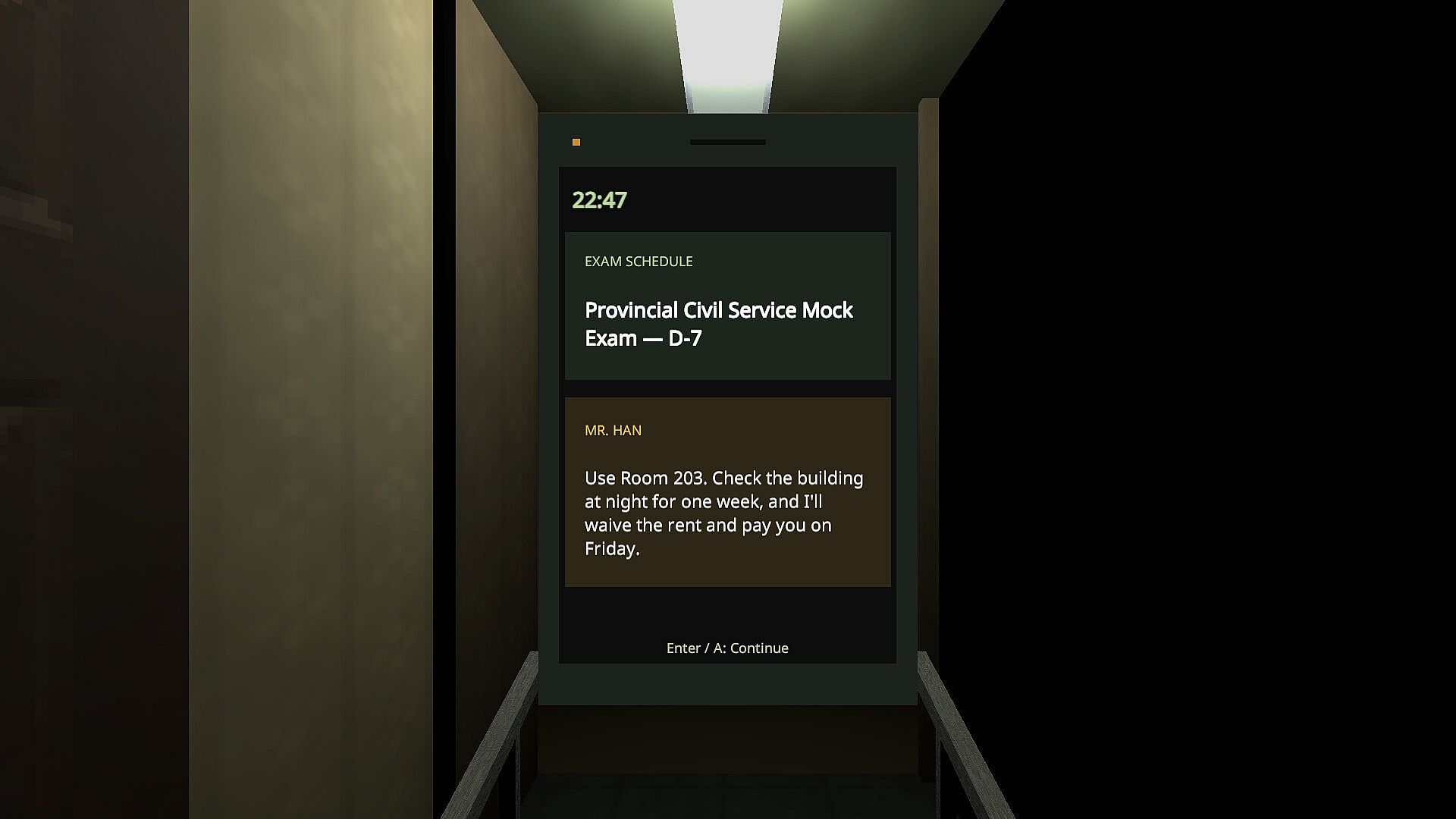
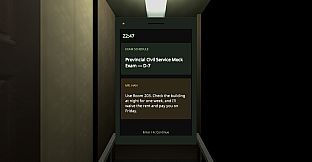
GOSIWON: THE 3CM GAP is a first-person psychological horror adventure game set in a cramped Korean boarding house. Players take on the role of a student low on funds who agrees to a week of night manager duties in exchange for waived rent and pay. The experience unfolds over seven nights in a single location, where routine checks turn into mounting tension through observation, sound, and small decisions that shape the outcome.
Gameplay
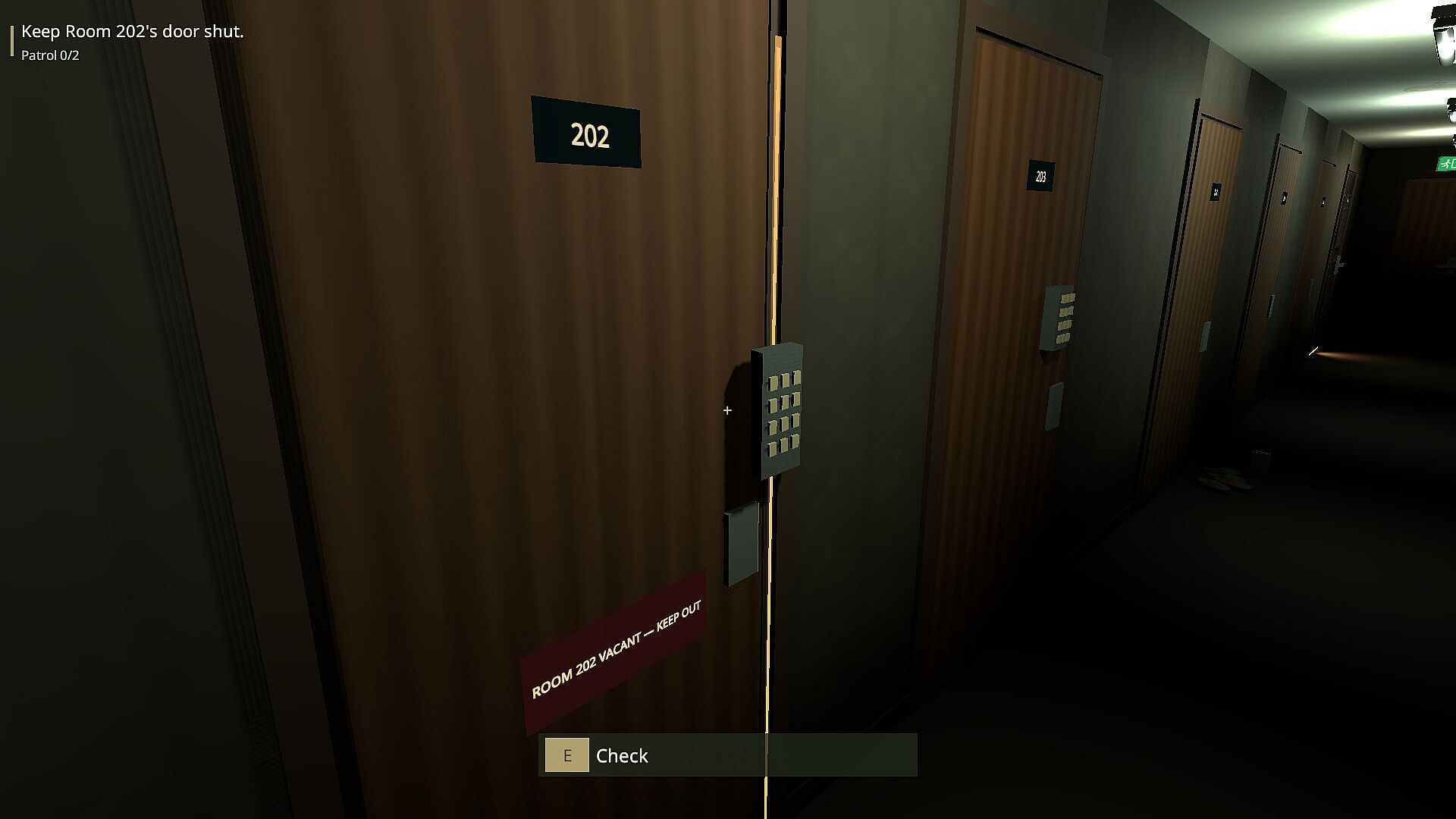
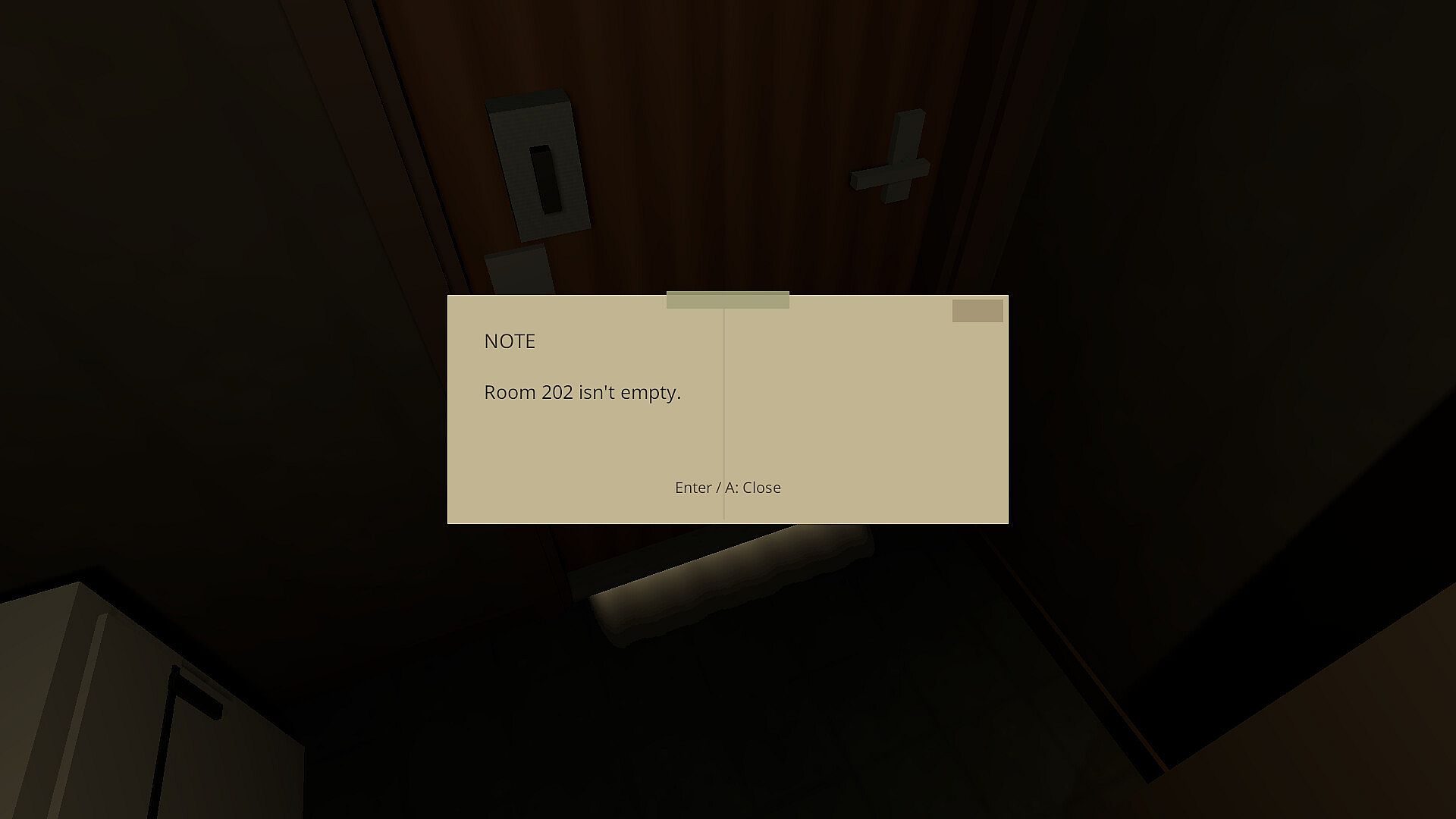
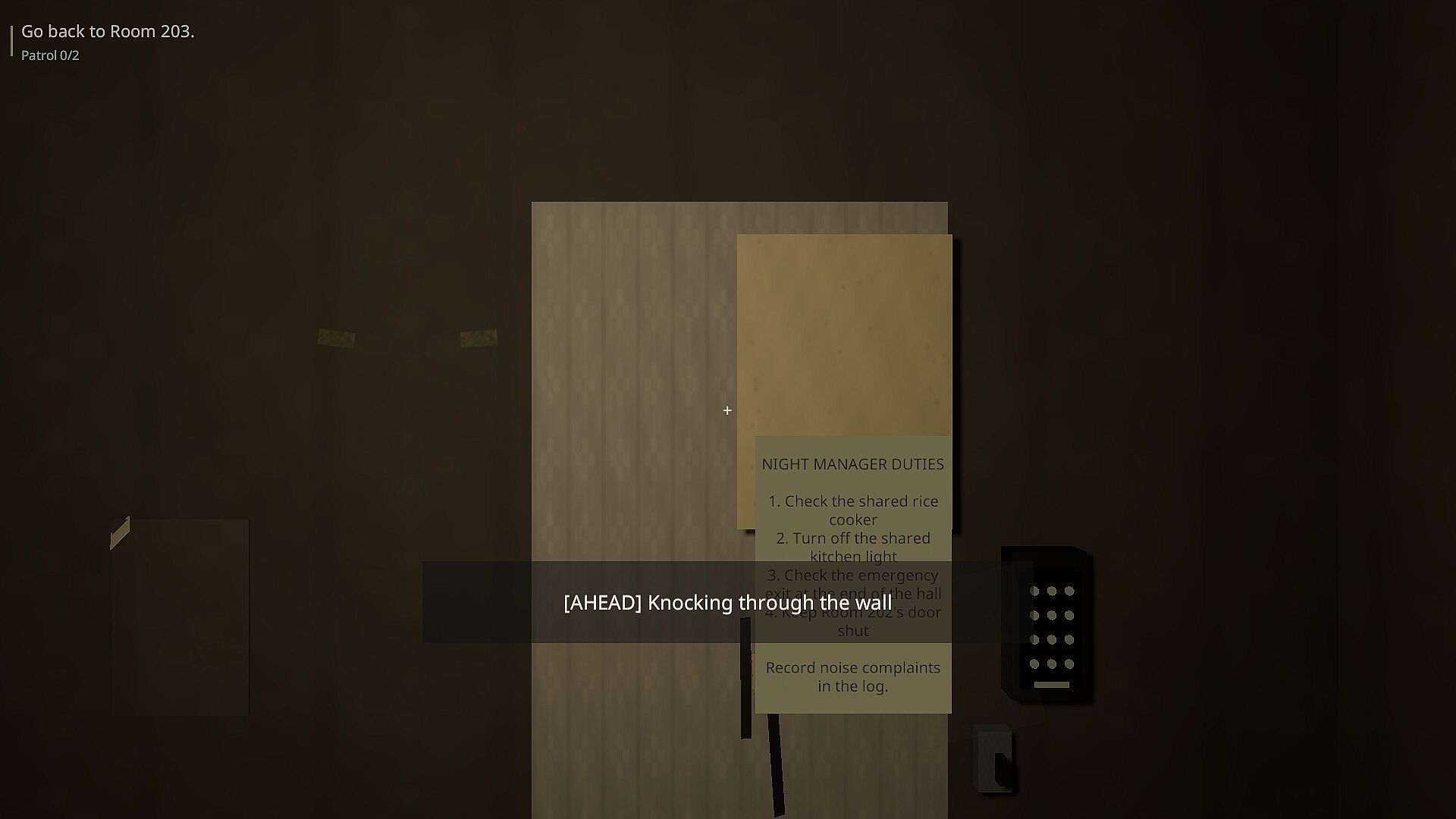
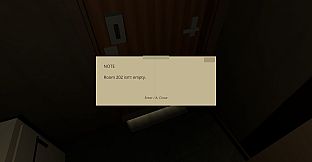
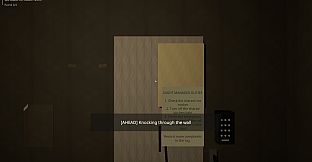
The core loop centers on following a posted duty sheet each night. Tasks include inspecting the shared rice cooker, turning off lights in common areas, verifying the emergency exit, and ensuring the door to the vacant Room 202 stays closed. Ordinary gosiwon details such as thin walls, labeled side-dish containers, and hallway photographs become the focus of attention. Players examine the environment from floor level under doors, compare scenes to reference photos on the check sheet, and record findings in a log. Sounds from adjacent rooms, knocks on walls, keypad tones, and footsteps provide information that must be interpreted without visual confirmation. Decisions about whether to respond to a knock or ignore it, along with what details to note and share, influence later events and lead to different conclusions. The game contains no weapons or combat systems, relying instead on locking doors, methodical checks, and careful listening to build unease in an ordinary setting.
Game Modes
The title offers a single continuous singleplayer experience structured across seven nights. Each night repeats the same hallway and rooms but introduces subtle variations that players must detect and document. Choices made in the log and in interactions with residents alter the progression and produce multiple endings. There are no separate modes, multiplayer options, or additional campaigns; the entire narrative fits into one sitting with a day-by-day save system that supports replaying for alternate outcomes.
Atmosphere and Setting
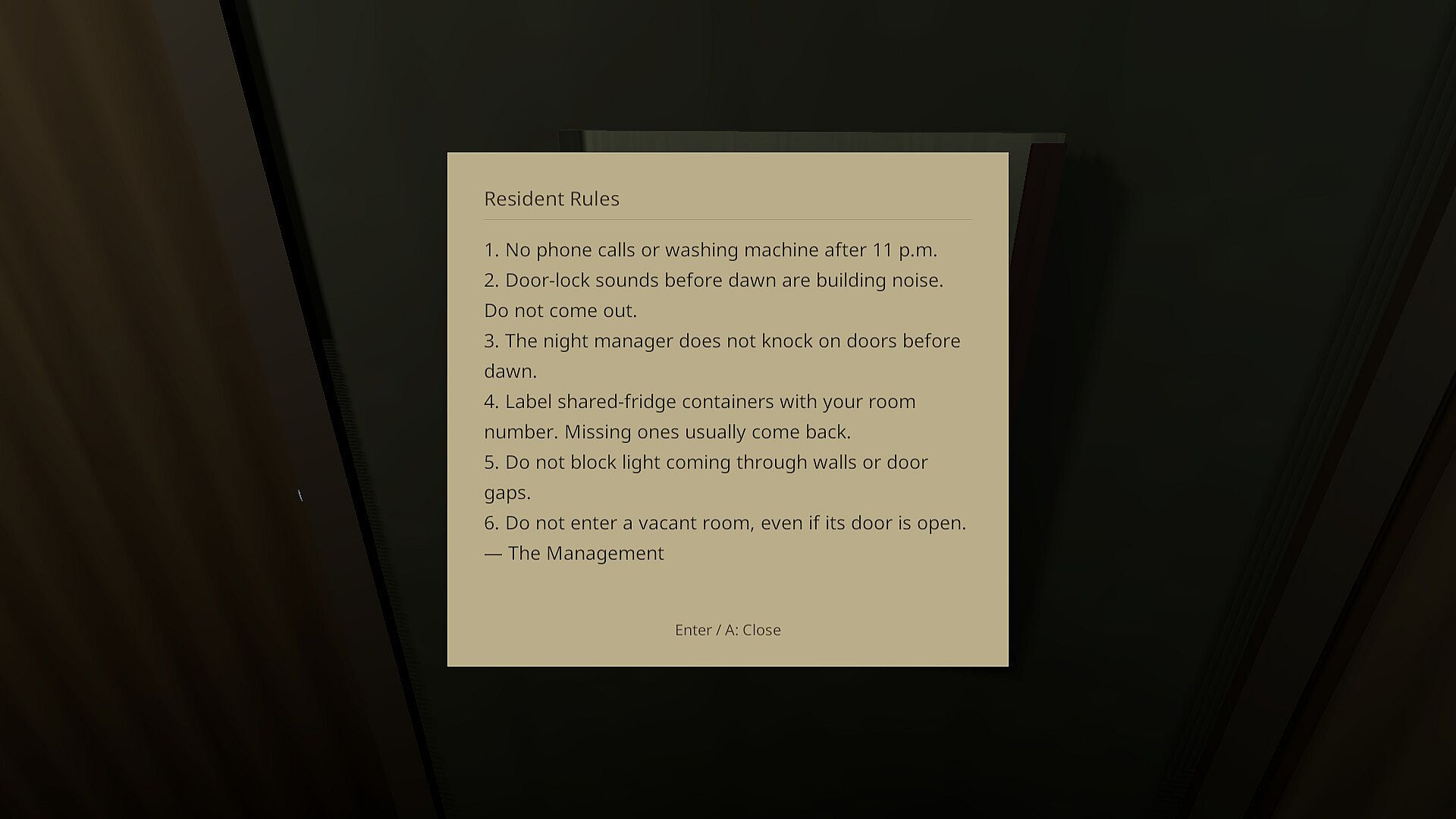
The game recreates the confined reality of a gosiwon, where rooms barely accommodate a bed and residents share basic facilities. Everyday elements like the rice cooker, emergency exit signage, and resident rules posted on the wall serve as both practical tasks and sources of dread. The absence of peepholes forces players to kneel and peer under doors, while lamplight leaking through a three-centimeter gap in Room 202 becomes a recurring visual cue. Sound design carries much of the weight, with wall knocks, footsteps, and electronic tones conveying activity that remains unseen. The setting stays consistent yet shifts incrementally each night, turning familiar spaces into sources of growing uncertainty.
Is It Worth Playing?
This short psychological horror title suits players who prefer atmospheric tension and narrative choice over action or combat. The seven-night structure delivers a complete story in roughly one sitting, with decisions about logging observations and responding to sounds directly affecting the ending. Those drawn to indie adventures that emphasize careful observation, sound cues, and ordinary environments turning unsettling will find a focused experience here. The lack of combat and emphasis on routine duties create a distinct pace that rewards patience and attention to detail. Availability on PC makes it accessible for anyone interested in this style of horror without requiring extended play sessions or additional content.