




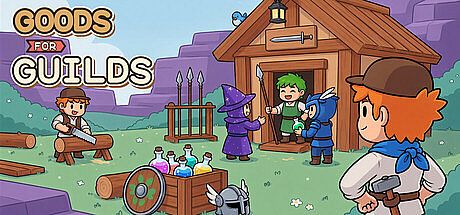


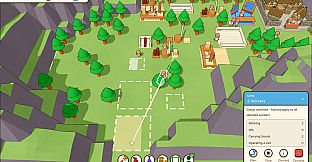
Goods for Guilds is a strategy and simulation game that places players in charge of resource gathering, production, and trade within a medieval fantasy setting. The experience centers on direct control of workers and the construction of interconnected supply networks that grow from basic workshops into regional operations.
Gameplay
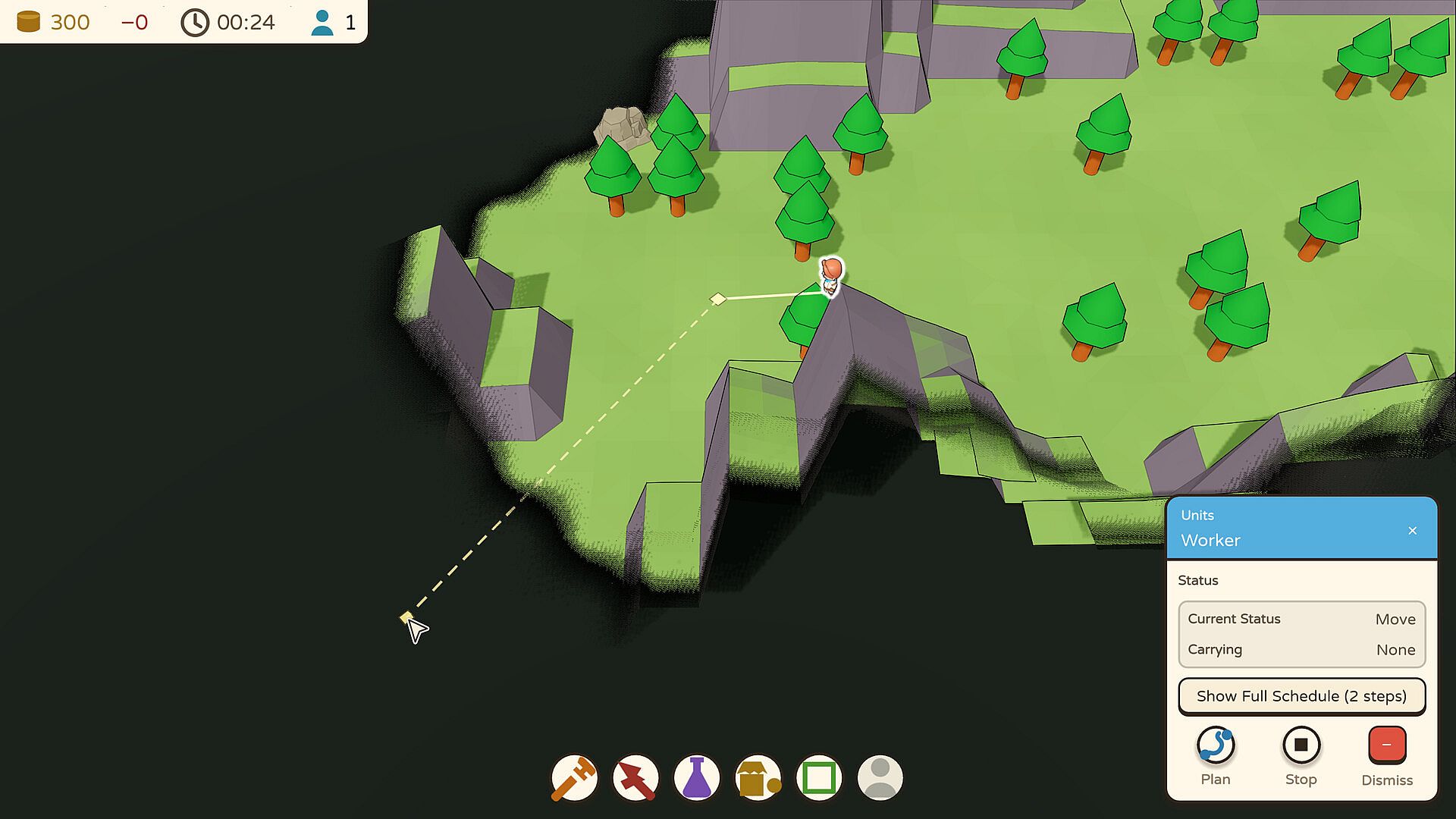
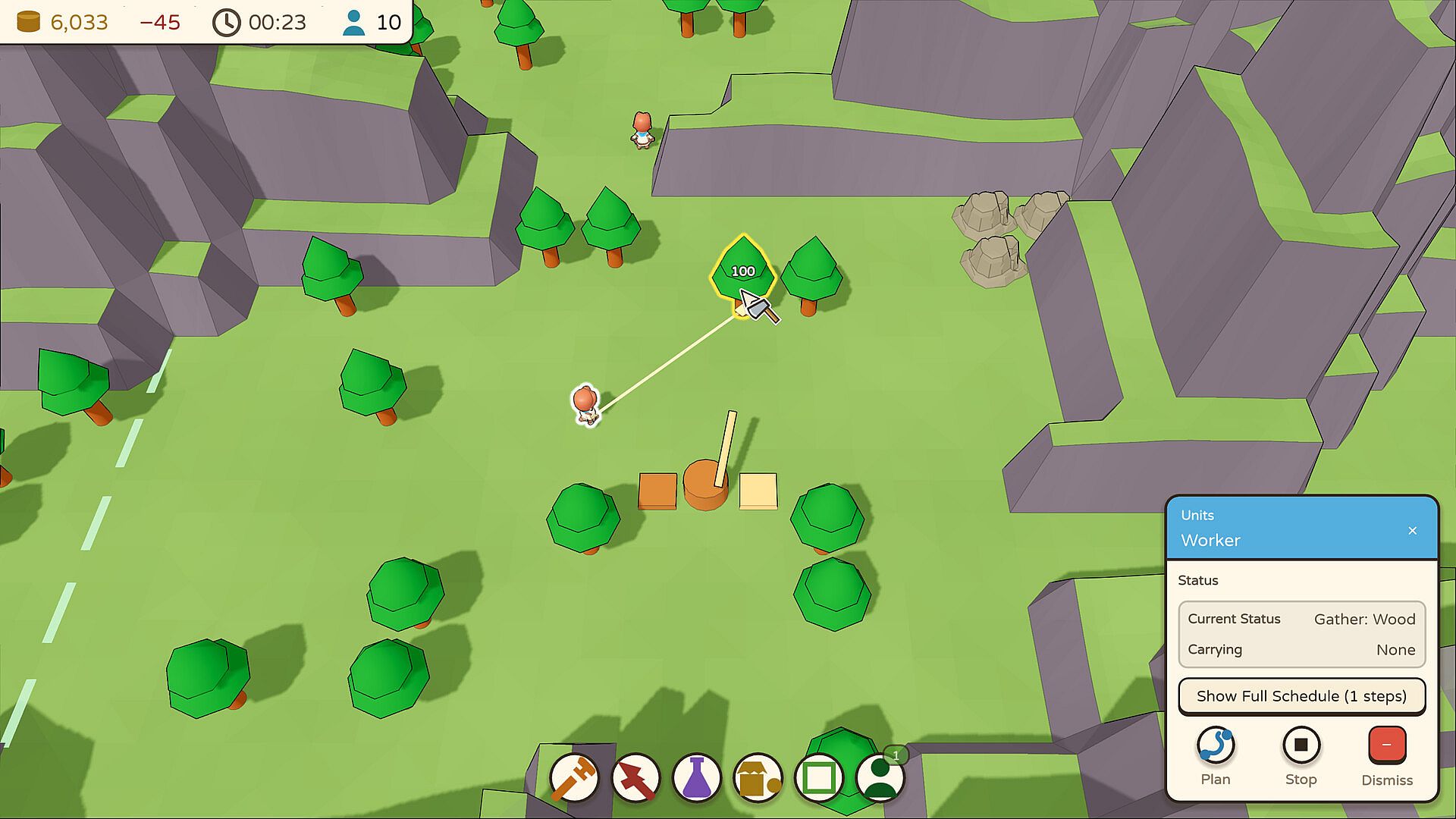
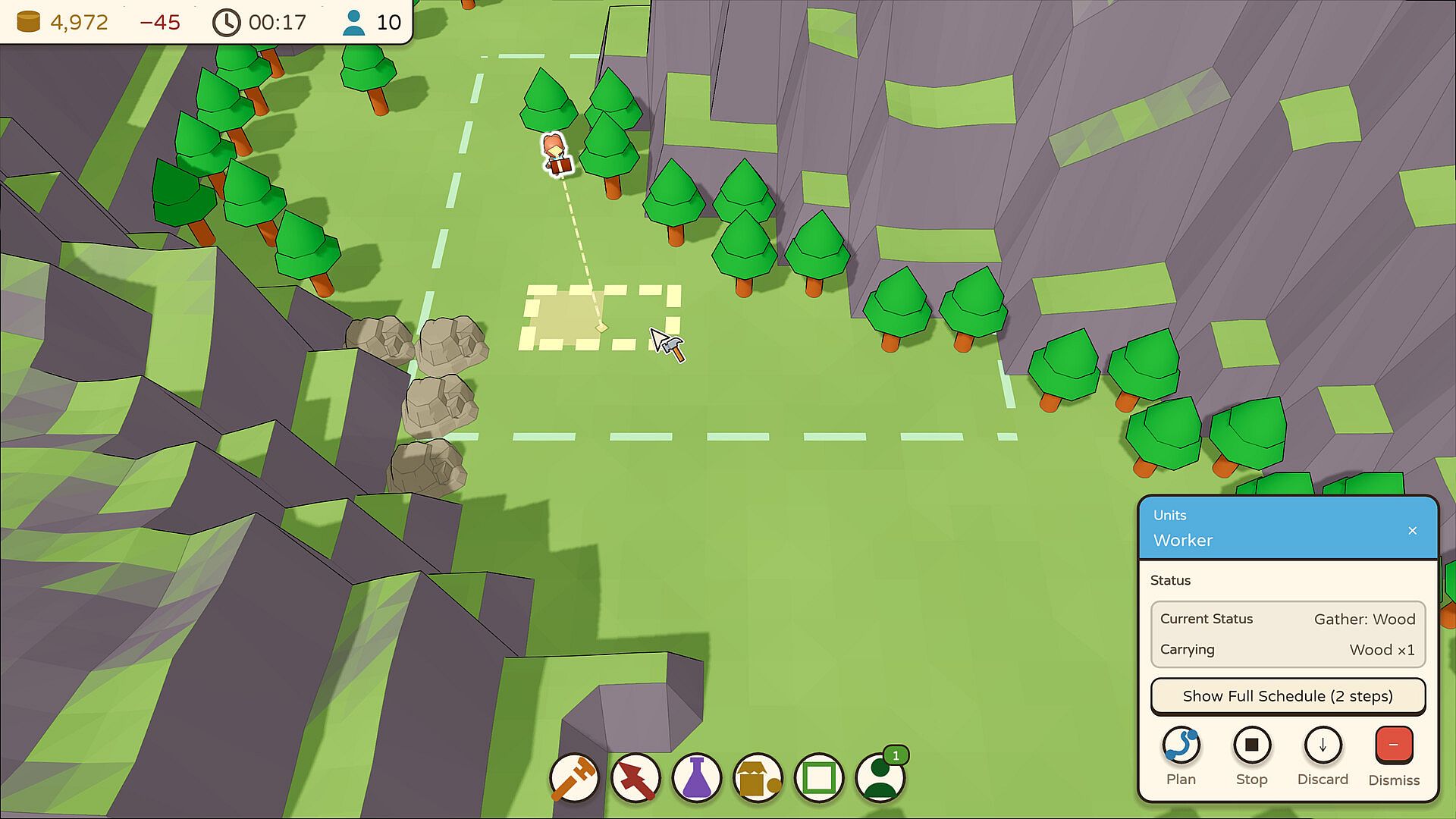
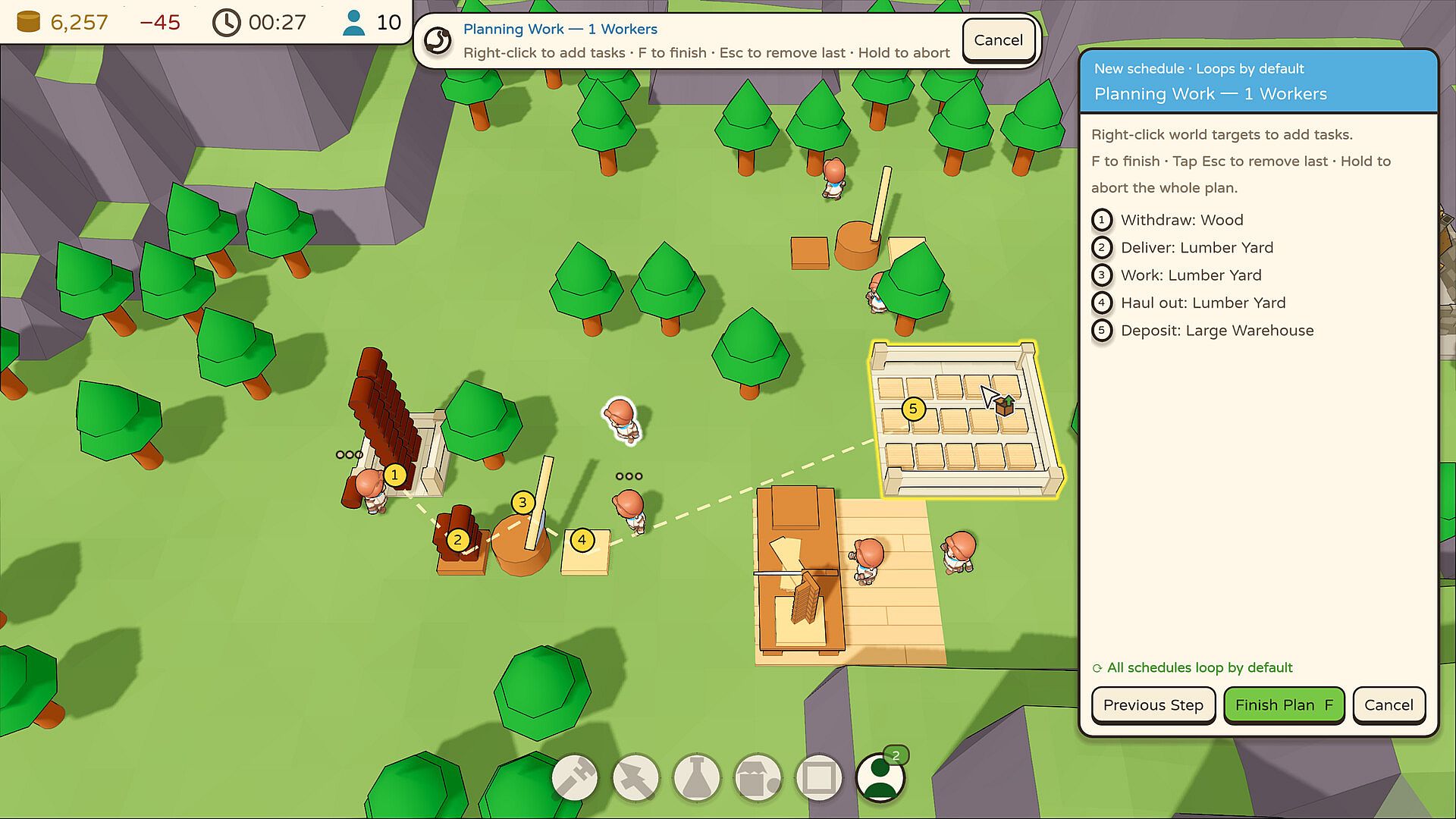
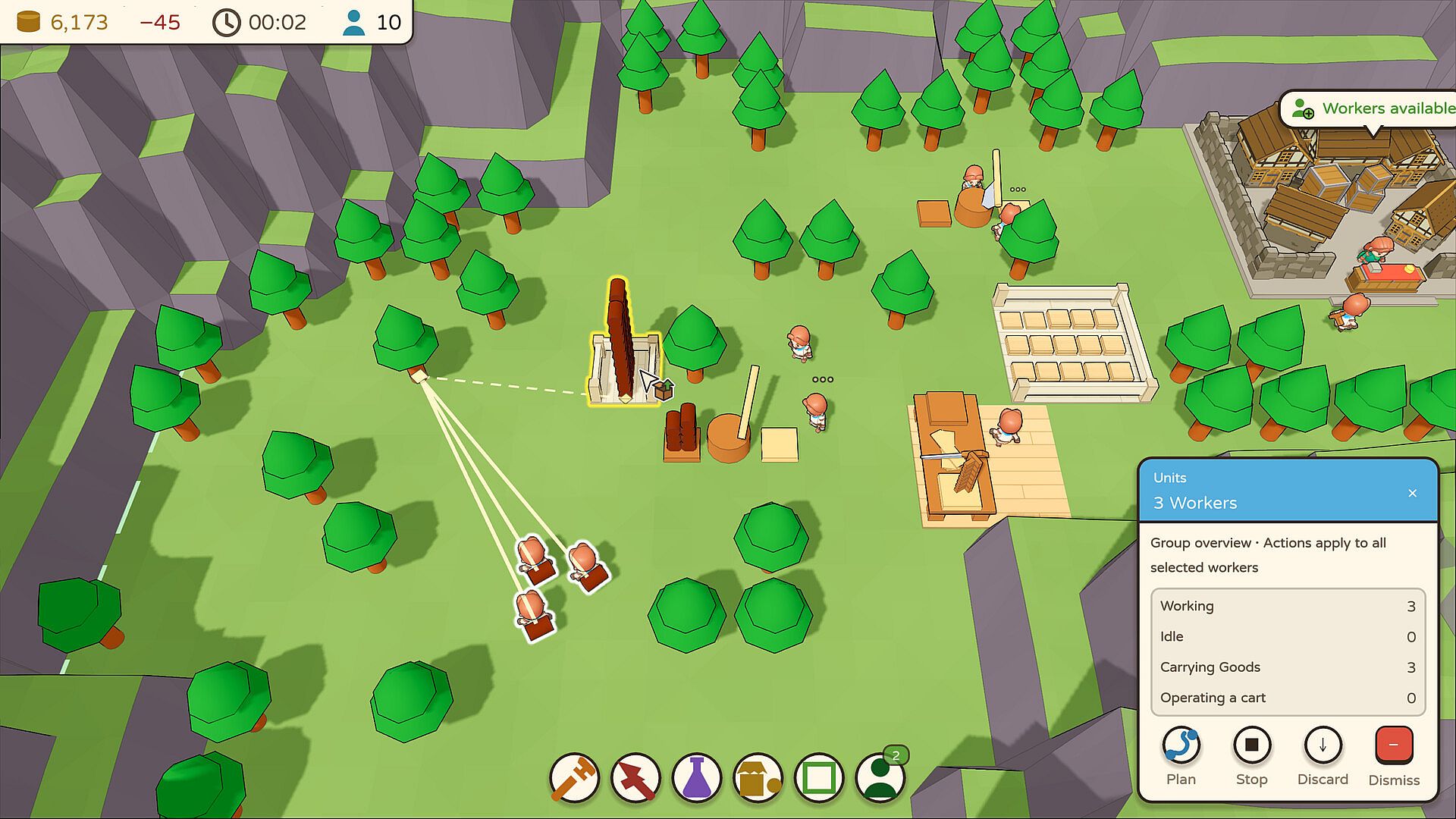
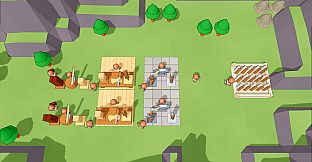
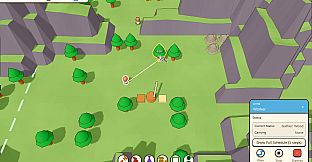
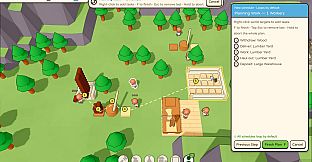
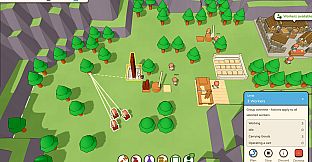
Core gameplay revolves around hands-on management of workers and facilities. Players select individual units and issue commands for tasks including resource collection, material transport, workshop operation, and goods delivery. This RTS-style approach treats workers as active units rather than abstract resources, requiring ongoing coordination as operations expand.
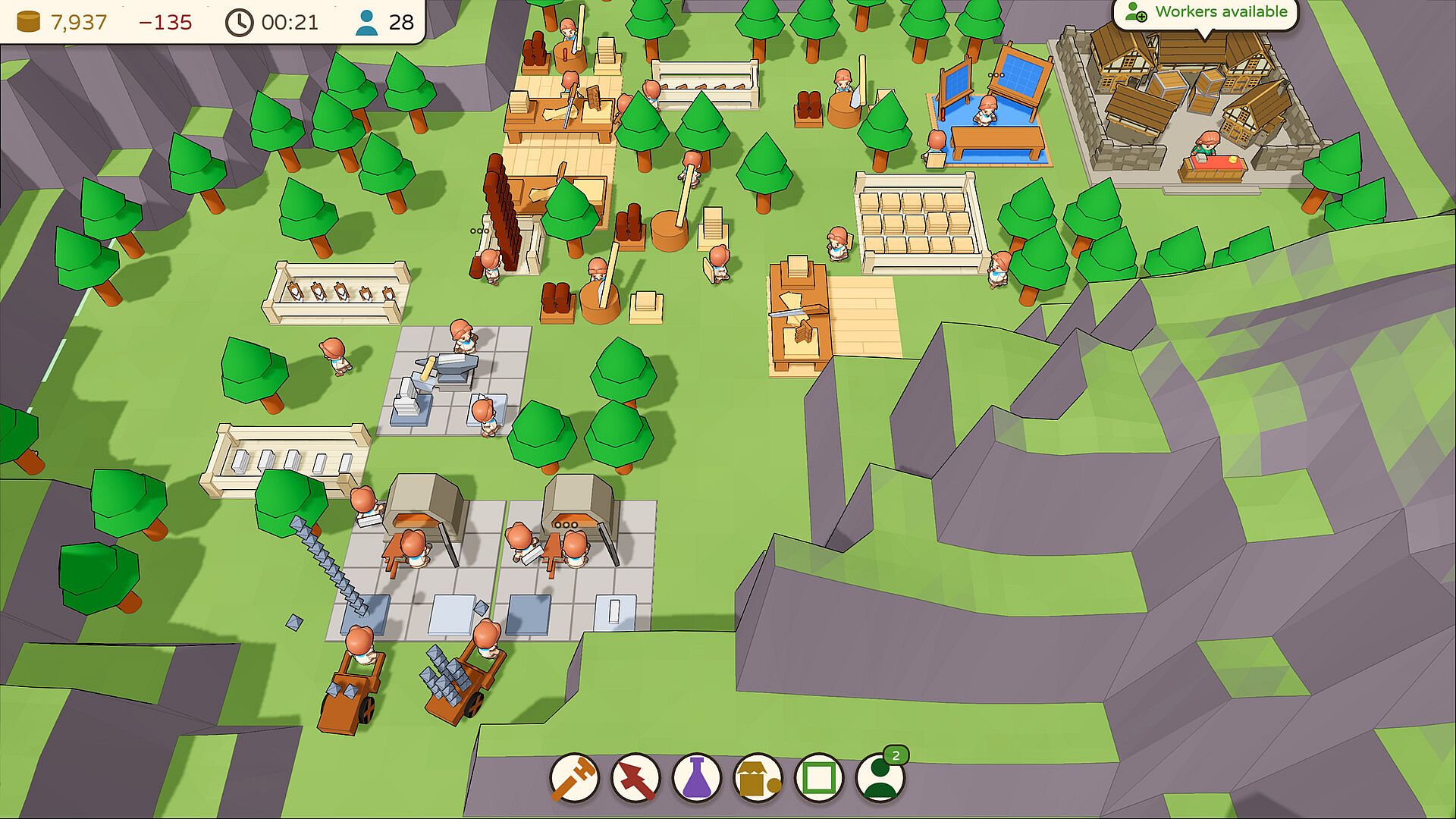
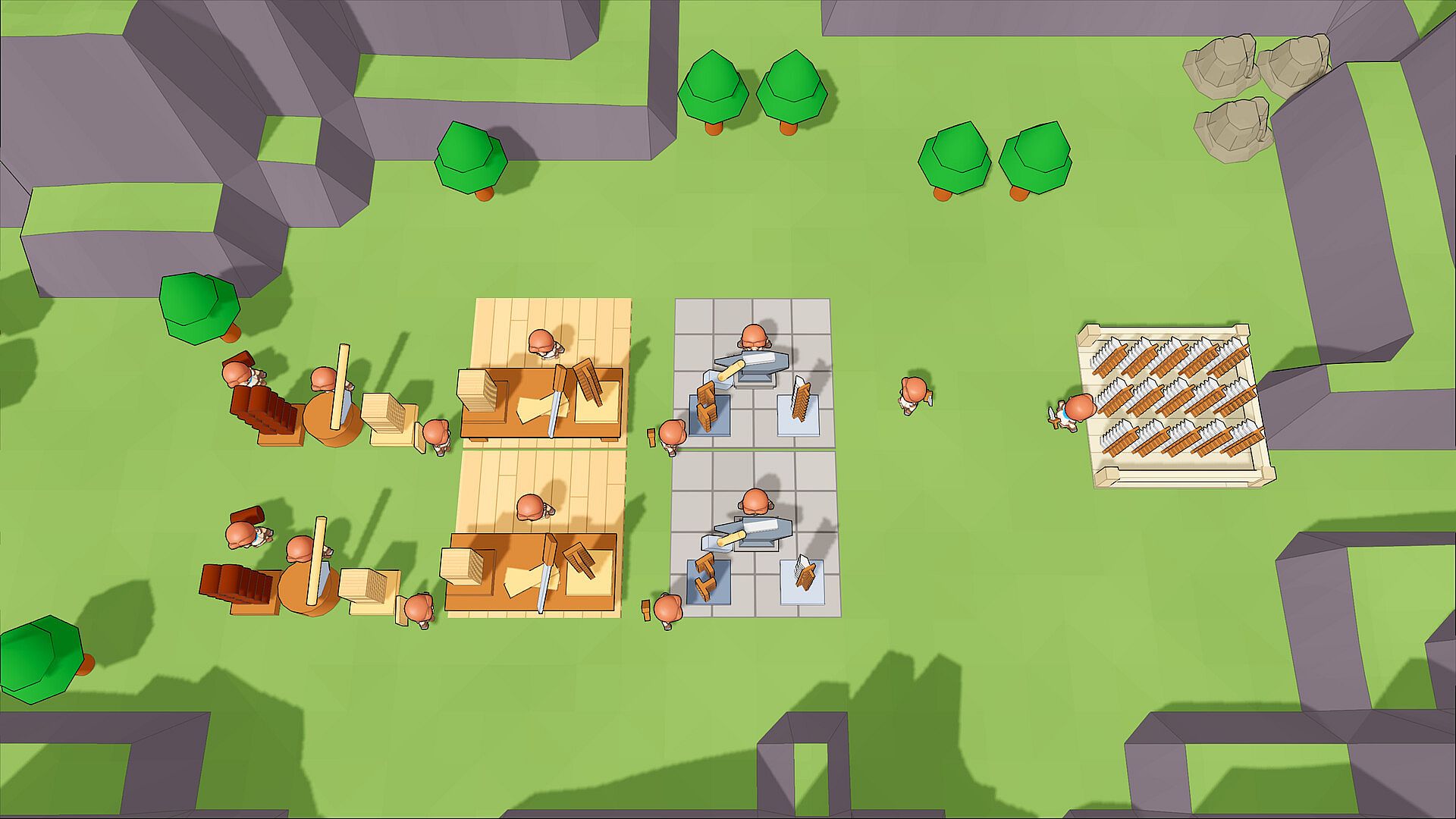
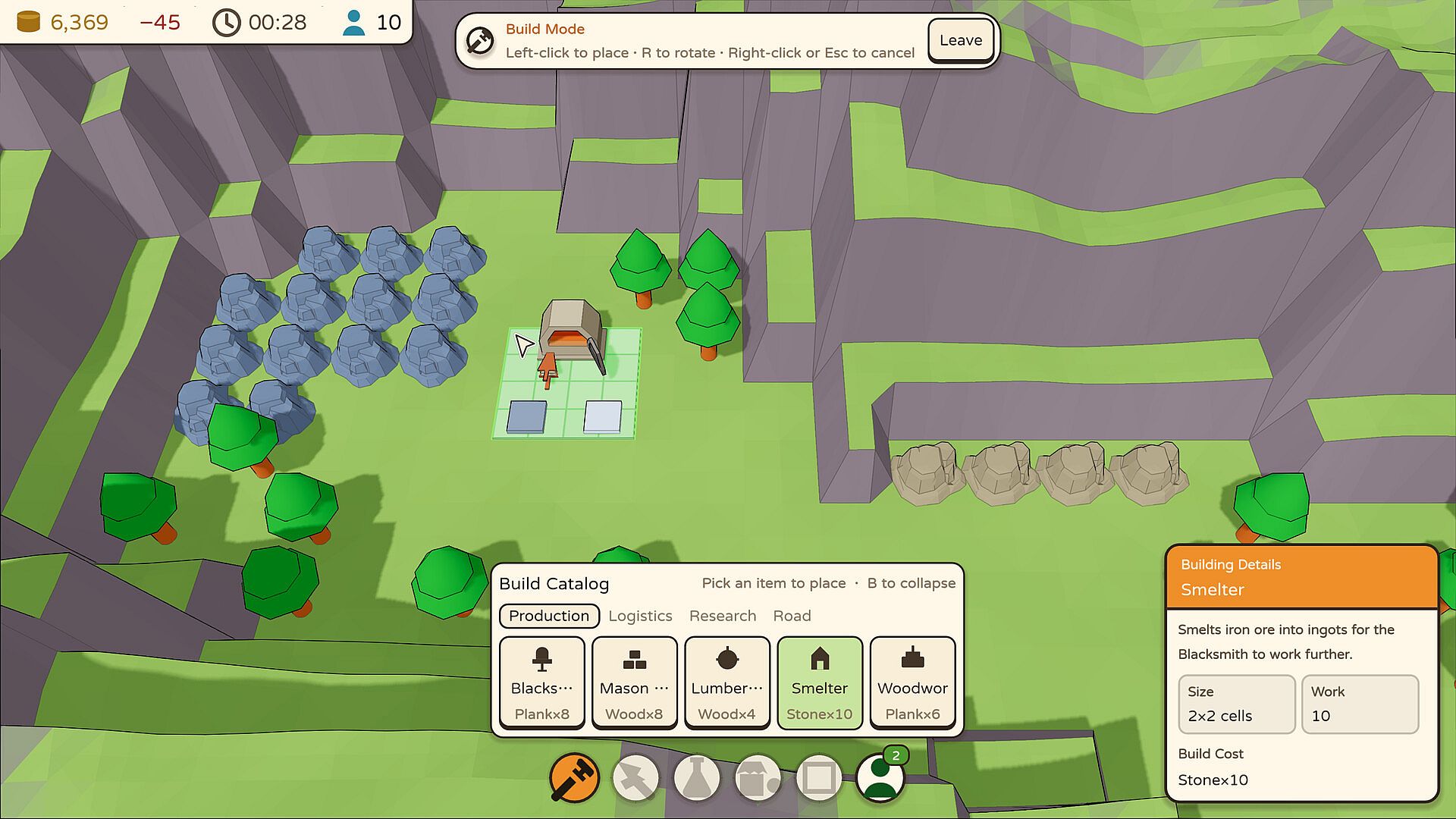
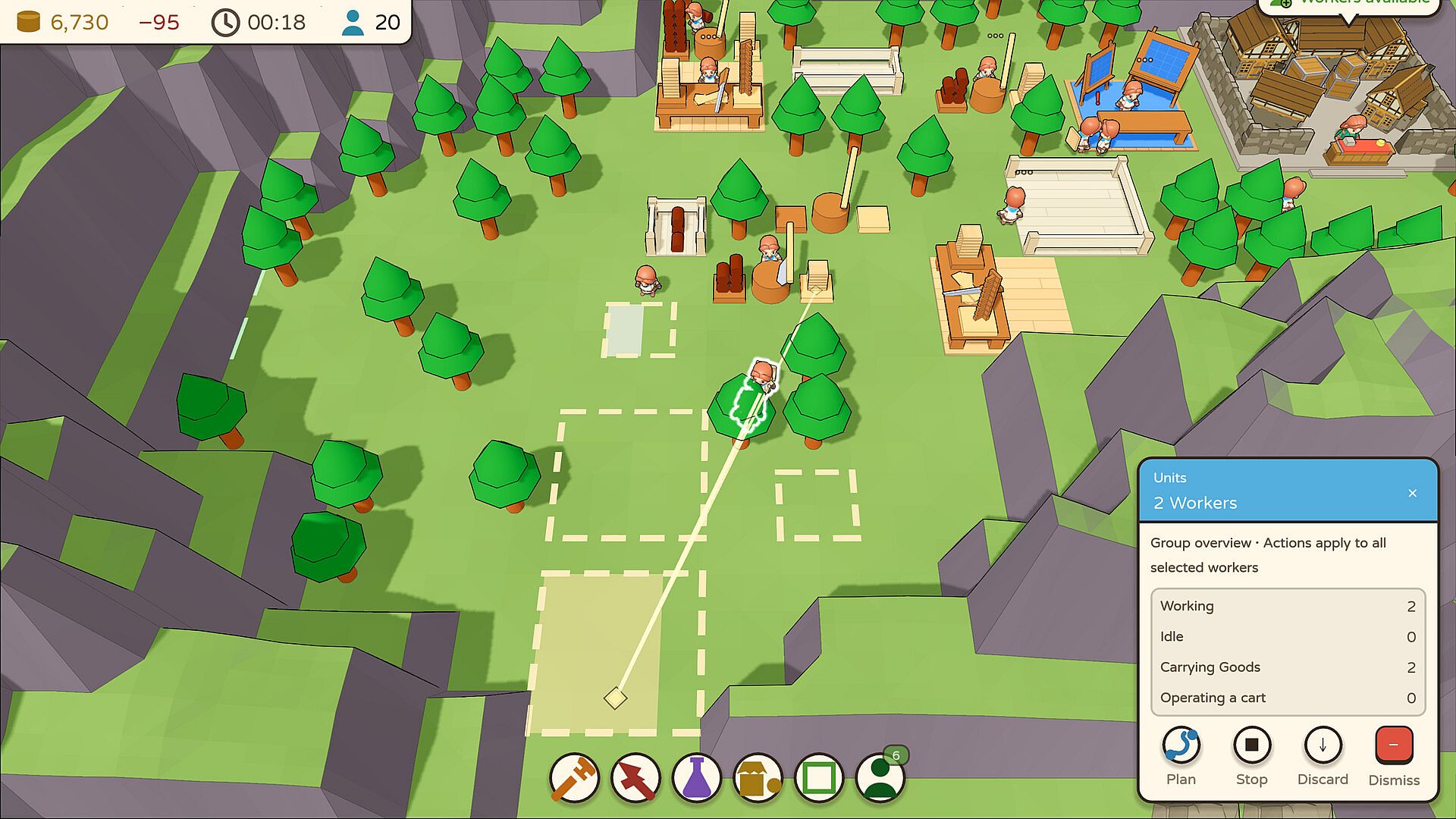
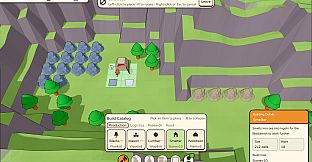
Production begins with raw materials such as timber and ore. These feed into multi-step chains where different facilities process items into intermediate goods and finally into finished products. Planning involves deciding production locations, ingredient supply routes, and movement of partially completed items between sites. New recipes and facilities become available over time, supporting larger and more interdependent networks.
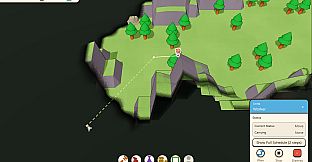
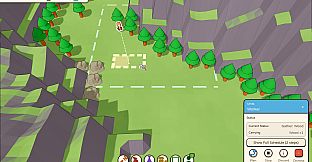
Transportation evolves alongside production. Early stages rely on workers carrying small loads by hand. Later upgrades include improved carrying equipment and carts that handle greater volumes over longer distances. These changes influence network design, turning inefficient back-and-forth routes into streamlined logistics systems capable of supporting complex operations.
Game Modes
Goods for Guilds presents a single-player simulation focused on progressive building and management. The structure follows a continuous campaign of expansion rather than separate named modes, with players advancing from a small initial site through successive unlocks of recipes, equipment, and land.
Trade and Regional Expansion
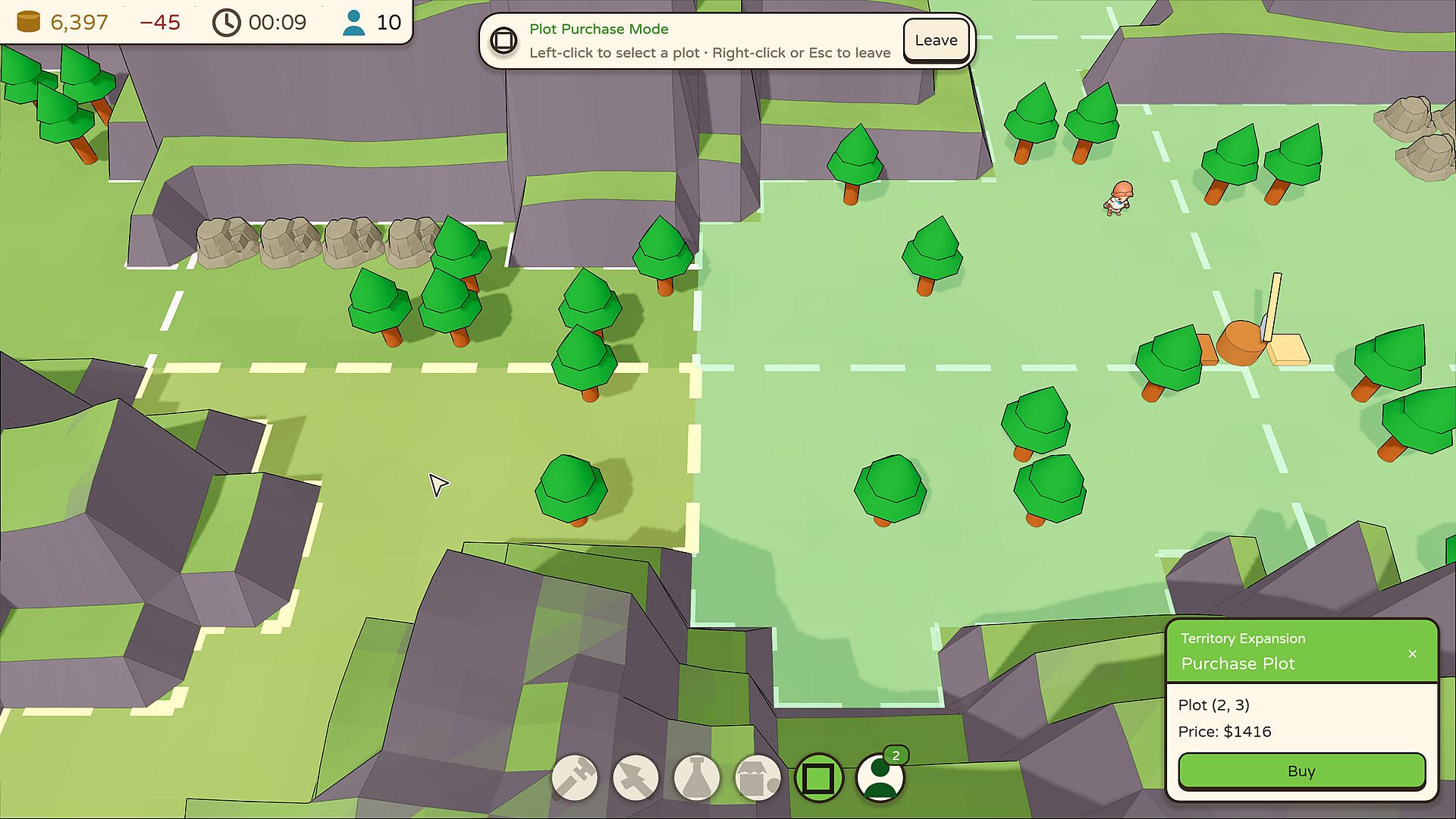
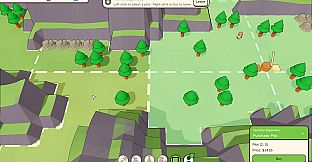
Finished goods reach markets that differ in demand and capacity. Effective play requires balancing what to produce, where to locate facilities, and which destinations to prioritize while accounting for transport costs and efficiency. Growth involves acquiring new land, adding facilities, and recruiting additional workers to access farther resources and markets. The result is an expanding web of production sites, trade routes, and worker assignments that span the region.
Is It Worth Playing?
Goods for Guilds suits players who enjoy detailed resource management, logistics planning, and incremental system building in a strategy simulation format. The direct worker control and emphasis on physical movement of goods create a tangible sense of operational oversight. Those seeking a focused single-player experience centered on production chains and trade networks will find the mechanics align closely with that interest. The game remains in active development with its core systems centered on the described building and logistics loop.