


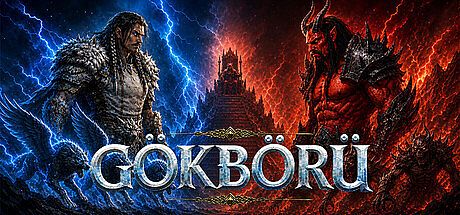


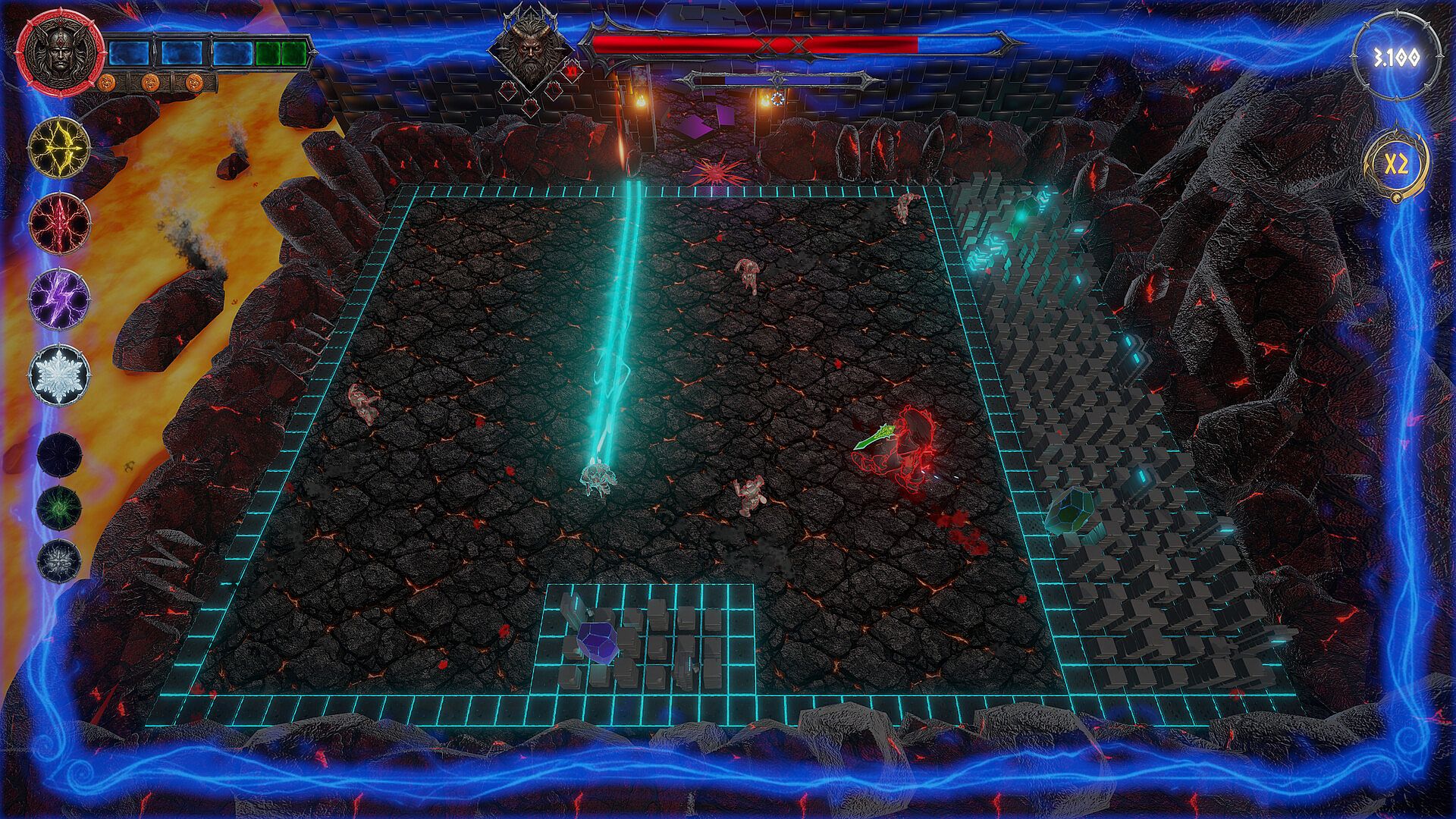
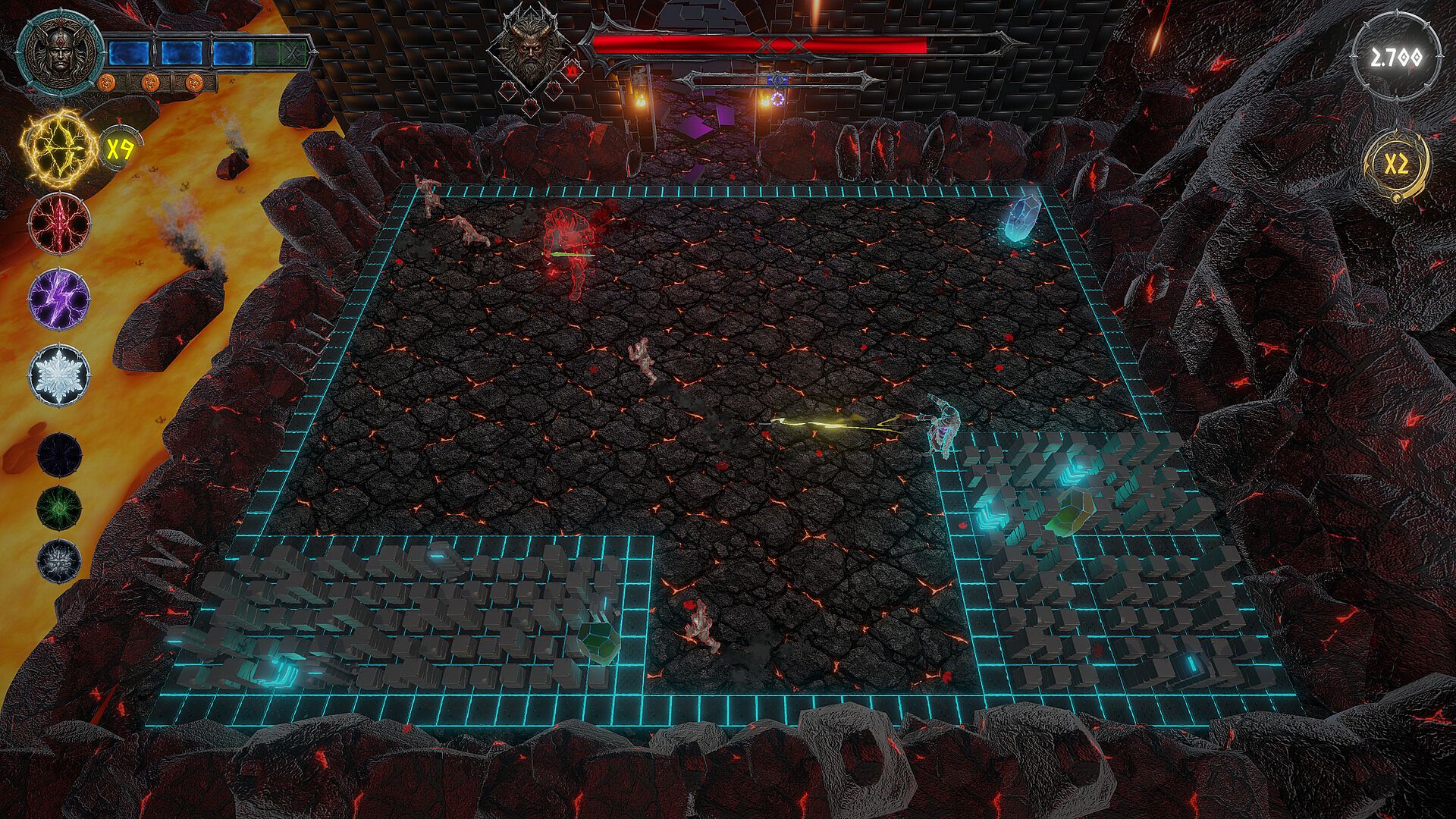
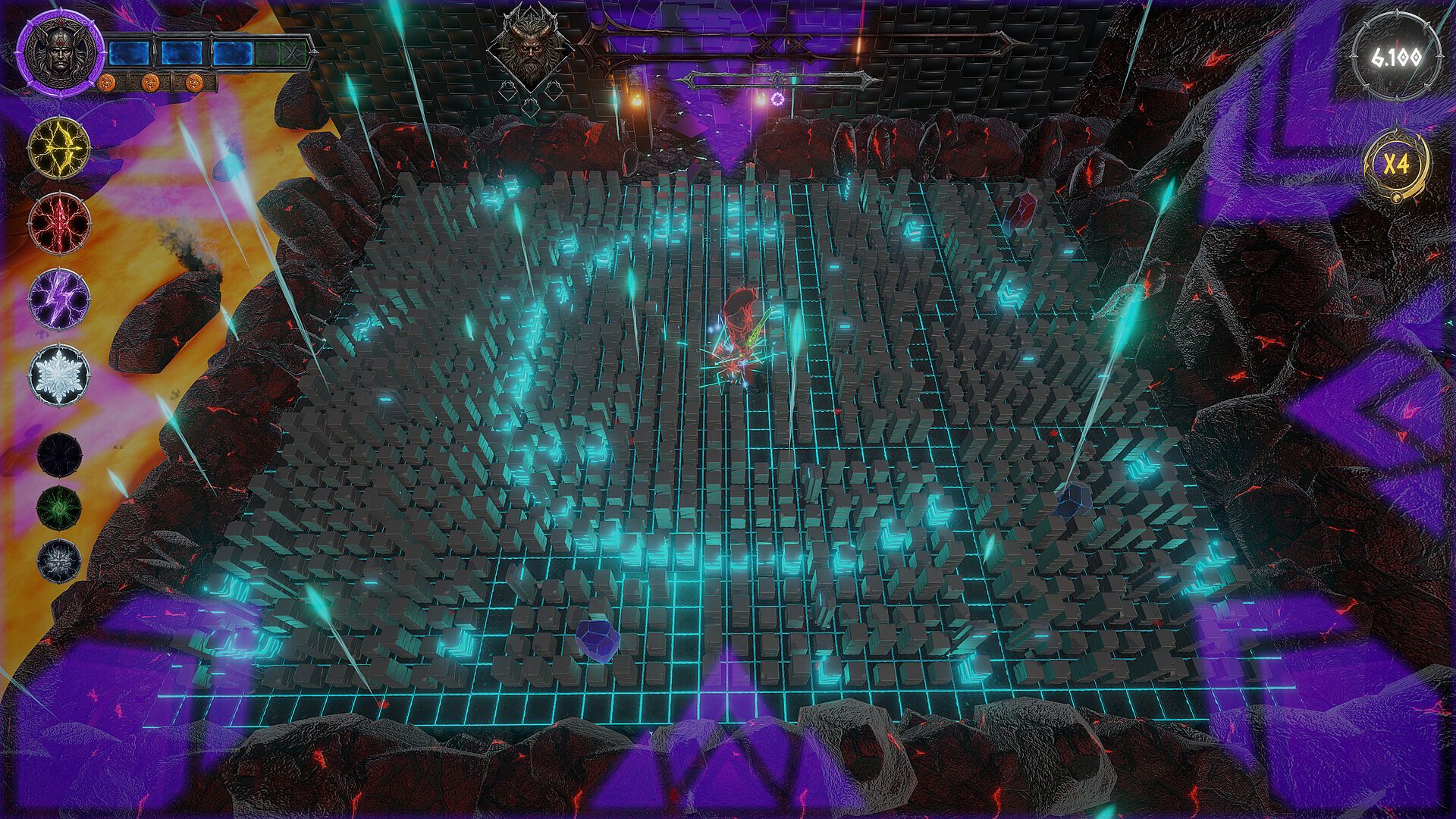
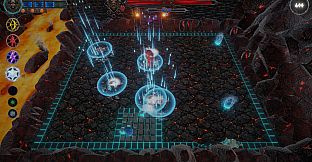
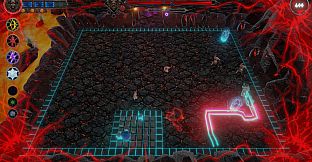
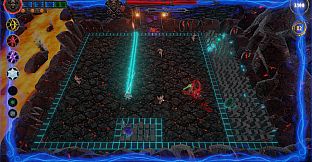
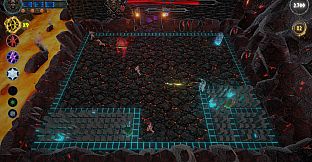
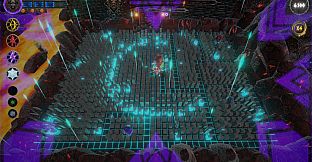
Gökbörü is a single-player 3D arcade action game that blends territory capture mechanics with strategy and adventure elements drawn from Turkish and Central Asian Turkic mythology. Players take on the role of heroes battling underworld forces across handcrafted arenas, using line-drawing techniques to claim and cleanse land while managing risks from pursuing enemies.
Gameplay
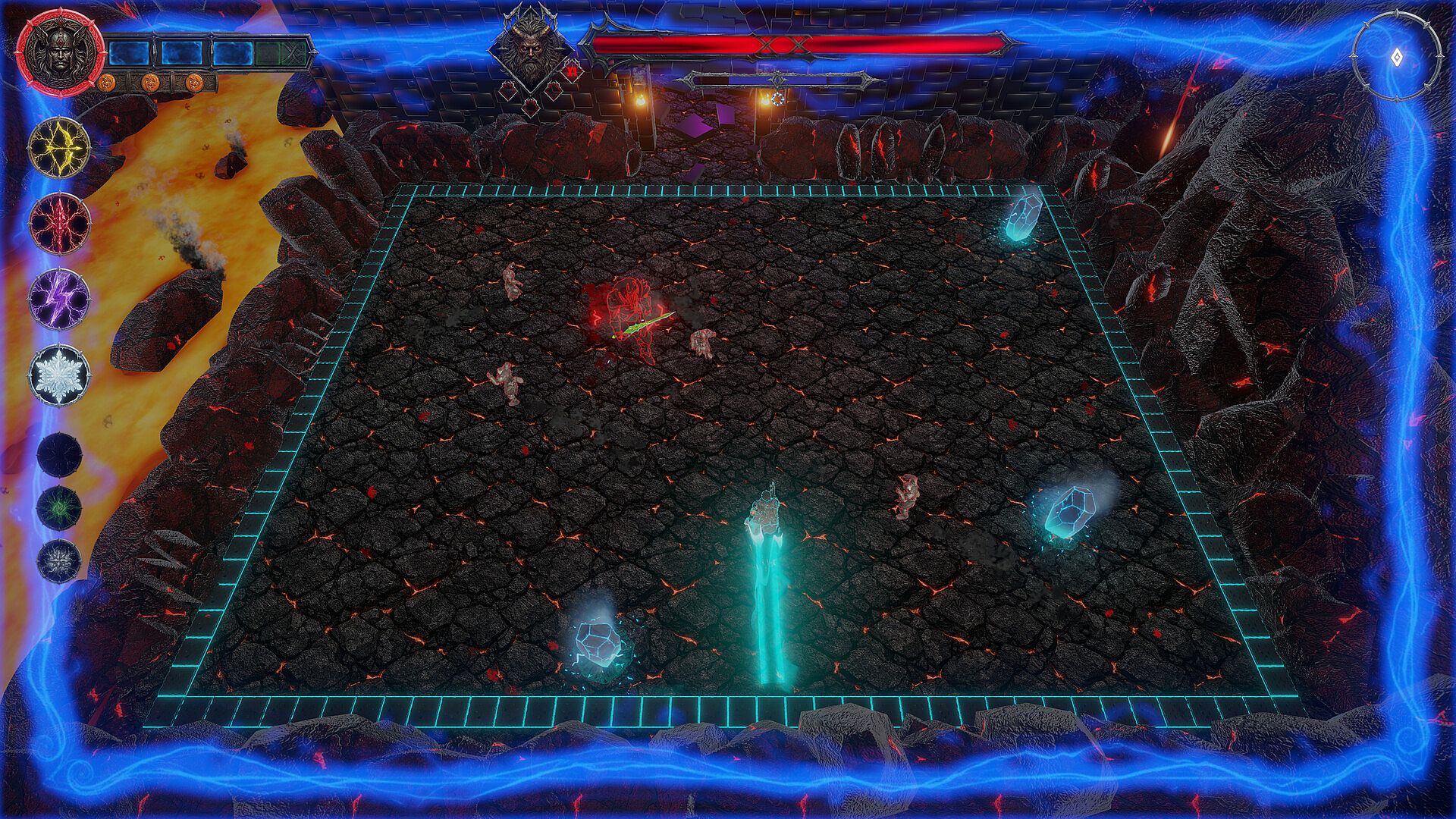
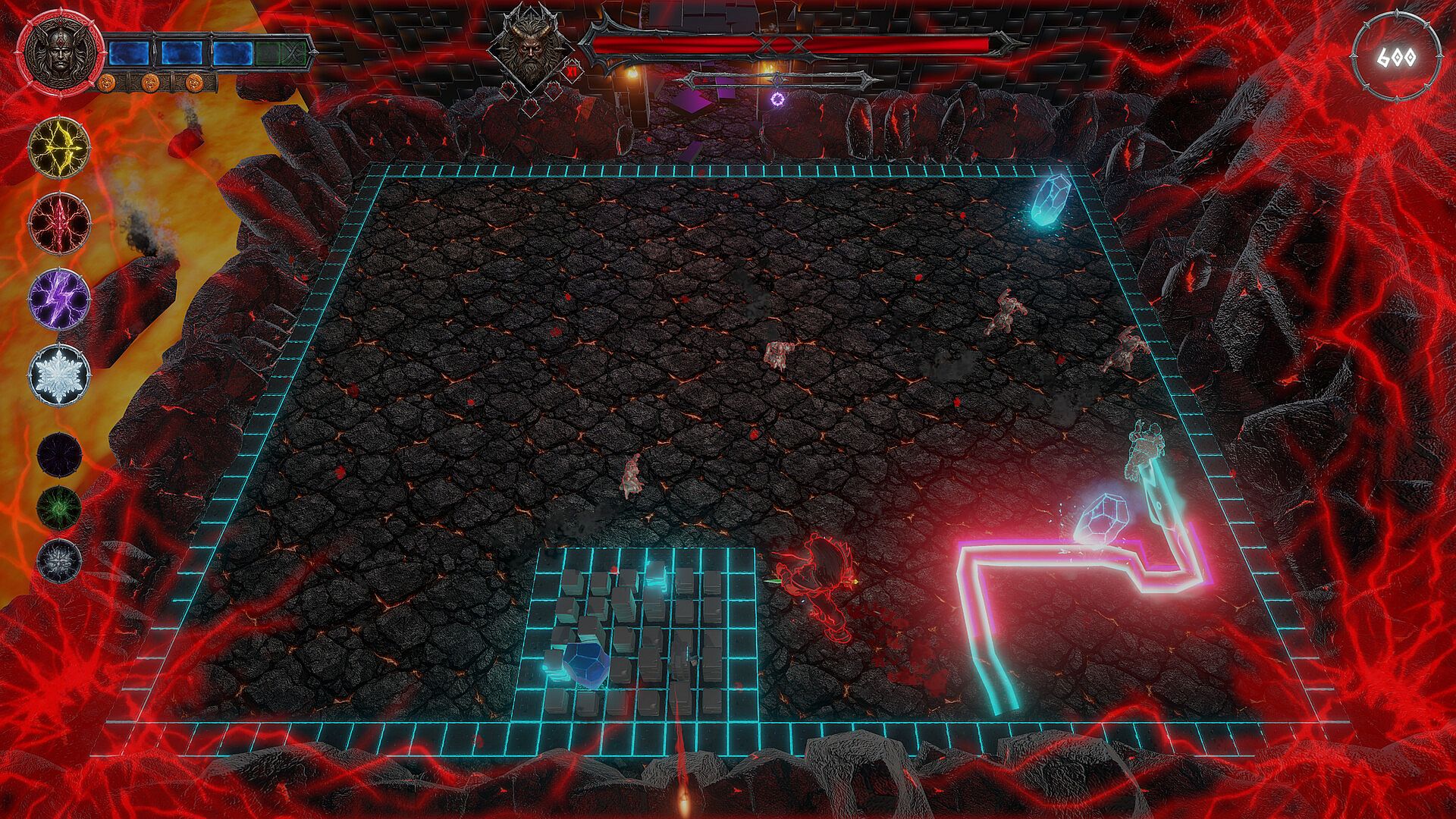
The core loop centers on sweeping lines across top-down 3D arenas to enclose and purify sections of corrupted ground. Closing a loop claims the enclosed area, destroying any Körmös minions trapped inside and advancing progress toward the chapter's capture goal, such as 90 percent in the opening levels. Small enclosures provide steady, low-risk gains, while larger ones yield higher scores but leave the player vulnerable for longer periods as the open line remains exposed.
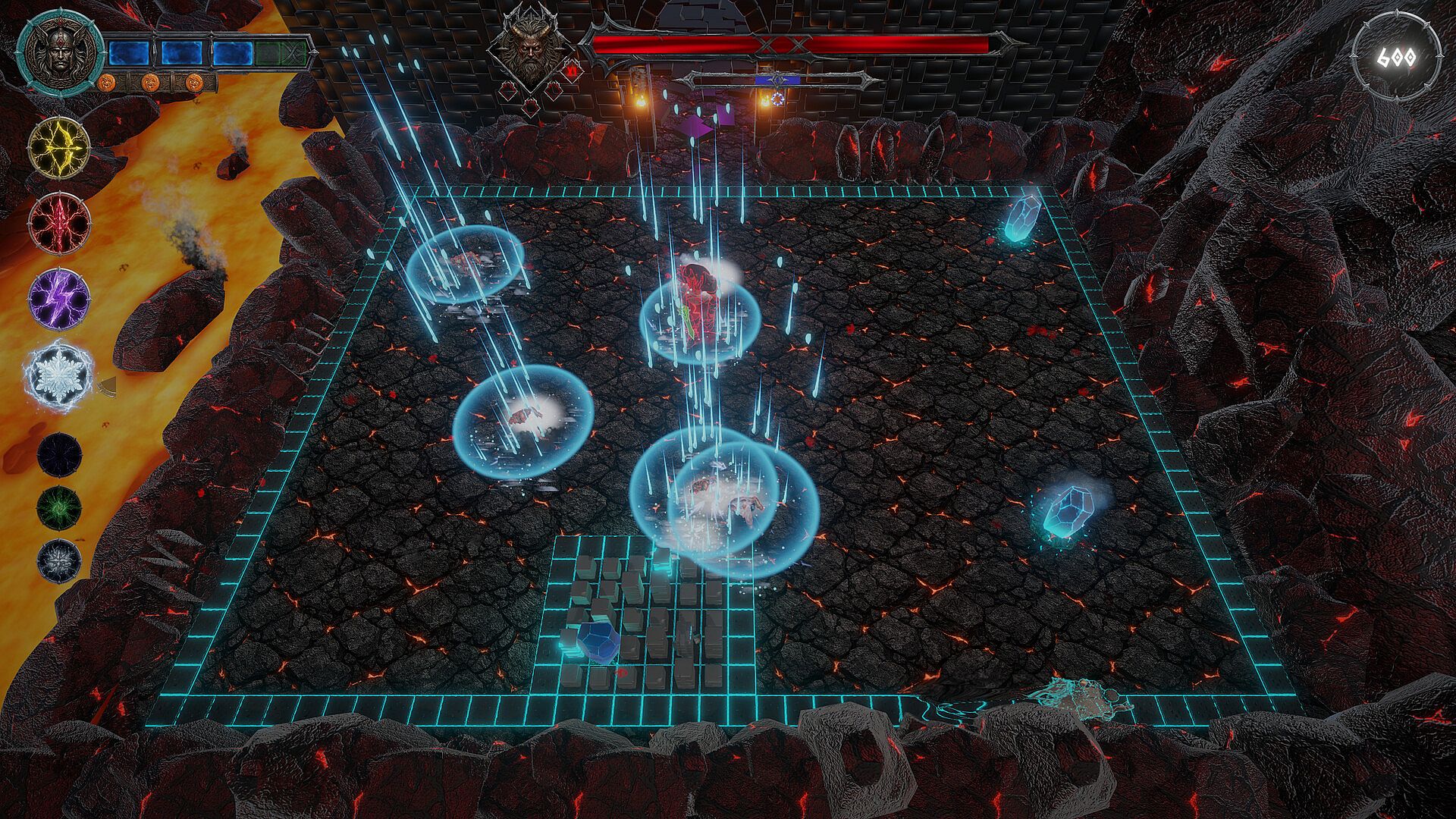
Enemies interact dynamically with unfinished lines. A touch from a demon sends danger racing back along the trail, requiring a timely closure or deflect to survive. Players can also eliminate threats directly with arrows, spears, or by sealing ground beneath minions. Power boxes scattered in the arenas grant temporary advantages when claimed, including speed boosts for faster movement, freezes to halt enemies, ranged weapons like bows and spears, area-clear effects, extra lives, and point bonuses. Levels incorporate a countdown timer that triggers mortar fire once expired, removing the safety of previously claimed ground. Boss encounters escalate with arena control, introducing phases like ground-shattering attacks or territory theft that demand adaptive risk management.
Progression emphasizes short, intense sessions designed for repeated attempts. Lives allow respawns at the start of a level, but depletion ends the run. Score systems reward combo chains from successive large captures, with multipliers that break on hits or delays, plus end-level bonuses based on remaining lives and total land claimed. High scores track per level and full runs to encourage improvement.
Game Modes
Gökbörü operates as a single-player experience structured around progressive chapters framed by cinematic cutscenes in the style of Dede Korkut epics. These story segments introduce the conflict with Erlik and his forces and can be revisited through a dedicated gallery. The campaign flows through distinct realms featuring unique arena designs, from haunted trade routes and ruined cities to the gates of the underworld and the final throne room. Each realm concludes with a mythic boss encounter that introduces specific mechanics tied to risk and territory control.
Gameplay remains consistent across levels without separate named modes, focusing instead on escalating challenges through enemy density, boss behaviors, and environmental hazards. Keyboard or gamepad controls support precise line drawing and combat actions, with atmospheric audio and visuals enhancing the dark, mythological tone in every arena.
Story and Setting
The narrative follows the incursion of Erlik, Lord of the Underworld, whose shadow demons known as the Körmös corrupt the surface world. Players assume the roles of Kızagan in the prologue and Baybörü as commander of the Gökbörü forces, guided by Bürküt, the messenger of Ülgen. Encounters with bosses such as Tepegöz, Alkarısı, Karabasan, Abra and Yutpa, Kara Şaman, Temir Han and his sons, and the multi-phase Erlik Han each highlight different aspects of the capture-and-risk system while advancing the tale of resistance against underworld corruption.
Is It Worth Playing?
Gökbörü targets players who enjoy precise, high-stakes arcade action combined with strategic territory management and light adventure storytelling rooted in Turkic mythology. Its emphasis on risk-reward decisions during line captures, combined with short level lengths that support quick retries and score chasing, suits those seeking focused single-player sessions rather than extended campaigns or multiplayer competition. As an upcoming indie title on PC, it offers a self-contained experience with no confirmed post-launch updates or additional content at this stage. Those drawn to mythology-themed games with tight mechanics and boss variety may find its approach compelling once released, particularly if they appreciate games that reward practice and pattern recognition over broad exploration.