


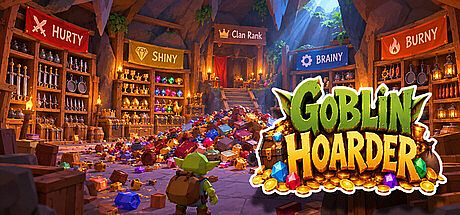


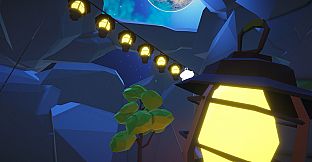
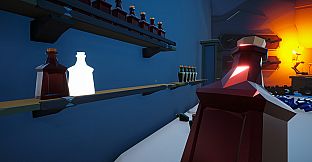
Goblin Hoarder is a first-person organizing simulation game in the indie and casual genres. Players step into a massive goblin cave filled with scattered stolen goods and work methodically to bring order to the space. The core experience centers on collecting and sorting items such as potions, weapons, treasure, food, and miscellaneous loot before placing each one in its designated spot on shelves and storage areas.
Gameplay
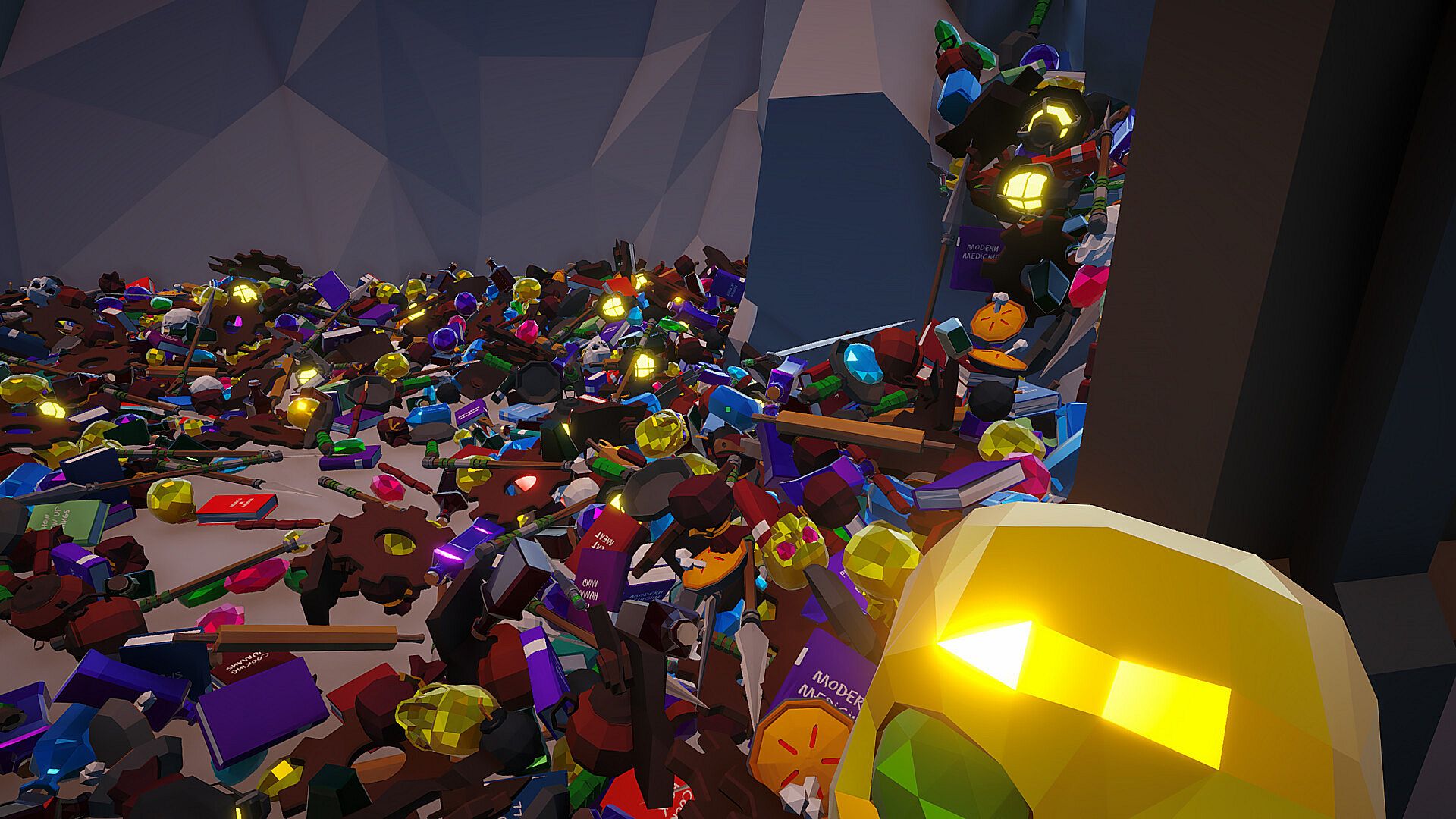
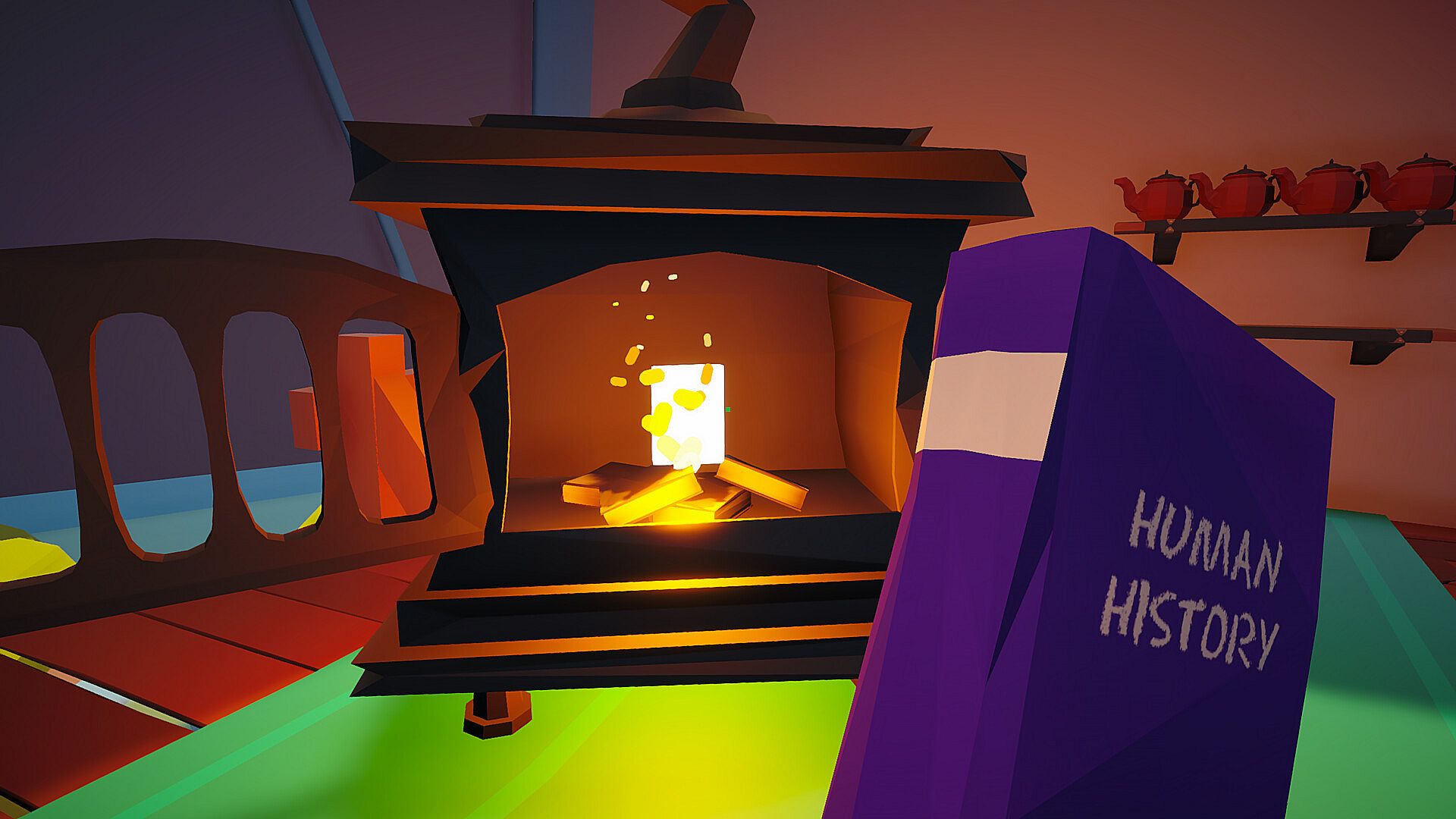
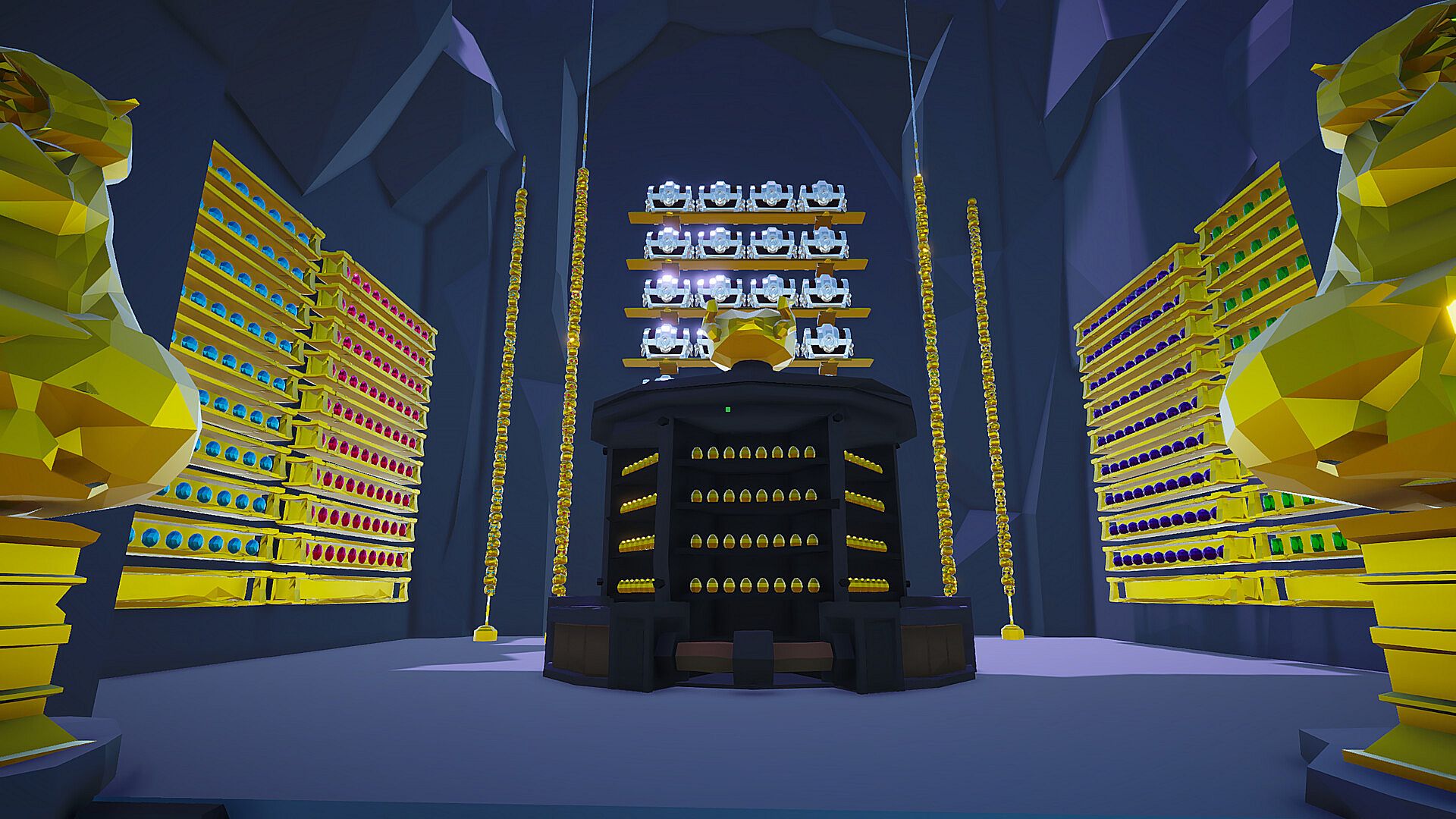
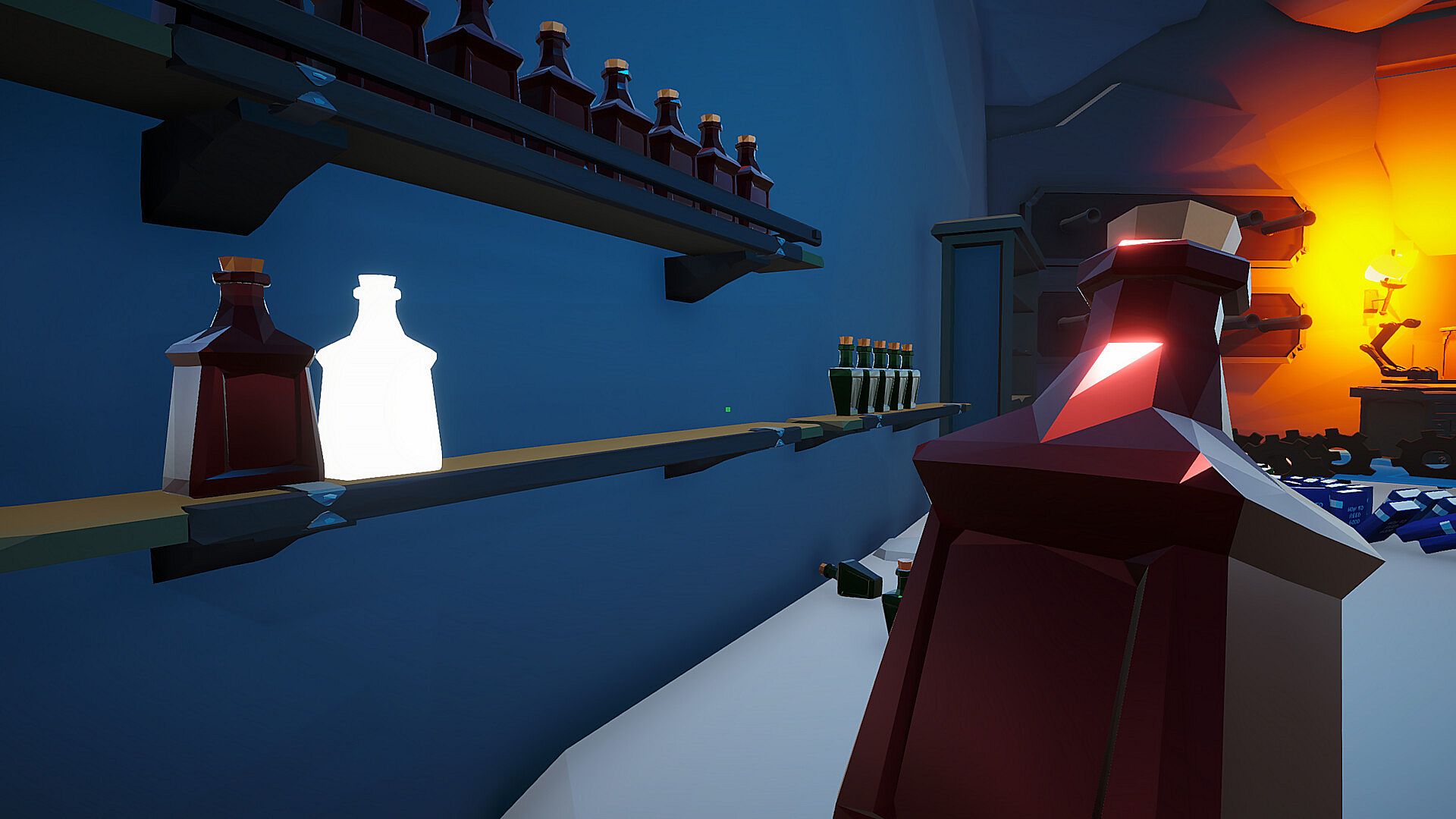
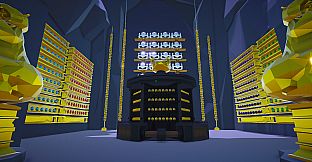
The gameplay loop revolves around exploration and precise placement within the cave environment. Players move through the space in first-person view, gathering thousands of individual objects that litter the floors and surfaces. Each item belongs to a specific category, and returning it to the correct location contributes to the gradual reorganization of the entire area. As more items find their homes, the cave itself changes visually, with shelves expanding, shifting, and integrating the new contents into a cohesive structure. This transformation creates a satisfying progression where initial disorder gives way to neat, layered displays of loot. The mechanics emphasize careful sorting rather than combat or resource management, allowing players to focus on the tactile process of picking up objects and deciding their final positions. Physics elements appear in how items interact with surfaces and each other during placement, adding a layer of realism to the organizing task. The single-player format supports a steady, unhurried pace suited to short or extended sessions.
Game Modes
The game operates entirely in a single-player format with no separate named modes or multiplayer components. The primary activity consists of the ongoing task of sorting and organizing the cave's contents. Players progress by clearing sections of clutter and watching the environment evolve, with the central goal of completing the full transformation of the loot cave. There are no additional variants such as timed challenges, competitive elements, or alternate scenarios confirmed at this stage. The experience remains consistent across playthroughs, centered on the same core loop of collection and placement within the expanding storage system.
Visual and Environmental Progression
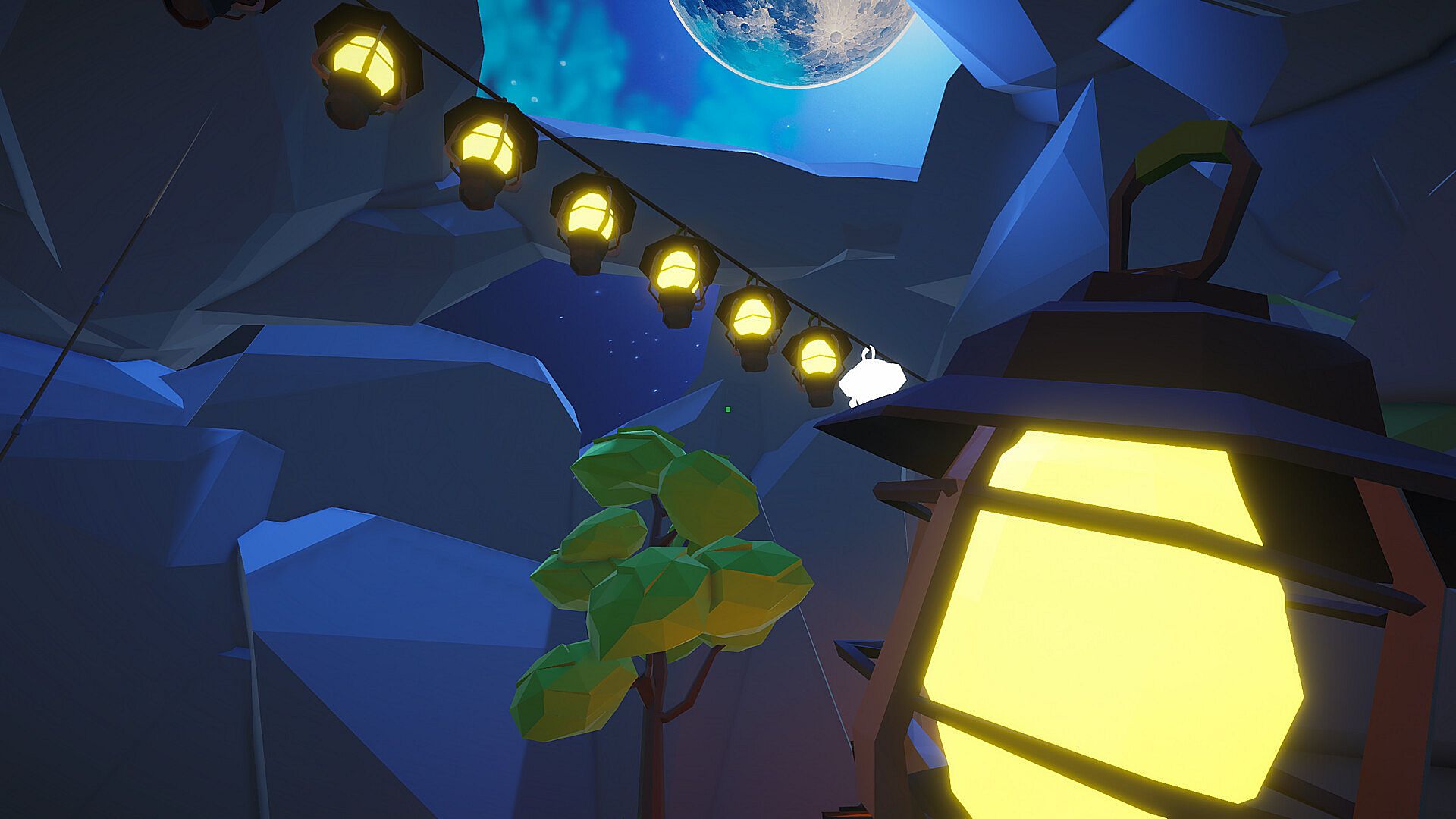
One of the standout aspects lies in how the cave responds to player actions. Empty or chaotic areas gradually fill with organized rows of potions in one section, weapons mounted or stacked in another, and food or treasure displayed prominently elsewhere. Shelves grow and warp to accommodate the volume, creating new layers and configurations that reflect the cumulative effort. This environmental feedback reinforces the sense of accomplishment as the space shifts from a disorganized hoard to a structured collection. The stylized fantasy aesthetic keeps the focus on the items themselves, with colorful and varied objects that stand out against the cave walls. The first-person perspective enhances immersion by placing players directly among the clutter they are tidying.
Who the Game Appeals To
Goblin Hoarder targets players who enjoy simulation and casual experiences built around methodical tasks. Those drawn to organizing mechanics, collectathon elements, or cozy management titles will find the emphasis on sorting and spatial arrangement familiar. The relaxing tone and absence of high-pressure systems make it suitable for unwinding, while the scale of thousands of items provides depth for those who appreciate thorough completion. The indie production values and first-person viewpoint distinguish it from top-down or abstract organizing games, offering a more direct interaction with the environment. Availability on PC supports straightforward access for the target audience interested in simulation gameplay.
Is It Worth Playing?
With a planned release in October 2026, Goblin Hoarder remains in a pre-launch state and currently has no user reviews or aggregated ratings available. The confirmed features center on its relaxing first-person organizing loop and the visual transformation of the cave through item placement. Players who value deliberate sorting tasks and environmental progression in a casual simulation context may find the concept appealing once it launches. The single-player design and focus on steady organization suggest it suits those seeking low-stress gameplay without competitive or narrative demands. Those interested in similar organizing titles can monitor updates from the developer for any additional details closer to release. The game is positioned as a niche experience within the indie casual simulation space rather than a broad-appeal title.