






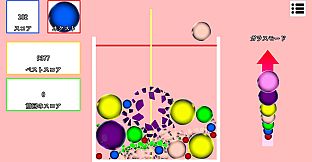
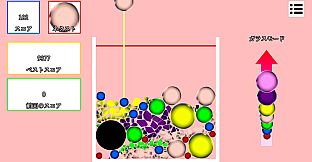
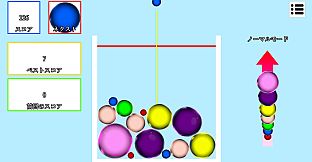
Glass Drop is a single-player physics-based falling merge puzzle game available on PC. Players drop glass bubbles into a contained box, where matching colors and sizes collide and evolve into larger tiers, building toward a rainbow-level bubble while avoiding overflow that ends the round. The experience blends precise placement with chain reactions that reward careful planning and awareness of how objects interact under simulated physics.
Gameplay
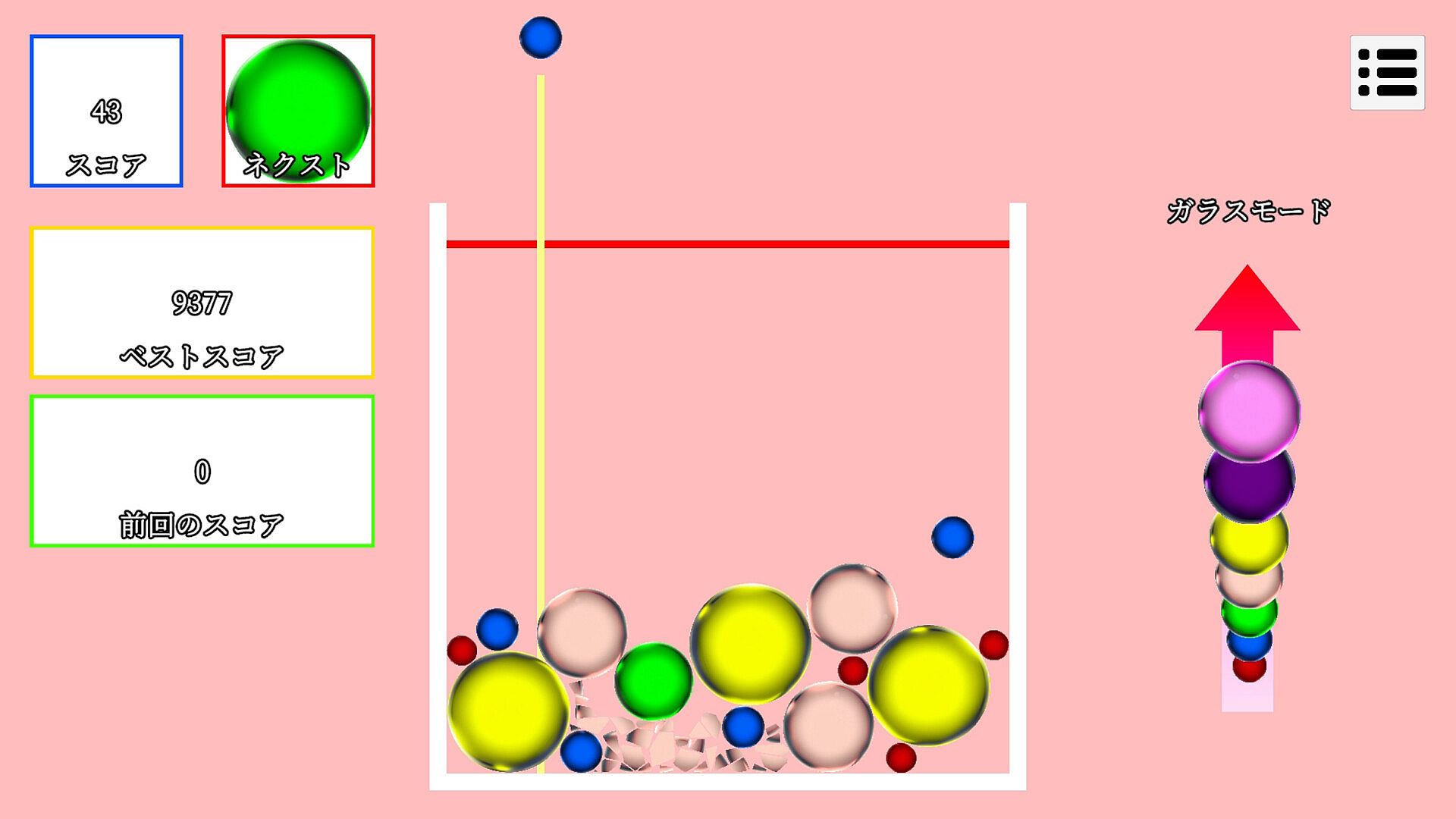
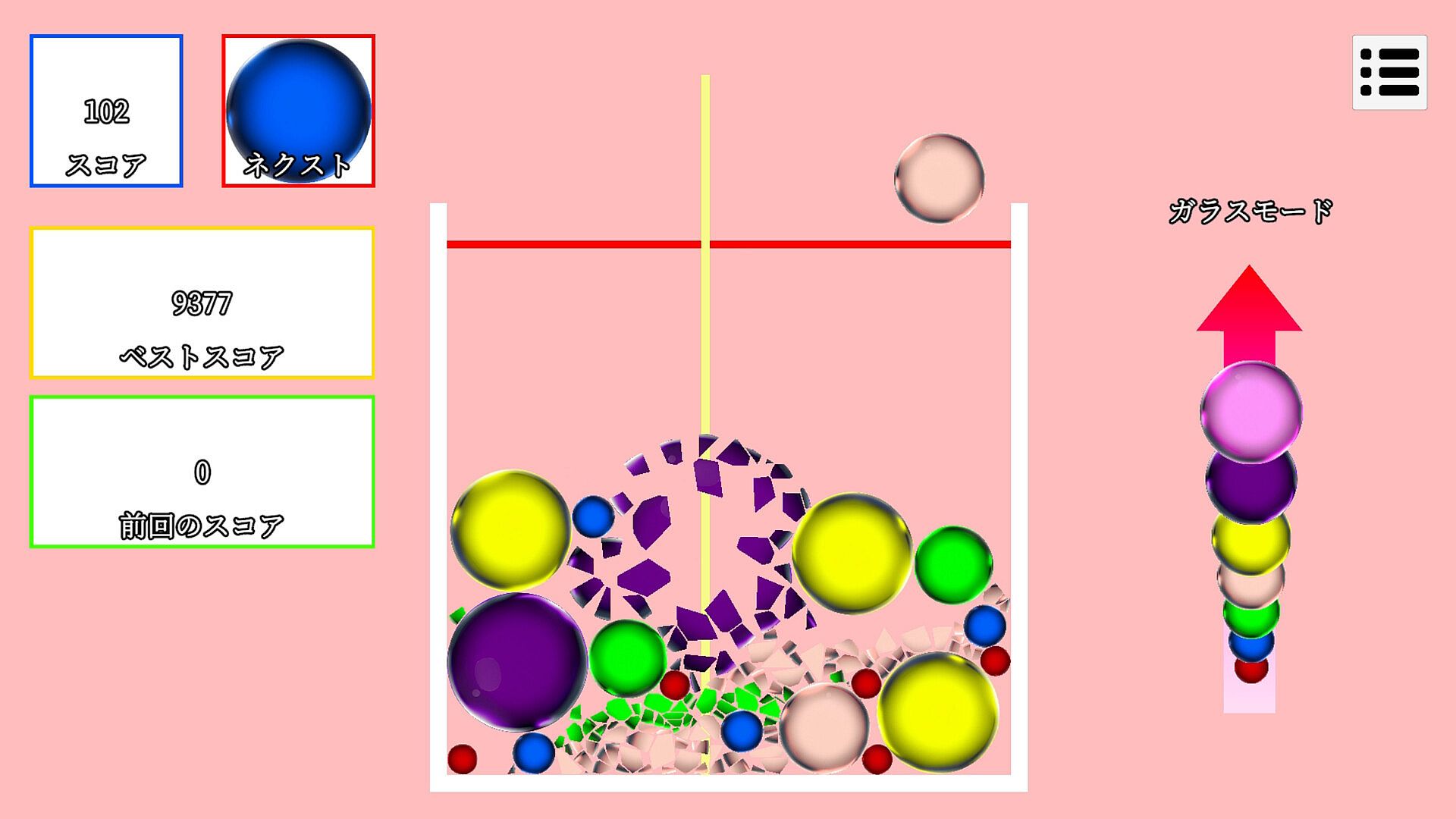
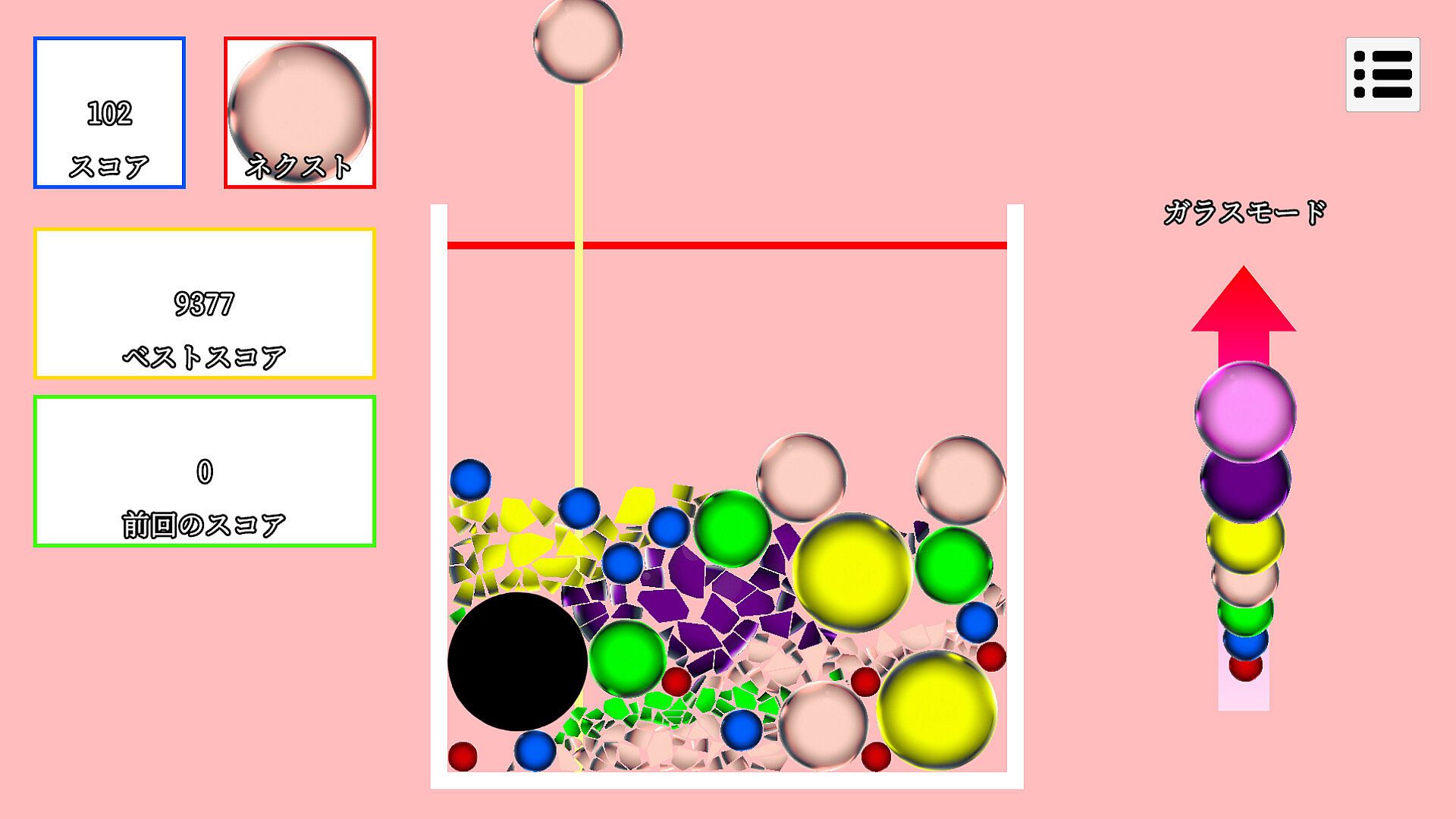
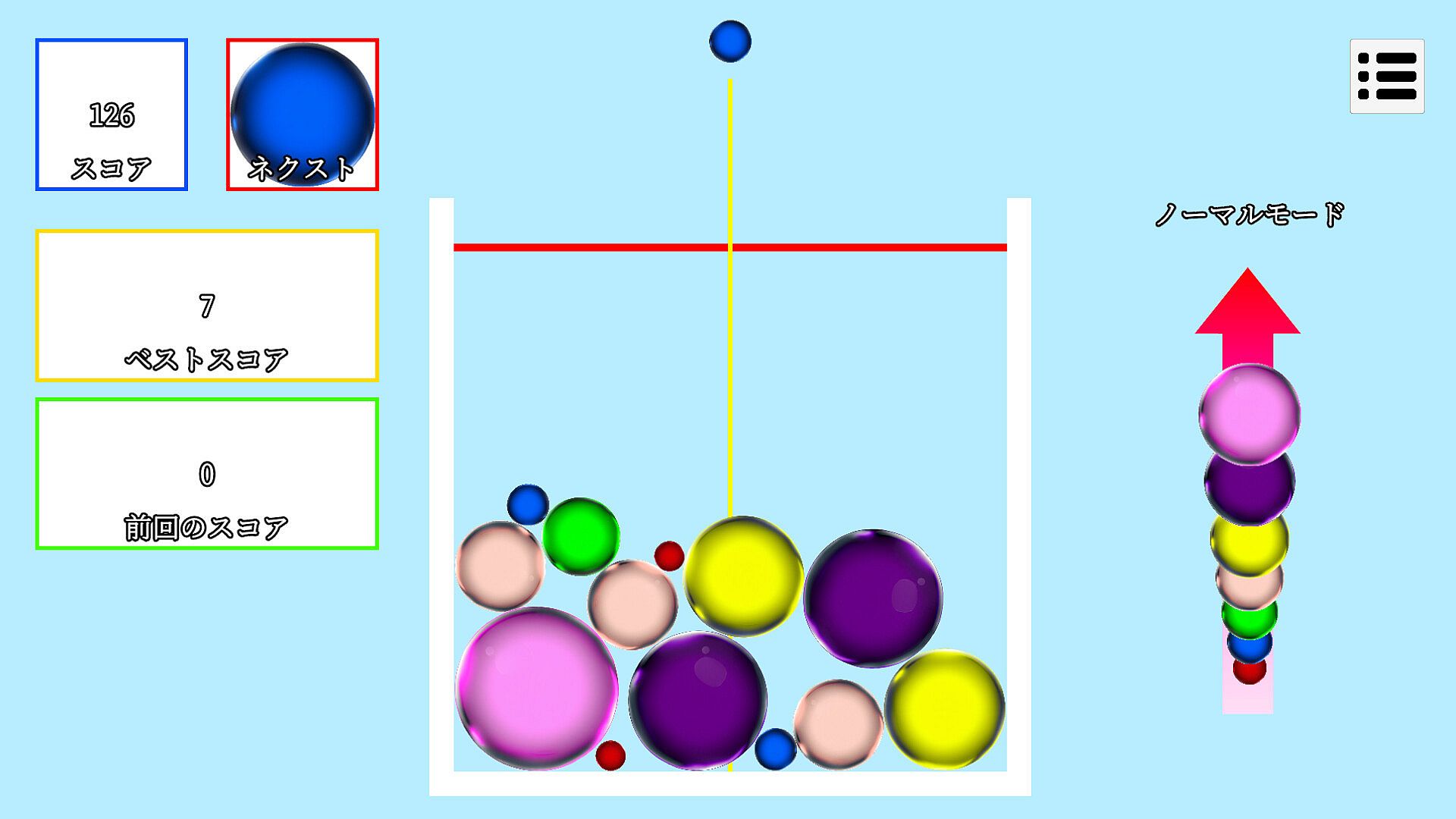
The core loop centers on selecting drop positions for incoming bubbles. Bubbles fall and settle according to realistic physics, allowing them to roll, stack, or shift based on existing arrangements. Identical bubbles that touch merge with an audible glass clink, advancing to the next size tier in a sequence that progresses through distinct colors up to a final rainbow form. Space management becomes critical as the box fills, requiring players to anticipate how new drops will influence the entire structure and create opportunities for multiple merges in sequence. The goal remains consistent across sessions: sustain the board as long as possible while maximizing score through efficient evolution chains.
Game Modes
Two distinct modes alter the pacing and risk profile. Normal Mode emphasizes deliberate strategy, giving players time to evaluate the board state and position each drop to build long-term chains without external pressure. Explode Mode introduces shattering mechanics where bubbles can break into fragments upon certain conditions, scattering pieces that alter the layout in unpredictable ways and add visual feedback through glass debris. Both modes share the same merging rules and overflow failure condition, but the second mode emphasizes adaptability to sudden changes in the playfield.
Controls and Accessibility
Interaction stays minimal by design. A single action selects the horizontal drop point, after which gravity and collisions handle the rest. This simplicity suits short sessions or extended play, with the physics simulation providing the depth through emergent behaviors rather than complex inputs. The game runs on standard PC hardware with modest requirements, focusing attention on observation and timing rather than reflexes.
Is It Worth Playing?
Glass Drop suits players who enjoy merge-style puzzles combined with physics elements, particularly those who appreciate visual and auditory feedback from satisfying collisions. The two modes provide variety between measured planning and chaotic reactions, appealing to different preferences within the casual action genre. As an upcoming title with no released version yet, its value depends on how well the physics and progression hold up once available, but the described systems align with established puzzle mechanics that reward repeated attempts at higher scores. Single-player focus means it works well for solo sessions without multiplayer elements or ongoing seasonal content.