


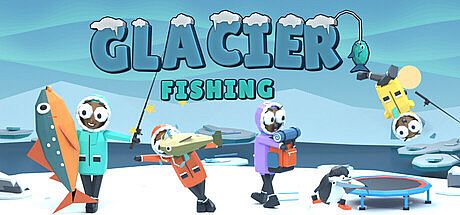


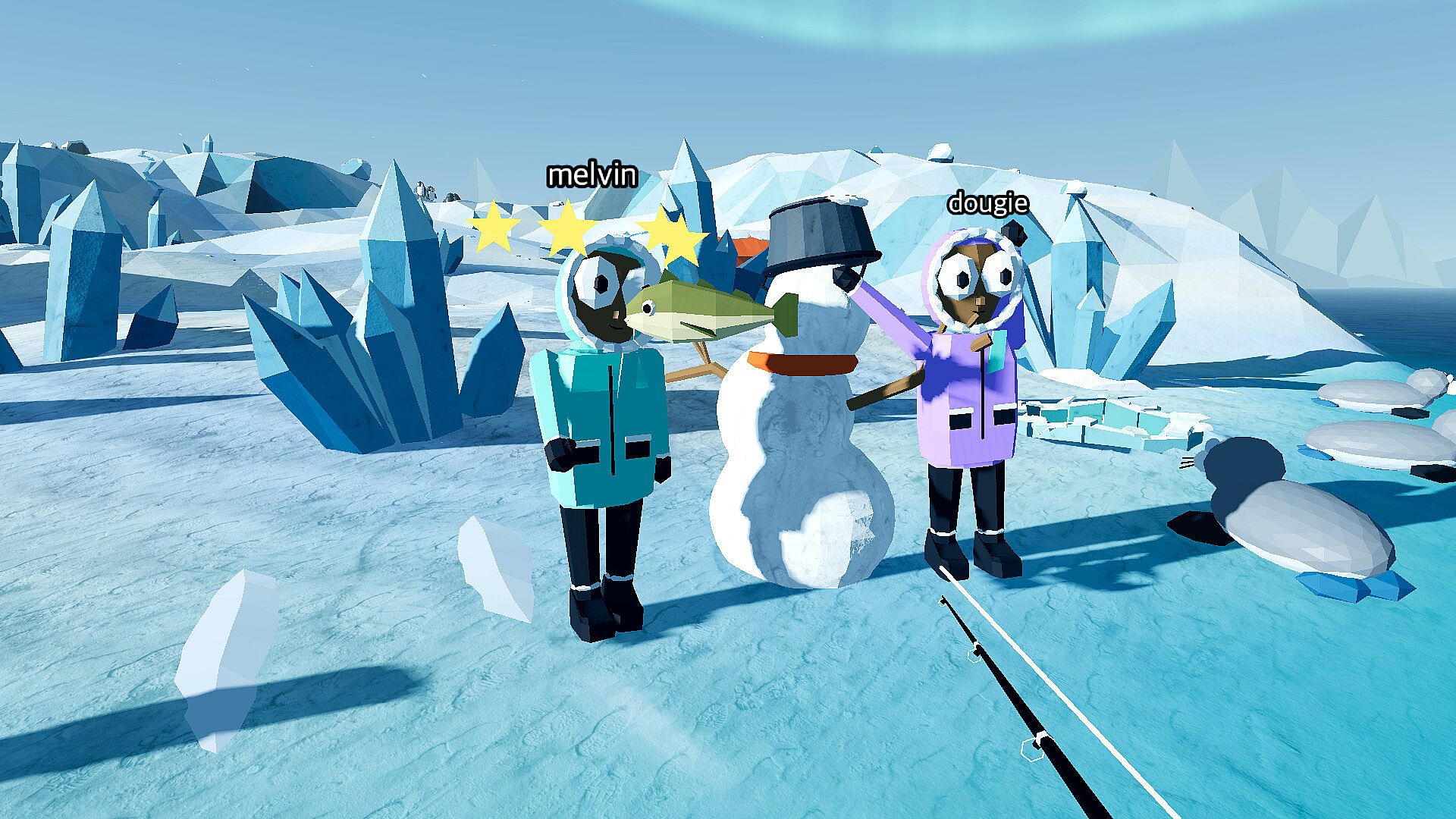
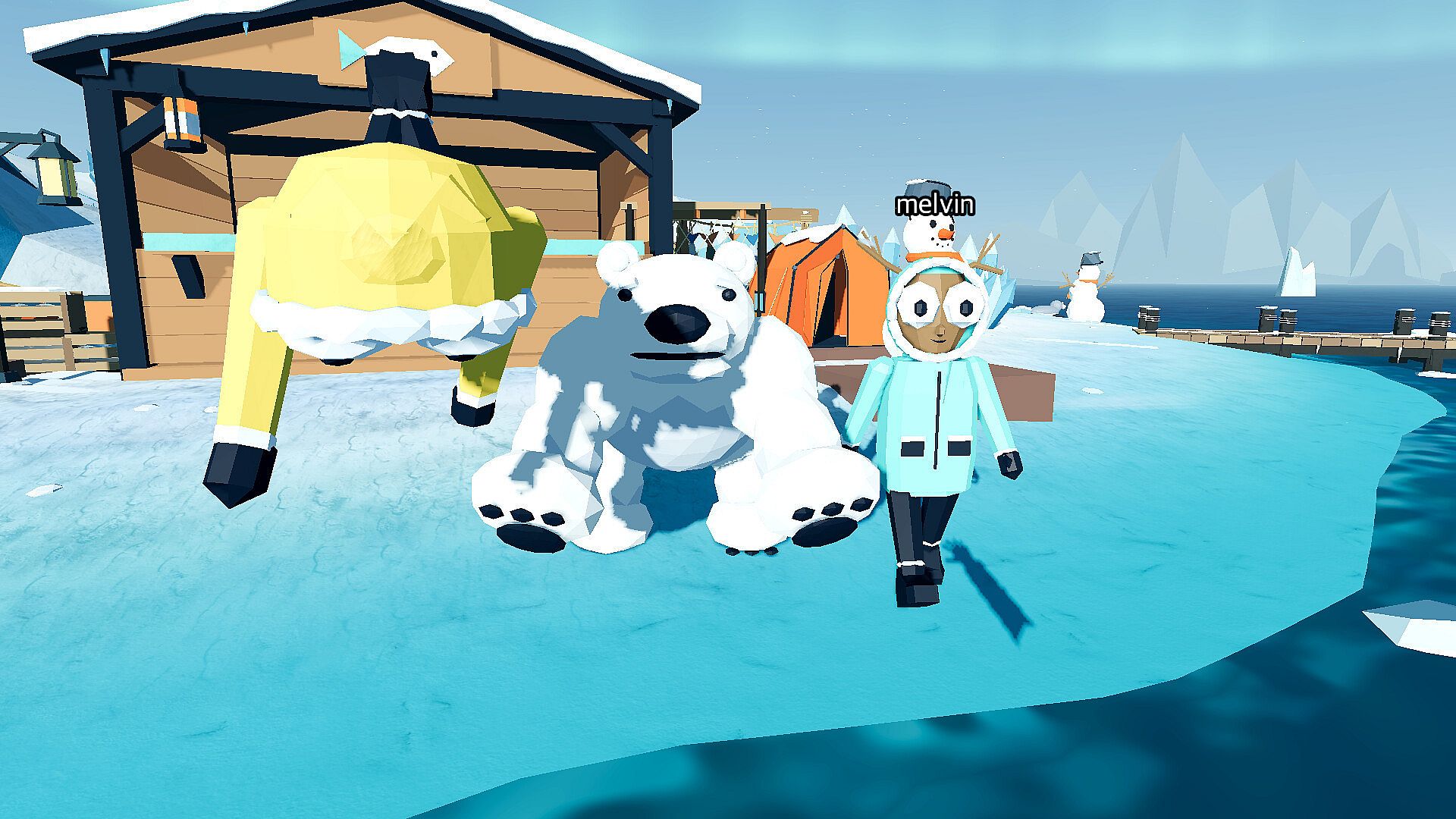
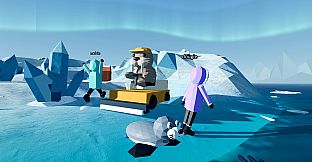
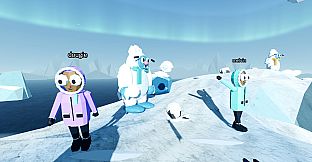
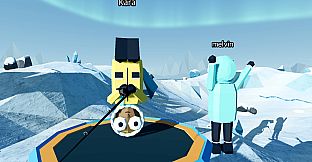
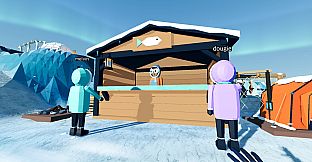
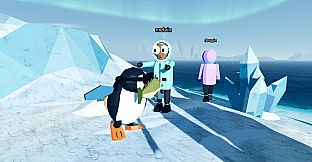
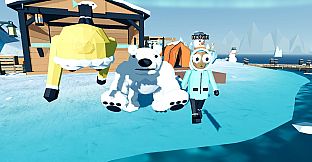
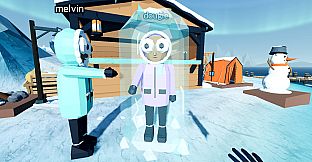
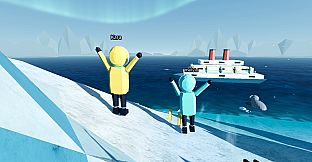
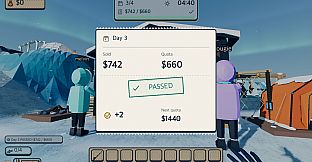
Glacier Fishing is a physics-based action, indie, casual, and simulation game for PC that puts one to four players on a small glacier island for a tense four-day fishing expedition. The core challenge involves meeting a daily fish quota or facing dismissal, with all participants sharing a single wallet that encourages both cooperation and finger-pointing when targets fall short. Players handle rods, bait, and tools in a cold environment where the weather itself poses a constant threat, blending straightforward fishing with unexpected survival demands and quirky physics interactions.
Gameplay
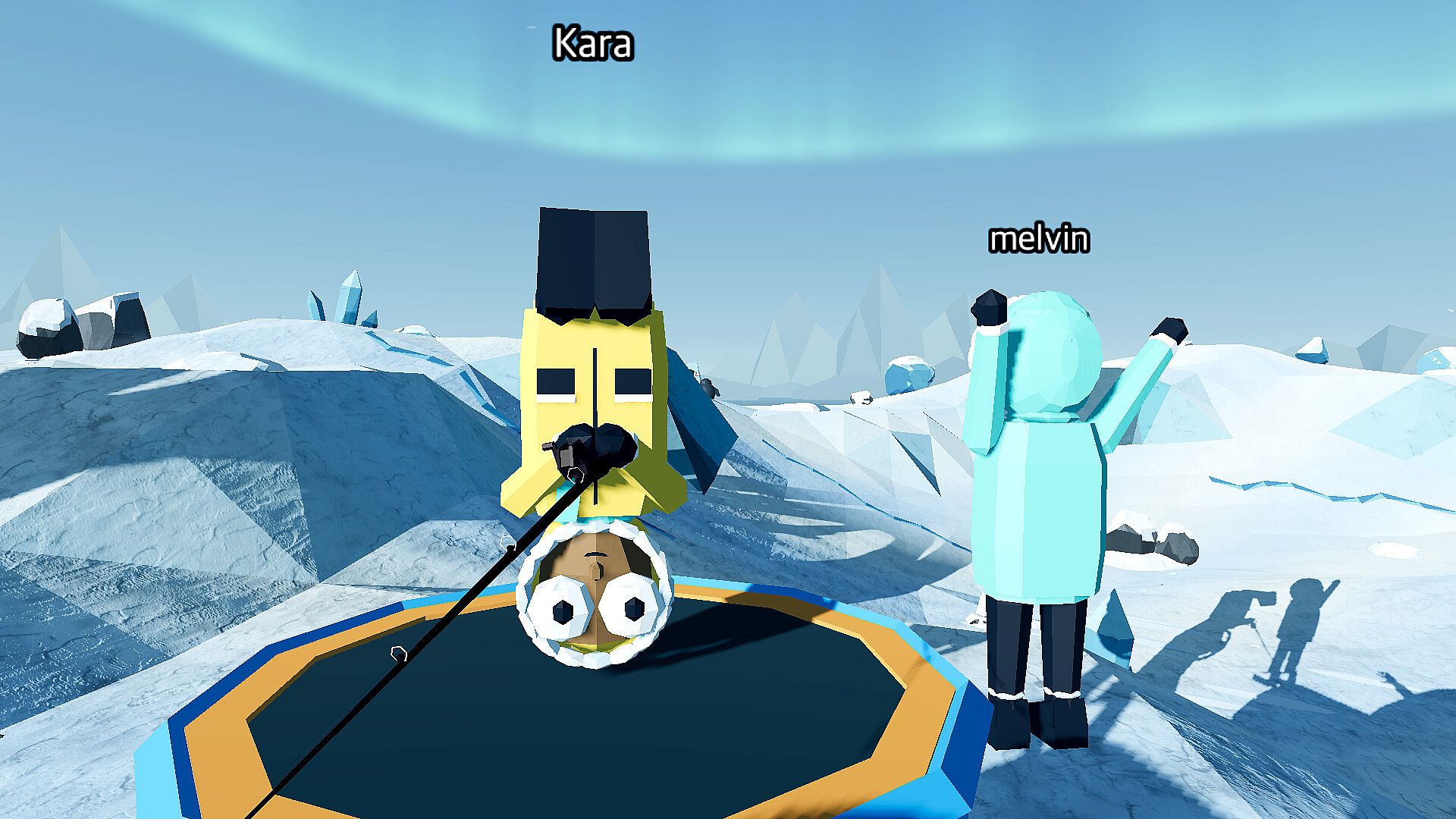
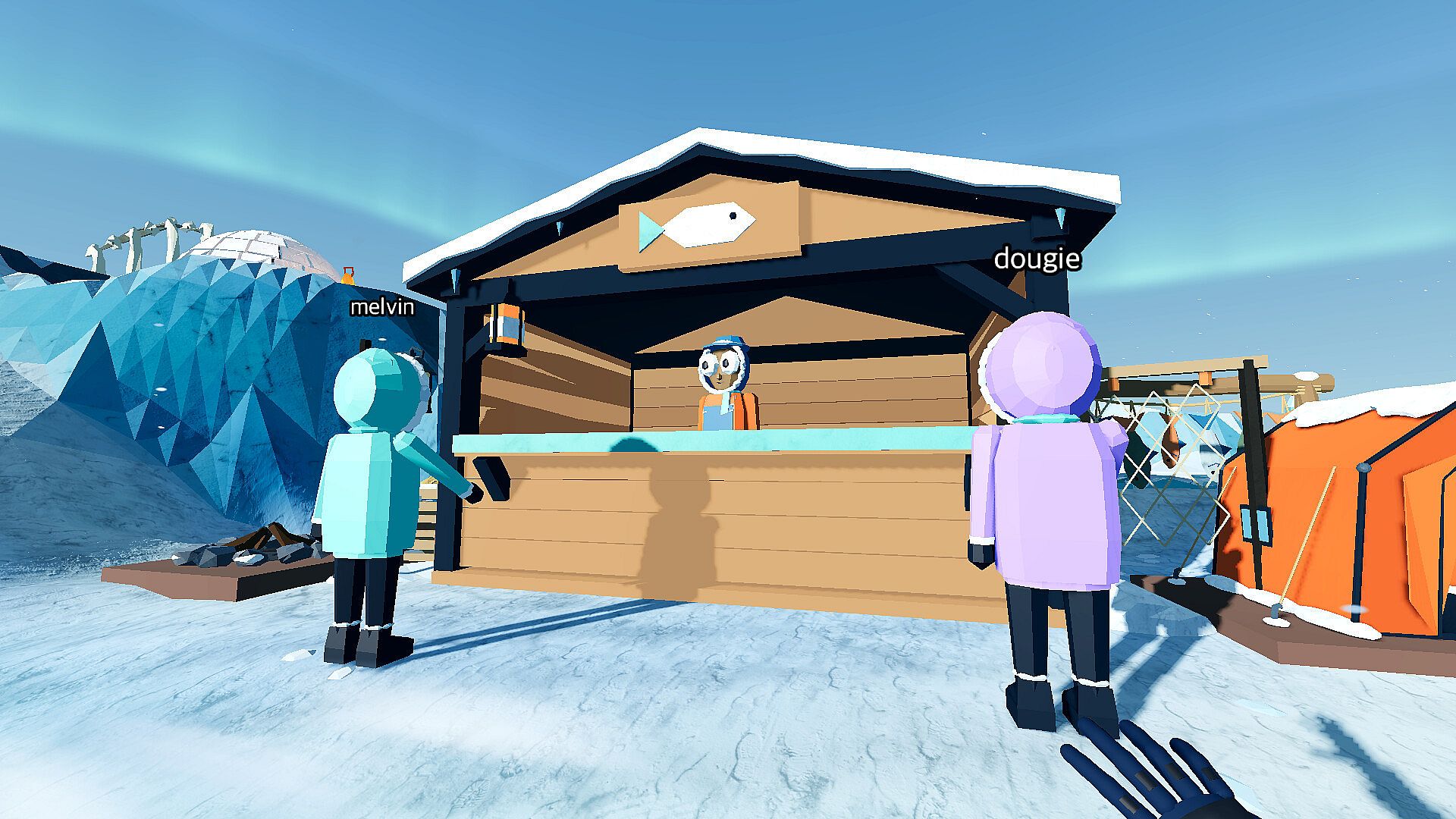
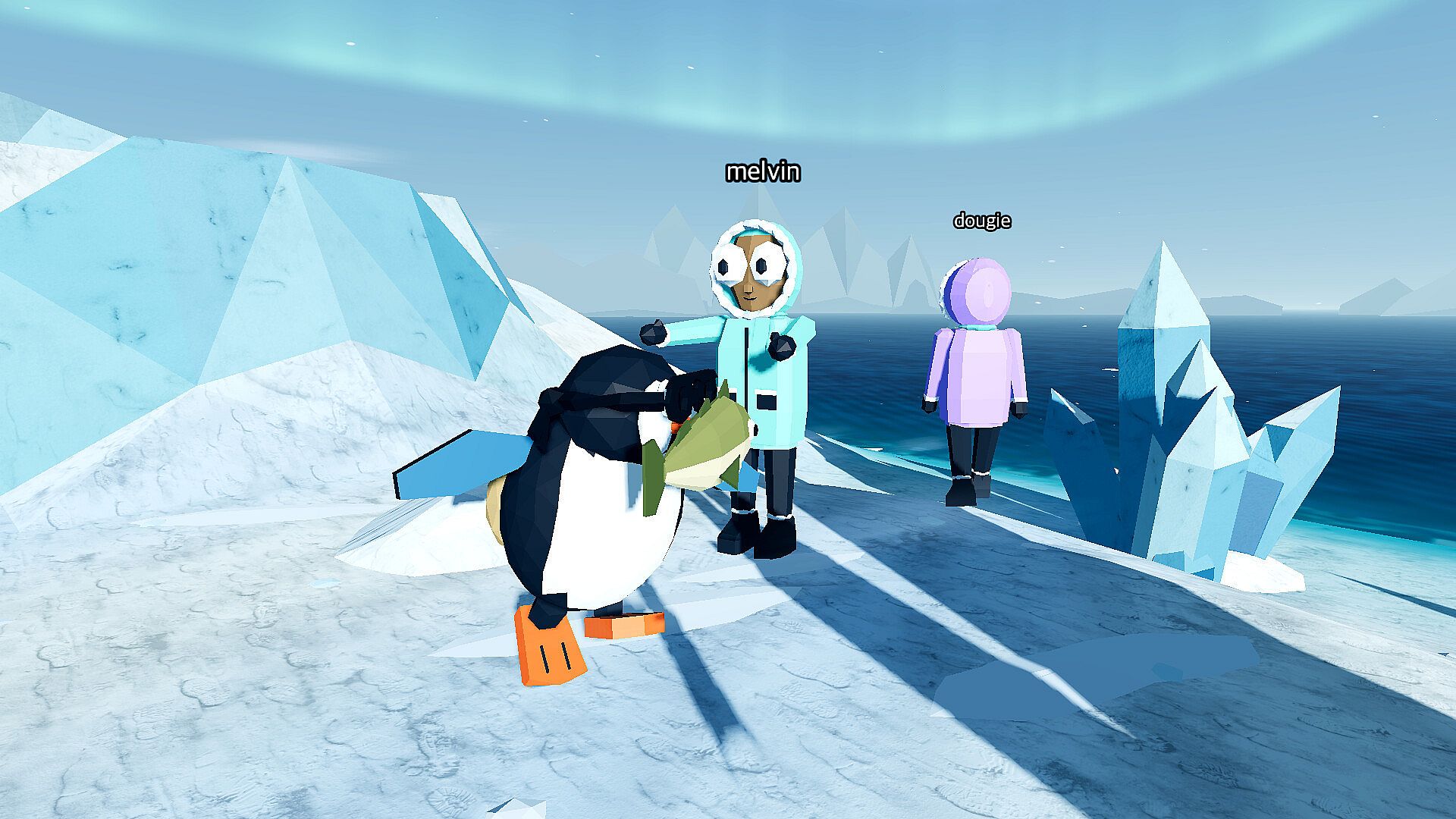
The central loop revolves around catching fish through direct physical engagement. Participants cast lines, reel in catches, and occasionally stab fish that prove difficult to land. Once secured, the fish go to market for sale, generating funds that fund upgrades such as improved rods, specialized bait, a knife for tougher tasks, expanded backpacks, a tent for shelter, and even a trampoline for aerial maneuvers. Staying warm becomes essential, as exposure to the cold can quickly end a run. The physics system governs every interaction, from line tension during fights to the momentum of jumps and throws, creating unpredictable outcomes that reward timing and positioning over simple repetition.
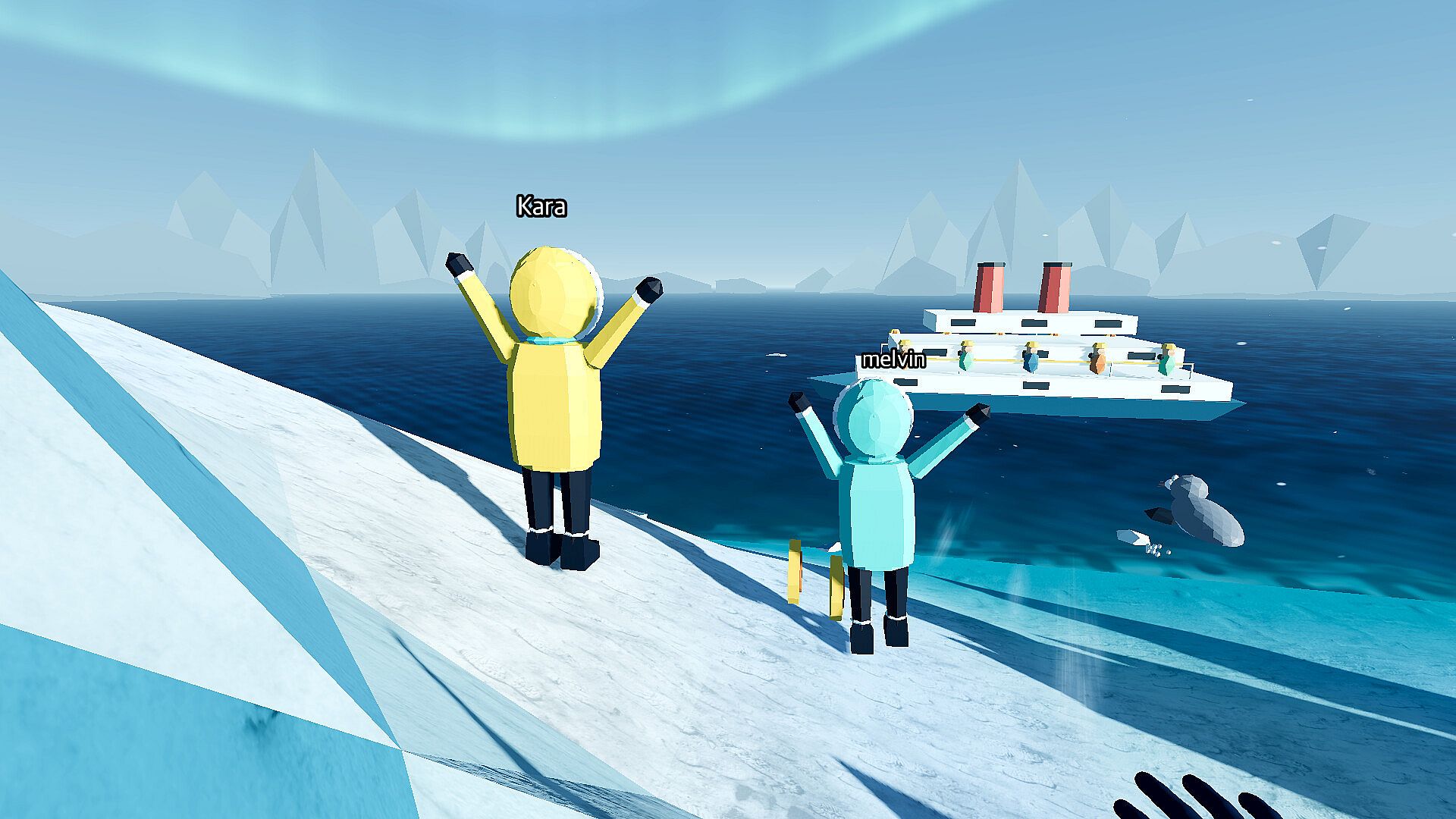
Progression ties directly to daily quotas and resource management. Earnings allow incremental improvements that make subsequent days more manageable, while the shared economy adds social dynamics in multiplayer sessions. Players must also contend with environmental hazards that drain warmth and stamina, forcing quick decisions about when to fish aggressively and when to seek cover. Weird encounters add variety, such as pursuing a crab sealed inside a tin can or prying open a locked chest with the knife, each requiring precise control to succeed.
Game Modes
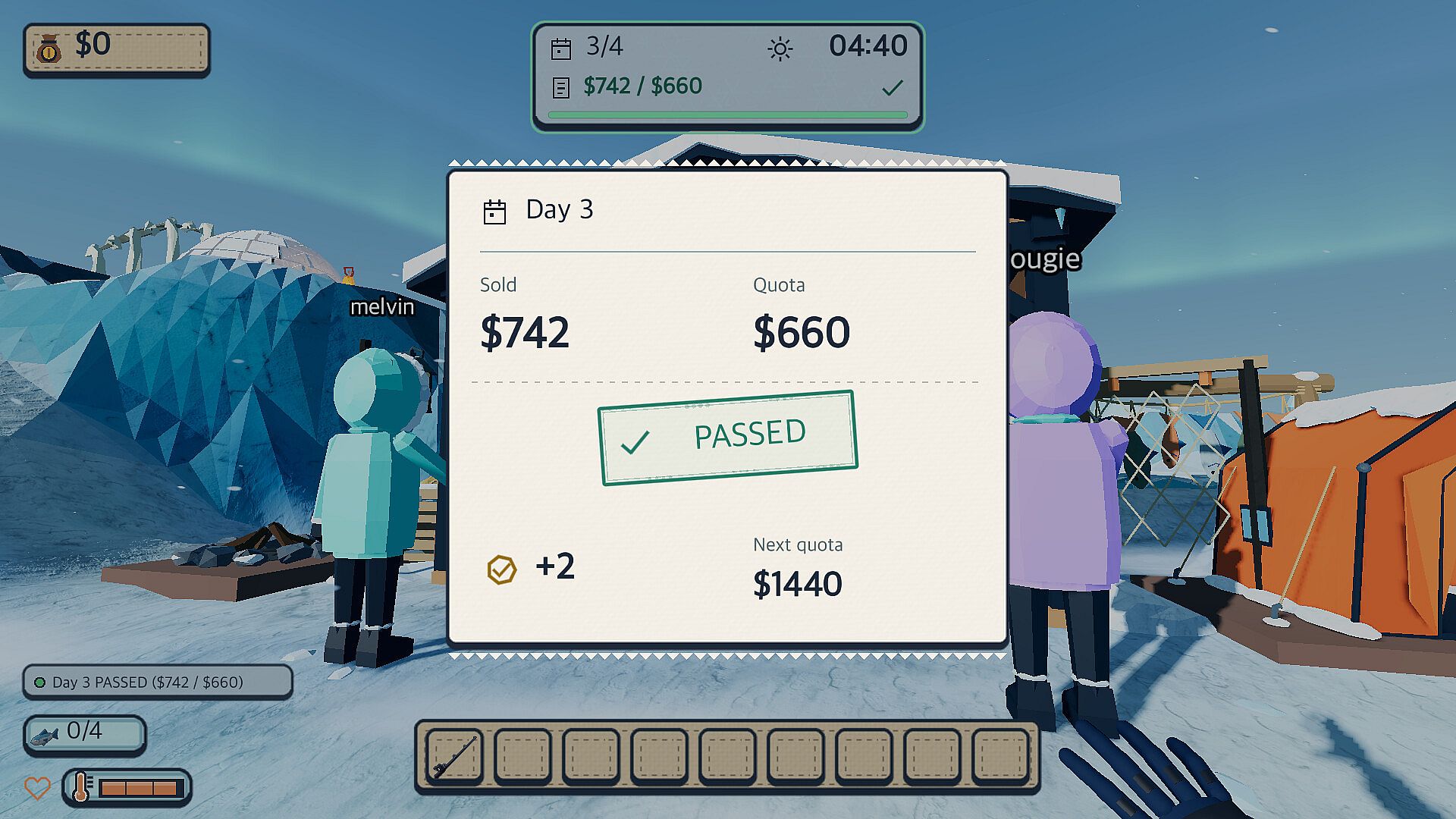
The game structures play around a four-day campaign where the quota must be hit each day to continue. Sessions support one to four participants who share the same island and wallet, making coordination and blame-shifting part of the experience. No separate competitive or versus modes appear in the core design; instead, the focus remains on cooperative survival and quota completion within the shared physics sandbox.
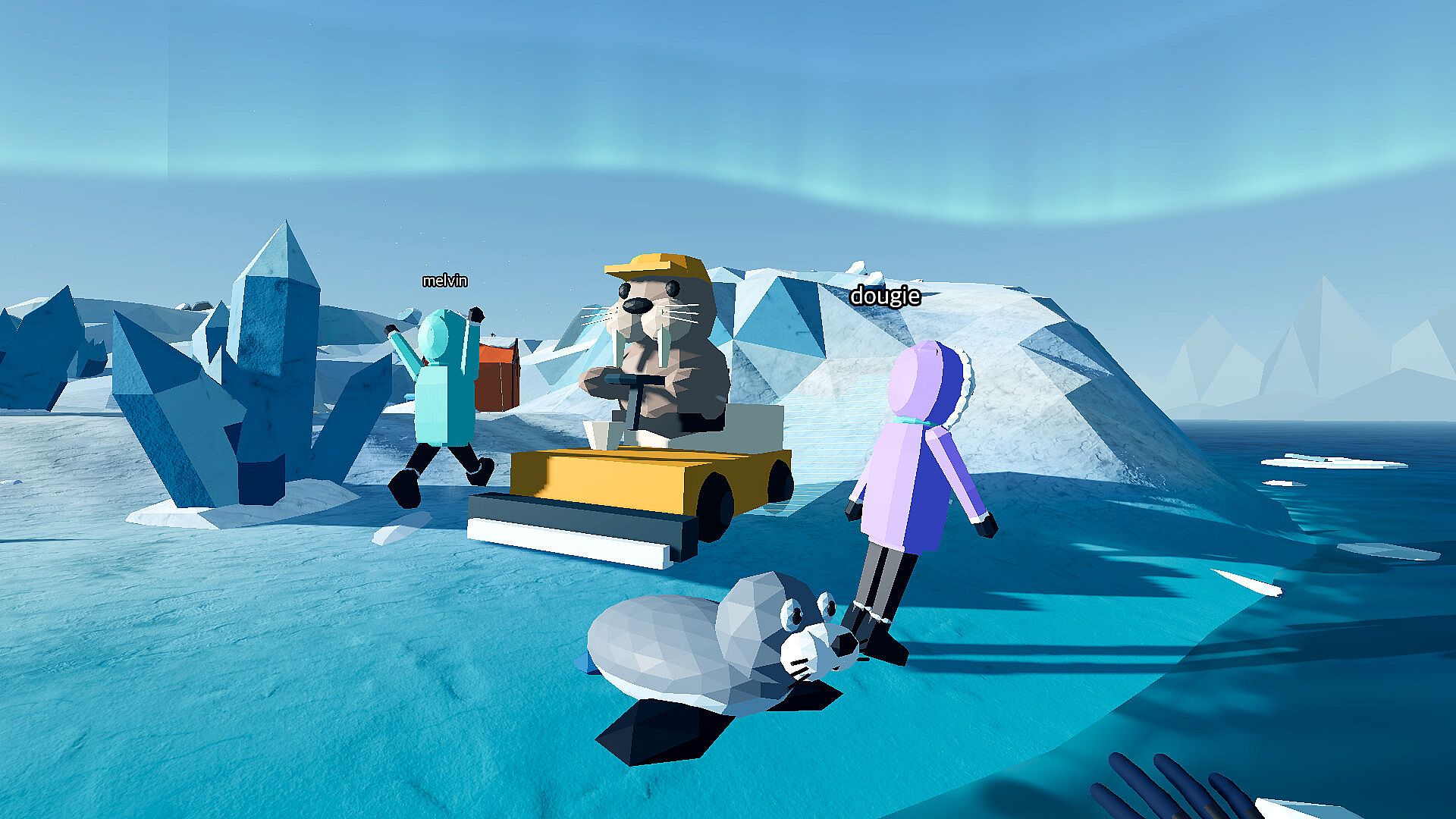
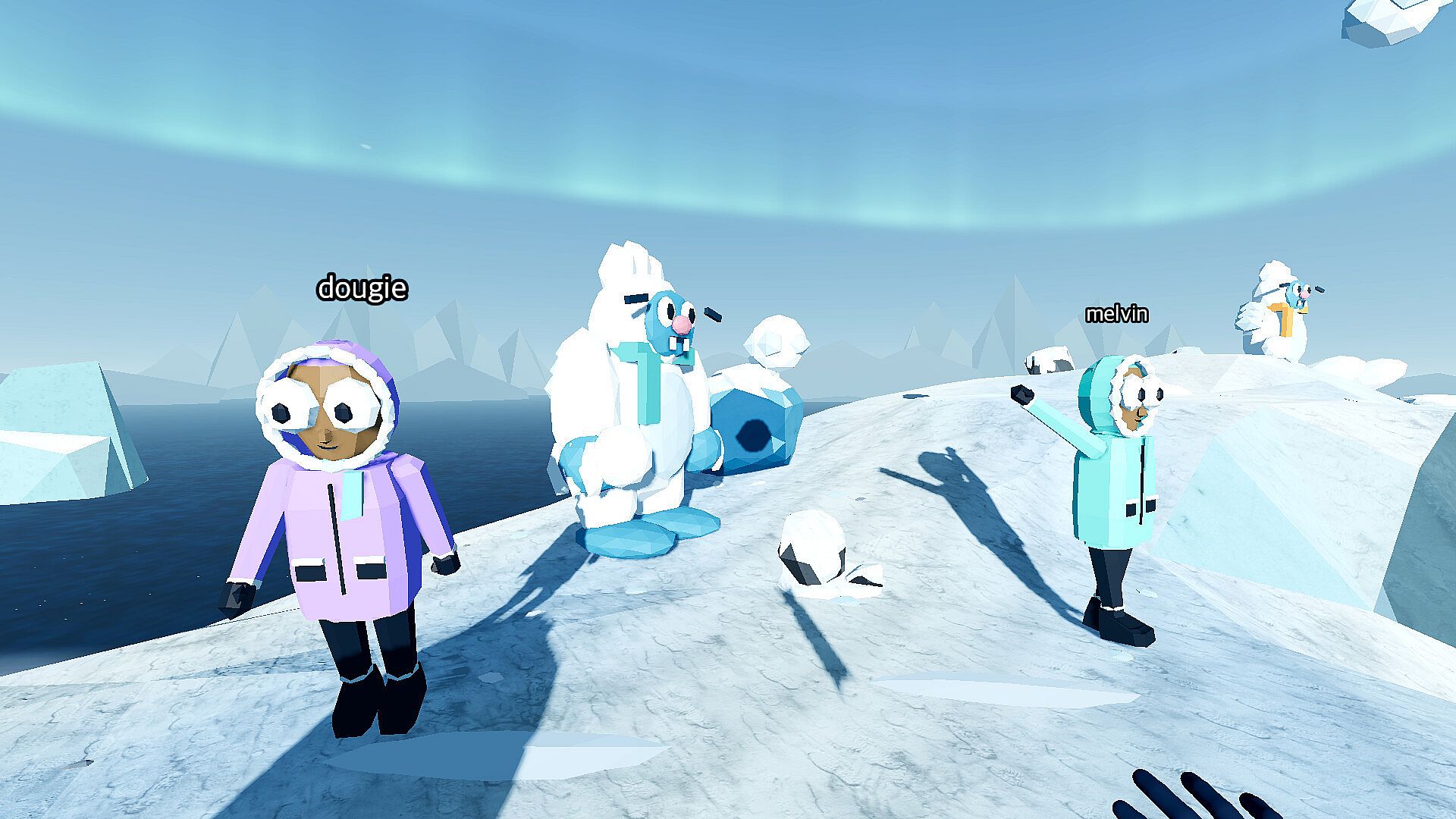
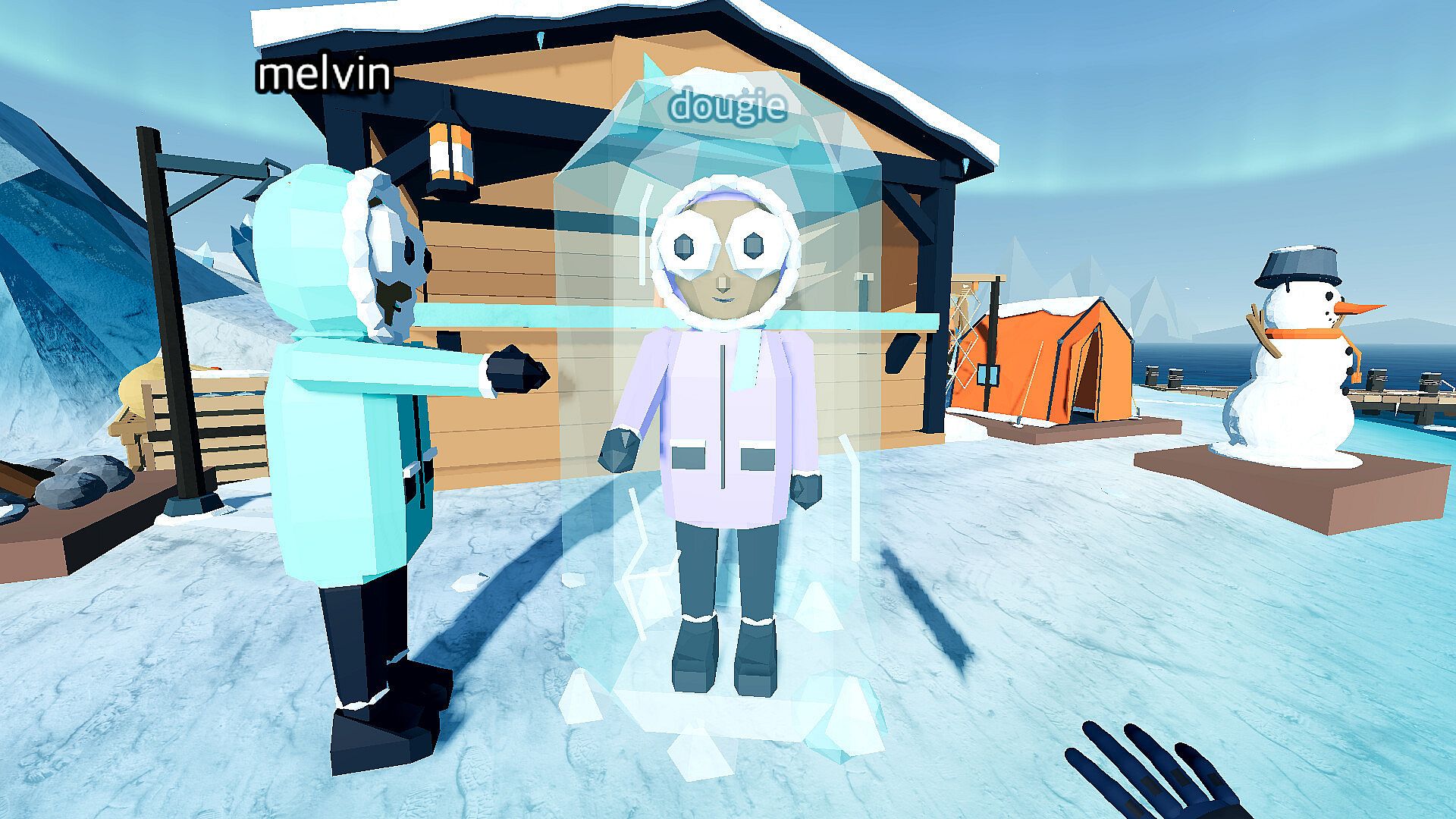
Events occur across the 39 scripted encounters that interrupt normal fishing. These range from a yeti hurling snowballs to a walrus operating a zamboni across the ice and a UFO that can abduct a teammate. Each event demands immediate reaction using available tools and movement options, such as leaping from the trampoline to intercept fish mid-air for bonus rewards. The absence of named sub-modes keeps the emphasis on adapting the basic fishing and survival systems to these interruptions.
Progression and Upgrades
Upgrades form the main long-term incentive. Better rods and bait improve catch rates and fight control, while the knife opens new options for handling stubborn or unusual items. Larger backpacks increase carry capacity for more sales per trip, the tent provides a warming station, and the trampoline enables high-risk, high-reward aerial catches. Each purchase shifts the balance of the four days, allowing players to tackle later quotas with greater efficiency while still managing the cold and random events.
The physics-driven nature means upgrades do not eliminate challenge but change how players approach it. A stronger rod alters line tension during fights, and the trampoline introduces vertical movement that interacts with falling fish or event projectiles. This creates replayability through different upgrade paths rather than through distinct game modes.
Is It Worth Playing?
Glacier Fishing suits players who enjoy short, physics-heavy sessions with a mix of casual fishing and light survival pressure. The four-day structure keeps runs contained, while the 1-4 player support makes it accessible for solo play or small groups looking for shared frustration and laughs over missed quotas. The quirky events and weird catches provide memorable moments without overwhelming the core loop of casting, selling, and upgrading.
Those drawn to indie simulation titles that blend straightforward mechanics with unexpected twists will find the most value here. The cold management and event survival add tension that prevents the fishing from feeling purely relaxing, yet the casual genre tag reflects the approachable controls and humorous tone. Without extensive post-launch updates or seasonal content confirmed, the experience stands on its initial four-day campaign and the social dynamics of the shared wallet. If the combination of quota pressure, physics interactions, and bizarre island events appeals, the game delivers a focused, replayable package for PC players seeking something different from standard fishing simulators.