




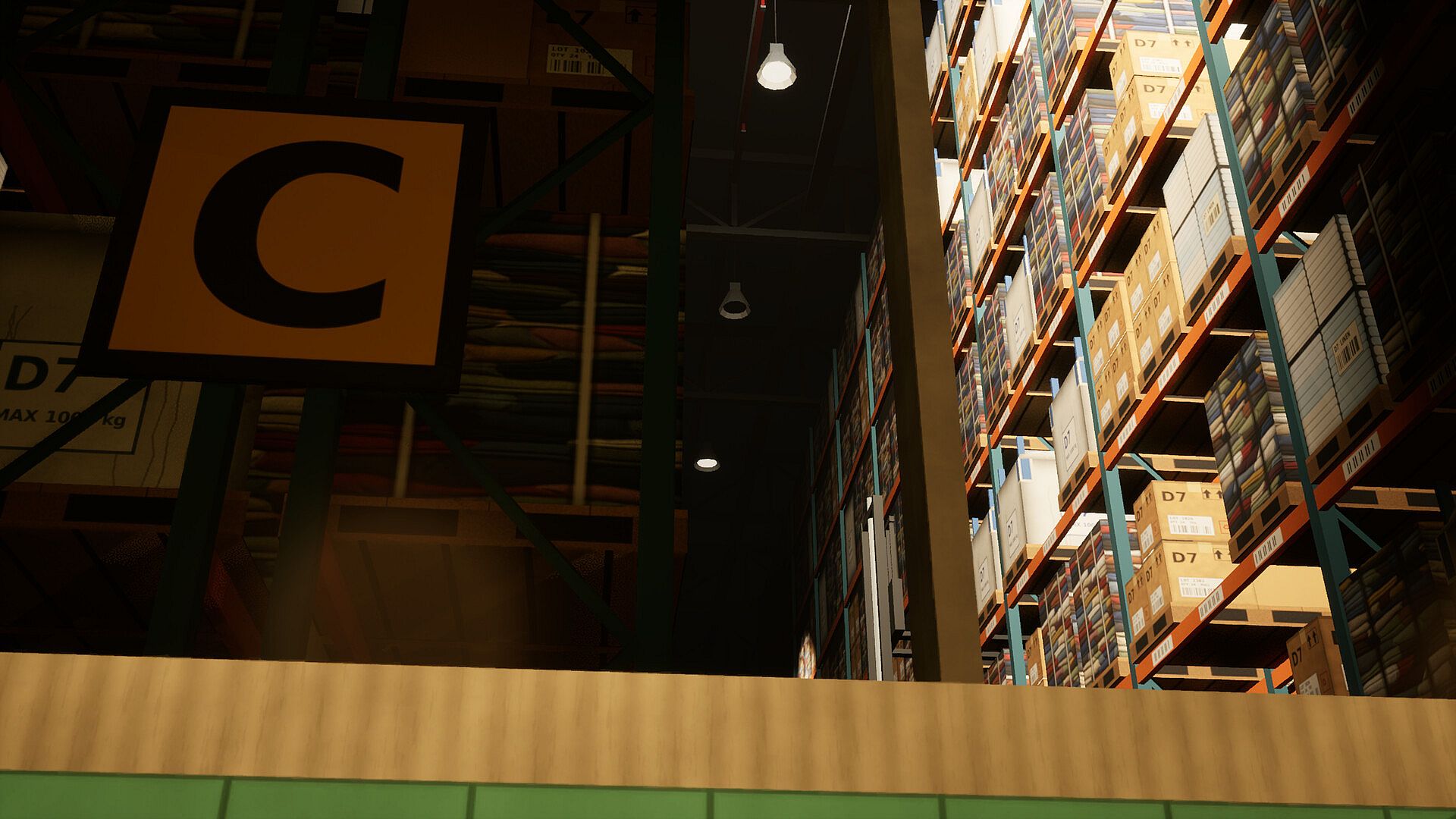
Garment Line is an indie casual simulation game for PC that puts players in charge of a first-person clothing processing operation. The core experience centers on transforming crumpled garments into folded, ironed, and packaged products through manual work that gradually gives way to automated systems.
Gameplay
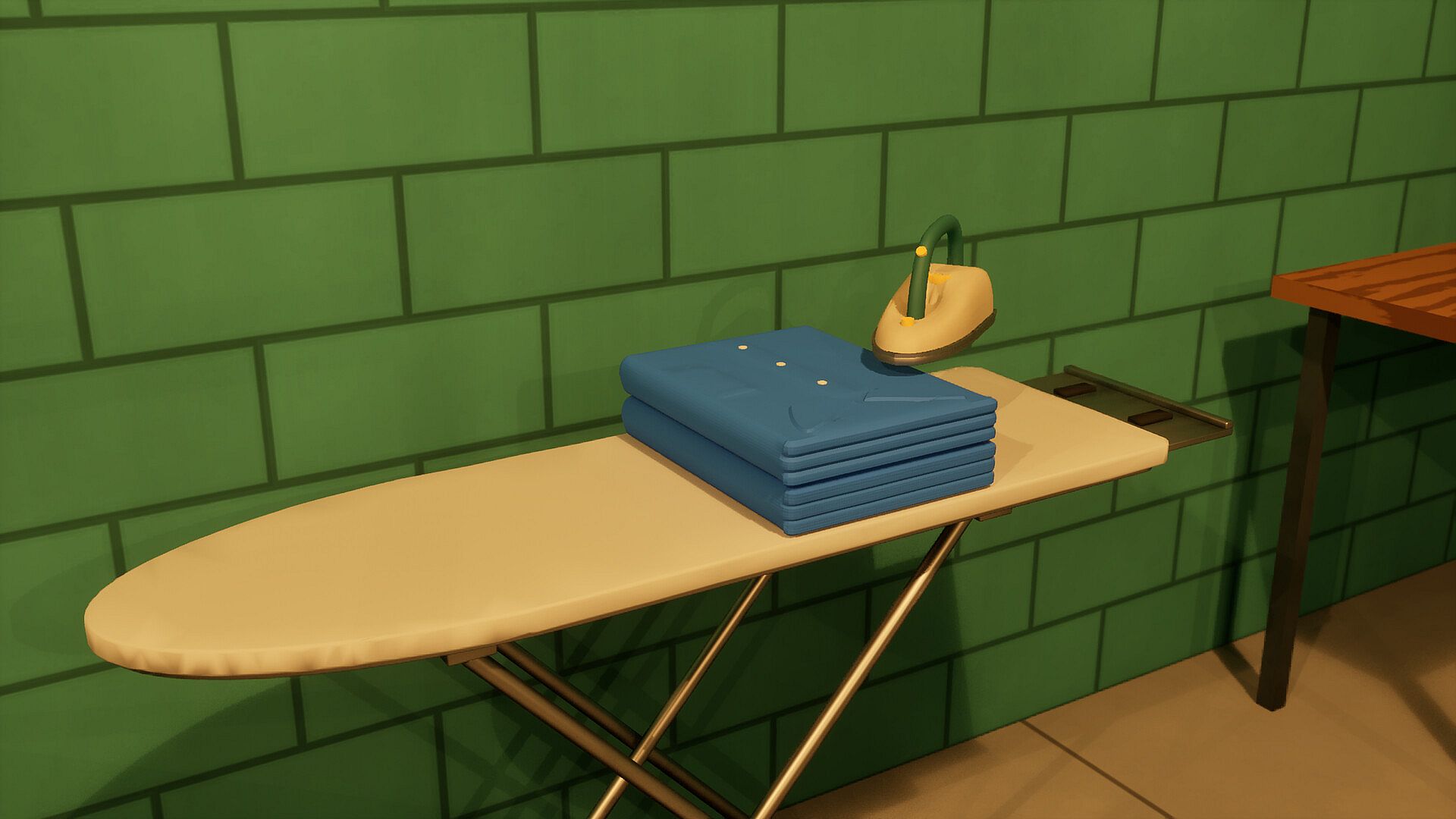
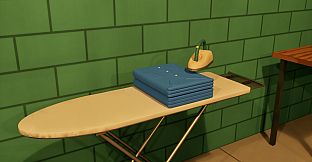
Players begin at a simple folding table in a basement setting. An endless supply of garments arrives via a tube into a bin, and each item must be handled individually at first. The process involves shaking out a garment to identify its type, such as a T-shirt, shirt, sweater, jeans, scarf, or socks, then folding it, pressing it with an iron, sealing it in a bag, and placing it in the sale bin. Sales generate income that funds new equipment.
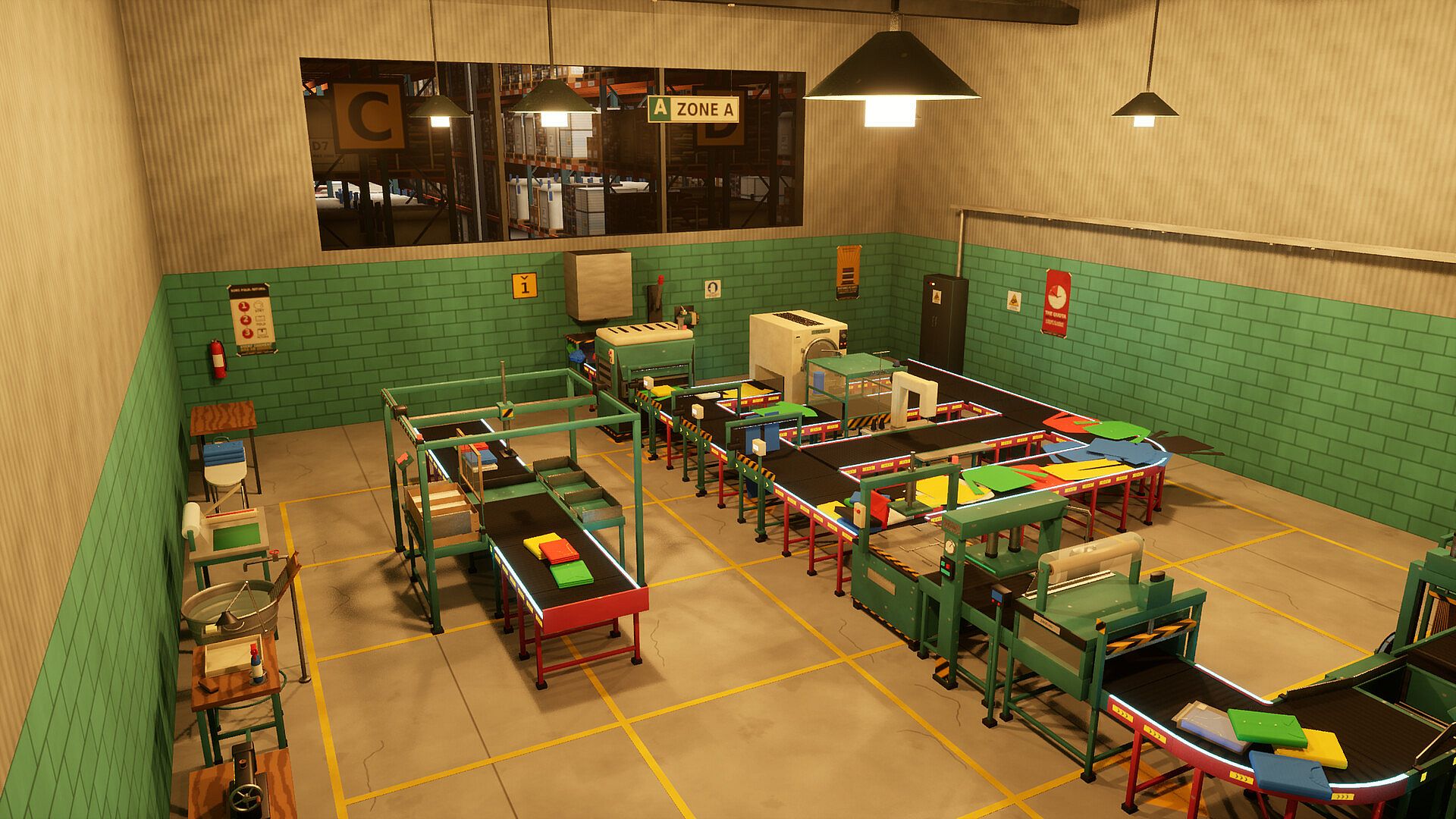
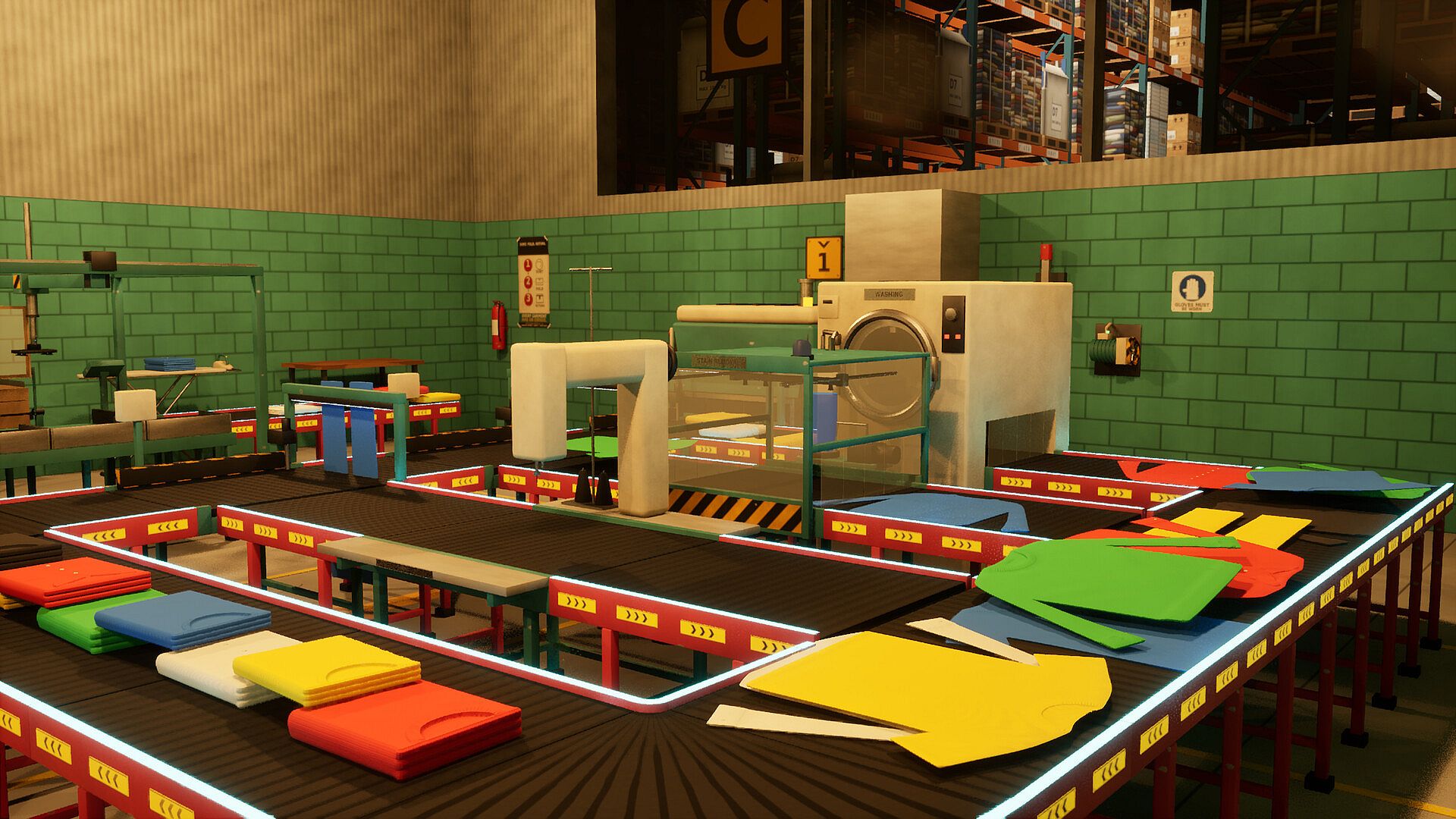
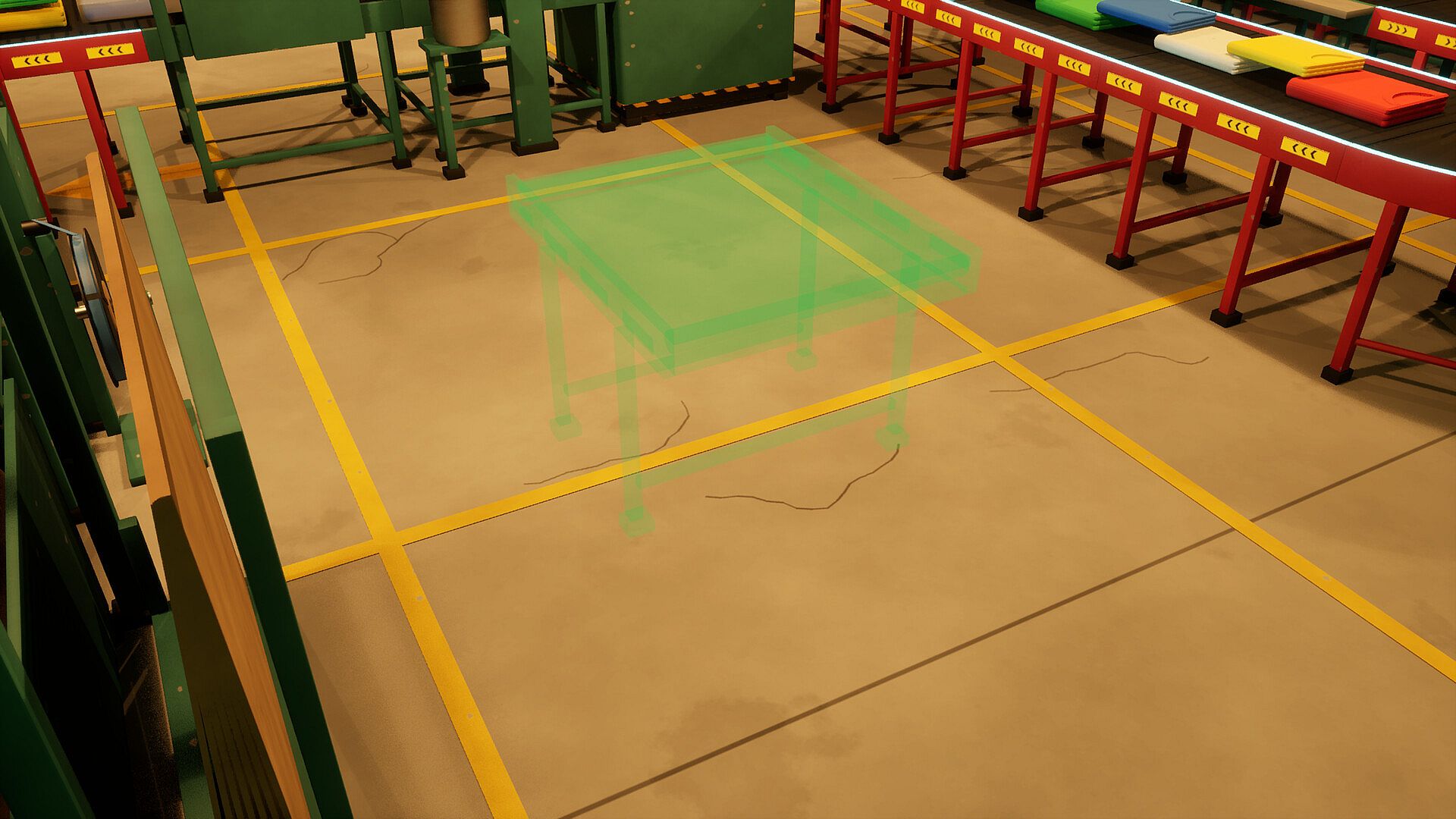
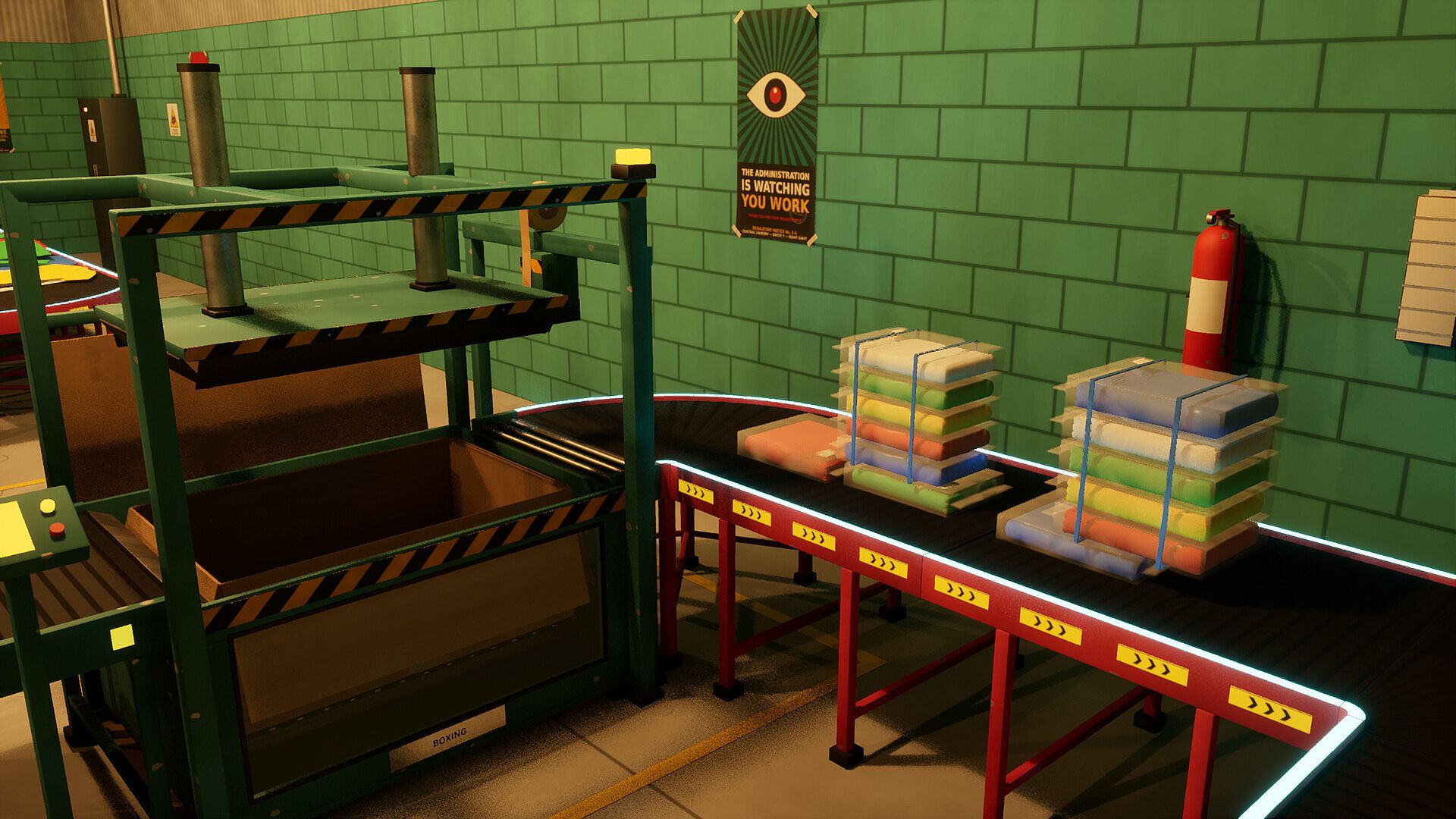
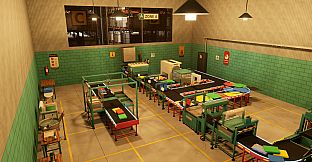
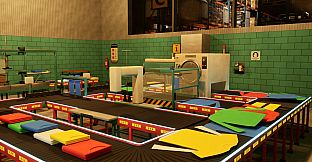
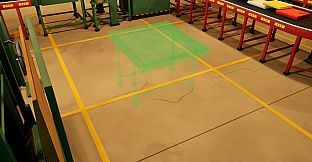
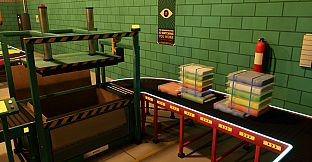
Progression involves ordering components like conveyors, turns, junctions, separators, and incline conveyors through an in-game computer interface. These pieces connect flexibly, allowing players to design custom lines that snap together and can be repositioned easily. Machines such as unfolders, folders, ironers, and baggers integrate into the system to handle tasks without direct intervention.
Additional mechanics include sorting garments by color and type using separators, along with repair steps for dirty, stained, or torn items through washing, stain removal, or sewing. Later stages incorporate bundling identical items, assembling outfits, and packing them into cartons that move along incline conveyors. Upgrades unlock via stamps and an upgrade tree, improving conveyor speeds, motor efficiency, carrying capacity with better gloves, and cleanup tools like an industrial vacuum.
Game Modes
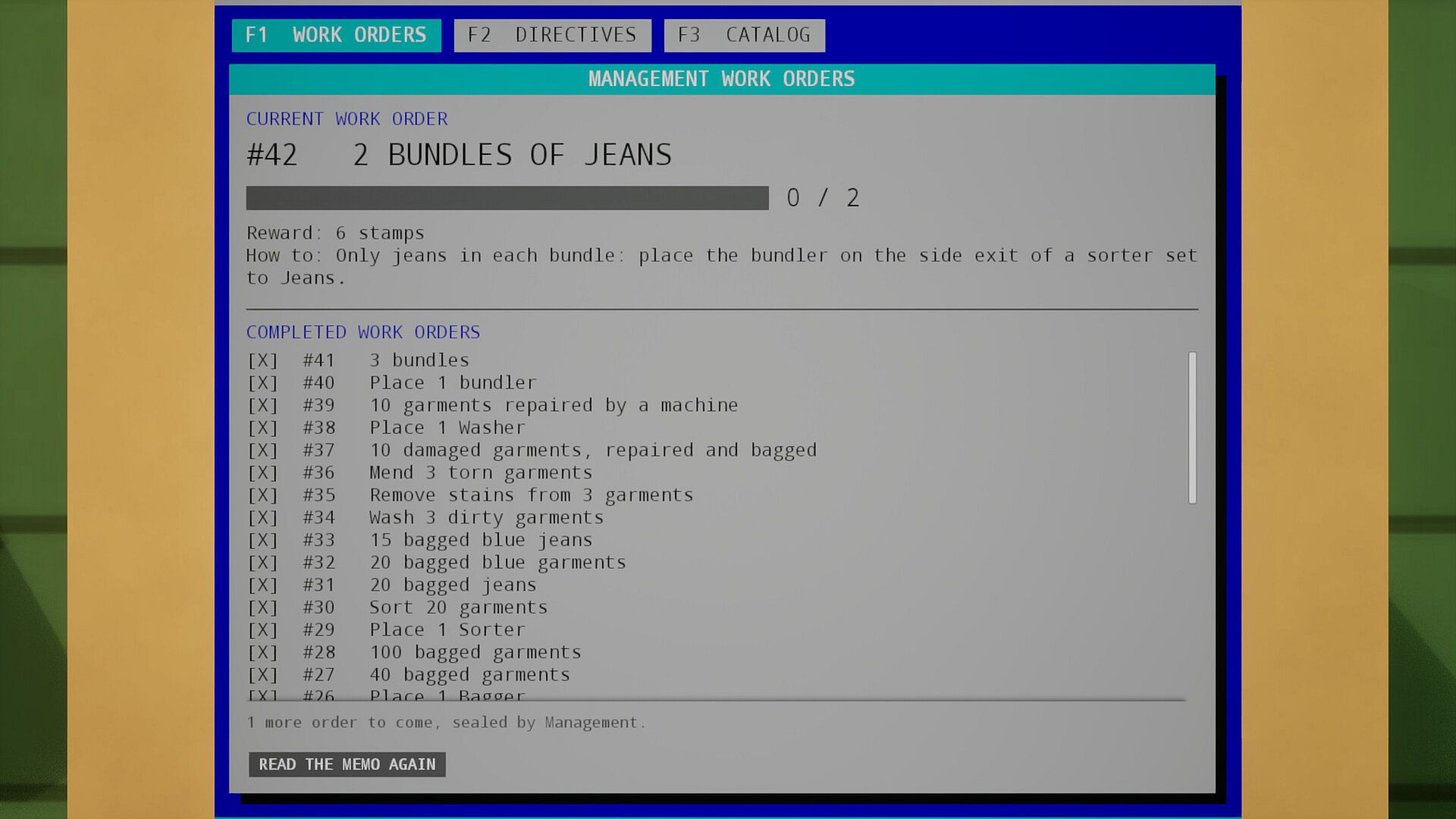
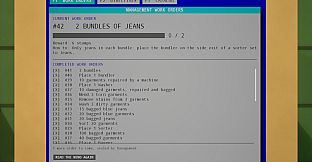
The game features a structured progression through 43 work orders that guide players from basic manual folding to a fully automated factory setup. This sequence typically takes around three hours to complete. Upon finishing the contract, free play mode becomes available, allowing continued operation with the ongoing supply of garments from the reserve.
Both phases emphasize relaxed pacing without any fail states or time pressure. Players can experiment with line designs, sorting systems, and machine combinations at their own speed while managing the flow of different garment types and repair requirements.
Building and Automation Systems
Factory construction starts small and scales through incremental purchases and placements. Early efforts rely on hand operations at the table, but the addition of specialized machines shifts the workload to automated transport along conveyor networks. Sorters and separators direct specific garments to dedicated lines, while repair stations handle imperfections before items reach packaging stages.
End-of-line processes focus on value-added products, such as bundled sets or complete outfits boxed in cartons. These command higher returns than individual items and integrate directly into the sale system. The upgrade tree supports ongoing efficiency gains, expanding what a single player can manage across multiple parallel lines.
Is It Worth Playing?
Garment Line suits players who enjoy methodical factory-building simulations with a focus on automation and incremental expansion. The single-player experience offers a clear path from hands-on tasks to hands-off operation across its work order sequence and subsequent free play. Those drawn to casual indie titles centered on satisfying mechanical loops and system optimization will find a self-contained session that rewards experimentation with layouts and upgrades. The absence of competitive or multiplayer elements keeps the emphasis on personal factory design and steady progression.