





Galaxization is an indie casual simulation game for PC that turns a Windows desktop into a living chronicle of galactic history. Set millions of years in the future, the experience places players as technicians monitoring an observatory AI that records the rise and fall of civilizations across a realistic galaxy without any direct control or interference.
Gameplay
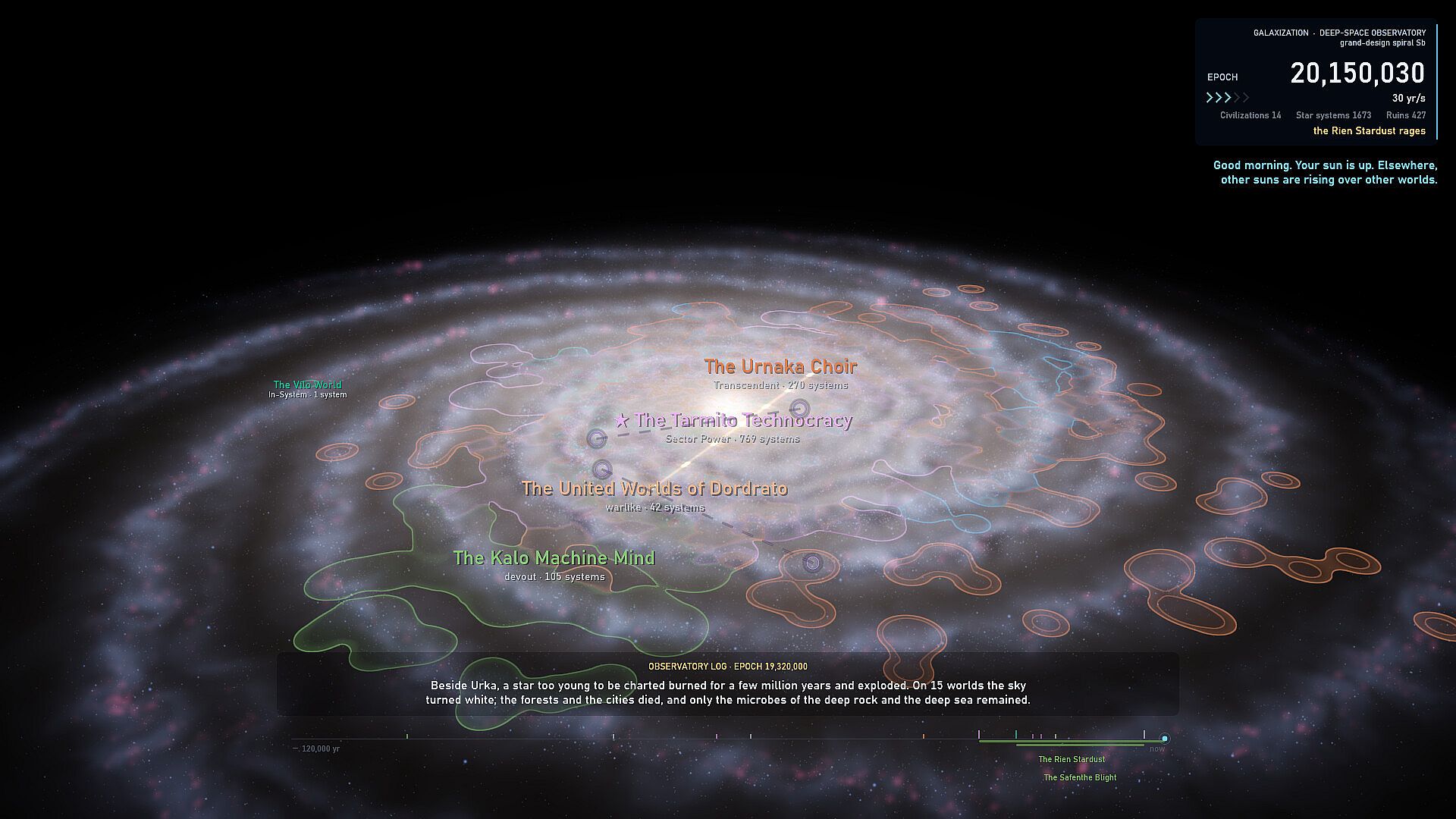
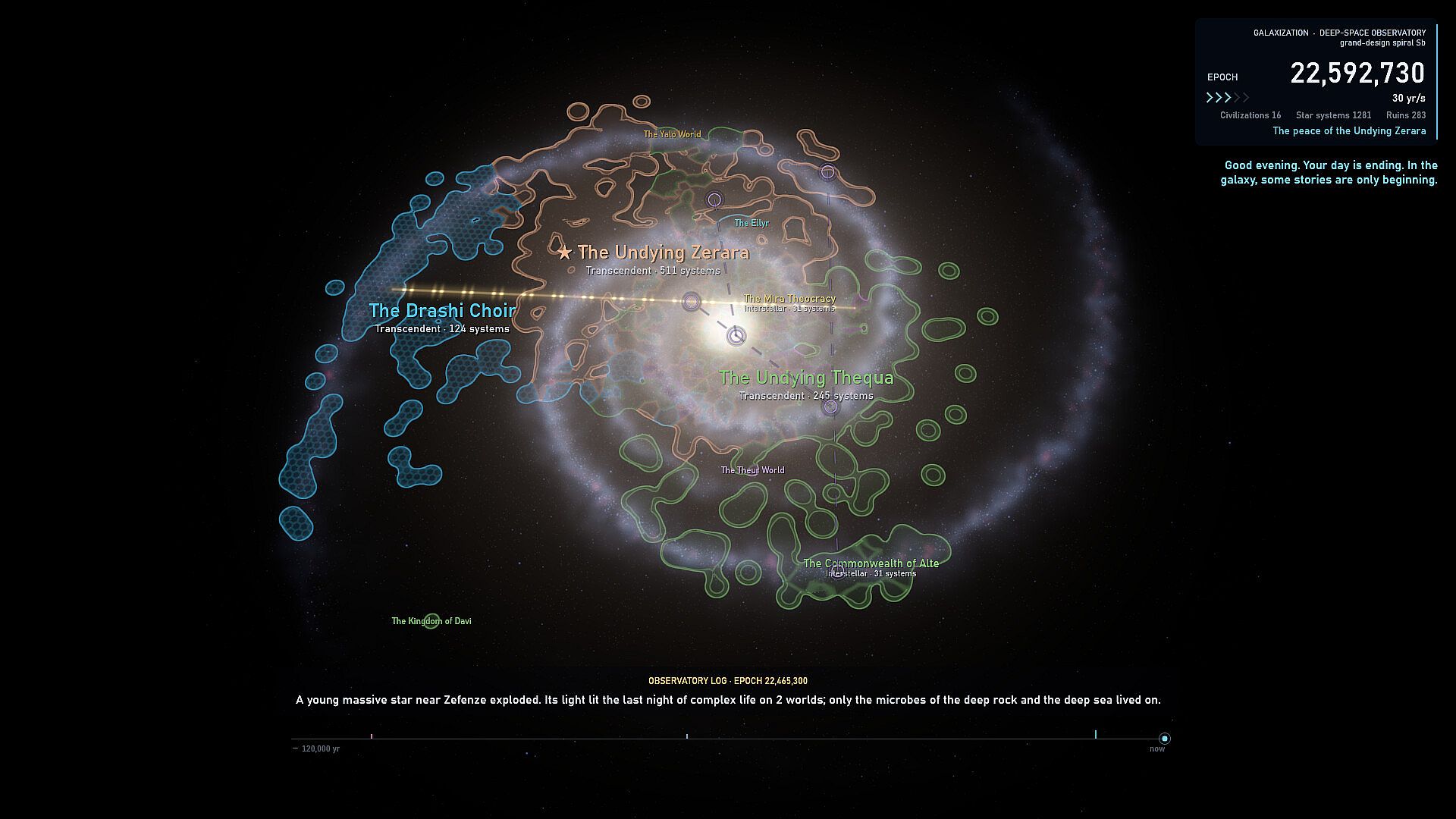
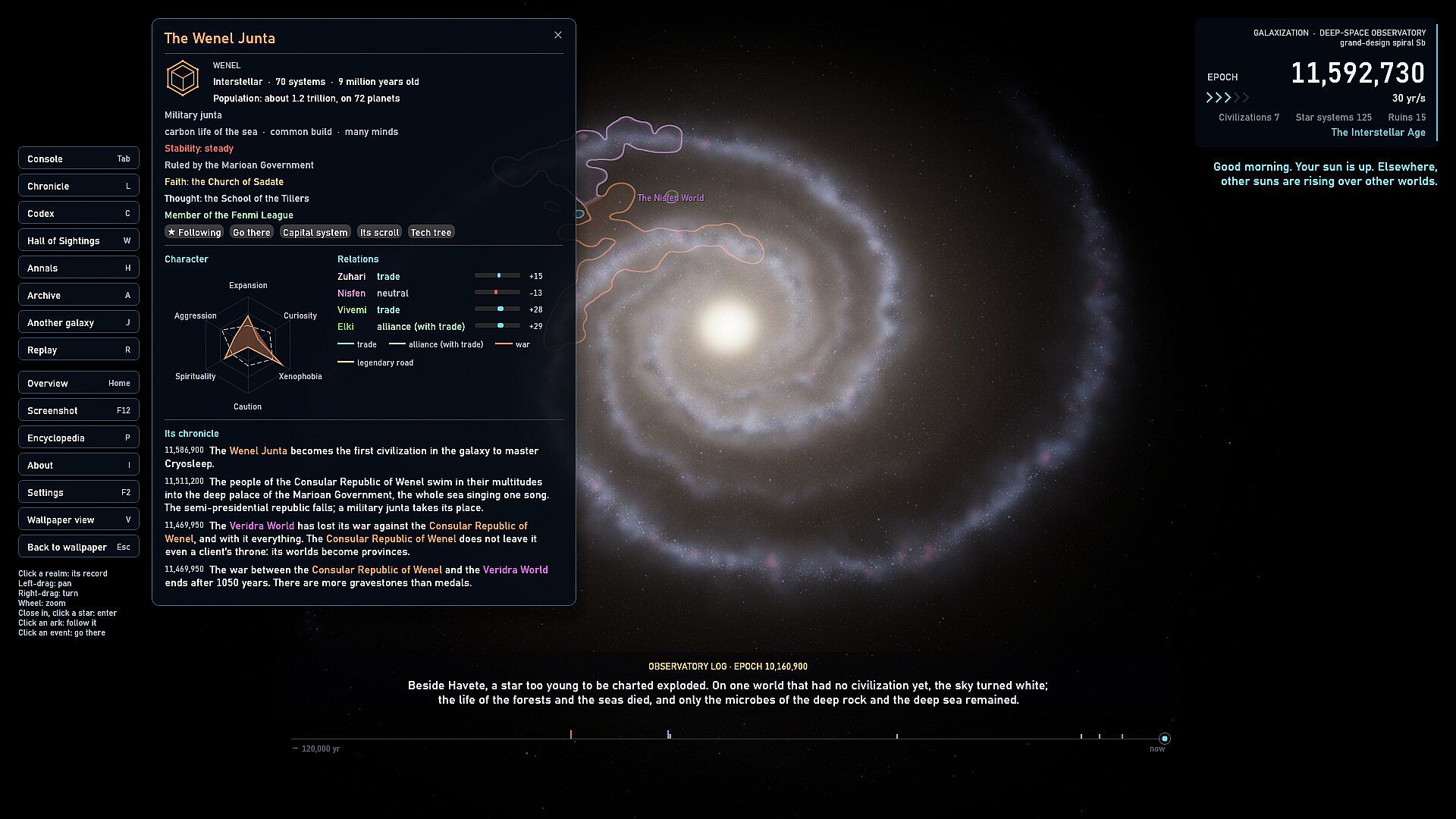
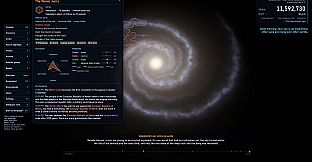
The core loop centers on passive observation of a full spiral, barred, ring, lenticular, elliptical or irregular galaxy rendered in real time. A Chronofold engine compresses aeons into days or weeks, allowing a great power's ascent and decline to unfold over several real-world days. Time flow adjusts via the Chronofold setting while the simulation runs continuously behind desktop icons. Civilizations emerge from varied planetary conditions, including carbon-and-water life on land or sea, silicon-based forms in sulfuric acid, methane lake dwellers at extreme cold, or ammonia-sky inhabitants. Each species follows its own path on a 124-technology branching tree, where world traits influence progress such as difficulty smelting metal for sea peoples or launching rockets from heavy-gravity planets. Governments shift through revolutions, reforms and federations. Faiths develop across 17 doctrines and 103 schools of thought that spread along trade routes and experience renaissances. Events like wars, plagues, royal marriages and holy conflicts generate contextual log entries with rotating phrasings to maintain variety. Named figures including dynasties, prophets and generals appear in the record. Fifteen wonders mark each age, and legendary trade roads gain distinctive names over time. The system pauses automatically when windows cover the wallpaper and consumes minimal CPU resources when idle.
Game Modes
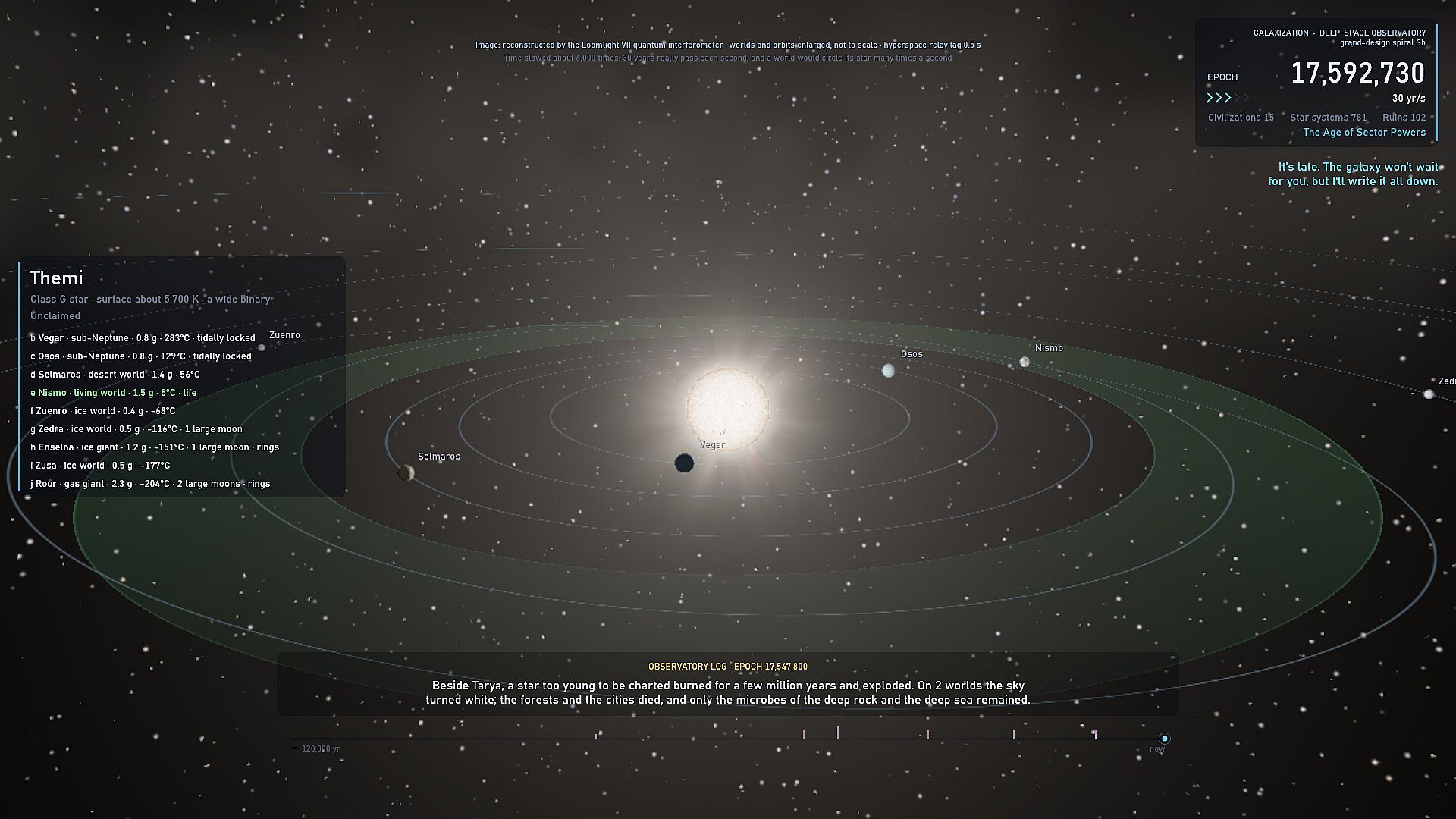
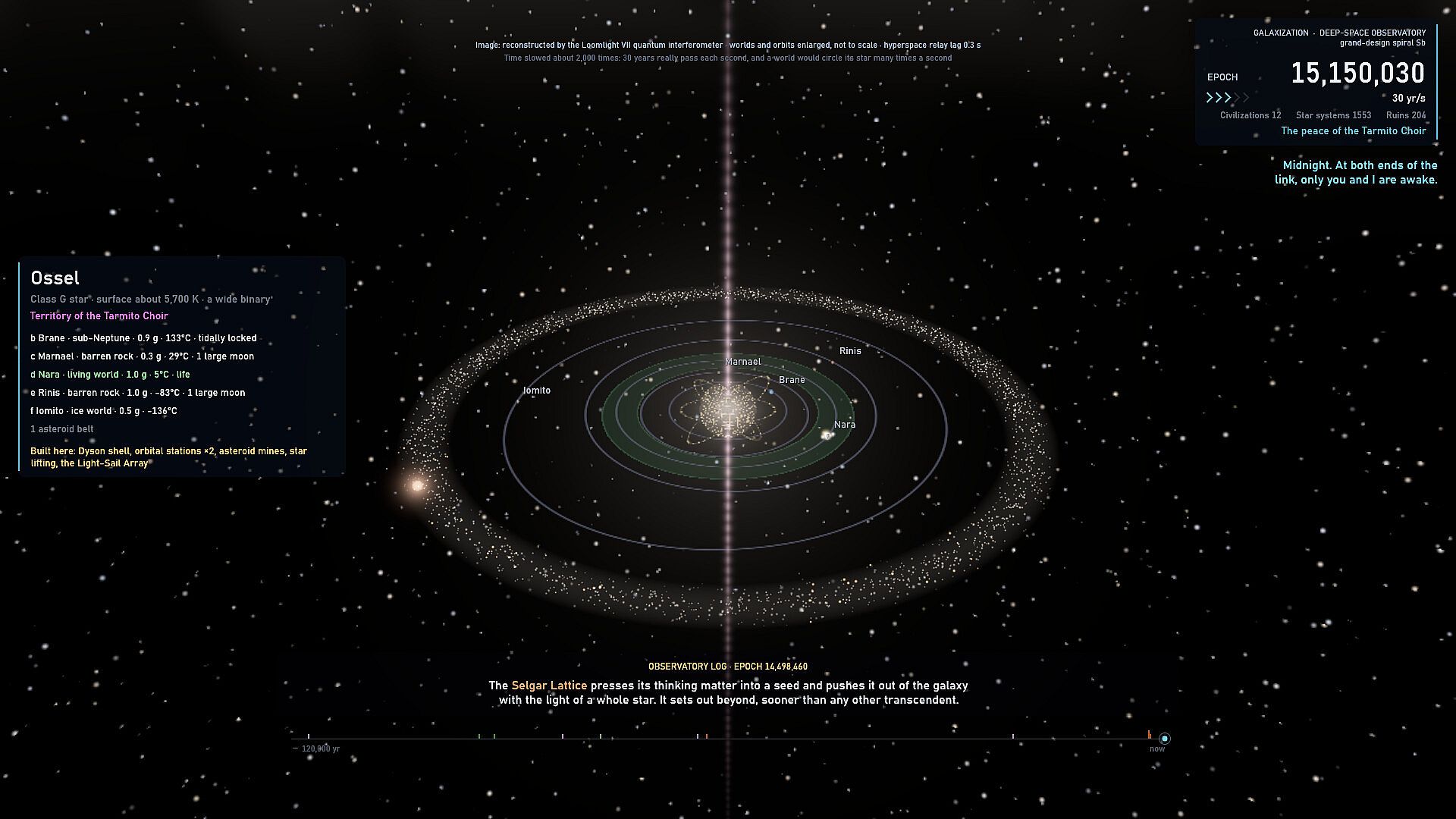
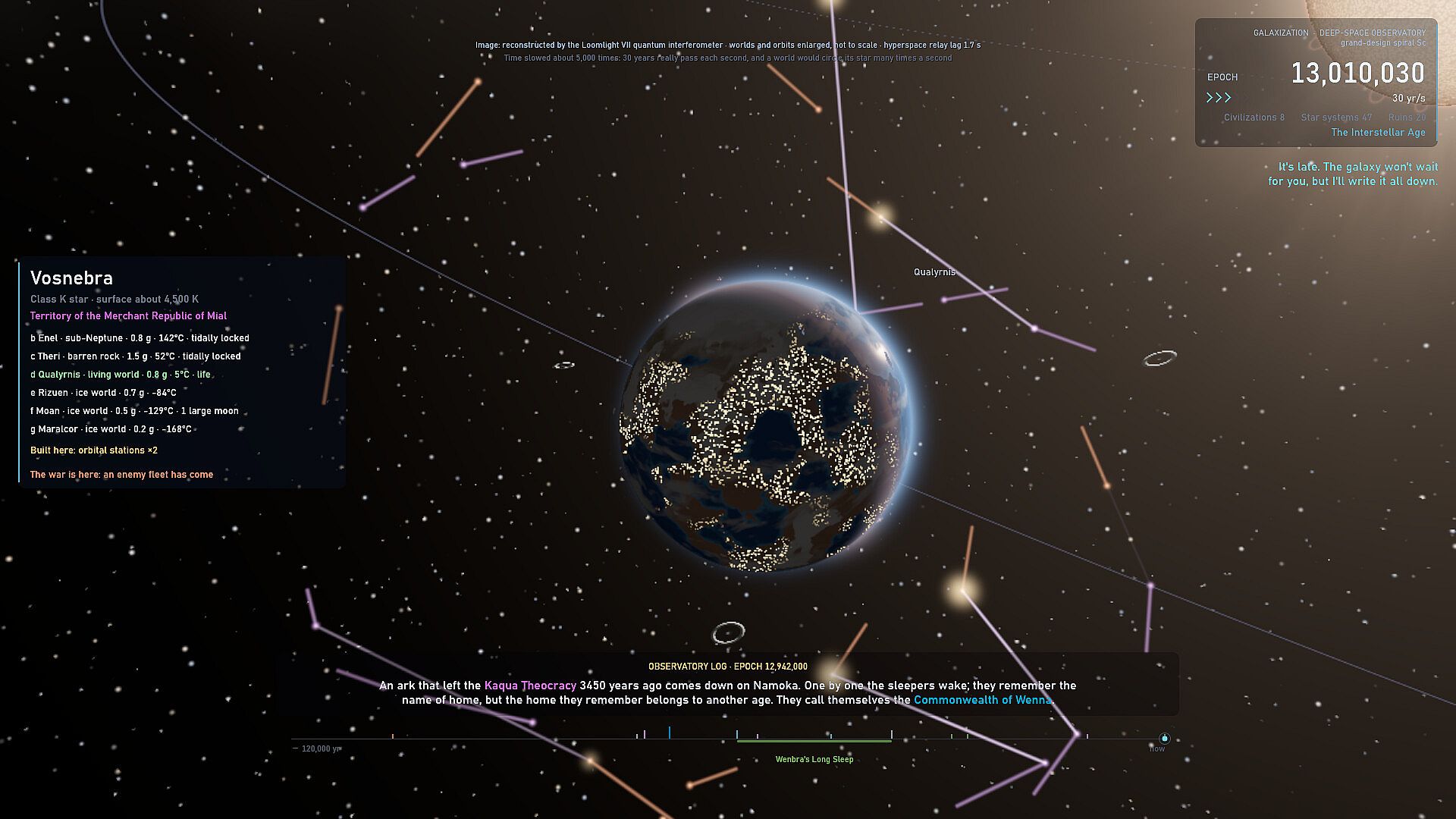
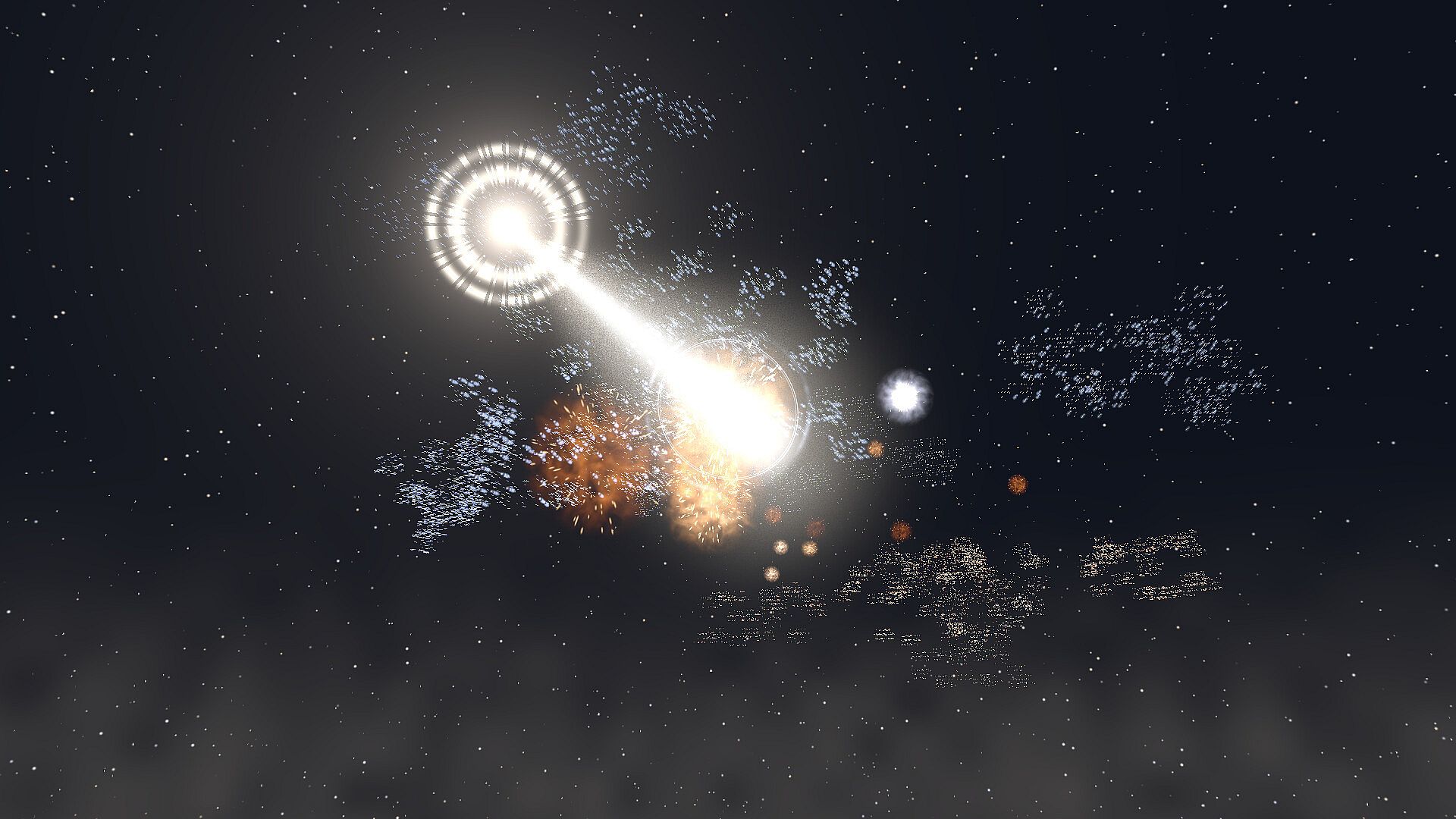
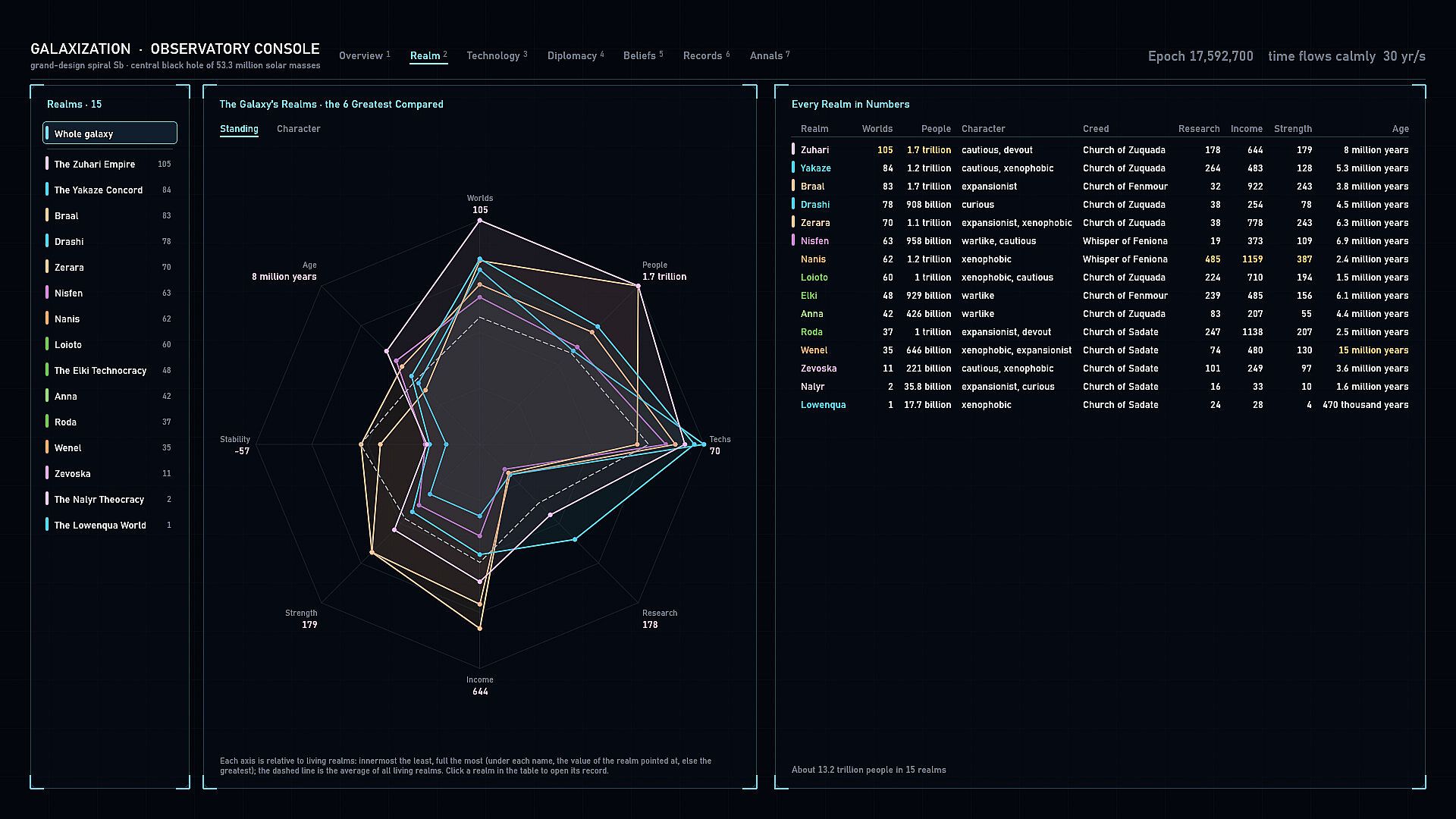
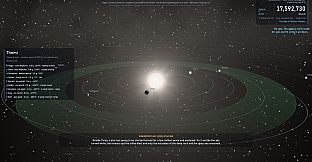
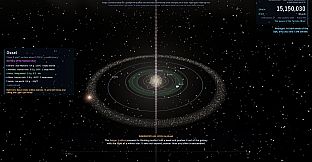
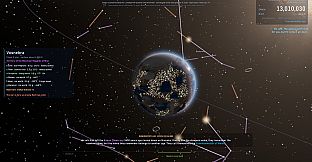
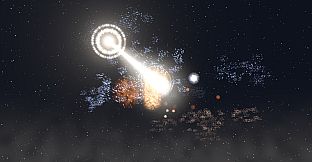
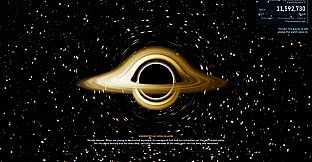
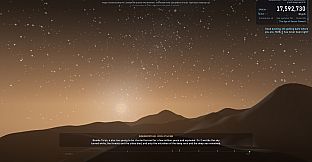
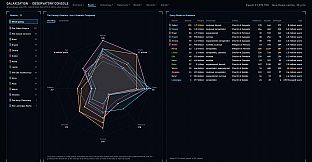
Galaxization operates as a single continuous simulation without traditional selectable modes. Players set the pace of history through the Chronofold controls and switch between full-galaxy views and detailed star-system inspections. Zooming reveals planets in proportion, habitable zones, city lights, orbital stations and Dyson swarms that develop over hundreds of thousands of years. Closer inspection shows fleet engagements with thousands of ships, multiple shield types and superweapons. An observatory console on a second monitor provides live overviews, civilization scrolls, tech trees, faith records and annals of the dead. An encyclopedia details the underlying model. A Hall of Sightings archives rare events across multiple galaxies watched by the user. The experience begins in a Milky Way-like setting before the AI can jump to new galaxies, each sealed in an archive upon completion with a final comparative report.
Visuals and Audio
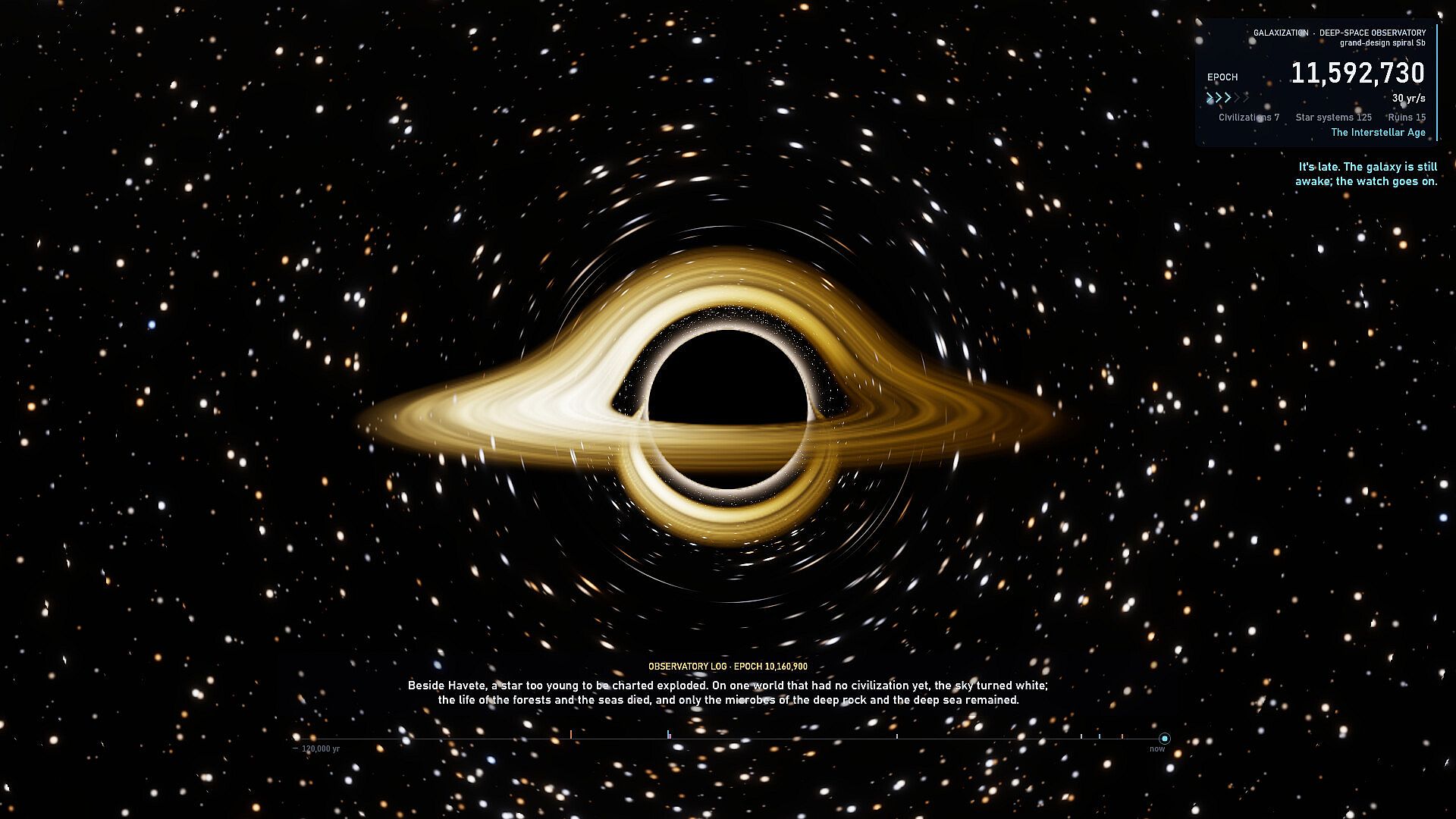
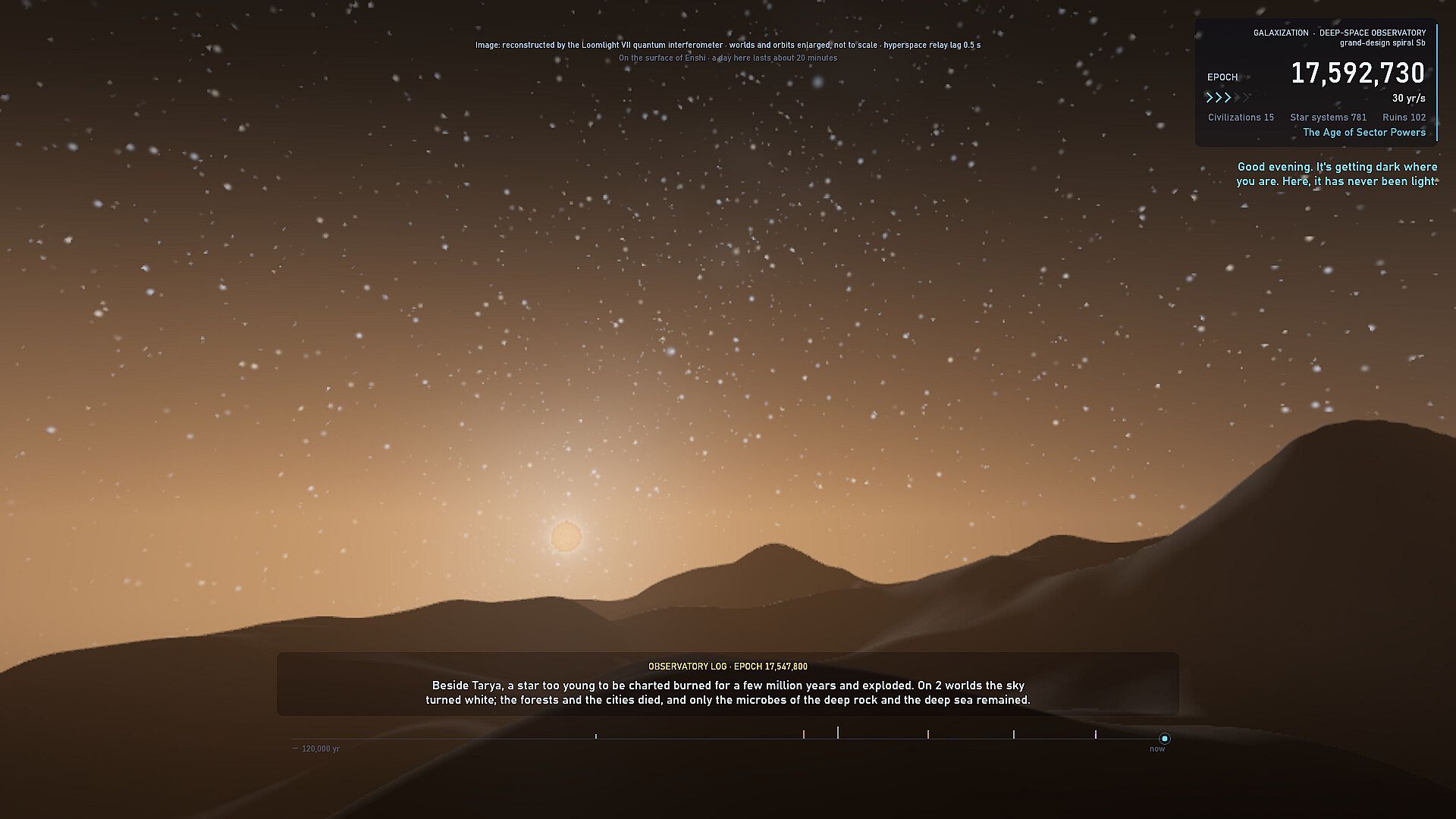
Real-time rendering displays civilizations' territories as holographic overlays on the slowly rotating galaxy. City lights and orbital infrastructure evolve visibly across eras. Music composed specifically for the title and performed with the BBC Symphony Orchestra accompanies the simulation, supported by sampled piano and solo violin instruments. The interface remains unobtrusive, showing only the current epoch, age and latest observatory log line at a glance while expanding into full chronicles on closer inspection.
Is It Worth Playing?
Galaxization suits players interested in emergent history, realistic simulation and ambient desktop experiences rather than active control or competitive play. Its strength lies in the detailed modeling of technological branches, cultural evolution and large-scale events that generate unique narratives each time a galaxy runs. The passive nature means it fits well as background content that rewards occasional attention with fresh chronicle entries. Availability on PC through standard distribution channels makes it accessible for those seeking a low-demand simulation that continues independently. Individuals who enjoy watching complex systems unfold without intervention will find consistent depth in the civilization mechanics and event variety, while those preferring direct interaction may prefer more hands-on titles. The combination of scientific plausibility in species and technology development with narrative richness in the logs creates a distinctive offering in the indie simulation space.