






Fruitfall is a first-person orchard simulator in the indie casual simulation genre for PC. Players begin with a handful of fruit trees and build a productive operation through hands-on harvesting, selling, and reinvestment. The experience centers on incremental progression, where small actions compound into larger yields over time.
Gameplay
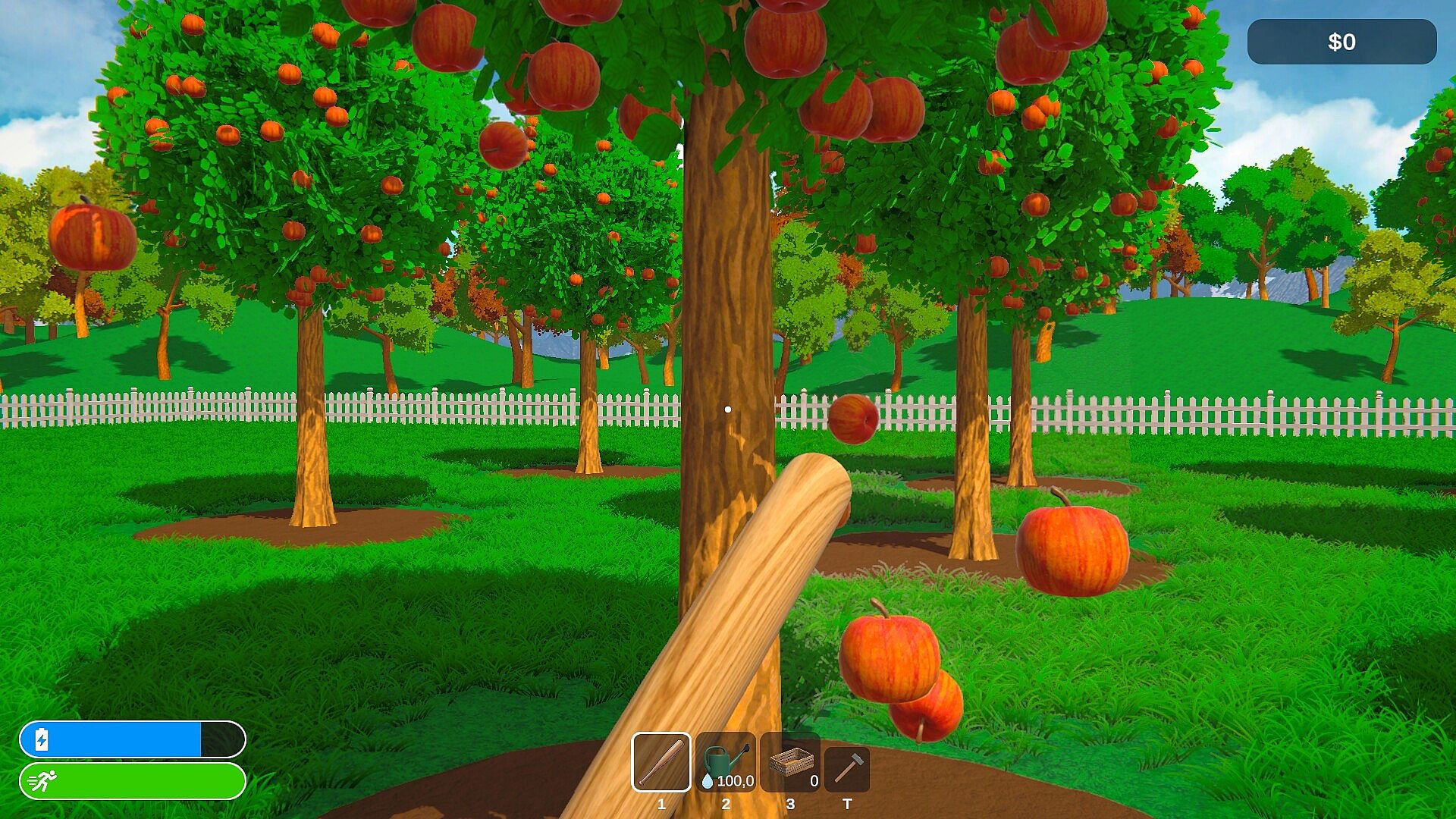
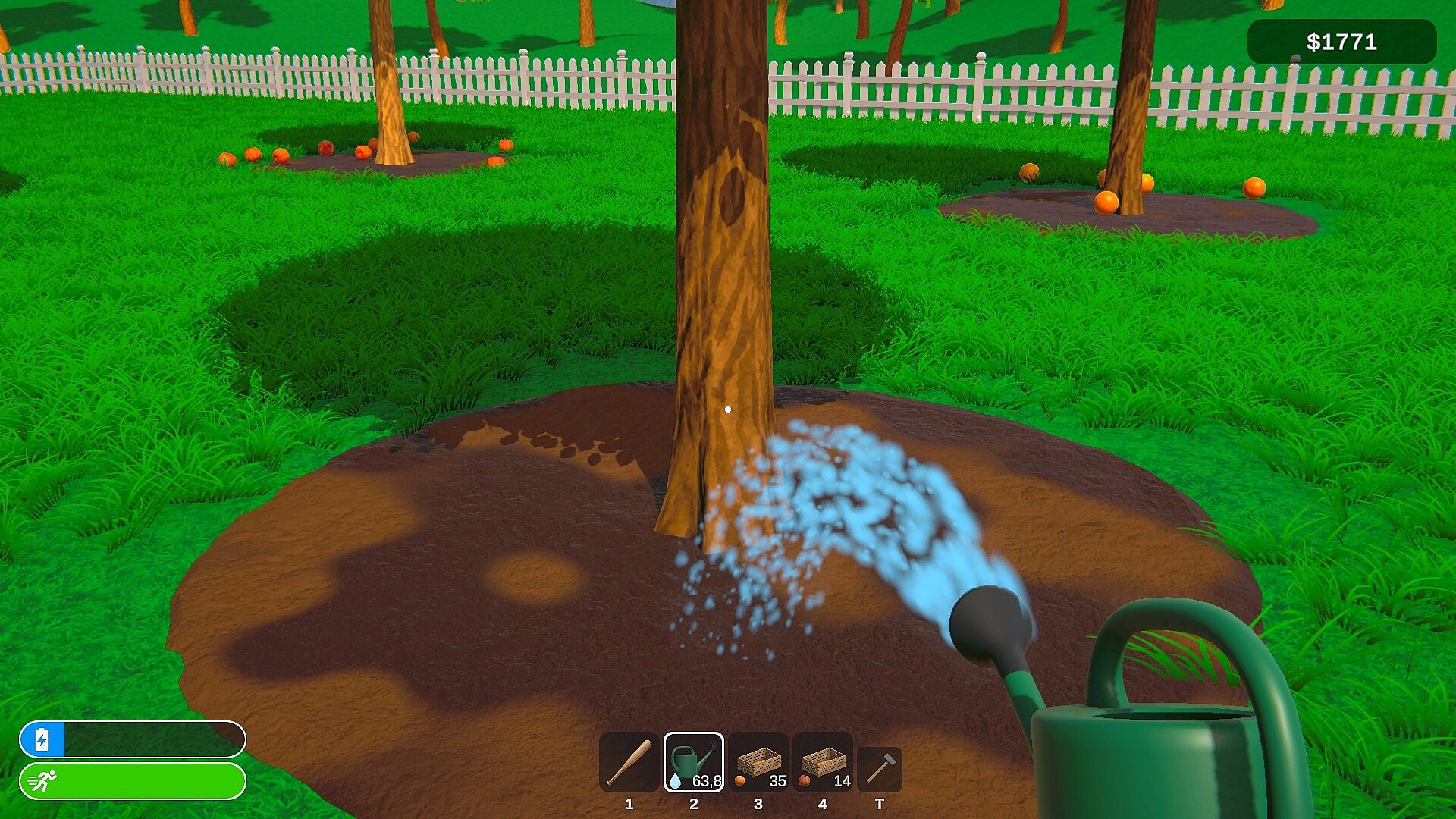
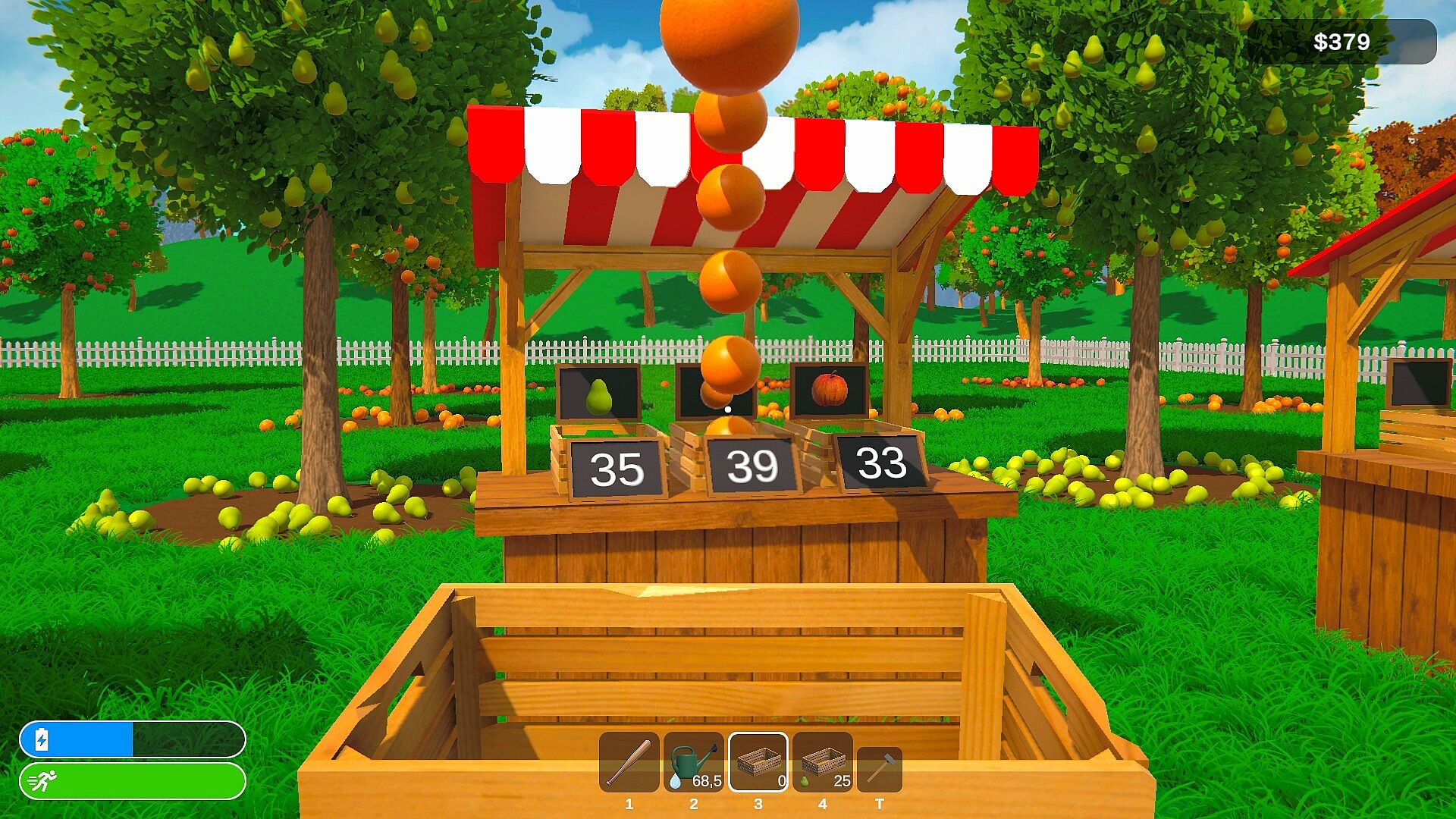
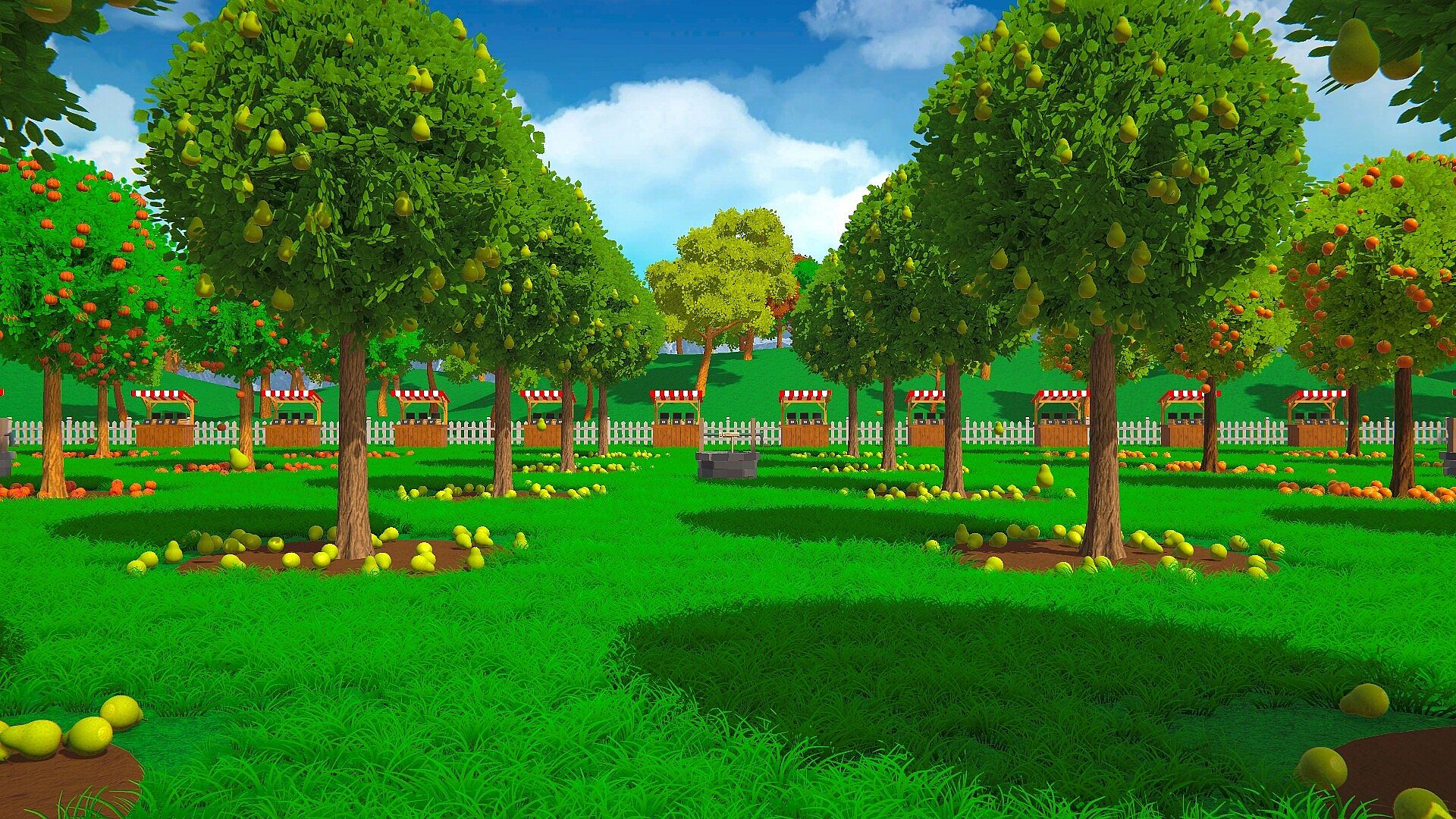
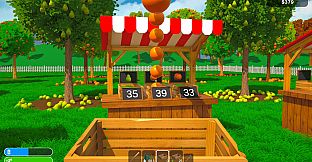
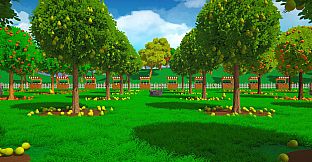
The core loop revolves around managing an orchard in first person. Players knock ripe fruit from trees by hitting the branches, then collect the fallen produce and carry it to a market stall for sale. Profits fund new tree purchases and equipment upgrades that improve efficiency. Watering the soil around existing trees encourages fresh growth, while careful placement of new trees helps optimize space and future harvests.
Carrying capacity starts limited, so early sessions focus on frequent trips between trees and the stall. As upgrades accumulate, players handle bigger loads and reduce downtime between harvests. The system rewards steady attention to multiple trees rather than rapid automation at the outset. Layout planning matters because trees occupy land that expands gradually through earnings.
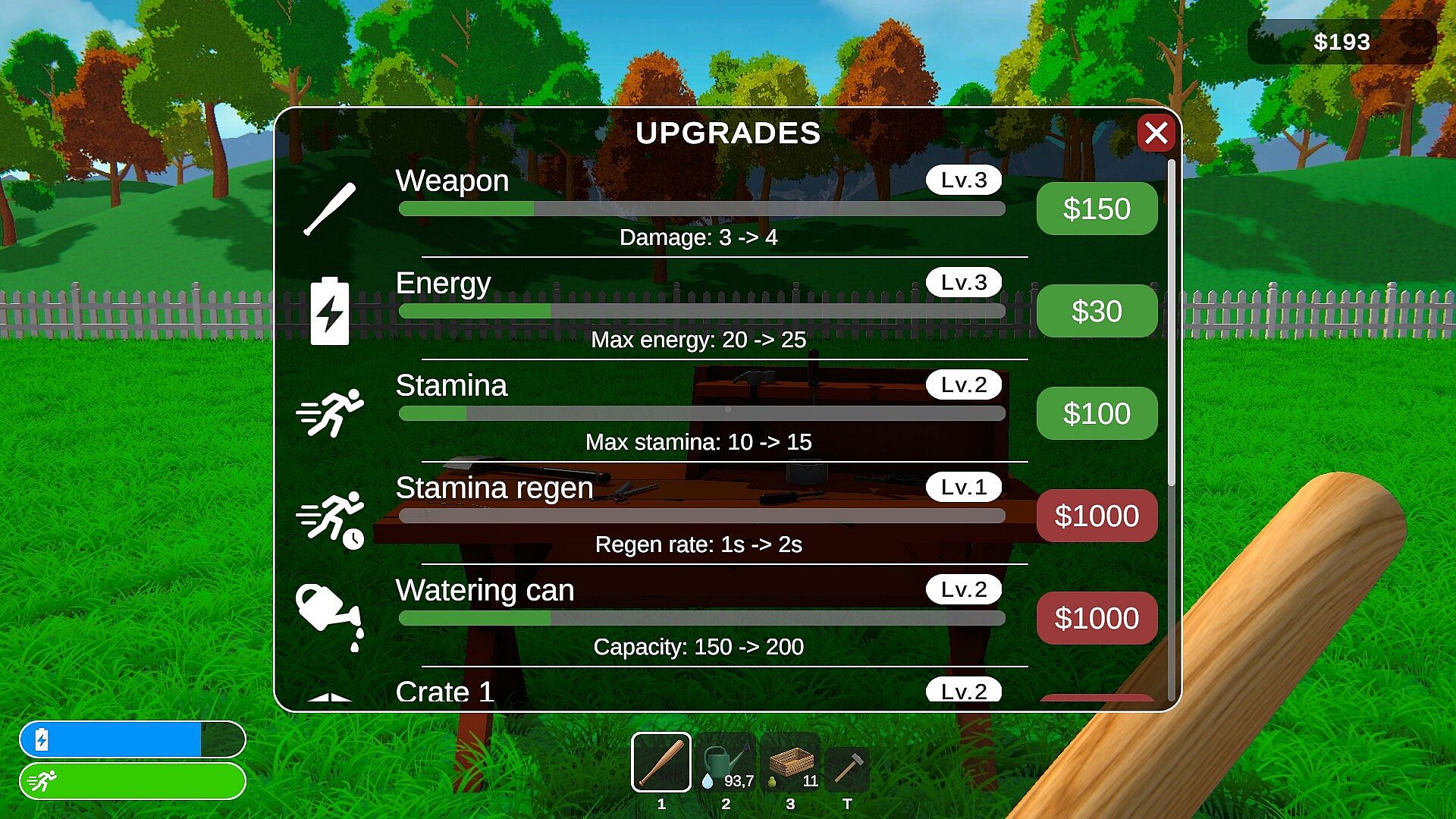
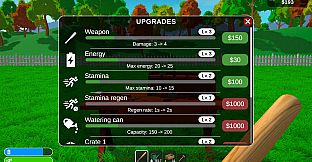
Equipment improvements directly affect speed and volume. Better baskets allow more fruit per trip, while other enhancements speed up growth cycles or increase the amount of fruit per tree. These changes create a clear sense of progression without sudden leaps, keeping the pace relaxed and methodical.
Game Modes
Fruitfall offers a single-player experience built around continuous orchard development. There are no separate competitive or cooperative modes. The entire session flows as one ongoing simulation where players manage the same orchard across multiple harvests and expansions.
Progression occurs through repeated cycles of harvesting, selling, and upgrading within this unified setup. Players return to the same location each time, with changes accumulating from prior efforts. This structure suits focused, uninterrupted play sessions centered on personal optimization rather than varied scenarios or leaderboards.
Progression Systems
Upgrades form the backbone of long-term growth. Profits convert into improvements that boost harvest size, growth speed, carrying capacity, and overall productivity. Combinations of these upgrades allow players to scale operations efficiently while maintaining control over the orchard layout.
New fruit types become available through the upgrade path, adding variety to the produce sold at the stall. Tree placement remains flexible, letting players experiment with spacing and arrangement as the available land increases. The system encourages balanced investment across harvesting tools, growth aids, and expansion options.
Is It Worth Playing?
Fruitfall targets players who enjoy methodical simulation games with clear feedback loops and steady advancement. The first-person perspective and direct interaction with trees and produce distinguish it from top-down management titles. Those who appreciate incremental systems will find satisfaction in watching small orchards expand through consistent effort.
The game remains in development with a planned release date to be announced, and no user reviews are available yet. Availability is limited to the PC platform as a single-player title. It suits individuals seeking a calm, self-directed experience focused on building and refining rather than fast action or complex narratives.
Core appeal lies in the combination of physical harvesting actions and long-term planning. Players who value relaxing progression without pressure from timers or opponents will likely connect with the design. The absence of multiplayer elements keeps the focus squarely on individual orchard management.