







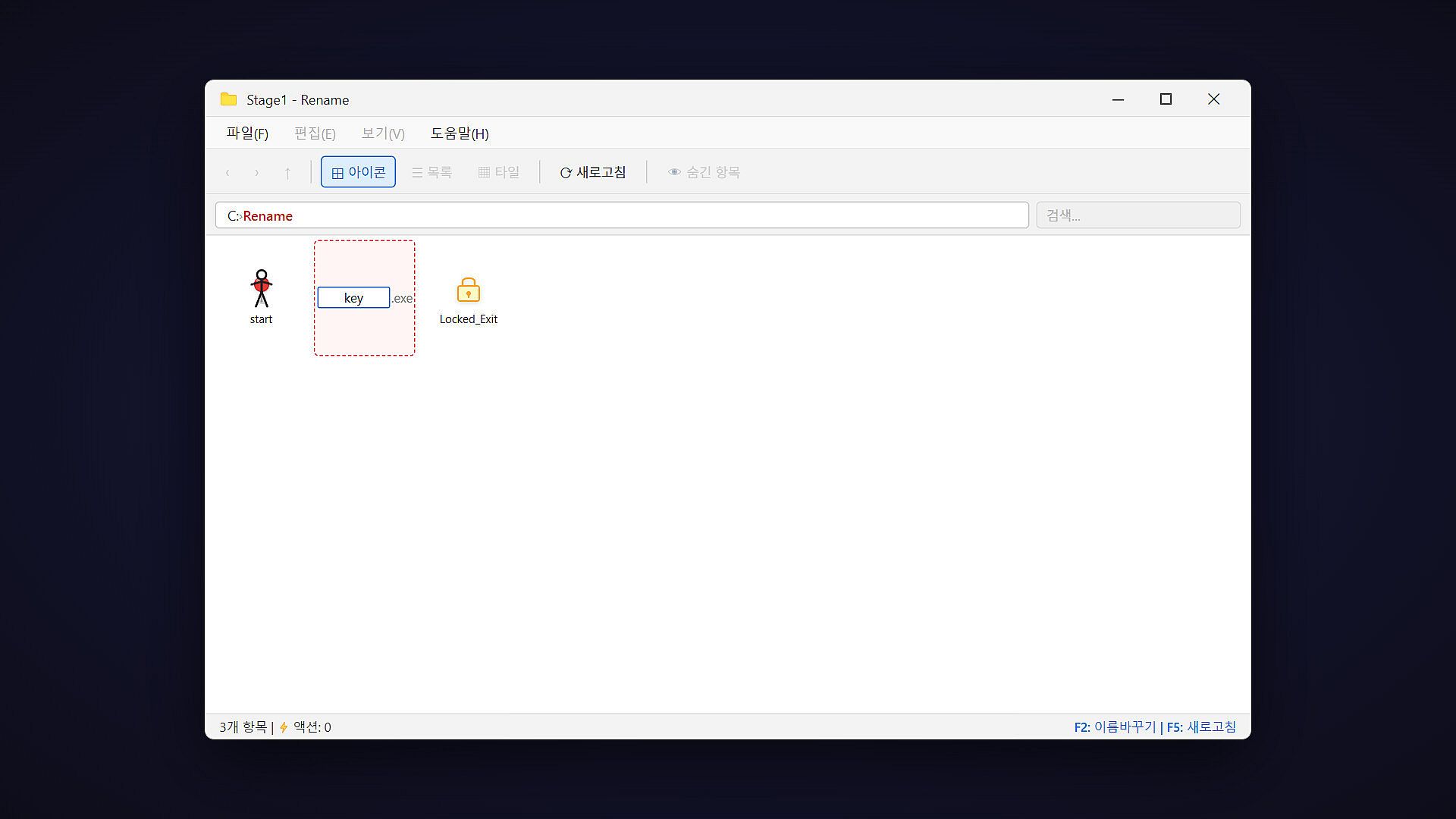
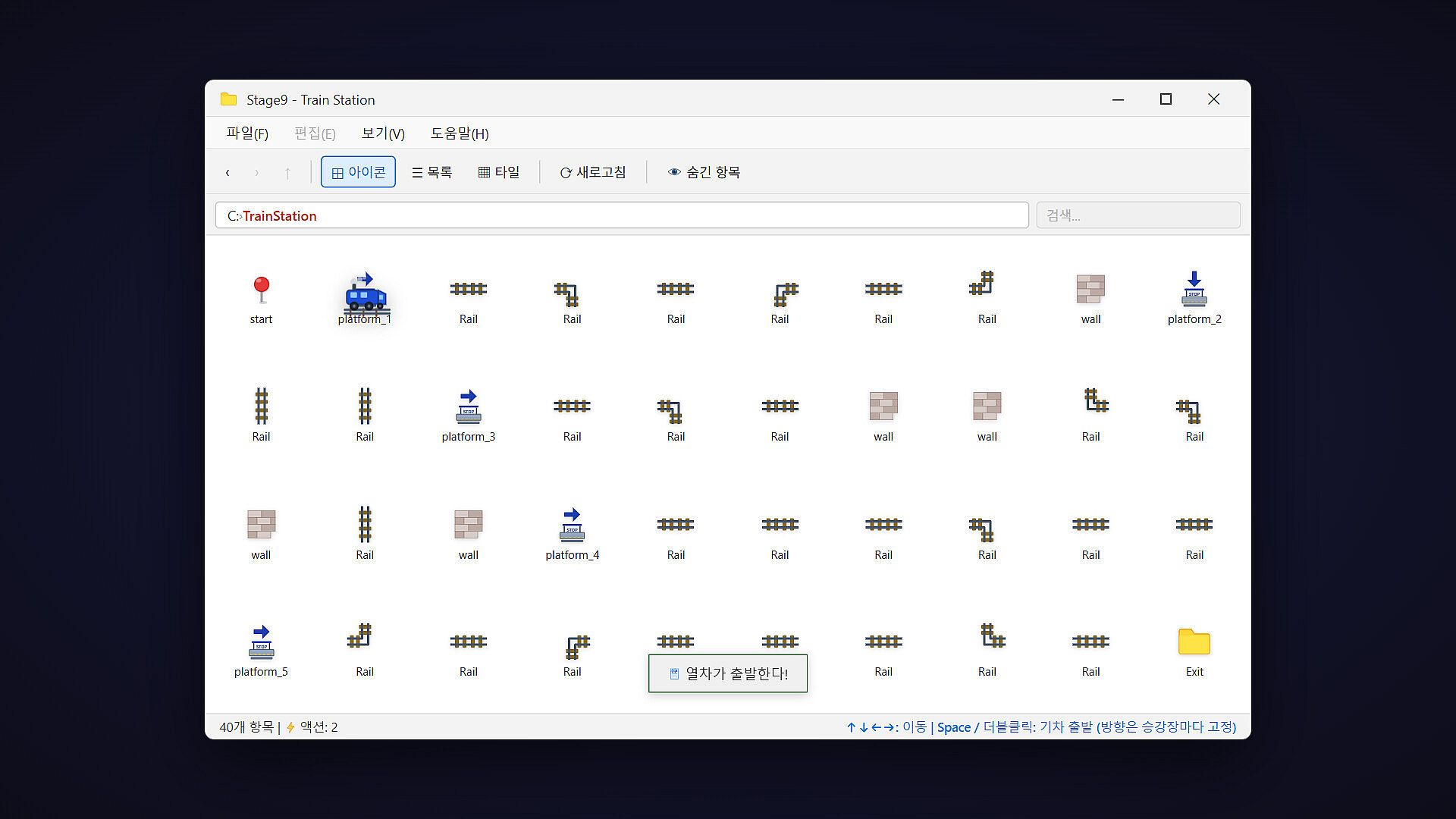
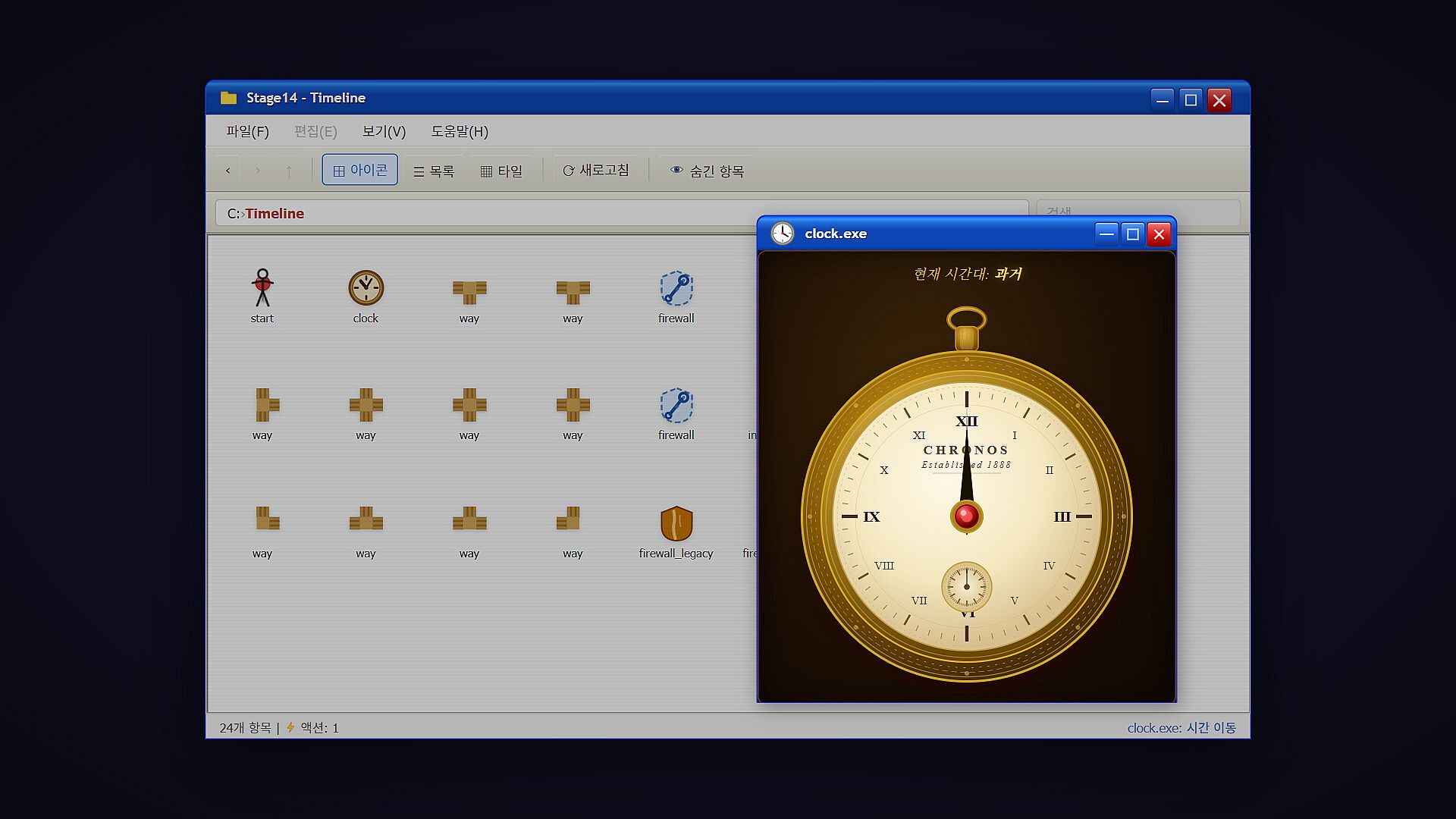
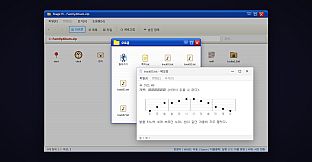
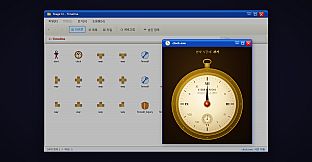
Folder Escape is an indie casual puzzle game for PC in which players navigate a series of locked folders as a stickman figure. The core premise turns everyday file explorer functions into environmental puzzles, where renaming files, altering extensions, toggling hidden items, and switching view modes reshape the space and provide the tools needed to progress.
Gameplay
The experience centers on interpreting the file explorer interface as playable terrain. Players manipulate visible elements on screen to create paths, activate mechanisms, or remove obstacles. Renaming a file can repair a broken key, while changing an extension from .txt to .exe triggers an explosion that clears a barrier. Enabling hidden items reveals new platforms but can erase existing ones, and toggling between icon and list views rearranges the layout to open routes or block others. These interactions form the foundation of every stage, encouraging players to experiment with familiar computer tools in unexpected ways.
Undo and restart commands support trial and error without penalty, allowing free experimentation across all actions. Hints come in two tiers: directional guidance that points toward a solution without spoiling it, and a more direct option that reveals the answer outright. Achievements track creative or unorthodox approaches, rewarding players who deviate from standard paths or impose their own restrictions.
Game Modes
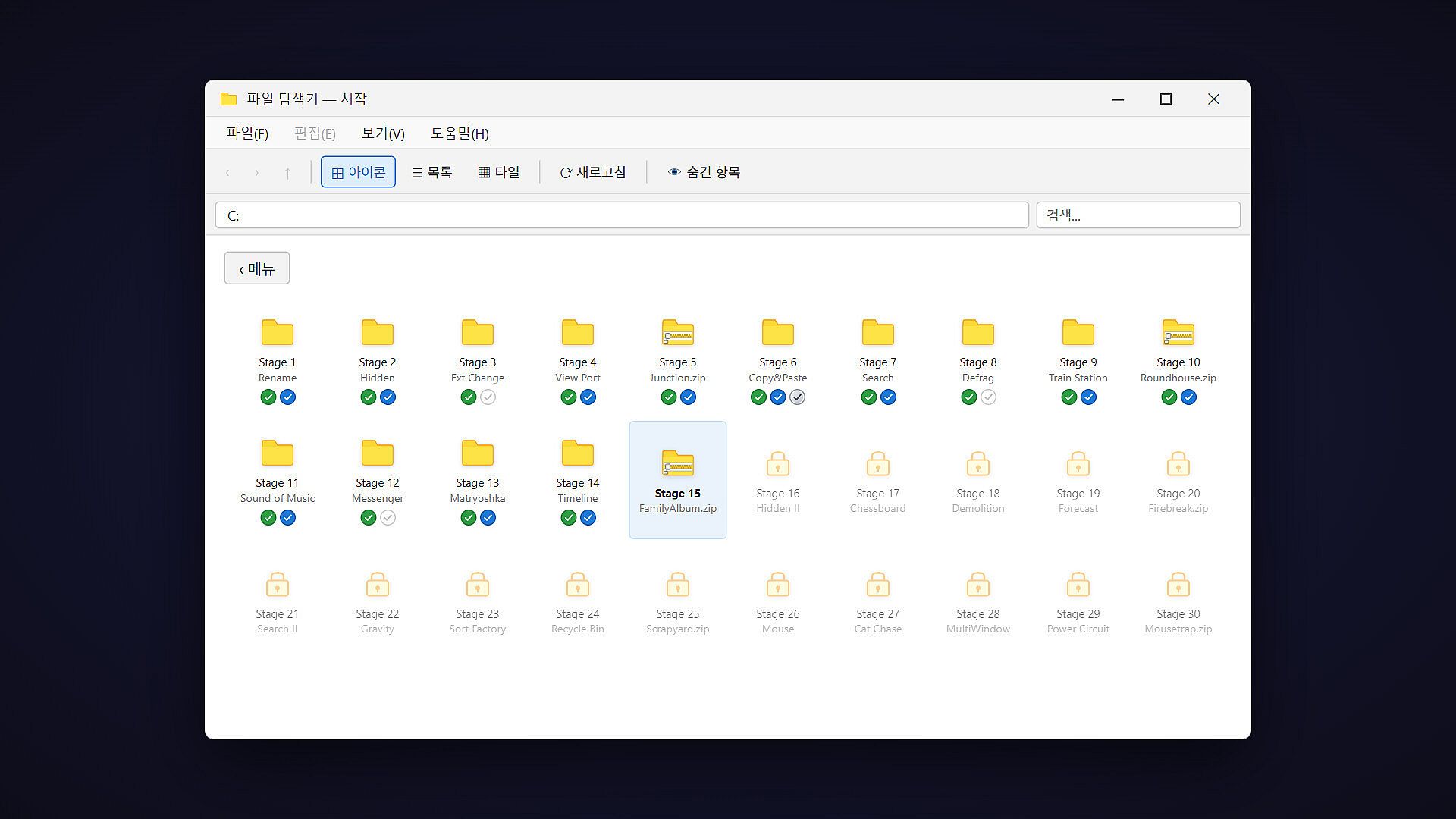
Folder Escape operates as a single-player experience with no multiplayer components. The 30 stages divide into six zones of five stages each. The first four stages in a zone introduce one new mechanic at a time, building familiarity with a specific logic element. The fifth stage compresses prior lessons into a single challenge presented as a .zip file, functioning like a mid-boss that tests cumulative knowledge.
Zones progress thematically from basic file operations through platforms, memory elements, weather and explosives, scrapyard mechanics, and finally a climactic mousetrap sequence where the cursor itself becomes an interactive element. Clear ranks evaluate performance by action count, with a Perfect Clear matching the developer target shown in advance and an Extra Clear available on select stages for significantly more efficient or inventive solutions. Only the best rank per stage persists, so repeated attempts never lower an achieved score.
Stage Structure and Progression
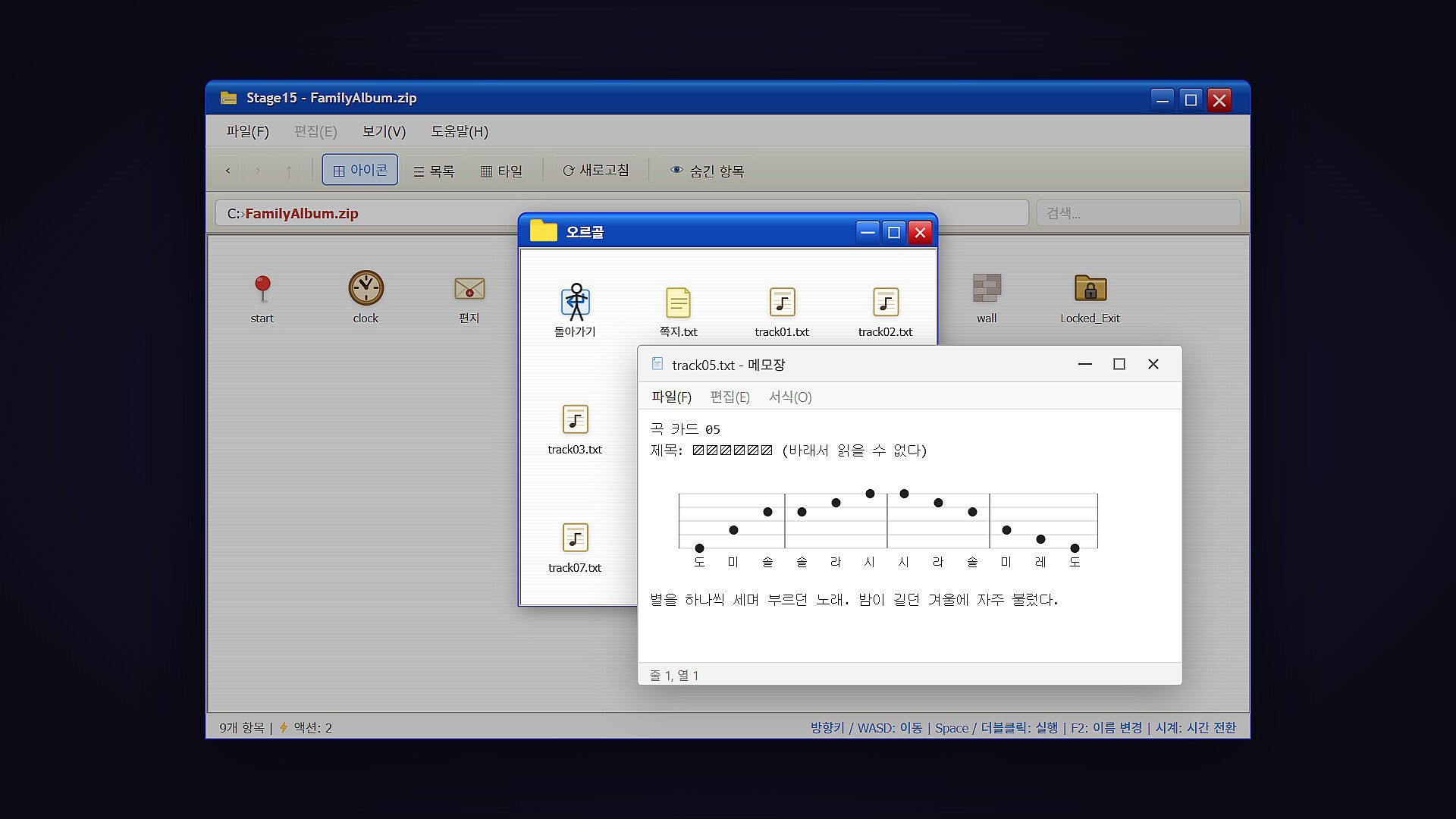
Stages 1 through 5 cover fundamentals including renaming, hidden items, extensions, and view modes. Subsequent zones layer complexity: search functions and platform routing appear in stages 6-10, followed by music transcription, messaging interfaces, and time manipulation in stages 11-15. Later zones incorporate weather forecasts, demolition elements, gravity rotation, layout flipping, and cursor-based cat-and-mouse dynamics. The full campaign runs approximately 60 to 90 minutes on an initial playthrough, with keyboard controls supplemented by mouse input in certain sections.
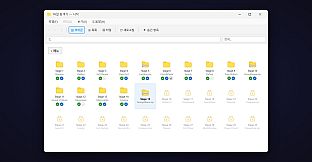
Self-imposed challenges and unexpected solutions contribute to achievement progress, extending replay value beyond the main sequence. The stage selection screen displays current ranks at a glance, highlighting opportunities for improvement without resetting prior accomplishments.
Is It Worth Playing?
Folder Escape suits players who enjoy logic puzzles that recontextualize everyday software interfaces. Its single-player structure emphasizes thoughtful experimentation over reflexes or competition, with built-in support for retries and graduated hints that accommodate different skill levels. The clear rank system and optional Extra Clears provide measurable goals for optimization without forcing perfection on every attempt.
Because the game remains unreleased with no player reviews available, any recommendation rests on its described mechanics and structure. Those drawn to short, self-contained puzzle campaigns that reward observation of familiar systems will find a focused experience here. The absence of additional modes or ongoing content updates aligns with its compact design of 30 stages.