







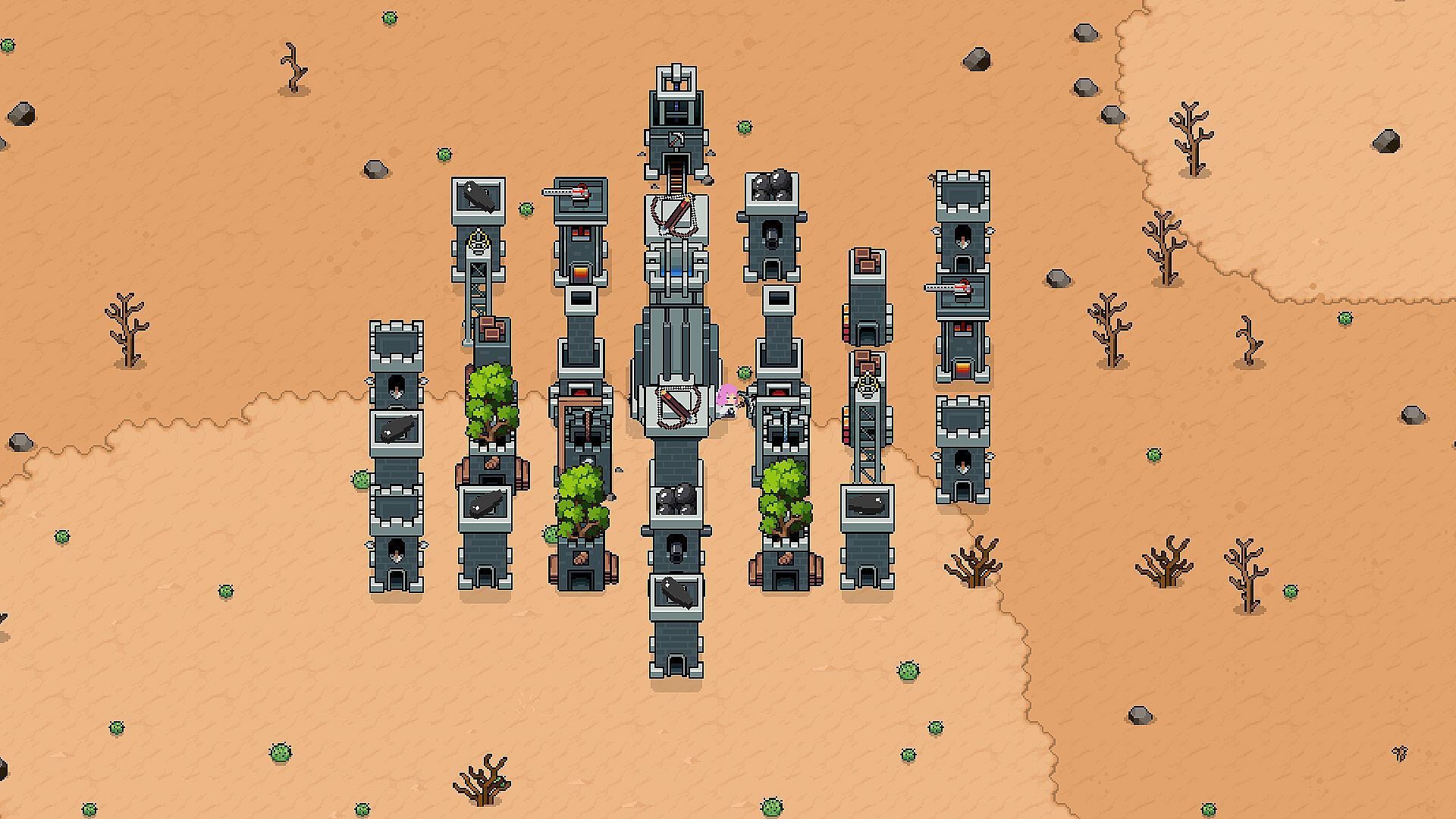
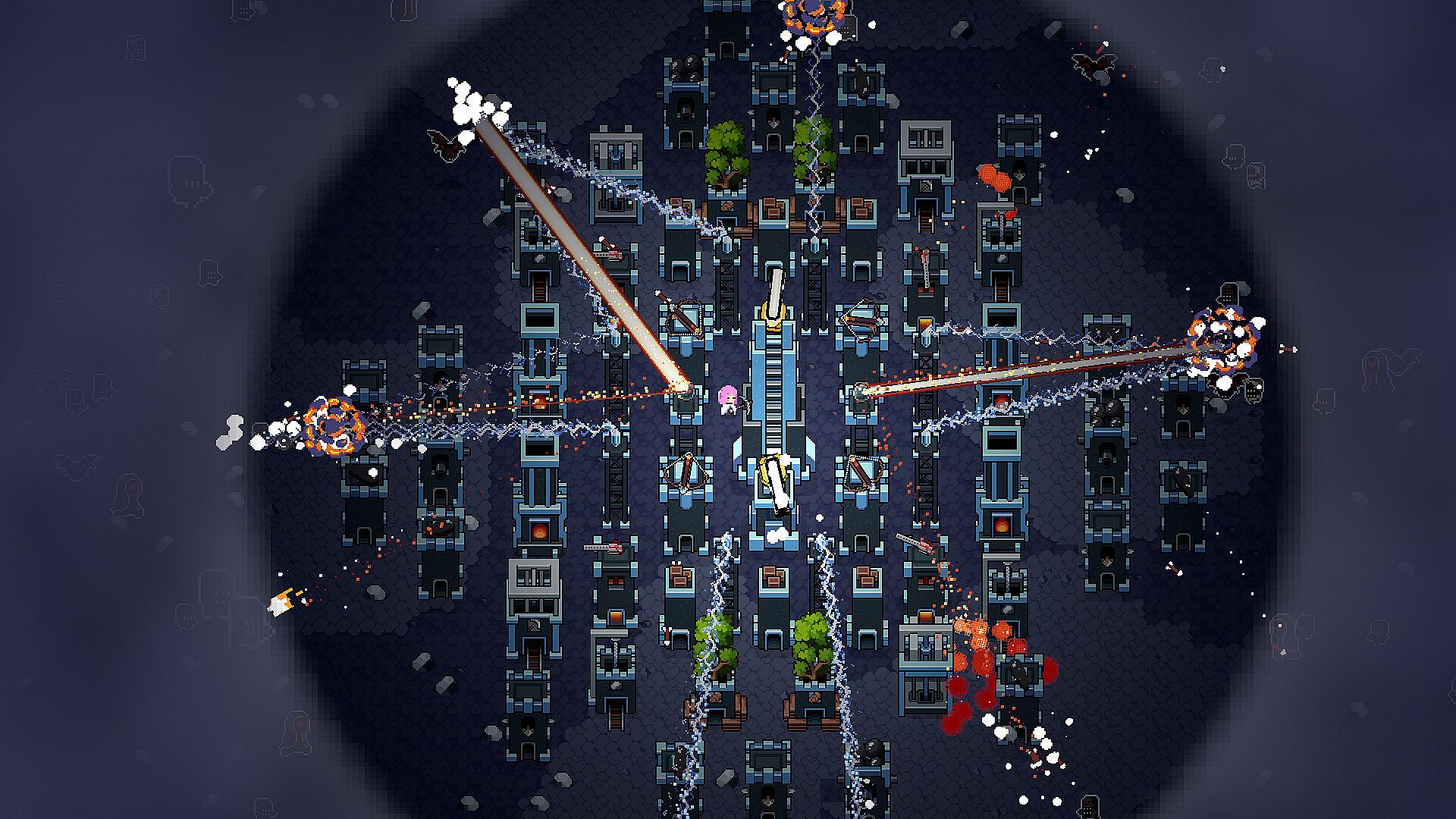
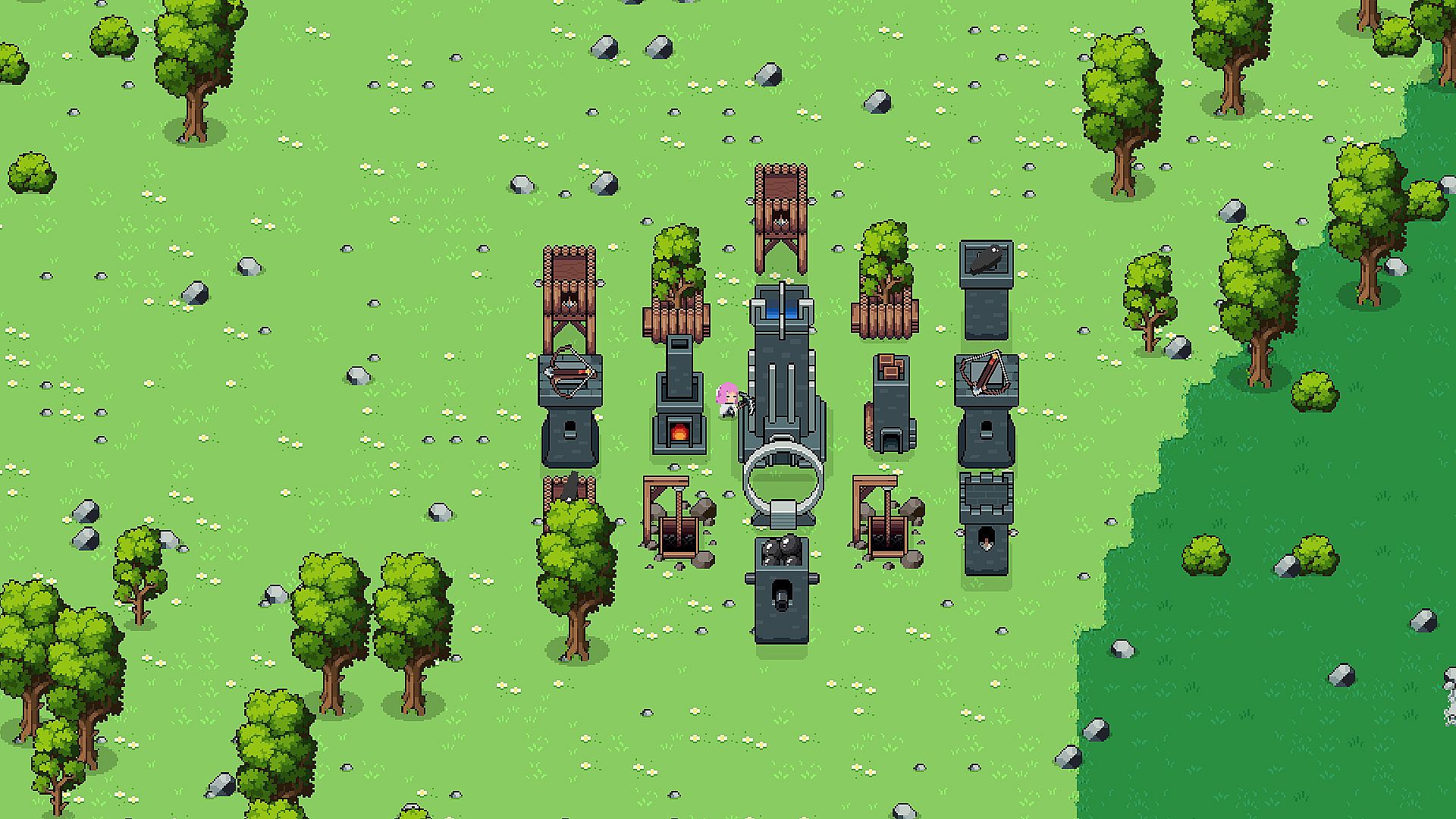
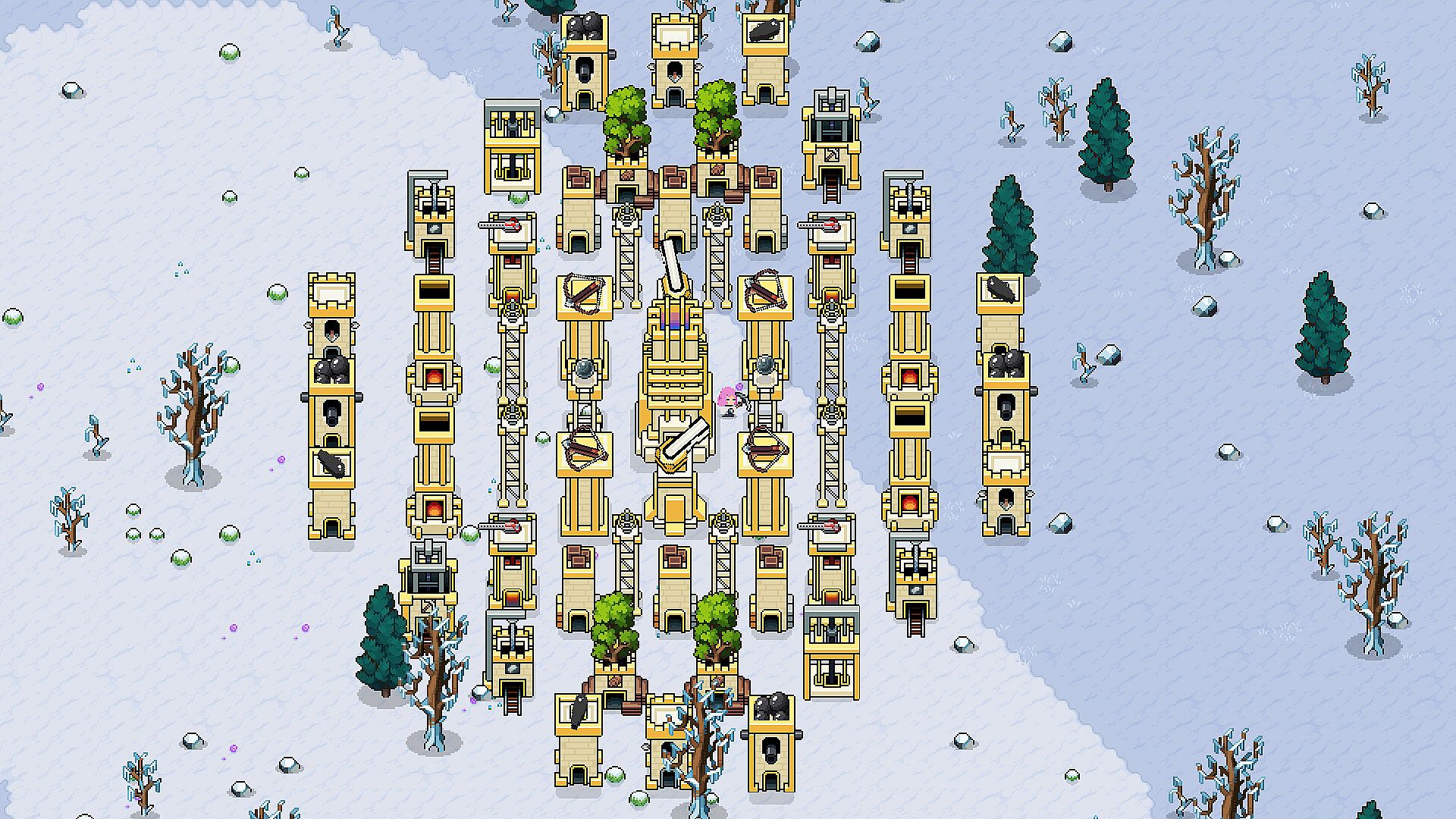
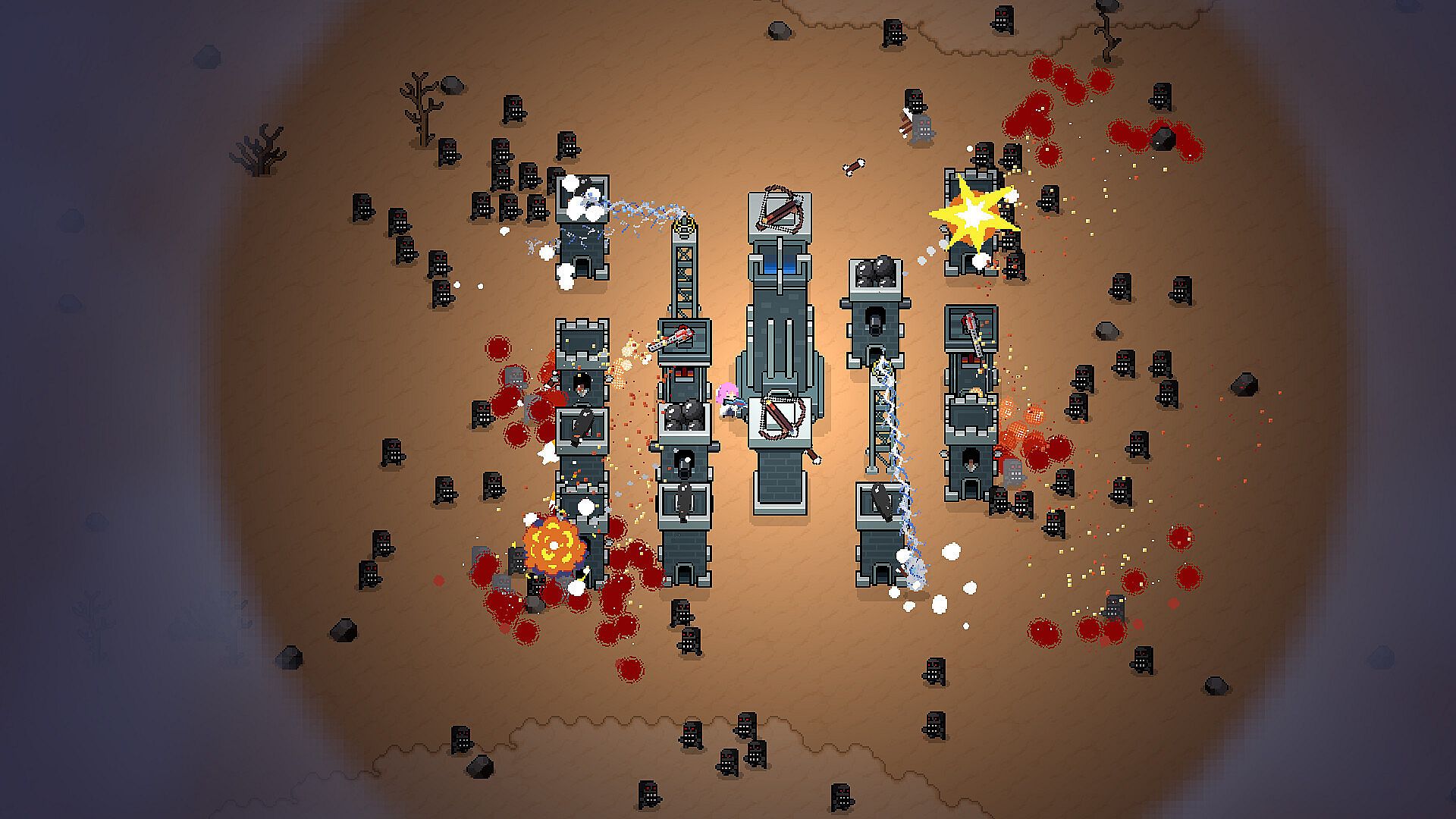
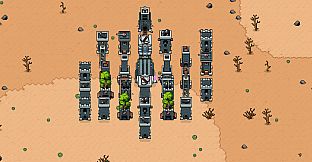
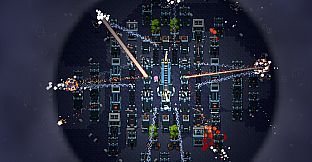
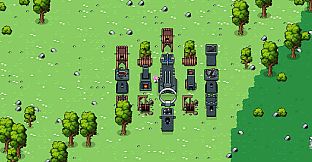
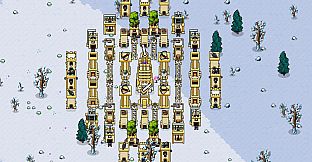
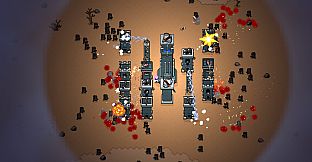
Fog Keeper is a strategy indie game for PC that blends resource management, defensive planning, and survival elements in a day-night cycle. Players explore procedurally varied maps during daylight hours to collect materials, establish mining operations, and position defensive structures. At night, waves of monsters emerge from the surrounding fog and advance on a central Energy Tower that must be protected at all costs.
Gameplay
The core loop revolves around daytime preparation and nighttime defense. Exploration reveals resources scattered across the map, which players harvest to construct and upgrade facilities. Mines provide ongoing material gains, while a network of towers forms the primary line of defense. Over a dozen tower variants exist, including arrow towers for ranged attacks, cannons for area impact, lightning towers for chain damage, laser towers for precision strikes, and flamethrowers for close-range crowd control. These can be arranged freely without any enclosing walls, so success depends entirely on creating overlapping fields of fire that cover approach paths efficiently.
The Energy Tower serves as the heart of every session. It generates protective shields, sets load limits on construction, and clears fog to reveal new territory. Upgrading it expands the playable area and strengthens overall capabilities. Should the tower fall to enemy assaults, the run ends immediately. This creates constant tension between expanding outward for more resources and maintaining a compact, well-supported defensive perimeter.
Game Modes
Fog Keeper emphasizes a single-player survival experience across multiple distinct maps. Each environment introduces unique resources and technological options that alter strategic priorities. The Plains favor open layouts and basic resource nodes, while the Desert presents harsher conditions that reward efficient water-related or heat-resistant builds. Storm Snow Mountains introduce weather effects that influence tower placement and monster behavior, and the Land of Silence offers different resource distributions that push players toward specialized defensive configurations. These map variations function as progressive phases, encouraging repeated playthroughs to master new combinations of towers and upgrades rather than relying on a single optimal layout.
Strategic Depth and Progression
Defense design requires careful consideration of monster paths and wave composition. Because towers operate without physical barriers, players must anticipate movement patterns and create kill zones that maximize coverage with minimal overlap waste. Resource gathering supports iterative upgrades, allowing the Energy Tower to sustain larger territories and more advanced technology as sessions progress. Different maps reward experimentation with tower synergies, such as pairing long-range artillery with area denial options to handle mixed enemy types effectively.
Progression feels driven by map-specific technologies that unlock gradually through exploration and survival. This structure keeps each environment fresh, as the same tower roster interacts differently with local resources and terrain challenges. The absence of rigid walls shifts focus toward intelligent positioning and firepower density, rewarding players who plan layouts that adapt to changing threats.
Is It Worth Playing?
Fog Keeper suits players who enjoy deliberate strategy sessions built around resource allocation and defensive engineering. The day-night rhythm provides clear structure, with daytime offering freedom to expand and nighttime delivering focused combat pressure. Map variety and the flexible tower system support multiple approaches without forcing a single meta build. Those drawn to indie strategy titles that emphasize planning over fast reflexes will find the core systems rewarding, particularly when experimenting with tower networks across the different environments. The game remains in active development with its foundational mechanics intact, making it a solid choice for anyone seeking a thoughtful survival defense experience on PC.